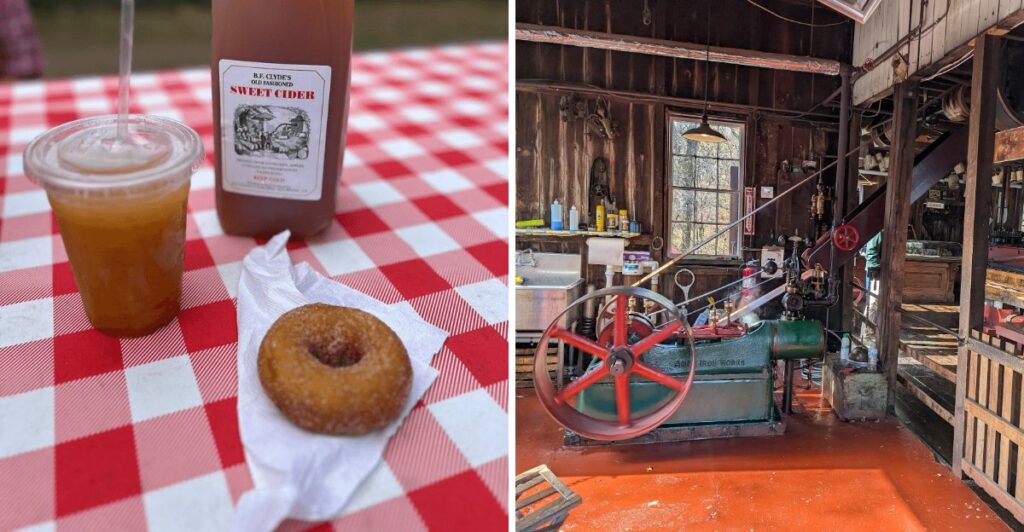
If you hear a loud whistle in Connecticut, follow the apples. At this historic cider mill, a steam engine from 1898 still powers the press. No fancy modern shortcuts, just Victorian-era machinery earning its keep.
The 15-horsepower engine sends pulleys, leather belts, and cast-iron gears into action while apples get crushed upstairs. It’s basically a history lesson with a very tasty ending.
The same family has kept the tradition going since 1881. That’s more than a century of knowing exactly what to do with an apple.
Then the sweet stuff takes over. Cider donuts, fresh pies, and enough temptation to make your shopping bag heavier than planned.
The machines may run on steam, but I’m pretty sure the visitors run on donuts.
That Steam Whistle Means The Show Is About To Start
A high, train-style whistle cuts through the air at B.F. Clyde’s Cider Mill, and it’s not a false alarm. The blast tells everyone that cider pressing is about to begin.
Staff and guests drift toward the press building when they hear it. Honestly, it’s the most charming dinner bell in Connecticut, even if dinner happens to be apple juice.
B.F. Clyde’s is known as the last operating steam-powered cider mill in the United States. That alone makes it a rare stop for anyone who loves history with a little noise attached.
The mill isn’t a museum with ropes and dusty plaques. It still produces cider using methods that worked generations ago, and that’s the whole point.
Because of its history, the American Society of Mechanical Engineers named the mill a National Historic Mechanical Engineering Landmark. Engineers don’t hand out that title for cute buildings alone.
Kids usually love loud things, and adults secretly do too. A working steam whistle gives everyone a reason to look up, pay attention, and follow the sound.
My advice is simple. Keep your ears open while you wander, because nobody wants to miss the main event after driving all that way.
Follow An Apple From The Truck To Your Cup
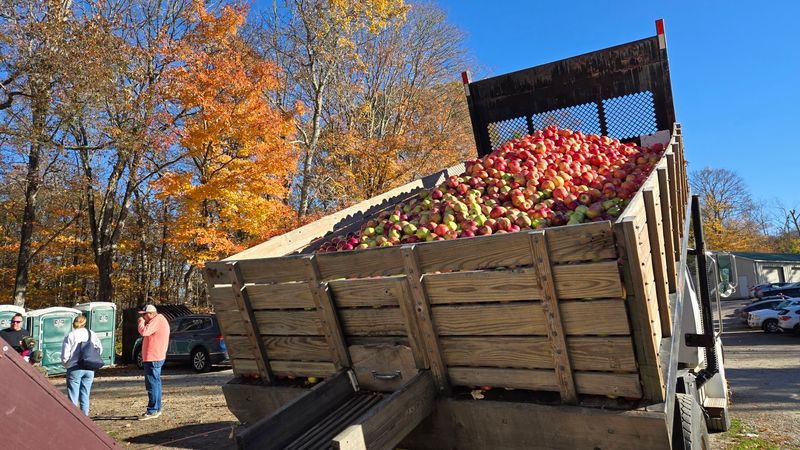
Every cup of cider here starts with a truckload of apples. From there, the fruit takes a surprisingly busy trip through the building.
A conveyor belt carries the apples down to the basement for cleaning. Then they head up to the second floor, where they get ground into mush.
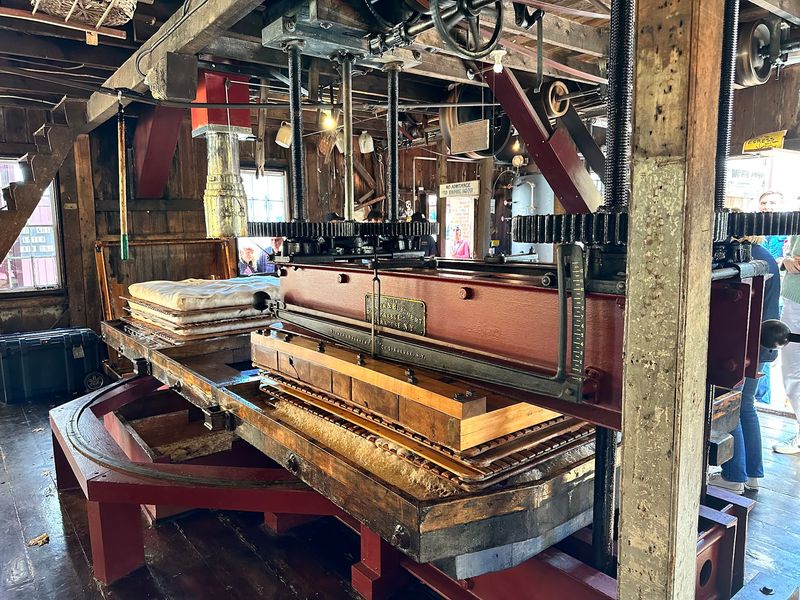
Next, that mush gets spread across wooden pallets and stacked. The stack rotates under the press, which squeezes fresh juice into troughs below.
The juice then travels through an underground pipe system. After flash pasteurization, it shows up in the retail store, ready for you to sip.
During the season, cider pressing typically takes place on Tuesdays, Thursdays, Saturdays, and Sundays from 10 a.m. to noon. Pressing times can vary throughout the season depending on production needs.
Plan your arrival around those times if watching the press matters most to you. Showing up five minutes after the last demo would be a tough lesson.
It’s neat to know your drink went basement, upstairs, press, and pipe before reaching your hand. Few beverages travel that far inside one building.
Old Machines Still Do All The Heavy Lifting Here
In the late 1890s, a screw press made by Boomer and Boschert of Syracuse, New York, arrived at this mill.
It has been squeezing apples ever since.
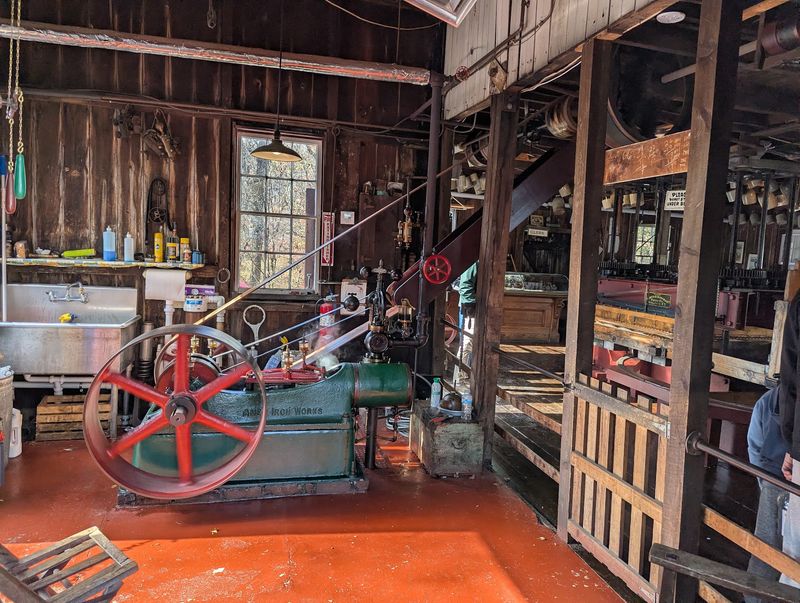
Power comes from a 15-horsepower steam engine built by Ames Iron Works. That engine drives a busy web of pulleys, ropes, leather belts, and cast-iron gears.
You won’t find a modern hydraulic press doing the job. The family sticks with the time-tested setup, and the machinery looks every bit as fascinating as it sounds.
For gearheads, this place is basically a candy store. For everyone else, it’s a rare chance to see how food got made before electric gadgets took over.
Watching belts spin and gears turn helps kids understand where power actually comes from. It’s a science lesson, minus the homework and plus the apple smell.
Take a moment to notice how each part connects to the next. One engine moves the whole system, which feels pretty impressive for something built well over a century ago.
Bring a camera or phone for photos. Old machinery in motion makes a far better picture than another selfie in front of a pumpkin pile.
Good Luck Leaving Without A Bag Of Cider Donuts
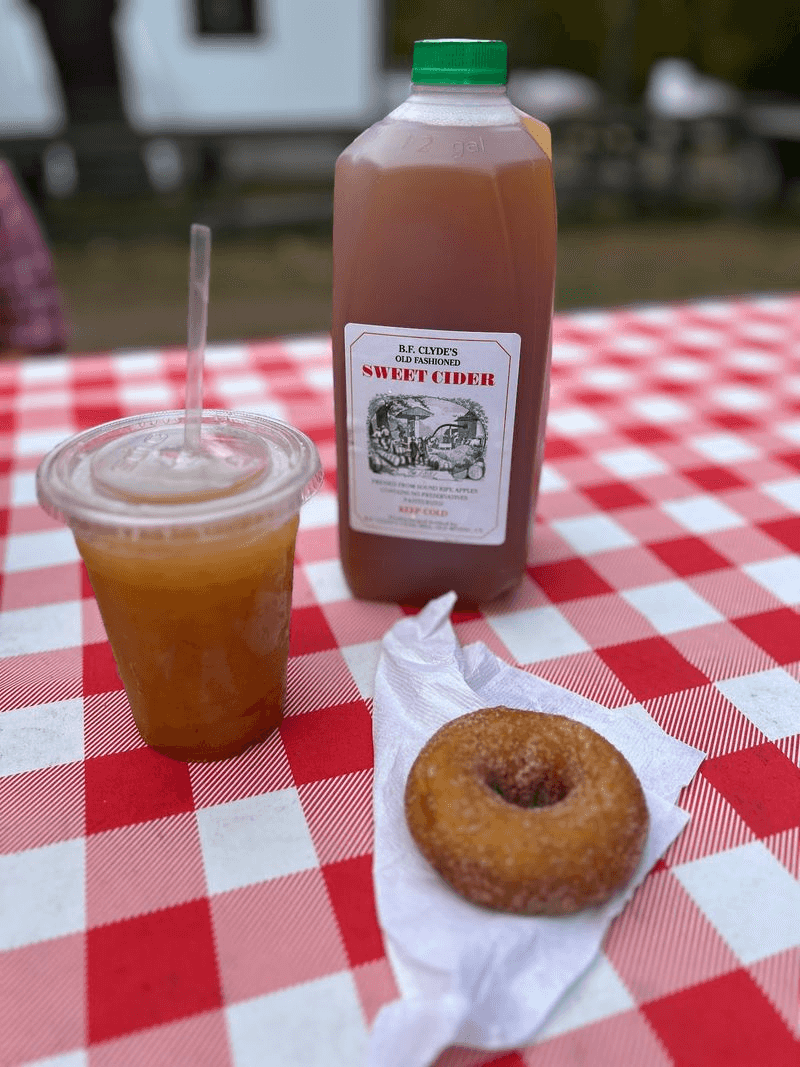
Old-fashioned cider donuts are a big reason people line up at B.F. Clyde’s Cider Mill. They’ve become a true fall tradition across Connecticut.
Pair one with fresh sweet cider, and you have the classic combo. Hot cider is on offer too, which makes chilly afternoons feel a lot friendlier.
Slushies and cider smoothie drinks also show up on the menu. That’s handy on those warm September days when hot cider feels like a bold choice.
Grab a dozen if you’re feeding a crew. Donuts have a funny habit of disappearing on the car ride home, and nobody ever admits who ate them.
There’s a wraparound porch with wooden chairs and tables. It’s a nice spot to slow down, sip your cider, and enjoy your treats outside.
One small tip helps a lot. Yellow jackets like sweet cider almost as much as people do, so keep your cup covered when you can.
Fresh cider and a donut may be simple, but they never get old. Some classics stick around for good reason, and this pairing is one of them.
The Bakery Case Is Packed With Apple Everything
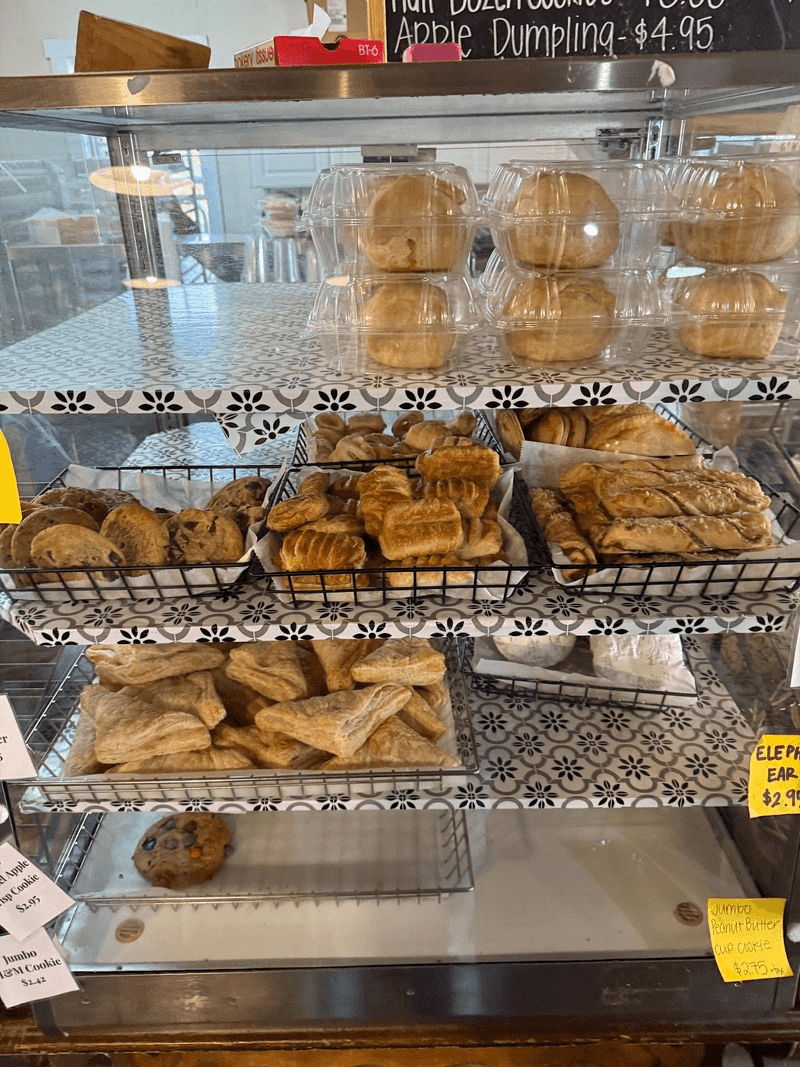
Apple pies sit right alongside pumpkin bread and apple turnovers in the bakery here. Choosing just one feels like a test nobody studied for.
Apple dumplings make a cozy pick on a cool day. Chocolate chunk cookies are there too, for anyone who needs a break from fruit.
Sliced caramel apples add a sticky, sweet option. Candy apples and fudge round out the sugary side of the shop.
Pumpkin cheesecake muffins have shown up in the lineup as well. Seasonal items can change, so treat the bakery case like a fun surprise each visit.
A smart plan is to eat one treat now and save one for later. That way, the fall feeling lasts longer than the drive home.
Pies make great gifts for a host or a family gathering. Showing up with a cider mill pie earns you instant bonus points with almost anyone.
The shop line even has stations where you can grab snacks as you move along. Waiting feels a lot less painful when cookies are within reach.
Jars, Honey, And Souvenirs Line The Shelves
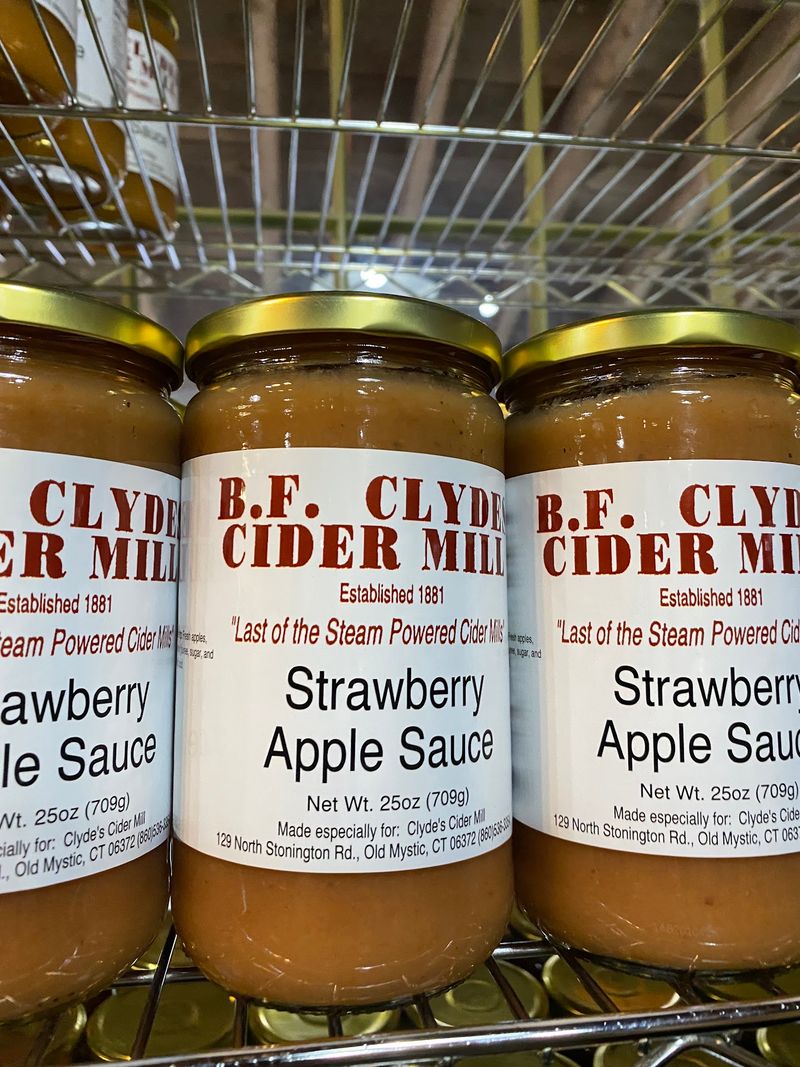
Shelves of jams, jellies, and jarred goods fill the country store. It’s easy to lose track of time reading labels.
Local honey and maple syrup are part of the mix. They’re perfect for stocking your own kitchen with a little New England flavor.
Sauces and other pantry items sit nearby. Grab a few for pancakes, toast, or a holiday gift basket that looks way fancier than it cost you.
The gift shop also carries trinkets and merchandise. Apparel and toys appear on the shelves too, which helps when kids want a keepsake.
Locally crafted items show up as well, including handmade earrings, postcards, and art prints. A postcard from a steam-powered mill beats a generic magnet any day.
Shopping here also supports a family business that has lasted for generations. That makes even a small jar of jelly feel a bit more meaningful.
My tip? Bring a sturdy tote bag. Glass jars and pie boxes can get awkward fast when your hands are also holding cider and donuts.
Six Generations Have Kept The Wheels Turning
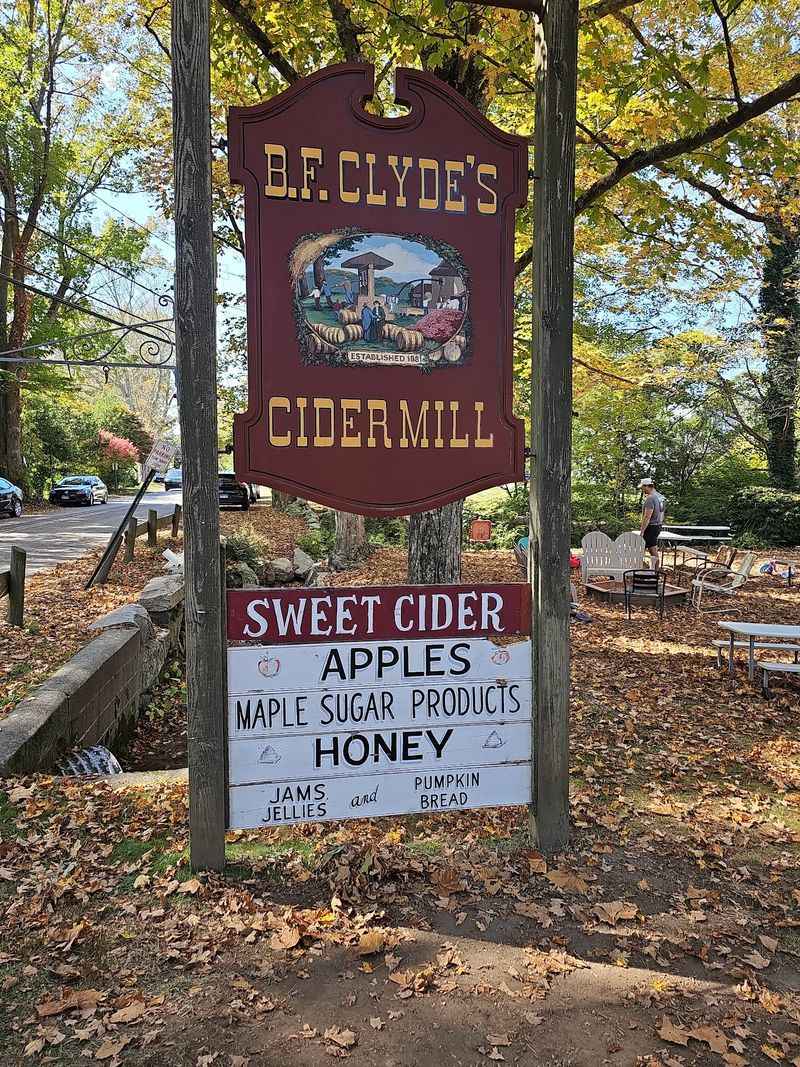
Benjamin F. Clyde started this business in 1881. Plenty of companies from that era vanished long ago, but this one is still pressing apples.
Today, the fourth, fifth, and sixth generations of the Clyde family help run the mill. That’s a lot of family members sharing one very old recipe for success.
Owners Annette and Harold Miner carry on the legacy. Annette is the great-granddaughter of the founder, which keeps the story firmly in the family.
Their care helps keep the pressing methods close to what Benjamin Clyde used. In a world that changes constantly, that steady approach feels pretty refreshing.
The mill is also recognized as the oldest continuous producer of hard cider in the United States. Few places anywhere can claim that kind of staying power.
I believe that’s what makes a visit feel special: supporting a tradition that has outlasted horse carts and dial phones.
Share that history with younger visitors in your group. It turns a snack stop into a story they might remember long after the donuts are gone.
Know The Season Before You Load Up The Car
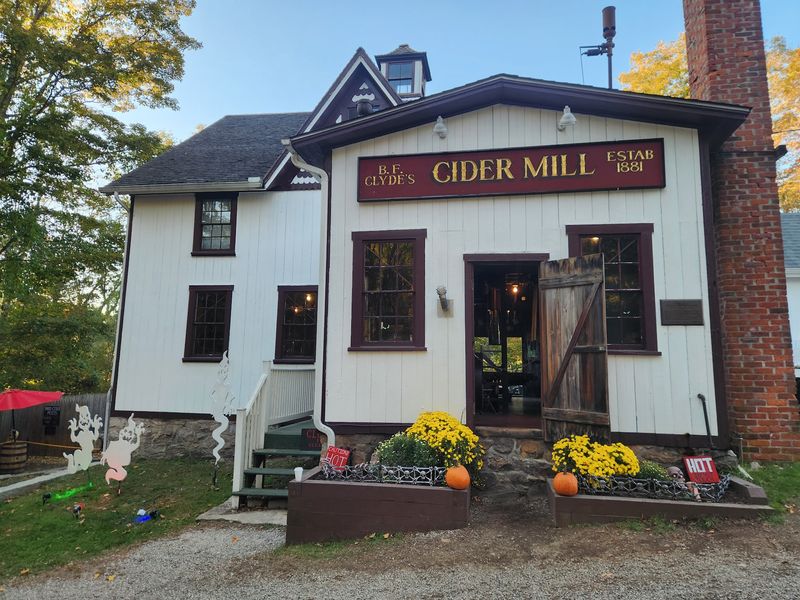
Timing matters a lot here, since this is a seasonal spot. The mill typically opens each year on September 1 and stays open into November or early December.
The mill’s current operating hours are 9 a.m. to 5 p.m., seven days a week during the season.
The mill remains closed on Thanksgiving Day.
You’ll find the mill at 129 N Stonington Rd, Mystic, CT 06355. It’s an easy addition to a southeastern Connecticut road trip.
Admission to the mill and grounds is free. That leaves more room in your budget for pies, which seems like a fine trade.
Parking is limited, especially on October weekends. Arriving earlier in the day gives you a better shot at a spot without circling forever.
An auxiliary lot sits a short walk up the road. If you park along the street, keep all four wheels off the pavement and respect the neighbors.
Lines can stretch during peak season. Pack patience, wear comfy shoes, and treat the wait as part of the fall adventure.