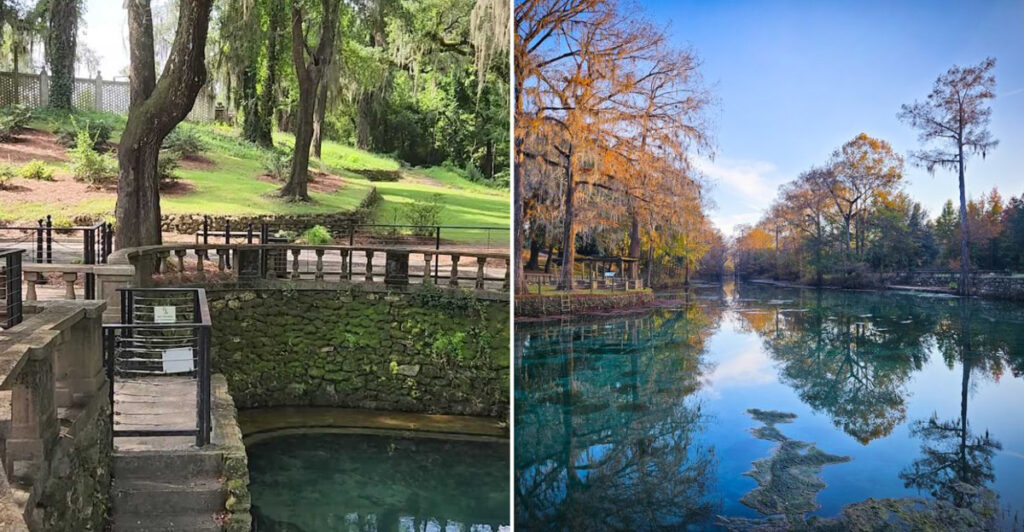
Electric blue water so clear that fish are visible gliding far below the surface. Georgia has a natural spot that stops people completely in their tracks, and the moment that water comes into view, the reason becomes instantly obvious.
This is not a quick photo and move on kind of stop. This is the kind of place that makes people go quiet, put the phone down for a second, and just stare.
Centuries of history behind it, a natural setting that looks almost digitally enhanced, and a park that is free to visit and open most days of the week. Cameras come out the moment that water appears.
The only problem is that no photo ever fully captures it. Does a Georgia natural wonder with water this beautiful and history this deep sound like exactly the kind of afternoon worth clearing the schedule for?
The Blue That Breaks Your Brain
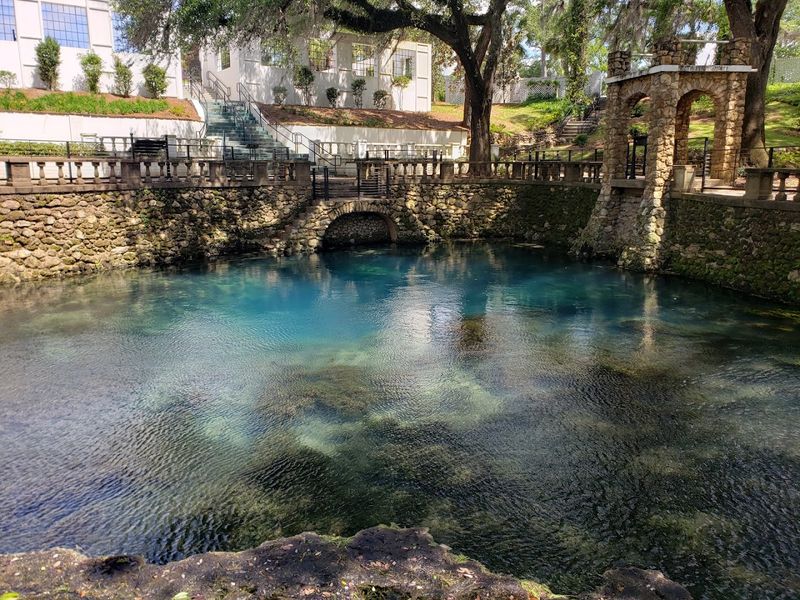
There is a moment when you first look down into the spring at Radium Springs Garden and your brain simply refuses to process what your eyes are seeing. The water is not just clear.
It is a deep, electric blue that seems to glow from somewhere far below the surface. This is a karst spring, which means the water travels through layers of limestone before it rises up. That limestone-rich journey is what gives the water its signature blue hue.
It is the same reason why the spring was originally called Blue Spring long before anyone started measuring radium levels. What makes it even more wild is that the water pumps out at roughly 70,000 gallons per minute. That is not a typo.
Seventy thousand gallons every single minute, flowing up from an underground cave system beneath your feet. The color of the water genuinely surprise everyone, even after seeing photos online. Photos do not fully prepare you.
Standing at the observation point and looking down into that blue abyss, with fish drifting lazily far below, is a completely different experience from anything a screen can offer.
A Wonder With A Wild History
Not every park comes with a story this layered. The land around Radium Springs Garden has been meaningful to people for a very long time.
The Muscogee Creek people, who originally lived across this region, called this spot Skywater. That name alone tells you how special they considered it.
Fast forward to the 1920s, and the spring had transformed into something glamorous. A full resort opened here in 1927, complete with a casino, hotel, golf course, and bathhouses.
People traveled from across the region to swim in the spring and enjoy the grounds. The Great Depression shut the resort down in 1939. Then Tropical Storm Alberto hit in 1994, flooding the area badly.
More flooding followed in 1998, and by 2003 the old casino structure had to be demolished. The site sat quietly for years before it was reimagined as an ecological and environmental park, officially reopening in 2010.
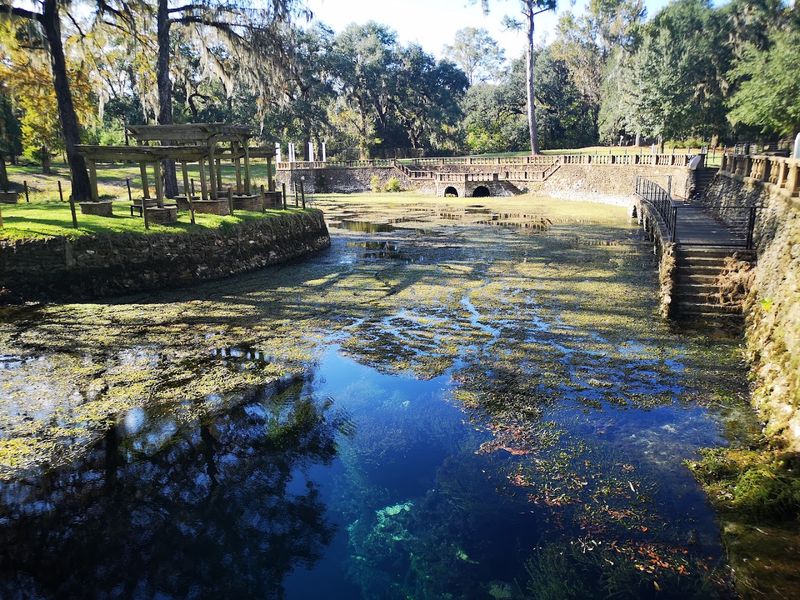
What you walk through today is a thoughtful tribute to all of those layers. Interpretive plaques dot the walkways, telling the full story from the Muscogee people through the resort era and up to the floods that reshaped everything.
How many parks can say they have been a sacred site, a luxury resort, and a natural wonder all in one lifetime? This one can, and it wears every chapter with quiet pride.
Fish, Turtles, And Pure Patience
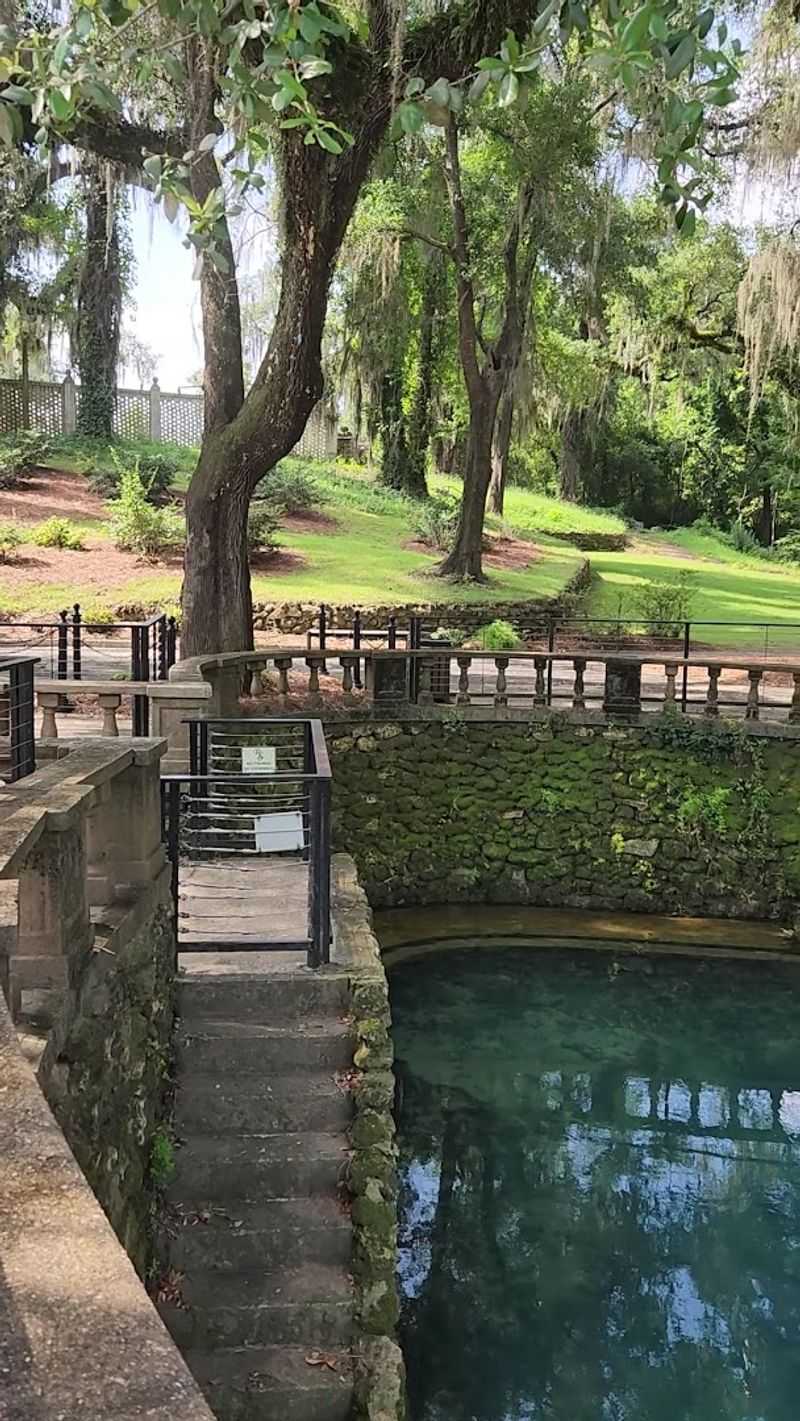
You do not need a fishing rod or snorkeling gear to enjoy the wildlife at Radium Springs Garden. All you need is a good pair of eyes and a few unhurried minutes.
The water clarity here is so extraordinary that you can watch large fish moving around far below the surface without any effort at all.
Turtles are regular visitors too. They float near the surface or perch on rocks, completely unbothered by the humans watching from above.
There is something almost meditative about standing at the edge of the spring and just tracking the slow, graceful movement of these animals in their natural space.
Swimming and fishing are no longer permitted at the park, which means the fish and turtles have claimed this water entirely for themselves. In a way, that makes the experience even better.
You are watching wildlife that has no reason to hide or flee, living completely at ease in one of the clearest natural springs in the entire state.
Walking The Grounds Like A Local
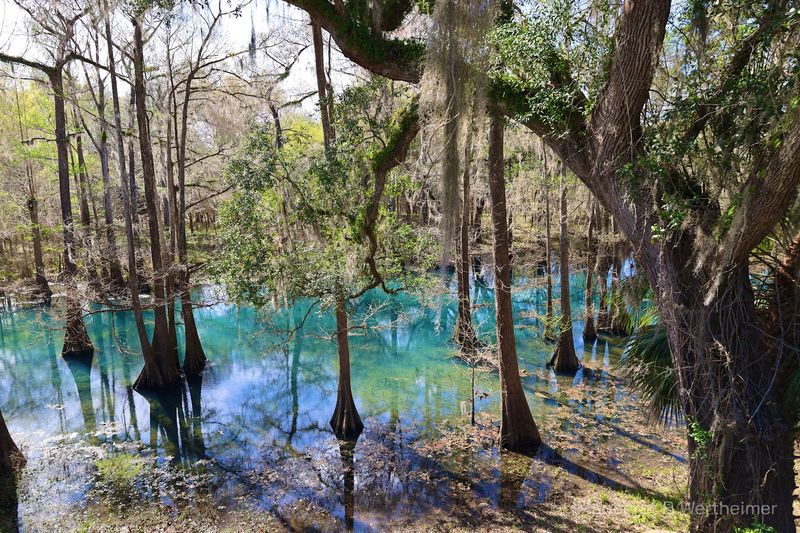
The trails and walkways at Radium Springs Garden are genuinely enjoyable to walk. They are wide, well-paved, and designed to take you past the best views the park has to offer without making you feel like you are on a forced march. The pace here is entirely your own.
Botanical displays line parts of the route, giving the walk a garden-stroll quality that feels relaxed rather than educational. Gazebos are scattered throughout the grounds, offering shaded spots to sit, look out over the water, and simply exist for a moment without checking your phone.
The restored terrace area has a particular charm. It sits near where the old casino once stood, and standing there you can almost feel the history pressing up through the stone beneath your feet.
A casino garden has been created in that same space, adding a landscaped elegance to what was once a much grander structure.
The park is open Tuesday through Sunday, with admission completely free. Hours run from 9 AM to 7 PM on most days, with Sunday hours from 1 to 5 PM.
If you want the grounds mostly to yourself, what time of day do you think draws the smallest crowd? Early weekday mornings here are practically silent.
The Name Behind The Garden
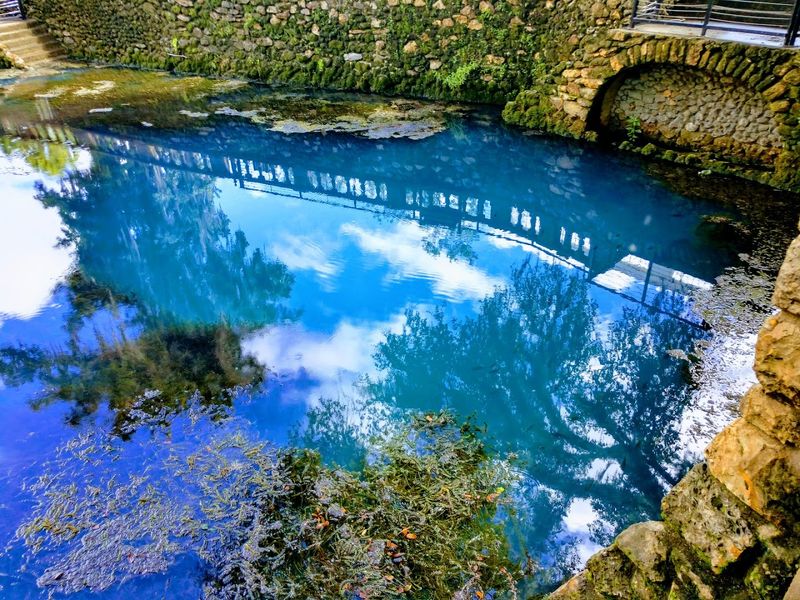
There is a fun piece of scientific trivia baked right into the name of this place. In the early 20th century, researchers discovered trace amounts of naturally occurring radium in the spring water.
That discovery gave the site its current name, replacing the earlier and equally poetic Blue Spring.
Before you picture anything alarming, the amounts involved were genuinely trace-level, and the spring was a popular swimming destination for decades after the discovery. The name was more of a novelty than a warning.
People in that era were fascinated by radium, which had only recently been identified by Marie Curie, and the name carried a certain exciting, modern energy.
Today, the interpretive plaques throughout the park explain this history clearly and accessibly. The park does a solid job of connecting the geology, the chemistry, and the human story into one coherent narrative that does not require a science degree to follow.
Tourists say that the infographics and signage genuinely taught them things they had no idea about before arriving. That is a real compliment for a free public park.
How often do you walk away from a park visit knowing more about geology, indigenous history, and early 20th-century science all at once?
Radium Springs Garden makes that combination feel completely natural, and it keeps the information light enough that even younger visitors stay curious and engaged throughout the whole walk.
Perfect For A Picnic Pause
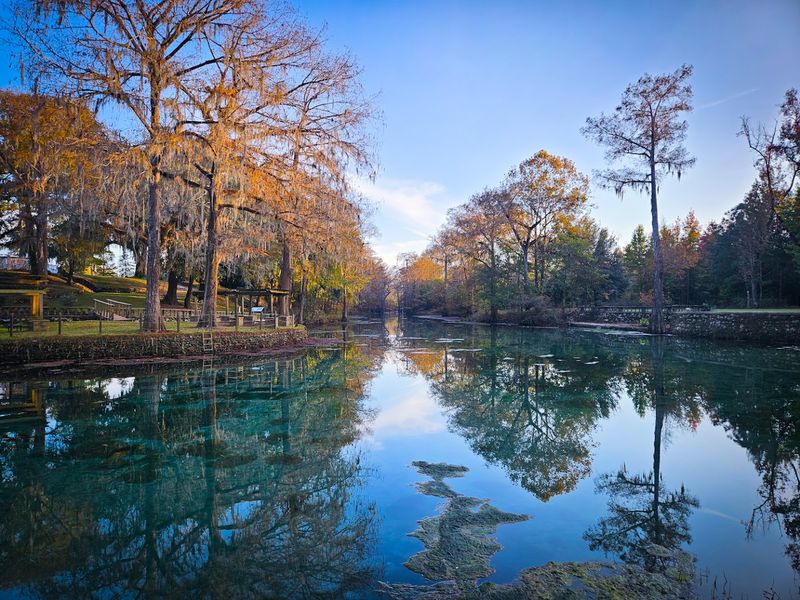
Not every great travel experience requires a restaurant reservation or a packed itinerary. Sometimes the best version of a day out involves a blanket on the grass, a bag of snacks, and a view that costs absolutely nothing. Radium Springs Garden is built for exactly that kind of afternoon.
The grounds offer open grassy areas where visitors can spread out and settle in. The shade from mature trees keeps things comfortable even on warmer Georgia days.
Sitting near the spring with a picnic is one of those simple pleasures that somehow feels more satisfying than a much more complicated outing.
Tourists who have passed through on road trips say that stopping at Radium Springs turned into one of the most memorable parts of their whole journey, even though it was not originally on the itinerary. That kind of spontaneous joy is hard to manufacture, and this park delivers it reliably.
The park also has clean public restrooms, which any experienced road tripper knows is not a small thing. Practical comfort matters when you are exploring, and the facilities here are consistently well-maintained according to people who have visited.
Pull up to 2501 Radium Springs Rd in Albany, GA 31705, find a spot on the grass, and let the blue water do the rest of the convincing for you.
Where The Spring Meets The River
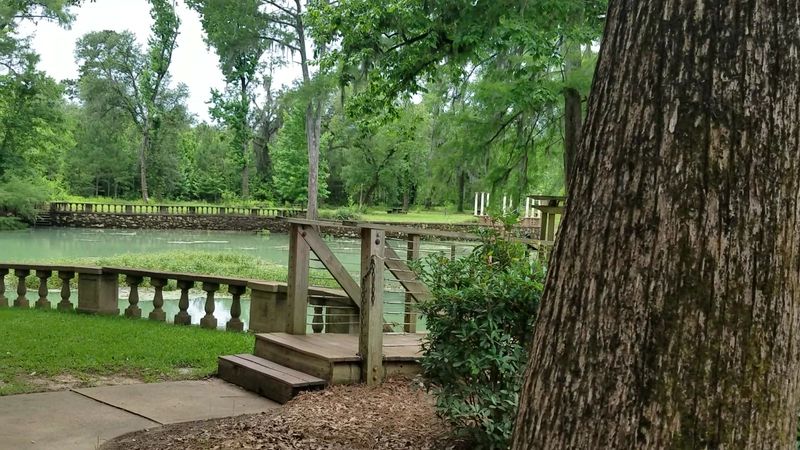
One of the quieter thrills of visiting this garden is following the trails to where the spring water eventually flows out and meets the Flint River. The contrast between the spring’s electric blue clarity and the wider river is something that sticks with you long after you leave the park.
The trails that run along the spring toward the river are peaceful in a way that feels genuinely removed from everyday life. Trees line the path, birds move through the canopy above, and the sound of flowing water follows you the whole way. It is the kind of walk that slows your breathing without you even noticing it happening.
The Muscogee Creek people named this area Skywater, and walking this stretch of trail makes that name feel completely earned. There is a clarity to the landscape here, both visual and atmospheric, that is hard to put into words but very easy to feel.
Visitors say about this place that the walk down toward the river was their favorite part of the whole visit, even more than the main spring overlook. That might surprise first-time visitors who come expecting the spring to be the only attraction.
Tips Before You Go
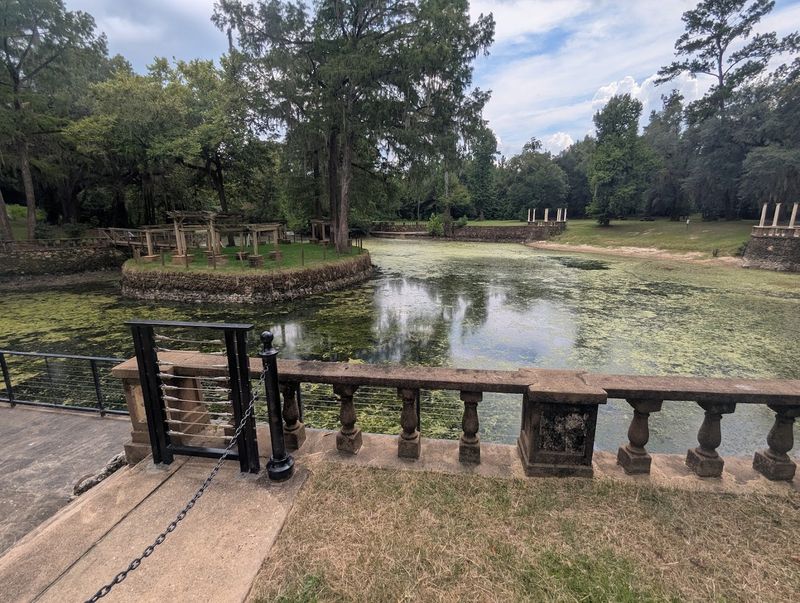
A little planning goes a long way when you visit Radium Springs Garden, even though the park is genuinely easy to navigate. Pack light, go curious, and the spring will handle the rest.
The address is 2501 Radium Springs Rd, Albany, GA 31705, and parking is plentiful and free right on site. The park is easy to find and the lot is well-marked.
Operating hours run Tuesday through Saturday from 9 AM to 7 PM, and Sunday from 1 to 5 PM. The park is closed on Mondays, so plan accordingly if you are working that into a road trip schedule. Admission is completely free, which makes this one of the best-value stops in the entire state of Georgia.
The best time to visit for a truly peaceful experience is on a weekday morning. Weekends can bring more visitors, though the park rarely feels overcrowded.
Early arrivals get the spring almost entirely to themselves, which makes for much better photos and a noticeably calmer atmosphere overall.
Tourists say that the staff they encountered were warm and happy to share local knowledge about the park and its history. Is there anything better than a free park with helpful people and a natural wonder at its center?