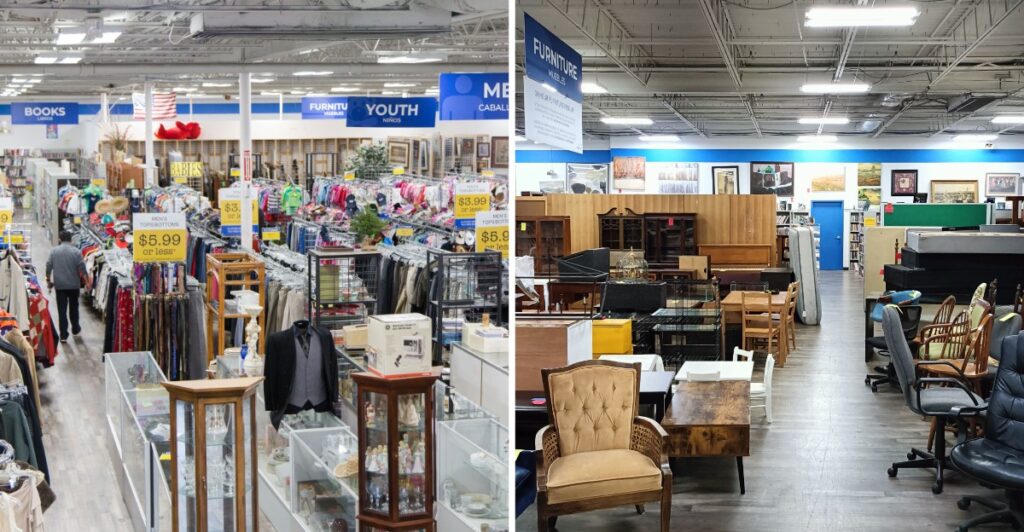
The most tempting sentence in a thrift store is, “I’ll just check one more section.”
Sure you will.
This place gives that idea about 30,000 square feet to fall apart.
You may come in looking for a jacket and somehow end up comparing lamps. Then a bookshelf gets involved. Ten minutes later, the original mission is barely hanging on.
That is the risk with a Tennessee store this large.
Donations keep the inventory moving, so the shelves rarely give you the exact same hunt twice. Weekly discounts can shake things up even more, with Wednesday bringing a bigger storewide deal for members.
My advice?
Find what you actually came for before curiosity takes over.
Because once you start saying, “Wait, what’s over there?” the shopping list has already lost.
Thirty Thousand Square Feet Gives You Plenty To Browse
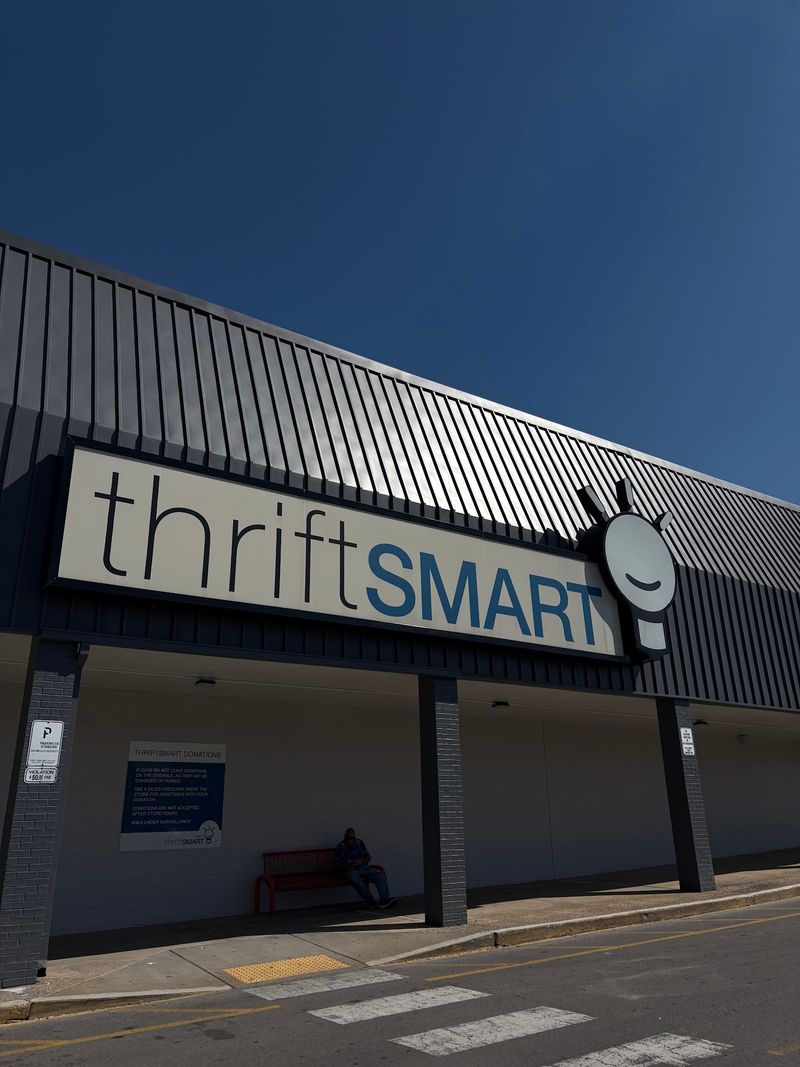
ThriftSmart covers about 30,000 square feet, making it large enough that a quick lap can turn into a longer browse without much effort.
Clothing takes up a major share of the store, with sections for women, men, and children. Shoes, accessories, books, furniture, housewares, electronics, and other donated goods fill out the rest of the floor.
That size works best when you give the visit a little structure. If you need a jacket, start there before the cart begins collecting unrelated things. If furniture is the priority, measure the space at home first and keep those dimensions on your phone.
If you are shopping for clothing, a short list of missing basics can save time before you branch into the rest of the racks.
For furniture, bring measurements for doorways as well as the room itself. A chair can fit the corner perfectly and still become a problem at the front door.
A large thrift store can be either helpful or distracting depending on how you approach it. The “need” section can come first. The “how did this end up in my cart?” section can have its turn afterward.
Comfortable shoes help too. Thirty thousand square feet does not sound enormous until you have doubled back for the lamp you decided you actually wanted after all.
If time is limited, choose two departments and ignore the rest. If the afternoon is open, wandering becomes part of the assignment.
New Inventory Reaches The Floor Regularly
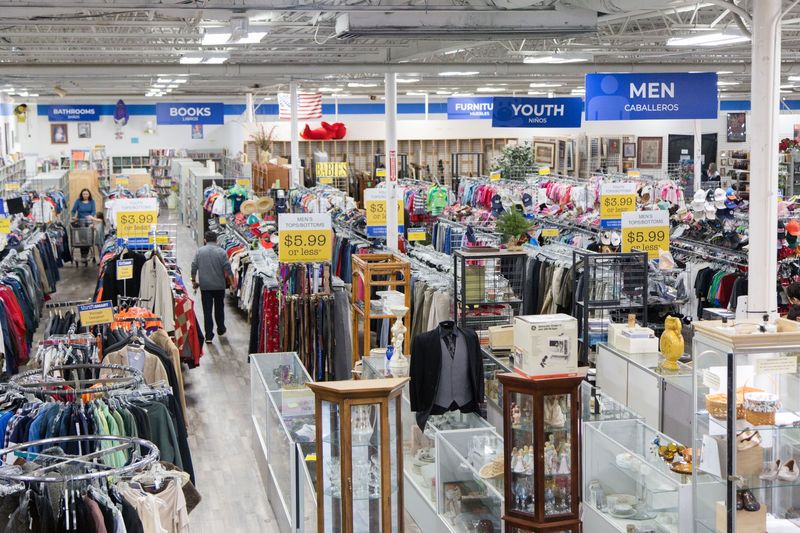
ThriftSmart regularly moves donated goods onto the sales floor, so repeat visits can bring a different mix of clothing, books, furniture, and household items.
A coat that was there on Monday may be gone by Friday. A shelf that looked ordinary last week might hold a useful kitchen piece, a stack of books, or a piece of furniture the next time you pass through.
That turnover changes the smartest way to shop. A single marathon visit can cover more ground, but shorter repeat trips can make just as much sense if you live nearby and enjoy seeing what changed.
It also helps to stay flexible about color, brand, and exact style. Thrift inventory depends on donations, so arriving with a picture-perfect requirement can turn browsing into unnecessary detective work.
Fall is a natural time to check jackets, sweaters, blankets, baskets, and other cooler-weather basics, but those categories are not guaranteed to appear in the same quantities every day.
Donations also make the inventory unpredictable in a useful way. A category that feels sparse on one visit can look fuller later, so an empty-handed trip does not tell you much about the next one.
Today’s empty hook may be holding exactly what you wanted a week from now.
Start with the item you actually need. After that, curiosity can take over for a few aisles.
Clothing, Books, Furniture And Housewares Fill Different Sections
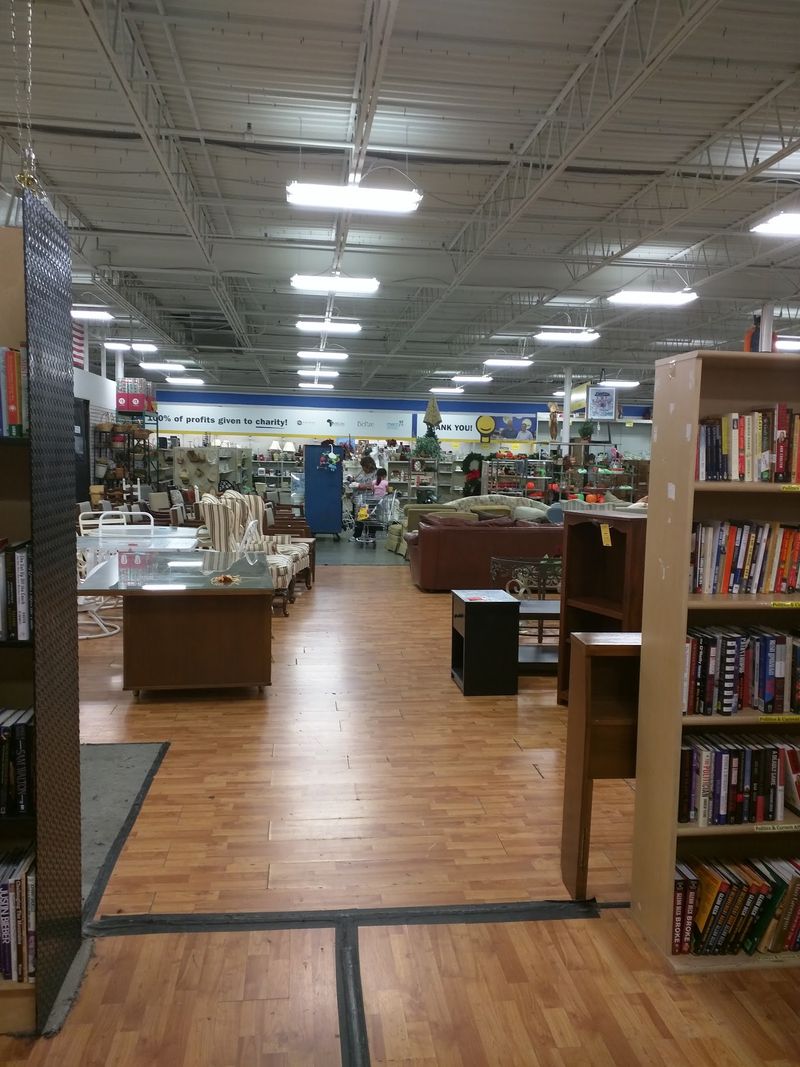
The store’s size gives several departments room to breathe. Clothing takes up much of the floor, while housewares and furniture have substantial sections of their own.
Books are another notable category, with shelves organized to make browsing easier than scanning one long, unsorted wall of spines.
That separation matters when you are shopping for a mix of things. One person can head toward clothing while another checks furniture, then everyone can regroup before checkout.
Comparing finds afterward is part of the fun, especially when two people somehow emerge from the same store with completely different hauls.
For home goods, measurements are the easiest preparation. A bookshelf that looks modest in a large store may suddenly feel much bigger when it reaches a small apartment hallway.
The same logic applies to clothing. Try things on when possible rather than assuming a familiar size will fit the same across different brands and eras.
Books, records, electronics, toys, accessories, and smaller household items can fill the cart faster than expected because each one feels like a small decision.
Give the cart a quick edit before checkout. If you cannot remember why something went in, that may be the answer.
Smart Rewards Changes The Math On Wednesdays
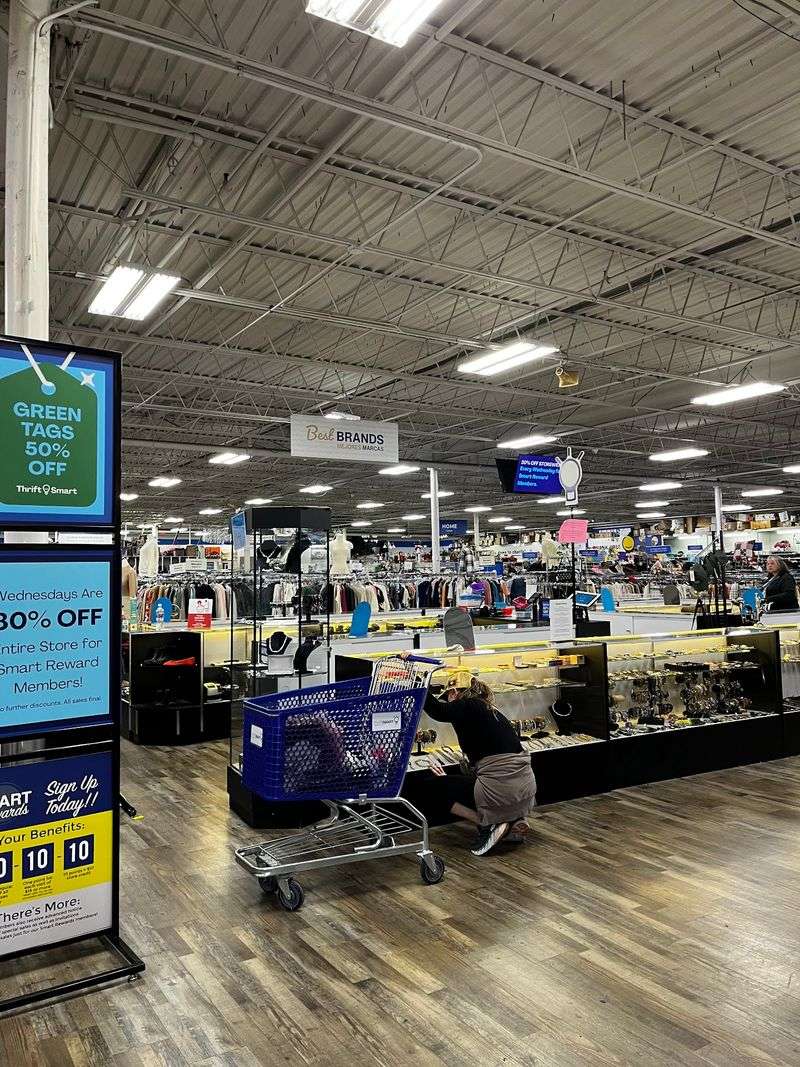
ThriftSmart’s current Smart Rewards program gives members 30% off storewide on Wednesdays and 10% off storewide on the rest of the week. Some exclusions and sale rules apply, so not every item or promotion can be stacked together.
That makes Wednesday an obvious day to consider if you already planned to browse and want the member discount. It does not mean every Wednesday purchase is automatically a bargain, though. A discount can make a strange lamp cheaper.
It cannot tell you where you are going to put it.
The store is at 4890 Nolensville Road, Nashville, TN 37211. Current shopping and donation hours are Monday through Saturday from 9 a.m. to 8 p.m. and Sunday from noon to 6 p.m.
Those long weekday hours make it possible to stop before dinner, after work, or during a quieter part of the afternoon rather than forcing the trip into a narrow weekend window.
A spending limit still helps, especially when discounts make one more item feel harmless. Decide what you are comfortable carrying to the register before the cart begins making its own arguments.
Use the reward program as a tool, not a reason to give every tempting shelf a victory.
Purchases Help Fund Nonprofit Work
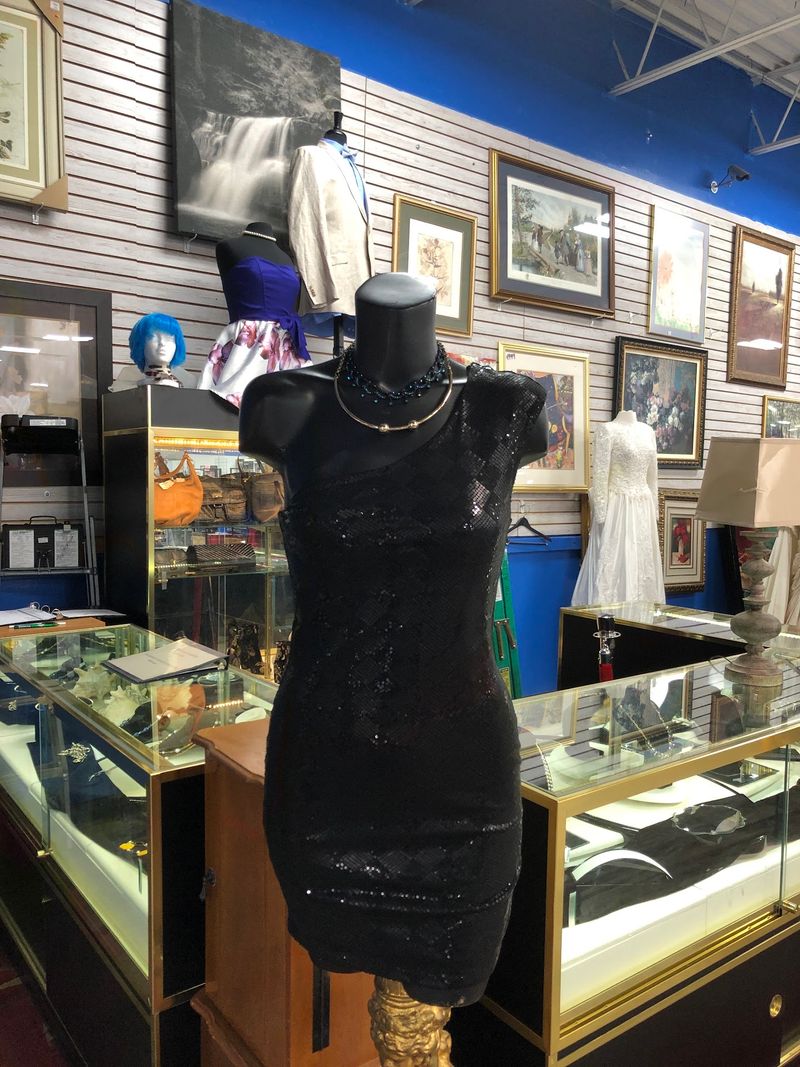
ThriftSmart is a 501(c)(3) nonprofit organization, and 100% of its profits support nonprofit work.
Its four supported charities are New Hope Academy, Mercy Community Healthcare, The Belize Project, and African Leadership. Their work spans education, healthcare, community development, and leadership initiatives.
Revenue from store operations supports those partner organizations while donated goods stay in circulation through resale.
ThriftSmart has operated in Nashville since 2005. The nonprofit model operates year-round, with store profits supporting the organization’s partner charities.
If you already need a jacket, book, chair, or set of dishes, buying secondhand here connects that ordinary purchase to a broader funding model.
There is also something pleasantly practical about an object getting another chapter. The mug is still a mug, the chair still needs somewhere to sit, and the jacket still needs to fit.
It simply gets another chance to be useful instead of remaining forgotten in somebody else’s closet.
Donations Keep The Secondhand Cycle Moving
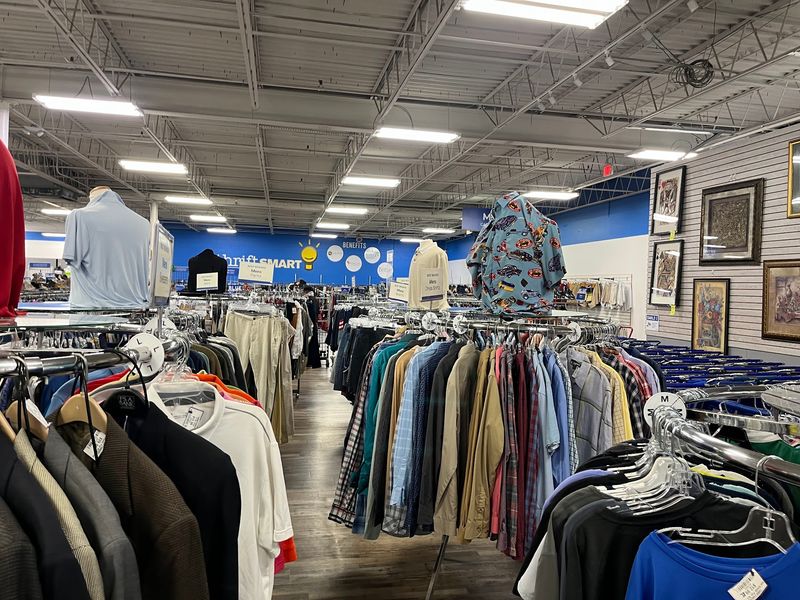
The Nolensville Road store is also a donation location, so the same visit can begin with clearing space before you shop for anything new to you.
ThriftSmart accepts donated clothing, shoes, household items, and other usable goods, while furniture and bulk donations can also be scheduled for pickup.
That makes closet-cleaning season a good excuse to handle both sides of the thrift cycle. Bring in what your household no longer uses, then shop with a little more breathing room at home.
Of course, donating three bags and returning with four is not technically the decluttering victory you had in mind. A little restraint at the racks can protect all that freshly reclaimed closet space.
Condition matters. Clean, usable items are more helpful than things that are badly damaged or beyond practical reuse. If you are unsure about a large item, checking the current donation guidelines before loading the car can save an unnecessary trip.
The store also works with GiveSmart partners, allowing schools, churches, and community groups to earn support through donated goods and volunteer activity.
You do not need to understand every part of that program before donating a bag of clothes. Usable items go back into circulation, store sales generate revenue, and nonprofit partners benefit from the system.
That is a much better ending for a sweater than another year behind the winter coats.
Give Yourself A Plan And Leave Room To Wander
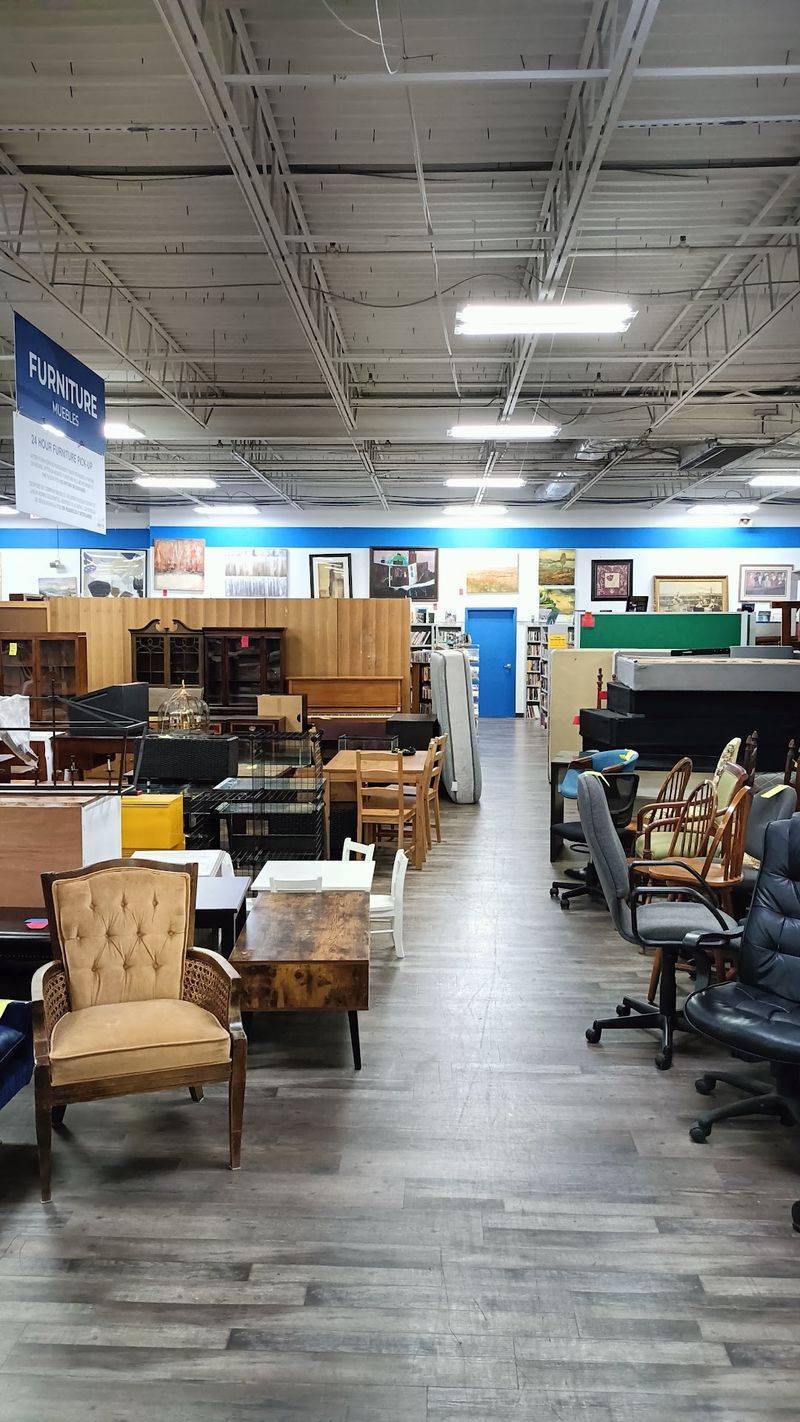
A large thrift store works best when the visit has just enough structure to keep you from wearing yourself out.
Start with the department that matters most. If you need fall clothes, go there first. If home goods are the reason for the trip, head straight toward housewares or furniture before the cart gets crowded.
Then loosen the plan.
Changing inventory means the most interesting find may have nothing to do with the reason you walked in. A book, lamp, record, jacket, or kitchen piece can change the direction of the visit in a single aisle.
tThat little interruption is part of what separates thrifting from running into a regular store for something predictable.
That does not mean every surprise belongs in the cart. Pause before checkout and ask whether the item has a place, a purpose, or someone who will actually use it.
The same rule helps with bulky furniture. Measure first, inspect it carefully, and think about how it will get home before falling in love with it under fluorescent lights.
The parking lot is a bad place to discover your new favorite chair and your back seat have irreconcilable differences.
If you are shopping on a Wednesday, the member discount may shape the timing. If you are donating too, unload first and shop second.
Then take the long way through the store. The list got you through the door. It does not have to control every aisle.