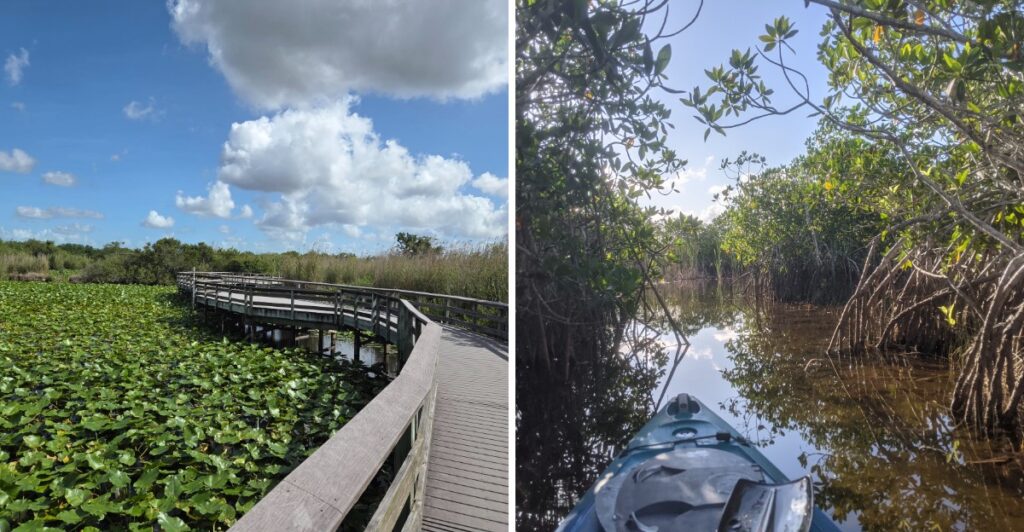
More than 360 bird species have been recorded in this Florida park. Most of us can name maybe six birds, and two of them are pigeons.
The alligators are the real celebrities here, especially in the dry season. They gather around shrinking pools like guests crowding a snack table, so spotting one takes almost no effort.
The park also protects nine different ecosystems, including mangroves and pinelands. That’s a lot of variety for one stretch of swamp and sawgrass, and it keeps the scenery changing as you go.
Dry season kicks off late in the year and runs through spring. The gators have already claimed the best seats by the water, so where will you be standing?
The River Of Grass Is Bigger Than You Think
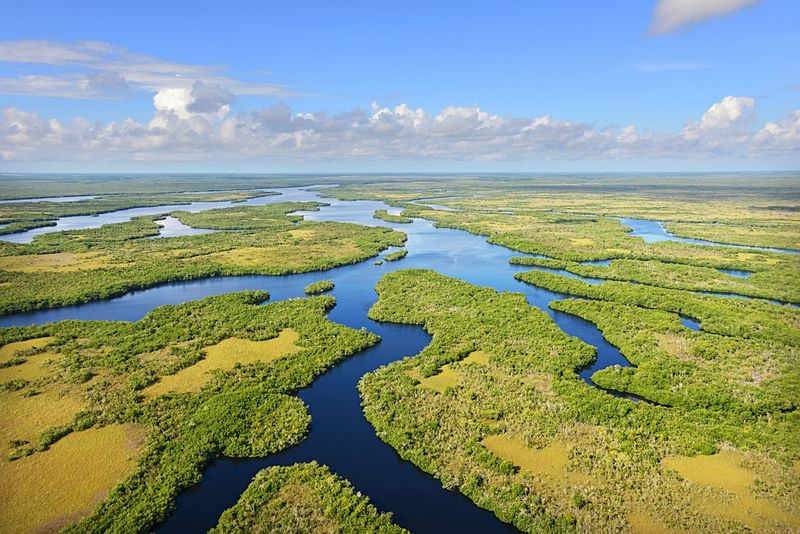
Everglades National Park covers roughly 1.5 million acres across three South Florida counties. That makes it the largest subtropical wilderness in the United States.
Writer Marjory Stoneman Douglas popularized the nickname River of Grass. It fits, because this is a slow, wide sheet of water moving through sawgrass.
The park was authorized in 1934 and officially established on December 6, 1947. It was among the first national parks created to protect a fragile ecosystem rather than dramatic scenery.
No towering peaks here. The magic is flat, green, and full of life.
That mission earned the park three big international titles. It’s a UNESCO World Heritage Site, an International Biosphere Reserve, and a Wetland of International Importance.
Inside its borders, nine ecosystems share space. You’ll find freshwater sloughs, marl prairies, tropical hammocks, pinelands, cypress, mangroves, coastal lowlands, marine, and estuarine habitats.
Each one shelters different plants and animals. A short drive can move you from pine forest to mangrove shoreline.
Give yourself time to notice the small shifts. The landscape changes quietly, and rewards anyone who slows down enough to look closely.
Gators Practically Line Up For Photos On This Trail
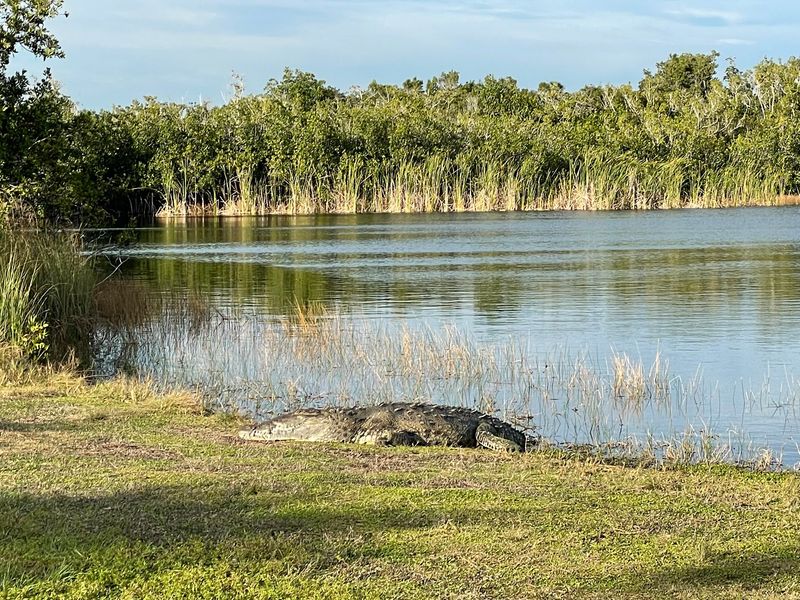
Short walks don’t usually come with reptiles. The Anhinga Trail near the Royal Palm Visitor Center changes that rule fast.
This popular path offers some of the easiest wildlife viewing in the whole park. Turtles, herons, and alligators are all regular sights along the way.
Photographers love it for good reason. The animals often sit close enough for great shots without a long hike.
Alligators truly own the sloughs here. In the dry season, they gather around shrinking water sources, which makes them much easier to spot.
They also love basking in the sun on hot days. Look for dark, bumpy shapes stretched along the water’s edge.
Visiting in the wet season has its own bonus. Mating often happens before the rains, so baby alligators might appear later in the year.
Keep a respectful distance, always. These are wild animals, not lawn ornaments, no matter how relaxed they look.
Nearby, the Gumbo Limbo Trail offers a shady change of pace. It’s a good spot for songbirds, giving your gator-watching eyes a nice break.
Pink Birds With Spoon Faces Are Real And Spectacular
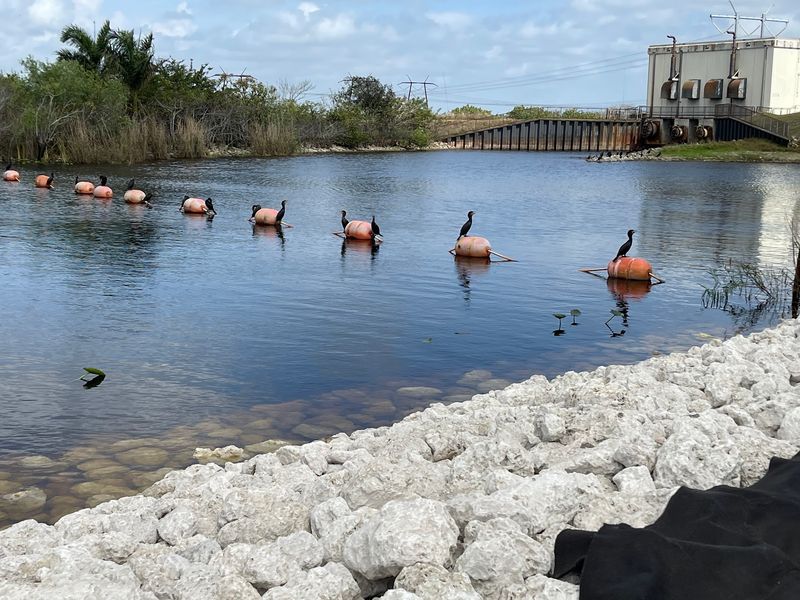
A bright pink bird with a bill shaped like a kitchen spoon sounds made up. The roseate spoonbill lives here anyway, and it steals every scene.
Everglades National Park is the most important breeding ground for wading birds in North America. More than 360 bird species have been recorded in the park.
Wading birds are the stars. Watch for great egrets, snowy egrets, great blue herons, tricolored herons, and little blue herons.
The white ibis is the most common wader. Wood storks also show up, looking serious and a bit like tiny professors.
Raptors deserve attention too. Short-tailed hawks, snail kites, and swallow-tailed kites cruise the skies here.
Birders have plenty of favorite places. Mahogany Hammock, Paurotis Pond, Nine Mile Pond, Mrazek Pond, Eco Pond, and Snake Bight Trail all make the list.
Bring binoculars and a simple field guide. Even beginners can spot a dozen species without trying very hard.
The dry season brings large nesting colonies. That’s when the action peaks, so plan accordingly and pack patience.
Your Calendar Matters More Than Your Sunscreen Here
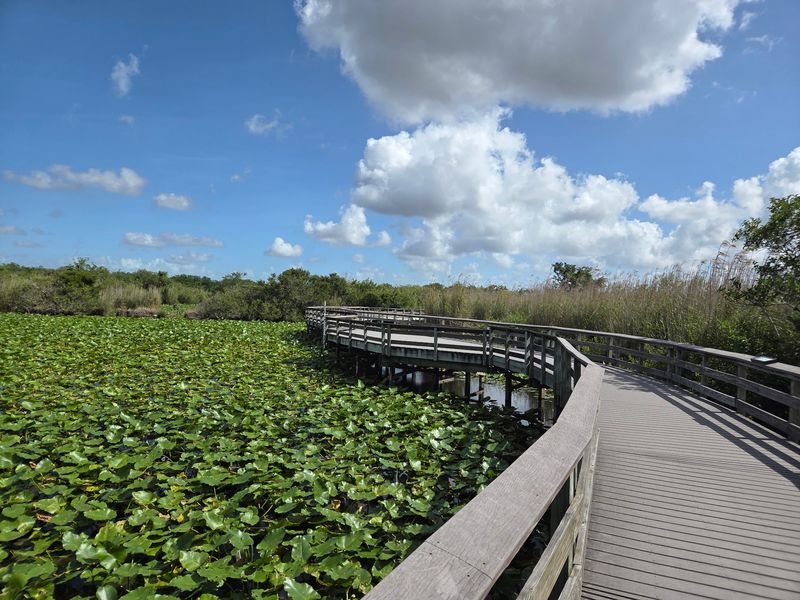
Timing a trip to Everglades National Park is half the strategy. The park runs on two seasons, and they feel like two different places.
The dry season typically runs from about December through April or May. Temperatures usually sit between 60 and 85 degrees, with lower humidity and fewer mosquitoes.
Wildlife viewing shines during these months. Gators and wading birds crowd around shrinking water, and ranger-led programs are widely available.
The wet season usually lasts from May or June through November. Expect highs in the 90s, heavy humidity, and daily afternoon thunderstorms.
Animals spread out when the water rises. Mosquitoes, meanwhile, show up in impressive numbers, so repellent becomes your best friend.
The summer months do have perks. The park feels quieter, and those stormy skies look spectacular over the sawgrass.
Want the best shot at 2026 wildlife? Aim for the early months, or catch the dry season returning late in the year.
The park stays open around the clock, every day of the year. Visitor center hours shift seasonally, so check before heading out.
Start At The Main Gate Near Homestead
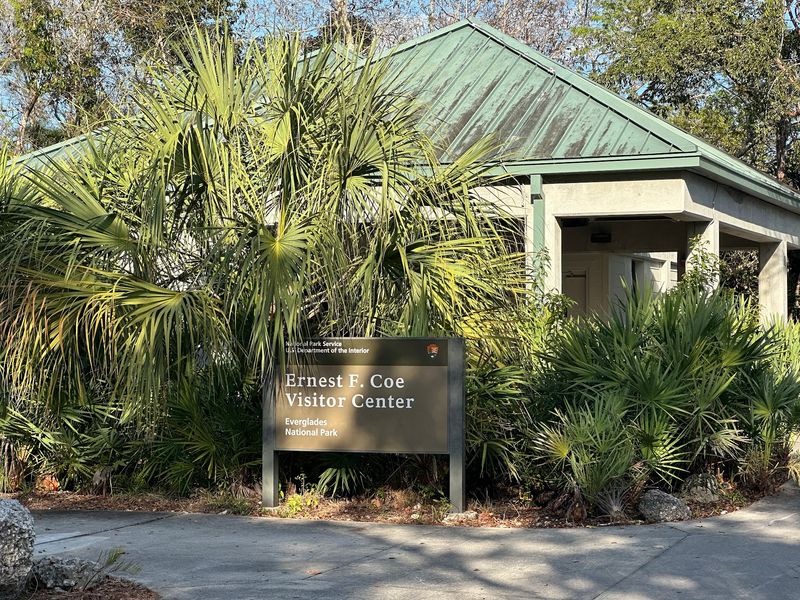
Homestead serves as the doorway to the park’s southern half. The main entrance sits at 40001 State Road 9336, Homestead, FL 33034.
That road leads to the Royal Palm and Flamingo areas. It’s the route most first-timers take into Everglades National Park.
The Ernest F. Coe Visitor Center makes a smart first stop. It opens 365 days a year, with a snack shop and gift shop inside.
Hours run 8 AM to 5 PM from mid-December through March. The rest of the year, doors open at 9 AM.
Gift shops across the park sell souvenirs, books, snacks, and insect repellent. That last item might be the most valuable purchase of your trip.
Entry passes last seven consecutive days at all park entrances. Payment works only by card or digital pass, so leave the cash plan behind.
Nonresident visitors 16 and older now pay an extra fee on top of the standard pass. Plan for it ahead of time.
U.S. citizens and residents can enjoy free park admission on November 11, 2026. Nice timing for a fall visit.
Fifteen Paved Miles Lead To A Tower Worth Climbing
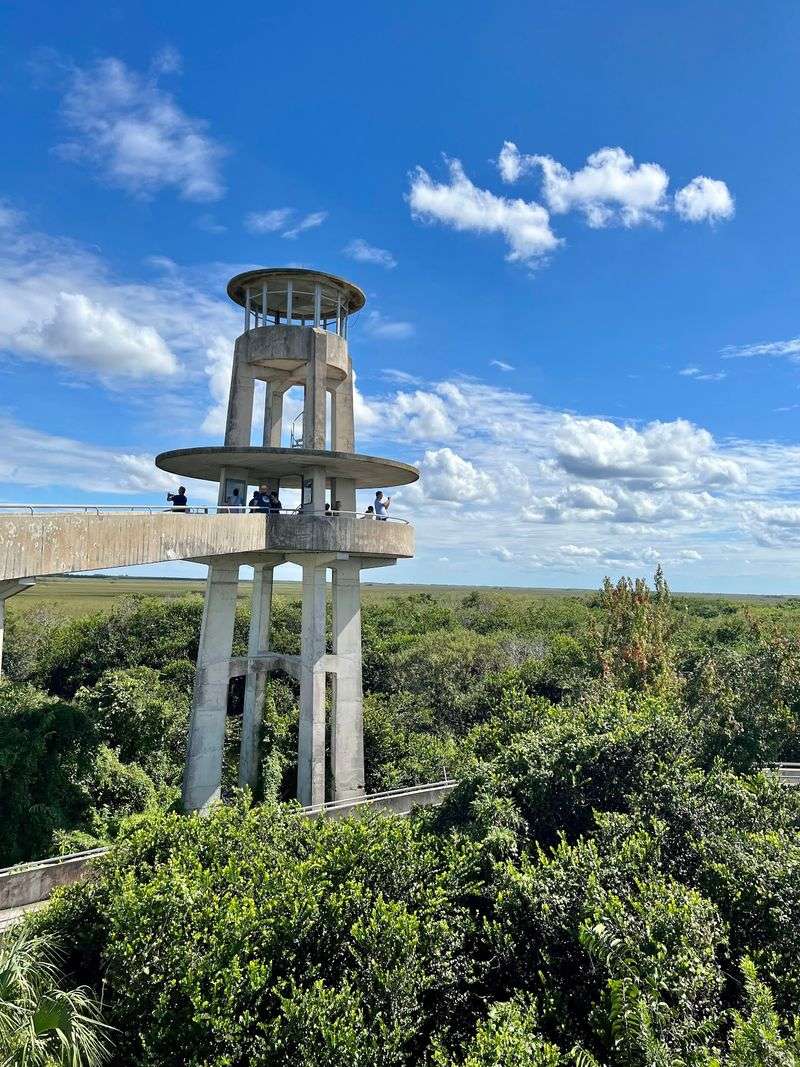
Shark Valley offers a totally different way to see the glades. A 15-mile paved loop road winds through the wetland, and you can tram, bike, or walk it.
At the halfway point stands a 70-foot observation tower. From the top, the sawgrass stretches out in nearly every direction.
Bike rentals are available on site. Pedaling the loop gives you a breeze, a workout, and a front-row view of the wildlife.
Prefer to sit back? The tram option lets someone else handle the miles while you watch for birds and gators.
The entrance gate opens daily from 8:30 AM to 6 PM. Vehicles can’t access the area after 6 PM, so don’t linger too long.
The visitor center operates year-round from 9 AM to 5 PM. Restrooms and park information are available there.
Roadwork continues along US 41, also called Tamiami Trail, near the park’s northern edge. Crews are raising the road for Everglades restoration, which may cause delays of up to 15 minutes.
Build a little extra time into the drive. The tower will still be there.
Grab A Paddle And Slip Into The Mangroves
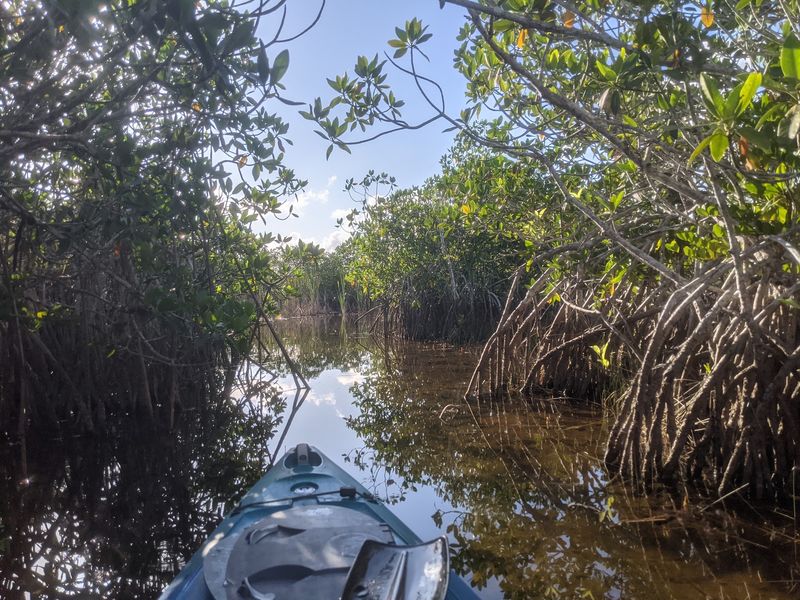
Water is the true highway of the Everglades. Getting on it shows you corners that roads simply can’t reach.
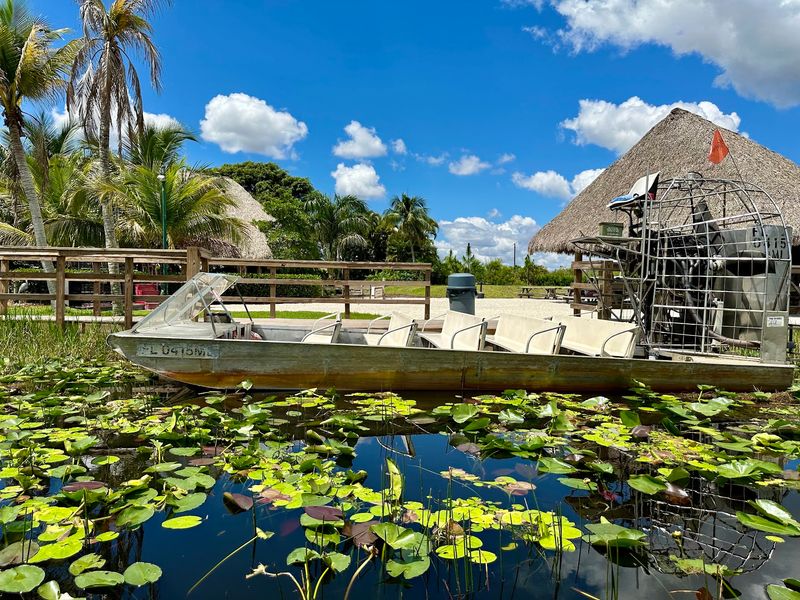
Narrated boat tours leave from Flamingo into Florida Bay and Whitewater Bay. Another tour departs from the Gulf Coast Visitor Center to explore the Ten Thousand Islands.
Kayaking and canoeing are popular at both Flamingo and the Gulf Coast area. Nine Mile Pond is a lovely spot for paddling among mangroves.
Serious paddlers can tackle the Wilderness Waterway. This 99-mile canoe route connects Flamingo and the Gulf Coast, with options for week-long camping trips.
That trip is not for beginners. It requires experience, planning, and a backcountry permit for overnight sites.
Fishing is also allowed in Everglades National Park. Plenty of anglers pair a paddle with a line in the water.
A few backcountry sites are temporarily closed for maintenance. These include Johnson Key Chickee, Shark Point Chickee, and Little Rabbit Key Ground Site.
Check conditions before you go. A little homework keeps your paddling day smooth and drama-free.
Rangers Will Lead You Knee-Deep Into A Swamp
Most parks ask you to stay on the trail. Here, rangers sometimes lead you straight into the water on purpose.
These swamp walks are often called slough slogs. Groups wade deep into cypress domes, sloshing through water and muck along the way.
Wear old shoes you never want to see again. Long pants help too, since you’re heading into a real wetland.
Water levels are generally higher during the summer wet season, but ranger-led swamp walks are offered on selected dates, so check the schedule before visiting. Fair warning: mosquitoes come along for the ride in big numbers.
Prefer dry feet? Several short trails offer easier ways to explore.
Pinelands, Pa-hay-okee Overlook, Mahogany Hammock, and West Lake all show off different habitats. Each one gives a quick taste of the park’s variety.
History fans have another surprise option. The historic Nike Hercules missile base inside the park can be toured.
It’s a strange and fascinating contrast with the wildlife all around. Ranger programs are most plentiful during the dry season, so check schedules when planning.