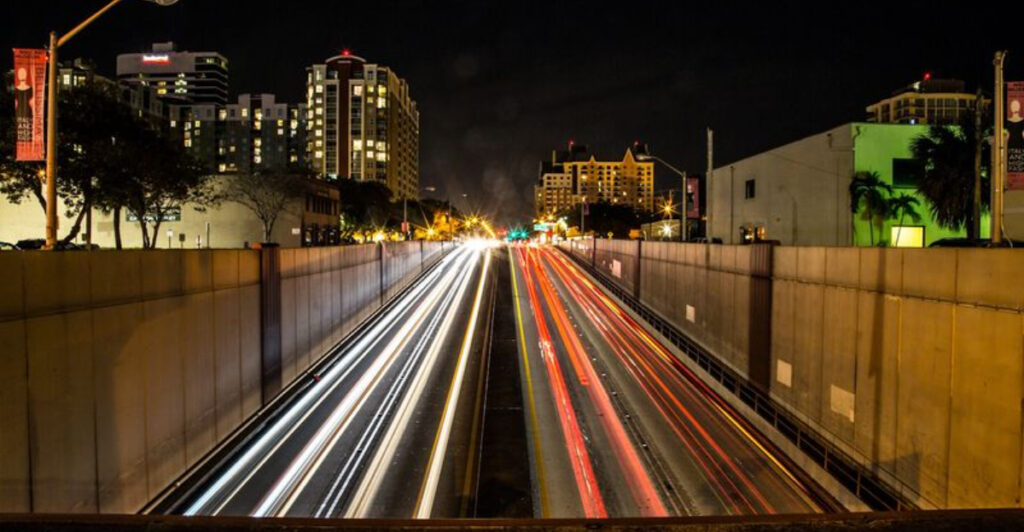
Florida usually keeps its surprises above ground. Palm trees wave, boats glide past, and highways stretch across terrain so flat that even a speed bump can feel ambitious.
Then one road suddenly ducks beneath a river. For a few seconds, daylight vanishes, concrete closes in, and thousands of gallons of water continue minding their business overhead.
It is the sort of engineering trick that sounds perfectly normal until someone pauses to explain what is actually happening.
This was not built for spectacle. It solved a stubborn traffic problem by giving cars and boats separate floors, like an unusually organized transportation duplex.
Florida may be famous for sand, sunshine, and roads that rarely encounter a hill. Still, beneath one busy downtown waterway sits proof that the state knows how to keep a very good secret underground.
Fort Lauderdale Sent Downtown Traffic Beneath The New River
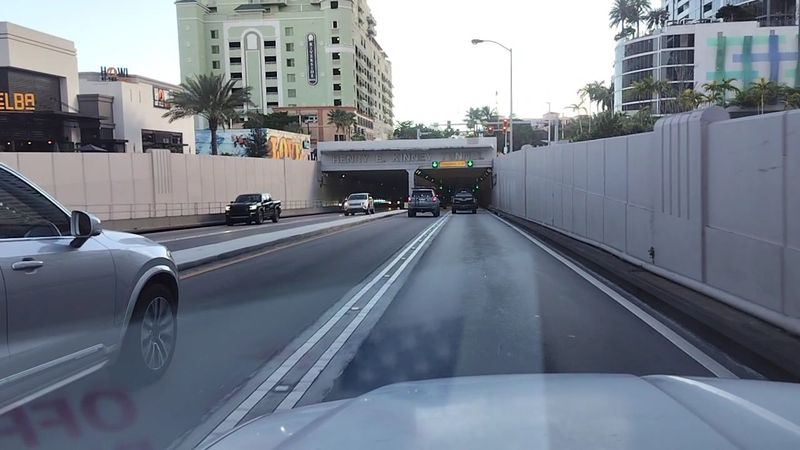
A boat cruises overhead. Four lanes of traffic pass underneath. Somewhere between them, gravity is being asked to remain professional.
The Henry E. Kinney Tunnel stretches approximately 864 feet beneath the river. It runs between East Las Olas Boulevard and North Rio Vista Boulevard, carrying two lanes of traffic in each direction.
Florida is not a state most people associate with underground infrastructure, which makes this crossing all the more surprising.
The tunnel sits in the heart of one of South Florida’s most active urban corridors. Boats pass overhead on the New River while cars move steadily below the waterline. It is a layered kind of city movement that most commuters never stop to appreciate.
Fort Lauderdale built something genuinely rare here. The tunnel handles real daily traffic. It is not a relic.
Next time the daylight briefly disappears on U.S. 1, remember that the river did not move out of the way. The highway simply learned to duck.
A Troublesome Drawbridge Sent Engineers Underground
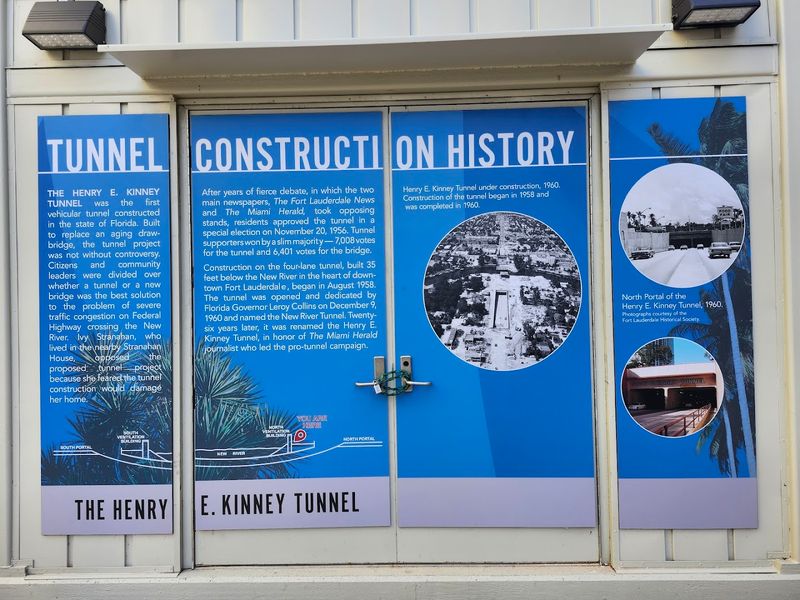
How many interrupted commutes does it take before someone suggests putting the entire highway beneath the river? In this case, apparently enough to make an underground solution sound perfectly reasonable.
Before the tunnel existed, a movable drawbridge handled traffic across the New River along U.S. 1. Every time a boat needed to pass, the bridge lifted, traffic stopped, and frustration built along one of Florida’s busiest roads.
Fort Lauderdale’s waterways are legendary for boat traffic. The New River alone sees a steady flow of vessels, and a drawbridge in that location created constant interruptions.
The city needed a better solution, and engineers began seriously exploring alternatives in the late 1950s.
The debate was real and lively. Fort Lauderdale residents and planners argued over whether a new bridge or a tunnel made more sense for the crossing.
Going underground was not the obvious choice at the time, especially in a state that had never built a public road tunnel before.
Choosing the tunnel option meant committing to something bold and untested locally. But the logic was clear.
The river could keep its boats, the road could keep its traffic, and neither side would have to wait politely for the other to finish.
Florida Chose A Tunnel When Bridges Ruled The State
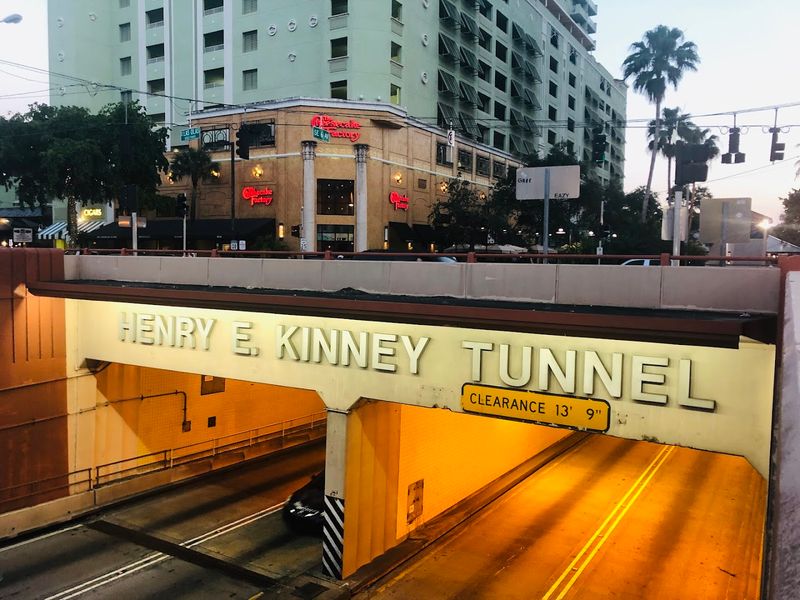
Bridges had the experience, the visibility, and probably the stronger résumé. The tunnel still got the job.
The state had no operating public road tunnel at the time, and the idea of building one beneath a busy river in a flat coastal city raised plenty of eyebrows.
Construction began in 1958 and wrapped up in 1960. The New York engineering firm Singstad and Baillie designed the structure.
Principal designer Ole Singstad brought serious credentials to the project, having contributed to the Holland, Lincoln, and Brooklyn-Battery tunnels in the northeastern United States.
The Thorington Construction Company of Rhode Island handled the physical build.
Engineers promoted the finished product as unusually advanced for its era, pointing to its pumps, ventilation systems, traffic controls, and waterproofing technology as standout features.
The tunnel officially opened on December 9, 1960. Florida Governor LeRoy Collins attended the ceremony, marking the occasion as a genuine milestone for the state.
The final construction cost came as a substantial investment that signaled how seriously Fort Lauderdale took this underground risk.
That paid off every time traffic passed beneath the river without waiting for a bridge to rise. Sometimes the boldest route forward is the one you can’t see from above.
Eight Hundred Feet Of Concrete Hide Below The New River
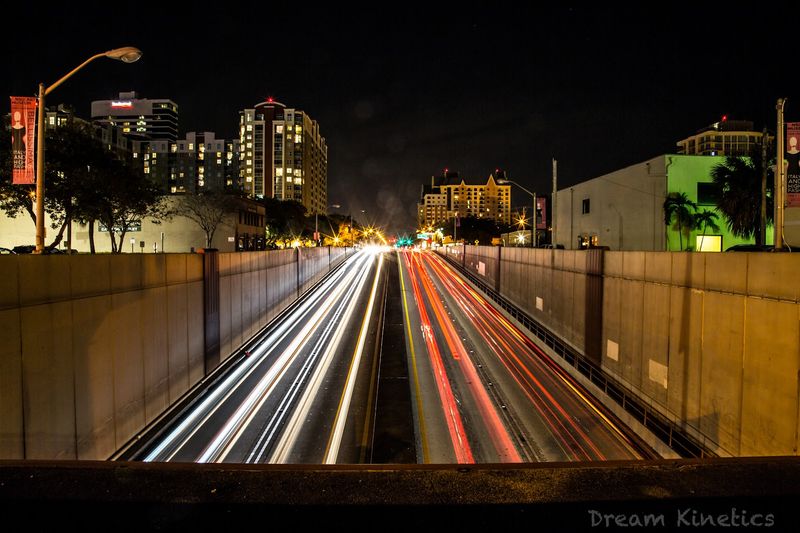
The tunnel is short enough to cross in seconds and complicated enough to make those seconds look suspiciously easy.
At roughly 864 feet long, the Henry E. Kinney Tunnel is not a massive structure by global standards. But in Florida, where the ground is mostly sand, limestone, and high water tables, building anything this deep was a serious engineering challenge.
The tunnel consists of two separate sections, one carrying northbound traffic and one carrying southbound traffic.
Four lanes total move through the structure, keeping U.S. 1 flowing without interruption from river traffic above. The separation into distinct tubes adds structural stability and safety redundancy.
Historically, the interior featured yellow ceramic tiles lining the walls, along with reflective ceramic lane markers. These details gave the tunnel a clean, almost clinical appearance that felt more subway than highway.
Art Deco-inspired rounded pilasters were incorporated into the approach walls, adding a subtle architectural touch to an otherwise functional structure.
Drivers entering from East Las Olas Boulevard descend quickly, pass under the New River, and resurface near North Rio Vista Boulevard in a matter of seconds.
Blink at the wrong moment and the whole underground crossing is over. The concrete has done its work before you finish wondering where the sky went.
Pumps, Tiles, And Ventilation Made It A Modern Marvel
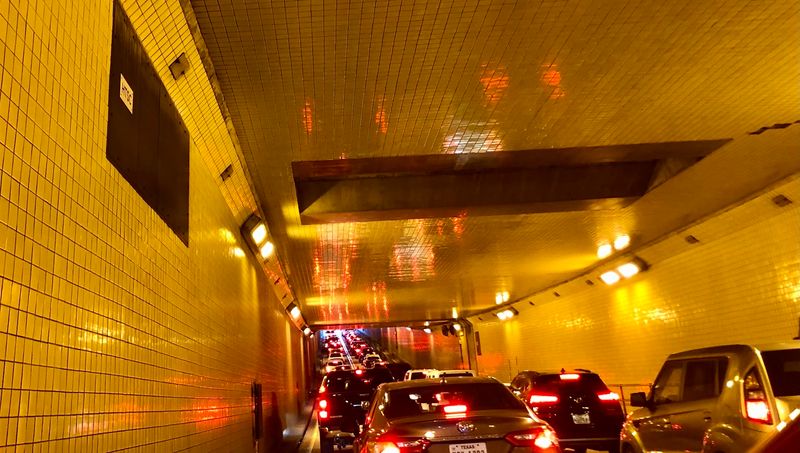
Here’s another question: What keeps a highway beneath a river from becoming an extremely inconvenient aquarium? Pumps, waterproofing, ventilation, and engineers who clearly took water very personally.
When engineers finished this tunnel in 1960, they wanted the world to know it was not just a hole in the ground. The systems built into the structure were considered cutting-edge for their time, and they were designed to last far beyond a typical road project.
Automated water pumps kept groundwater from seeping into the tunnel. Ventilation systems managed air quality for drivers passing through.
Traffic control systems were integrated from the start, which was not standard practice for road tunnels of that era in the United States.
Waterproofing technology received particular attention given the tunnel’s location beneath a river in a coastal Florida city. Water management was not optional here. Without serious waterproofing, the whole project would have been impractical from the beginning.
The original engineering team projected a service life of roughly 300 years for the tunnel, compared with just 75 years for the proposed replacement bridge.
That figure came from the engineers at the time and reflects their confidence in the design, not a modern guarantee.
Most successful engineering is almost invisible. The air stays breathable, the water stays outside, and drivers continue through without giving any of it a second thought.
A Newspaper Editor Helped Keep The Idea Moving
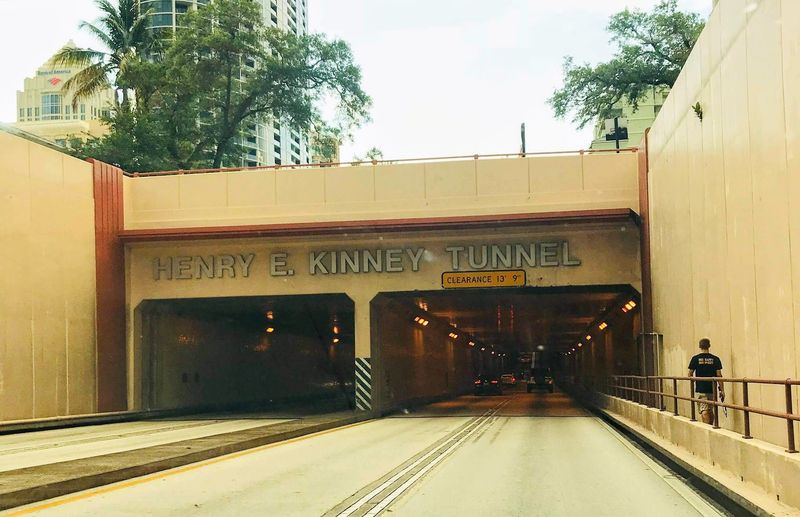
Concrete may build a tunnel, but stubborn public support often gets the first shovel into the ground.
Big infrastructure projects rarely survive on engineering merit alone. They need champions, people willing to argue publicly and persistently for an idea that others might dismiss as too expensive or too complicated.
The tunnel had exactly that kind of advocate. A local journalist, Henry E. Kinney, pushed hard for the underground crossing when the debate between a bridge and a tunnel was still unsettled.
His advocacy helped shift public opinion and keep the tunnel concept alive through the political and planning process. That support left a lasting mark. In 1986, the tunnel was officially renamed in his honor.
The original name, the New River Tunnel, gave way to a tribute that acknowledged how much one person’s voice had shaped a piece of Florida’s infrastructure history.
Renaming a tunnel for a journalist is not a common occurrence. It speaks to how genuinely influential that advocacy was during the project’s formative years.
Every driver passing beneath the river now travels through the result of an argument one editor refused to drop. That is quite a legacy for someone armed mainly with words.
Why This Tunnel Deserves More Attention Than It Gets
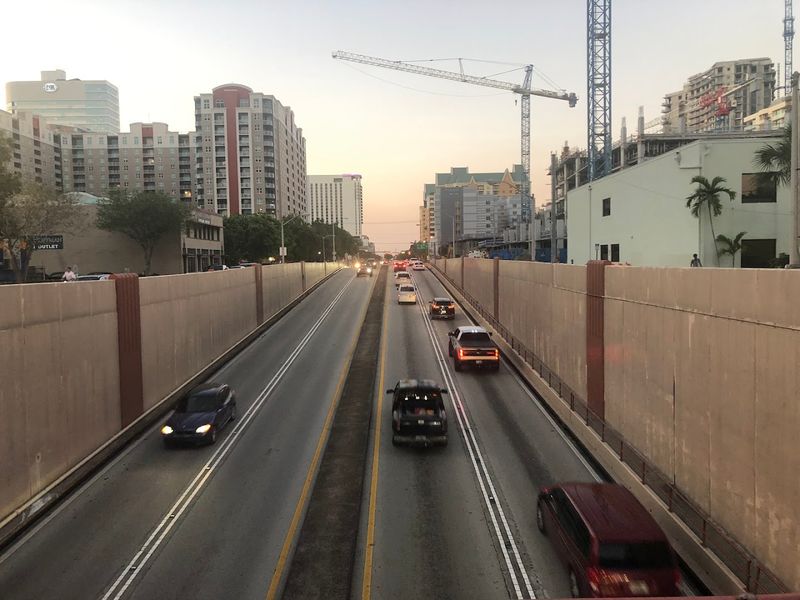
The tunnel’s greatest trick is not passing beneath a river. It is doing so every day while almost nobody remembers to be impressed.
Its eligibility for the National Register of Historic Places puts it in rare company. Road tunnels rarely earn that kind of recognition.
The combination of Ole Singstad’s design pedigree, the innovative systems built into the structure, and its role as Florida’s first public road tunnel gives it a genuinely strong historical case.
The rehabilitation completed in 2024 shows that Fort Lauderdale and Florida’s transportation authorities are not ready to let this structure fade.
Updating its systems while keeping it operational on U.S. 1 was a meaningful commitment to preserving something built with unusual care and ambition.
For anyone passing through Fort Lauderdale, the tunnel offers a brief but memorable moment. The road goes down, the river passes overhead, and then the Florida sunshine returns.
Pay attention when the daylight disappears. Those few underground seconds hold more than six decades of engineering, civic debate, and one very clever decision to let the river keep the top floor.