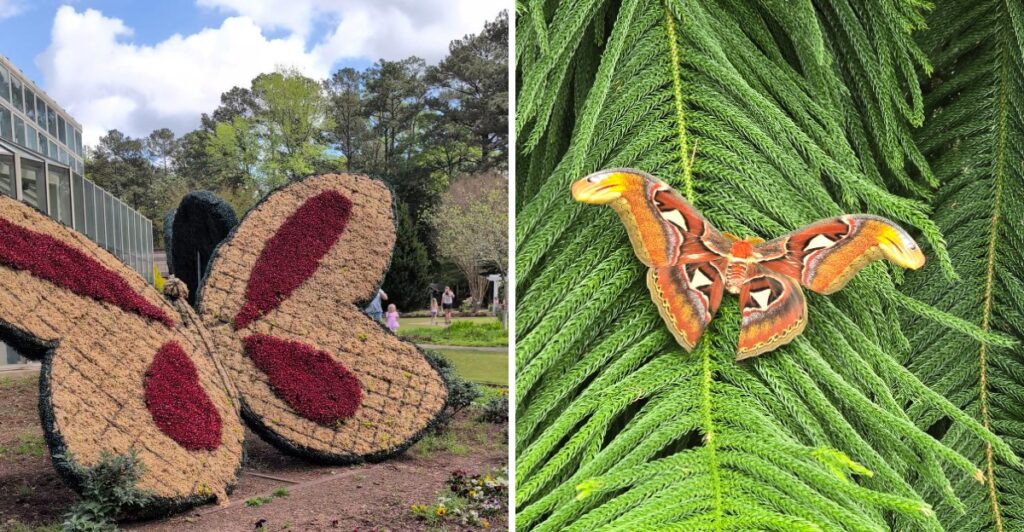
It’s freezing outside, but in one Georgia butterfly house, 2,000 tropical butterflies are going about their day like winter doesn’t exist. I think they’ve figured out something the rest of us haven’t.
Inside, it’s a balmy 80 degrees with enough humidity to make your hair reconsider its plans. More than 50 butterfly species flutter around freely, and some have traveled quite a distance to get here.
They arrive as chrysalises from farms in Costa Rica, Kenya, and Malaysia. They cross oceans as chrysalises and wake up in Georgia with wings. Not a bad travel upgrade.
The glass enclosure rises 35 feet high, giving them plenty of room to fly.
Meanwhile, visitors are peeling off winter coats at the door. I have a feeling the butterflies are getting the better deal.
You Are Standing Inside One Of North America’s Largest Butterfly Conservatories
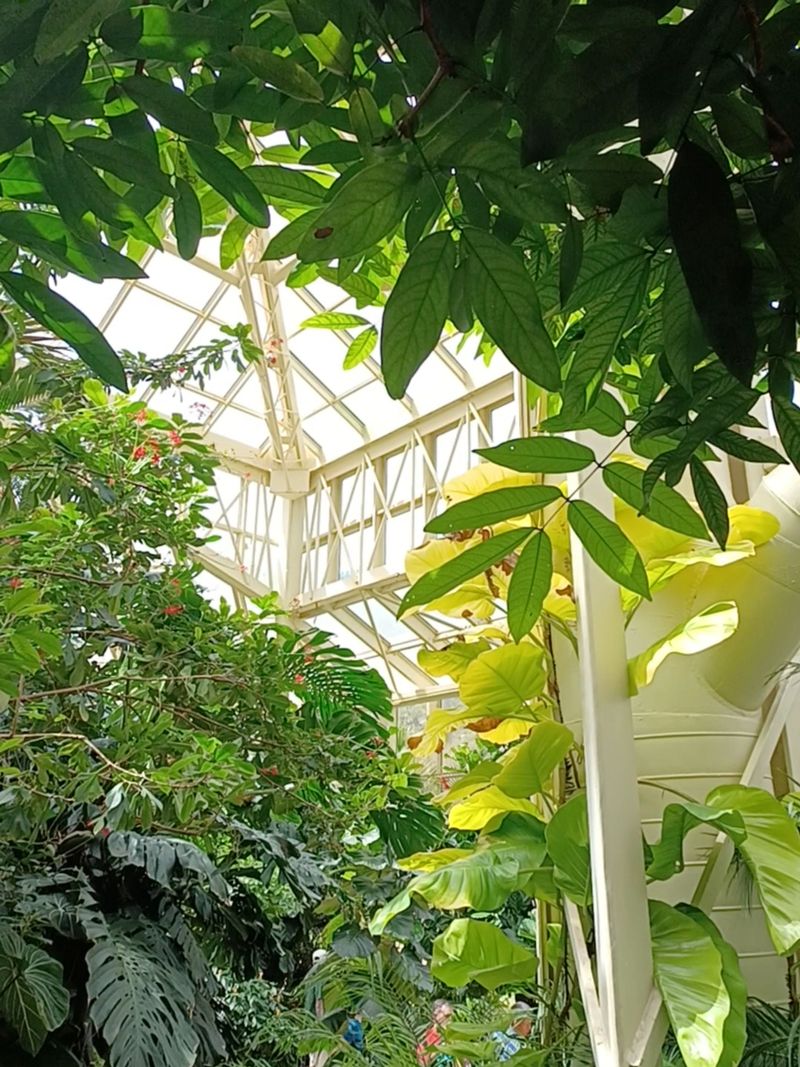
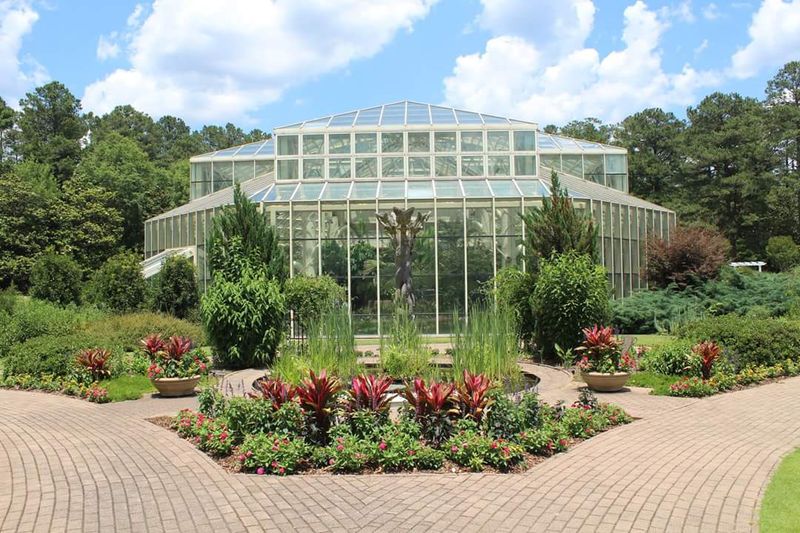
One of North America’s largest glass-enclosed tropical butterfly conservatories sits in a quiet corner of west Georgia.
It goes by the name Cecil B. Day Butterfly Center at Callaway Gardens, and it earns that big title honestly.
The building covers about 7,300 square feet under glass. Its dome climbs 35 feet at the highest point, which gives butterflies plenty of room to swoop overhead.
That height matters more than you might expect. Big tropical plants need space to stretch, and butterflies love gliding between leafy layers instead of bumping into a low ceiling.
The glass does a lot of heavy lifting too. Sunlight pours in from nearly every angle, so the whole room glows on a clear day, even in the dead of winter.
Inside, between 1,000 and 2,000 butterflies are usually flying at once. More than 50 species can be in the air together, which turns every glance upward into a little color quiz.
Bring a camera with a fast setting if you can. Wings move quicker than your thumb, and the butterflies rarely wait for you to frame the shot.
Patience wins here. Stand still for a minute, and the room starts putting on a show around you.
Leave The Heavy Coat By The Door Because It Stays Summer In Here
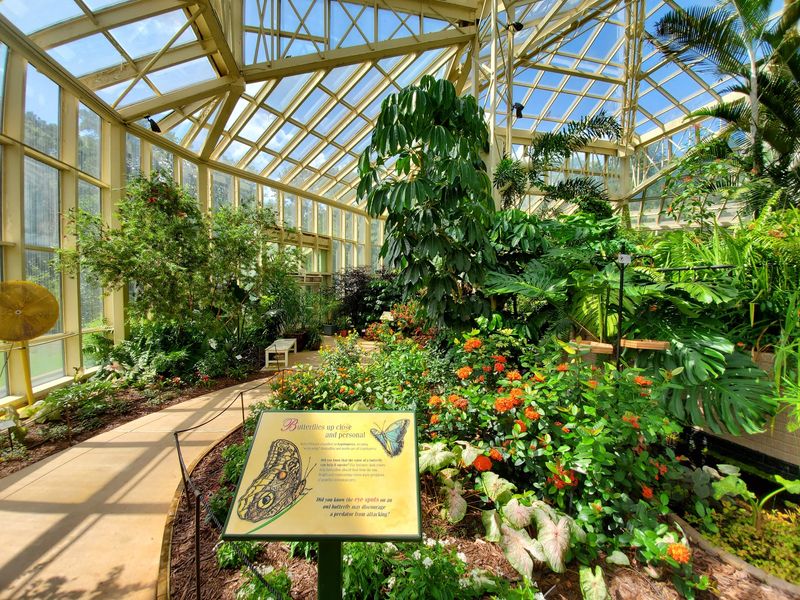
Eighty degrees. That’s roughly the temperature the conservatory holds all year, with humidity hovering around 74 percent.
Those numbers are not for your comfort, though you will certainly enjoy them. They copy the tropical climate these butterflies need to feed, fly, and thrive.
For a winter outing, that is a pretty sweet deal. Georgia can turn chilly and gray in January, and this room feels like a short trip to the equator without a passport.
Dress in layers that peel off easily. You’ll go from bundled up in the parking lot to warm and slightly dewy within minutes of entering.
Glasses wearers, consider yourselves warned. Lenses can fog up when you step from cold air into the humid space, so give them a moment to adjust.
Phones and cameras may do the same thing. A soft cloth in your pocket saves you from blurry photos of what might have been a perfect Blue Morpho.
The warmth also brings out a calm mood. People tend to slow down here, and the soft heat makes lingering feel like the only sensible choice on a cold afternoon.
Wear Bright Colors And See Who Decides To Land On You
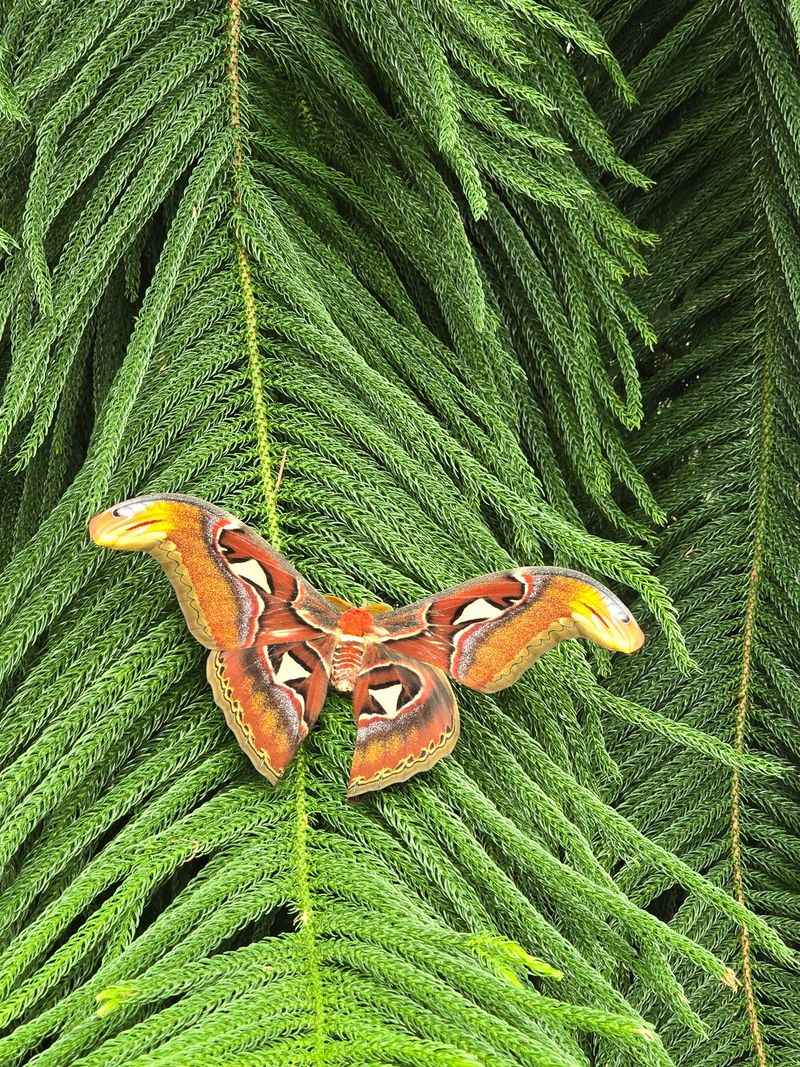
Butterflies here are free to go wherever they please. Sometimes that includes your shoulder, your hat, or the sleeve you were about to use for a selfie.
Visitors walk along paths that wind through the plants. Nothing separates you from the fliers, so the experience feels personal in a way glass cases never could.
Fruit feeders sit throughout the conservatory, and they are worth finding fast. Many butterflies gather around them, including the big Blue Morphos with their shimmering wings.
Watching a feeder for a few minutes is a smart move. You get close looks at wing patterns while the butterflies stay busy with their snack.
A few manners help everyone. Watch your step on the paths, since butterflies sometimes rest low, and resist the urge to grab one that lands on you.
Let the moment happen on its own terms. A butterfly that chooses you feels like a small honor, and it usually flutters away when it is ready.
Kids especially love this part. Few things beat the giggle of a child realizing a tropical insect just picked them as a landing pad.
Catch A Butterfly Mid-Debut In The Transformation Zone
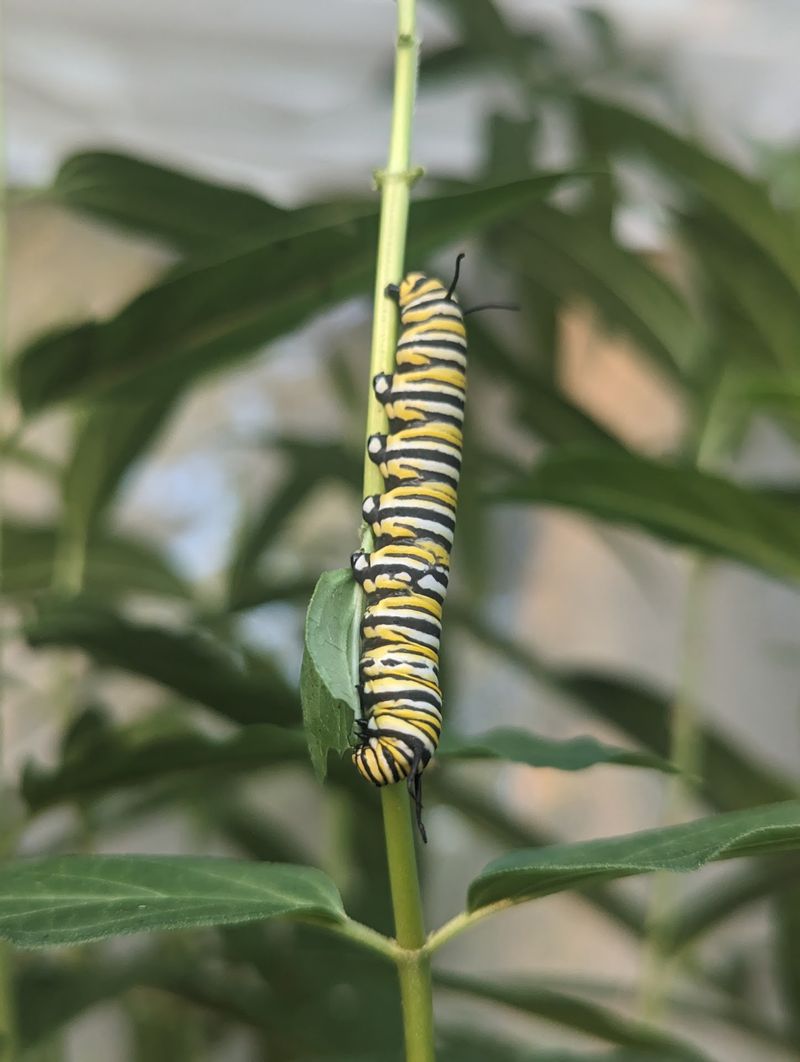
Rows of chrysalises hang on a vertical board, each one holding a butterfly that has not made its entrance yet. Welcome to the Transformation Zone, the most suspenseful wall in the building.
Here, chrysalises are pinned in place and kept in a controlled environment. When the time comes, the butterflies emerge right in front of whoever happens to be watching.
Timing is pure luck. You might catch a fresh butterfly slowly unfolding its wings, or you might simply see a lineup of quiet pods waiting for their moment.
Either way, the display teaches a lot. Seeing the different shapes and colors of chrysalises shows how varied butterfly species are before they ever take flight.
The zone lets you follow the full life cycle in one visit. You see the waiting stage up close, then turn around and watch adults flying in the conservatory.
Plan to swing back by more than once. A board that looked sleepy at the start of your visit could have a newcomer stretching its wings an hour later.
Honestly, it might be the best reason to take your time. Nature does not keep a schedule, but it does reward repeat visitors.
Your Ticket Helps Protect Rainforests Thousands Of Miles Away
Malaysia, Tanzania, Costa Rica, the Philippines, El Salvador, Ecuador, and Kenya. That is quite a passport collection for creatures that weigh less than a paper clip.
The center buys its butterflies in the pupa stage from family-run farms in tropical countries. They travel as chrysalises, then finish their transformation once they reach Georgia.
The arrangement does more than fill the dome with color. Buying from these farms supports rainforest preservation, giving local families a reason to keep natural habitat healthy.
That connection makes the visit feel bigger than a pretty afternoon. Every Blue Morpho drifting past you links back to a forest and a farm far from Pine Mountain.
It also explains why the mix of species can shift over time. Different farms raise different butterflies, which keeps the conservatory interesting for anyone who returns.
Point this out to kids, and watch their eyes widen. A world map suddenly becomes real when a butterfly from Costa Rica rests on a nearby leaf.
Science lesson, geography lesson, and conservation lesson all in one stop. Not bad for a building full of fluttering wings and warm tropical air.
Grab A Seat For The Film Before You Chase Another Wing
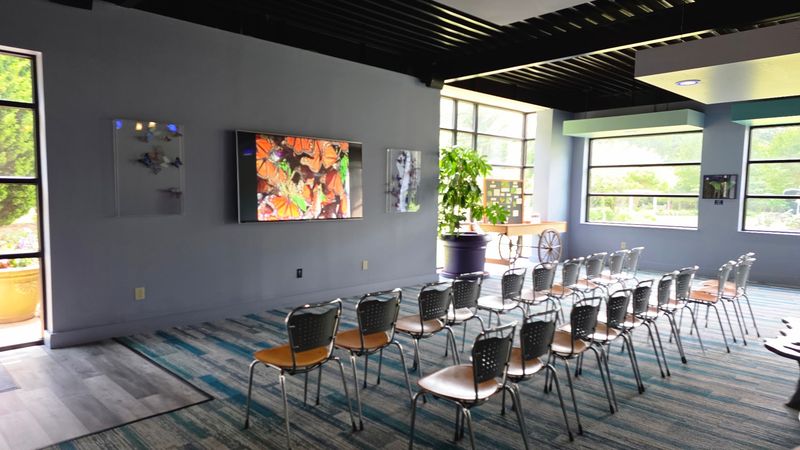
Popcorn is not included, but the movie is worth it anyway.
The center has featured the award-winning film On Wings of Wonder, which explains the butterfly life cycle.
If the film is being shown during your visit, check its screening schedule when you arrive.
It works as a great warm-up before the conservatory or a cozy break afterward.
Want a guide instead? Staff-led Butterfly Center Tours share the history of the building and offer an interactive experience inside the conservatory itself.
Tours turn wandering into understanding. Suddenly that flash of orange has a name, and the plants around it make more sense too.
Presentations add even more depth. Butterfly 101 covers the basics, while Gardening for Butterflies offers ideas for bringing winged visitors to your own yard.
That second talk is especially handy for home gardeners. Spring planning season arrives right after winter, so a cold-weather visit can spark next year’s flower beds.
Check the schedule when you arrive, since program times can change. Building a visit around one talk often turns a quick stop into a rich, relaxed afternoon.
Look Down Once In A While Because Butterflies Have Roommates
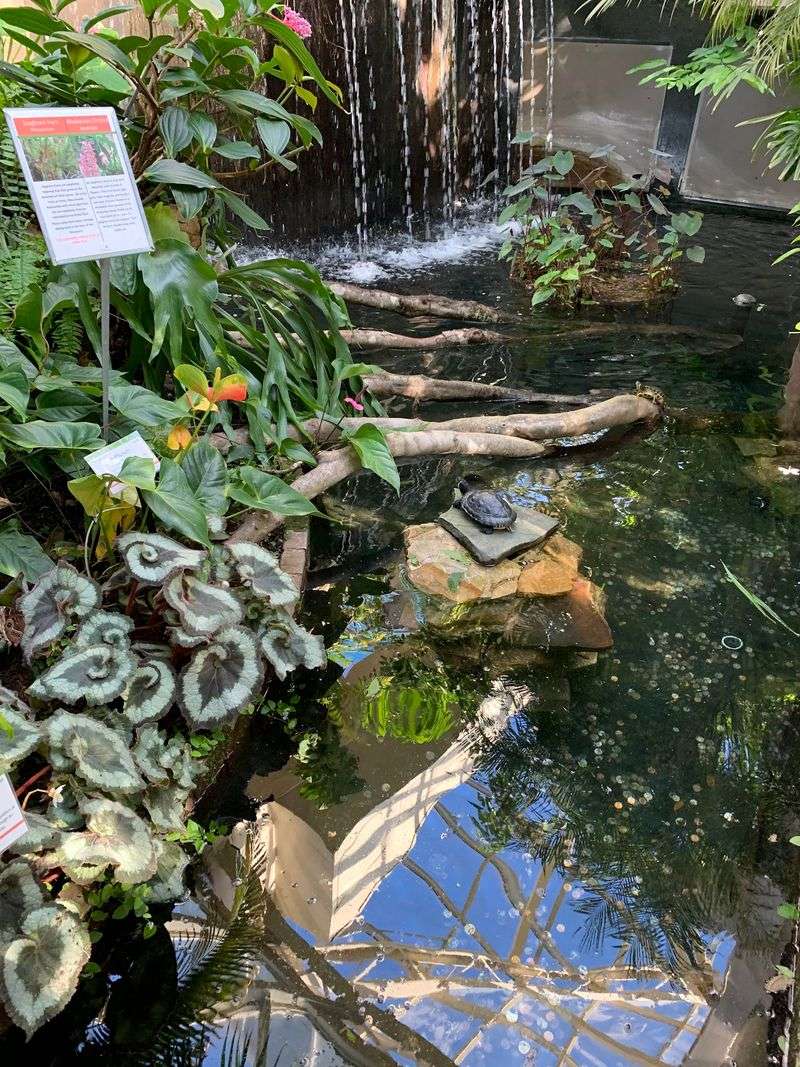
Colorful birds share the conservatory with the butterflies. Occasionally, small critters like turtles join the party too, so the floor deserves a glance now and then.
Those neighbors add life at every level of the room. Wings flicker above, birds perch in the middle, and smaller residents keep things interesting closer to your shoes.
The plant life is a star on its own. More than 250 plant varieties fill the space, creating a thick tropical setting that feeds and shelters everyone living there.
That greenery got a major refresh in March 2005. A large renovation included a complete replanting of the ecosystem, giving the conservatory a whole new start.
Plants here do real work. They provide nectar, resting spots, and shade, which helps the butterflies behave much like they would in the wild.
Take a moment to notice leaf shapes and flower colors. Many visitors focus only on wings, but the plants explain why the butterflies gather where they do.
Think of it as a living puzzle. Every bird, turtle, flower, and butterfly fits together to make the room feel like a slice of rainforest.
Circle These Dates Now And Your 2027 Trip Basically Plans Itself
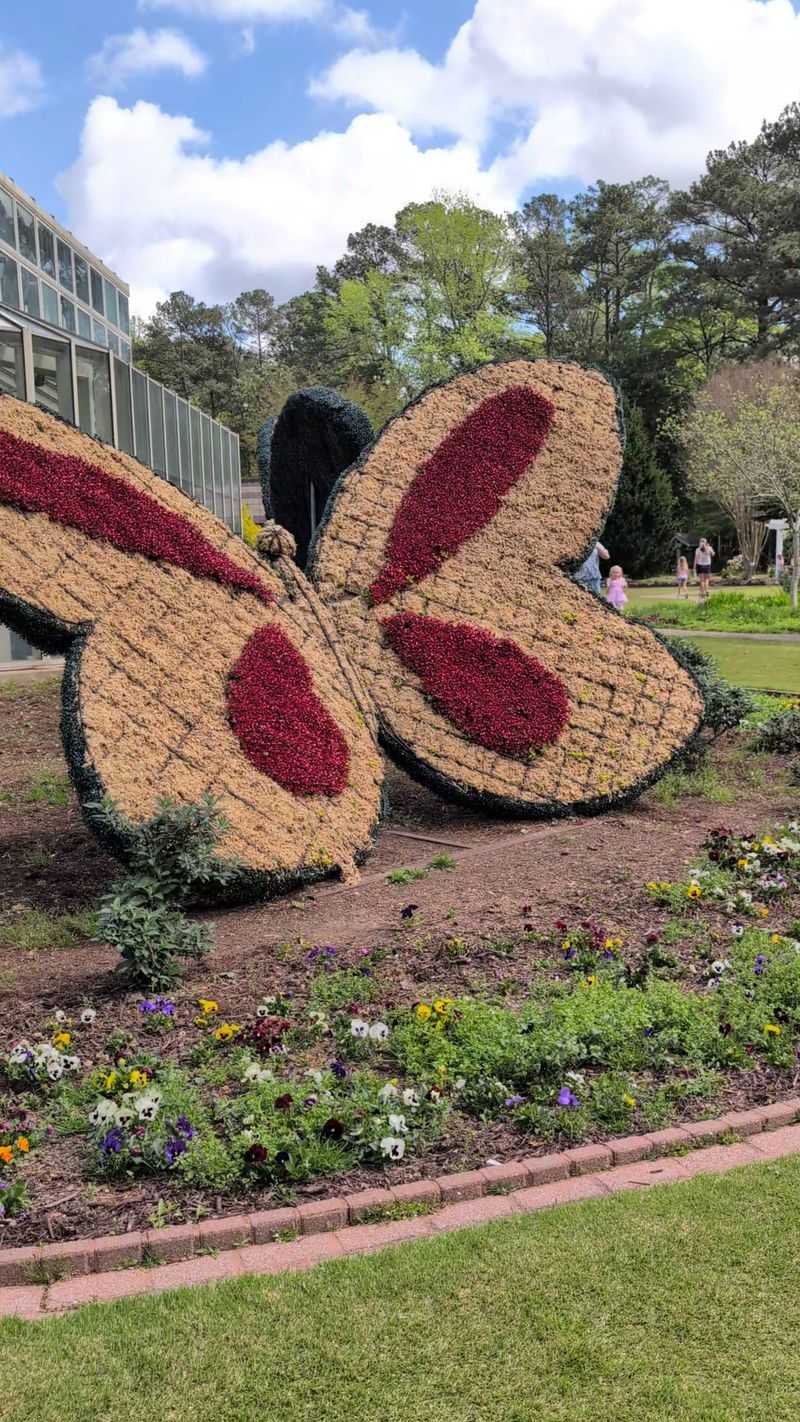
You’ll find the Cecil B. Day Butterfly Center inside Callaway Gardens at 17617 US Highway 27, Pine Mountain, GA 31822, making it an easy stop to add to your Georgia getaway.
Admission to Callaway Gardens is required to visit, so plan for that ticket first.
The center’s currently published hours are 10 a.m. to 5 p.m., although visitors should check for changes before their trip.
Most people spend one to two hours enjoying the conservatory, taking photos, and browsing the lobby gift shop.
Add more time if you want the film or a presentation. Rushing through a room this lovely would be a bit like speed-reading a comic book.
Winter is the cozy pick for escaping the cold. Still, some seasons are worth knowing, because certain months bring famous butterfly crowds.
September and October are known for loads of Blue Morphos, creating a shimmering blue effect. April celebrates Longwing butterflies, and a September Butterfly Festival brings crafts and games.
When you leave, notice the air blasts at the doorways. They gently keep butterflies from hitching a ride outside, so check your jacket anyway.
Pick a cold weekend, a blue autumn day, or both. This glass dome stays warm and ready whenever your 2027 calendar opens up.