Ever walk into a plant shop with a budget and immediately start lying to yourself?
At this Georgia grower-direct outlet, the usual garden-center markup gets stripped back along with most of the hand-holding.
Plants come straight from growers, bulk buys, and surplus inventory.
The mostly self-service setup leaves you to compare sizes, read tags, and decide what deserves cart space.
The inventory refuses to sit still.
One visit may be dominated by shrubs and perennials. The next could send you home with a houseplant, a tree, or something you never planned to buy.
You do need to enjoy browsing.
But if your garden wish list is already ambitious, that is probably not the problem.
The real question is how optimistic you are about trunk space.
Buying Direct From The Grower Helps Keep Prices Down
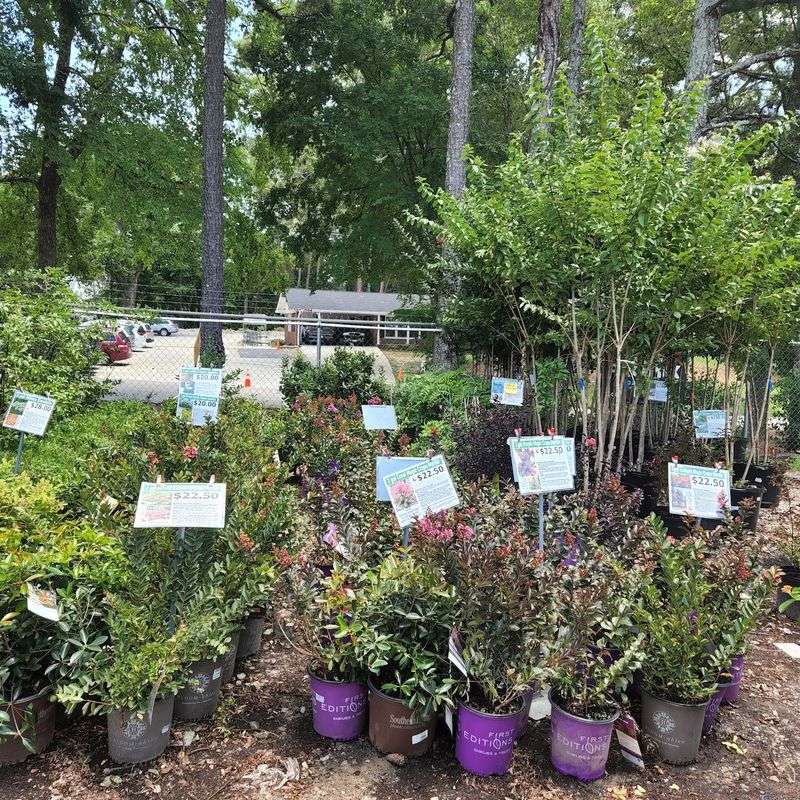
The basic idea is refreshingly simple: fewer middle steps mean fewer added costs. Grower’s Outlet raises many of its own plants in Loganville, so customers are buying directly from the grower rather than through a chain of distributors and retailers.
Local growing also reduces some shipping expense. On top of that, the business buys popular cultivars in large quantities and sometimes picks up surplus plants from industry partners at discounted rates. Those savings feed directly into the outlet model.
That does not mean every plant is grown on the property. Shrubs and other inventory also arrive from partner suppliers throughout the week, and trucks bring in fresh stock regularly.
The mix of homegrown material and outside purchases helps keep the selection broad without pretending everything comes from one greenhouse.
This is where a big landscaping project starts to look less intimidating. A cart holding several shrubs feels very different when each plant is priced for an outlet rather than a boutique garden center.
The tradeoff is that the experience is deliberately simple. You are not paying for a large staff to shadow every aisle. You are paying for plants, and that distinction is pretty easy to appreciate when the cart starts filling up.
Fall Hours Make This A Seven-Day-A-Week Stop
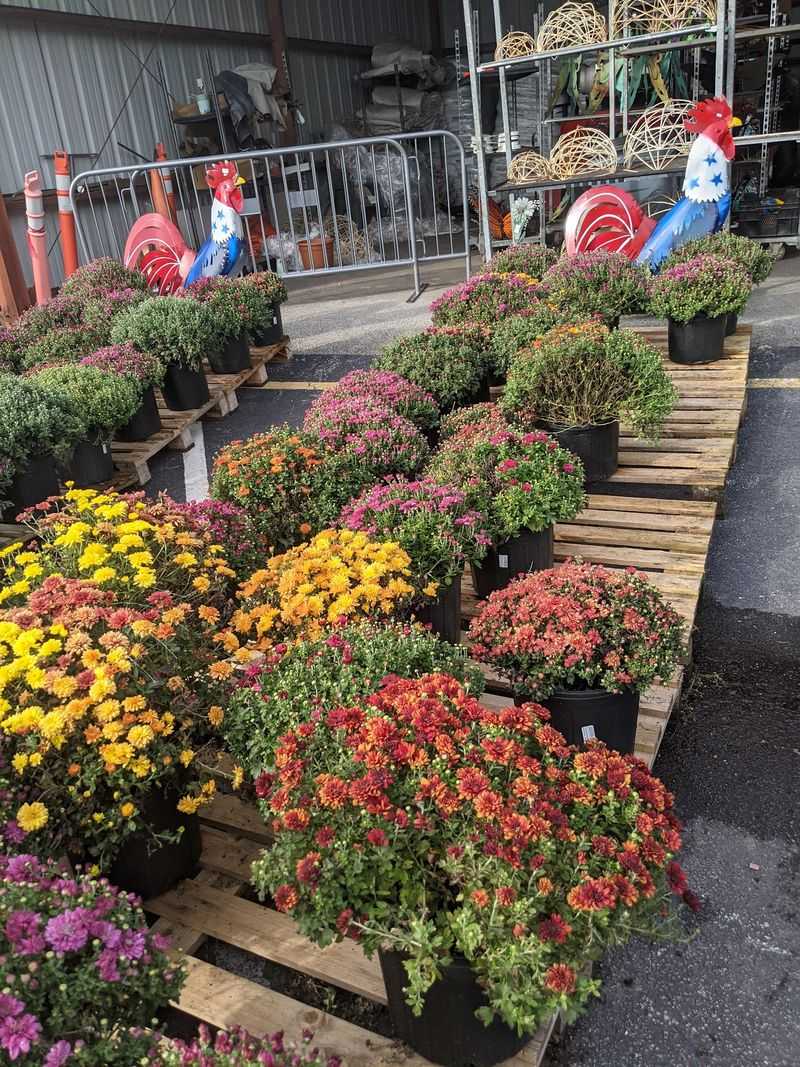
The nursery is open for its 2026 fall season from 8 a.m. to 5 p.m. Monday through Sunday. That seven-day schedule gives weekend gardeners and weekday project planners the same full daytime window.
Grower’s Outlet operates seasonally rather than year-round. Its typical spring season runs from around Valentine’s Day into mid-June, followed by a summer break before reopening from late August into early December for fall.
That rhythm follows Georgia planting conditions. Cooler spring and fall weather gives new trees, shrubs, and other landscape plants a better chance to establish roots without immediately facing the toughest heat of summer.
The nursery is at 159 Cown Drive, Loganville, GA 30052. The sales area is outdoors, so weather still gets a vote in how long you feel like browsing.
There is no need to make the visit fancy. Wear shoes that can handle nursery ground, bring enough vehicle space for whatever follows you home, and accept that “I’m only buying one plant” is a sentence gardening has disproved many times.
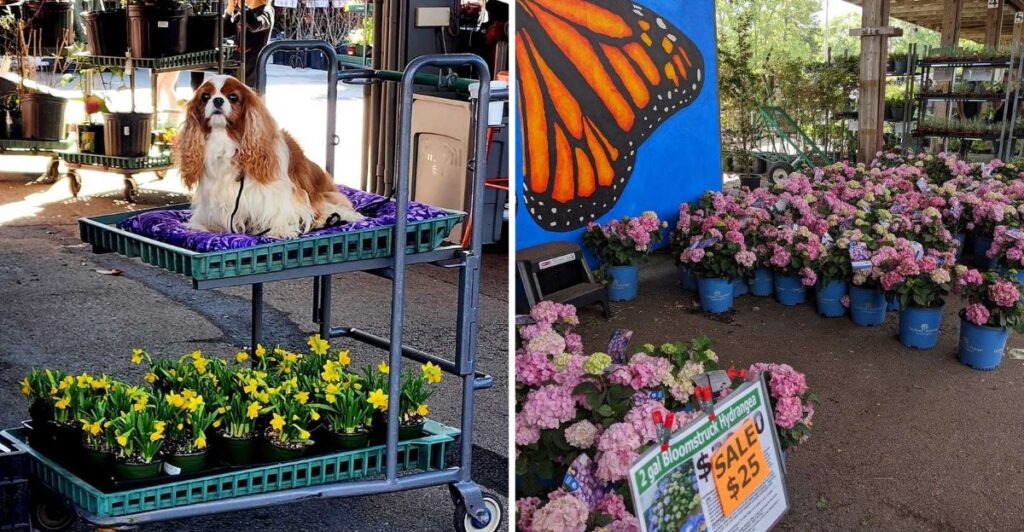
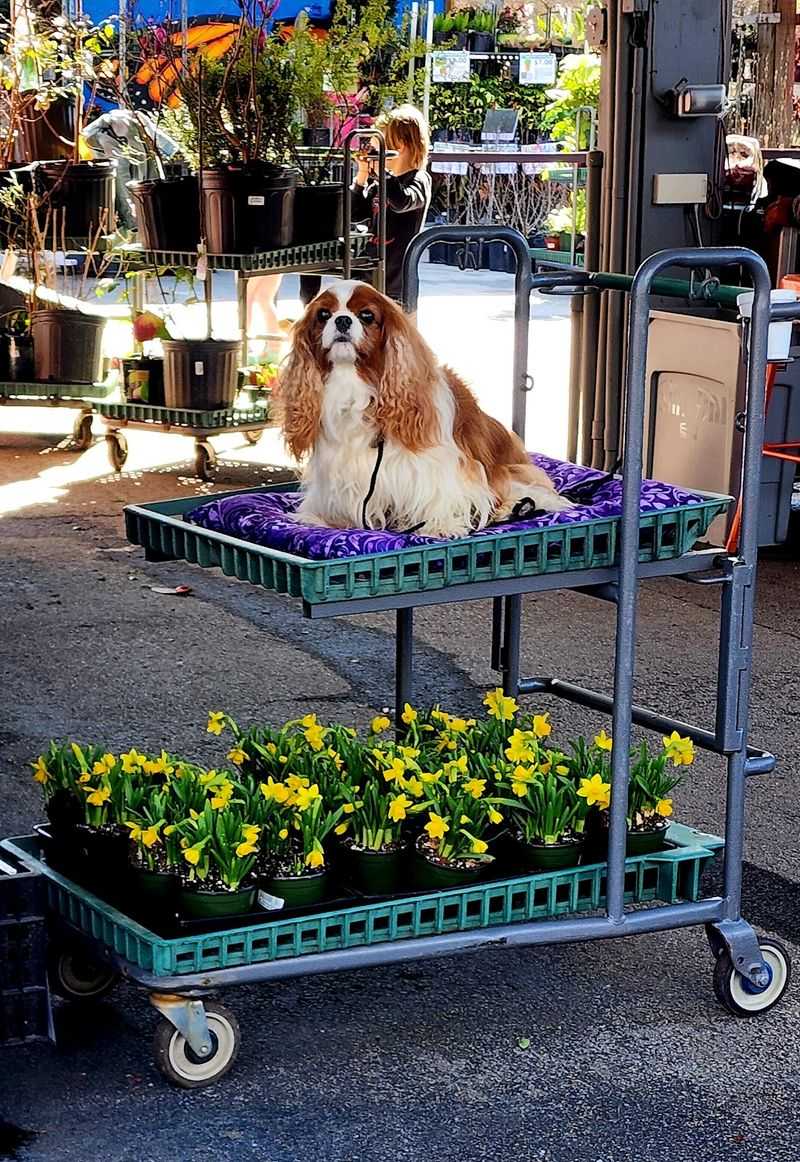
Well-behaved pets on leashes are welcome, which may be useful for anyone whose garden-shopping companion happens to have four paws.
Shrubs Share Space With Houseplants, Trees And Edibles
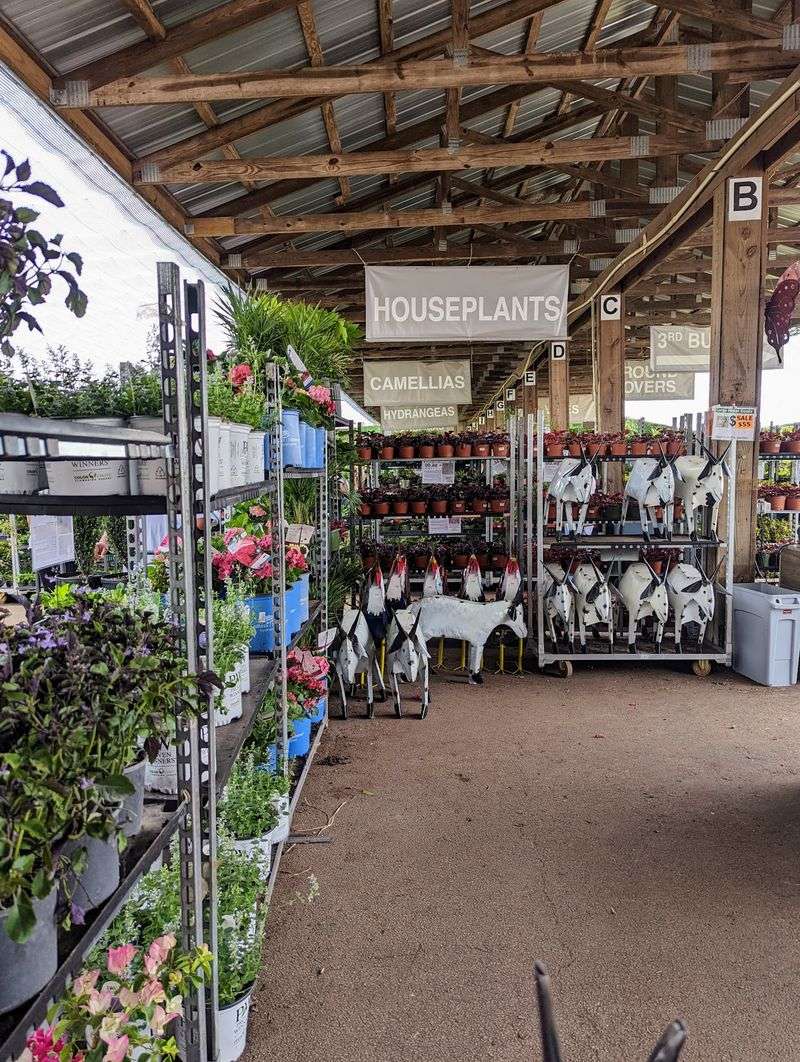
The current fall inventory is much broader than a few rows of foundation shrubs. Categories include perennials, edibles, grasses and groundcovers, annuals and houseplants, shrubs, vines, trees, bulbs, and hardgoods.
Shrubs are still a major part of the mix. The availability list includes familiar landscape choices alongside native plants, flowering varieties, evergreens, and options suited to hedges or foundation planting.
Trees range from maples and birches to redbuds and cypress, while vines add another direction for fences, trellises, and vertical spaces.
Then the list shifts indoors. Houseplants and succulents sit in the same overall inventory system as outdoor annuals, making it easy for someone who came for a hedge plant to leave with something destined for a windowsill.
Edibles add yet another detour. Herbs, vegetables, fruiting plants, and other garden crops appear as seasonal stock changes.
This is the kind of place where your shopping list can lose an argument with the first interesting plant you did not know existed. Came for three shrubs? Fine.
Just leave a little emotional room for the fern, vine, or houseplant that was not invited.
The Self-Service Setup Puts Plant Information On The Signs
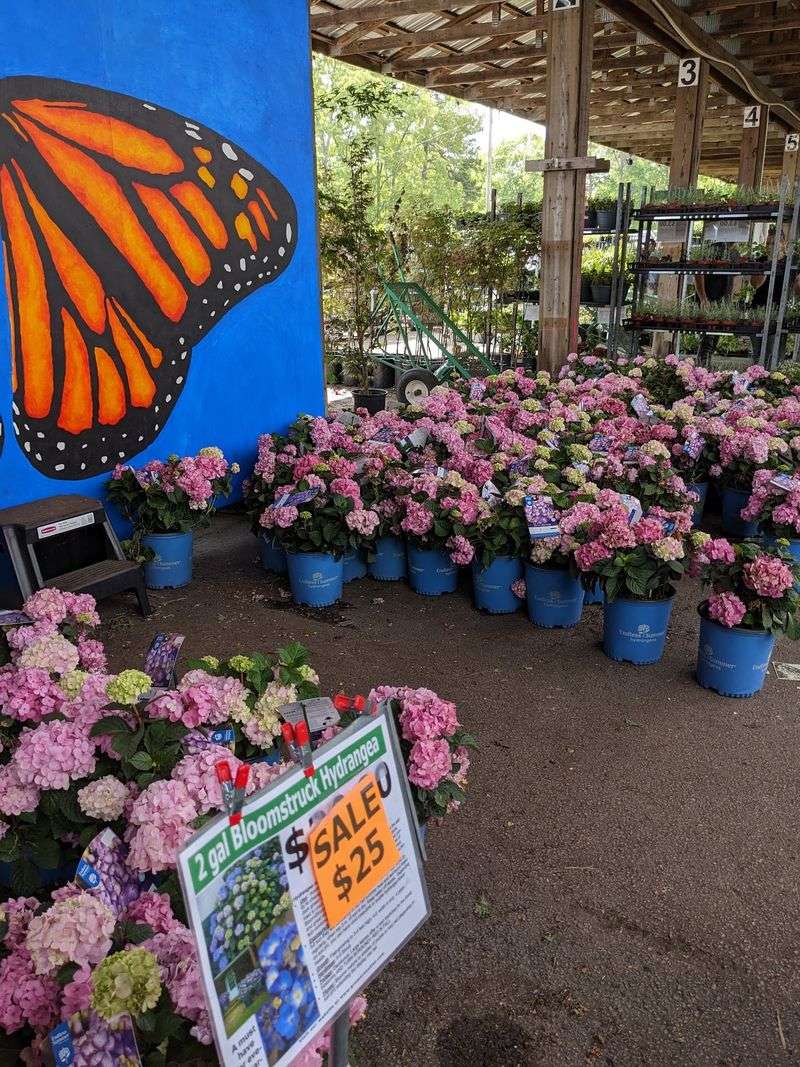
Grower’s Outlet calls itself an outlet rather than a full-service garden center, and the distinction matters. Staffing is intentionally minimal to help keep overhead and prices down, so most of the shopping experience is self-directed.
Instead of relying on a salesperson for every question, detailed plant signs provide information about size, growing conditions, hardiness, and care. The online inventory also links botanical names to plant information sheets for many items.
That setup rewards a shopper who likes comparing plants at their own pace. You can read the signs, check your sun exposure, think about mature size, and decide whether the plant actually belongs in your yard before loading it onto the cart.
There is something pleasantly grown-up about being trusted with the homework. Full sun means full sun. A shrub that wants more room will not become smaller because the empty corner beside the porch looks convenient.
Staff members can still answer questions when they are able, but the system is designed so the signs do much of the explaining.
For beginners, that may take a few extra minutes. For experienced gardeners, it can feel like being handed the map and left alone to enjoy the hunt.
The Daily Inventory Turns Browsing Into A Moving Target
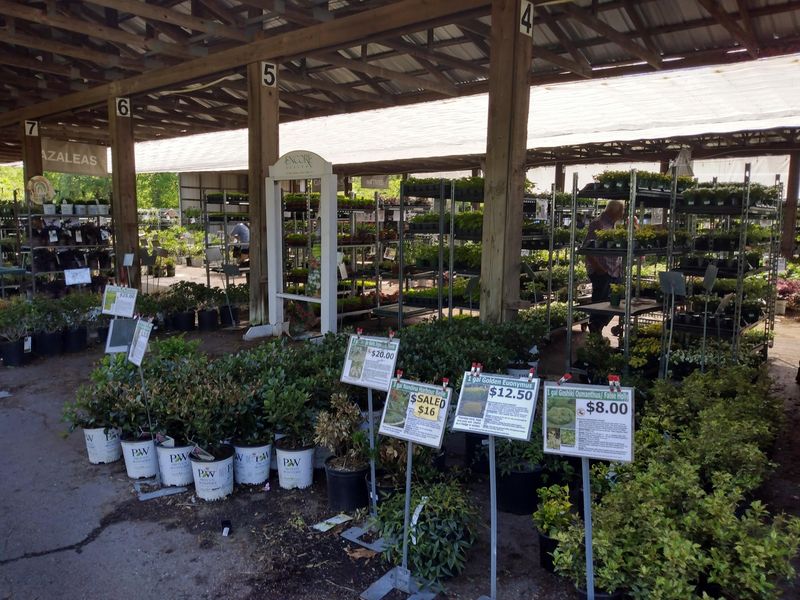
Plant inventory changes quickly here, so the availability page functions almost like a live snapshot of the nursery. It is updated daily with current categories, sizes, prices, specials, and notes showing whether an item is available, running low, on order, or obtainable by request.
That is especially useful when you have one specific plant in mind. Searching the list before visiting can tell you whether the nursery currently has the variety, what size containers are listed, and whether stock is limited.
The system is not presented as perfect. Plants can sell out quickly, and the business advises shoppers making a long drive for larger quantities to check ahead by email. It also does not hold or pull plants for customers.
In other words, the inventory page is a head start, not a reservation.
There is a small thrill in that uncertainty. The hydrangea you planned around may be running low, while a shrub you had never considered is sitting three rows over looking suspiciously perfect for the empty spot by the fence.
For gardeners who enjoy discovery as much as certainty, changing stock is not really a flaw. It is the reason two visits can produce completely different carts.
Surplus Finds And Large Lots Add An Outlet-Store Twist
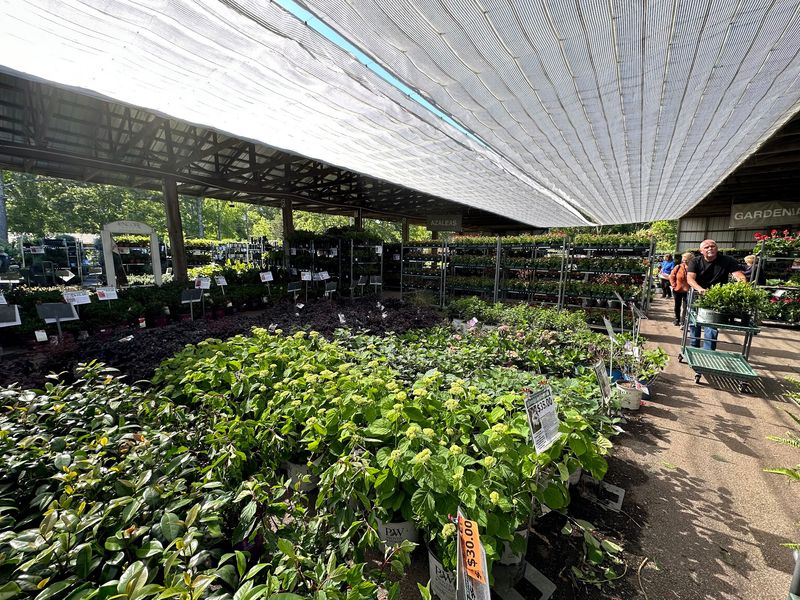
Part of the low-price model comes from buying opportunities that do not always repeat. When an industry partner has surplus plants, Grower’s Outlet may purchase that stock at a deep discount and pass the savings into the retail price.
Popular shrubs can also arrive in large lots. Buying volume helps lower costs on cultivars that many homeowners use for hedges, borders, screening, or foundation planting.
That means the most interesting bargain may not be something you planned to buy. An unexpected surplus batch can turn one section of the nursery into the gardening equivalent of finding the good shelf at an outlet store.
Specials may also appear on the daily inventory list, including multi-plant deals on selected items. Because those offers depend on current stock, they are better treated as a pleasant surprise than a permanent promise.
The hardgoods category brings another layer beyond live plants. Current inventory can include potting mixes, plant food, trellises, decorative garden pieces, and other useful extras.
Just remember that this is not a general landscape-supply yard. The business does not sell sod, mulch, rocks, pine straw, or hay, so the cart can handle the plants while another stop handles the bulk materials.
More Than Five Decades Of Growing Still Shape The Business
In 2026, Grower’s Outlet is celebrating more than 50 years of growing for the community. That long experience shows up less as nostalgia and more in the way the business is organized around plants, seasonal timing, and practical information.
The nursery remains a small family business rather than a chain. Its seasonal schedule, limited staffing, direct-growing model, supplier relationships, and self-service approach all work together instead of pretending to be a conventional garden center.
Fall may be the most natural time to see that model in action. The current inventory is heavy on shrubs and houseplants, while trees, perennials, grasses, edibles, and other categories give larger projects plenty of directions to go.
There is also an environmentally minded detail tucked into the operation: the nursery accepts certain black one-gallon and three-gallon pots and trays for recycling. Not every empty container needs to become garage clutter forever.
The bigger temptation may be harder to solve. Once you realize a hedge, shade bed, porch pot, and kitchen-window plant can all come from the same stop, the original shopping list starts looking suspiciously modest.
Gardening has a funny way of turning “one empty corner” into a cart full of possibilities. This outlet simply gives that habit plenty of room to grow.