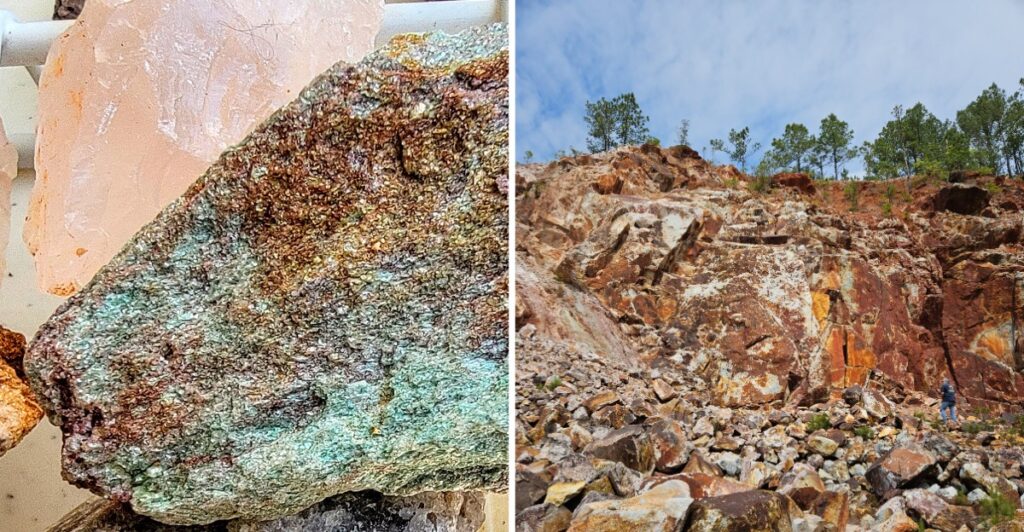
I know myself well enough to admit that if someone says “you can keep what you find,” I am immediately looking for a bucket.
In Georgia, one mineral-rich mountain turns that impulse into a full weekend hunt.
For a few special fall dates, collectors can search designated areas for real specimens instead of just admiring them behind glass. Rutile, kyanite, lazulite, quartz, iridescent hematite, and other minerals have all been found here over the years.
There is no standard ticket price, but everyone checks in, signs a waiver, and contributes toward event costs before heading out.
Then the fun gets wonderfully simple.
Look down. Pick something up. Decide whether that little flash of color is ordinary rock or the reason you came.
Georgia’s Famous Rockhounding Mountain Is Packed With Unusual Minerals
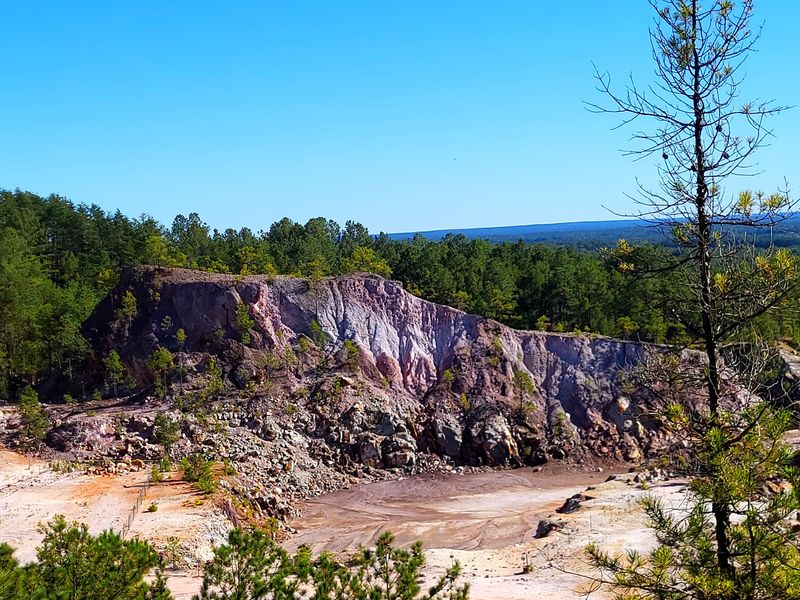
Graves Mountain has been known to mineral collectors for more than a century. Its unusual geology has produced a long list of minerals, with rutile and lazulite among the specimens that first helped spread its reputation beyond Georgia.
The mountain contains kyanite-rich quartz rock, sericite schist, quartz veins, and other metamorphic material that helped create a complicated mineral mix. Old mining exposed rock that collectors can still examine today.
Rutile is one of the signature finds. Graves Mountain is especially known for large, multiple-twinned rutile crystals.
Lazulite, kyanite, pyrophyllite, hematite, pyrite, ilmenite, muscovite, fuchsite, barite, sulfur, blue quartz, and quartz crystals have also been documented at the site.
Micro-minerals including woodhouseite, variscite, strengite, phosphosiderite, cacoxenite, and crandallite have been recorded here too.
That range rewards patience more than speed. A rough chunk that looks ordinary from one side can show color, crystal faces, or metallic shine when you turn it in the light.
A strong arm helps, but a careful eye can be even more useful.
Quartz Is Only The Beginning Of What Collectors Can Find
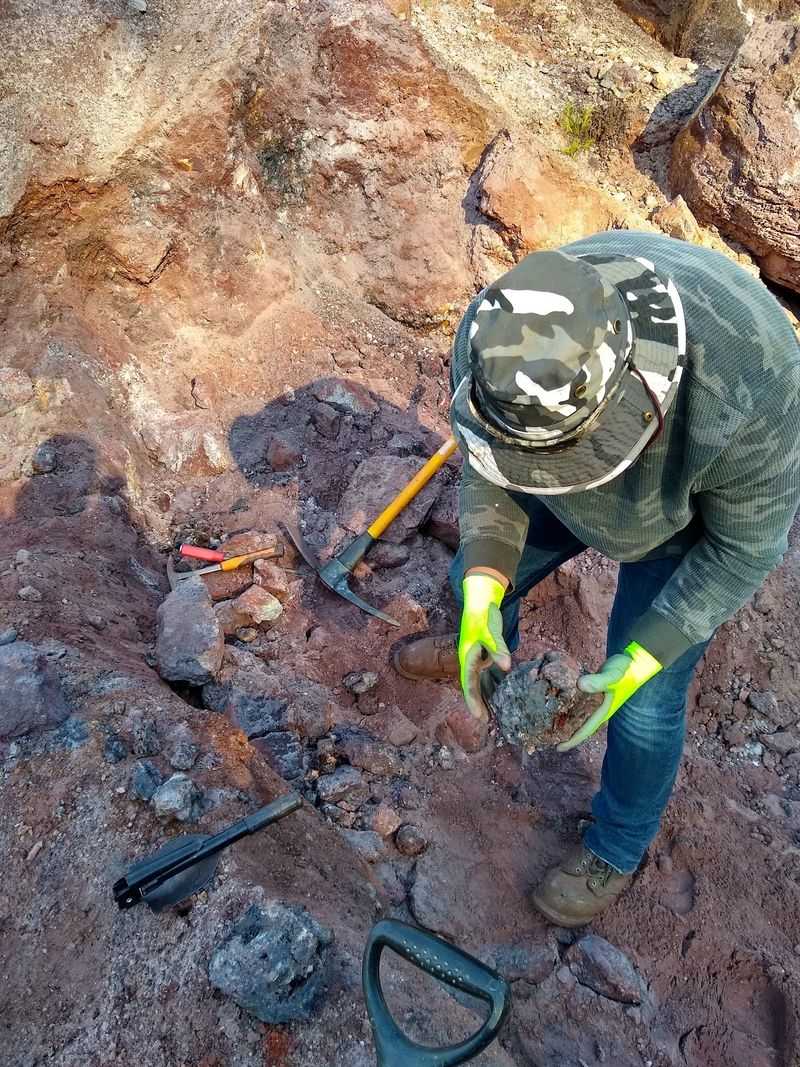
Quartz is easy to recognize, but Graves Mountain quickly gives you reasons to learn a few more mineral names.
Rutile can appear as dark reddish-brown to black crystals with a strong metallic or mirror-like surface. Lazulite brings deep blue color into the mix, while kyanite often forms bladed crystals and connects directly to the mountain’s mining history.
Iridescent hematite can be even harder to ignore. Some pieces show shifting metallic colors across the surface, making a rough specimen look painted. Pyrophyllite may form pale, radiating shapes, while pyrite adds the familiar sparkle that can stop you mid-step.
Different areas can produce different combinations. The main pit has long been associated with rutile, kyanite, lazulite, pyrite, quartz, and other minerals. Exposed areas can also turn up pyrophyllite and iridescent iron-rich material.
You are not hunting for one perfect crystal shape all day. A patch of blue, an odd texture, a sharp edge, or a flash of metallic color can all deserve a closer look.
Bring a small container for fragile specimens and a sturdier bucket for heavier pieces. Rocks gain weight remarkably fast once the walk back to the car begins.
Public Dig Weekends Open The Old Mine To Everyday Rockhounds
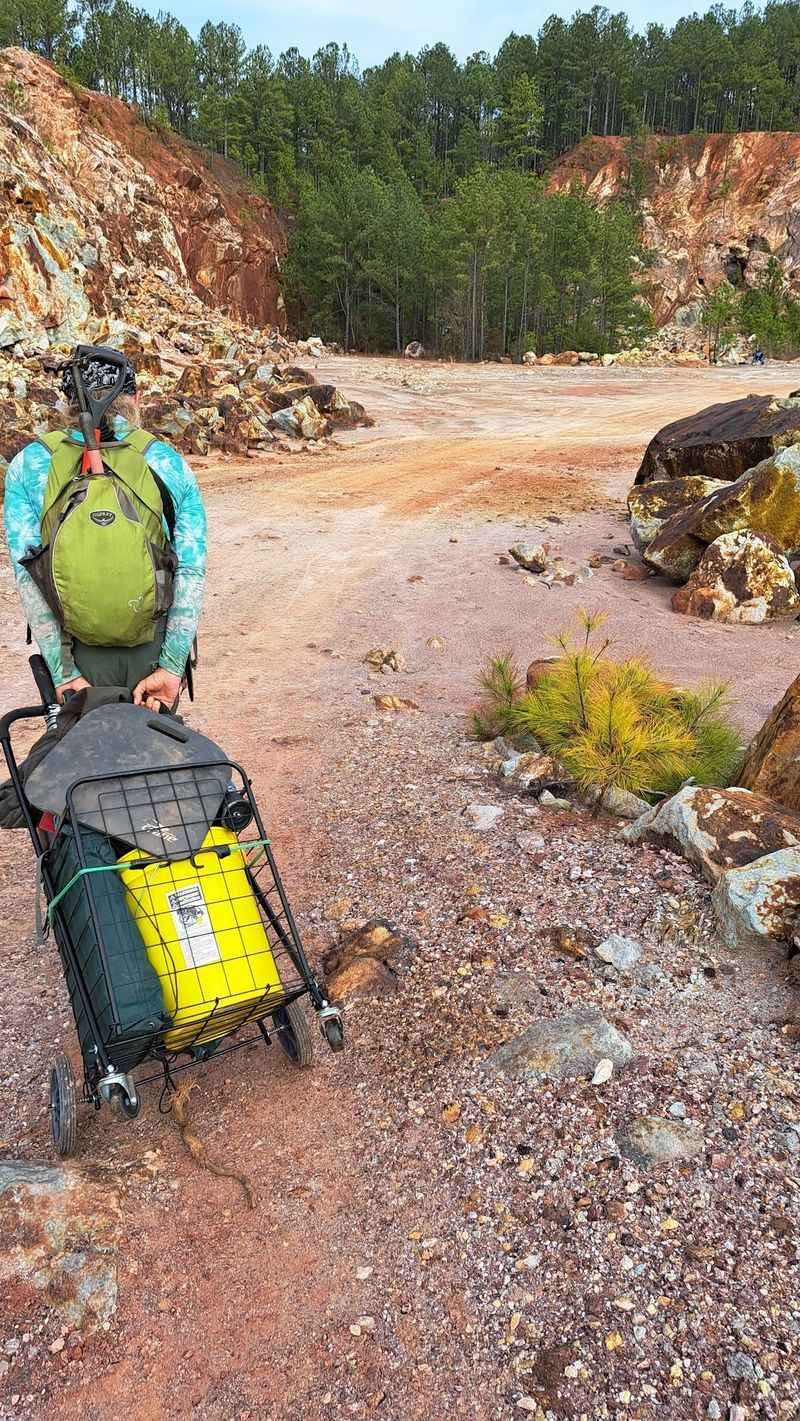
Graves Mountain is private property, so it is not a place to wander into whenever the mood strikes. Outside the organized Rock Swap and Dig weekends, collectors need permission and advance arrangements with the caretaker.
The public events make access much simpler. The fall 2026 Rock Swap and Dig runs Friday, October 2, through Sunday, October 4, with collecting open from 8 a.m. to 6 p.m. each day.
Every attendee must stop at the welcome table daily, complete a new liability release, and make a contribution or donation toward event expenses. Everyone must be off the mountain by 6 p.m.
Graves Mountain is on Hwy. 378, Lincolnton, GA 30817. The collecting entrance lies west of Lincolnton, and event signs help guide traffic toward the access road during organized digs.
The mountain opens rain or shine, so the conditions under your boots can change quickly. Dry rock, mud, cool fall air, and Georgia sun can all be part of the same weekend.
Pack for the weather, give yourself time, and expect the search to be messier than a polished gem attraction. That is part of the fun.
You Can Take Home The Mineral Specimens You Collect
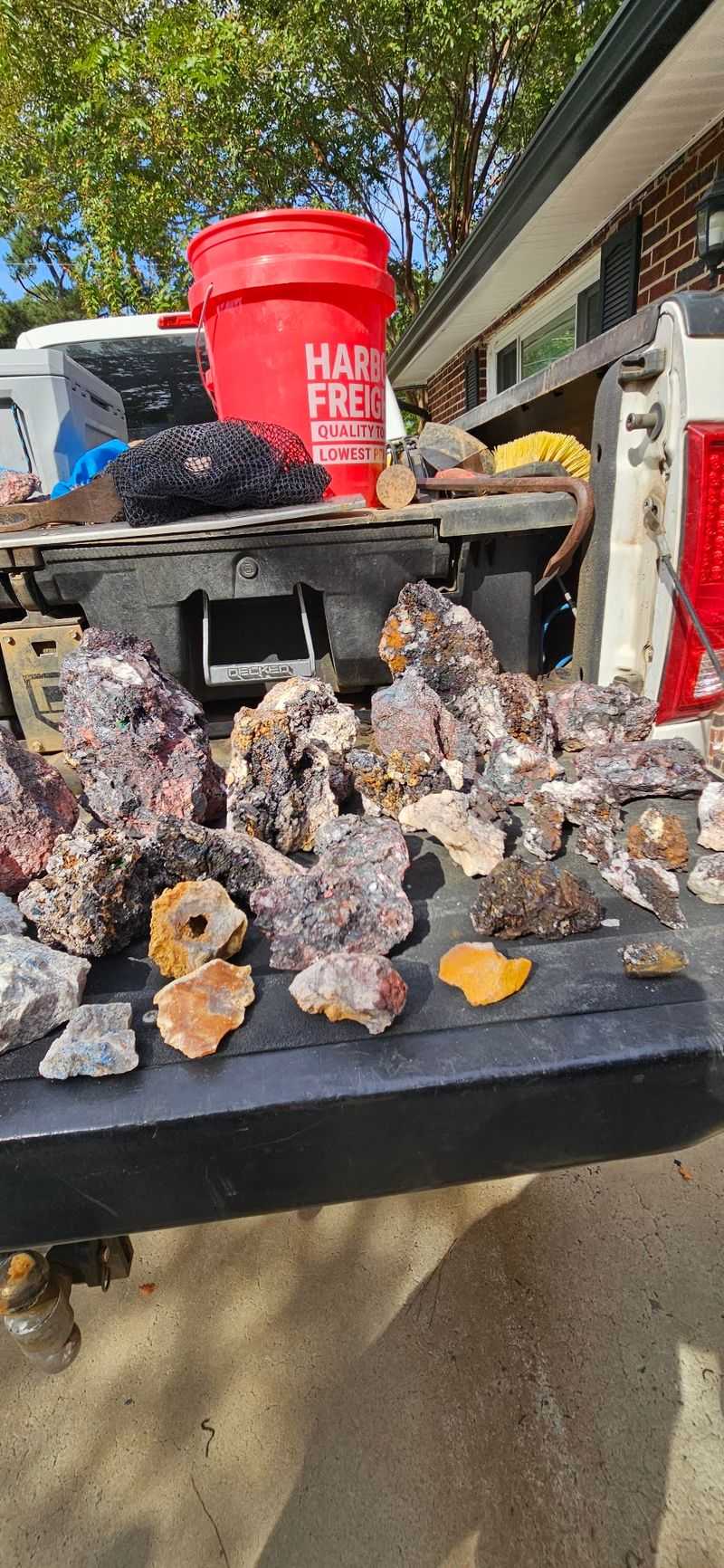
This is a field-collecting event, not a look-only geology tour. Mineral specimens gathered from the permitted collecting areas during the Rock Swap and Dig can leave the mountain with the person who found them.
That changes the way you look at every rock pile. A piece of blue kyanite, a quartz crystal, a rutile specimen, or a shimmering iron-rich fragment can become something you clean, label, and keep at home.
The biggest piece is not automatically the best one. Smaller specimens can show sharper crystal faces, richer color, or more interesting mineral combinations, and they are much easier to carry after several hours on uneven ground.
A bucket works well for solid pieces, while a small box or wrapped container can protect anything delicate. It helps to leave a little empty space at the start of the day. A container that seems enormous at breakfast can look very small by midafternoon.
The rock swap adds another layer, with mineral vendors bringing specimens for sale or trade. You can hunt your own material and compare it with pieces collected elsewhere.
The best souvenir here starts out dusty.
Graves Mountain Was Once A Major Kyanite Mining Site
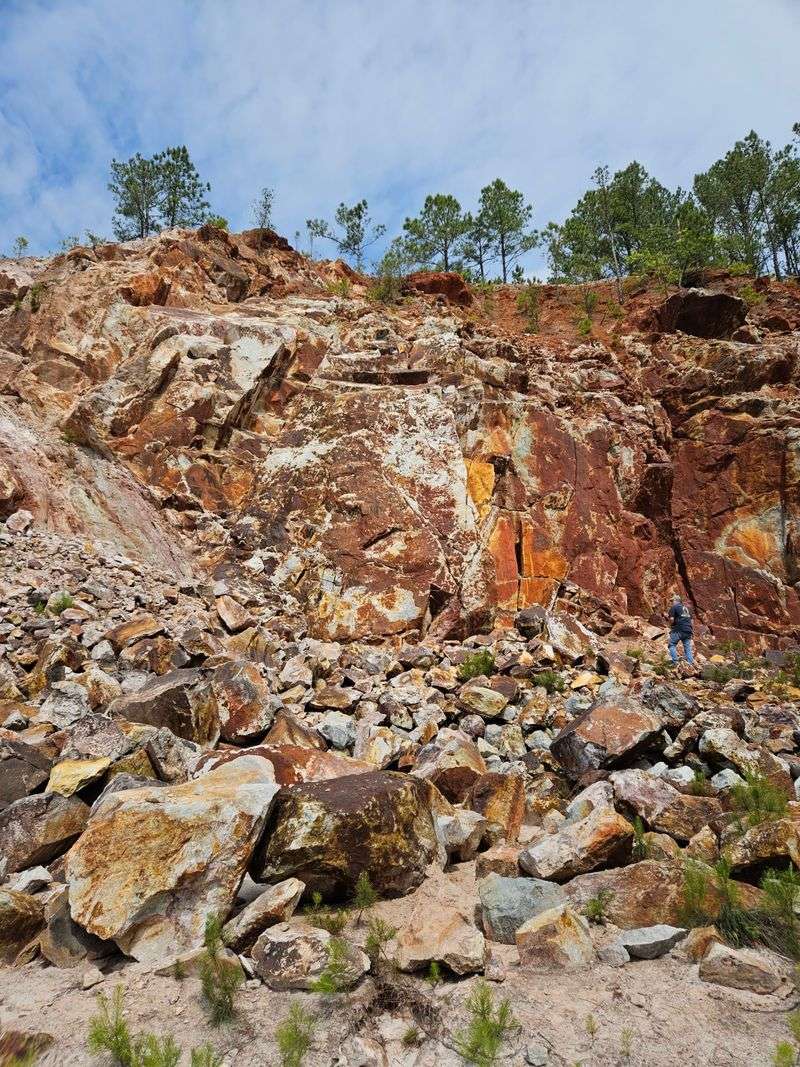
Long before weekend rockhounds arrived with hammers and buckets, Graves Mountain supported commercial mineral production.
Kyanite mining began in 1963. Aluminum Silicates, Inc. started the operation, and Combustion Engineering took over in the mid-1960s.
Mining continued through the following decades, and the site supplied a major share of the kyanite used in the United States.
Kyanite is valuable because it performs well in high-temperature applications. Material from Graves Mountain was used in ceramics and refractory products, and some of the last kyanite mined there went into insulating tiles for the space shuttle program.
Combustion Engineering sold the property to Pasco Mining Company in 1984. Pasco continued operating until 1986, when the property reverted to Combustion Engineering and mining did not resume.
Those years of excavation changed the mountain dramatically, leaving pits, rock faces, and broken material that still reveal its mineral-rich geology.
Collectors had known Graves Mountain long before the kyanite operation began. Scientific descriptions of minerals from the locality date to the 1800s, and rutile specimens helped make the site internationally known.
Every bucket collected today sits on top of a much longer story.
Hand Tools Are Welcome, But The Mountain Has Strict Safety Rules
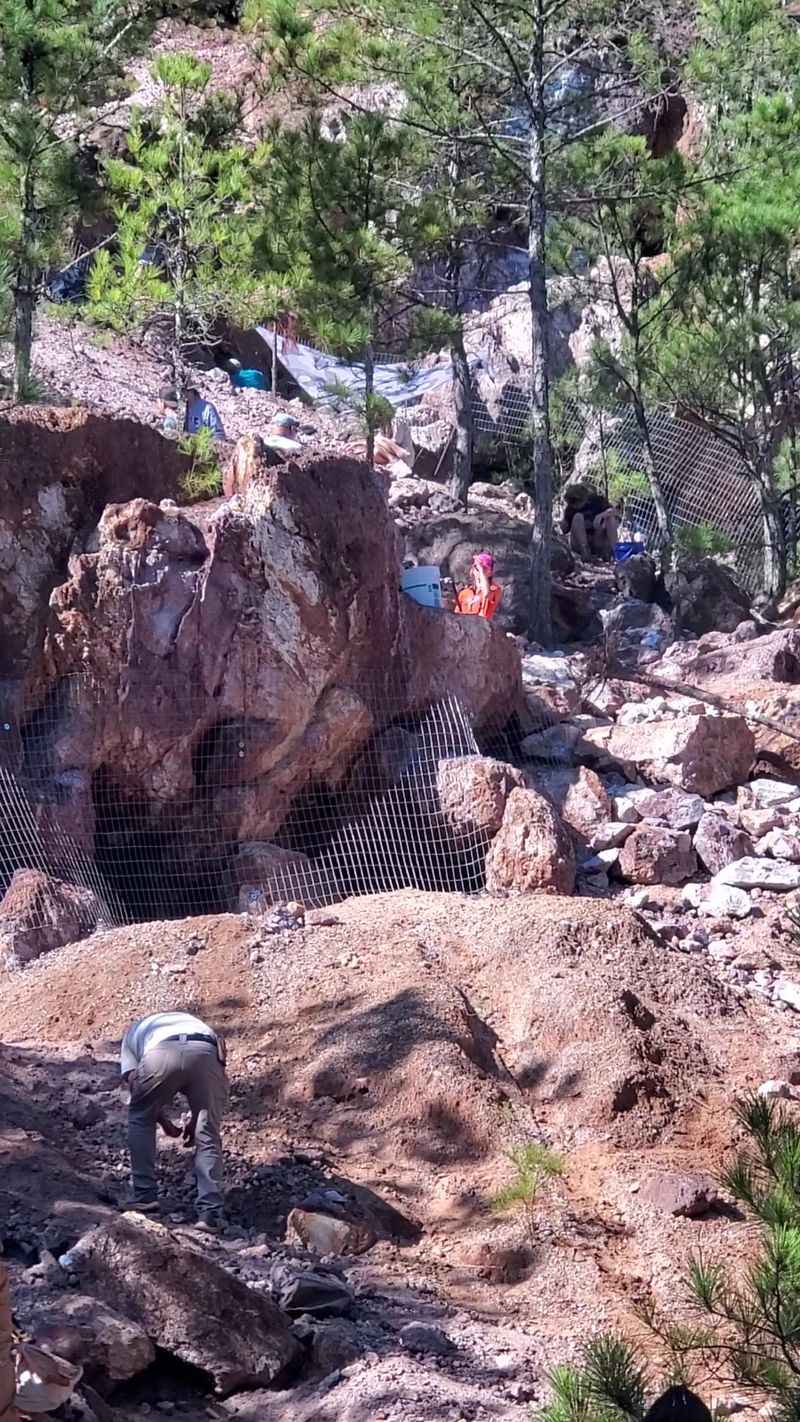
Graves Mountain is an old mine site with loose rock, steep walls, and uneven ground, so the collecting rules matter.
Hand tools are allowed, but ladders and power tools are not. That means hammers, chisels, pry bars, and similar manual equipment are the tools of the day. Stay away from high walls, do not rappel, and follow the caretaker’s directions about where collecting is permitted.
Vehicles remain in the designated parking area unless the caretaker specifically authorizes otherwise. Pets must stay under control and on a leash.
Sturdy footwear with good ankle support is a practical choice on rock piles and rough ground. Gloves and safety glasses also belong in the bucket or backpack, especially if you plan to break rock with a hammer and chisel.
Before swinging, check who is nearby and what is above or below you. Loose fragments can travel farther than expected, and unstable rock deserves plenty of space.
The goal is simple: bring home interesting minerals without turning the hunt into a test of courage. Slow down, work carefully, and let the geology provide the excitement.
Dusty boots are a much better souvenir than a preventable mishap.
The Next Public Rock Swap And Dig Is Set For October 2026
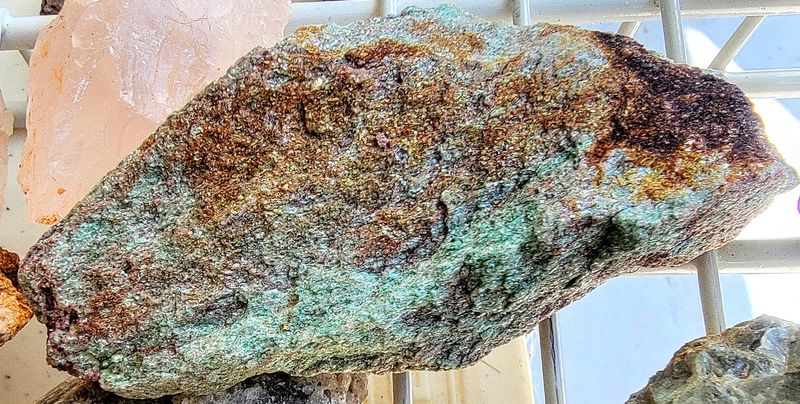
The fall Rock Swap and Dig is scheduled for October 2 through 4, 2026, giving collectors three days to explore Graves Mountain during an organized public event.
Collecting runs from 8 a.m. to 6 p.m. on Friday, Saturday, and Sunday. Everyone must stop at the welcome table each day, sign a fresh liability release, and make a contribution or donation toward the costs of services such as portable restrooms and golf carts.
There is no listed fixed admission price, so the contribution system replaces a standard ticket at the gate.
Dozens of mineral vendors are expected for the rock swap. You can compare specimens, browse material from other localities, and head back toward the collecting ground with a sharper eye for crystal shapes and colors.
Regular collecting outside these organized weekends requires advance permission, which makes the fall dig the simplest time for a first visit.
Pack water, weather-ready clothing, sturdy shoes, hand tools, gloves, eye protection, and containers that can handle more weight than you expect. Leave a little room in the car too.
By late afternoon, the mystery is not whether you will notice interesting rocks. It is which ones will earn the ride home.