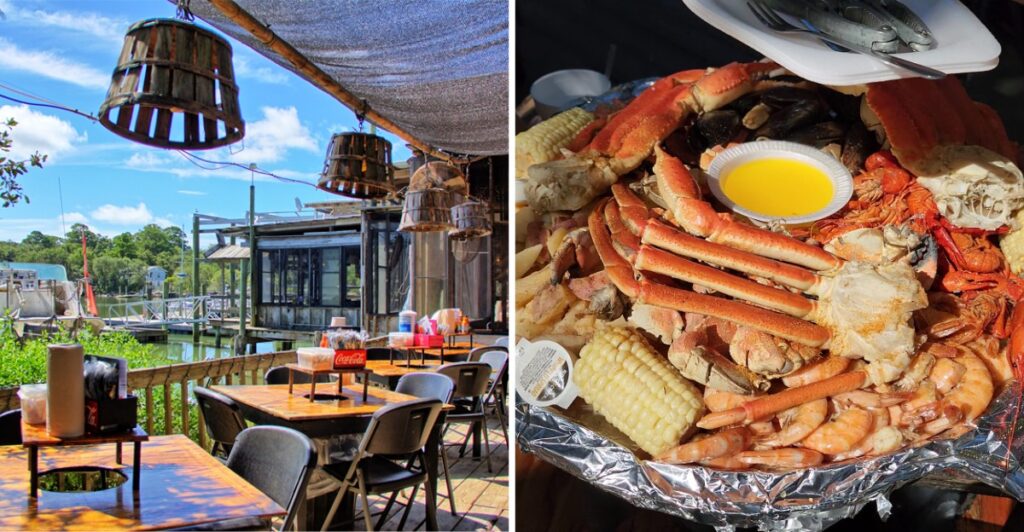
I am not saying a gator lagoon should influence dinner plans, but it absolutely would influence mine.
This Georgia island stop already has plenty going on before the food arrives. There is water beside the property, old live oaks overhead, and enough movement around the docks to keep your eyes busy between bites.
Then the seafood shows up and reminds you why you came.
Crab, shrimp, and Lowcountry favorites keep the menu close to the coast, while the setting makes the whole meal feel a little less ordinary.
You can eat and still have something strange waiting nearby after the plate is cleared.
Honestly, how often does dinner come with both marsh views and reptiles?
Chimney Creek Started As A Fish Camp Long Before Dinner Tables Arrived
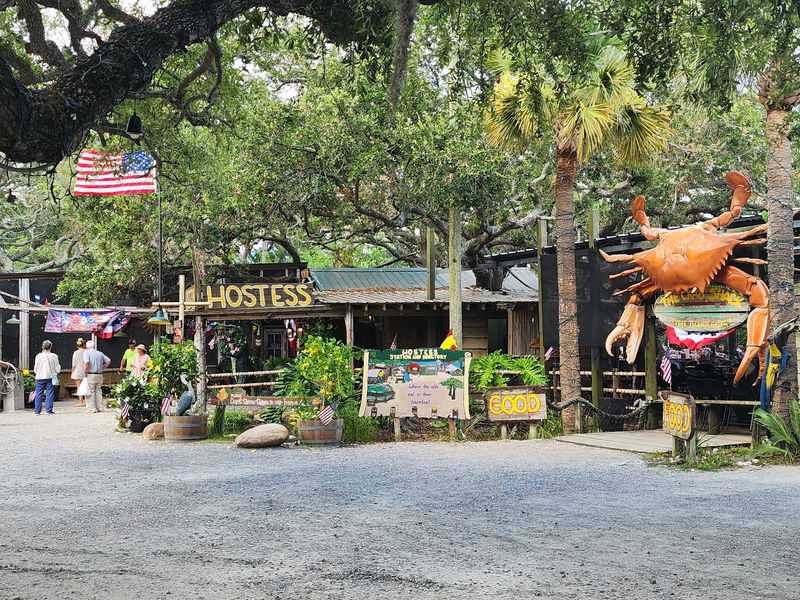
Long before seafood platters filled the tables, Chimney Creek worked as a local fish camp and marina.
The site dates to the 1930s, when local fishermen used the creek to dock boats, buy bait, and bring in the day’s catch. Buildings from that earlier operation shaped what came later, including the bait-shop structure that now houses the gift shop and bird aviary.
The restaurant chapter began much later. Jack and Belinda Flanigan bought the old fish camp in the 1980s and gradually developed the property into The Original Crab Shack.
That history gives the place a practical connection to the water instead of a decorative one. The creek was part of the property before the restaurant was, and the waterfront layout still reflects that past.
You do not need to study the timeline before lunch. Just notice how close the dining areas sit to the marsh and how much of the property still points back toward boats, docks, and coastal life.
A quick seafood stop works. Giving the old fish-camp setting a little more time works even better.
The old marina buildings help keep that history visible. You can move from a modern dining table to structures connected with the earlier fish camp without leaving the place.
Waterfront Dining Keeps Chimney Creek In View
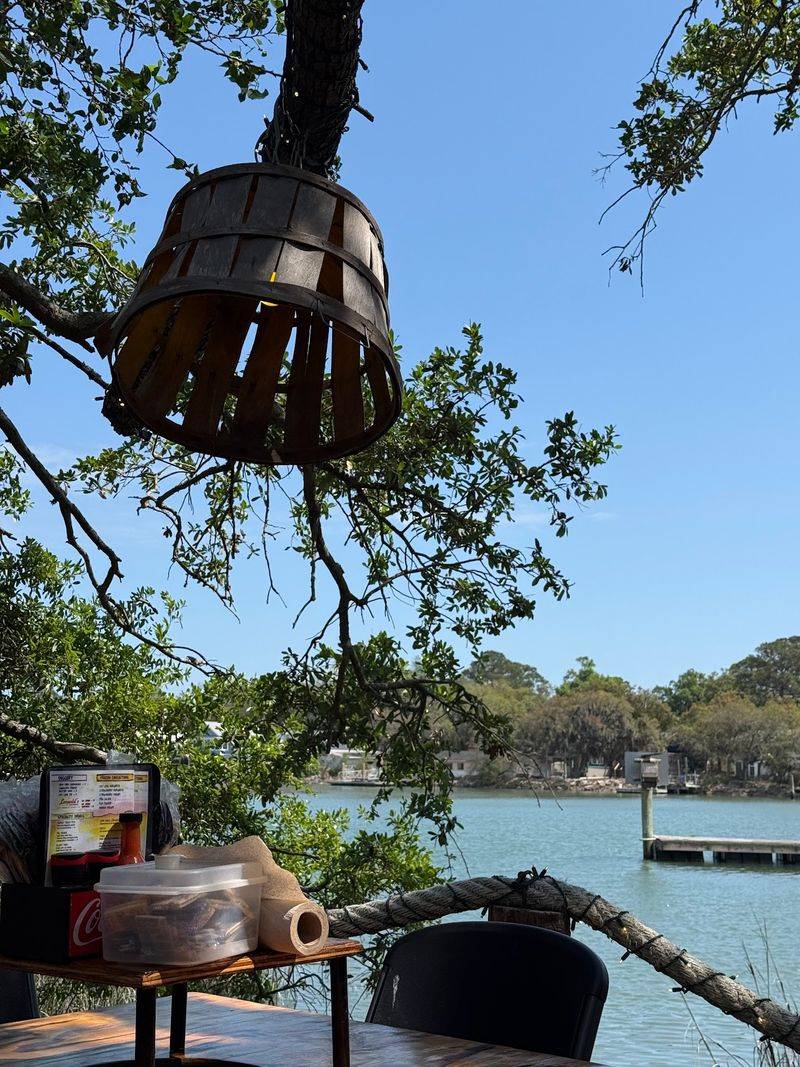
The dining areas spread around the property with Chimney Creek close at hand.
Outdoor tables sit beneath mature live oaks, while other seating keeps diners near the water and marsh scenery. The restaurant also maintains a dock, and current visitor information lists easy boat access along with free on-site parking.
The Original Crab Shack is at 40 Estill Hammock Rd, Tybee Island, GA 31328.
That location is far enough from the beach traffic to give the meal a different rhythm from a quick stop near the sand. You can settle in, look across the creek, and decide whether the table should be the whole visit or only the first part.
Pet-friendly outdoor seating is also available, which can matter when the day already includes a dog and a long Tybee Island walk.
The best choice is simple: take the seat that matches the weather and your group. A waterfront table keeps the creek in view. A shaded spot under the oaks can be the better move when the Georgia sun is doing too much.
Either way, seafood and marsh scenery stay close together.
If the weather changes, indoor seating gives the group another option without sending the meal away from the waterfront property.
Lowcountry Boil Keeps The Menu Rooted In Coastal Georgia
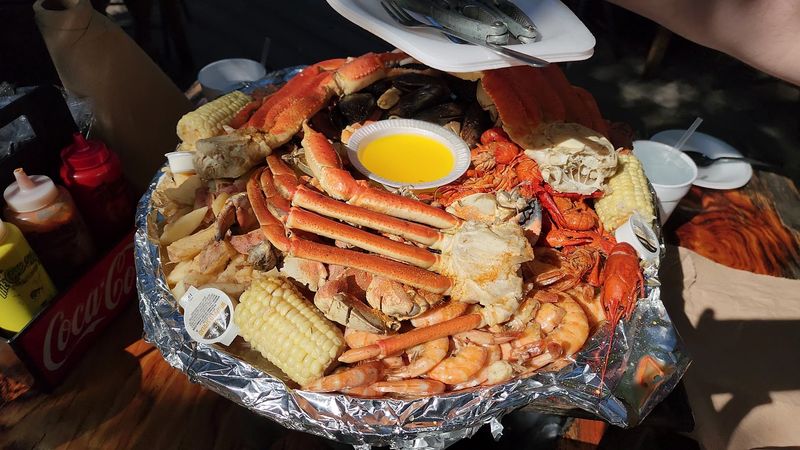
Lowcountry boil is one of the clearest ways to keep the meal tied to coastal Georgia.
The current restaurant menu includes boiled peel-and-eat shrimp, crab, oysters, and other seafood categories, while the Lowcountry boil combines shrimp, corn, potatoes, and sausage in the familiar regional format.
That makes it useful when the table wants one straightforward coastal meal instead of several separate seafood orders.
Start there if you like food that asks for your hands. Peel the shrimp, work through the corn and potatoes, and keep the pace slower than a fork-and-knife dinner. A boil is not the neatest option on the menu, but neatness is not really the point.
For a larger group, sharing also makes ordering easier. One boil can anchor the table while crab or another seafood plate adds variety.
If shellfish is not the plan for everyone, the current menu also includes barbecue, chicken, kids’ meals, sandwiches, sides, soups, and stews.
Let the group split directions if needed. The creek view does not require everyone to order the same thing.
Keep a few napkins close and expect the table to look busier once the shells start piling up. That is part of the format, not a problem to solve.
Crab, Shrimp And Oysters Give The Table Several Directions
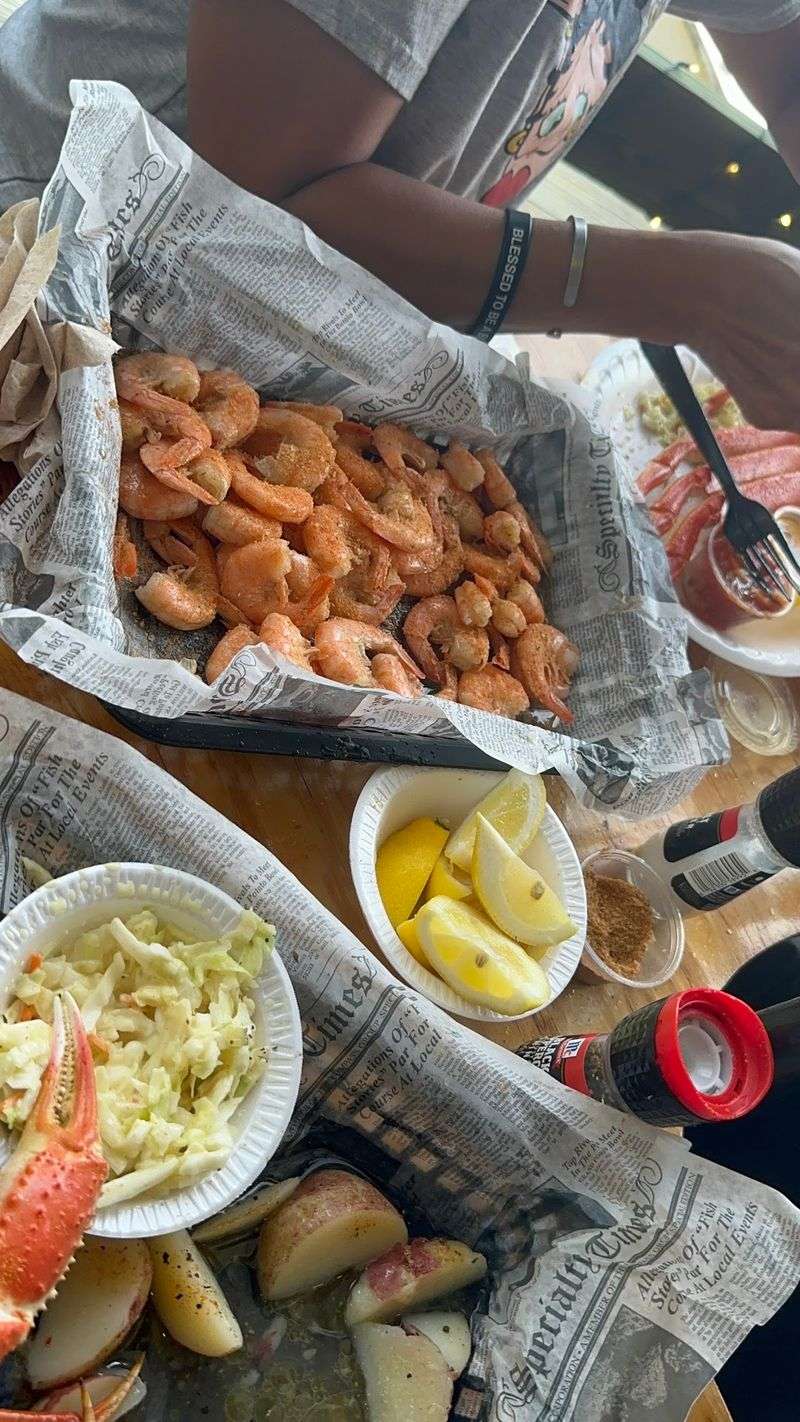
Seafood choices go well beyond one boil.
The restaurant’s current menu centers on crab, boiled peel-and-eat shrimp, oysters, soups, stews, and other coastal staples. That gives you room to decide whether the meal should be built around one shellfish favorite or spread across several smaller choices.
Crab makes sense when cracking shells is part of the fun. Shrimp keeps things simpler, especially when you want something easy to share. Oysters can move to the front when the table wants a starter before the main order arrives.
The Captain’s seafood sampler is another current option for anyone who would rather let one platter cover several kinds of seafood. The restaurant also maintains its LoCo ToGo option for bringing part of the coastal menu home.
Do not overbuild the table before the first plate arrives. Seafood meals expand quickly once sides, shells, and shared dishes start taking up space.
Pick one anchor order first. Add another only if the table still needs it. The view is already doing plenty, so the meal does not need six competing centerpieces.
A smaller group can keep things focused with one main seafood choice and a starter.
Live Oaks And The Dock Keep The Setting Close To The Water
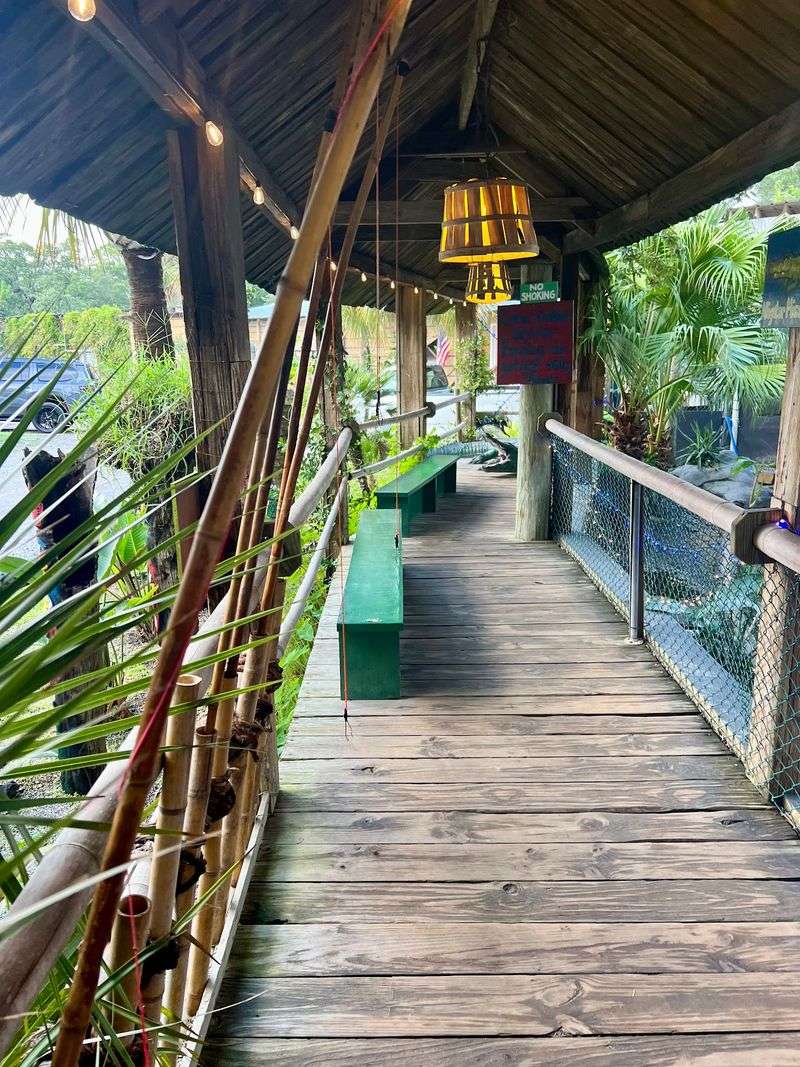
The property makes the old fish-camp history easier to picture because so much of the meal still happens outdoors.
Large live oaks stretch over parts of the dining area, and the creek stays visible from the property. The dock adds another reminder that this was a working waterfront site before it became a restaurant.
That mix gives you several natural pauses between ordering and leaving. Walk toward the water, look back at the oak canopy, or give younger diners a minute to explore before everyone piles back into the car.
The setting also changes as daylight shifts. Midday puts the marsh in full view, while later light can soften the creek and trees before evening.
There is no need to turn the property into a sightseeing checklist. The easiest approach is to notice what is already around the table.
If the meal is messy, that only fits the setting. Crab shells, shrimp peels, and a creekside table belong to the same kind of afternoon.
Stay long enough to enjoy the water, but save a little time after eating. The animal areas give the visit another direction before you leave.
For families, those pauses can be useful. A few minutes near the dock or under the trees can reset the group before the next part of the visit.
Gators And Rescued Birds Add Another Stop After The Meal
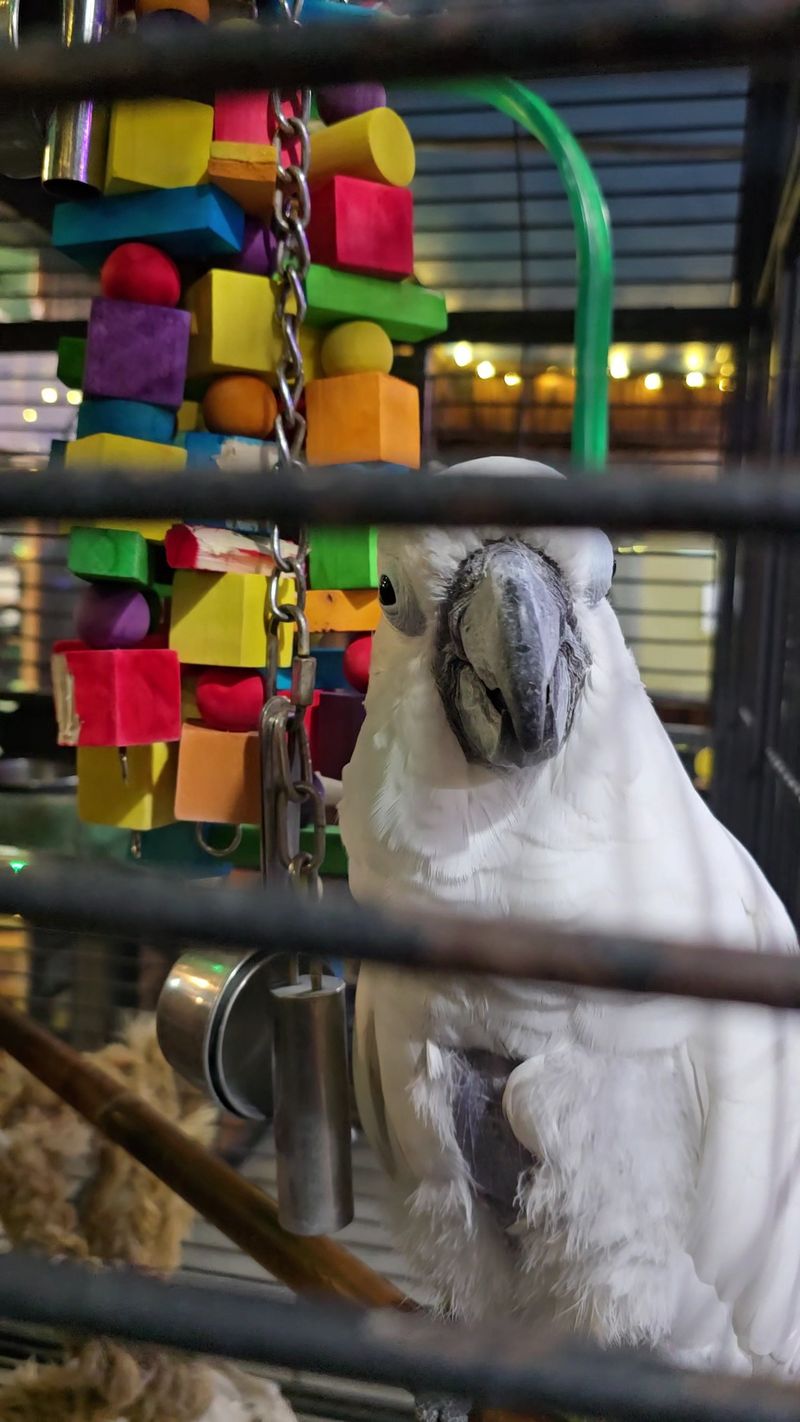
The seafood may be the reason for the stop, but the animal areas make it easy to linger.
The current Gator Lagoon is home to 78 baby alligators. Guests can see them up close, and the feeding experience is supervised by a gator attendant who can also answer questions about the animals.
Near the gift shop, the aviary houses rescued and adopted birds that have become part of the property over the years. It gives families a quieter place to look around after the table has been cleared.
These attractions are separate from the seafood itself, which is useful when younger visitors have reached the point where another five minutes in a chair is not going to happen.
Take the gator stop first if energy is still high. Save the aviary for a slower finish, then decide whether the gift shop needs a few minutes too.
The property also includes a game area, but the easiest family route does not need every extra.
A meal, the creek, the gators, and the birds already give the stop several different rhythms without turning the afternoon into a schedule.
Let the children choose which animal stop comes first. That small decision can keep the afternoon moving without another round of negotiations.
Seven-Day Service Makes A Creekside Meal Easy To Plan
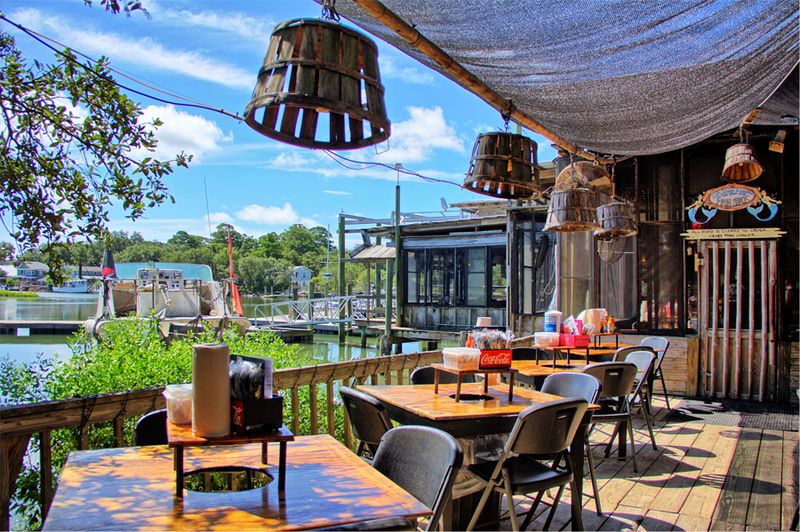
The Original Crab Shack is currently open seven days a week, giving both lunch and dinner an easy place in a Tybee Island day.
Walk-ins are welcome, while large parties can make reservations. Free on-site parking is available, and the restaurant also offers easy boat access for anyone approaching from the water.
Timing still matters on an island day. A midday meal can leave the rest of the afternoon open for Tybee, while dinner lets the creekside setting become the final destination after the beach.
If you are bringing children, leave a little time after eating for the gator lagoon or aviary rather than trying to squeeze those stops in before everyone is hungry.
The simplest plan is often the strongest one. Arrive with an appetite, pick the seafood direction that fits the table, and let Chimney Creek supply the rest of the afternoon’s pace.
A weekday lunch can keep the visit especially simple when you want the seafood and waterfront setting without building the whole day around dinner.