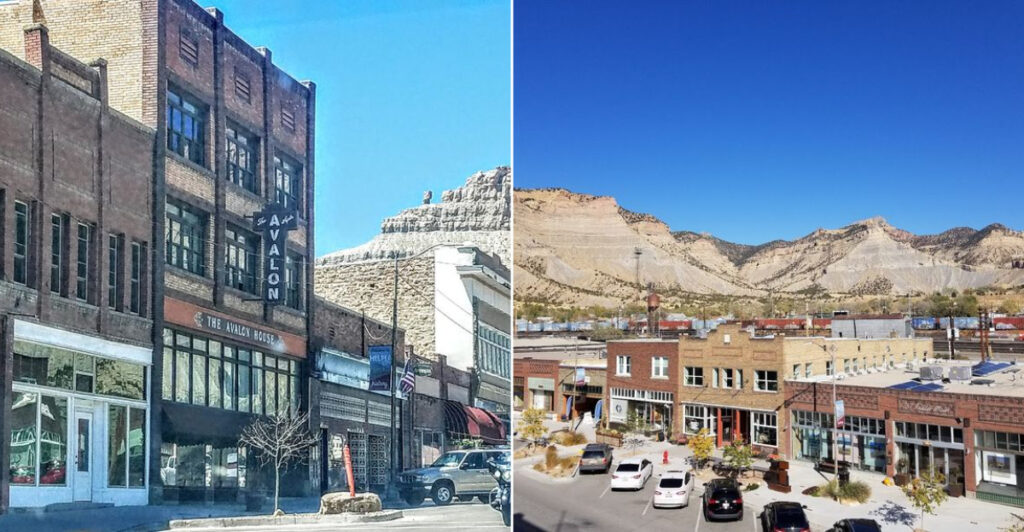
Some towns do not ask you to move faster; they teach you how good it feels to stop rushing. In Utah, this small canyon community offers the kind of retirement setting that feels practical, peaceful, and quietly alive.
With just over 2,100 residents, it has enough personality to feel interesting, but not so much bustle that every errand becomes a production. The surrounding cliffs give daily life a dramatic backdrop, while the slower rhythm makes mornings, walks, and neighborly conversations feel like part of the appeal.
Retirees are drawn to more than scenery here. They talk about breathing easier, spending with more intention, and finding a place that still feels human-sized.
That is not flashy, and honestly, that is the point. Utah’s smaller towns often surprise people by offering what bigger cities make difficult: room to think, room to settle, and room to enjoy the next chapter without the noise.
A Canyon Setting That Earns Its Keep Every Single Day
Most towns brag about their scenery in brochures and then quietly disappoint you on arrival. It does the opposite.
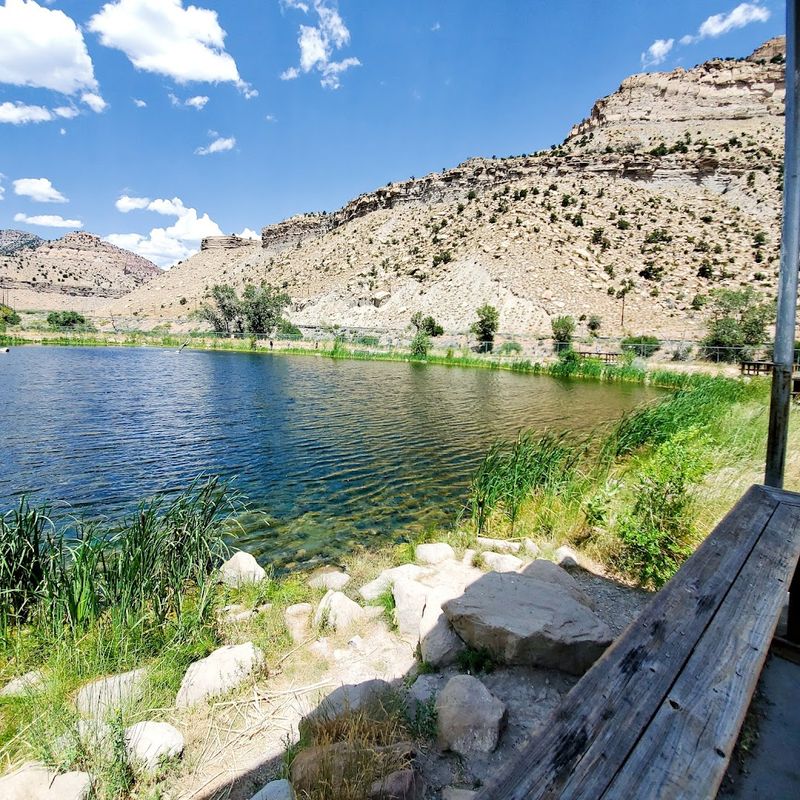
Sitting at roughly 5,800 feet elevation in Carbon County, it is physically cradled by canyon walls that shift color depending on the time of day and the mood of the light. Morning turns the cliffs a burnt copper, and late afternoon softens everything into something almost theatrical.
The Price River runs nearby, adding a low, steady presence that anchors the whole scene without demanding your attention. You do not need to hike anywhere dramatic or book a guided tour to feel the landscape.
It simply surrounds you the moment you step outside.
For retirees who spent decades commuting through concrete corridors, waking up to this kind of view carries a different kind of value entirely. Pro Tip: Early morning is the best time to catch the canyon walls at their most vivid before the midday sun flattens the contrast.
A short walk near the river requires almost no effort and delivers the kind of quiet that city parks spend millions trying to recreate. It gives it away for free, every single morning, without a single parking meter in sight.
Housing Costs That Make Financial Planners Do a Double Take
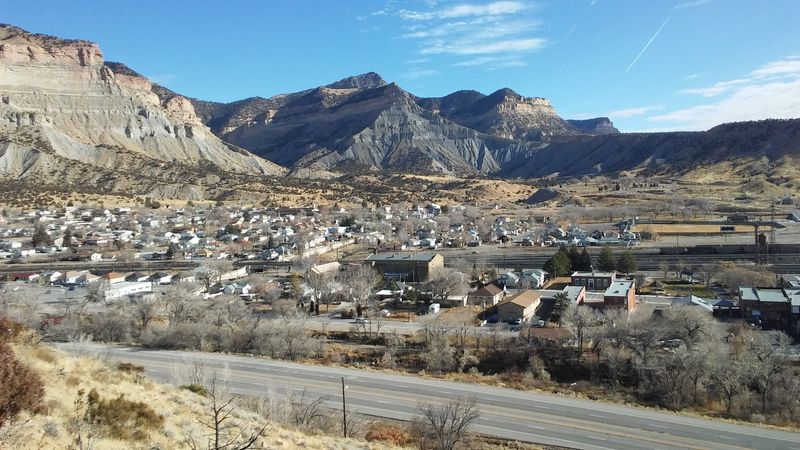
Here is a number worth sitting with: the median home price in Helper, Utah consistently lands well below the national average, and significantly below what you would pay in most Utah cities. Salt Lake City has been stretching budgets for years, and even smaller Utah towns closer to recreation corridors have seen prices climb.
Helper largely missed that wave, which turns out to be excellent news for anyone paying attention.
Retirees on fixed incomes often describe the moment they checked Helper home listings as a genuine turning point in their planning. Older craftsman-style homes with real yards and functional layouts show up at prices that feel almost anachronistic.
You start to wonder if someone forgot to update the numbers.
Best For: Retirees, remote workers, and couples looking to stretch a fixed budget without sacrificing square footage or outdoor access. Property taxes in Carbon County also remain relatively modest compared to Utah’s more crowded counties, which compounds the financial advantage over time.
The town does not market itself aggressively, and that restraint is part of why the prices have stayed reasonable. Sometimes the best financial move is finding the place that has not been discovered yet, and Helper fits that description with room to spare.
The Western Mining Heritage That Gives This Town Its Backbone
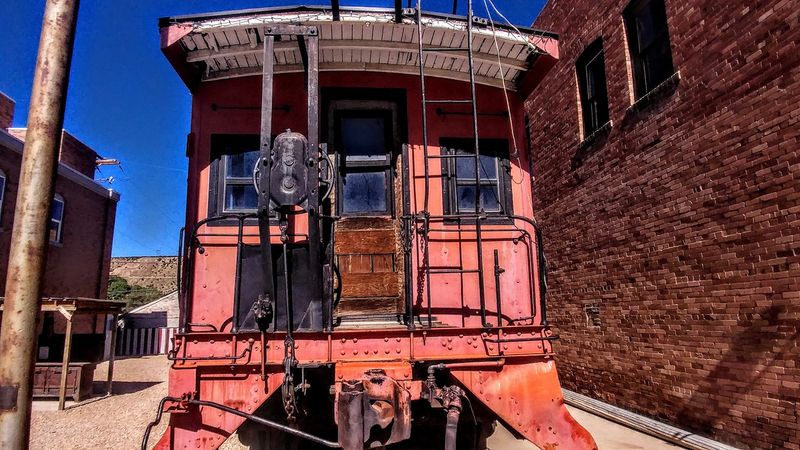
Helper got its name from a very practical railroad tradition. Steam-powered trains climbing the steep grades of the Wasatch Plateau needed extra locomotives, called helper engines, to push them up the mountain.
The town that grew around that railroad function took the name and kept it long after the steam era faded. That origin story says something honest about the place: it was built around usefulness, not glamour.
Carbon County’s coal mining history runs deep here, and the town’s architecture reflects that industrial past in a way that feels lived-in rather than manufactured. Brick buildings along Main Street carry the kind of patina that no renovation budget can convincingly fake.
Walking through the downtown area is less like visiting a heritage site and more like reading a letter someone forgot to finish.
Why It Matters: Towns with genuine historical identity tend to hold their character more stubbornly than towns built around a single amenity or trend. Helper’s past is not a marketing angle, it is structural.
That solidity attracts residents who want roots rather than novelty. The Western Mining and Railroad Museum in town offers a grounded look at Carbon County’s past for visitors curious about the details behind the brick and the canyon.
History here is not a weekend exhibit, it is the foundation.
A Small-Town Art Scene That Quietly Punches Above Its Weight
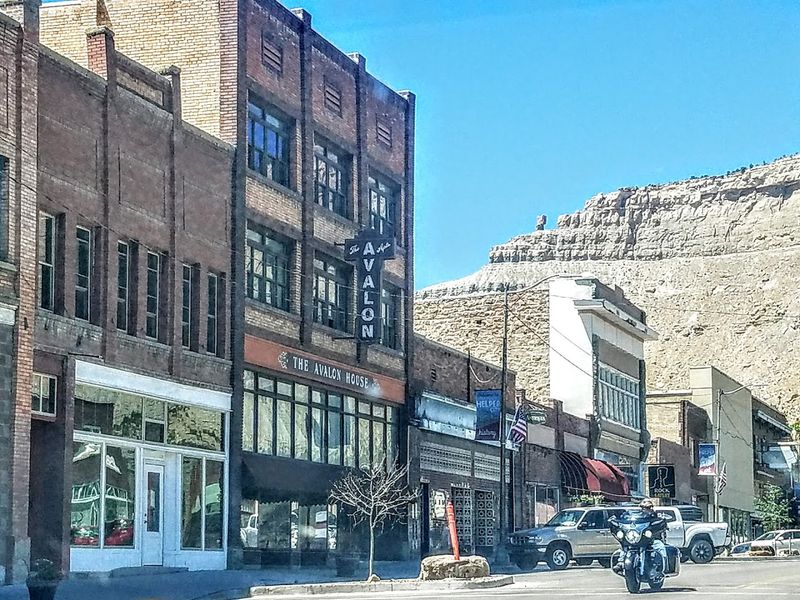
For a town of just over 2,000 people, Helper carries a surprisingly active arts identity. The Helper Arts, Music and Film Festival draws visitors from across Utah each year, turning the compact downtown into a lively gathering point that feels genuinely festive without the manufactured energy of larger events.
Local galleries occupy the same brick storefronts that once served the mining economy, which creates an interesting layering of old purpose and new expression.
Murals appear on building walls throughout town, commissioned works that reference both the landscape and the industrial history of the region. They are not decorative afterthoughts.
They are conversation starters painted at full scale on surfaces that have earned the right to say something.
Insider Tip: The arts community in Helper has been quietly building for years, attracting working artists drawn by low studio costs and a landscape that does not require much artistic embellishment. If you visit during the annual festival, plan to arrive early and park before the downtown fills up.
Even outside of festival season, a slow walk down Main Street surfaces enough visual interest to justify the detour. For retirees who want cultural engagement without urban density, Helper’s art scene offers exactly that kind of low-pressure, high-quality discovery that makes a small town feel genuinely alive.
The Mid-Article Reality Check: Why Helper Keeps Winning the Comparison
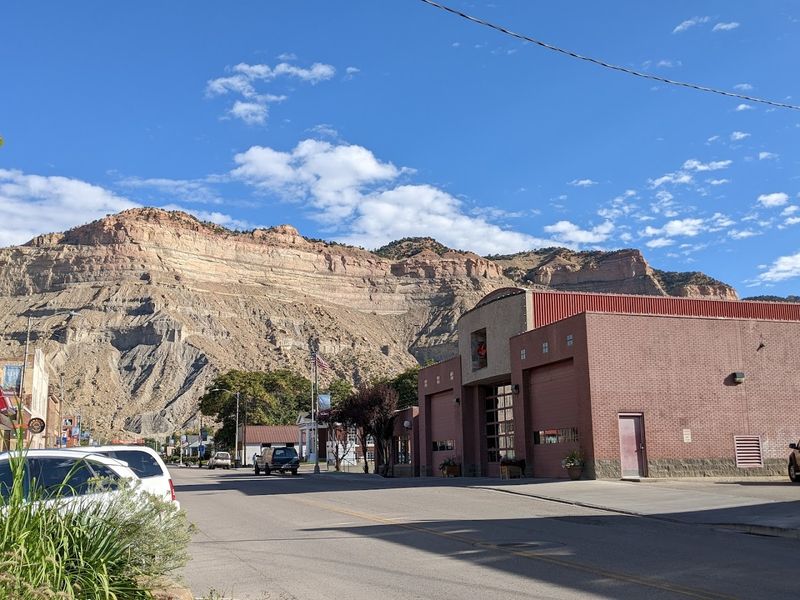
By this point in the Helper conversation, most people start doing the math in their heads. Lower home prices, modest property taxes, genuine scenery, a walkable downtown with actual character, and proximity to Price for larger shopping needs without being absorbed by it.
The numbers keep adding up in Helper’s favor, and that is before you factor in what you are not paying for.
There is no premium attached to the zip code. No lifestyle branding layered over the grocery run.
The town simply functions as a town, which sounds obvious until you have spent time in places where every coffee shop feels like an audition.
Common Mistakes to Avoid: Do not confuse Helper’s quietness for lack of substance. Visitors who expect a polished tourist destination sometimes miss the point entirely.
This is a working small town with real residents, a real history, and real value for people willing to look past the absence of a wine bar on every corner. The comparison that keeps coming up among retirees who moved here is not Helper versus some idealized version of small-town life.
It is Helper versus where they were before, and Helper wins that comparison almost every time. The math is not complicated.
The lifestyle arithmetic just takes a moment to settle.
Outdoor Access Without the Overcrowding That Ruins the Experience
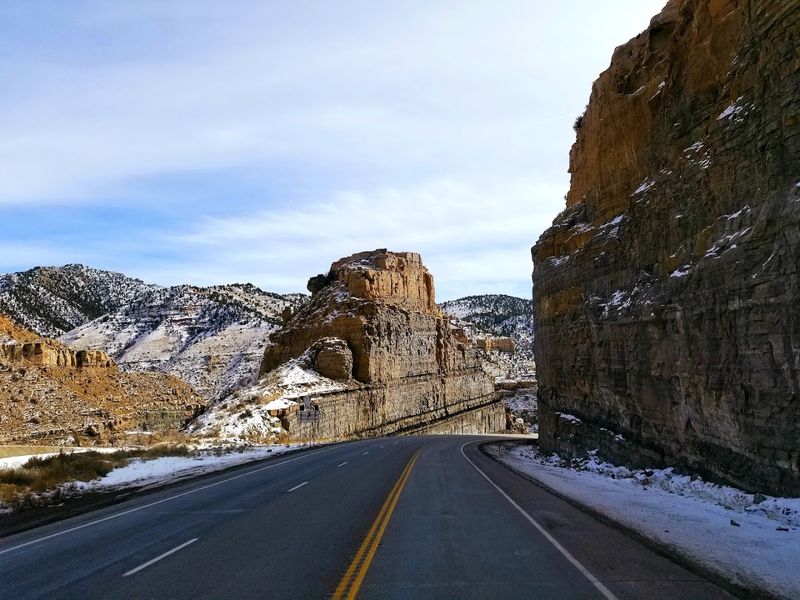
Carbon County sits in a part of Utah that does not show up on the same Instagram rotation as Moab or Zion, which means the trails and open spaces around Helper remain genuinely uncrowded. That is not a small thing.
Overcrowding has quietly eroded the outdoor experience in many of Utah’s most celebrated destinations, turning what should be a restorative activity into a parking logistics exercise.
The terrain around Helper includes canyon landscapes, high desert plateaus, and access to the Manti-La Sal National Forest without the shoulder-to-shoulder trail conditions that have become standard elsewhere. You can actually hear yourself think out there, which turns out to be one of the features retirees value most.
Best Strategy: Weekday mornings offer the most solitude on local trails and along the Price River corridor. Bring water and sun protection regardless of the season, as Carbon County’s high desert elevation means conditions shift faster than they look from a car window.
For couples and solo visitors who want outdoor access without having to compete for it, the Helper area delivers a version of Utah’s landscape that feels personal rather than packaged. The scenery is genuinely dramatic without requiring you to book a shuttle or stand in a virtual queue to access it.
That kind of freedom is increasingly rare and increasingly valuable.
The Honest Final Word on Why This Town Sticks With You
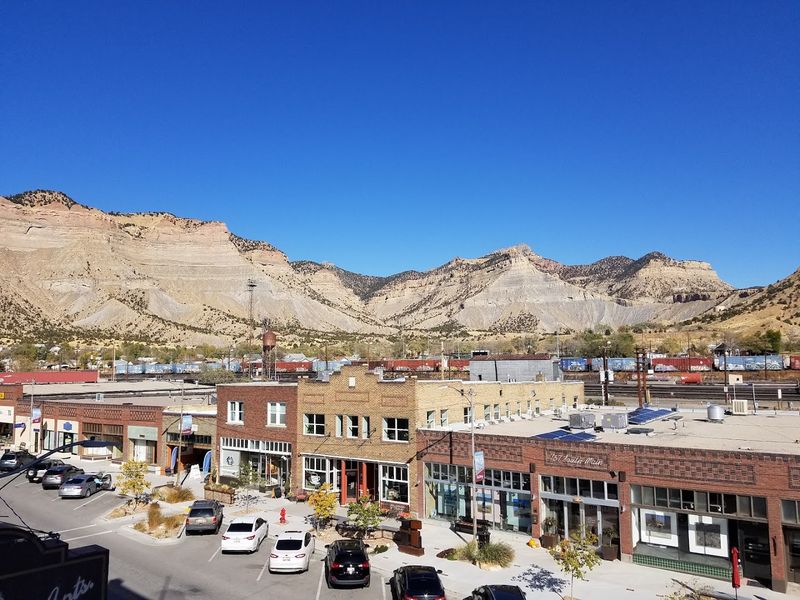
There is a specific kind of satisfaction that comes from finding a place that delivers exactly what it is rather than what it is trying to seem like. Helper, Utah sits in that category without apology.
It is a real town with real history, real affordability, and a landscape that would cost you considerably more to access if it had a better publicist.
Retirees who moved here often describe a period of adjustment, not because the town disappointed them, but because they kept waiting for the catch. The lower cost of living had to come with a hidden trade-off.
The quiet had to be a symptom of something missing. It usually takes a few months before they stop looking for the problem and start just living there.
Quick Verdict: Helper, Utah is the rare small town that rewards patience and punishes overthinking. If your retirement calculus involves stretching a fixed income, finding genuine outdoor access, and landing somewhere with actual character rather than manufactured charm, Helper belongs near the top of that list.
Located at Utah 84526, approximately 110 miles southeast of Salt Lake City, it is close enough to civilization to feel connected and far enough away to feel free. Send a friend the address.
Tell them you stumbled across it. That is exactly how Helper prefers to be found.