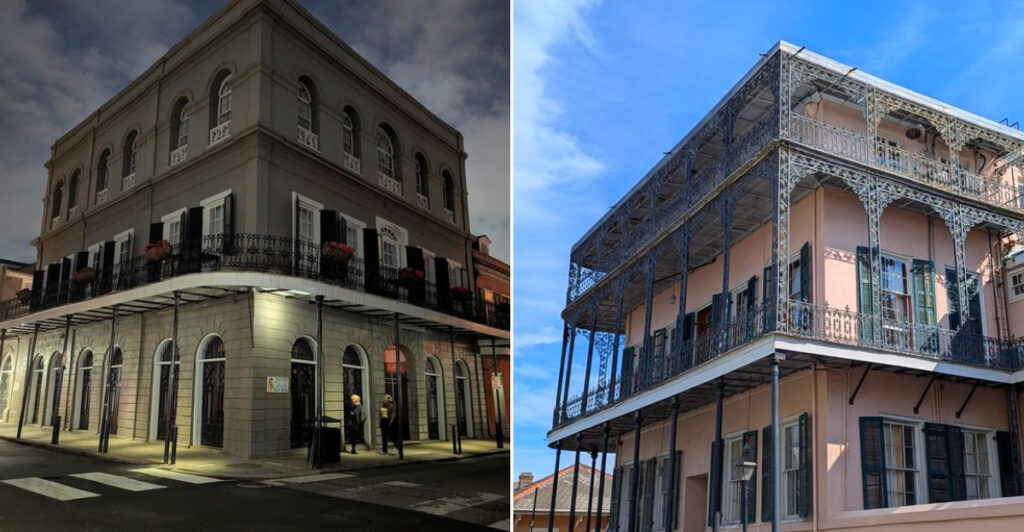
I have walked past this mansion a dozen times and every time I slow down without meaning to because something about the way it sits on that corner pulls at you with its iron balconies and tall windows and the kind of beauty that makes you forget for a second what happened inside.
Then you remember and the beauty turns into something else and you understand why ghost tours stop here and why people cross the street at night without realizing they are doing it.
The history of this place you do not tell lightly because what was discovered behind those elegant walls was so horrific that an entire city took to the streets and the building has carried that weight ever since.
This Louisiana Victorian mansion hides one of the most disturbing chapters in New Orleans history behind a facade so beautiful it almost makes you forget what happened there.
Streetside First Impression

The first time you stand before 1140 Royal Street you register the contrast: meticulous Creole revival details and an oppressive silence that feels intentional. Passersby photograph the façade, but their smiles often look unsure once they hear the story.
The mansion’s symmetry and clean lines almost dare you to reconcile the elegance with the narratives of cruelty that erupted here in 1834.
Because you cannot enter, the exterior becomes a stage where history and legend perform. Guides will point to architectural flourishes while also narrating the grim discoveries made after the kitchen fire, making the house a study in contradictions.
It’s a striking lesson in how a beautiful building can shelter terrible truths.
A Royal Street Stop That Stays Behind Closed Doors
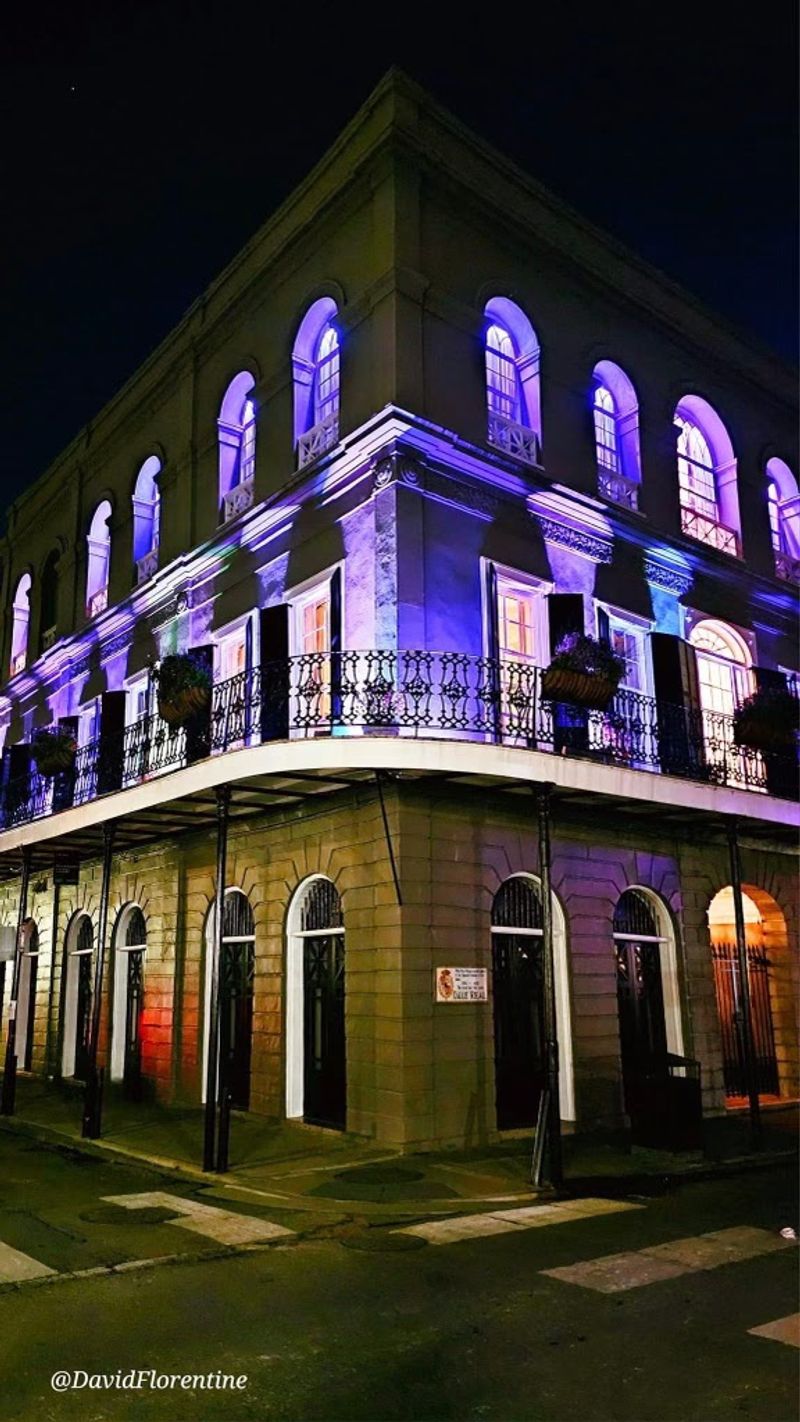
LaLaurie Mansion draws plenty of curious walkers, but the visit is strictly an exterior one, with its imposing façade and wrought-iron balconies doing all the storytelling from the sidewalk.
You’ll find it at 1140 Royal Street, New Orleans, Louisiana 70116, in the French Quarter. It remains a private residence and is not open for public tours.
Approach on foot, pause long enough to see the architecture, then continue along Royal Street. Keep the doorway clear and respect the residents’ privacy while taking in one of the Quarter’s most talked-about landmarks.
Architectural Memories
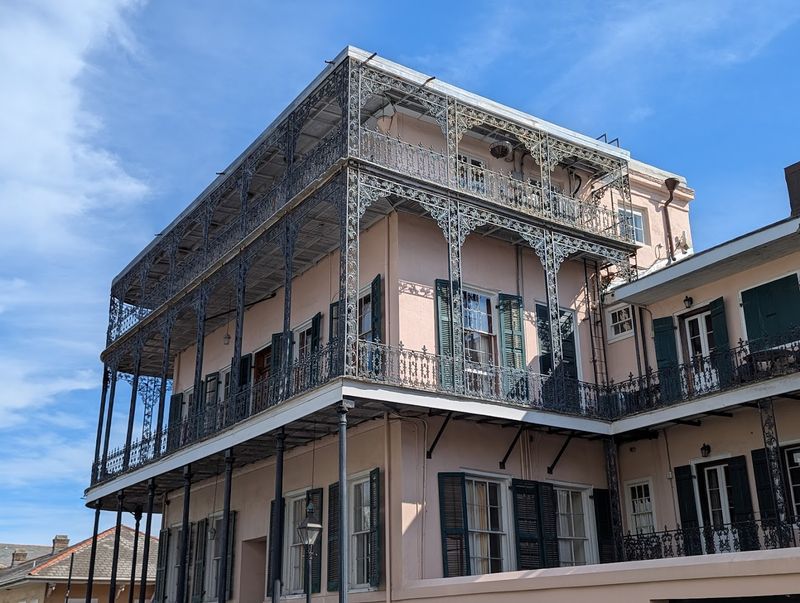
Close inspection of the masonry and ironwork reveals layers of rebuilding and restoration that mask a turbulent past. The structure seen today reflects repairs after the 1834 mob and subsequent renovations, not the exact layout where the worst abuses occurred, yet the building’s bones still speak of that violent public reaction.
Architectural historians note the mix of French Colonial and Creole influences, which gives the façade a refined, almost theatrical quality that belies the uglier chapters of its story.
Walking by, you can trace where later owners patched damage and tried to make the place livable again. Those repairs are a physical record of the city trying to move forward while keeping a difficult truth visible at street level.
The Night Tour Perspective
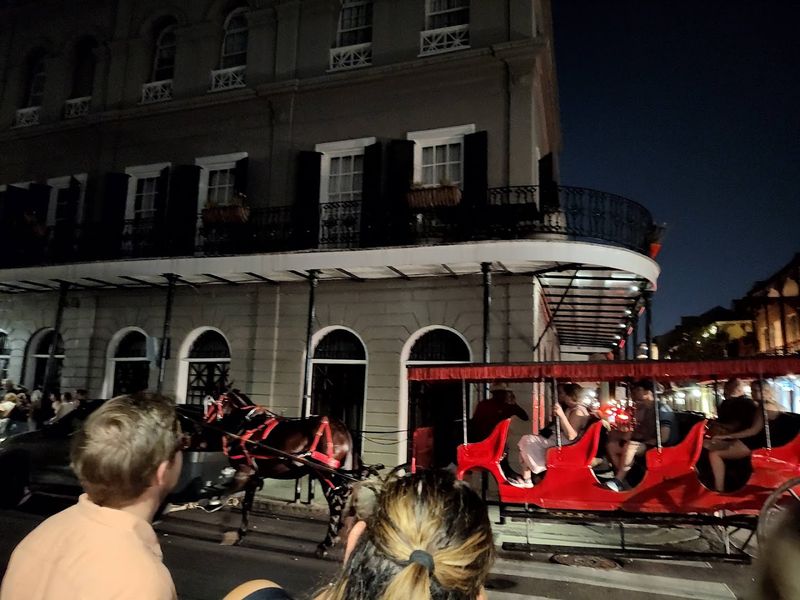
On a guided ghost tour the mansion becomes a character, not just a building, and the guides pace their storytelling to squeeze every shiver out of the night.
I joined a reputable local company and appreciated how they blended documented facts with careful caveats, making the history legible without sensationalizing the suffering of enslaved people.
Their cadence lets you absorb the facts slowly: the 1834 fire, the discoveries in the attic, the mob reaction and the LaLauries’ flight from the city.
Even when a guide adds local lore, the emphasis remains on remembrance rather than spectacle. That approach made the walk feel respectful and serious, which mattered to everyone there.
Public Reaction And Historical Record
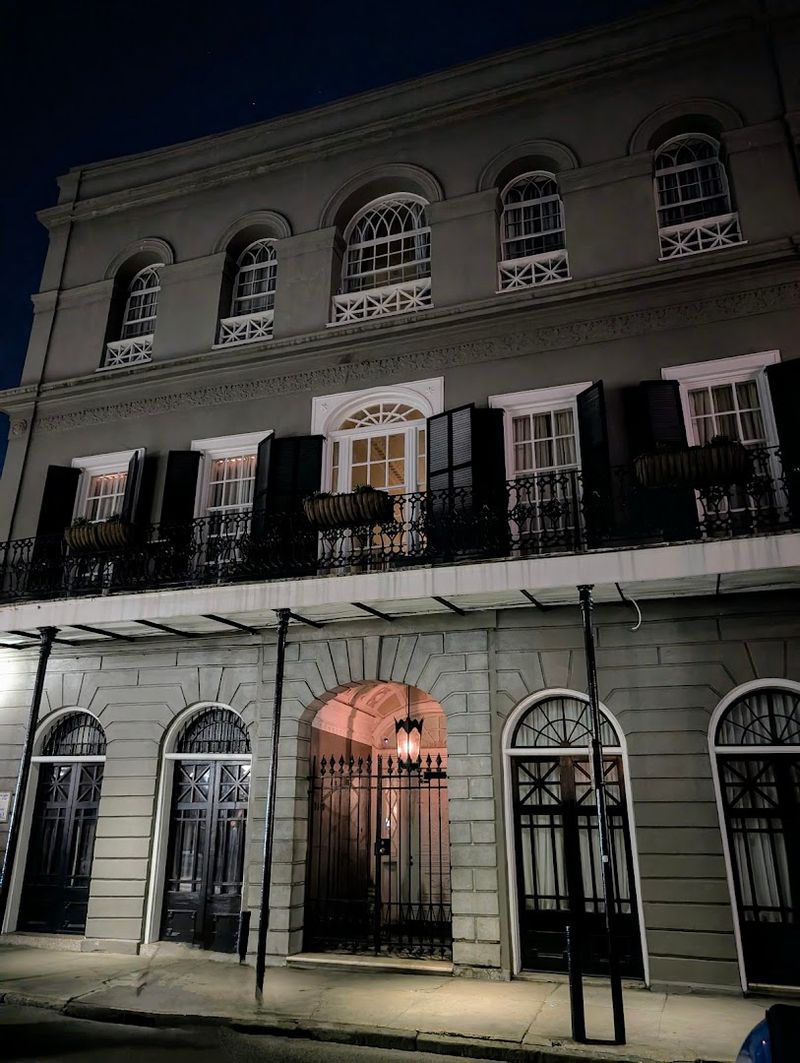
The 1834 fire changed public perception overnight, and contemporary accounts describe neighbors and firefighters uncovering horrific evidence of abuse in the attic and other spaces. Newspapers at the time reported mob unrest and the partial destruction of the property, events that forced the LaLauries to flee the city.
Historians have since pieced together primary sources that confirm severe mistreatment of enslaved people at the mansion, separating fact from the later layers of myth and embellishment.
Reading original reports reveals how shocked antebellum New Orleans society was by the revelations, which in itself is telling of the era’s sensibilities. The house’s legacy is anchored in those documented discoveries even as stories have grown over time.
Preservation And Alteration

What stands on Royal Street today is a palimpsest of repairs, alterations, and careful preservation efforts that span centuries. Renovations after the angry 1834 crowd and subsequent ownership changes changed interior layouts and exterior finishes, which complicates claims about the exact spaces where abuses happened.
Preservationists must balance the building’s aesthetic value with a responsibility to interpret its traumatic past honestly, and that balance has shaped public discussions about what to conserve and how to present the site to visitors and scholars.
Whatever future plans emerge, they will need to honor both the architectural significance and the human costs recorded in historical documentation. That challenge is ongoing and complex.
Local Culture And Memory
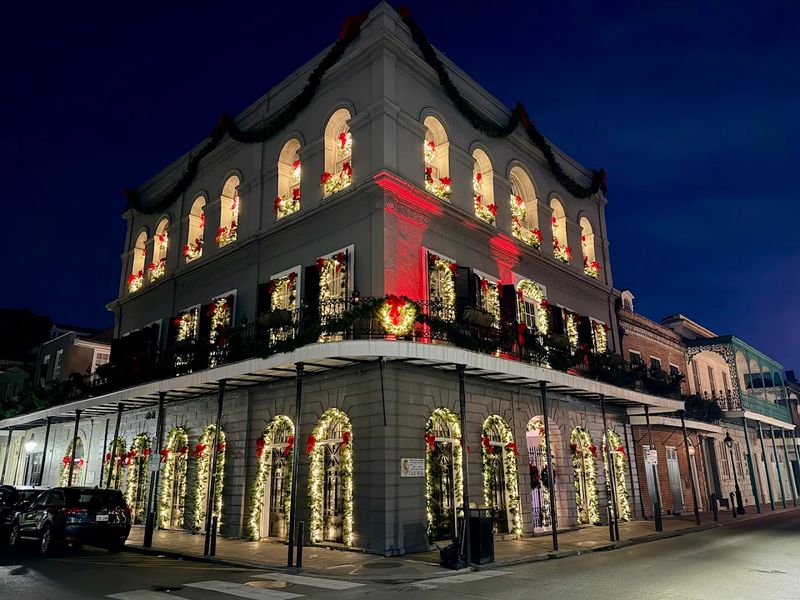
The mansion has become part of New Orleans’ layered cultural memory, invoked in tours, local conversations, and scholarly work whenever people reckon with the city’s past.
Residents often treat it with a kind of wary familiarity; it’s a landmark that prompts reflection about slavery, violence, and how communities remember difficult histories.
I noticed local guides emphasize historical context and respect, rather than spectacle, when narrating the LaLaurie story to curious visitors.
That approach helps the site function as a touchstone for broader civic conversations about memory and accountability. The house is a communal prompt to look harder at the city’s past, and that responsibility shapes everyday interactions nearby.
Practical Visiting Tips
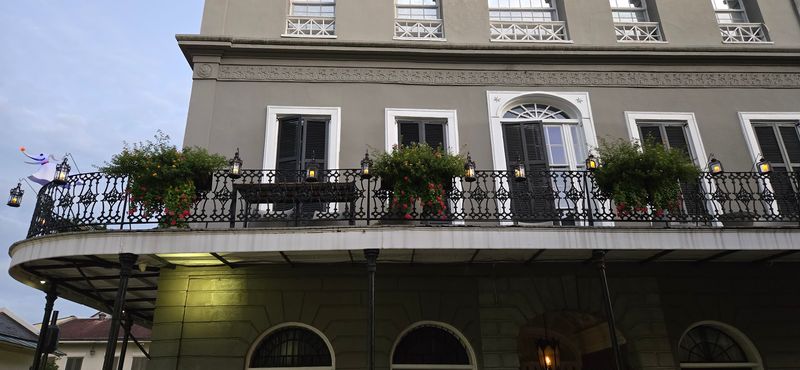
Since the mansion is privately owned and not open to the public, planning your visit means knowing what to expect: exterior viewing only and lots of guided-tour stops. Arrive early in the day to avoid crowds and to see details without forced angles of flash photography from tour groups.
Keep noise low and show respect; locals sometimes remind visitors not to walk under the awnings because of superstition and preservation concerns, and staying mindful helps maintain a quiet atmosphere for those who live nearby.
If you want more context, visit local archives or read primary sources before you go. A bit of research deepens the experience and prevents sensational assumptions.
Seasonal Shifts In Atmosphere
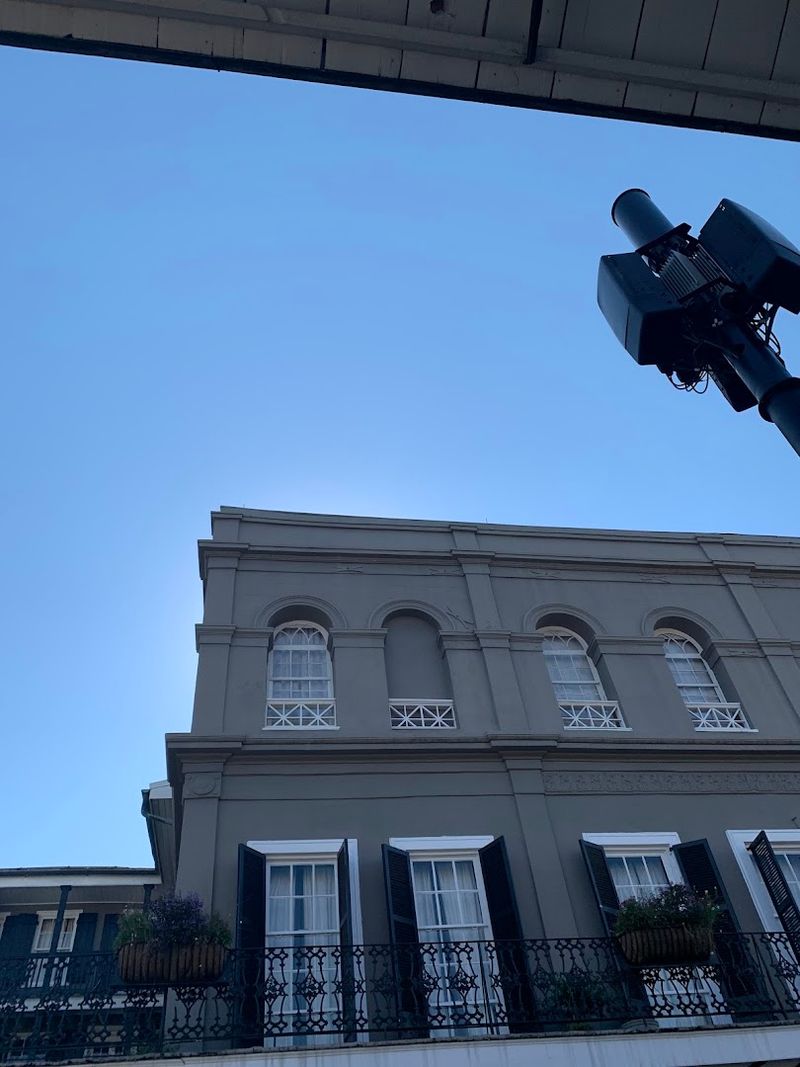
Autumn and cooler months change how the mansion reads; shadows linger longer and the air feels crisper, which intensifies the hushed aura around the property. I visited in October and noticed that the cooler temperature and thinner crowds made stories land harder, each fact feeling weightier.
During high tourist season the house can seem like a photo opportunity, but in quieter months the public’s attention is more focused and reflective, producing a different visitor energy.
Season affects how people respond to the site, so pick a time that suits the sort of visit you want: contemplative and quiet, or sociable and story-driven. Both have value depending on your goals.
Detail Spotlight: The Gate
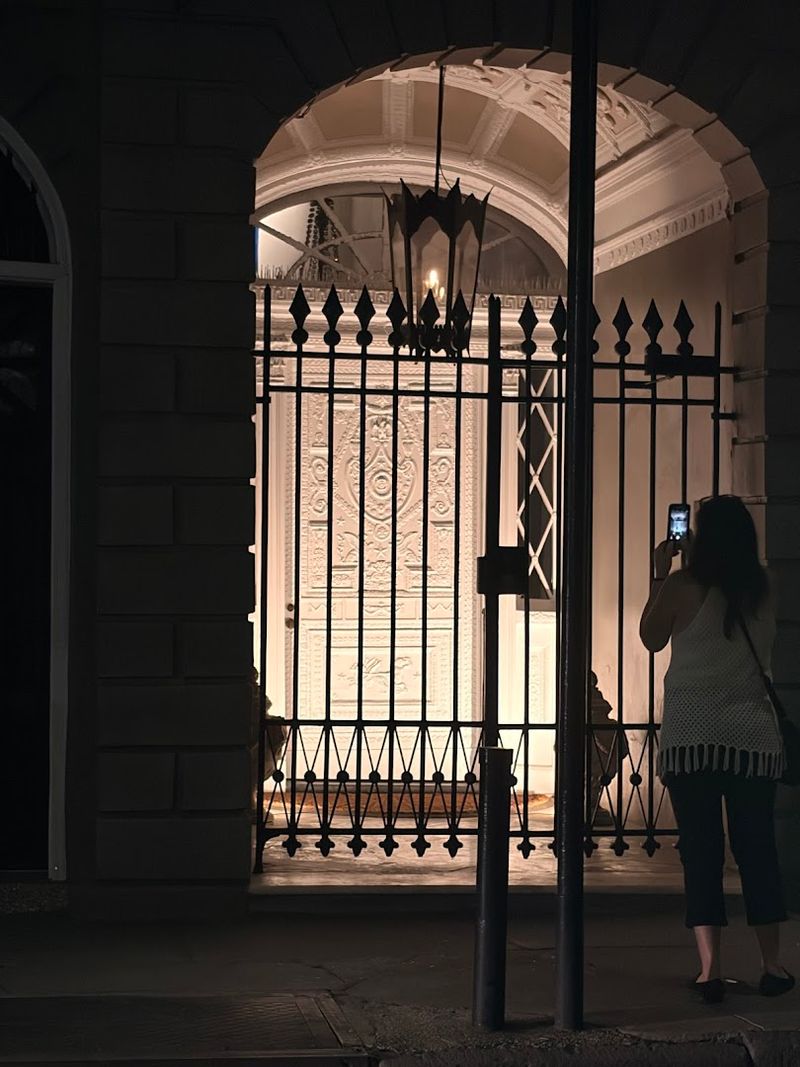
The iron gate and low fence are deceptively ornamental; they frame the mansion while keeping a discreet distance between the public and private space. Inspecting the metalwork reveals craftsmanship typical of French Quarter aesthetics, and the gate often becomes a locus for visitors’ photos and whispered observations.
People linger nearby, drawn to the idea of threshold and separation, imagining the stories that occurred behind those locked barriers.
That fascination with thresholds is understandable, but it’s also a reminder to approach with humility. The gate symbolizes how history both invites and resists access, and observing that boundary is part of the experience in a respectful visit.
Contemporary Ownership And Future Plans
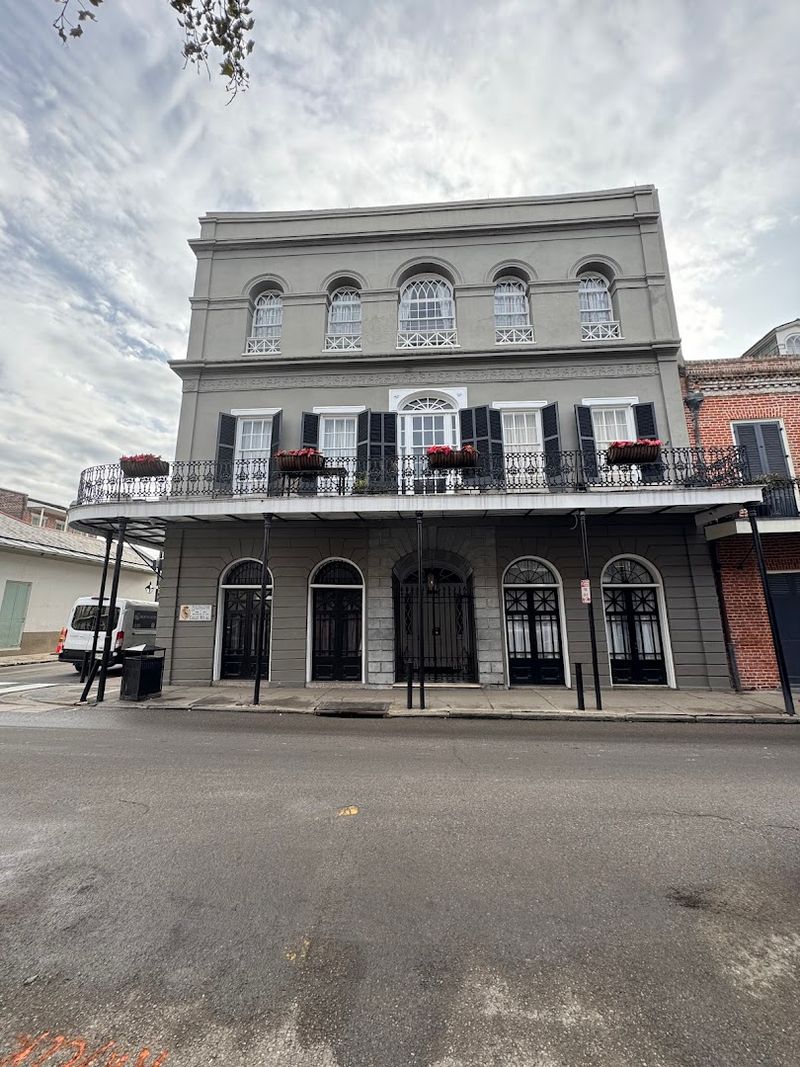
Recent changes in ownership and talk of potential adaptive reuse have people debating the mansion’s future and the ethics of turning painful history into a commercial attraction.
News reports and public records show shifting ownership and proposals that range from private residence to curated experiences, raising questions about interpretation and memorialization.
Locals and historians emphasize the need for any future plans to foreground the victims and historical truth rather than spectacle or profit.
Watching the conversation unfold on local news and municipal planning forums gives insight into how cities negotiate preservation and remembrance. The outcome will influence how the LaLaurie story is presented to generations to come.