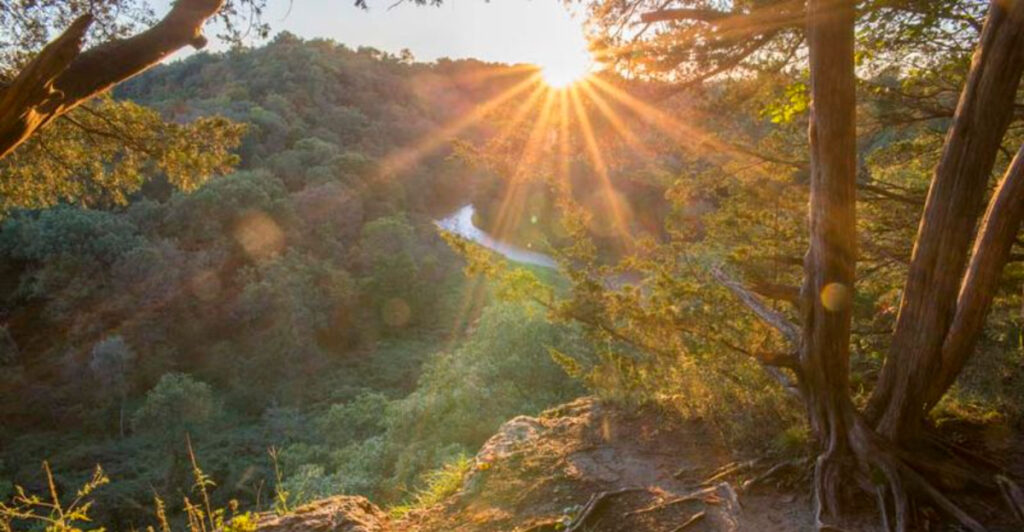
Eastern Iowa can look quiet from the road, right up until the land drops into something sharper.
Prairie grass gives way to limestone walls, shaded creek beds, shallow caves, and bluff edges that make the trail feel bigger than its modest entrance suggests.
One stretch feels open and sunny. The next feels like the state pulled a canyon out of its back pocket.
This is the kind of hike that keeps changing the rules as you walk.
Wildflowers soften the prairie, rock formations crowd the path, and the overlook delivers that rare Iowa view that makes everyone pause before reaching for a phone.
The trail does not need much drama added to it. Good shoes, bug spray, and a little extra time are enough, because every bend seems ready to reveal another reason you misjudged the Midwest.
Where Iowa Prairie Drops Into A Real Canyon
Most wildlife areas in the Midwest announce themselves with a big sign and a parking lot. Whitewater Canyon does things a little differently.
The entrance feels modest, almost like the land is testing whether you are paying attention before it reveals what is behind the tree line.
Whitewater Canyon is a publicly managed wildlife area connected with Dubuque County and Jones County conservation lands.
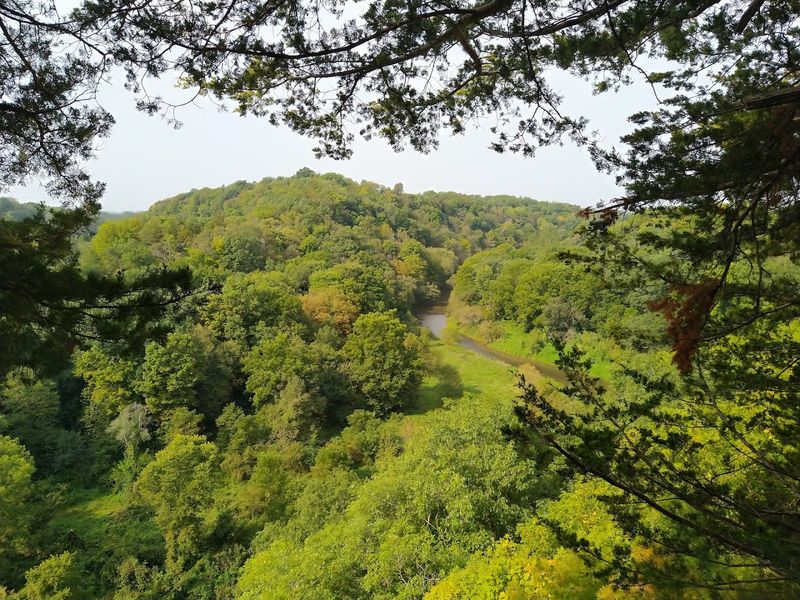
The main parking address is 29912 9th Ave, Bernard, IA 52032, and the area includes a dramatic mix of terrain with open prairie, wooded hillsides, limestone bluffs, scenic overlooks, and canyon features along Whitewater Creek.
The area is free to enter and open daily, with official posted hours varying slightly by county source.
That long operating window gives hikers plenty of flexibility, whether you want to catch the early morning light filtering through the trees or time your visit for the golden hour before dusk.
The trail network is well-maintained and clearly marked in the main hiking areas, which makes navigating the terrain far less stressful than you might expect from a canyon hike.
The Trail System And How It Flows
One of the first things I noticed when I started hiking here was how the trail shifts character every few minutes.
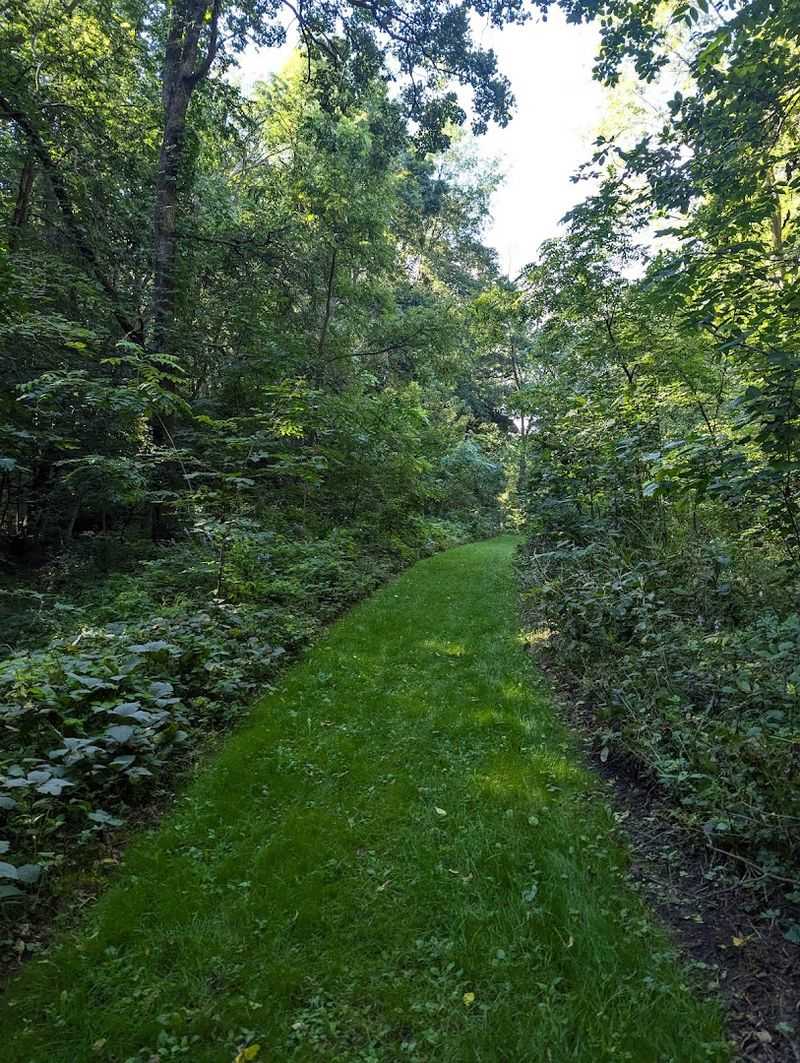
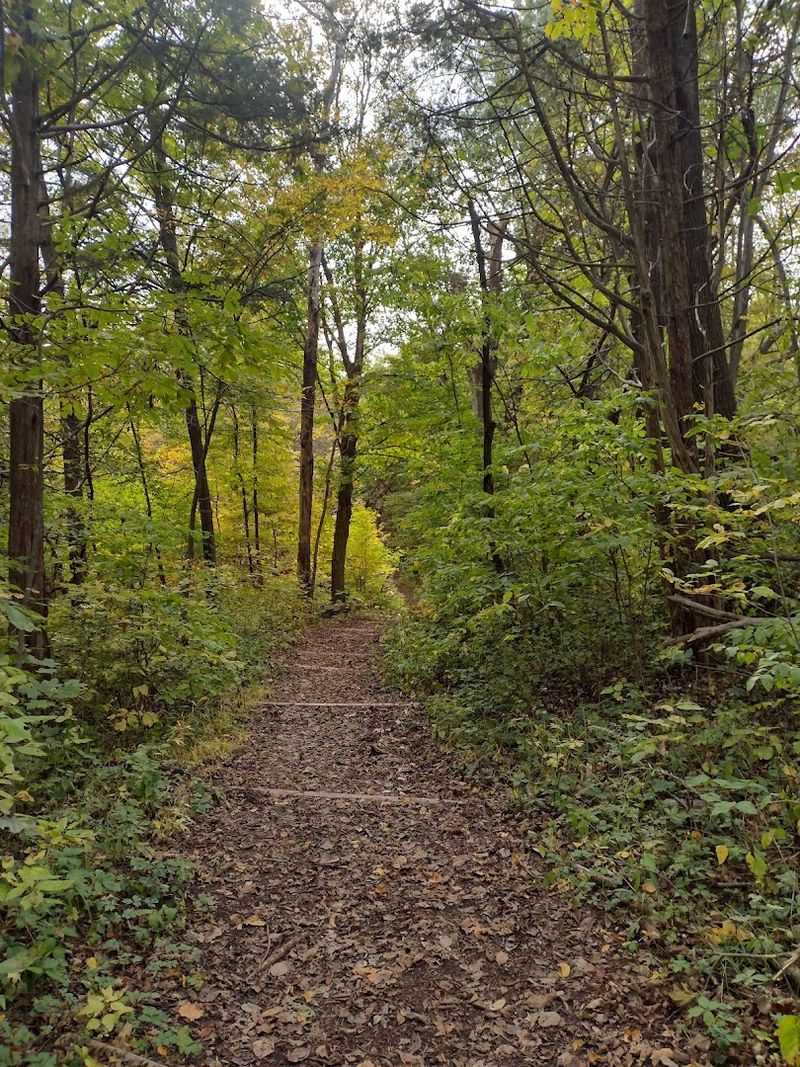
You begin on a wide, mown pathway cutting through open prairie, and then the landscape starts folding around you as you move toward the wooded sections.
The trails are well-groomed and clearly mapped, which makes the whole place feel welcoming even if you are not an experienced hiker.
Wide paths mean you are not constantly watching your footing, and the signage keeps you oriented without making it feel like a theme park.
That balance is harder to get right than it sounds.
The route eventually leads you down into the valley between the bluffs, which is where the hike earns its name.
Walking the canyon floor with steep limestone walls rising on either side gives the whole trail a sense of scale that the prairie section does not prepare you for.
The shift from open sky to narrow canyon walls happens gradually, and that slow reveal is part of what makes the layout so satisfying to walk.
The Canyon Overlook View
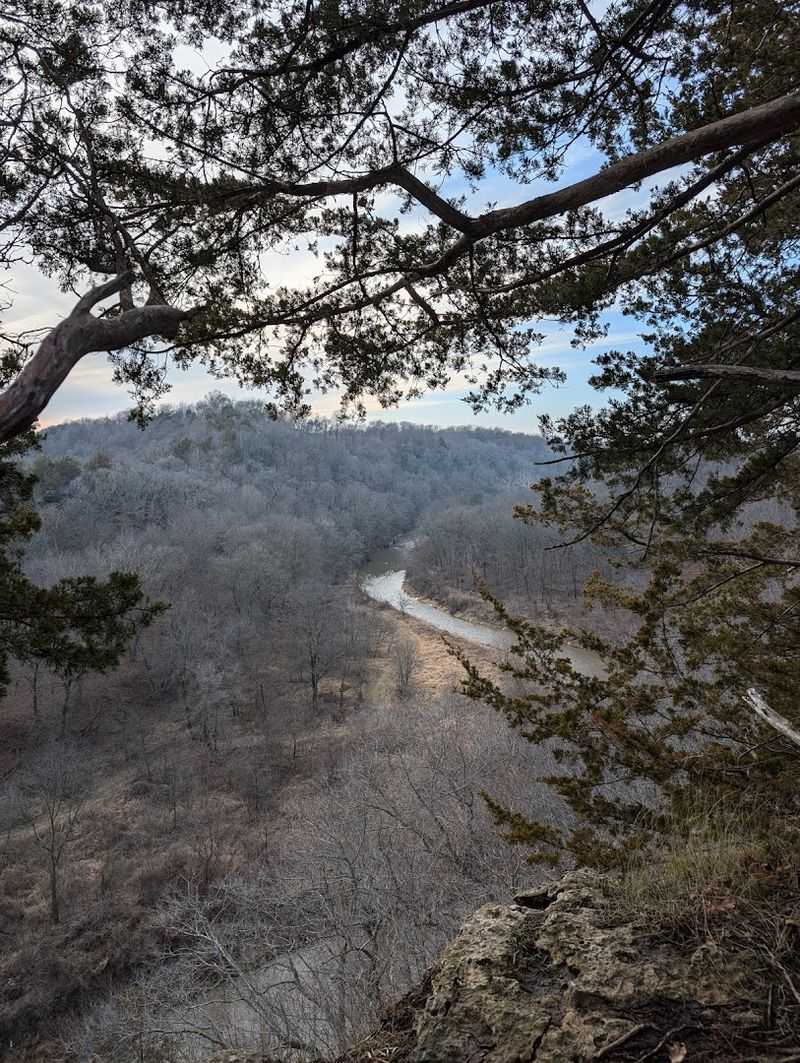
At some point on the upper trail, the trees thin out and you find yourself standing at the edge of a bluff with a straight drop below. No gentle slope, no gradual transition.
Just a ledge and a long way down into the canyon.
One visitor called it a top-ten view in Iowa, and after standing there myself, I would not argue the point. The overlook gives you a bird’s-eye perspective of the canyon that you simply cannot get from the valley floor.
The creek runs far below, the treetops form a dense canopy, and the limestone walls show every layer of geological history in clean horizontal bands.
A practical note worth taking seriously: the drop at the overlook is steep and unguarded in places. Adults need to stay alert, and kids need to be within arm’s reach at all times near the edge.
The view is worth every step of the climb, but this is one of those spots where excitement should come with a side of caution.
Take your photos, take your time, and do not get too close to the rim.
Caves And Rock Formations Along The Route
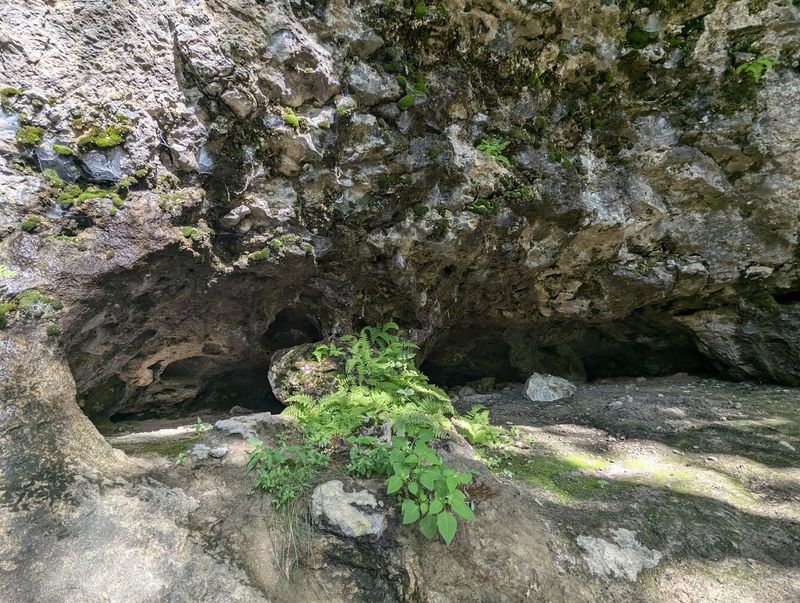
The canyon walls at Whitewater Canyon are not just impressive from a distance. Up close, the limestone and dolomite features reveal caves, rock shelters, overhanging ledges, and formations that make the geology of eastern Iowa feel surprisingly dramatic.
Jones County conservation notes that Whitewater Canyon and Lost Canyon are believed to have formed when an ancient cave system collapsed about 16,000 to 21,000 years ago.
Large pieces of dolomite can still be found along the narrow valley floors, which gives the route a rugged, layered look that feels wonderfully unexpected for Iowa.
These are natural canyon features, not commercial show caves, so the fun is more about noticing the walls, shelters, and shallow openings as you hike.
Kids especially seem to love this part of the trail. There is something about a rock formation or a shallow cave that turns a regular hike into a small adventure.
I watched a group of elementary-aged kids absolutely lose their minds over a mossy overhang near the canyon floor, inspecting every crack like they were on an archaeological dig.
The rock features are scattered throughout the wooded section of the trail, so keep your eyes on the walls as well as the path ahead of you.
Wildlife And What You Might Spot
Whitewater Canyon is officially classified as a wildlife area, not just a hiking trail. That distinction matters when you are out on the path.
The land is managed to support native plant and animal communities, and the variety of habitats, from open prairie to dense woodland to canyon creek, creates conditions where a wide range of wildlife can thrive.
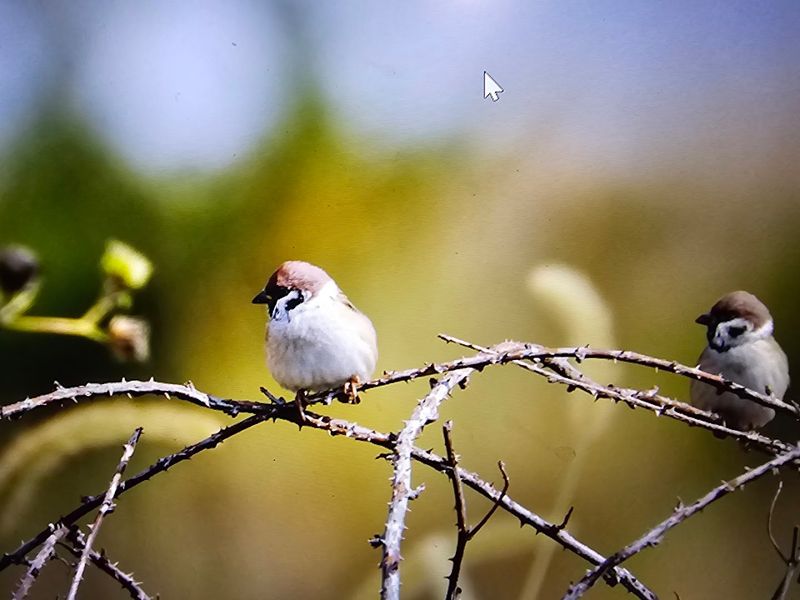
Bird watchers in particular have a lot to look forward to here. Official county information notes that the area supports bird watching and wildlife observation, with prairie, forest, and creekside habitat all packed into one hiking area.
The open prairie section attracts grassland birds, while the wooded canyon draws woodland species that you would not typically see in the same walk.
Deer are common throughout the region, and the creek bottom is a good spot to look for tracks and signs of smaller mammals.
Spring also brings plenty of natural activity through the wooded sections, which adds another reason to slow down and pay attention.
Bring binoculars if you have them, and move quietly through the canyon section for the best chance of seeing something worth talking about later.
Wildflowers On The Prairie Section
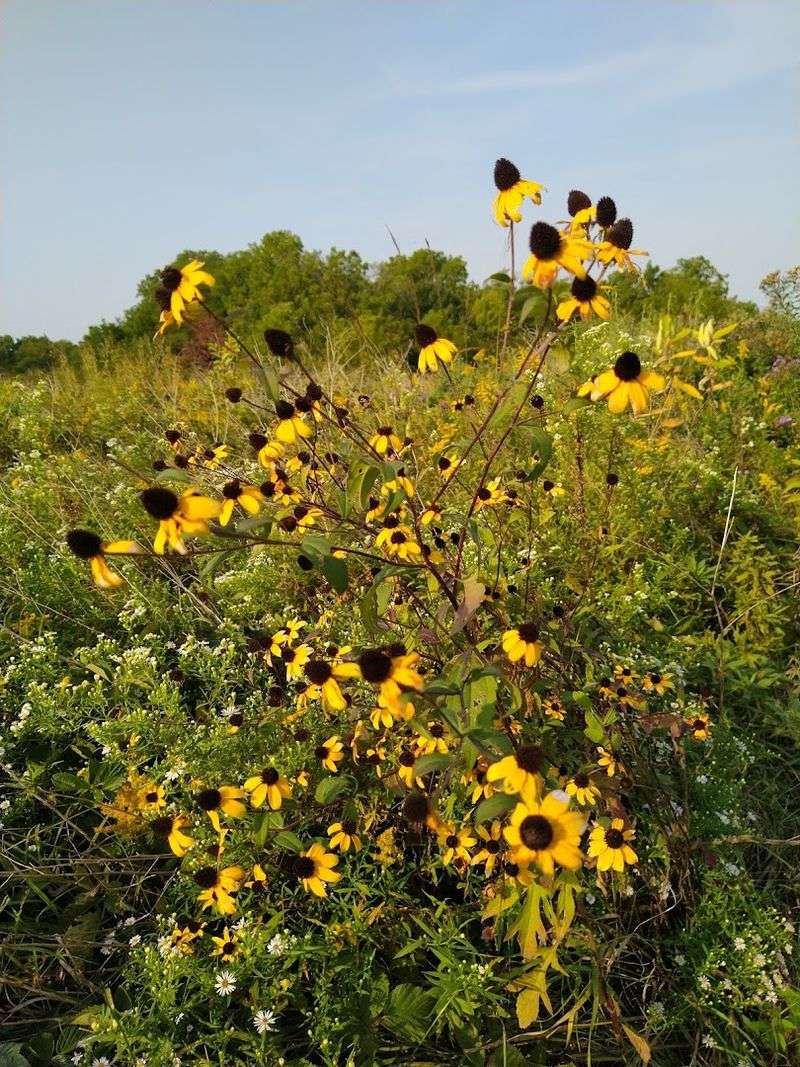
Before the trail drops into the canyon, it crosses an open prairie section that has its own kind of appeal.
In late spring and summer, the grassland fills with seasonal color in a way that feels almost theatrical, like the land is putting on a show before the main event.
Jones County conservation notes that spring wildflowers brighten the forest floor from March through May, while the restored upland prairie becomes especially impressive from summer through fall.
The variety keeps the prairie section interesting across multiple visits throughout the season, which is one reason regulars come back so often.
The contrast between the open, sun-soaked prairie and the shaded, cool canyon is one of the most satisfying parts of the whole hike.
You go from bright color and open sky to filtered light and towering limestone walls in the span of a few hundred yards.
That kind of landscape variety is not something you find on every trail, and it gives Whitewater Canyon a range that makes it worth visiting in multiple seasons rather than just once.
Fall color here, by several accounts, is particularly worth planning around.
Practical Tips Before You Go
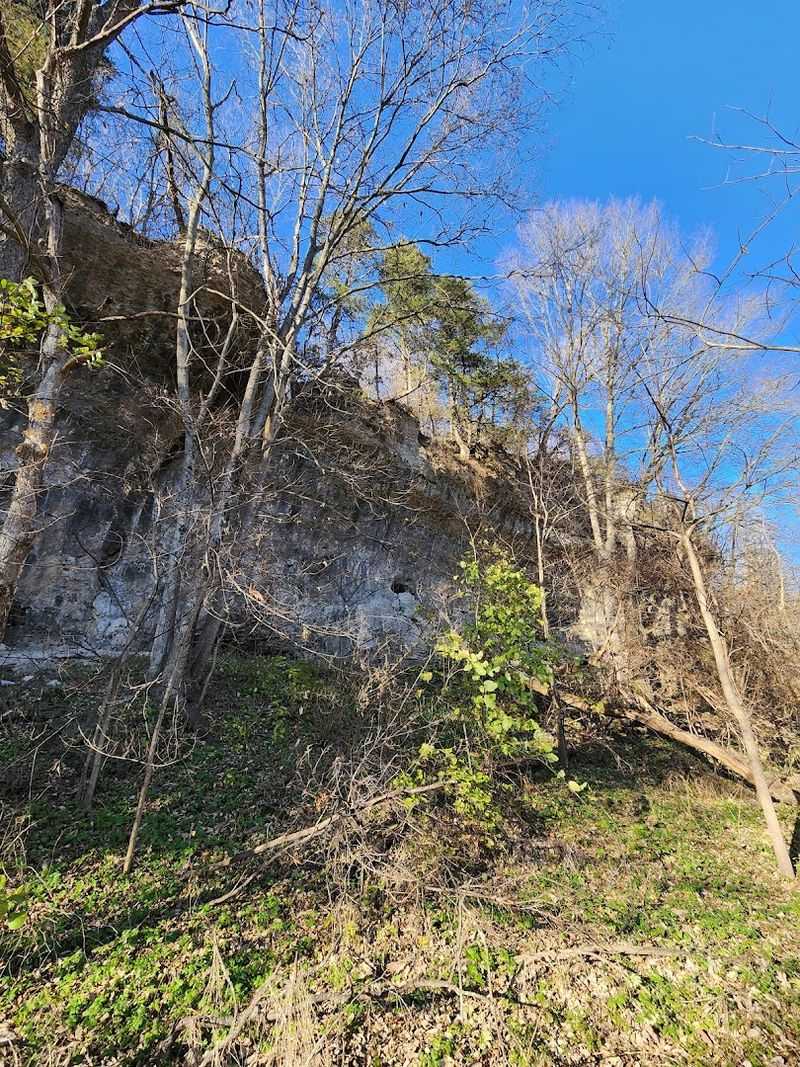
Whitewater Canyon rewards people who show up prepared. The trails are well-maintained and clearly marked in the main hiking areas, but the natural setting comes with a few things worth knowing before you lace up your boots.
Ticks are a real consideration here, especially during warmer months. The prairie, wooded sections, and natural brushy edges make bug repellent and a post-hike tick check smart parts of the plan.
That is not a reason to skip the visit, but it is a very strong reason to wear long pants, use bug repellent before you start, and check yourself thoroughly after the hike.
Staying on the maintained trail helps reduce exposure significantly compared to pushing through the brush.
Sturdy footwear is worth the effort on the canyon trail, where the terrain gets uneven near the rock formations and bluff edges.
The park has no entry fee, which makes it easy to visit on a casual basis, but do not let the free admission fool you into underpreparing.
Bring water, especially on warm days, since there are no facilities on the trail itself. The park phone number is 563-556-6745 if you need to confirm conditions before heading out.
Why Families And Solo Hikers Both Love It
Whitewater Canyon has an interesting quality that not every trail system manages to pull off. It works for a wide range of hikers without feeling watered down for any of them.
Families with kids get wide, well-marked paths, interesting rock features, and enough variety to keep younger attention spans engaged.
Solo hikers and experienced outdoor enthusiasts get the canyon depth, the bluff overlook, and the wildlife observation opportunities that make a longer visit feel productive.
The trail has been described by regulars as a great spot for adventures with kids, and the canyon overlook delivers enough of a wow factor that adults do not feel like they are just babysitting a nature walk.
The mix of open prairie and enclosed canyon creates a natural rhythm to the hike that keeps both age groups moving with purpose.
Iowa does not always come up in conversations about great family hiking, but Whitewater Canyon makes a genuine argument for changing that.
The free entry, the manageable trail length, the varied terrain, and the canyon payoff at the end add up to a day outside that most families would want to repeat.
The trail stays interesting across seasons, which is exactly the kind of place worth bookmarking for a return trip.