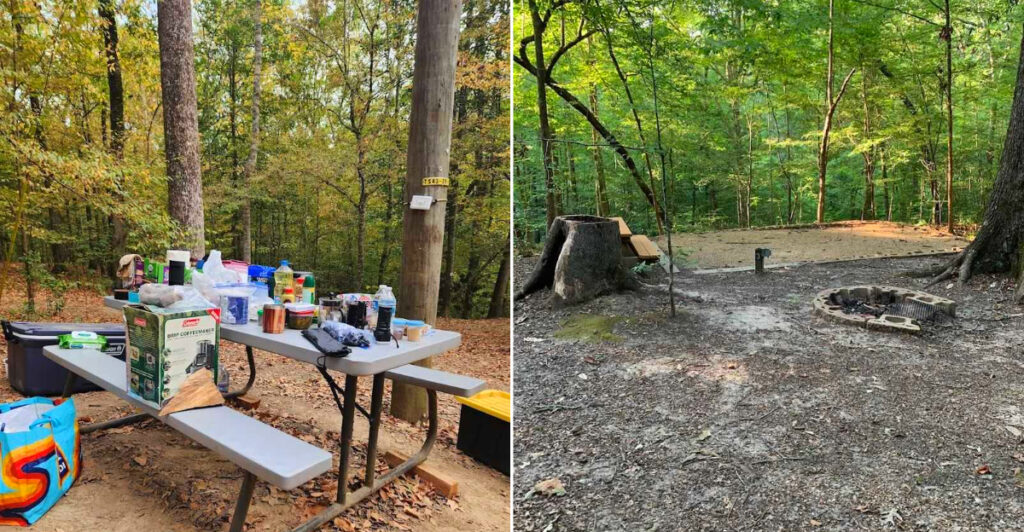
The road near St. Francisville already feels like it is trying to lower your blood pressure, and then the landscape starts getting dramatic in that sneaky Louisiana way.
Steep ravines, old hardwoods, shaded dips, and trail-ready quiet make the area feel far wilder than a quick glance at the map suggests.
What I like about a stay here is the balance. You can keep things simple with a tent, choose a cabin if you prefer walls and a real roof, or gather around the pavilion when the day needs a little more structure.
It feels useful without losing its backwoods charm.
Louisiana campers looking for a peaceful base near Tunica Hills trails, Clark Creek waterfalls, cabins, tent sites, and wooded scenery will find an easy, low-fuss escape here.
I would pack for hiking, bring patience for muddy spots, and leave your schedule loose. The best part is letting the woods set the pace.
Arrival And Check-In
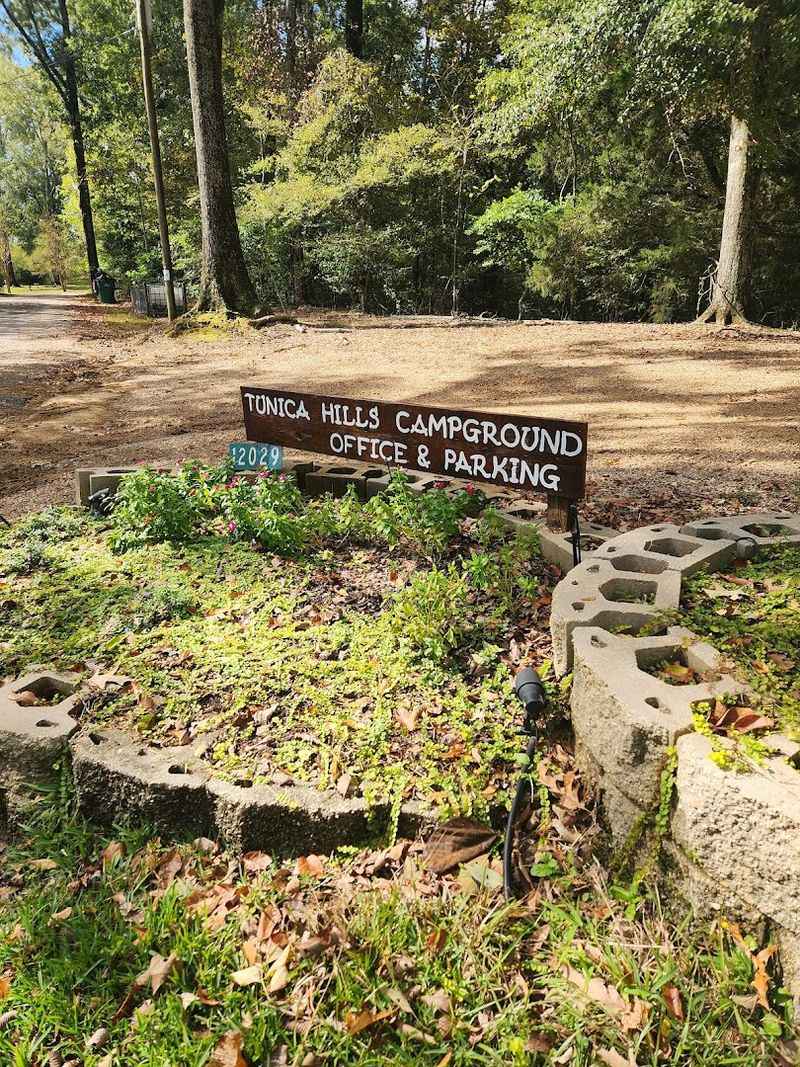
The first impression matters and at Tunica Hills it is quietly practical: a gravel driveway, a small office area, and a clear set of rules posted near the pavilion.
Staff tend to be hands-on and hospitable, so call ahead for arrival instructions if you expect to arrive late and remember the campground accepts cash for basic purchases like firewood and rental gear.
Sites are assigned with attention to privacy, ravines and old-growth trees separate many pads, which makes a modest drive-through feel like entering a tucked-away forest retreat.
Cell service can be spotty so keep directions printed or saved offline and bring small bills for fees and firewood purchases. If you need hookups or cabin access, confirm electrical availability in advance because only about half the sites have power.
The campground maintains a calm, orderly arrival rhythm that favors prepared campers and quiet evenings, which helps preserve that tucked-away vibe most visitors seek here.
Location
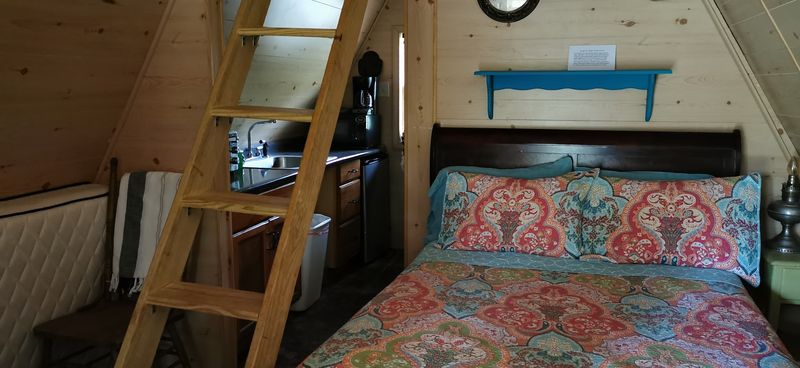
Tunica Hills Campground, Tunica Trace, St. Francisville, Louisiana 70775, feels like the kind of place you reach by letting the road get quieter on purpose.
Head toward St. Francisville, then let the drive shift from town rhythm into trees, curves, and that slightly hidden Louisiana backroad feeling.
Once you arrive, keep it simple. Park, breathe, unload what you need, and let the campground feel like the beginning of a slower day outside.
Getting To Waterfalls And Clark Creek
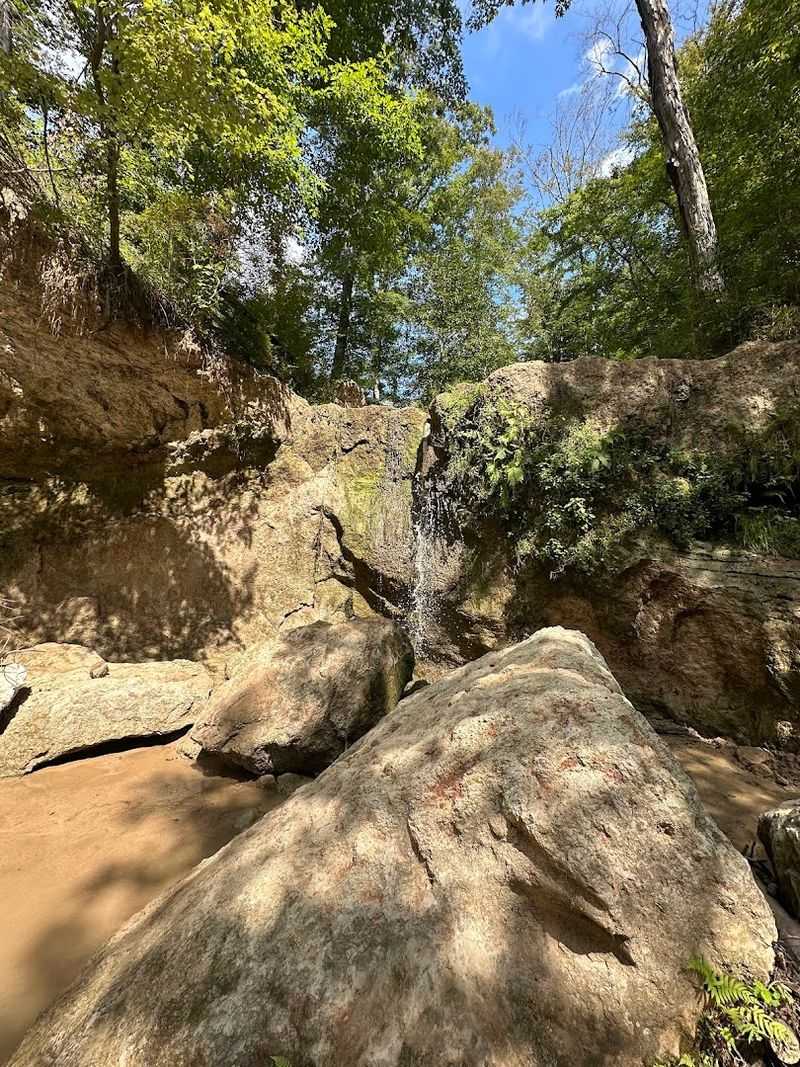
The campground is a convenient base for exploring Clark Creek Natural Area, roughly an eight-mile drive that feels pleasantly rural and direct, making waterfall-hunting a doable half-day adventure.
Clark Creek delivers a concentration of small cascades and rocky pools that are superb for photography and cautious wading; sturdy shoes and awareness of wet, slippery rock are musts.
Tunica Hills itself has smaller creek-bed trails and cascades in the broader region that reward exploration without the drive.
Trailheads can have uneven terrain and shade; bring a small daypack with water, layered clothing, and a map or offline directions. Parking at Clark Creek is limited on busy days so arrive early in the morning or later in the afternoon to avoid crowds.
I recommend waterproof footwear and a camera with a protective cover, the light filtering through the hills can make for exceptional waterfall images if you time your visit right.
What To Pack For The Tunica Hills Terrain
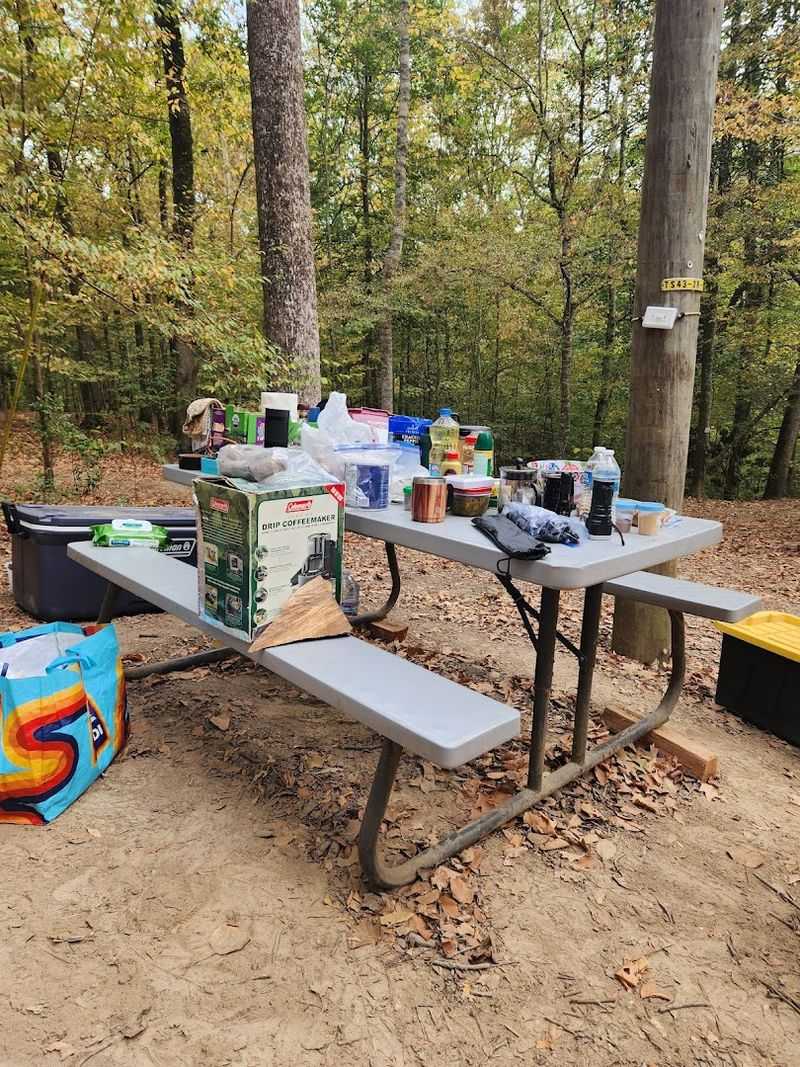
The Tunica Hills terrain is rugged for this region, with steep ravines and sandy creek beds that demand practical gear more than flash. Pack sturdy hiking shoes with good traction, a lightweight rain jacket, and a small first-aid kit; waterproof socks or sandals are useful for creek crossings.
Insect repellent and a headlamp are small items that repay themselves many times over when nights cool or trails get dim.
Bring cash for campground fees, firewood, and rentals, the site operates with on-site purchases and limited card acceptance. If you are tent camping, a level sleeping pad and windproof shelter matter because the ground can slope toward ravines.
For cabins, include linens if your reservation doesn’t provide them, plus basic groceries if you plan to cook at the pavilion or in a cabin kitchen. Thoughtful packing simplifies the stay and keeps attention on the landscape instead of logistics.
Amenities That Make A Difference
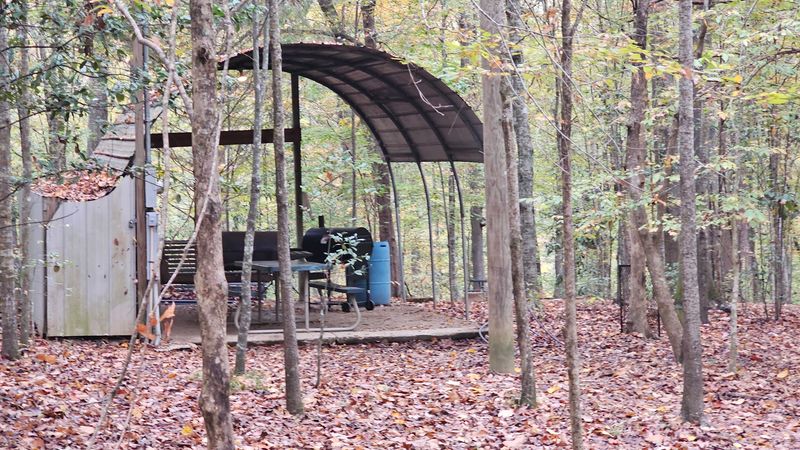
The pavilion and shower house at Tunica Hills are small but well-appointed, and they significantly influence comfort levels for families and longer stays. The pavilion houses a large charcoal grill, microwave, coffeemaker, and sinks for dishes, which is perfect for group meals and rainy-day cooking.
The shower house offers hot water and separate changing rooms; maintaining cleanliness here is a recurring point of pride among visitors and it makes cabin and tent stays more forgiving of weather and mud.
Firewood is sold on-site in modest bundles and fans or tents can be rented, so packing light is an option if you plan ahead. The campground keeps a practical supply of basics but I advise arriving with core supplies because inventory can be limited on busy weekends.
Those small conveniences help Tunica Hills feel more like a retreat than a roughing-it experiment.
Wildlife Watching And Quiet Moments
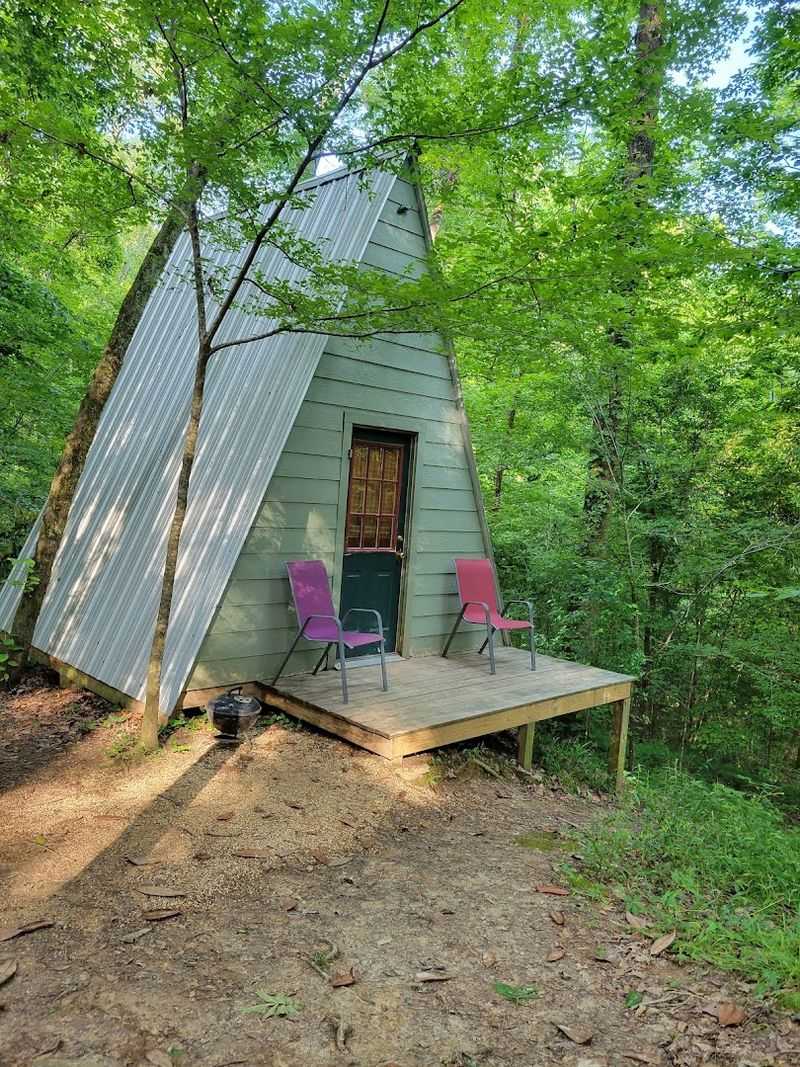
The woods around Tunica Hills have a lived-in, old-growth quality that draws birds, deer, and the occasional fox or bobcat, creating memorable dawn and dusk moments.
I often sat quietly on a cabin porch watching chipmunks and songbirds as the forest settled; keep a respectful distance from wildlife and secure food in vehicles or cabins to avoid encouraging bold animals.
Dawn is the richest time for bird song and small mammal activity, and a pair of binoculars makes subtle behaviors come alive.
Sound carries differently in ravines, so expect mornings to be a tapestry of bird calls, wind in leaves, and creek trickle rather than human noise. If silence is your goal, request a site away from the central areas and pavilion.
The campground’s scale and surrounding habitat make wildlife watching an accessible and rewarding part of nearly every stay.
Pet Policy And Dog-Friendly Tips

Tunica Hills welcomes pets in most sites and cabins except the Covered Wagon, which is a great policy for travelers who want canine company on hikes and evenings around the fire.
Dogs must be leashed and owners are expected to clean up after them, bring waste bags and a collapsible water bowl for trail days.
The wooded trails and creek edges offer good sniffing and exercise, but watch for ticks and thorny underbrush on narrower paths.
Keep dogs under voice control near other campers and wildlife, and avoid leaving pets unattended in vehicles as temperatures vary quickly. If your dog is nervous around other animals, choose a more secluded site separated by ravine vegetation.
These simple courtesies help ensure that pet owners and non-pet visitors alike can enjoy a peaceful stay at Tunica Hills.
Seasonal Timing And When To Visit
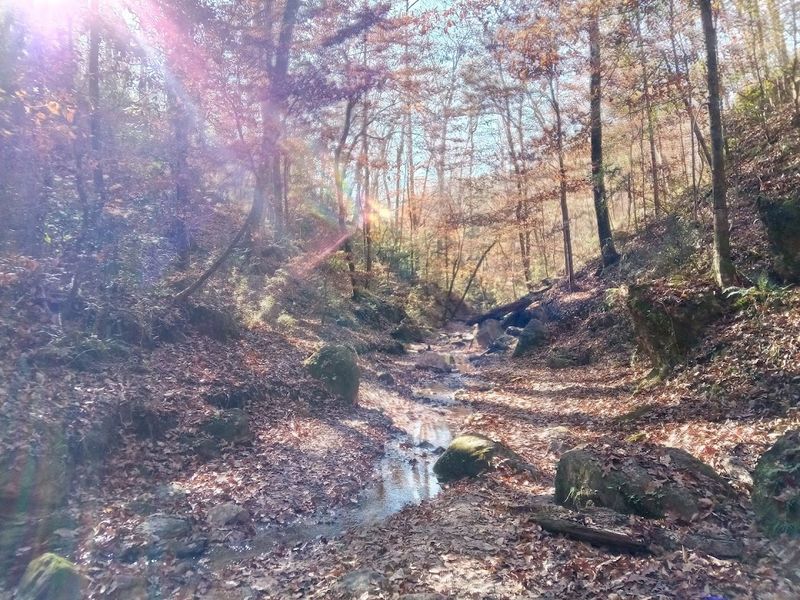
The Tunica Hills experience changes meaningfully with the seasons, and timing your visit influences everything from water flow at nearby Clark Creek to insect activity and foliage.
Spring and fall offer the most comfortable hiking weather and vibrant plant life; spring brings higher creek flows that heighten waterfall displays, while fall provides crisp air and nice color in the hardwoods.
Summer can be hot and humid, which favors cabin stays with fans or electricity. Winter visits are quieter and offer a stripped-back forest aesthetic, though some amenities may be less in demand.
I aim for late fall or early spring for balanced trails and manageable bugs, but any season rewards close attention to weather forecasts and trail conditions. Plan accordingly and call ahead if you need a specific site type in a given season to avoid surprises.
Safety On Steep Trails And Ravines
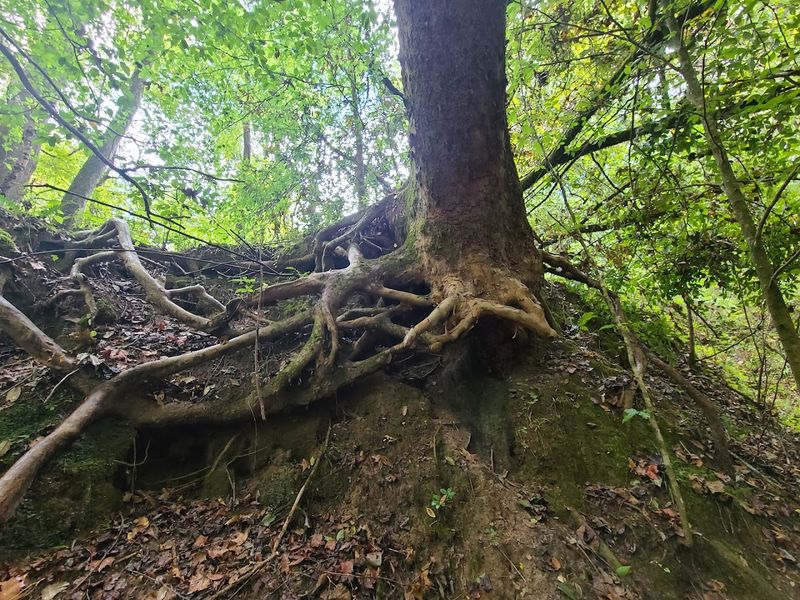
The rugged hills and ravines around Tunica Hills make for spectacular trails but also require attentive footwork and basic safety planning. Trails can be steep, sandy, and uneven; trekking poles help with descents and creek crossings, and sturdy footwear reduces the risk of slips.
Carry a small first-aid kit, check weather before setting out, and let someone know your intended route if you plan a longer hike away from the campground base.
Some paths to creek beds are less maintained, so expect natural hazards like loose rock or exposed roots. Use marked trails when possible and avoid short-cutting down ravine faces which increases erosion.
Night hiking without a headlamp is ill-advised given the terrain; plan hikes to finish well before dark. These precautions keep the adventure enjoyable rather than risky.
Respecting The Land, Leave No Trace
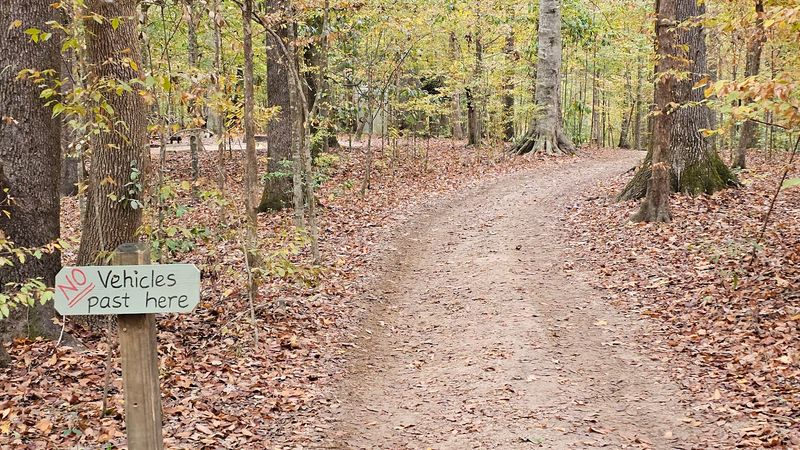
Tunica Hills sits in an ecologically sensitive area of old hardwood forest and ravines, so Leave No Trace principles are essential to preserving the site for future visitors and for local wildlife.
Pack out all trash, minimize fire impact by using established firepits and buying small bundles of firewood on site, and avoid disturbing creek beds or removing natural features.
The campground management encourages simple stewardship and guests generally respond with care. Stick to established paths to prevent erosion and trampling of native plants, and be mindful of noise late at night which can disturb both wildlife and other campers.
Respecting these simple rules sustains the campground’s quiet charm and ensures the waterfalls, trails, and woods remain in good shape for everyone.
Small actions by each visitor add up to meaningful conservation at Tunica Hills.
Local Attractions Beyond The Campground
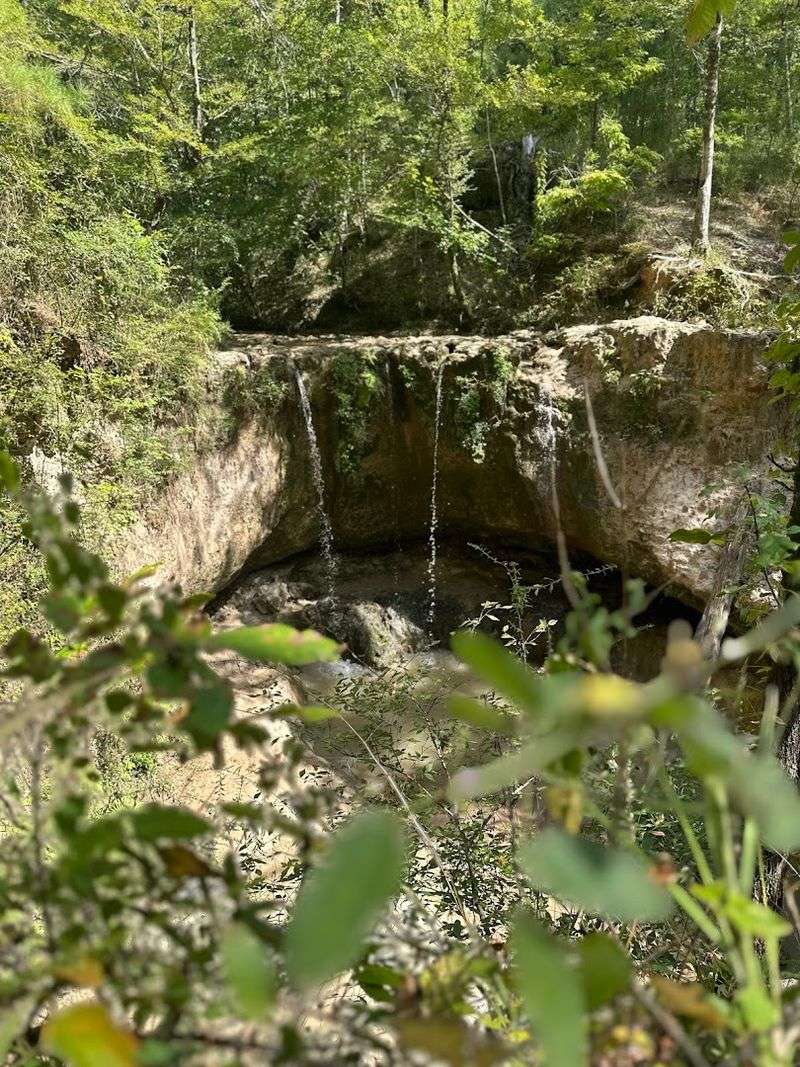
Tunica Hills is a gateway to several regional attractions that enrich a stay beyond the campground itself, notably Clark Creek Natural Area with its waterfalls and the Tunica Hills Wildlife Management Area offering additional trails.
Nearby St. Francisville features historical sites and scenic drives that pair well with a nature-focused weekend. Plan a mix of local hikes and a relaxed afternoon at the pavilion to balance exertion and downtime. Allow extra time for driving between natural areas; rural roads are winding and slower than you might expect.
If you want to visit plantation homes or cultural sites, check seasonal hours and make reservations where needed. Combining short waterfall hikes with a slow evening back at Tunica Hills makes for a satisfying, varied itinerary without feeling rushed.
Practical Booking Tips And Payment Notes
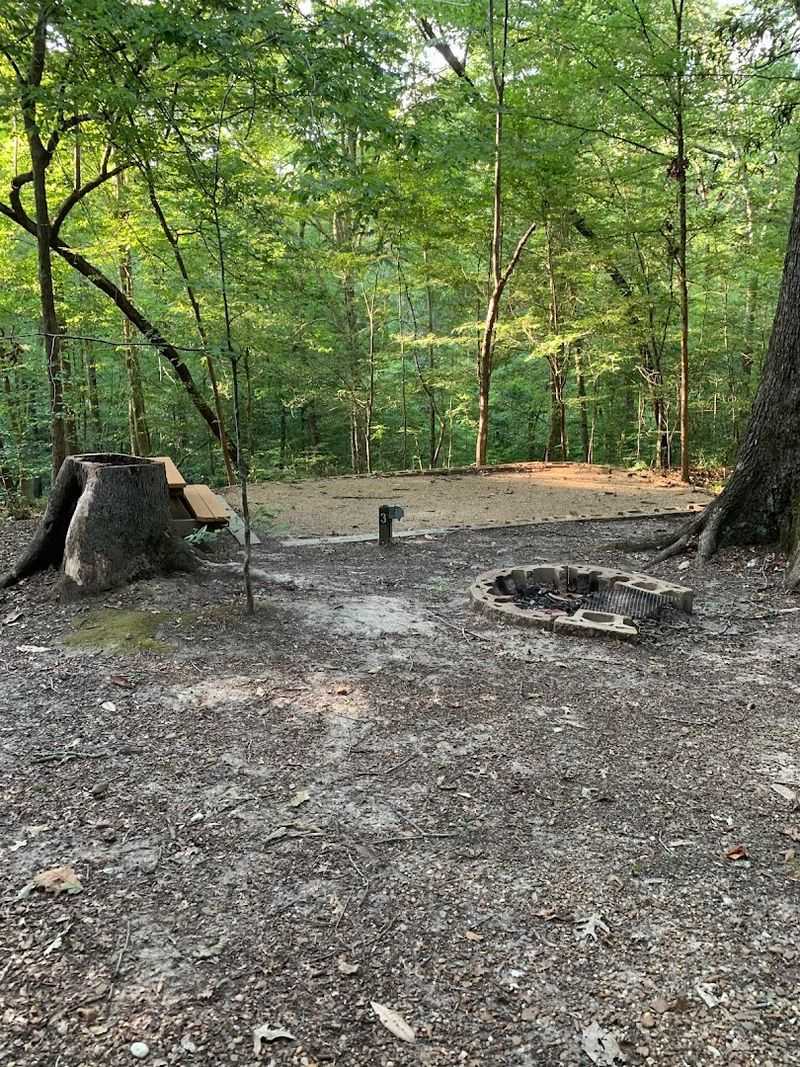
Booking Tunica Hills is straightforward but benefits from a few simple habits: reserve early for weekend dates near Clark Creek hikes, confirm whether your chosen site has electricity, and note that some on-site purchases are cash-only.
Non-electrical sites are economical and popular; electrical ones cost a little more and are limited, so if you need power, mention it when reserving. The campground also offers basic rentals which can lighten your packing load.
Keep contact numbers handy and expect that on arrival you may need to complete small payments in cash for firewood or rentals. If you have special needs, an extra vehicle, pet accommodations, or specific cabin features, communicate ahead so staff can prepare.
Clear communication and a modest cash reserve streamline check-in and ensure your stay begins calmly and on schedule.