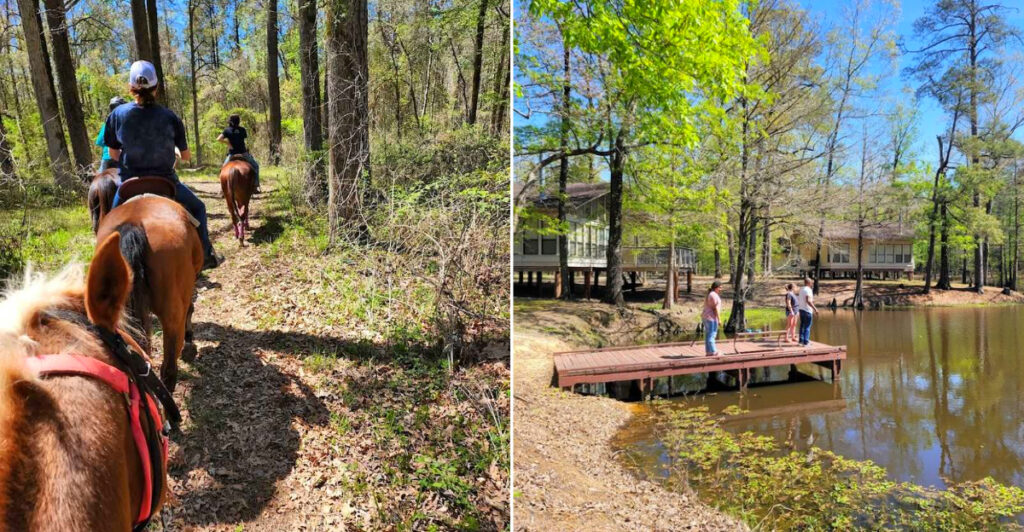
Louisiana has a way of hiding its best surprises in plain sight. Tucked inside a 503-acre state park in the northeast corner of the state, this quiet trail slips into hardwood forest, follows the shape of high ground, and opens toward the slow bend of Bayou Bartholomew below.
The path carries you through shade, roots, birdsong, and that thick green stillness that makes the park feel older than the road that brought you there.
As the land rises and dips, the view arrives gradually: a flash of water through the trees, a bluff edge catching sunlight, a wide stretch of forest folding around the bayou.
These are the kind of overlooked bluff views Louisiana rarely gets enough credit for. The hike is short enough for a casual afternoon, but textured enough to feel like a small escape from the usual state park loop.
By the time you reach the best viewpoint, the reward is simple: forest, bayou, height, quiet, and the strange pleasure of realizing Louisiana still has corners that can catch you off guard.
Bayou Vibe
The first thing that hits you is the gentle hush over the bayou: a low, steady soundtrack of distant birds, water against hulls, and leaves gently rubbing. This calming soundscape makes the park feel deliberately slow, designed for families and quiet explorers seeking uncomplicated nature time.
The bluff offers sweeping views that reframe even short hikes; there is a sense of elevation that feels unusual for Louisiana, which I appreciated more each visit. Picnic areas and playgrounds sit comfortably within sight lines so parents can relax while kids explore nearby trails.
Expect an easygoing energy here: people come to paddle, fish, swim in season, and camp without fuss. It’s restorative and remarkably accessible.
High Road Into Bayou Country
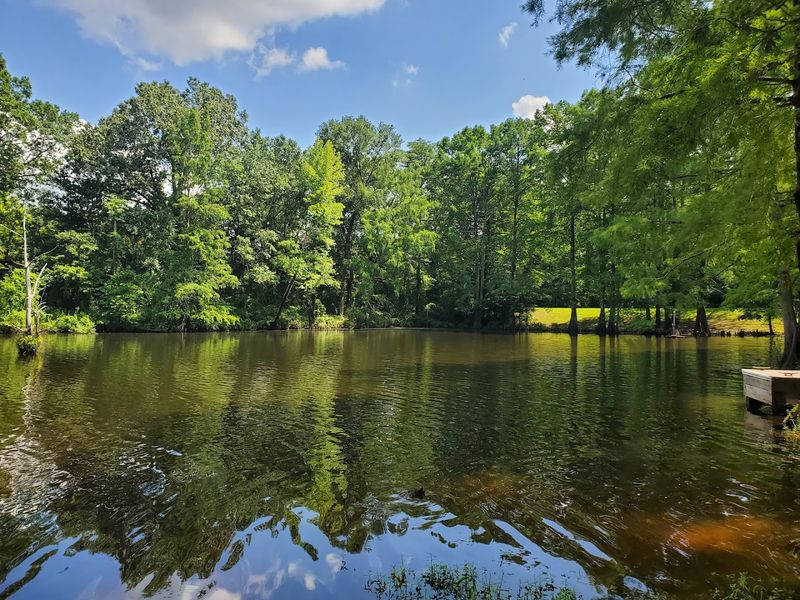
Chemin-A-Haut State Park feels like the road climbs into a quieter version of Louisiana, with piney woods, bluff views, and Bayou Bartholomew waiting below.
Use 14656 State Park Road, Bastrop, Louisiana 71220 for navigation instead of 680 Chemin-A-Haut Rd; Louisiana State Parks lists the official address there.
Arrive with time to wander, picnic, or follow the trails instead of treating it like a quick roadside stop. The whole place works best when the drive slows down before the park even begins.
Trail History
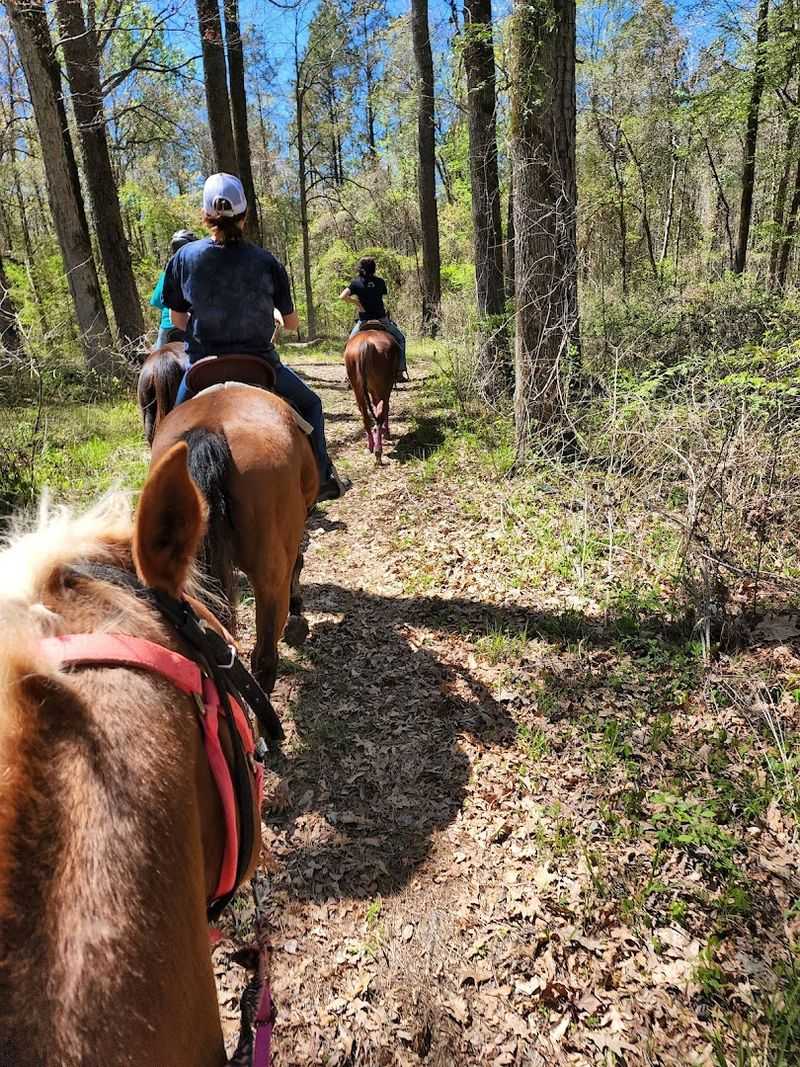
The park’s trails carry a quiet human history. Chemin-A-Haut means high road, a name recalling Native American routes across higher ground.
That context subtly influences how the trails are laid out, following contours rather than forcing straight lines. It felt like stepping where people have chosen higher, drier ground for generations.
Bobcat Trail and shorter loops are well maintained, clear, and family-friendly, yet they pass pockets of older growth that hint at a longer natural story. I always notice small artifacts of past use like old fence posts near campground edges and the occasional interpretive marker.
Those traces make a walk here feel layered. It’s recreational, but also quietly historical, which deepens a simple stroll into something more reflective.
Castle Tree Close-Up
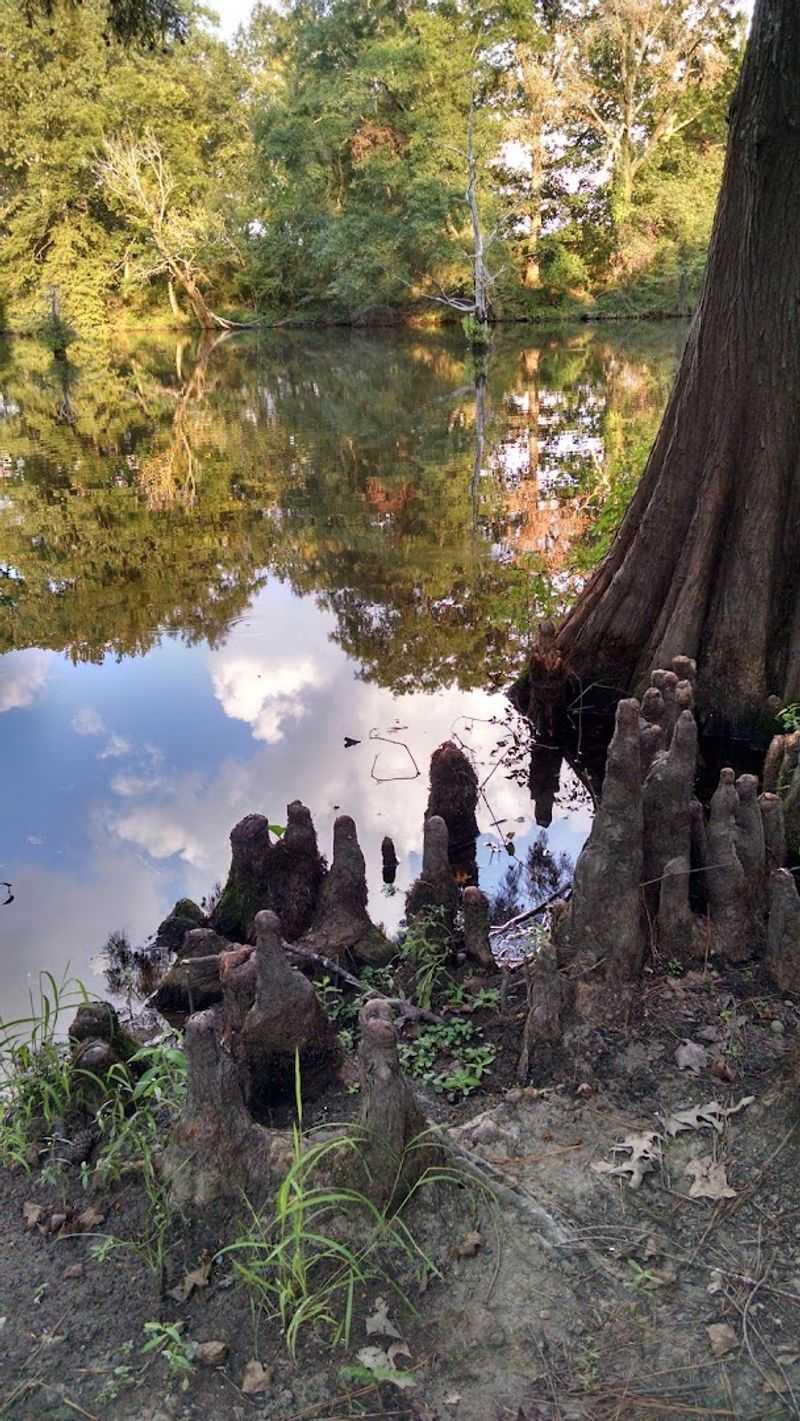
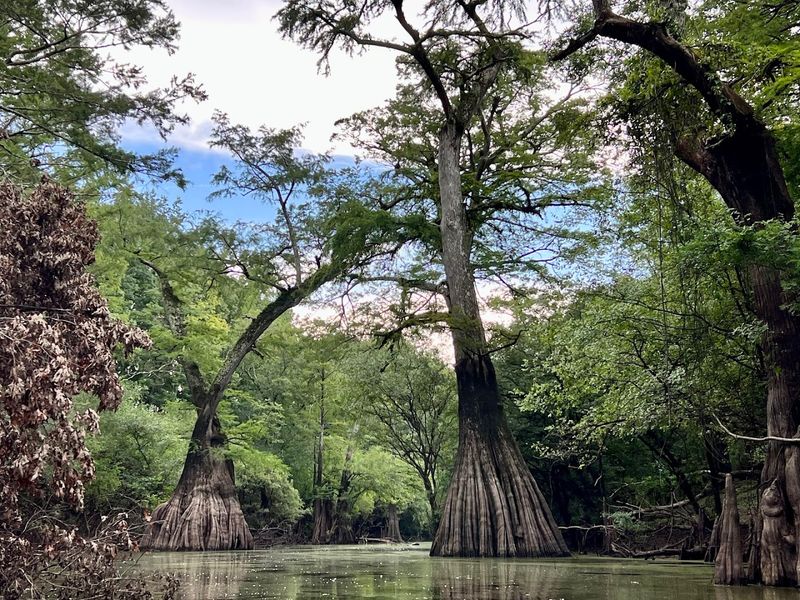
The Castle Tree is the park’s most photographed spectacle: a cypress with a base so wide it creates a cave-like opening that paddlers sometimes navigate. Seeing it closely is humbling; bark texture, waterline markings, and the sense of deep age are immediate and tactile.
I made sure to time a paddle so the light struck the base just right for photos.
Visitors often whisper when they get near, as if being quiet honors something ancient. The tree sits on a tributary that requires a calm water level to approach comfortably, so small craft and careful paddling are the way in.
Respect the tree’s space. It’s a living monument best enjoyed slowly and without crowding the hollow entrance.
Playgrounds and Pools
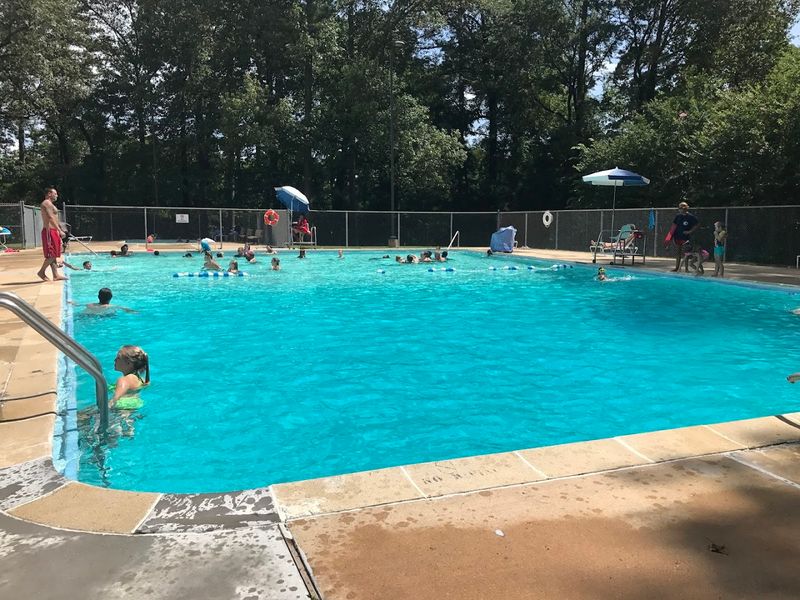
The park’s family focus is obvious in the layout: two playgrounds within easy reach of picnic pavilions and a seasonal swimming pool with a separate wading area. These facilities create a relaxed, neighborhood-park feeling, useful when families are spread across campsites and cabins.
The pool is lifeguarded seasonally and is small but well kept, which locals appreciate.
Playgrounds are shaded by mature trees and sit near restrooms and grills, which makes longer gatherings comfortable. Cabins and picnic buildings can be reserved for small reunions, and the proximity of amenities means a shorter logistics list for organizers.
If you’re bringing kids, this setup keeps activities close and reduces the need for constant shuttling between attractions, which is a rare convenience in a natural setting.
Kayak Routes
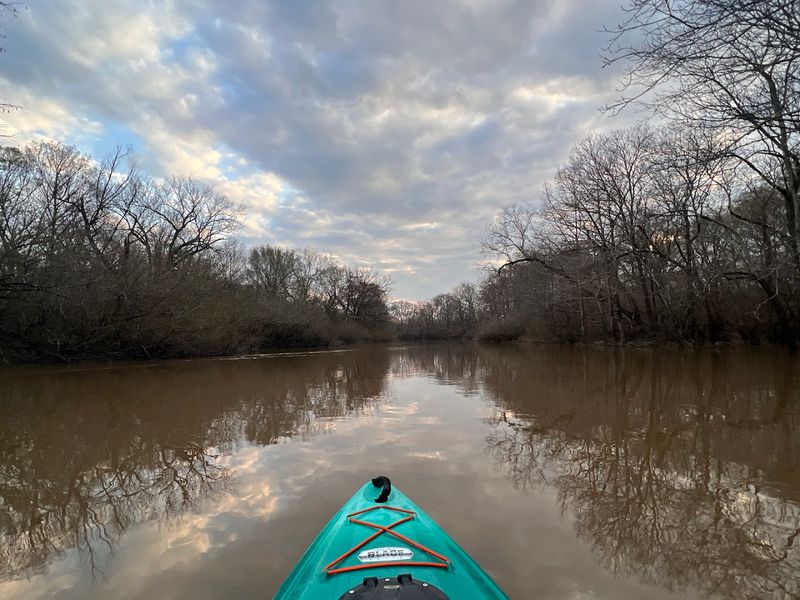
Launching from the concrete kayak ramp, the water opens into a network of sloughs, the lake, and the Chemin Creek that leads toward the Castle Tree. Route options are abundant: short paddles around the lake or longer upstream journeys that pass old-growth cypress.
I found the creek paddle especially rewarding on a cool morning when mist hugged the water.
Water level matters: low water makes certain channels sluggish, while very high water can obscure the Castle Tree entrance entirely. Rent a kayak at the park if you don’t have gear, and bring a dry bag for phones and maps.
Pacing is everything. Give yourself time to drift, scan trunks for wildlife, and stop under overhanging branches to listen to the bayou breathe.
Camping Rhythm
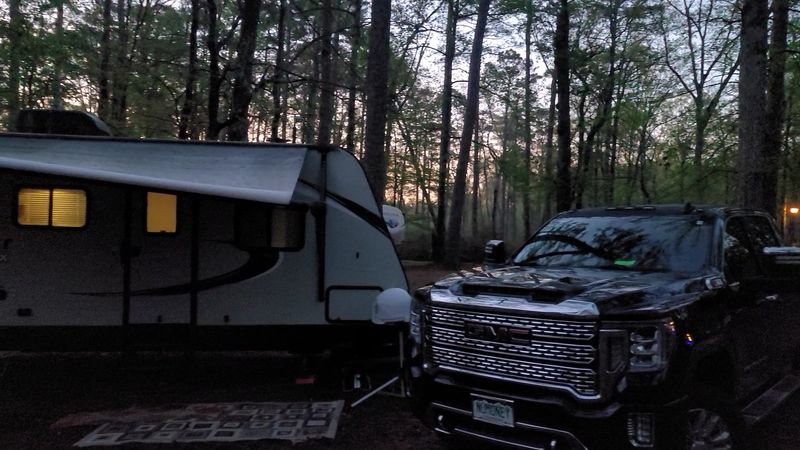
Campground sites are spacious, shaded, and laid out to feel private despite the park’s small size. Tent pads, roomy loops, and an updated bathhouse with washers and dryers contribute to a comfortable stay.
During quieter midweek visits the campground felt almost like a small, well-kept neighborhood under canopy cover.
Some reviewers mentioned asphalt and occasional litter problems; on my stays I noticed thoughtful maintenance but also the inevitable human habits to be mindful of. Bring extra table space if you plan extended cooking in cabins, and secure food to avoid attracting critters.
Reservation is wise for cabins and larger gatherings. The park rewards slow mornings and late-afternoon walks along the bluff with particularly fine light and fewer people.
Seasonal Shifts
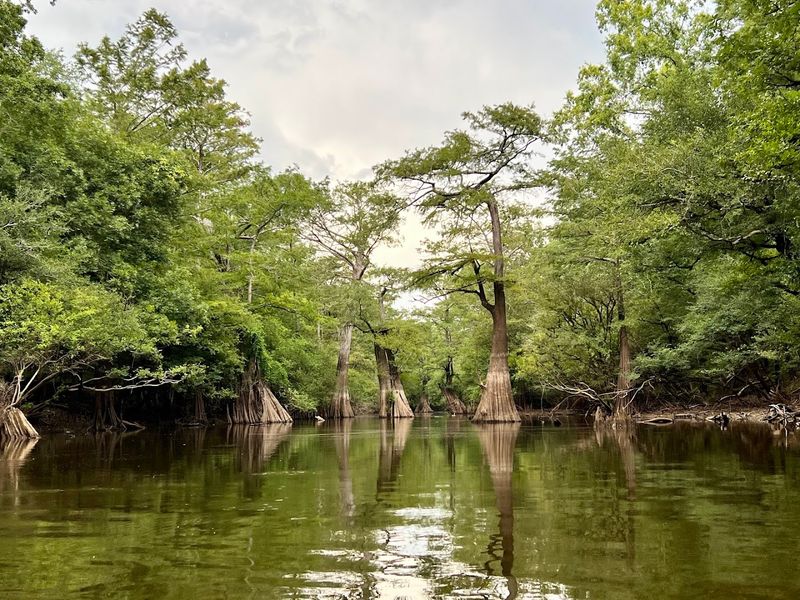
The park’s character shifts with seasons: fall brings surprising color and a crispness that sharpens light, while late winter and spring after rains swell the bayou and soften trails. Wildlife activity varies accordingly; migrations and breeding seasons can add birding interest in spring, whereas summer yields dense canopy shade and fuller pools.
Weather affects access and experience. Heavy rains can make the paddle to Castle Tree slow or impossible, and seasonal pool hours dictate swim planning.
Winter offers quiet solitude but fewer staffed services.
I found off-season visits especially rewarding for solitude, while springtime gave the most dramatic ecological contrasts. Plan around seasonal patterns to match your priorities for wildlife, paddling, or family-friendly swimming.
Flora and Fauna
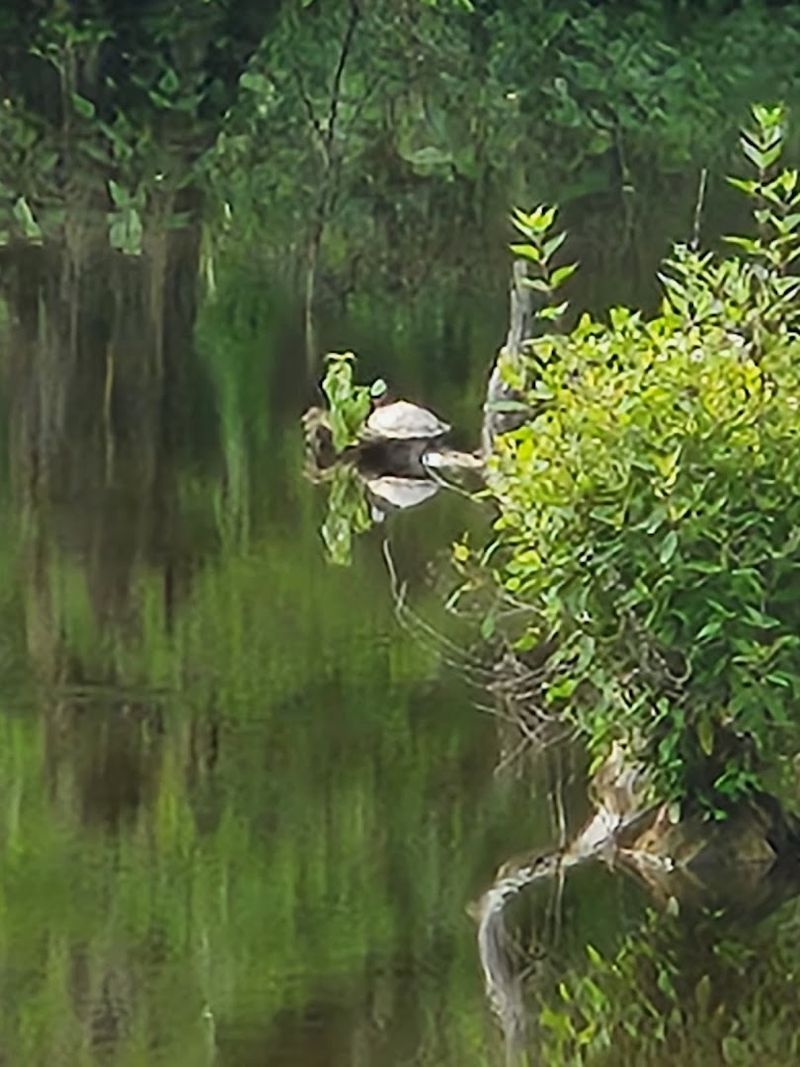
Cypress and mixed hardwoods dominate, with pockets of wetland plants along the water’s edge. The park supports diverse birdlife, turtles, and the occasional small alligator in remote channels, so keeping a respectful distance is sensible.
The Castle Tree and nearby old-growth stands are ecological highlights, offering habitat complexity rare in many places.
Seasonal blooms and migrating songbirds add visual interest, while fungal growths and mosses create texture on trunks and fallen logs. Plants along the bayou can be surprisingly lush after rains and restrained during dry spells.
Bring binoculars for birding and a field guide if you’re curious. Observing slowly from a kayak or shore point rewards small discoveries that casual walkers might miss.
Local Culture
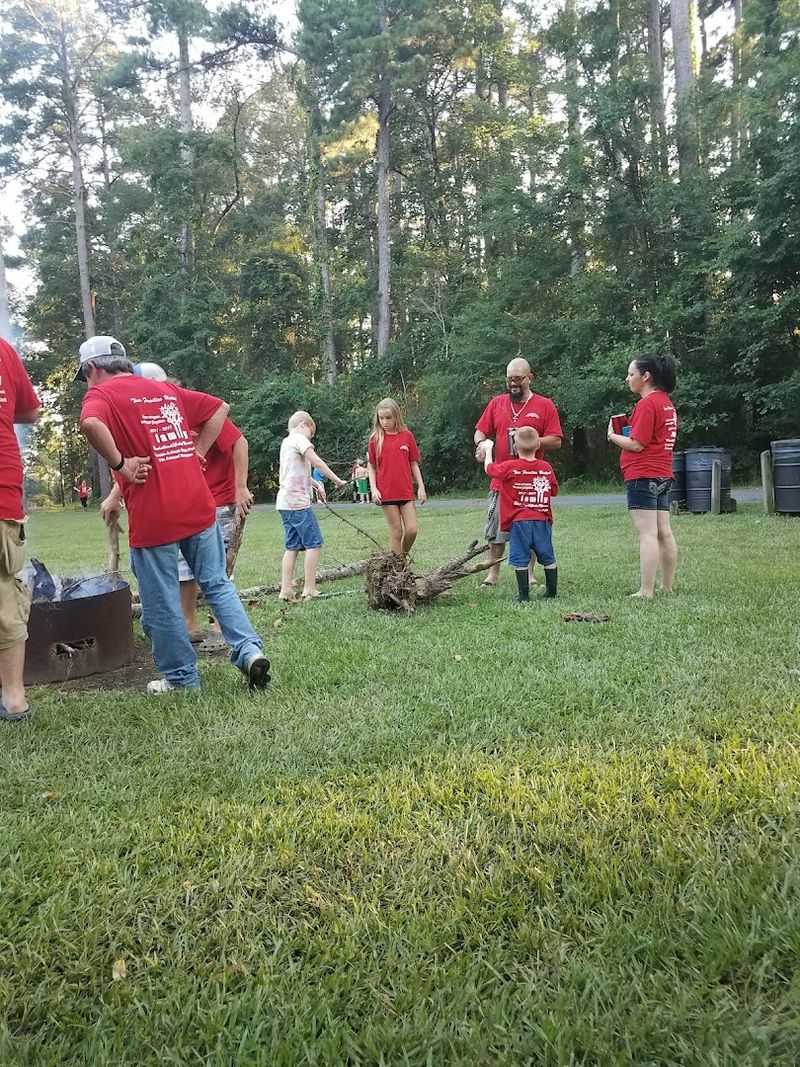
The park feels like a community hub for northeast Louisiana: locals use it for weekend gatherings, family traditions, and annual return trips. Park staff are often described as friendly and helpful, and the small, quiet campground fosters connections among repeat visitors who share shortcuts and favorite paddling routes.
Events and cabin reservations create a gentle rhythm of local life. People seem to come with a practical, no-fuss attitude and a respect for shared spaces.
That communal tone influences visitor behavior and keeps the park tidy most of the time.
Observing this, I tried to match the local pace – polite distance, respectful gear storage, and a willingness to learn the gentle rules of use. It makes visits smoother and more enjoyable.
Practical Logistics
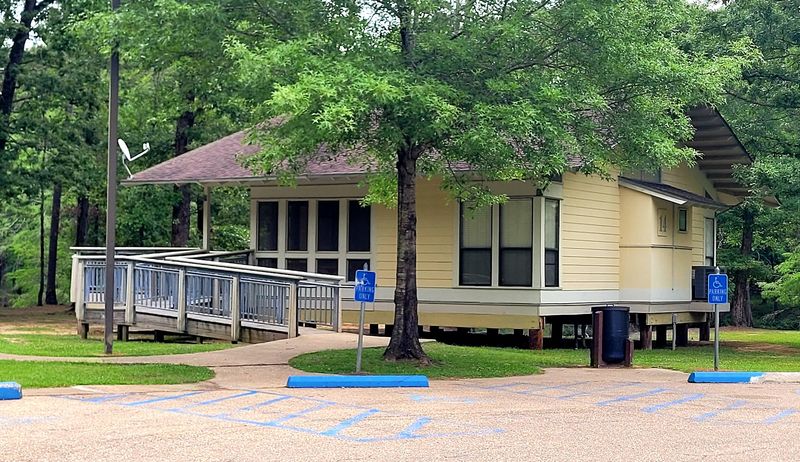
Entry requires a modest gate fee and facilities operate on set seasonal schedules, so check the official park site before you go. The park has a small office and a phone contact for last-minute questions, and campsites can be reserved online.
Cell coverage is variable, so download maps and directions in advance, especially if you plan to explore beyond the main picnic areas.
Boat launches are concrete and the steeper creek launch requires caution with trailers. If you have limited mobility, the hard-surfaced picnic-area trail provides scenic access without much elevation change.
Pack insect repellent, water, and sun protection; shade helps, but bugs are part of the bayou picture, especially near still water after warm weather or rain.
Arrive early on busy weekends to secure a good campsite or a peaceful shoreline spot. Families may want to build in extra time for slow walking, photos, and unhurried stops along the water.
Planning makes the easy parts even easier.