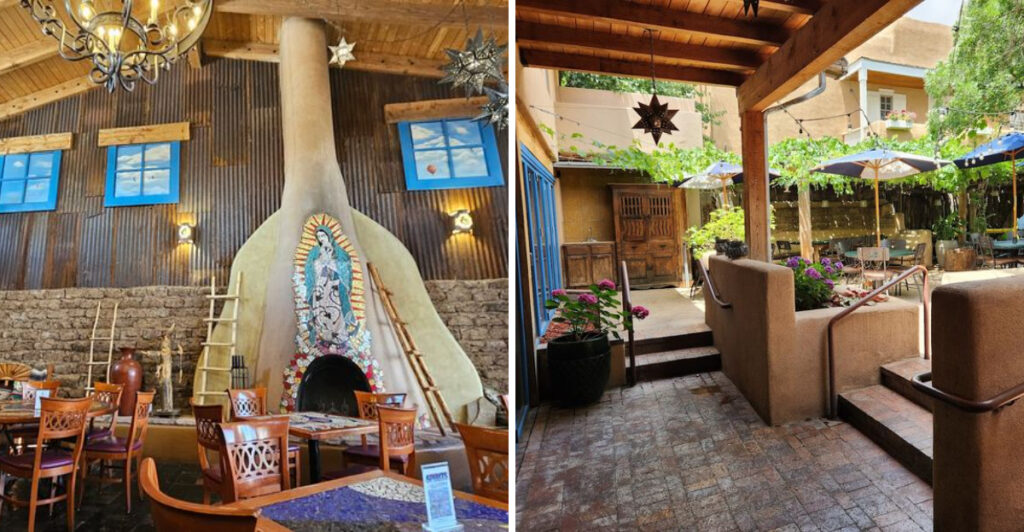
Some restaurants make you hungry before the plate even arrives. This one does it with adobe walls, old stories, and the smell of chile drifting through rooms that feel older than almost anything around them.
In New Mexico, one historic cafe turns a simple meal into a little history lesson you can actually taste. The building once belonged to a local family, and today it still carries that lived-in feeling, the kind that makes people slow down without being told.
Then come the tamales. Soft masa, rich chile, and that comforting Southwestern flavor that feels made for lingering at the table.
It is warm, and a little surprising once you realize how much is hiding behind the modest street view. Come for the food, stay for the courtyard, and leave with a story you will probably tell someone later.
It is a lunch stop worth planning around.
A 300-Year-Old Adobe Setting
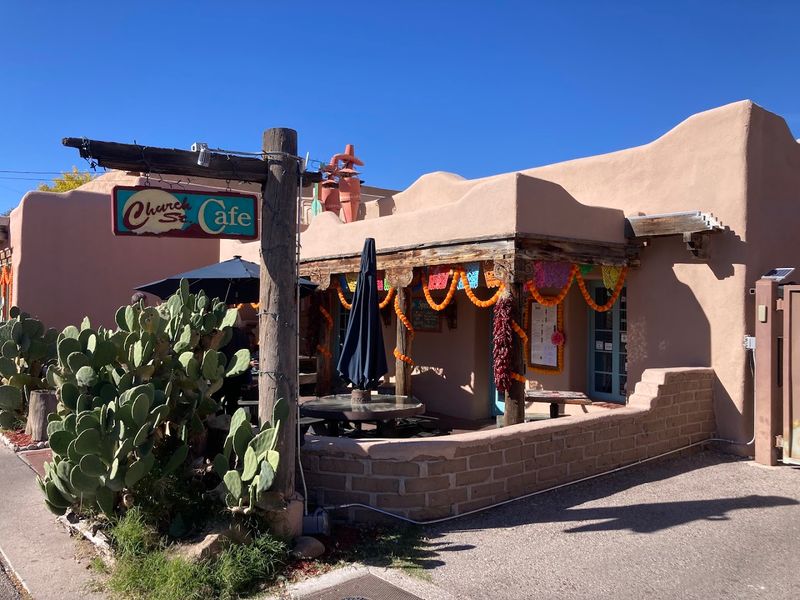
Most restaurants brag about their recipes being old, but very few can claim their actual walls are centuries old.
The building that houses this cafe is known historically as Casa de Ruiz, and it carries the distinction of being Albuquerque’s oldest residence.
Those thick adobe walls, some measuring over two feet across, were built using terrones, a traditional brick made from marshy riverbed mud that dates the structure back to the early 1700s.
Walking through the entrance feels like crossing a threshold into a completely different era, one where the pace was slower and the craftsmanship was deeply intentional.
The original Spanish U-shape hacienda layout is still visible in how the rooms connect, creating a sense of flow that no modern floor plan could replicate.
Sitting inside, you genuinely feel the weight of history pressing gently through those walls in the best possible way.
Church Street Cafe at 2111 Church St NW, Albuquerque, NM 87104 earns its historic reputation not just through its menu, but through the very ground it stands on.
Old Town Charm Around Every Corner
Few neighborhoods in the American Southwest carry as much layered character as Old Town Albuquerque, and this cafe sits right at its heart.
The restaurant is positioned just behind the iconic San Felipe de Neri church, a landmark that has anchored this plaza for centuries and continues to draw visitors from across the country.
Before my meal, I wandered through the surrounding boutiques and galleries, picking up the rhythm of a place that genuinely honors its past without turning it into a performance.
Old Town functions as a living neighborhood rather than a frozen exhibit, and the cafe fits naturally into that energy.
Arriving early gives you time to explore the plaza before the lunch crowd fills the narrow corridors of the restaurant, which I highly recommend doing at least once.
The combination of the historic district’s outdoor atmosphere and the warmth waiting inside the cafe creates a full afternoon experience rather than just a quick meal stop.
It is the kind of neighborhood that rewards slow walking and curious eyes, and the restaurant rewards exactly the same kind of attention at the table.
Tamales Worth Slowing Down For
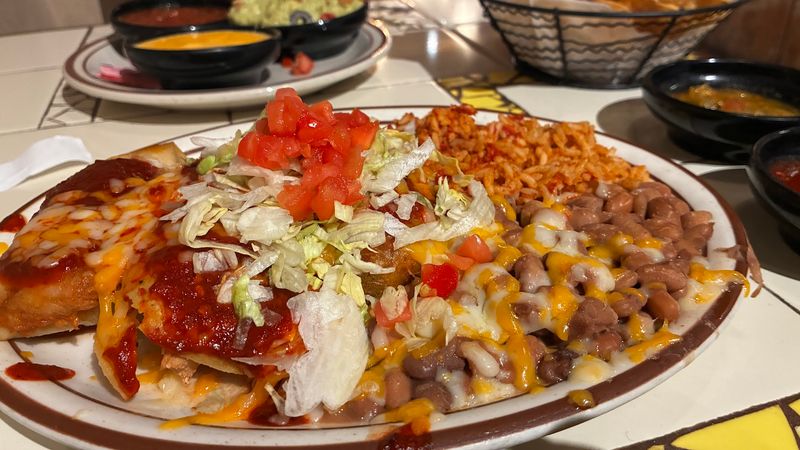
Homemade tamales done right have a particular quality that is almost impossible to fake, and the ones here make that point clearly from the very first bite.
The corn masa has a tender, slightly dense texture that holds together beautifully around a savory filling, and the whole thing arrives smothered in your choice of red chile, green chile, or the beloved Christmas style that gives you both at once.
One diner who visited described the vegetarian tamales with Christmas sauce as a highlight of their entire trip through Albuquerque, and after my own experience, I completely understand that reaction.
What sets these tamales apart is not just the quality of the ingredients but the sense that the recipe has been refined over many years rather than assembled from a trend.
Each bite carries a depth of flavor that rewards patience, so resist the urge to rush through them.
The combination plate is a smart way to experience the tamale alongside a chile relleno and enchiladas, letting you compare the flavors and find your personal favorite.
Tamales like these are the reason food traditions survive across generations.
Cozy Rooms With Southwestern Character
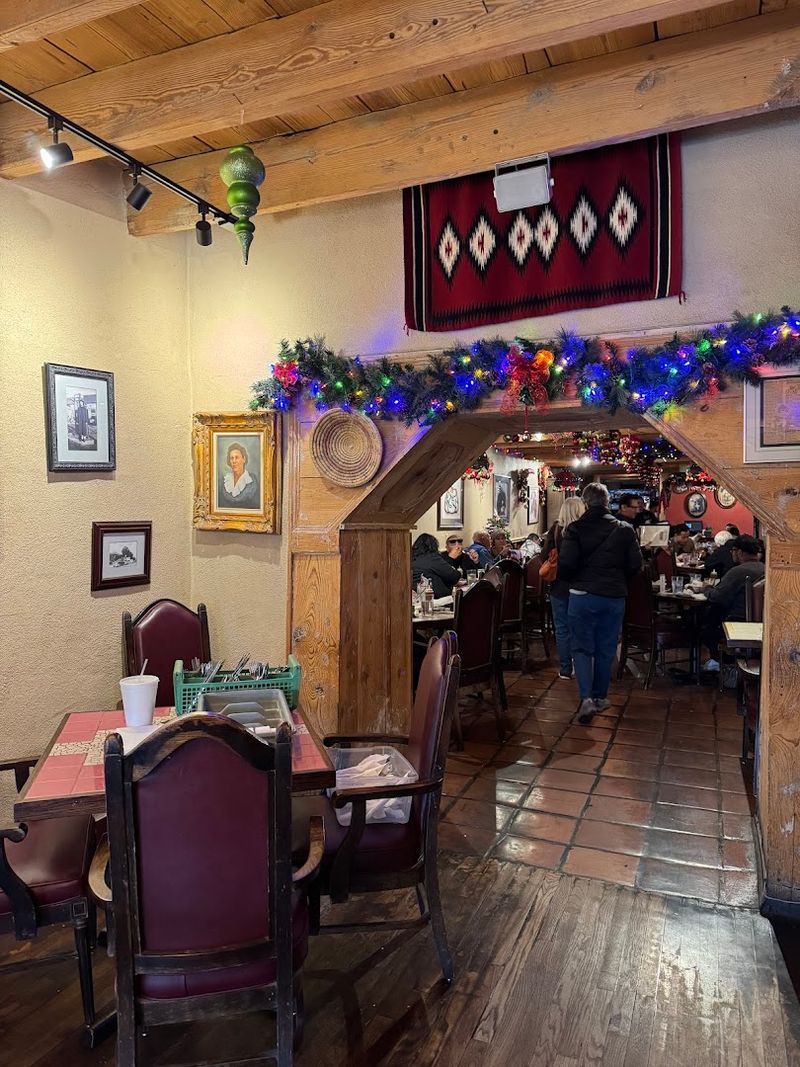
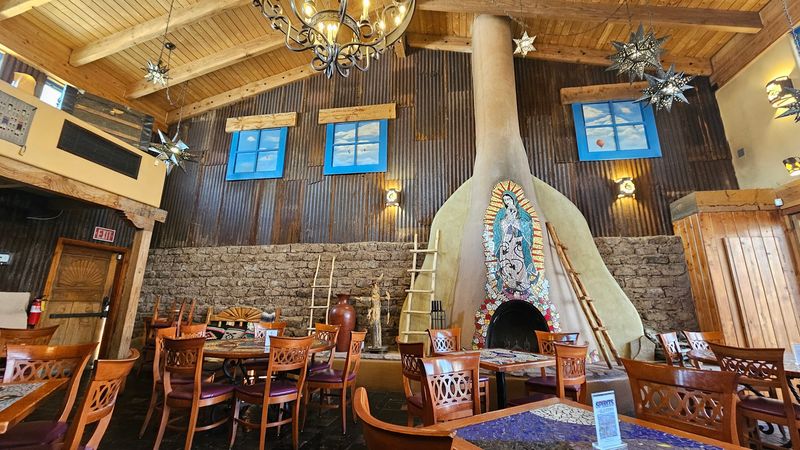
From the outside, the building looks almost deceptively compact, and first-time visitors routinely express surprise when they realize how many rooms unfold once they step inside.
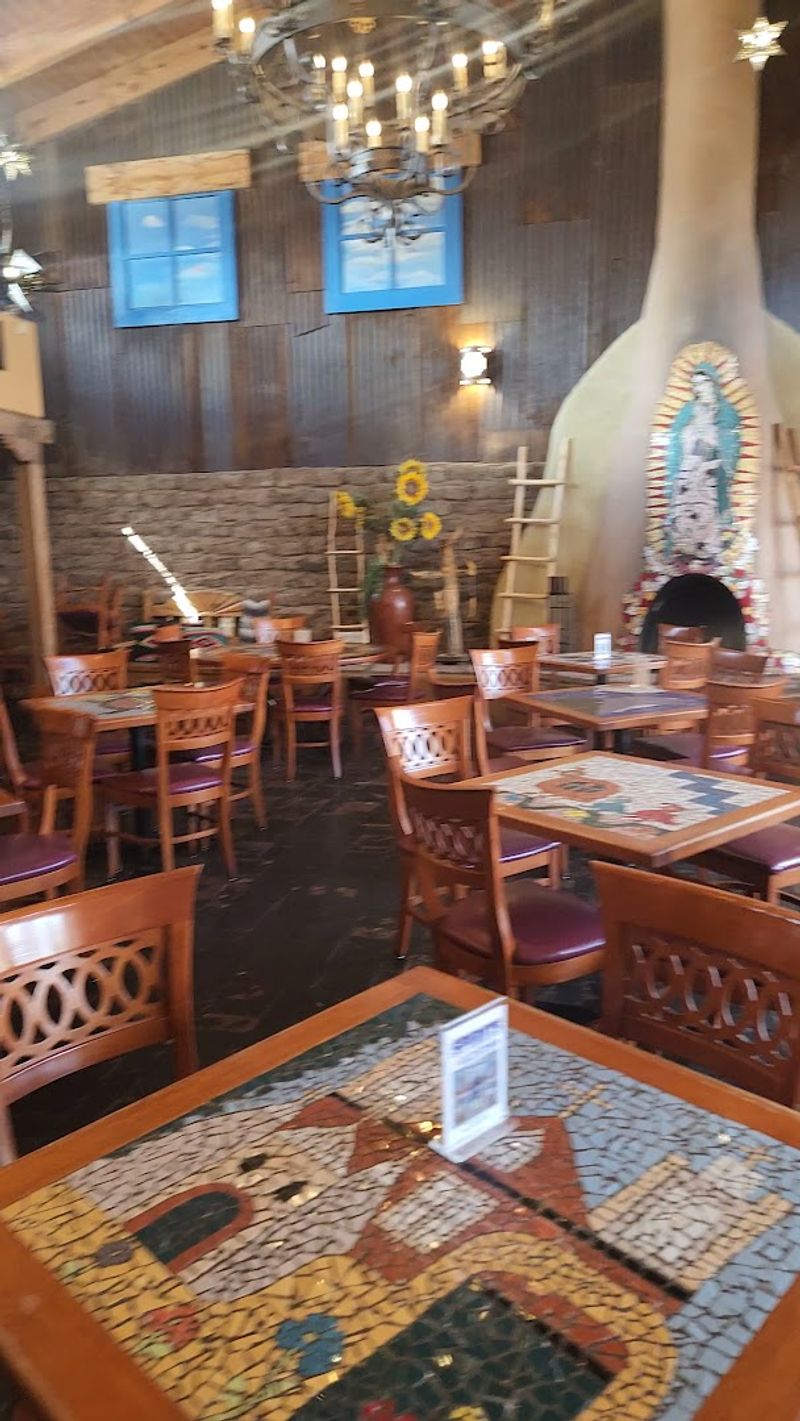
The layout moves through a series of intimate dining spaces, each decorated with its own distinct Southwestern personality, making the walk to your table feel like a small adventure through a well-loved historic home.
A kiva-style fireplace anchors one of the dining rooms, drawing the eye immediately and adding a warmth that goes beyond temperature.
Vaulted ceilings in certain areas create a sense of openness that balances the otherwise snug scale of the rooms, while booths lined with fluffy pillows invite guests to settle in rather than eat and leave quickly.
Mosaic-topped tables add a handcrafted artistic quality that ties the whole interior together without feeling overdone or theme-park-ish.
The decor feels curated over time rather than designed all at once, which gives each room its own mood and makes returning visitors likely to notice something new each time.
New Mexico’s Southwestern design tradition is expressed here through genuine objects and textures rather than mass-produced decoration.
A Courtyard Beneath The Vines
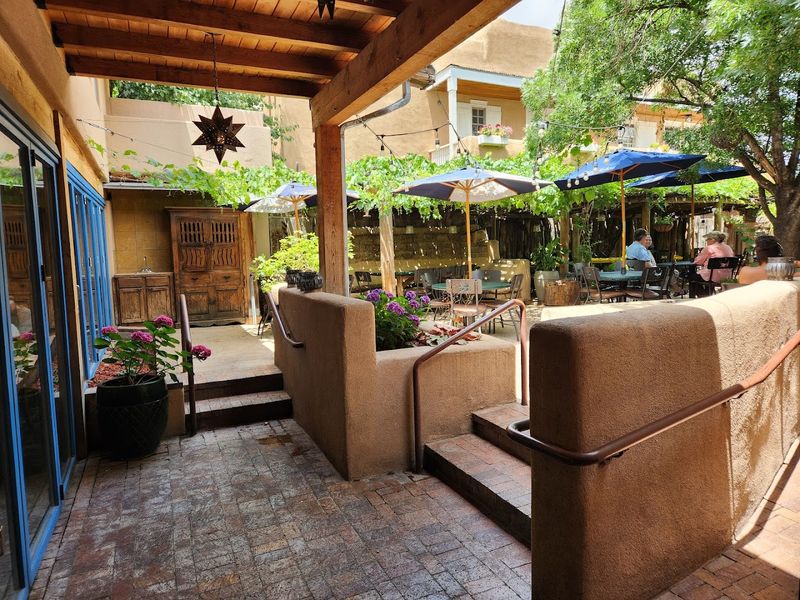
Several visitors have called the outdoor courtyard a secret garden, and after sitting out there myself on a warm afternoon, I think that description is pretty accurate.
A flowing pond with a gentle waterfall provides a soft, continuous sound that makes the whole space feel removed from the street outside, even though you are right in the middle of Old Town.
The courtyard is shaded naturally, which makes it a genuinely comfortable option for lunch even when the Albuquerque sun is doing its best work overhead.
Green vines and plantings soften the adobe walls around the patio, creating a lush contrast against the earthy tones of the historic building.
Breakfast on the patio is a particularly rewarding experience, with the morning light filtering through the foliage and the courtyard still quiet before the midday crowd arrives.
The outdoor space also has an element of surprise to it because the building’s modest exterior gives no hint of the tranquil garden tucked behind those thick walls.
Choosing a courtyard table on the right day feels less like picking a seat and more like stumbling onto something genuinely lovely.
Historic Walls And Warm Service
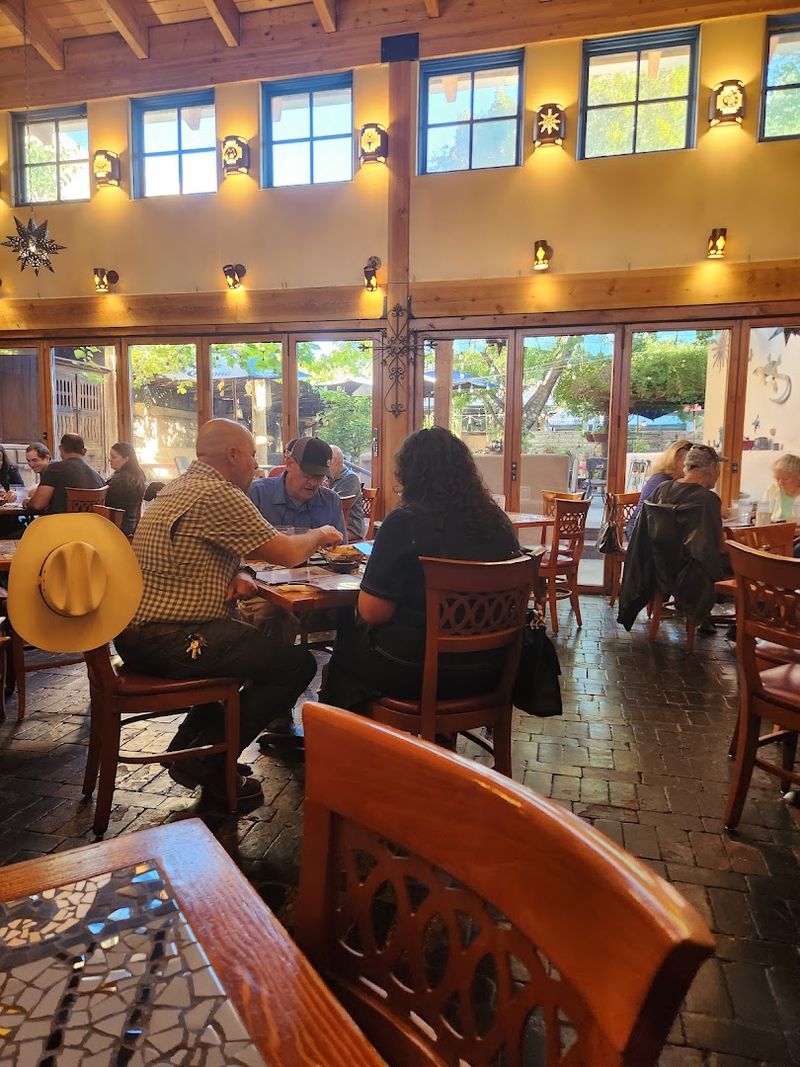
Adobe construction has a practical genius to it that modern building materials rarely match, and inside this restaurant you feel that genius at work throughout every season.
The thick walls naturally regulate the interior temperature, keeping the dining rooms pleasantly cool during summer and genuinely warm when the weather turns cold, without leaning entirely on mechanical systems.
Beyond the physical comfort, the hospitality here tends to include spontaneous history lessons, with staff often sharing stories about the building and the surrounding Old Town neighborhood as they take your order.
One visitor described being told about the property’s past by multiple servers during a single meal, which turned what might have been an ordinary lunch into something much more memorable.
That kind of knowledge-sharing feels authentic rather than scripted, as if the people working here genuinely take pride in where they show up every day.
Service quality can vary depending on the day and how busy the restaurant gets, so arriving during off-peak hours tends to produce a more attentive experience overall.
The combination of centuries-old walls and a staff that clearly cares about the place creates an atmosphere that is difficult to manufacture anywhere else.
Red And Green Chile On The Table
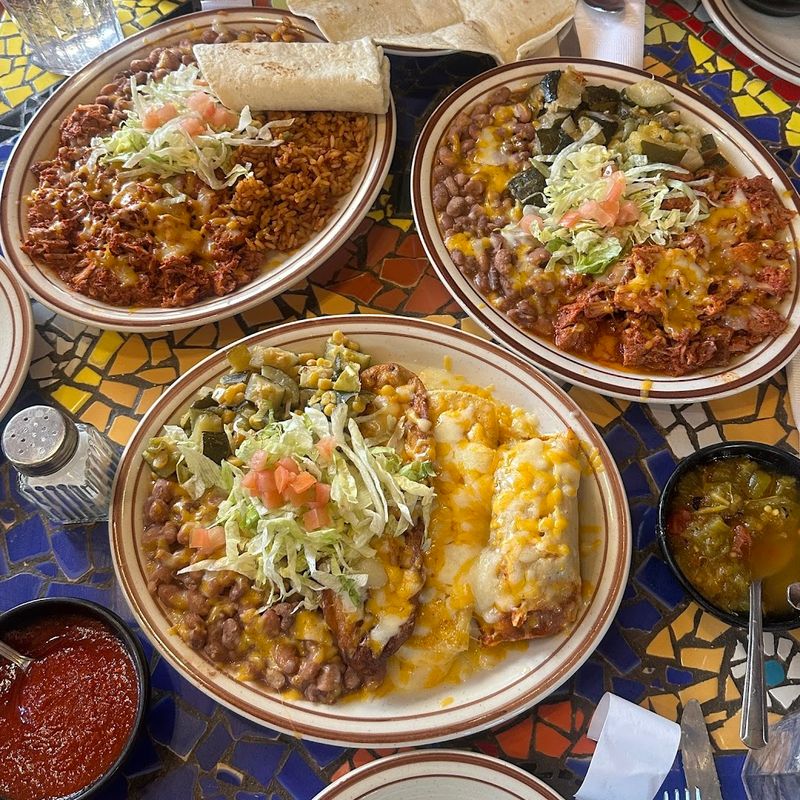
Asking for Christmas in New Mexico is not about the holiday; it is a food order, and this restaurant takes that tradition seriously.
Red and green chile appear throughout the menu, incorporated into family recipes that treat these ingredients as the foundation of the cuisine rather than a garnish or afterthought.
The green chile in particular carries that distinctive roasted depth that makes it so central to the culinary identity of the region, and ordering it on top of enchiladas or tamales is the most direct way to understand why locals are so fiercely loyal to it.
Diners who prefer to manage their spice level can request the chile on the side, which is a practical option worth knowing about if you are new to the heat profile of New Mexican cooking.
The chips and salsa, available as a starter for a small additional charge, offer a good early preview of the kitchen’s approach to fresh, bold flavors before the main dishes arrive.
Red chile tends to be earthier and slightly smoother, while green chile brings a brighter, more immediate heat that lingers pleasantly.
Both are worth trying, and the combination plate makes that comparison easy to do in a single sitting.
A Dining Experience Rooted In Tradition
Some restaurants serve food and some restaurants serve a sense of place, and this one manages to do both at the same time without making either feel forced.
The menu reads like a document of New Mexico culinary tradition, featuring dishes such as carne adovada, chile rellenos, Navajo tacos, enchiladas, and the combination plate that lets you sample multiple preparations in a single meal.
Portions are generous enough that sharing family style is a genuinely good strategy, especially if you want to try more of the menu without overcommitting to a single dish.
Meals here typically close with sopapillas drizzled in honey, a warm, pillowy classic that provides a sweet contrast to the bold chile flavors that came before it.
Breakfast is also served from Tuesday through Saturday starting at 8 AM, with huevos rancheros frequently mentioned as a morning highlight worth planning around.
The restaurant is closed on Mondays and wraps up earlier on Sundays at 4 PM, so checking the schedule before you go is a smart move.
Every element of the experience, from the building to the bowl of pozole to the final drizzle of honey on a sopapilla, reflects a commitment to honoring what makes this corner of New Mexico genuinely special.