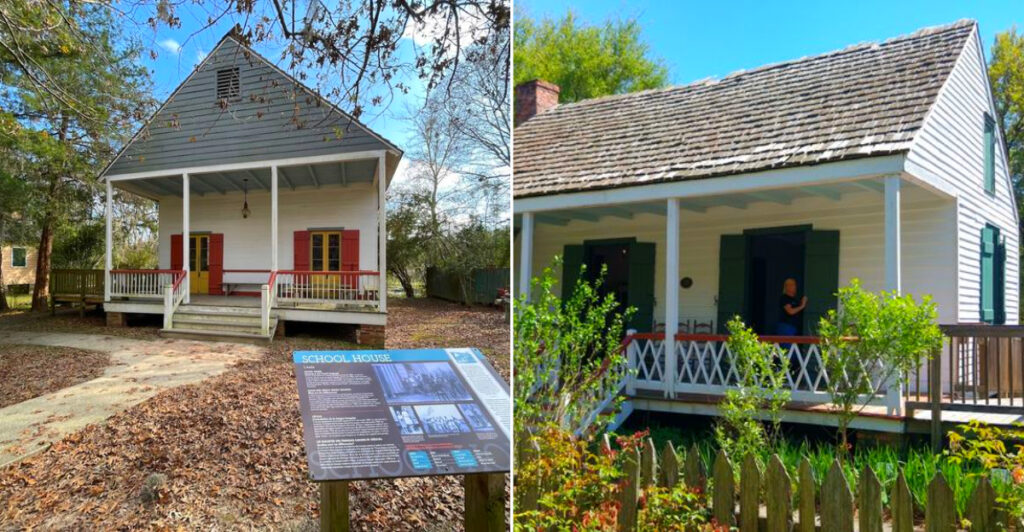
A living history park should never feel like homework with better porches. This one, set along Bayou Vermilion, has the rare pulse of a story still being cooked, played, carved, and walked through.
You hear music before you fully understand where it is coming from, then find homes from the late eighteenth and nineteenth centuries holding their ground with quiet dignity.
Craftspeople, interpreters, original structures, and recreated buildings make the past feel handled, not sealed behind glass. Acadian, Creole, and Native American traditions come alive here through historic homes, bayou scenery, live music, working crafts, and immersive Louisiana storytelling.
Go slowly, because the best details are not loud: worn steps, cooking smells, fiddle notes, shaded paths, and the way a doorway can change your sense of time.
Bring curiosity, comfortable shoes, and room for questions. The visit works best when you let history breathe beside you in the bayou air.
A First Impression Of The Village
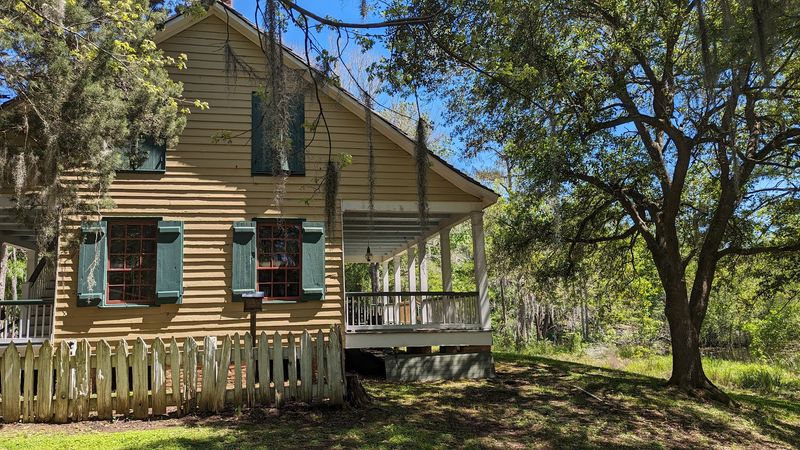
The first view feels almost cinematic: old homes set into parkland beside a slow bayou, each building carrying a different origin story. The mixture of original structures and careful reconstructions sits comfortably among live oaks and Spanish moss, so you sense history without forced theatricality.
Walkways encourage slow movement and small discoveries, especially when the sound of a distant fiddle, hammer, or cooking demonstration drifts across the grounds. That background activity makes the scene feel actively preserved rather than frozen in time.
I noticed that the layout invites conversations with interpreters when they are present, so plan time to linger at a porch, doorway, or shaded gate. The village is compact yet layered, rewarding curiosity, patient observation, and the willingness to move slower than usual.
Let Fisher Road Drop You Into Old Lafayette
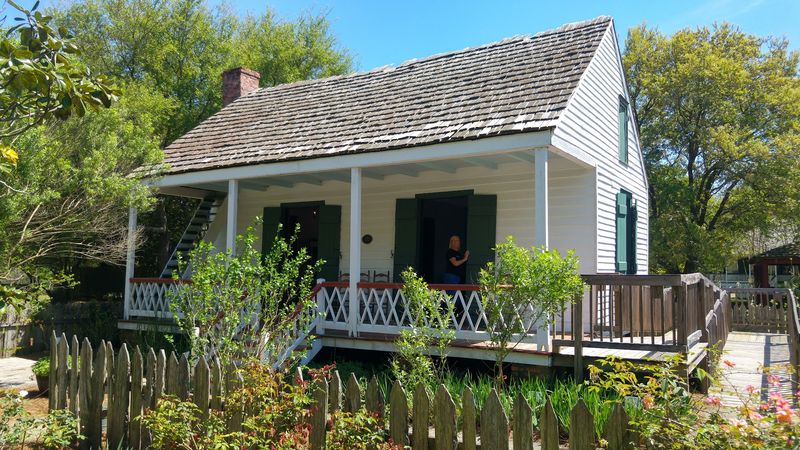
The address to know is Vermilionville Historic Village, 300 Fisher Road, Lafayette, Louisiana 70508, near the heart of Lafayette and close to the airport area. The approach is easy, but the mood changes once you arrive.
A regular city drive suddenly turns into bayou paths, historic homes, and a slower rhythm that feels separate from everyday Lafayette traffic. That transition is part of the pleasure, because the site gives you the feeling of crossing into another Louisiana without requiring a long journey.
Park, step in, and give yourself time. This is not a rush-in stop, it is the kind of place where arriving should feel like the beginning of the story rather than a logistical detail.
Living Demonstrations And Artisans
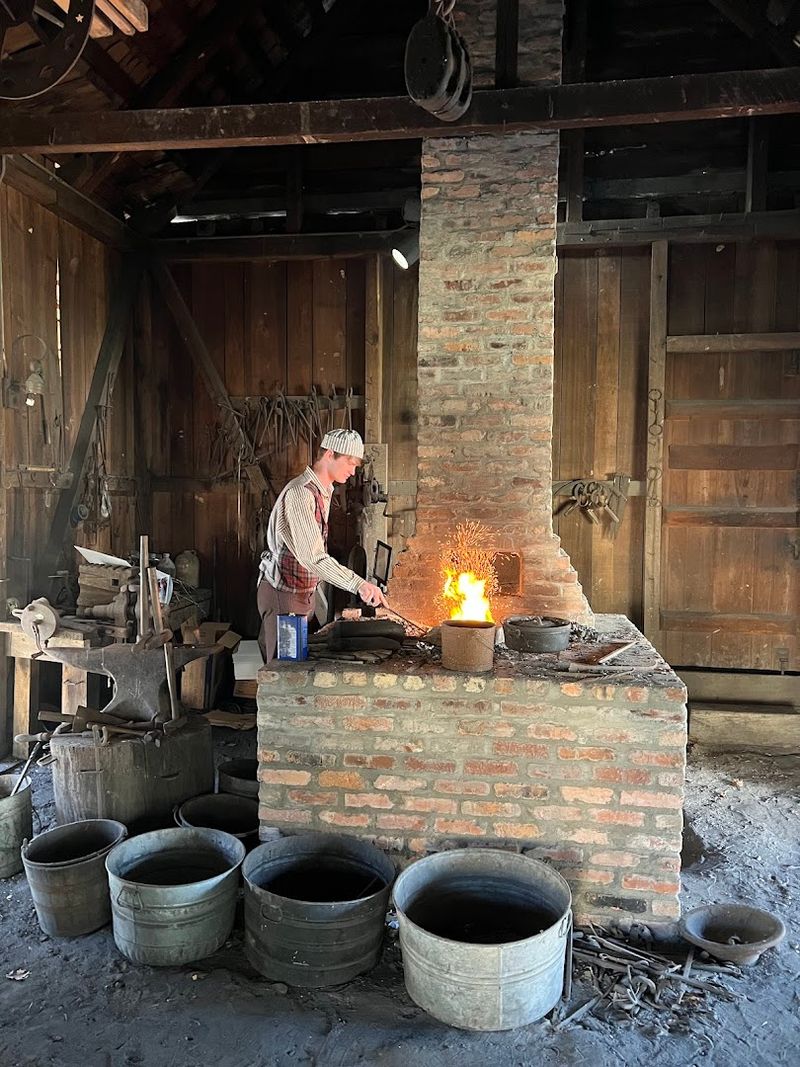
Costumed artisans give the place its pulse by demonstrating skills like quilting, spinning, blacksmithing, and open-hearth cooking that shaped daily life in the region. These demonstrations are not only performances; they are practical skills preserved and explained by people who often have personal or familial ties to the culture.
When an artisan speaks about technique, the learning deepens because the story connects craft to survival, economy, identity, and household rhythm. A tool, stitch, or cooking method suddenly becomes more than an object lesson.
Schedule your visit around demonstration times or weekend events if you want the fullest version of the experience. If a craftsperson welcomes questions, ask about tools, materials, and how the tradition continues today.
Music And Cultural Rhythm
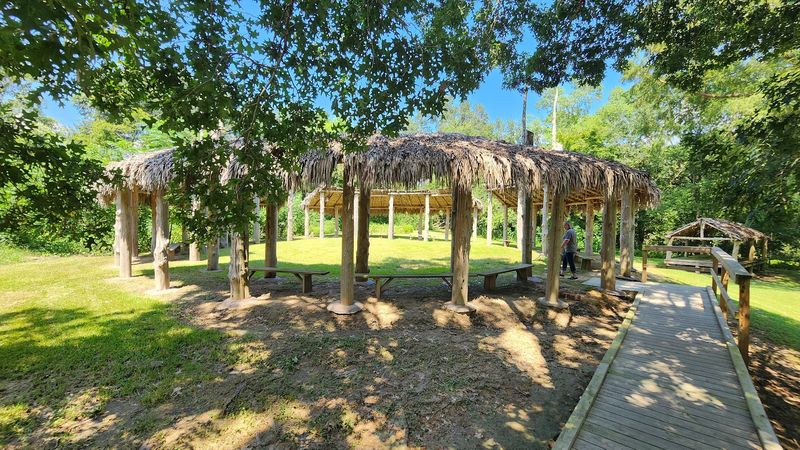
Music is woven into the village experience and often appears casually, whether as a fiddle on a porch, a jam session under a tree, or a scheduled live set that pulls people together. The sound is not mere ambiance; it is an active expression of community memory and social life.
Hearing traditional tunes while moving between houses creates continuity between architecture, craft, food, and ritual. The music makes the past feel less like a display and more like something still being practiced.
Check the event calendar for scheduled performances and arrive early if you want a good seat. The informal nature of many sessions makes them approachable whether you stay ten minutes or settle in for two hours.
The Healer’s Garden And Plant Traditions
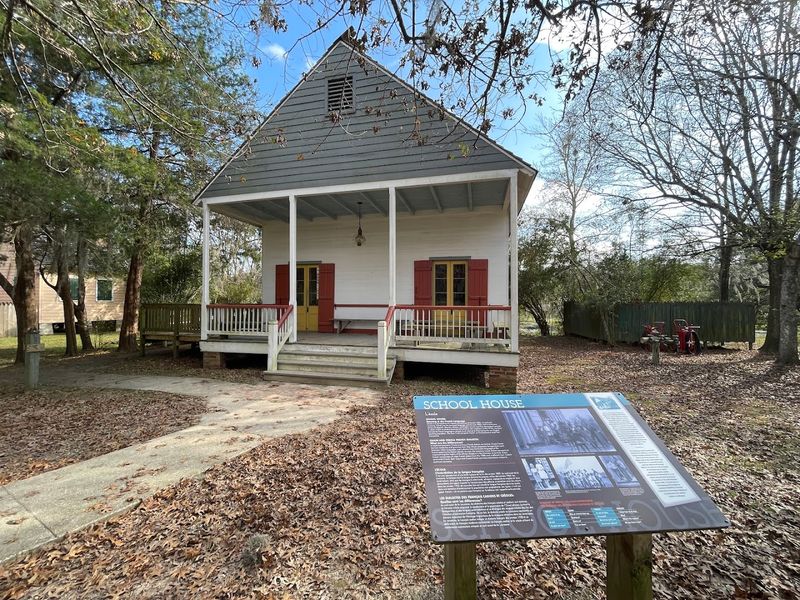
A small but meaningful stop, the Healer’s Garden gathers regional botanical knowledge into a living display of plants used by Cajun, Creole, African-American, and Native communities. Walking among the beds, you can see how remedies and food traditions grew from practical ecological knowledge rather than abstract folklore.
The garden ties landscape to medicine, showing that cultural survival often relied on local flora as much as on language, craft, and recipes. Certain plants become a quiet reminder that history also lives in leaves, roots, smells, and seasonal habits.
Read the interpretive signs slowly because they explain both usage and context. Photograph plant labels if you plan to research further, but avoid harvesting or touching plants out of respect for the site.
Seasonal Rhythms And Timing Your Visit
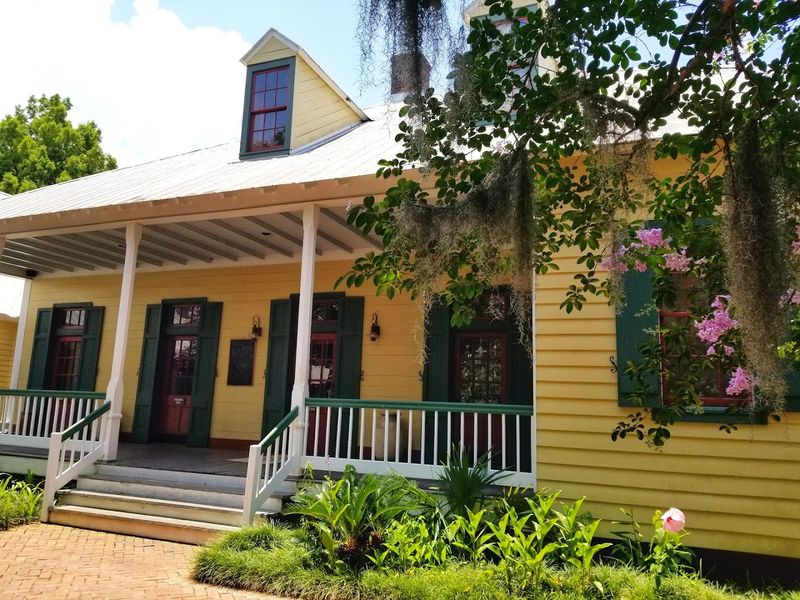
Season changes shift the village’s textures and activities, from azaleas and mild air in spring to lush, humid summers when shade becomes important. Off-peak weekdays feel quieter and are better for self-guided exploration, while weekend events often add music, demonstrations, and larger crowds.
Many interpreters and special activities cluster on Saturdays, so check the calendar if you want a fuller program. That small bit of planning can change the visit from a pleasant walk into a much richer cultural afternoon.
If heat is a concern, aim for mornings and bring water, sun protection, and patience. Cooler months favor longer strolls, slower conversations, and outdoor meals with a view of the bayou.
Guided Tours And Audio Options
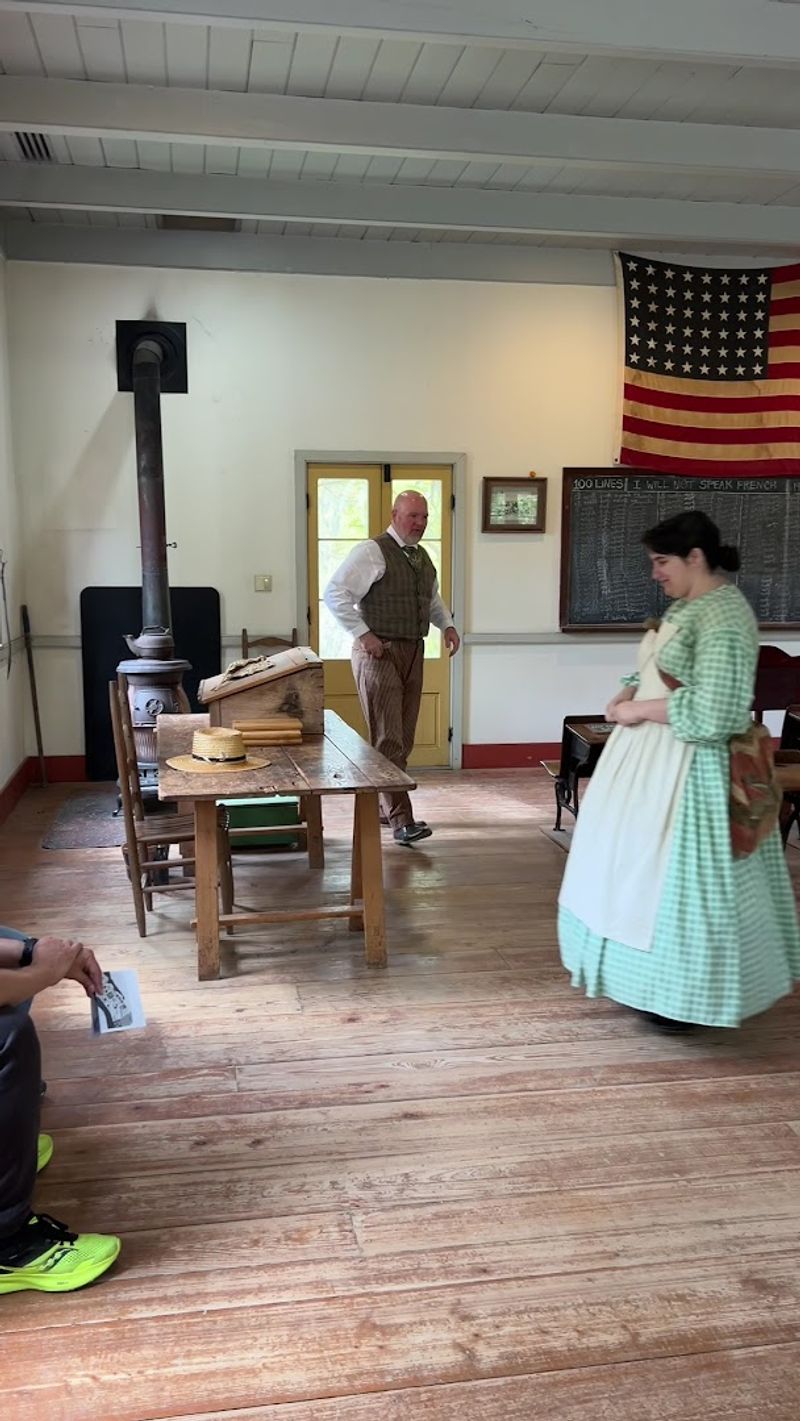
Self-guided maps and brochures are useful, but an audio or guided tour adds depth by highlighting stories, context, and connections that solo wandering can miss. Guided tours may be limited in group size and can require booking, making them ideal for deeper conversations and more intentional pacing.
Guides often point out subtleties in construction, settlement patterns, and personal histories that animate the structures. Those details can make a plain doorway, porch, or roofline suddenly feel full of meaning.
Consider combining a short guided tour with extra time for the exhibits or houses that feel most compelling. If guide spots are limited, reserve ahead, especially for group visits, school programs, or busier travel days.
Practical Logistics And Accessibility
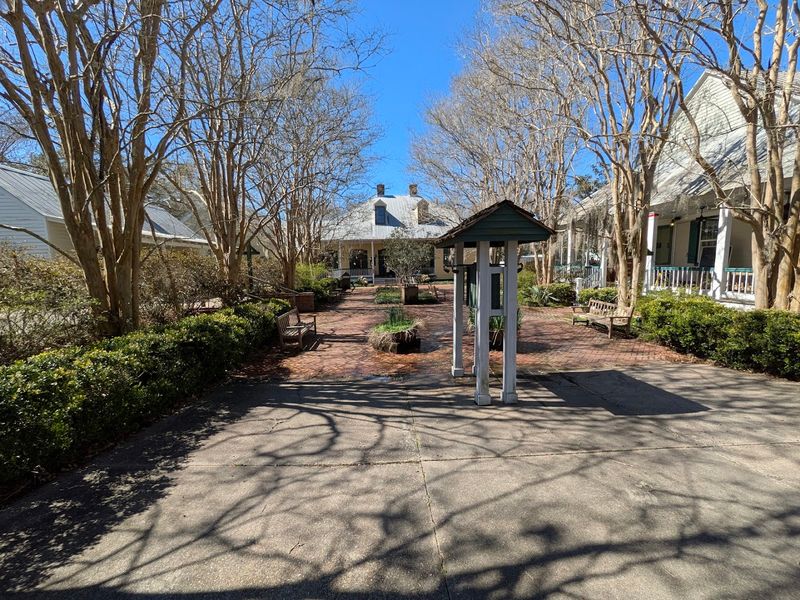
The site is wheelchair accessible with paved paths and ramps to many buildings, and the parking setup is generous enough to make arrival feel simple. Operating hours generally run from 10:00 a.m. to 4:00 p.m., Tuesday through Sunday, with last admission usually around 3:00 p.m.
Admission fees are modest, and discounts may be available for seniors, students, military visitors, and groups. Group bookings typically require advance notice, so planning ahead matters if you are not visiting casually.
Allow at least ninety minutes for a basic visit and two or more hours if you want demonstrations, lunch, and slower wandering. Comfortable shoes help, because the 23-acre site rewards movement even when the pace stays gentle.
Dining And The On-Site Restaurant
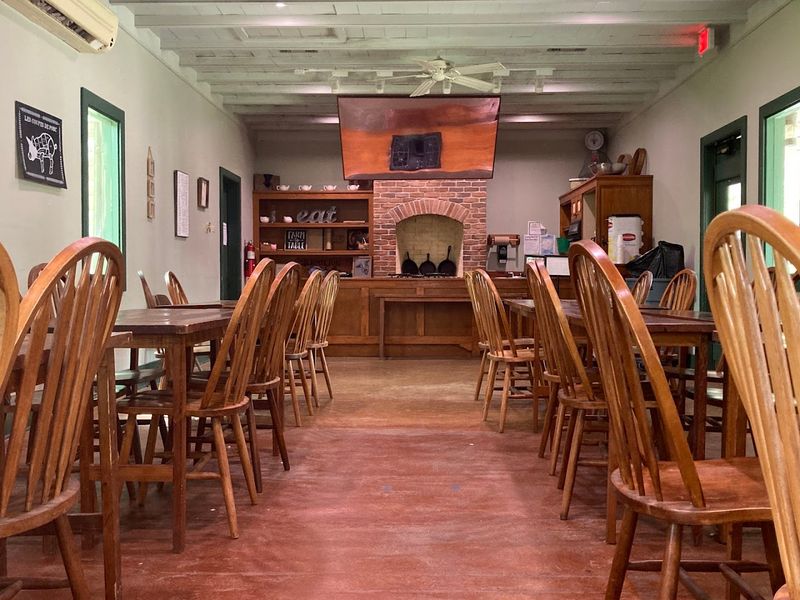
The on-site restaurant, La Cuisine de Maman, offers Cajun and Creole dishes with a view of the grounds and bayou, making it an easy place to pause during a longer visit. Menu items often reflect regional comfort food and daily specials, and many visitors appreciate not having to leave the site for lunch.
A meal here works best as part of the rhythm rather than a separate errand. You can tour, eat, rest, and return to the village with a little more patience for the smaller details.
Service times and menu options can change, so check current hours before you go. For busy weekends or group visits, consider timing your meal to avoid the noon rush.
The Gift Shop And Supporting Artisans
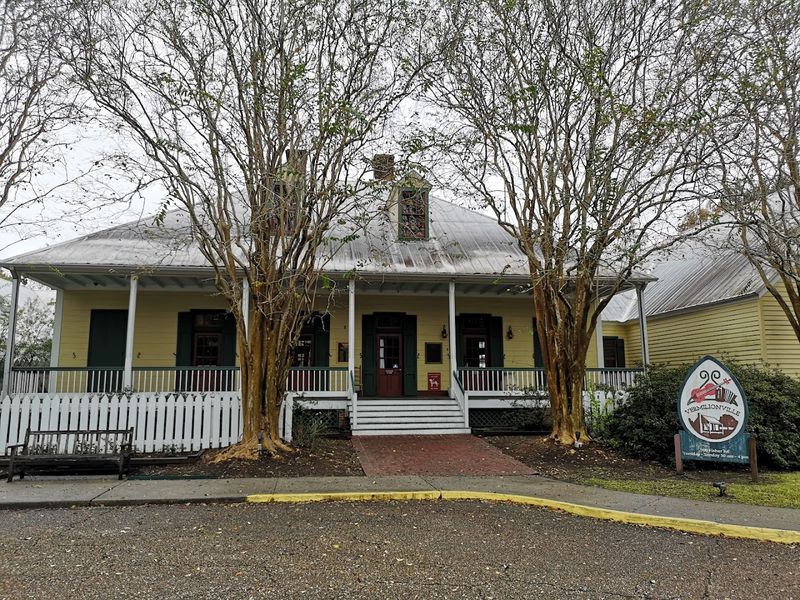
The gift shop, La Boutique, highlights local artists and artisans through crafts, books, music, and handmade goods connected to the village’s cultural focus. Items may include textiles, pottery, jewelry, publications, and other pieces that extend the experience beyond the walking paths.
Buying from the shop supports programs and helps sustain living history initiatives, so a small purchase can feel more meaningful than an ordinary souvenir. The best items often connect directly to something you saw, heard, or learned during the visit.
Browse early if you want the objects to shape what you notice later on the grounds. Gift shop staff can often recommend artist backgrounds, explain provenance, or point you toward books and music that deepen the visit.
Encounters With Animals And Groundskeeping
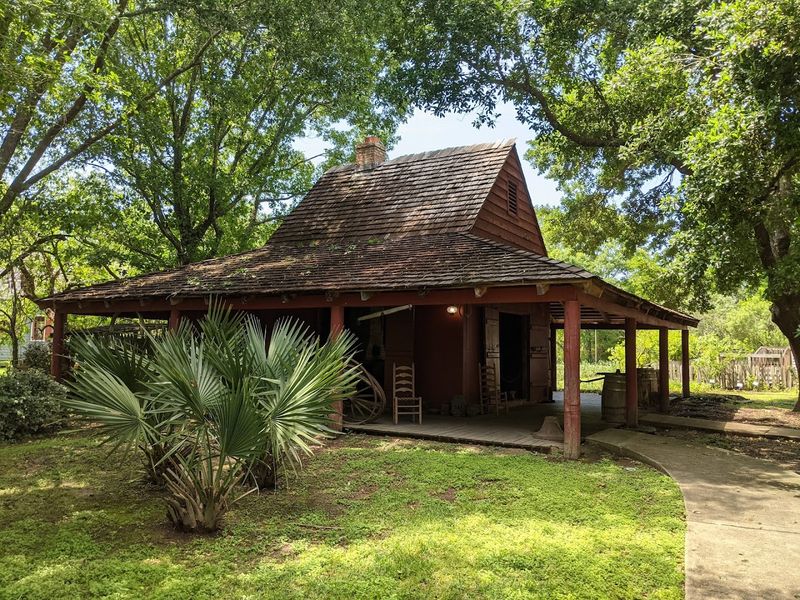
Pastoral details on the grounds, including grazing sheep and cared-for feral cats, give the village a lived-in, working feel. The animal presence is practical as well as charming, connected to grounds maintenance, pest control, and the everyday rhythms that make the site feel less sterile.
Seeing animals around the village softens the historical display with ordinary life. It reminds visitors that living history is not only about grand narratives, but also about maintenance, weather, habits, and small daily movements.
Respect animal boundaries and follow staff guidance if you encounter caretakers tending to them. If you enjoy nature, keep an eye out for birds and river life along the bayou while walking the grounds.