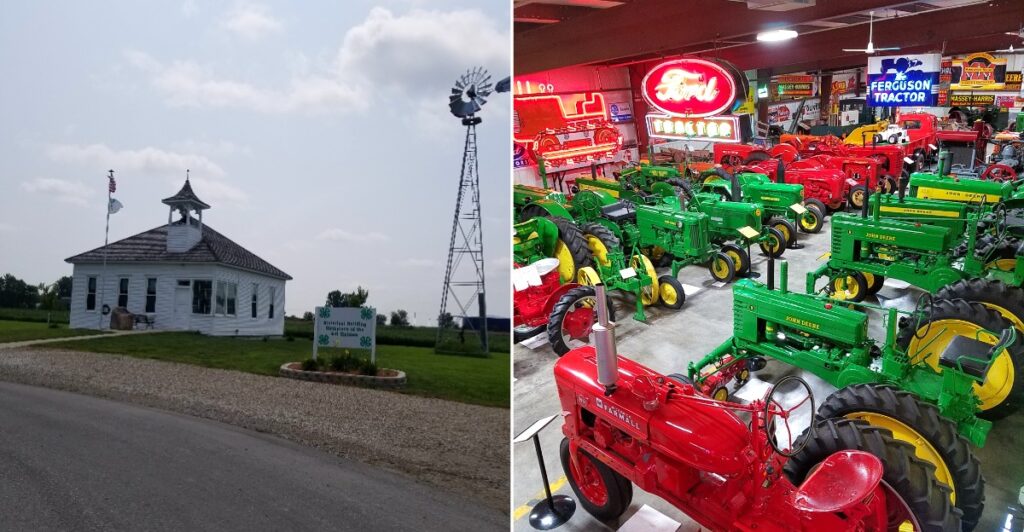
I figured this would be one of those quick roadside stops. Walk in, look around for half an hour, stretch my legs, and get back on the highway.
That plan fell apart pretty quickly.
A few antique tractors led to an indoor Main Street. Then came vintage hats, wagons, old storefronts, and shelves of teddy bears that had clearly been around much longer than I have.
How exactly do you leave after stumbling into all of that?
What surprised me most was how personal everything felt. These were not just objects lined up behind glass.
They were pieces of Iowa farm and small-town life, preserved by people who actually know the stories behind them.
By the time I finally headed back outside, my “quick stop” had turned into a full afternoon.
A Small-Town Address With A Big Surprise Inside
My expectations were modest. A town of a few thousand people, a flat grid of streets, a sign pointing toward a museum I had never heard of before that morning.
What I found was a building far larger than the town skyline suggests, with a covered front porch that practically begs you to sit down for a minute before you go in.
The porch turned out to be my favorite bookend to the whole visit. I sat there afterward, sorting through everything I had just seen, while cars rolled by at small-town speed.
Inside, the ceilings are high and the aisles are wide, because some of the items on display weigh several tons. It smells faintly of clean concrete and old metal, which is exactly right.
Nothing about the outside prepares you for how deep the collection goes. That mismatch is half the fun, and it is the reason so many travelers describe the stop as accidental.
You will find it at the Heartland Museum, 119 9th St SW, Clarion, IA 50525, tucked into Wright County in north central Iowa, an easy detour off Interstate 35 toward the west.
Rows And Rows Of Antique Tractors
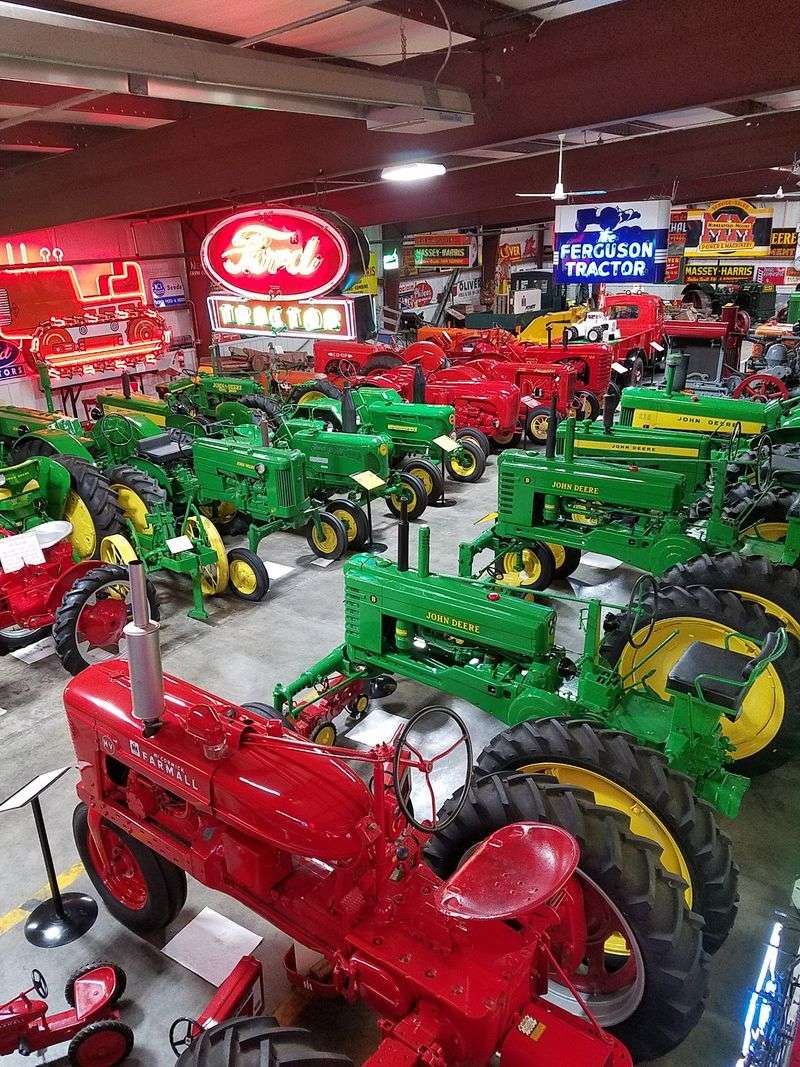
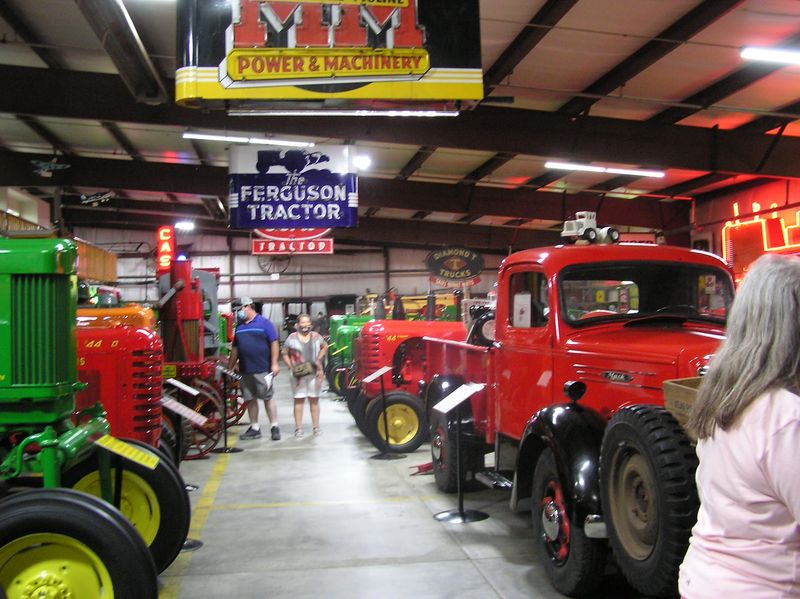
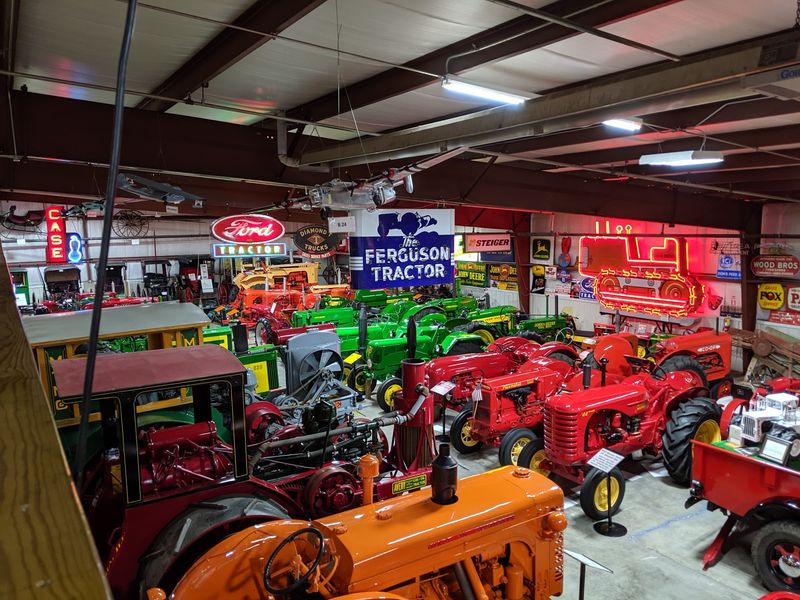
Tractors are the headline act here, and the numbers are not shy. I lost count somewhere past the second row, which I am told happens to most visitors.
Green ones, red ones, orange ones, some restored to a shine that would embarrass a new car, others left honest and weathered so you can see the working years on them.
I am not a farmer. I still stood there for a long time reading placards about horsepower, steel wheels, and the shift from horse teams to engines.
The arrangement helps. Machines are grouped so you can watch the technology move forward as you walk, from cranky early models to the big cabbed giants of later decades.
Fair warning for anyone chasing a specific legend: the enormous Big Bud tractor that once drew crowds here has returned to Montana. The museum is upfront about that now.
Plenty of unusual and rare machines remain, and the volunteers are happy to point out which ones collectors travel across states to see.
My advice is simple. Give this hall more time than you think you need, because the details reward slow walking.
The Indoor Main Street That Feels Borrowed From 1910
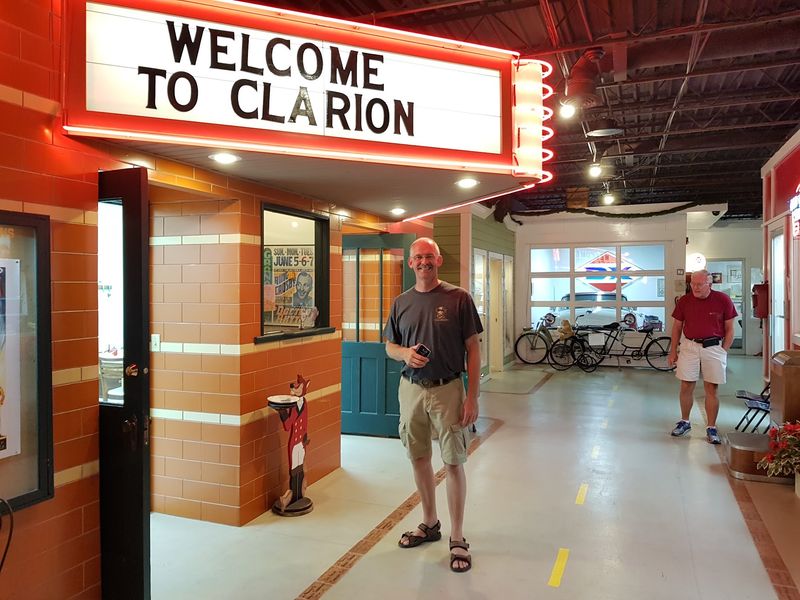
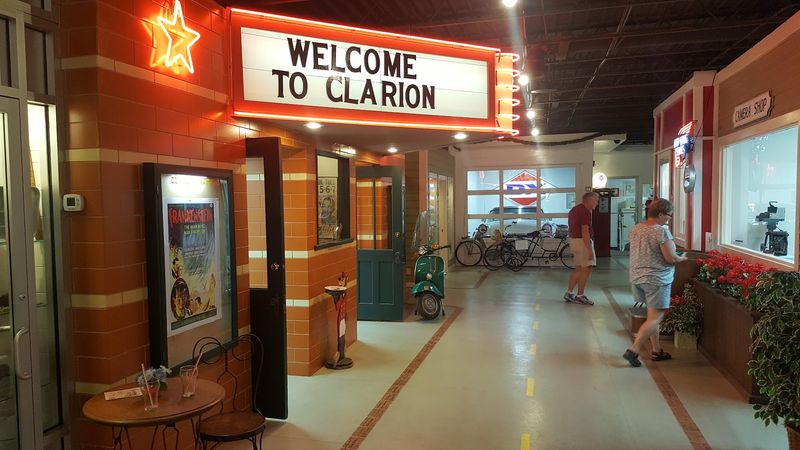
Turn a corner and suddenly there are storefronts. Real ones, built inside the building, complete with windows, signs, and doorways you are allowed to walk through.
That last part matters. Being able to step inside the displays instead of squinting at them from behind a rope changes how the whole thing lands.
I wandered into a general store stocked with tins and boxes, peeked at a barber setup, and studied a printing operation that made me appreciate my keyboard.
There is even an old jail cell, which gives you a quick education in how uncomfortable law enforcement used to be in the 1800s.
Each shop front represents a piece of how daily life actually worked before highways and big-box stores rearranged everything. Groceries, mail, medicine, haircuts, all within a few blocks.
Kids seem to love this section most, because it feels like a set they are allowed to explore rather than a lecture they have to endure.
I left with a new respect for how much a small town had to provide for itself. Main Street was the whole internet back then.
Hats, Dresses, And Teddy Bears In The Themed Rooms
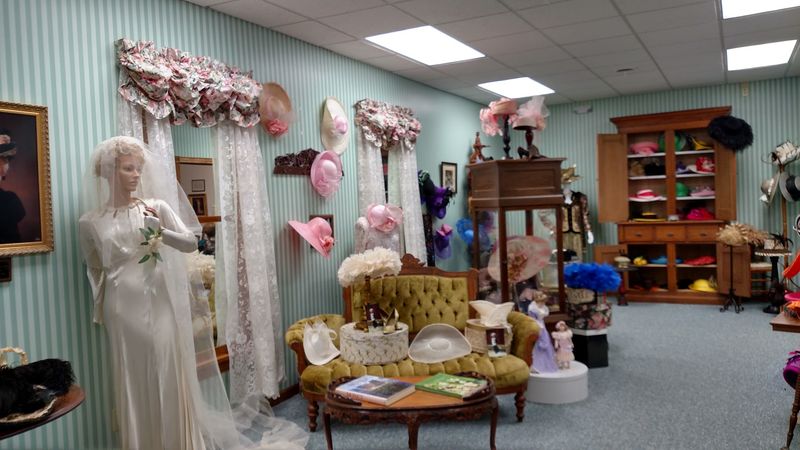
Not everything here runs on diesel. Several rooms are dedicated to the softer side of local history, and they are far more interesting than I expected.
The hat collection genuinely stopped me. Dozens of them, arranged by era, from wide brims loaded with fabric flowers to tidy little caps with netting.
Nearby hang dresses that show how fashion changed decade by decade, and how much work went into clothing before shopping became a two-day delivery.
Then there are the teddy bears. Shelves of them, worn at the seams, some clearly hugged by several generations of the same family.
I overheard a grandmother explaining to her granddaughter which bear looked like the one she had as a girl. That moment summed up the room.
Families with kids of different interests do well here, because one group can lose themselves in machinery while another tries on the past in these rooms.
It is a reminder that history is not only engines and dates. Sometimes it is a hat box and a stuffed bear with one eye missing.
Buggies, Wagons, And The Age Before Engines
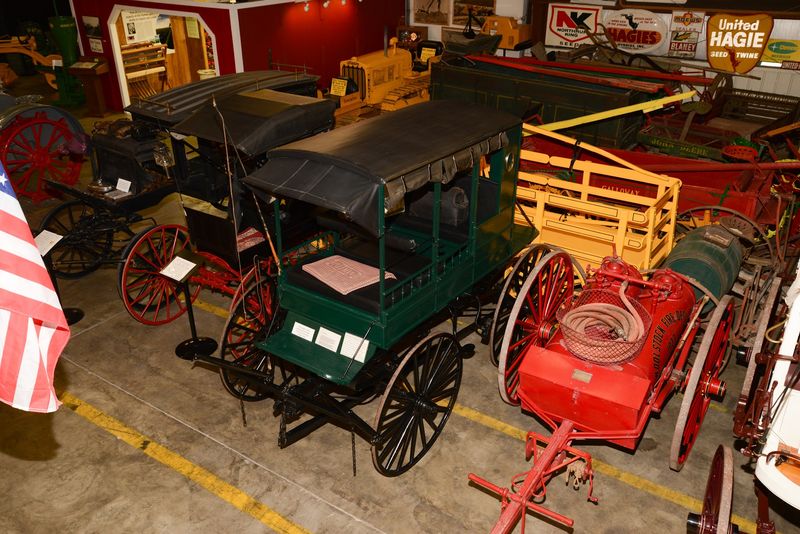
Before tractors took over the fields, everything moved on wooden wheels. That era gets real space here, and it deserves it.
I counted buggies, surreys, freight wagons, and delivery carts, several with fringed tops and seats narrow enough to make you rethink romantic carriage rides.
What struck me was the craftsmanship. Spoked wheels, curved wooden frames, hand-painted striping, all built by people working without power tools.
Some of the wagons show honest wear on the axles and boards, which tells you they hauled grain and groceries rather than sitting pretty in a barn.
A volunteer explained how a family might own one buggy for Sunday trips and one rough wagon for everything else. Practical and unglamorous.
Standing between the buggy display and the tractor hall gives you the clearest sense of how fast rural life changed in about fifty years.
Horses to horsepower, all under one roof, with no exaggeration needed to make the point.
I walked out of that section thinking about how much patience travel used to require, and feeling slightly guilty about complaining over traffic lights.
Farm Toys And Miniature Trains For Serious Collectors
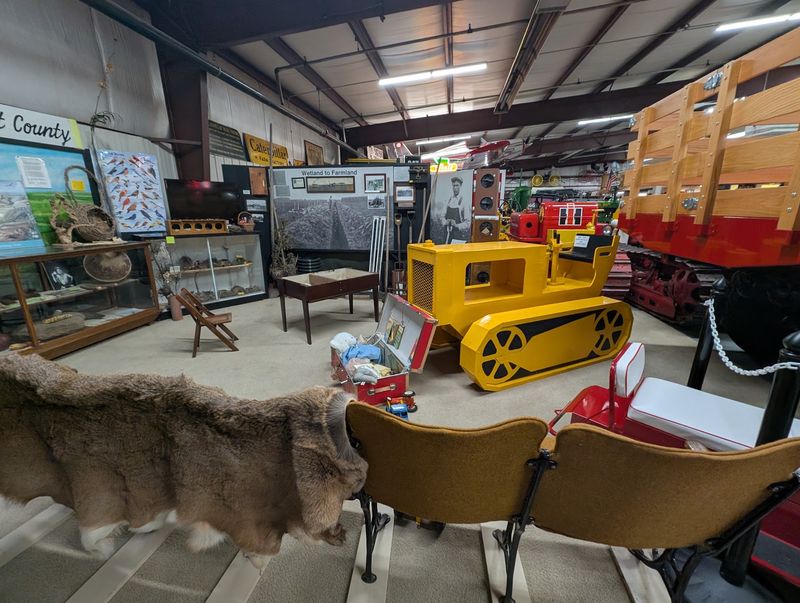
Grown adults were pressed against the glass in this section, and I understood immediately.
Cases hold hundreds of farm toys, tiny tractors and implements in the same colors as the full-size ones standing a few rooms away.
Some are factory made collectibles still in remarkable shape. Others are handcrafted, with detail work so fine you can spot individual bolts and hitch pins.
The model train layouts pulled me in next. Small engines running through miniature countryside, past grain elevators and little crossings.
I have a soft spot for anything built with that much patience, and somebody clearly spent years getting these right.
Children tend to sprint to this area, then slow down once they realize how much there is to find inside each case.
It also works as a nice breather. After walking among massive machinery, the scale shift is genuinely refreshing.
Collectors should budget extra time and maybe bring reading glasses, because the labels and details are worth the squint.
I left convinced that the toys tell the same story as the tractors, just in a form you could carry home in a shoebox.
Volunteers Who Turn A Walkthrough Into A Conversation
The people here make the difference, and I say that as someone who usually prefers to read signs in peace.
A volunteer greeted me at the door, asked where I was from, then offered to walk me through the highlights. I said yes and never regretted it.
What followed was less tour and more storytelling. Which family donated which machine, why a certain truck mattered, what a tool was actually used for.
These are folks with real memories attached to the objects. That is something no audio guide can fake.
They open on cold January days for two visitors. They light up when school groups arrive.
The pride in the town is completely obvious.
If you have questions, ask them. If you have a lot of questions, ask anyway, because they seem happiest when someone is curious.
Kids often leave with small goodie bags, a thoughtful touch that buys parents a peaceful hour of driving afterward.
I came in as a stranger looking for a break from the road and left feeling like I had visited somebody’s extended family.
Wright County Stories And The One-Room Schoolhouse Connection
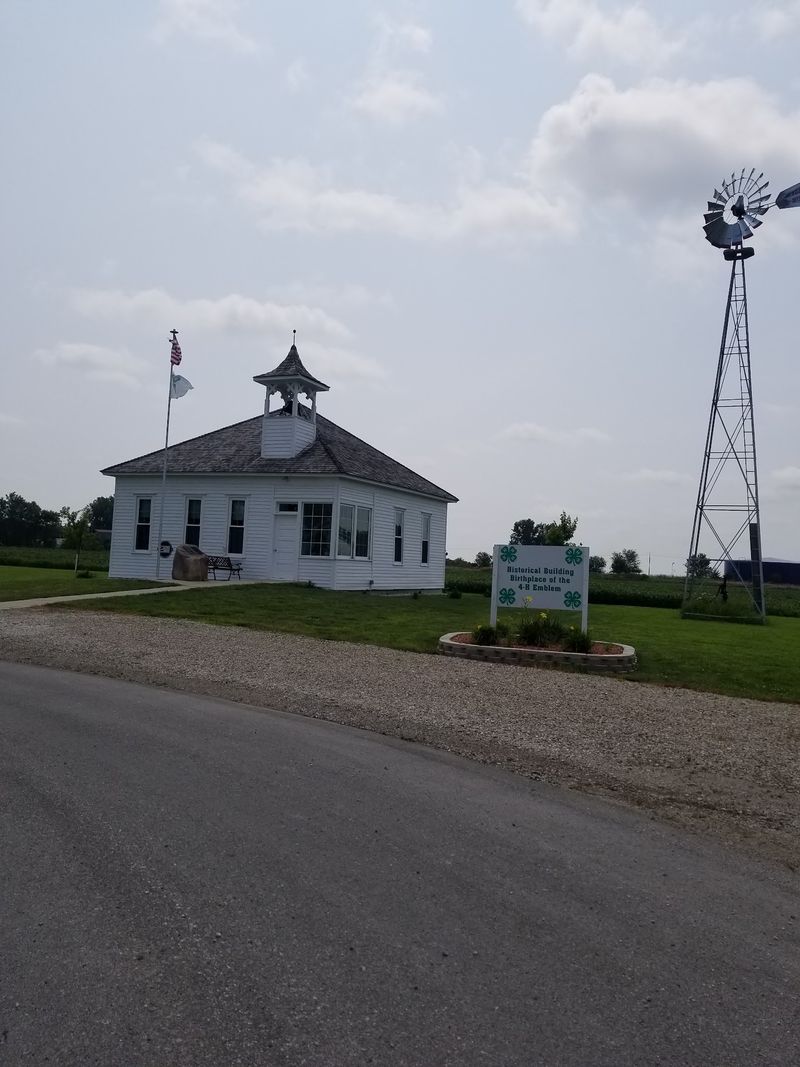
Local history here is not an afterthought tacked onto the machinery. It is a genuine focus, covering rural and small-town life in Wright County from roughly 1850 through 1950.
Displays cover schools, churches, businesses, and the households that kept all of it running. Photographs, documents, tools, everyday objects.
The one-room schoolhouse piece fascinated me most. A single room, one teacher, students of wildly different ages learning together.
There is also a proud local claim connected to the 4-H emblem and a schoolhouse tied to its origins, a detail that surprised me completely.
Reading about it, I kept thinking how much a small community can contribute to something that eventually spread nationwide.
The exhibits are well organized rather than crowded, so you can follow a storyline instead of drowning in artifacts.
Labels are clear and written for regular people, not academics, which I appreciated after a long morning of driving.
By the end I knew more about this corner of Iowa than I know about towns I have driven through a dozen times.
That is a solid return on an afternoon and a modest admission.
Vintage Automobiles And Trucks With Personal Histories
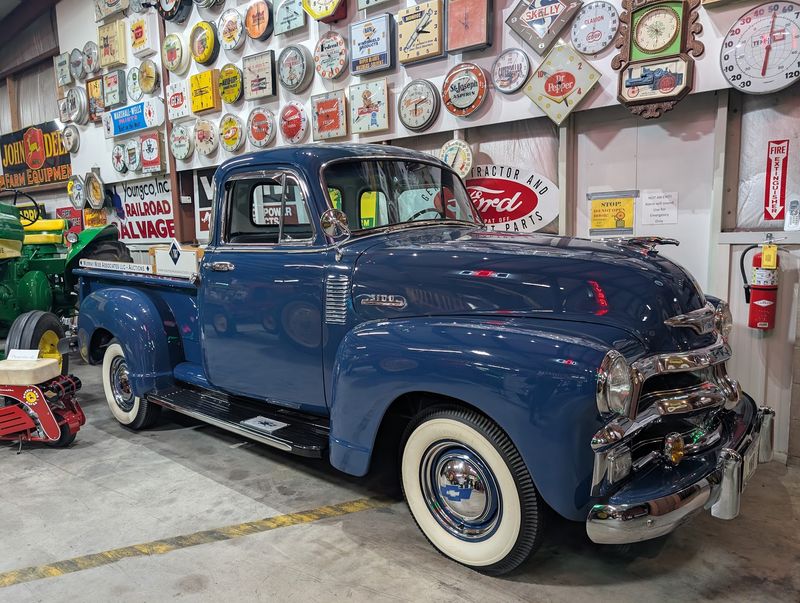
Cars sneak up on you here. You come for tractors and find a respectable lineup of automobiles and trucks parked along the way.
Early models with high roofs and skinny tires sit near later sedans and pickups, tracing how rural families finally got mobile.
Several vehicles came from local owners, and the stories attached to them are the best part.
One truck in particular was donated by a longtime volunteer, and hearing how it ended up in the collection was a highlight of my visit.
Chrome gets polished, tires look cared for, and nothing feels neglected. Somebody is clearly checking on these regularly.
I liked how the cars sit close to the recreated storefronts, since both belong to the same chapter of small-town life.
Ask about a specific vehicle if one catches your eye. The answer usually involves a family name and a stretch of gravel road nearby.
For anyone who grew up around older vehicles, this corner will trigger a serious wave of memory.
I took more photos here than anywhere else, which surprised me given the tractor competition next door.
Planning Your Visit Without Rushing It
Here is the practical part, because I made the classic mistake of underestimating the time needed.
Plan on two to three hours minimum. If you are the type who reads every label, block out most of a day.
The museum is open year-round by appointment. Its regular 2026 summer season ran from May 27 through September 5, with hours Wednesday through Saturday from 10 a.m. to 4 p.m. and last admission at 2 p.m.
Wear comfortable shoes. The floors are smooth and easy to navigate, but the distances inside add up quickly.
Tractor shows, conventions, and auctions occasionally bring extra crowds and extra machinery, which can be a bonus if you enjoy the energy.
Outside the regular summer season, call ahead to arrange your visit.
Admission is $12 for adults, $6 for children ages 6 through 13, and free for children 5 and under.
The museum sits west of Interstate 35, reachable by heading toward Clarion on Iowa Highway 3 from around exit 165.
Consider it a planned stop rather than a quick break, and you will get far more out of it.