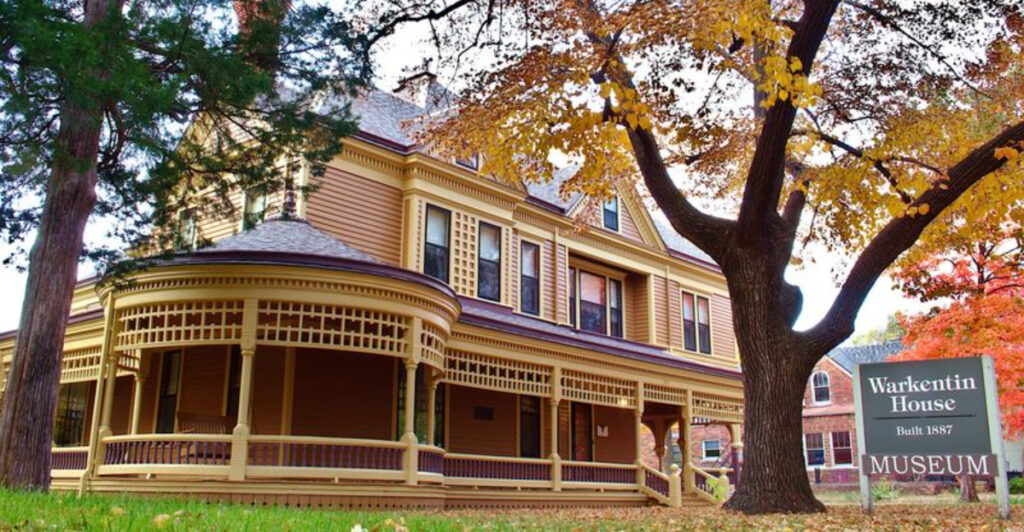
Kansas is not usually the first place people picture when the Gilded Age comes up, which makes this mansion especially intriguing.
Behind its historic walls is a glimpse of a time when homes were built to impress and details mattered enormously. The house has survived long enough to become more than an old residence.
It now offers a rare look at the kind of elegance that once shaped a very different chapter of Kansas history. What makes the visit memorable is the sense that the past has not been completely polished away.
You can imagine the conversations, routines, and celebrations that once filled the rooms without needing much help from your imagination.
Historic houses always make me slow down. I catch myself studying small details and wondering who touched the same doors or looked through the same windows generations ago.
By the time I leave, I usually know far more about strangers from the past than I expected to care about.
A Wheat Miller Built It, And He Changed Kansas Farming
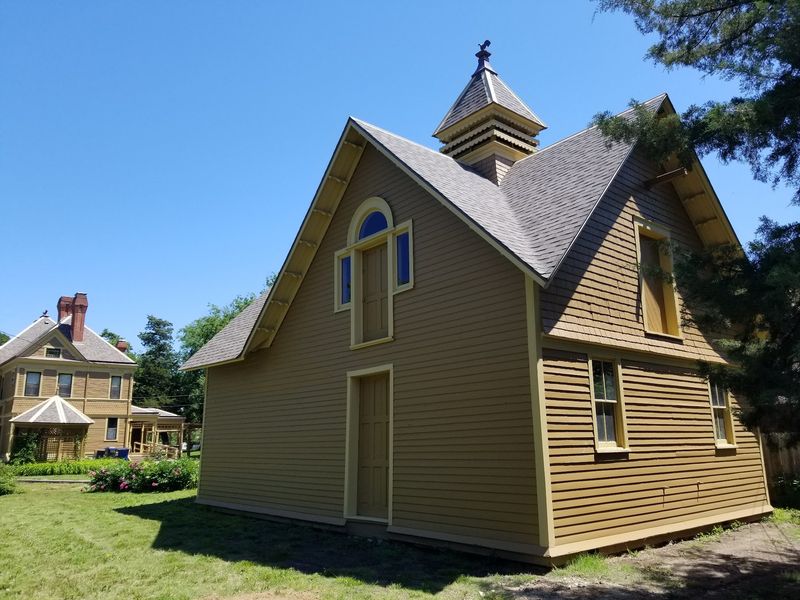
Behind the brickwork stands a man who arrived in central Kansas from Ukraine in the 1870s and brought serious milling ambition with him.
Bernhard Warkentin became one of the region’s most important flour millers, and his name is tied to the spread of hard winter wheat across the plains. That grain thrived in Kansas soil and winters, and it helped turn the state into a wheat powerhouse that still fills grain elevators today.
The house I toured was built on that success, finished in 1887 as a showpiece for a family whose fortune came from milling and seed.
What struck me most is how the story connects a fancy parlor to the fields outside town. The chandeliers and imported marble exist because of bread flour, plain and simple.
Guides here explain that link clearly, so even visitors who arrive for pretty rooms leave understanding a chunk of agricultural history.
It is one of the few mansions where farming and finery share the same address.
Woodwork That Makes Visitors Stop Mid-Sentence
Nobody warned me that I would spend ten minutes staring at a banister.
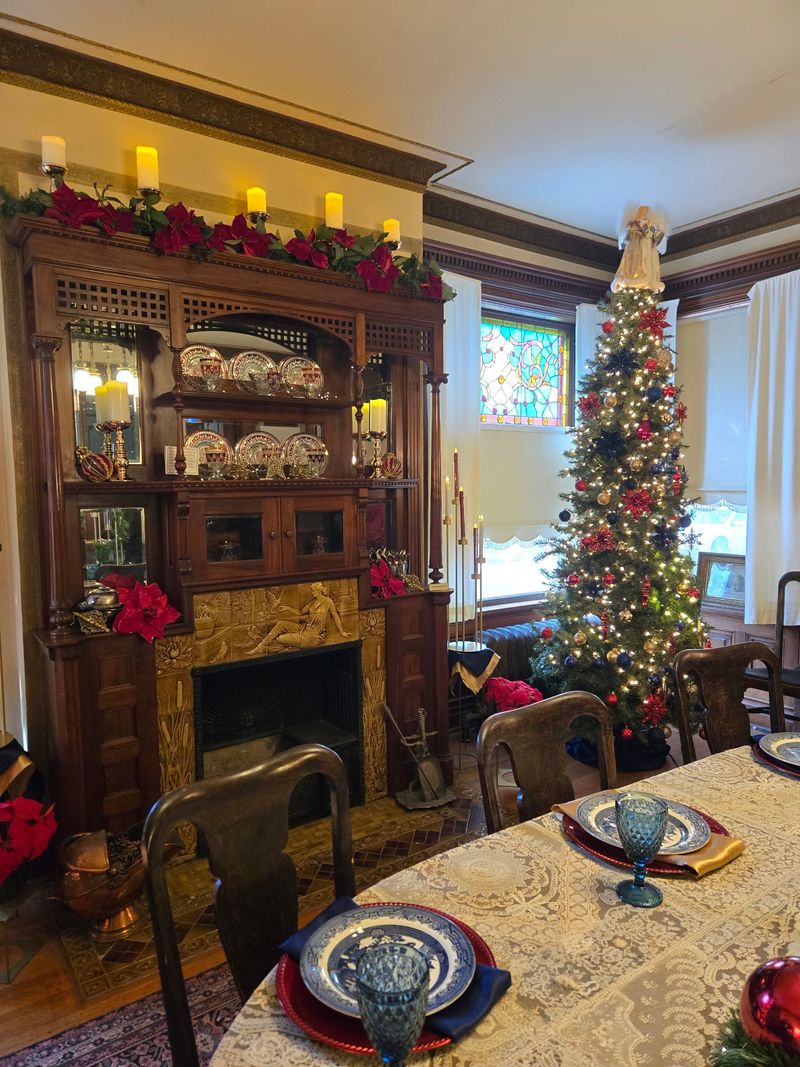
The interior woodwork is the detail people mention again and again, and it deserves the attention. Carved newel posts, layered trim, paneled wainscoting, and doors with hardware that looks like jewelry all survive in remarkable shape.
Different rooms show off different species of wood, a common Victorian flex meant to prove the owner could afford variety instead of uniformity.
Because the house was never gutted or modernized into apartments, the original craftsmanship stayed put. Run your eyes along the ceiling edges and you will find plasterwork and stenciling that would cost a fortune to recreate now.
Photographers should note the light shifts quickly through the tall windows, so afternoon visits give warmer tones on the darker walnut.
My advice is simple: slow down in the entry hall before the tour moves on.
That first staircase sets the tone for everything else waiting upstairs.
Almost Everything Inside Is Original To The Family
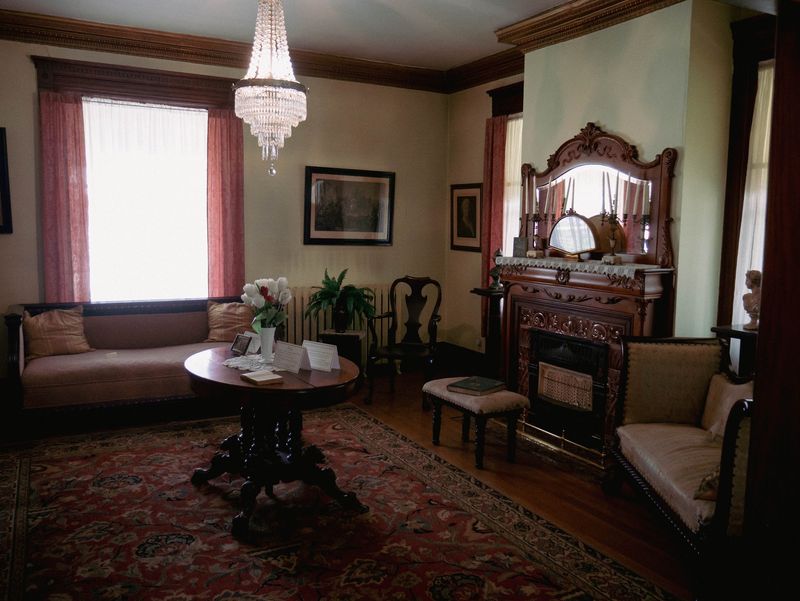
Here is the part that separates this place from most historic homes I have walked through: the furniture belongs here.
A large share of the contents are original pieces the family owned and used, not donated look-alikes gathered from antique shops. Beds, dressers, dishware, marble accents, and decorative objects sourced from Europe and beyond still sit where they were meant to sit.
Wallpaper patterns, light fixtures, and even some window treatments reflect the original scheme rather than a designer’s guess.
That authenticity changes how the rooms feel. Instead of a staged set, you get a household frozen partway through an ordinary week.
Look for small human touches, like personal items on a bedroom dresser or china arranged for a meal that never got served.
Photography rules can vary, so ask before snapping interiors.
Honestly, the collection is the reason this Kansas landmark ranks among the best preserved Gilded Age interiors anywhere on the plains.
Seasonal Hours Keep The Tour Schedule Tight
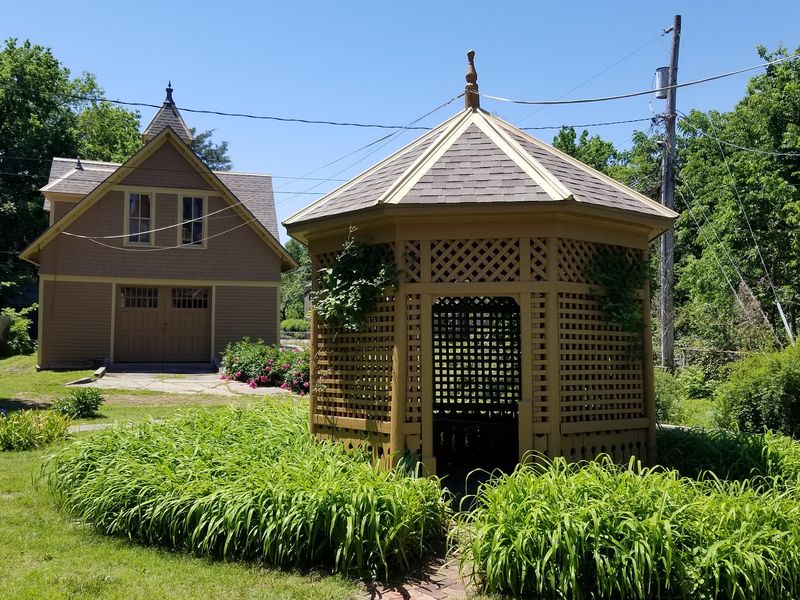
Plan carefully, because this is not a drop-in-anytime attraction.
From June through August, doors open Friday through Sunday from 1 PM to 4:30 PM.
April through May and September through December shift to Saturday and Sunday afternoons, while January through March is by advance appointment only.
Arriving right at opening gives the best odds of a relaxed walkthrough with time for questions.
Tours are guided, which means the pace depends partly on how many people show up. Show up near 4 PM and you may feel rushed through the upper floors, and those rooms are worth lingering in.
Groups can sometimes arrange visits outside standard hours, useful for clubs, classes, or family reunions passing through central Kansas. I budgeted about an hour and wished for ninety minutes.
Treat the narrow window as motivation rather than an obstacle, and the seasonal timing becomes an easy anchor for a day trip
Guides Who Know The Family Like Neighbors
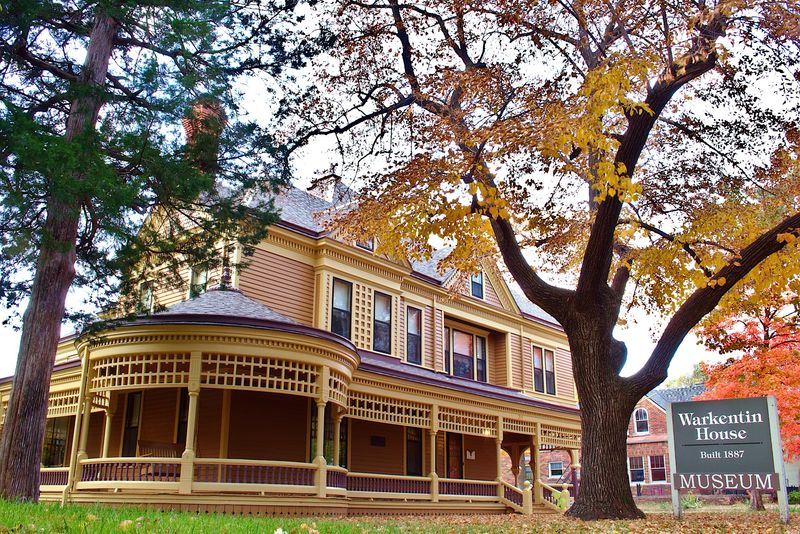
Something clicks when the person leading you around actually cares.
Docents here know the family tree, the building dates, the architectural quirks, and the odd little rumors that come with any house this old.
Ask about a specific chair or a portrait and you generally get a real answer instead of a shrug. They also explain how the household ran, from kitchen routines to which rooms guests were allowed to see.
My favorite moments came from questions I did not plan. One detail about a bedroom fixture turned into a five-minute explanation of early plumbing and heating in 1880s Kansas homes.
Bring curiosity and you will get far more than the standard script. Admission is free, and voluntary donations genuinely matter for upkeep on a structure of this size.
Toss in more than you think is fair, because keeping original plaster and woodwork stable is expensive work that never really finishes.
Modern Comforts That Were Cutting Edge In 1887
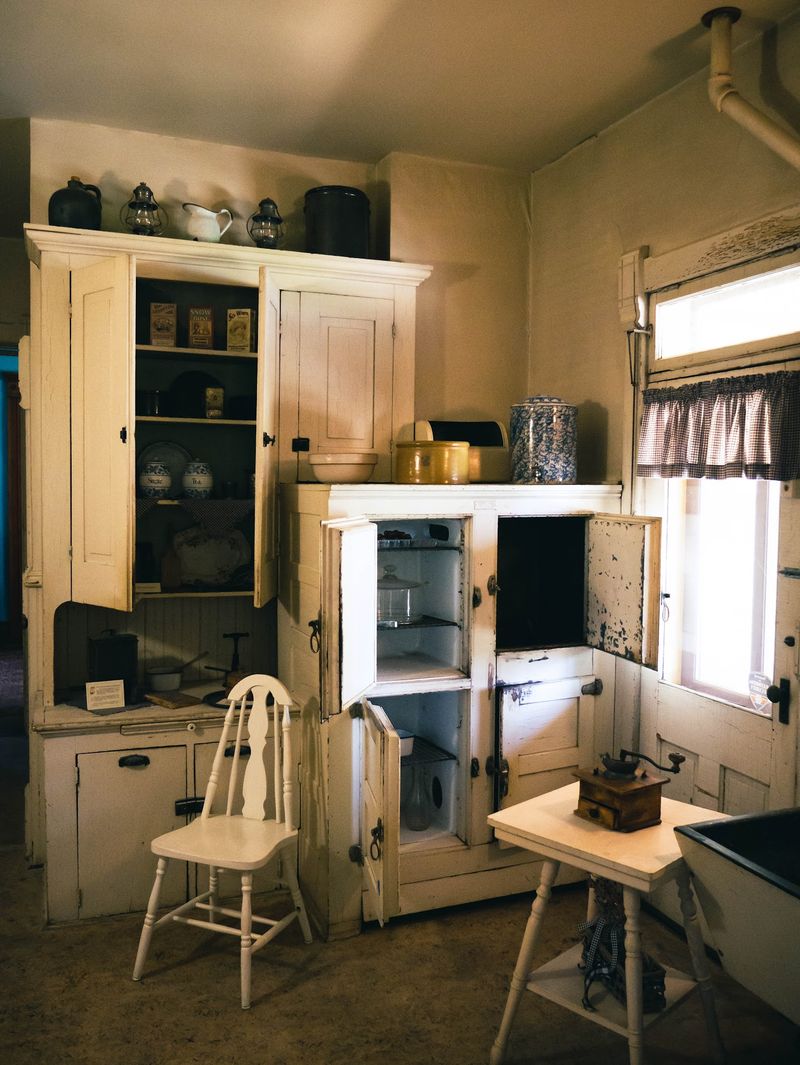
Rich families in the 1880s loved gadgets, and this household was no exception.
When the house went up, it included features most prairie homes could only dream about, including gas lighting and a central heating system.
Indoor plumbing with hot and cold water was added two years after the house was completed.
Servant call bells connected the family rooms to the working areas, a low-tech intercom that still fascinates visitors.
Seeing those systems in place explains how luxurious the property was for its moment. Neighbors were still pumping water outside while this family eventually turned a tap.
Ask your guide to point out original fixtures, since several remain in the bathrooms and hallways.
The blend of ornate style and practical engineering is what makes the tour interesting even for people who normally skip old houses.
I left thinking about how ambitious it was to build something this advanced on the Kansas prairie before the century turned.
The City Owns It, And The Community Keeps It Standing
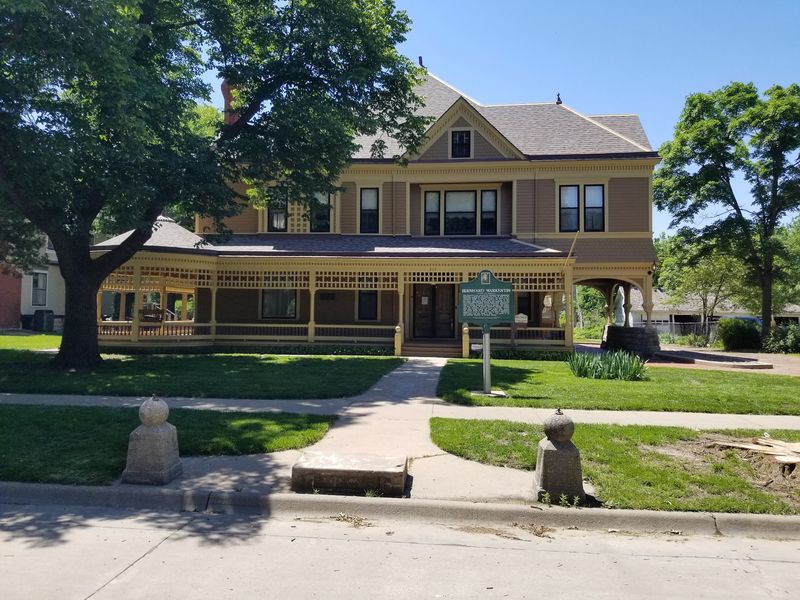
Ownership matters more than people expect with old buildings.
The property passed to the city of Newton decades ago and has operated as a house museum ever since, supported by volunteers, donations, and local preservation efforts.
It carries a listing on the National Register of Historic Places, recognition earned through its architecture and its connection to regional agricultural history. Maintenance is an ongoing project rather than a finished job.
Roofs, foundations, plaster, and original wood all demand attention, and funding rarely stretches as far as the wish list. Small voluntary donations, gift purchases, and event rentals help cover the gap.
Volunteers handle much of the day-to-day work, which explains the limited seasonal hours. Knowing that changed how I moved through the rooms, with a little more respect for the railings and rugs.
If preservation interests you, this is a case study in how one small Kansas community holds onto something irreplaceable.
Pair The Visit With A Newton Walking Loop
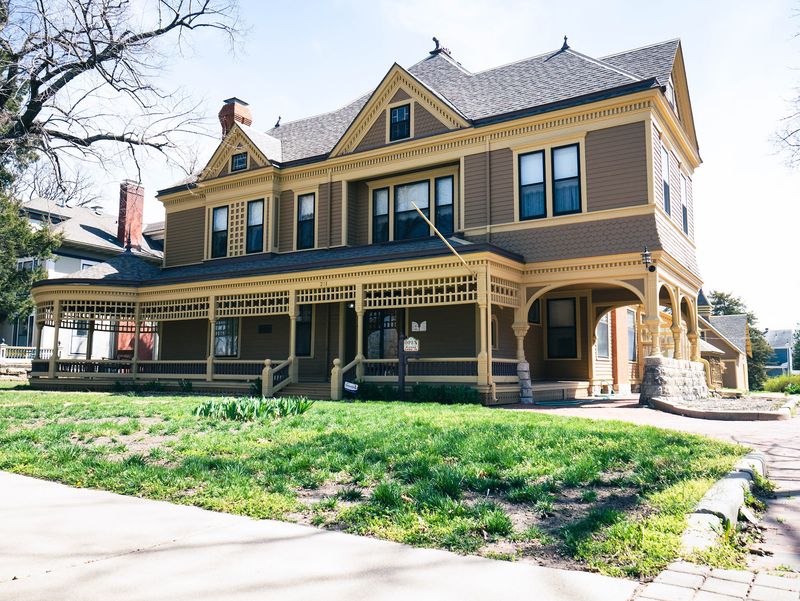
One mansion makes a fine afternoon, but the surrounding blocks sweeten the trip.
The house sits at 211 E 1st St in Newton, Kansas, within easy walking distance of downtown streets lined with brick storefronts, local shops, and cafes. Newton grew as a railroad town, and that heritage shows in nearby buildings and rail-related landmarks.
The area also carries deep Mennonite settlement history, closely tied to the wheat story that built this very house.
Parking is simple, usually along the street, and the neighborhood is quiet enough for a relaxed stroll before or after your tour.
Wichita sits about half an hour south, making the whole thing an easy detour off I-135 for road trippers.
Comfortable shoes help, since staircases and sidewalks both get used.
Between the woodwork inside and the small-town charm outside, this corner of Kansas delivers far more than a quick photo stop.