A 33-year-old widow drew up the plans for this whole town back in 1829. She sold lots to Acadian settlers, and the streets she imagined are still lined with history today.
Then there’s the coffee. One favorite spot pours its cups inside an old pharmacy. The original wooden pharmacy counter is still standing, which feels like a wink from the past.
I like how this little Louisiana town treats its bayou like a main character. Bridges cross it, a giant granite snake sculpture tells its legend, and an old footbridge now hosts music and fishing.
I believe the best trips mix a good walk with a good drink. This place seems built for exactly that. Where do you start, and how many coffee breaks are too many?
East Bridge Street Crosses Into Bayou Country
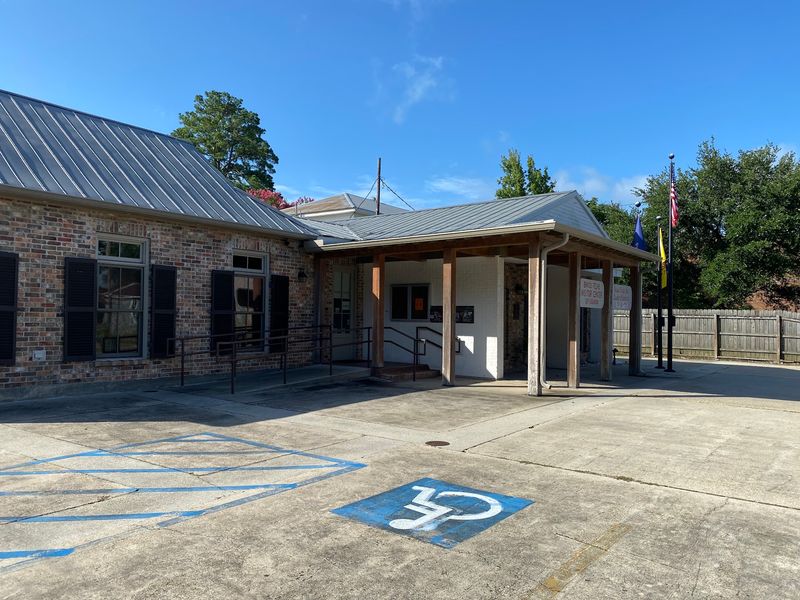
Breaux Bridge sits along Bayou Teche in south-central Louisiana, just east of Lafayette. From Interstate 10, take Exit 109 and head into town toward the historic Bridge Street corridor.
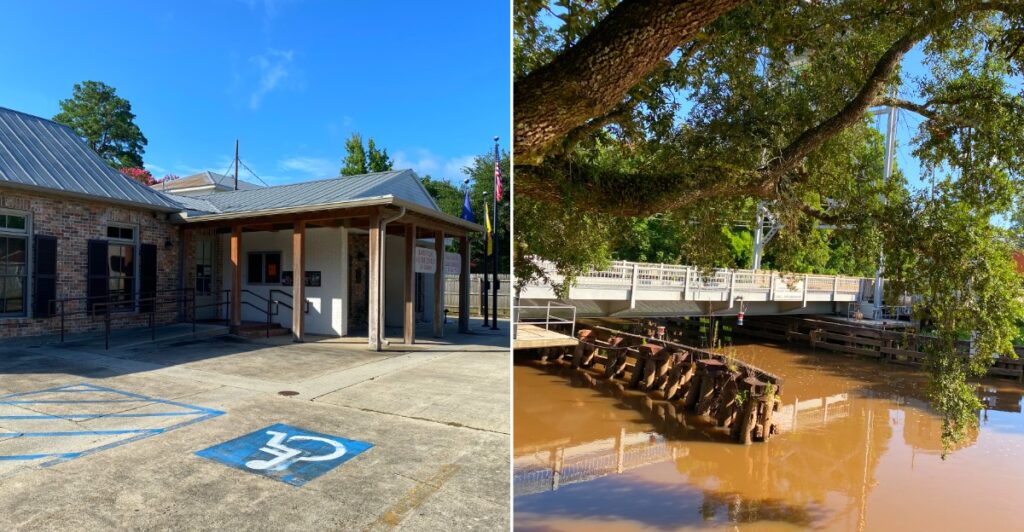
The bridge over Bayou Teche and old downtown storefronts provide a clear final landmark. The Bayou Teche Visitors Center at 314 East Bridge Street is an arrival anchor within walking distance of the central district.
Park legally near the downtown shops and explore on foot, or stop at the visitor center during weekday office hours for a map. Individual coffee shops keep their own hours, so check them before planning a particular stop.
Your Latte Comes With A Side Of Pharmacy History
Once upon a time, folks came to this building for medicine. Now they come for coffee, and honestly, some might call that a cure too.
Pont Breaux Coffee House sits at 113 S Main St in a restored building that once held Patin’s Pharmacy. The original wooden pharmacy counter still stands inside, giving the room a cozy, authentic charm.
That counter is the star of the show. It connects your morning cup to generations of neighbors who leaned on the same spot for very different reasons.
The coffee house calls itself an independent cafe roaster. It crafts coffee and tea using premium, specialty-grade beans, so this isn’t a quick, forgettable pour.
Local pride shows up in the cup too. The shop features locally roasted coffee through a roaster named Tommy Faulk of Rue de Cafe.
Early birds, rejoice. Pont Breaux Coffee House opens daily from 6 a.m. to 6 p.m., which makes it easy to fit into almost any walking plan.
The space aims to feel familiar, friendly, and tied to the community. It’s the kind of place that nudges you to slow down and actually taste what you ordered.
Boudin Pies Might Steal The Spotlight From Your Coffee
Coffee is wonderful, but a boudin pie is a very Louisiana way to round it out. Pont Breaux Coffee House makes its food in-house, and that list includes locally sourced boudin pies.
Boudin is a beloved Cajun favorite, so finding it tucked inside a pie feels perfectly on brand. It’s a hearty choice for anyone planning a long walk along the bayou streets.
Prefer something lighter? The shop also offers fruit parfaits made with a family granola recipe.
That family recipe detail matters. It tells you the menu has personal roots, not just a stack of store-bought snacks.
Here’s a smart plan. Pick up a bite here before heading out with your walking tour map, since a full stomach makes history much more fun.
Splitting one savory item and one sweet item is another easy strategy. You’ll get a taste of both sides of the menu without slowing your stroll.
Remember, this is a town famous for food. A morning snack at Pont Breaux Coffee House is a gentle warm-up for the Cajun meals waiting later in the day.
A Widow With A Plan Built This Whole Town
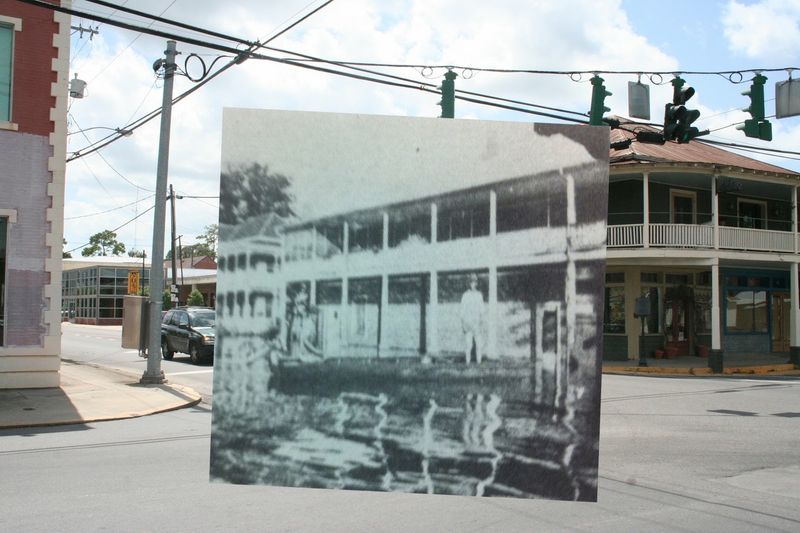
History buffs, this part is for you. Breaux Bridge was officially founded in 1829 by Scholastique Picou Breaux, the 33-year-old widow of Agricole Breaux.
She didn’t just inherit land and sit still. She drew up plans for the city and sold lots to Acadian settlers, shaping the town you can walk today.
The family story goes back even further. Acadian pioneer Firmin Breaux began acquiring the land in 1771.
Firmin also built the first suspension footbridge across Bayou Teche in 1799. He wanted to make crossing easier for his family and neighbors.
Then his son Agricole stepped up in 1817. He built the first vehicular bridge, which let wagons cross and helped trade grow.
That bridge changed everything. Breaux Bridge could develop on both sides of the Bayou Teche at the same time, which is pretty rare for a small Louisiana town.
So the name isn’t random at all. It honors a family and a bridge that tied a community together across the water.
Keep that in mind as you cross the bayou. You’re following a path this family first opened more than two centuries ago.
Two Bridges, One Bayou, And A Stage Over The Water
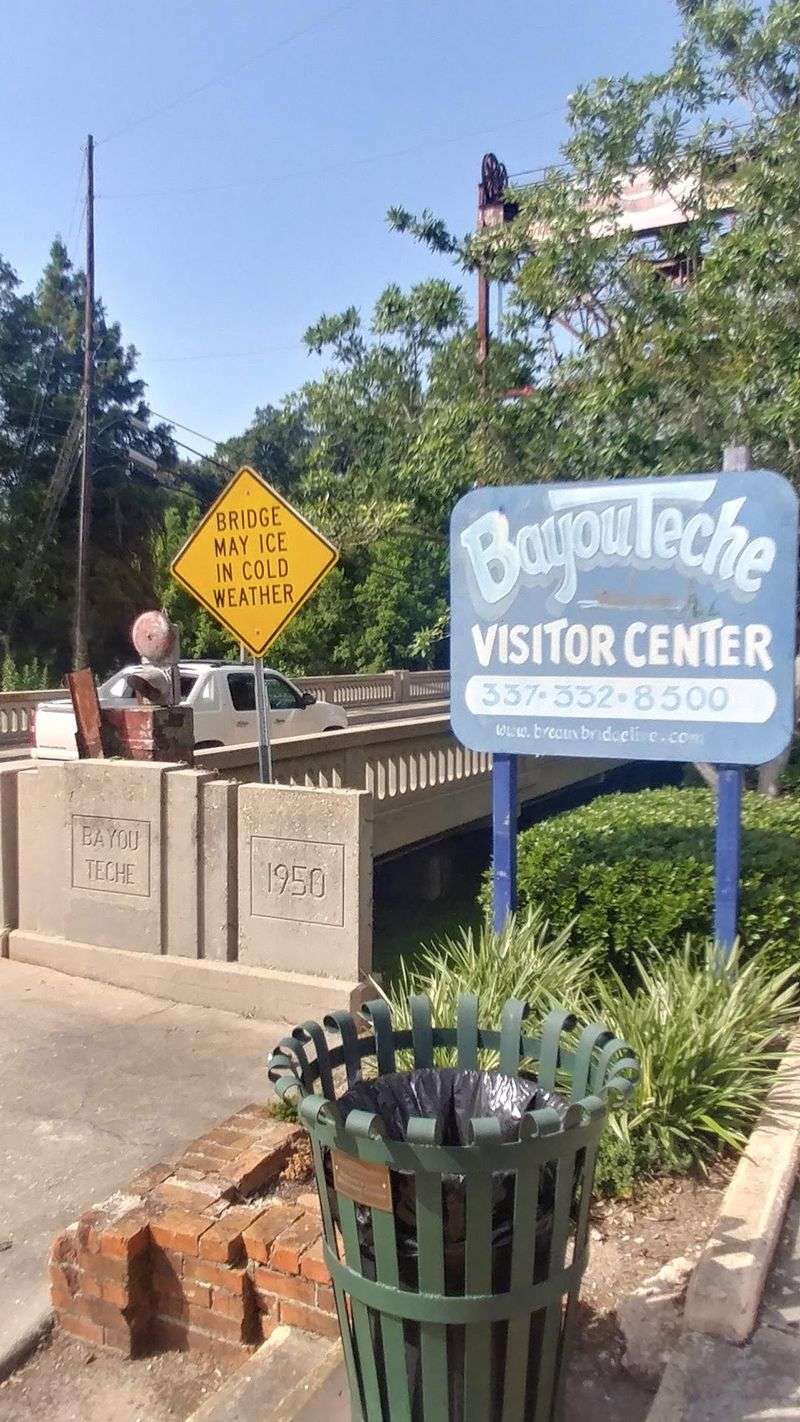
Most towns have a bridge. Breaux Bridge has a whole cast of them, and each one plays a role.
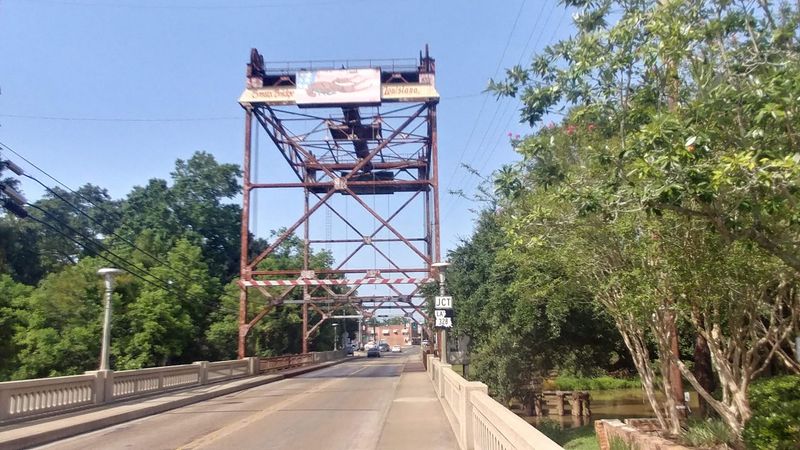
The iconic 1950 vehicular bridge is the one you’ll likely spot first from the visitors center. It’s a classic sight over the Bayou Teche and a favorite photo backdrop.
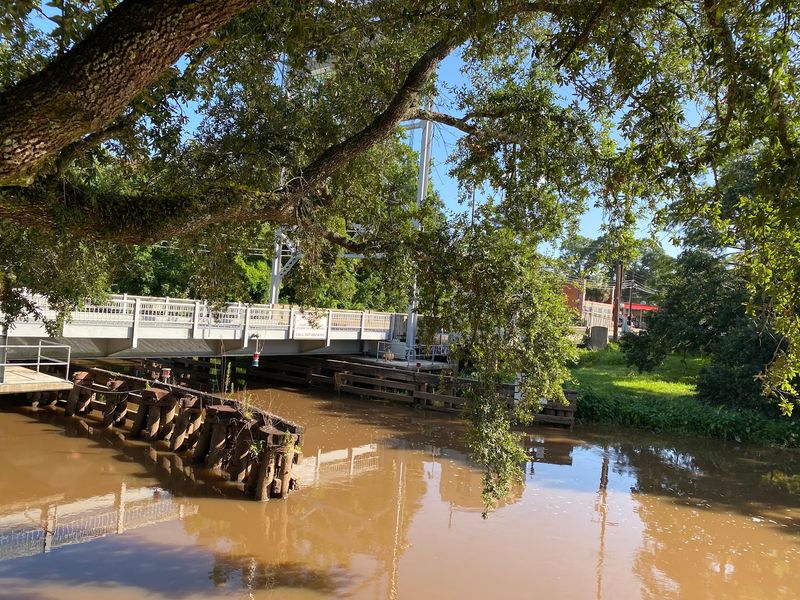
Then there’s the 1855 bridge. It served as the town’s first footbridge and now has a fresh job as a culture stage and fishing pier.
I love that idea. An old crossing now hosts performances and patient anglers instead of just foot traffic.
Bring a camera and some curiosity. The bridges look different depending on the light, so a morning stroll and an afternoon stroll can feel like two separate trips.
Fishing fans might want to pack gear. A pier right in downtown makes casting a line surprisingly convenient.
Standing near the water also helps the history click. You can see exactly why the Breaux family worked so hard to connect both banks.
Pair this stop with a to-go coffee from Main Street. A warm cup and a bayou view make a mighty fine combination.
Meet The Giant Granite Snake With A Story To Tell
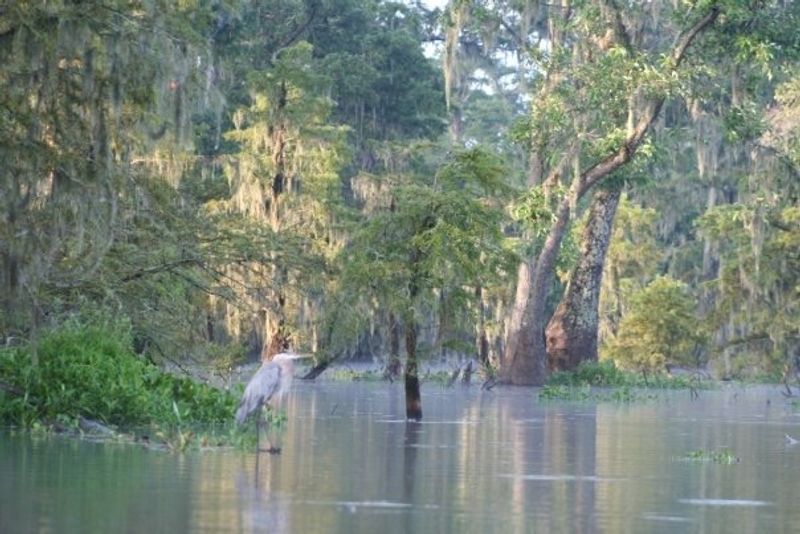
A 20-foot granite snake is not something you expect beside a quiet bayou. Yet there it is, stretched out near the bridges in downtown Breaux Bridge.
The Snake Sculpture tells the legend of the Bayou Teche. That legend was passed down by the Chitimacha tribe, whose story connects to the shape of the waterway itself.
This piece adds a deeper layer to your walk. Acadian history is everywhere in town, but the snake reminds you that people shared stories here long before.
Kids usually find it fascinating. A giant stone serpent is far more exciting than a plain plaque, after all.
Take a moment to read about it before you snap photos. Knowing the legend makes the sculpture feel alive in a whole new way.
It also makes a handy meeting spot. Tell your group to find the giant snake, and nobody gets lost.
Look from the sculpture toward the water afterward. The curves of the Bayou Teche feel a lot more meaningful once you know its tale.
Tin Ceilings And Old Storefronts Line Bridge Street
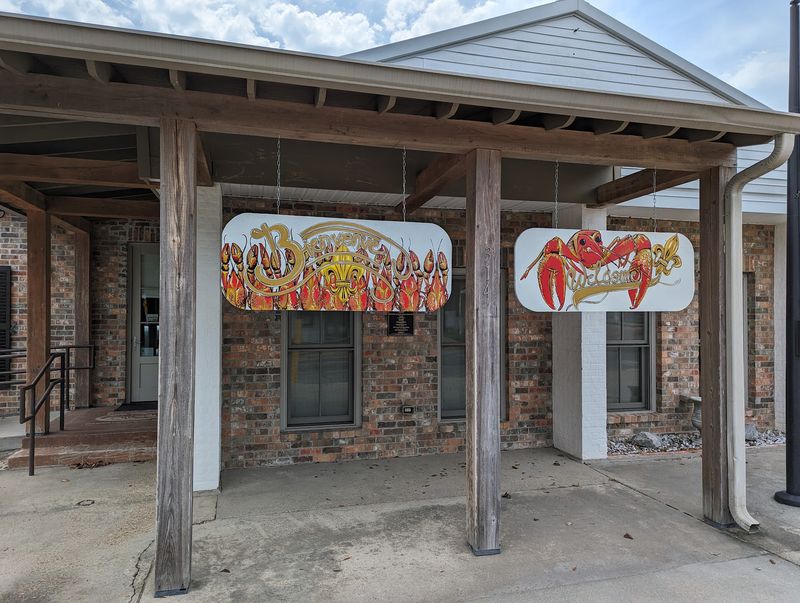
Bridge Street reads like a history book with shop windows. Grab your walking tour map, because nearly every block has a story.
Begnaud’s Hardware Store at 118 E. Bridge St. was built around 1899. It was the first brick structure in Breaux Bridge and still keeps its original wooden shopfront with cast-iron pilasters.
Just down the way, the Potier Building at 200 and 202 E. Bridge St. dates to 1898. This two-story building has pressed tin ceilings and long-leaf pine floors, and it now houses antique and gift shops.
Shopping inside a building that old is half the fun. You’re browsing treasures surrounded by treasures.
The O. Badon House at 129 E. Bridge St. was built in 1869. It was recently restored and is now home to an art gallery.
Keep an eye out for the Kidder Building at 101 E. Bridge St. too. It’s another notable stop on this historic stretch.
The whole downtown historic district sits mainly on the west side of Bayou Teche. Bridge and Main Streets anchor it, so a coffee on Main and a gallery visit on Bridge pair beautifully.
Sleep Where Travelers Have Rested Since The 1850s
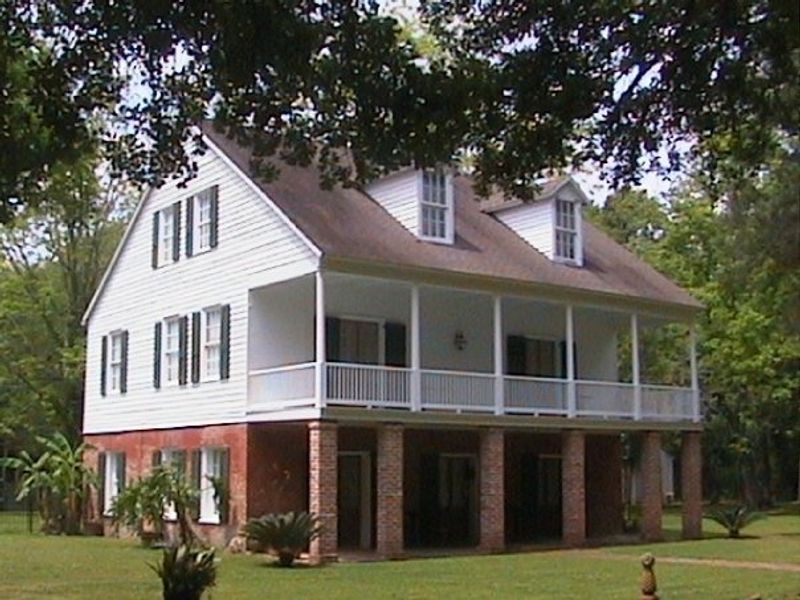
Some towns offer hotels. Breaux Bridge offers a cottage that has provided room and board since the 1850s.
The Silvestre Broussard House at 205 Washington St. was built in 1811. It’s the oldest structure in Breaux Bridge, a Creole and Acadian cottage with a restored front gallery.
Three sets of French doors open onto that gallery. The house was built with hand-hewn beams, mortise and tenon joints, and baton and bousillage walls.
That’s old-school craftsmanship you can actually stay near. History lovers will feel like they hit the jackpot.
Nearby, the Boudier House at 107 Washington St. dates to around 1892. This one-story frame house shows a Queen Anne influenced polygonal bay and Eastlake galleries.
Today the Boudier House operates as a bed and breakfast. So a short, cozy stroll can take you from coffee to pillow.
Staying overnight changes the trip. You get quiet evening walks and an early start before the coffee house opens at 6 a.m.
Washington Street makes a lovely detour on your walking tour. Bring your map, slow your pace, and enjoy these Louisiana porches up close.
Save Room, Because This Is The Crawfish Capital
Crawfish fans, you’ve reached headquarters. In 1959, the Louisiana legislature officially named Breaux Bridge the Crawfish Capital of the World.
The French title sounds even fancier. The town became la capitale Mondiale de l’ecrevisse during its centennial celebration.
Breaux Bridge is recognized as the first place where restaurants openly featured crawfish on their menus. That’s a bold claim to fame, and the town wears it proudly.
Better still, this is where crawfish etouffee was created. Yes, that famous dish got its start right here.
After your morning coffee and pharmacy-counter photos, you’ll want a real Cajun meal. The historic downtown is lined with Cajun restaurants, so options sit close to your walking route.
Plan your day around it. Coffee and a light bite early, then history on foot, then a hearty plate when your legs need a break.
It’s hard to leave without tasting the town’s signature. Skipping etouffee here would be like visiting a bakery and only smelling the bread.
Old bridges, granite legends, and coffee in a former pharmacy make Breaux Bridge memorable. The crawfish just seals the deal.