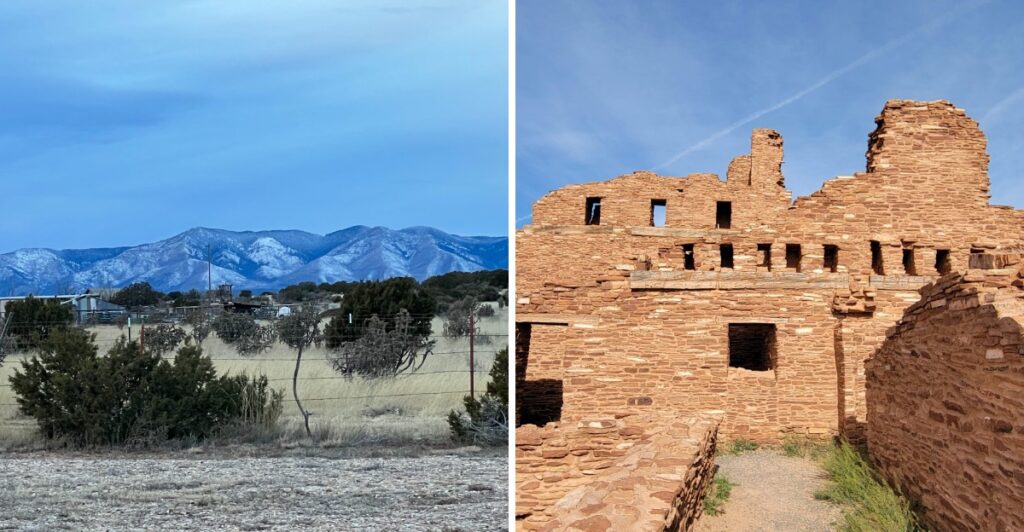
Housing costs in this New Mexico town are substantially below the national average. That number made me do a double take.
Then I learned the median home sale price recently landed around 115,000 dollars, although that figure was based on very limited sales activity.
This little New Mexico town sits at 6,495 feet. Mountain views come standard, and so do star-packed night skies.
I like how the history feels close enough to touch. Spanish mission ruins from the 1600s sit just down the road.
A Pueblo Deco hotel from 1923 still anchors the main street. Even the town’s old nickname involves pinto beans, which I find wonderfully specific.
I think a lot of retirees overlook places like this. They chase beach towns and big-city suburbs instead.
Meanwhile, this quiet spot offers sunflowers, rodeos, and access to Albuquerque for bigger-city needs. So why isn’t everyone talking about it?
Your Retirement Budget Might Finally Get To Relax Here
Money stretches in surprising ways in Mountainair, New Mexico. Living costs are estimated to be below the national average, although the exact difference varies by source.
Housing is the real headline, though. Estimates put housing costs substantially below the national average, which is a big deal on a fixed income.
Typical home values were around 165,000 dollars in August 2026, according to Zillow. That is considerably lower than home values in many other parts of the state.
The gap could cover a lot of road trips.
Listing prices vary quite a bit, so shop carefully. Some larger properties with acreage push the asking numbers much higher.
Everyday expenses also deserve a closer look. Utilities, transportation, and groceries can vary depending on household needs and shopping habits.
Healthcare costs need careful consideration too, especially when specialists or additional services require trips outside town.
New Mexico also offers a state income tax exemption for Social Security benefits to qualifying taxpayers, subject to income limits. Property taxes stay relatively low, and seniors may qualify for relief programs.
There’s no state estate or inheritance tax either. Your heirs might appreciate that detail someday.
A quick chat with a tax pro can show how these perks fit your own plans.
Those Mountain Views Come Free With Every Morning Coffee
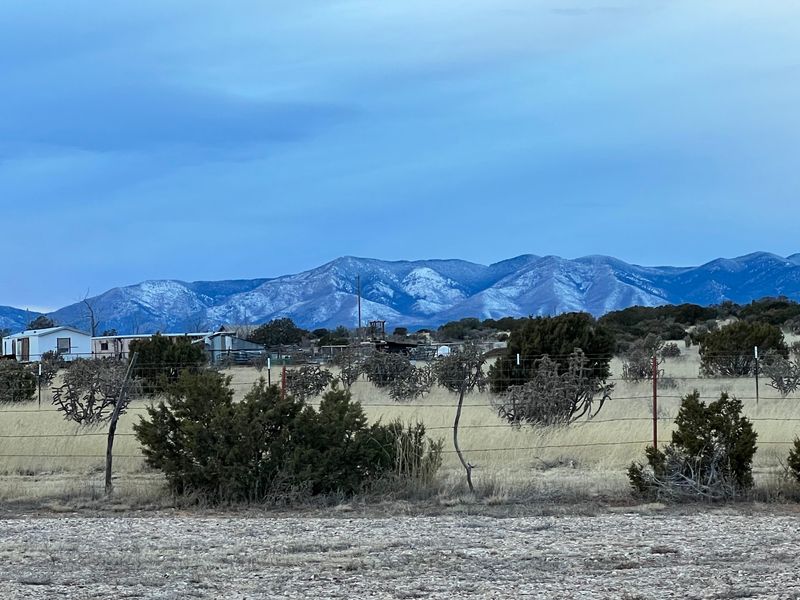
Mountainair sits in the southern foothills of the Manzano Mountains. That means a horizon full of ridgelines just about everywhere you look.
Chupadera Mesa adds another layer to the scenery. Its long, flat shape stretches across the landscape like a giant tabletop.
At 6,495 feet, the town enjoys real high-country air. The elevation also brings cooler summers than the desert lowlands of New Mexico.
Wide-open space is part of the deal here. You won’t find skyscrapers or crowded highways blocking the view.
Sunrise and sunset can turn those mountain slopes into a slow-moving art show. Bring a lawn chair and you’ve got front-row seats.
A good camera helps, but plain old eyeballs work great too. Some views simply deserve a few quiet minutes.
Retirees often say they want a peaceful place to slow down. Few settings make that easier than a porch facing a mountain range.
Night brings its own reward. The region is known for dark skies, so stargazing becomes an easy evening hobby.
Grab a blanket, skip the telescope at first, and let your eyes adjust for a while. The Milky Way tends to show up for patient people.
Ancient Mission Ruins Sit Practically In Your Backyard
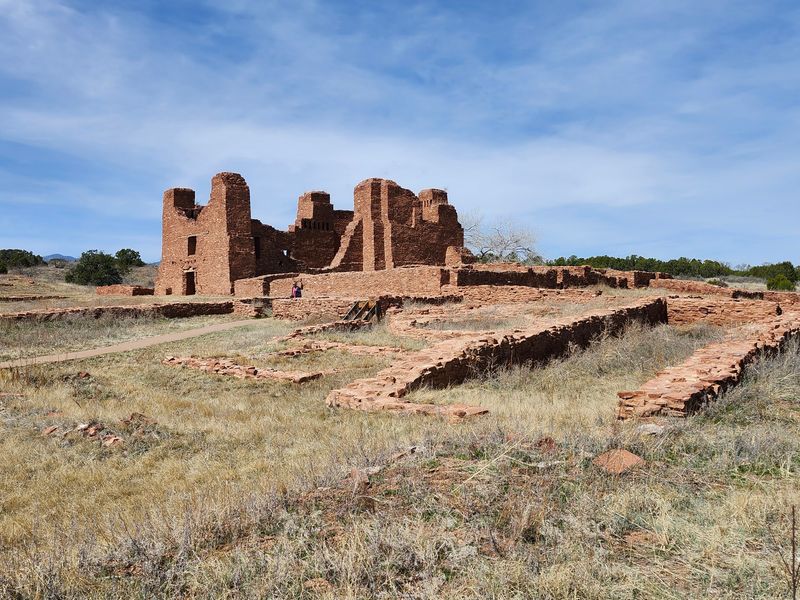
Few towns can call themselves the Gateway to Ancient Cities. Mountainair earned that title by hosting the main visitor center for Salinas Pueblo Missions National Monument.
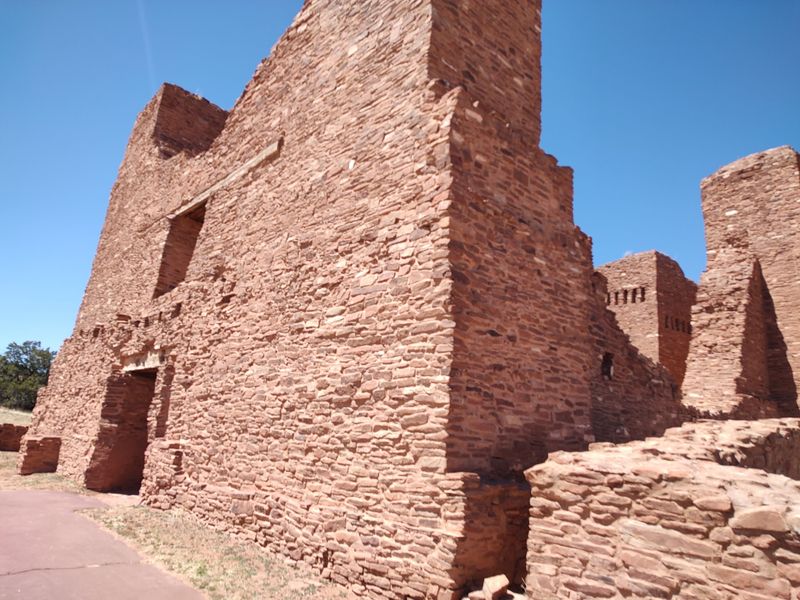
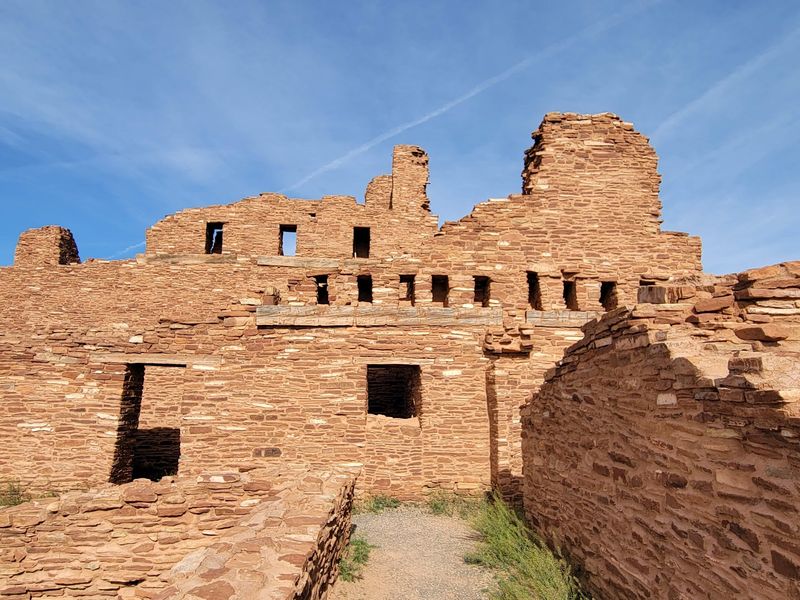
The monument protects three sites called Abó, Quarai, and Gran Quivira. Each one features ruins of Indigenous pueblos and 17th-century Spanish mission churches.
Those towering stone walls have stood for centuries. Seeing them against a New Mexico sky feels like stepping into a history book.
Self-guided trails let you explore at your own pace. No rushing, no tour bus schedule, and plenty of chances to pause.
Museums and bookstores add helpful background. Picnic areas make it easy to pack lunch and stay a while.
The visitor center sits right in town at 105 South Ripley Avenue. It’s a smart first stop for maps and context before heading out.
For retirees, this is a dream setup. You could visit a different site each season and notice new details every time.
Grandkids visiting? This makes a great outing that sneaks in a little learning.
Nobody needs to know it’s educational until afterward. Comfortable shoes, water, and a hat will make the trails far more enjoyable on sunny days.
A 1923 Hotel Steals The Show On Main Street
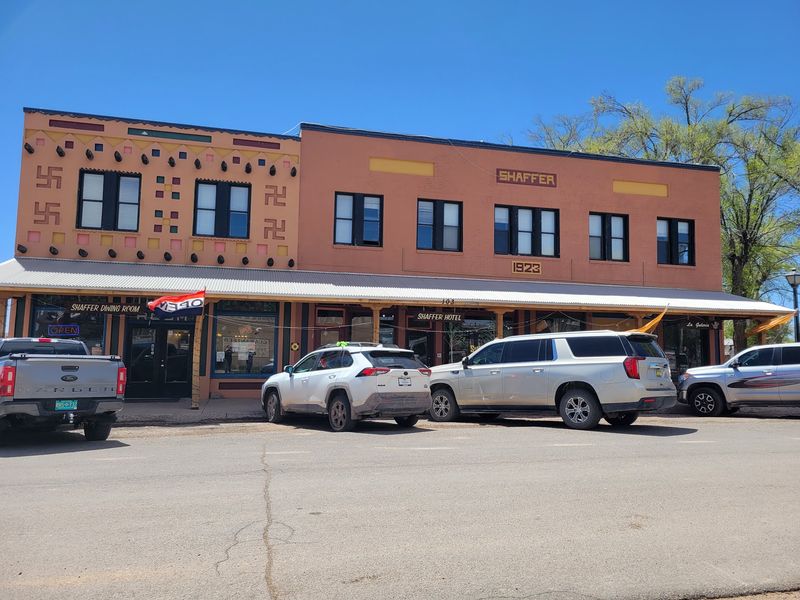
Clem Shaffer, better known as Pop, built the Shaffer Hotel in 1923. His Pueblo Deco creation still stands as a local landmark.
The hotel appears on both the State and National Register of Historic Places. That’s quite a résumé for a small-town building.
Pueblo Deco blends Southwestern design with Art Deco flair. The result feels playful, artistic, and totally unlike a typical chain hotel.
Pop Shaffer didn’t stop there. In 1937, he built Rancho Bonito, another example of his Pueblo Deco style.
Fans of quirky architecture will enjoy learning about both. Each one shows how one creative person can shape a whole town’s personality.
The Shaffer Hotel remains an important part of Mountainair’s architectural heritage, although local tourism information lists it as closed. Visitors should admire the building from outside rather than plan an overnight stay.
Other lodging choices around town include motels, an RV park, and bed and breakfasts. So nobody has to sleep on the couch.
Living near a building like this adds charm to ordinary errands. A quick trip downtown comes with a dose of history every single time.
Snap a photo of the facade on your first visit, then see how the afternoon light changes it later.
Pinto Beans Once Put This Little Town On The Map
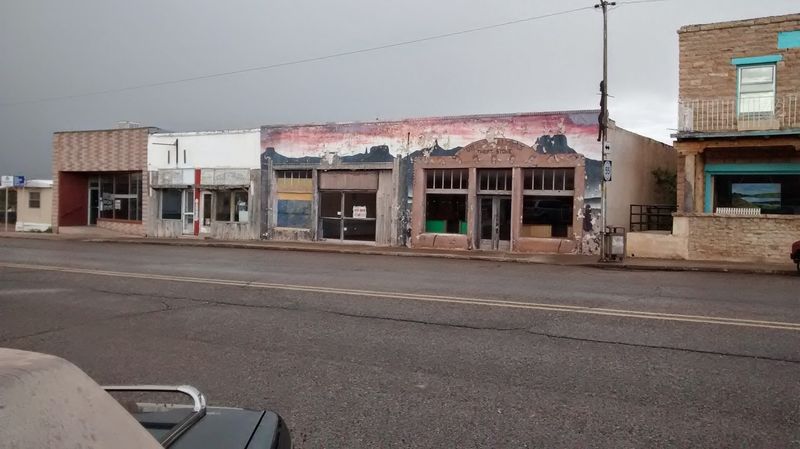
Here’s a nickname you don’t hear every day. Mountainair was once called the Pinto Bean Capital of the World.
During the early 1900s, the town became a major center for pinto bean production and processing. Farmers across the area grew beans by the wagonload.
The story starts even earlier. John Corbett, Colonel E.
C. Manning, and Elias S.
Stover helped establish the town in the early 1900s.
They were betting on the Belen Cutoff railroad route. Work trains began rolling through around 1907, followed by passenger service in 1908.
Mountainair incorporated in 1903 and grew quickly. Beans and rails made a powerful combination for a young farming town.
Then came a devastating drought beginning in the 1940s. The bean industry declined, and the town changed course.
That history explains a lot about the place today. Old buildings and wide farmland still hint at those busy bean years.
For curious retirees, local history makes a great hobby. Digging into old stories gives a new home deeper meaning.
Plus, you’ll have the best trivia fact at every dinner party. Not many people can claim their town once ruled the bean world.
Who knew legumes could carry so much small-town pride?
Hiking Boots Will Get Plenty Of Use Around Here
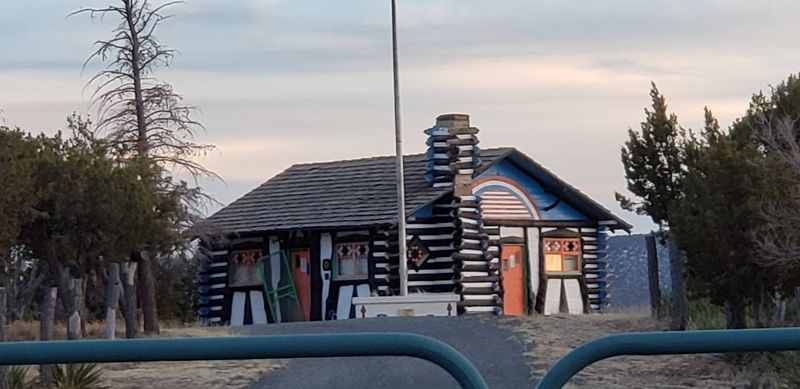
Manzano Mountains State Park sits northwest of Mountainair, New Mexico. It’s close enough for a spontaneous morning hike.
The park offers hiking, camping, and wildlife viewing. More than 20 developed campsites give overnight visitors a chance to linger under the pines.
Bigger adventures wait in Cibola National Forest. This massive area covers more than 1.6 million acres of mountains, forests, and grasslands.
Activities there include hiking, fishing, skiing, and horse riding. That’s a lot of choices for someone with free weekdays.
Manzano Lake also counts among the local recreation spots. A quiet lakeside afternoon can do wonders for the soul.
Retirement often brings the time to finally explore. Here, the trailheads aren’t hours away.
Start with shorter walks while your body adjusts to the elevation. Drinking extra water helps a lot at higher altitudes.
Layers are smart too, since mountain weather can shift quickly. A light jacket in your daypack rarely goes to waste.
Wildlife spotting adds a fun twist to any outing. Keep binoculars handy and move quietly.
You never know what might wander across the trail. Patience usually pays off out here.
Sunflower Hats And Firecrackers Fill The Calendar
August brings sunflowers in more ways than one. The annual Sunflower Festival includes a sunflower hat competition, and yes, creativity is encouraged.
The Manzano Mountain Arts Council sponsors the event. It showcases local and regional artists with an arts and crafts show.
Live entertainment keeps the mood lively. An art raffle and silent auction add a little friendly suspense.
Summer also brings the Firecracker Jubilee, traditionally associated with the Fourth of July. The celebration features community activities, although exact dates and schedules can vary from year to year.
Fireworks are another attraction. In 2026, the display took place on July 24 at the municipal airport.
Rodeo fans have something to cheer about too. The J.P.
Helms Rodeo Grounds hosts a seasonal gymkhana series.
Those competitions welcome riders of all ages. They also show off the area’s proud ranching culture.
The arts council offers concerts and performances throughout the year. So the fun doesn’t vanish once summer ends.
Events like these make meeting neighbors easy. Retirement in a new town feels less lonely when there’s always a reason to show up.
Volunteering at a festival might be the fastest way to build a circle of friends.
Downtown Strolls Come With Art, Orchards, And Fresh Produce
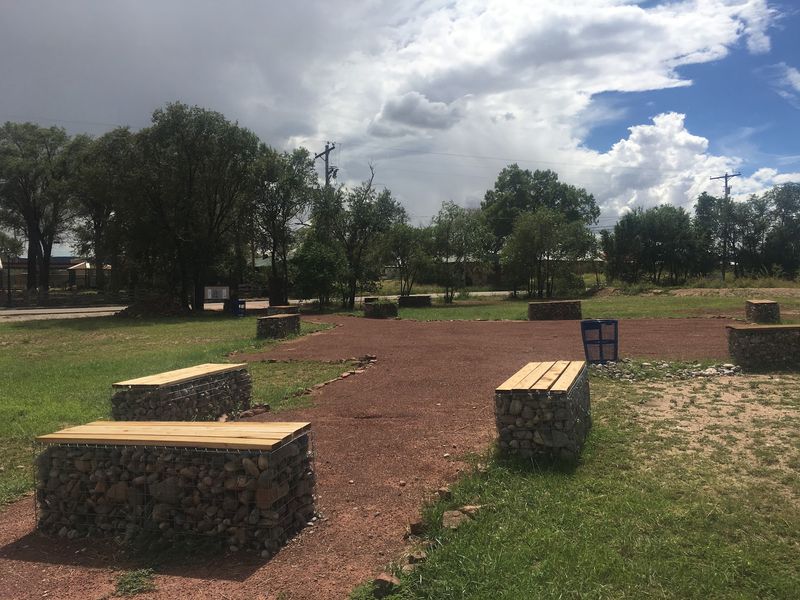
Monte Alto Plaza ties downtown together in a clever way. It connects the monument visitor center, the Shaffer Hotel, and shops along Broadway, also known as US 60.
The plaza features a pergola, gateway elements, benches, and an orchard. Plans also call for a gazebo.
Benches might sound minor, but they matter. A shady seat makes downtown wandering far more pleasant.
Shops, art galleries, restaurants, and a café line the downtown area. The Cibola Arts Gallery adds to the creative scene.
A well-stocked grocery store handles everyday needs. That saves you from driving to the city for basics.
Spring and summer bring a weekly farmers market. It sets up in the Salinas National Monument parking lot.
Fresh produce plus friendly faces is a winning combination. Bring a sturdy tote bag and some patience for chatting.
Small downtowns reward regular visits. Shop owners start recognizing you, and errands become social outings.
For retirees, walkable spaces like this support an active routine. A morning loop through the plaza beats a treadmill any day.
Pick up something fresh, admire the art, and head home feeling like you’ve already accomplished plenty.
Seniors Get Real Support And Big City Access When Needed
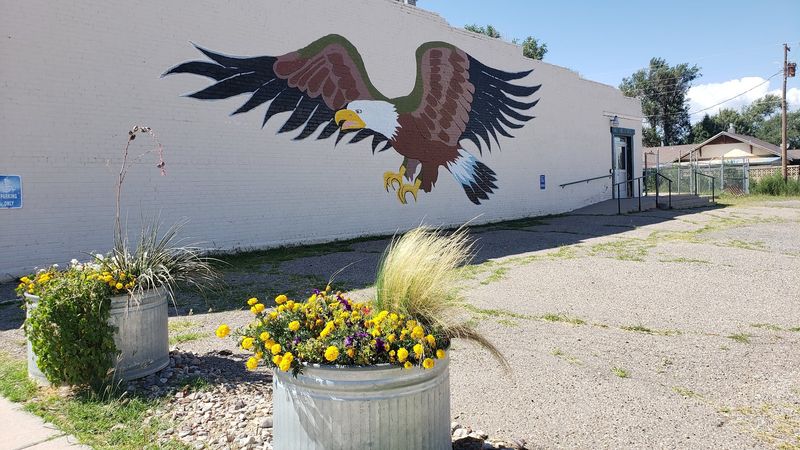
Community support can make or break a retirement move. The Mountainair Senior Center offers social activities, transportation, and home-delivered meals for home-bound seniors.
Presbyterian Medical Services operates the center. You’ll find it at 107 North Summit Ave.
Transportation help is a big plus in a rural area. Not everyone wants to drive every trip forever.
The Dr. Robert J. Saul Recreation Center serves as another gathering place.
Built in 1934 with Works Progress Administration funds, it sits at 111 N. Roosevelt Avenue.
The town also runs a library, a police department, and a volunteer fire department. Chavez Memorial Park and a municipal airport round out the list.
Bigger needs? Albuquerque sits about an hour northwest, with Santa Fe around 90 miles away.
That distance gives you quiet living without total isolation. Specialist appointments and airport trips stay manageable.
Planning those trips ahead helps a lot. Bundle errands into one city day and save on gas.
Mountainair, New Mexico blends small-town calm with practical support. That mix is tough to find at this price.
Add the views and the history, and you might start wondering why you didn’t look sooner.