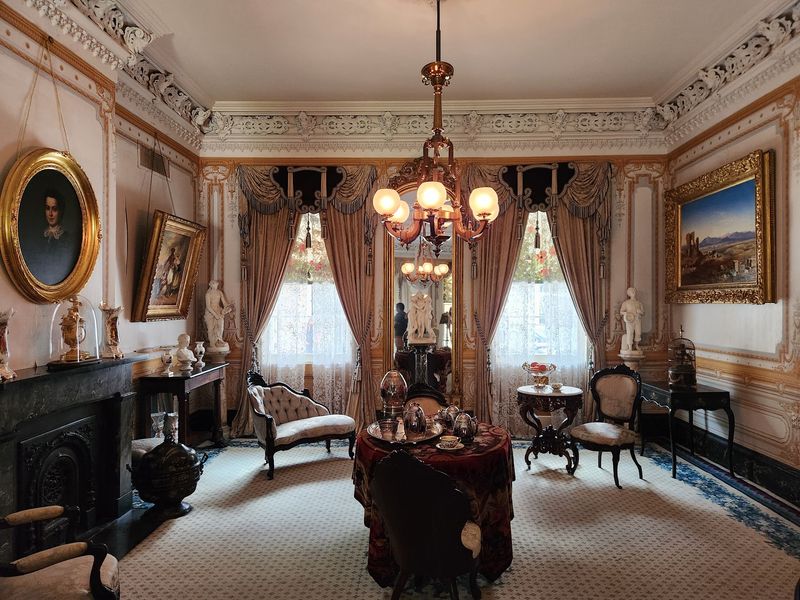
Along Royal Street in the heart of the French Quarter sits a home that looks almost frozen in time. Gallier House was built in the late 1850s by a famous architect who filled it with clever inventions and beautiful furniture.
Walking through its rooms feels like stepping right into the year 1860, when a wealthy family lived here. If you love history, cool old buildings, or just want to see how people lived long ago, this place is a real treasure.
A Landmark On Royal Street
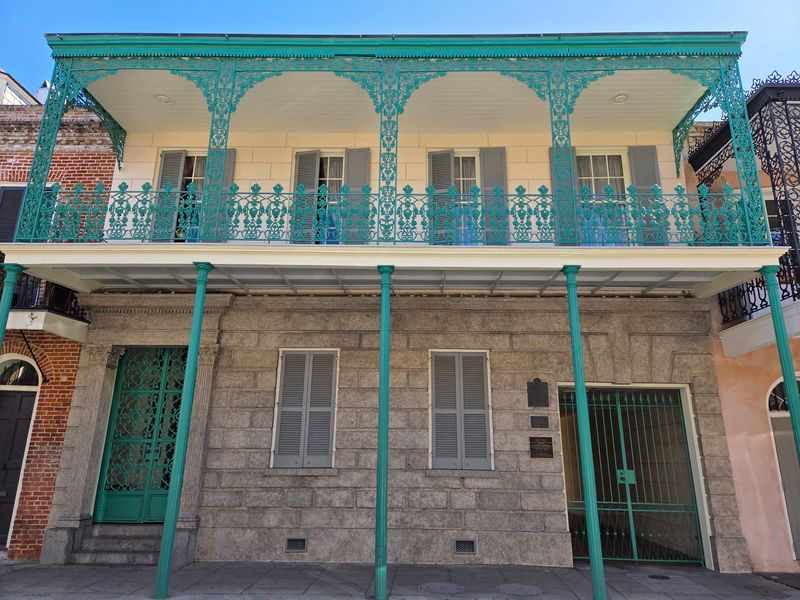
Right in the middle of the French Quarter, at 1132 Royal Street, you will find one of New Orleans’ most beloved historic homes. It sits on a block that visitors say has barely changed in about two hundred years, which makes the whole street feel like a life-size time capsule.
Gallier House is a house-turned-museum, built in 1857 by architect James Gallier Jr. He designed it as his own family home, so every detail reflects his personal taste and skill. The place is best known for showing off the splendor of an affluent New Orleans family during the mid-1800s.
What sets it apart is how complete it feels. Instead of a stuffy museum with everything roped off, guests walk right through the rooms and get a close look at how the family truly lived.
Regulars mention that the home is gorgeously maintained and full of authentic touches. It’s the kind of spot where the past feels surprisingly close, and where curious travelers can slow down and really soak in the atmosphere of old New Orleans.
The Architect Behind The Home
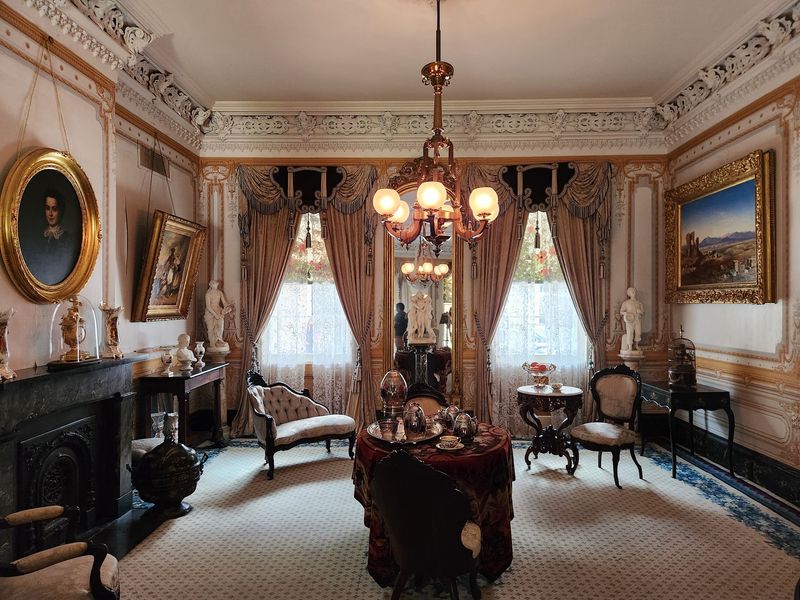
Behind every great house is a great story, and this one belongs to James Gallier Jr., a prominent New Orleans architect. He started building his family home in 1857 and moved in around 1860, using the project as a chance to try out his own bold ideas.
Visitors often say the tour gives a fascinating look into the Gallier family and the architectural talent of Mr. Gallier himself. Because he designed the home for his own family, it reflects exactly what he thought a modern, comfortable house should be.
Guests love learning how he pushed the limits of what was possible for the time. The way the tour walks you through the family’s daily routines helps you picture their lives in a way a plain gallery never could.
People who enjoy history and building design especially appreciate this stop. One traveler described it as a wonderful way to step back in time and gain a deeper respect for 19th-century New Orleans life.
Knowing the man who dreamed it up makes every room feel more personal and alive.
Rooms Preserved To The Period
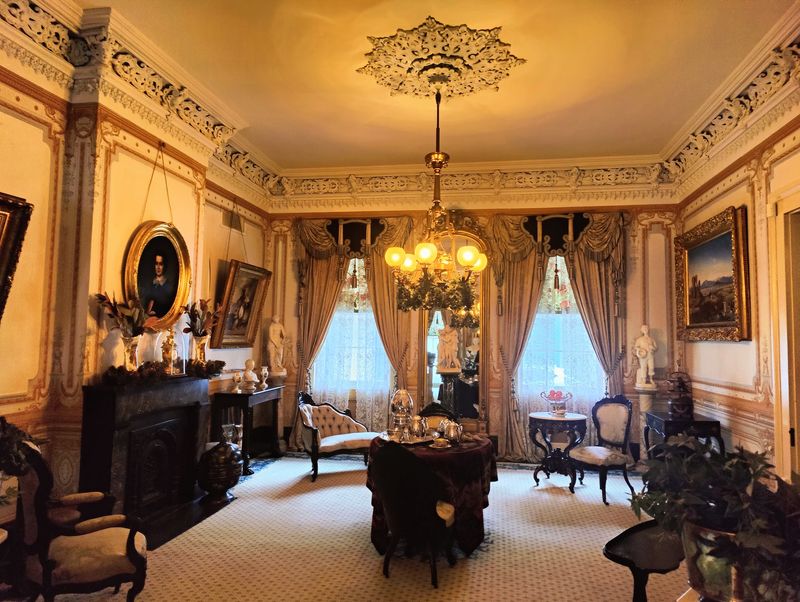
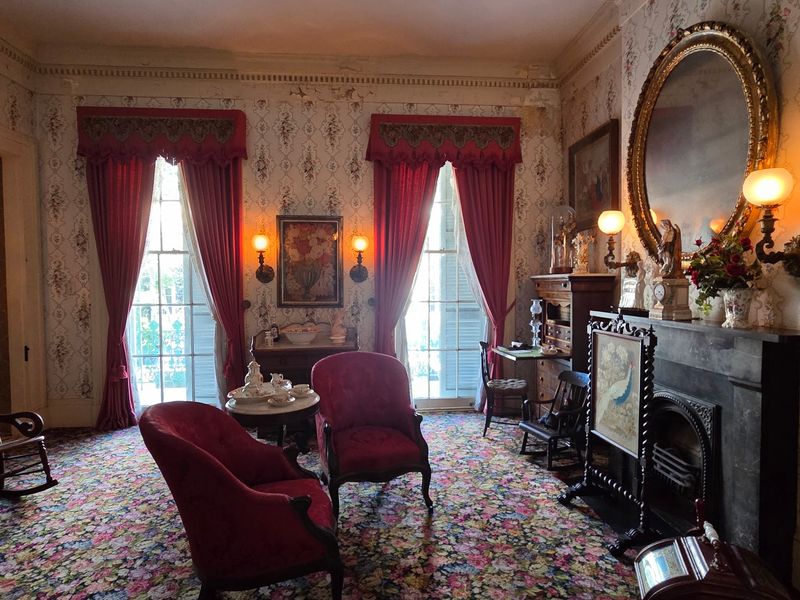
Step inside and the calendar seems to roll back more than 160 years. The rooms are restored to their original period with beautiful artifacts, ornate decorations, and furnishings that match how the wealthy once lived in New Orleans.
Guests are frequently amazed by how much detail went into getting everything right. The dining room table, for example, is set with china of the proper period that matches descriptions found in old inventory lists.
That level of care is exactly why the house feels so authentic.
One of the best parts is that you can walk freely through the rooms without everything being blocked off behind ropes. That freedom lets you really study the furniture, the artwork, and the little touches that fill each space.
Travelers often describe the displays as beautiful and say they truly transport you to another time. Whether it’s a cozy bedroom or a grand parlor, each room tells its own small story.
Visitors leave feeling like they got a genuine glimpse into upper-middle-class family life during a prosperous era in the city’s history.
Clever Inventions Ahead Of Their Time
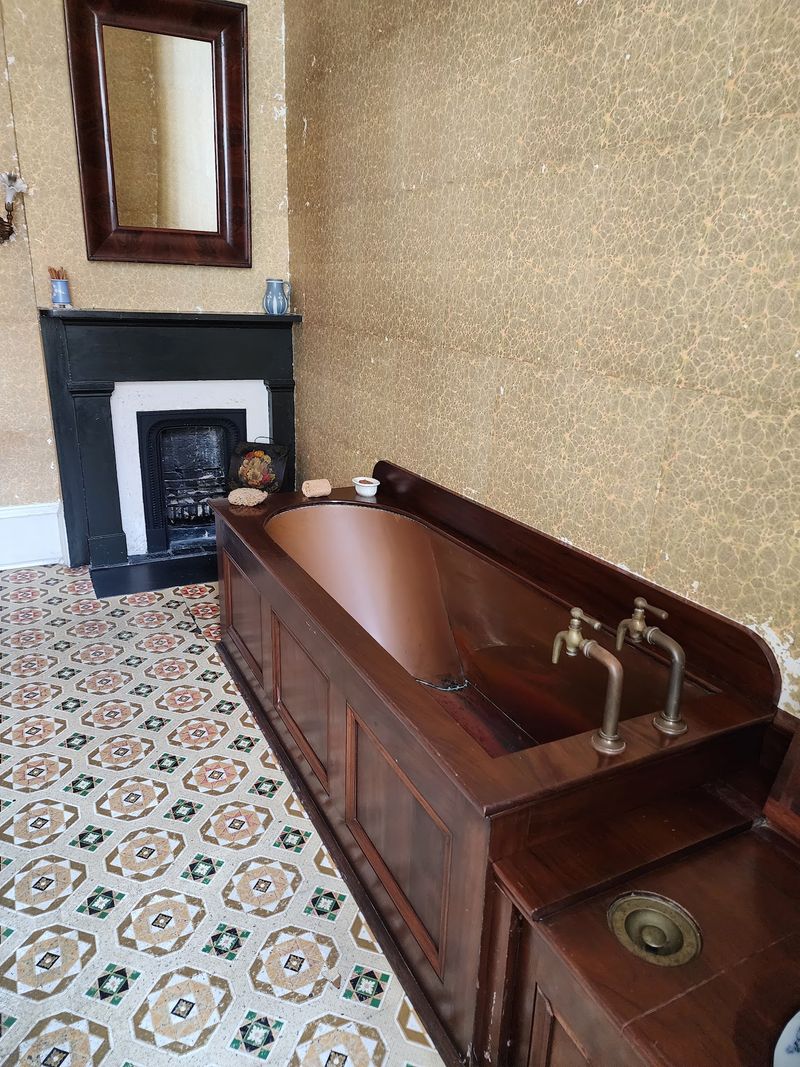
Here’s what makes Gallier House stand out from other old homes: the architect packed it with inventions that were cutting-edge for the 1850s. James Gallier Jr. used his own house as a kind of laboratory for testing bold new ideas.
One visitor who came for the local history and architecture was especially impressed by the ventilation systems Gallier designed to manage the hot, humid New Orleans climate. In an era before modern air conditioning, keeping a home comfortable took real creativity.
These forward-thinking features make the tour feel unique. Instead of just admiring pretty furniture, guests get to see how a brilliant mind solved everyday problems using the tools of his time.
People fascinated by engineering and design say this is what elevates the experience beyond a typical museum visit. You start to understand that this was not just a fancy house, but a showcase of smart, practical thinking.
Learning about the inventions helps you appreciate how much thought went into comfort and convenience long ago. It’s a reminder that good ideas can feel surprisingly modern, even when they’re well over a century old.
The Kitchen And Its Cast-Iron Heart
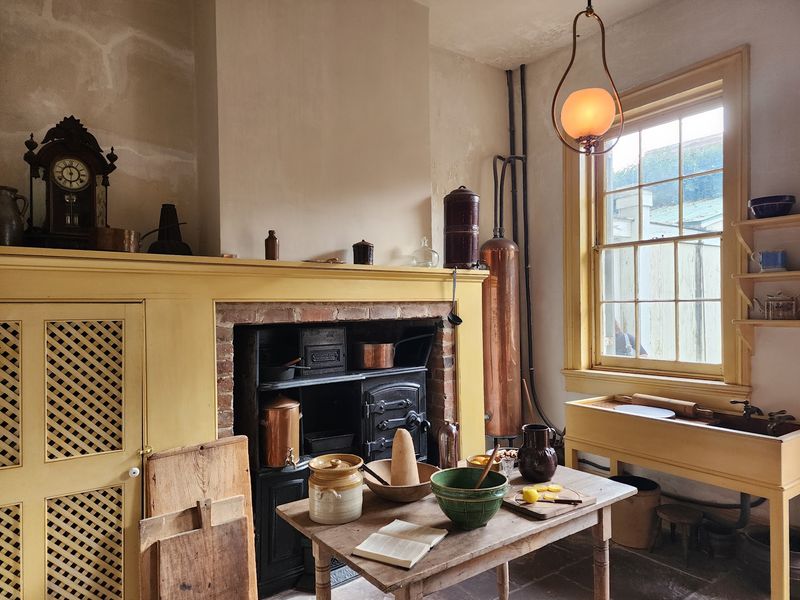
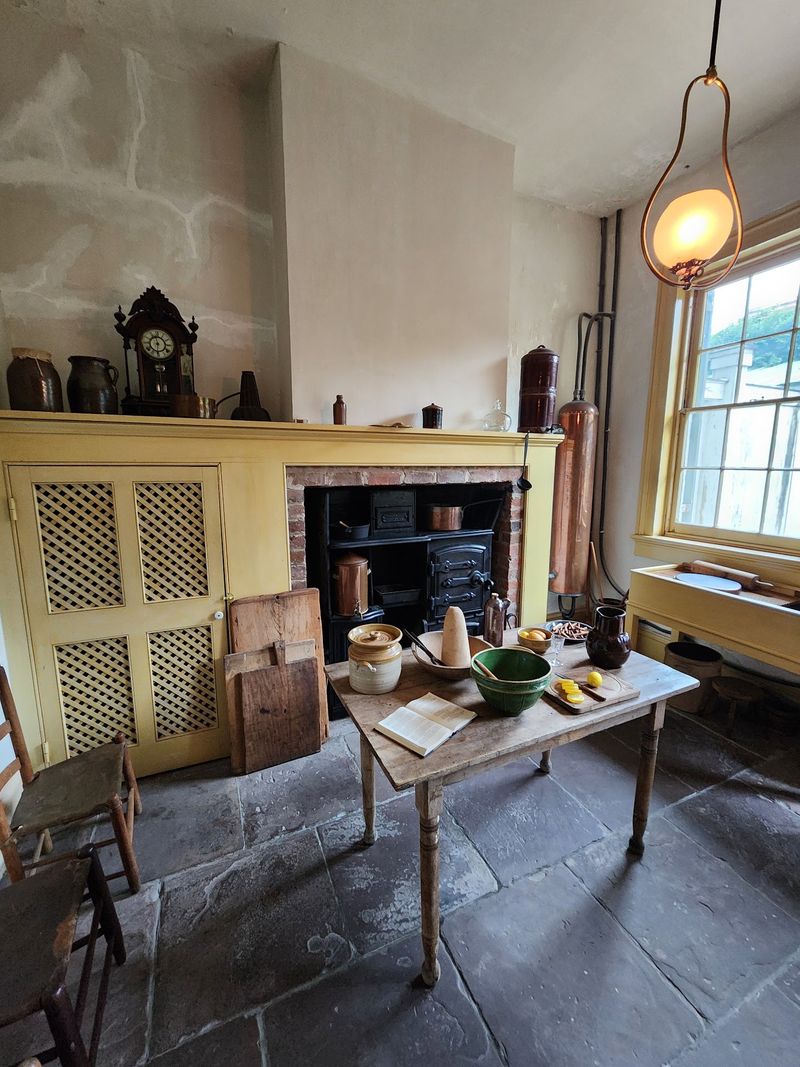
Wander toward the working areas of the home and you’ll find spaces that show the harder, busier side of daily life. The kitchen and service rooms reveal how meals were prepared and how the household ran from morning to night.
Away from the polished parlors, these rooms feel practical and grounded. They help complete the picture of what it truly took to keep an affluent family fed and comfortable during the mid-1800s.
Guides do a wonderful job explaining the routines that filled these spaces. Visitors appreciate that the tour doesn’t just focus on the fancy front rooms, but also shows the everyday work that happened behind the scenes.
Seeing the difference between the elegant living areas and the busy work areas is eye-opening. It reminds you that a grand home ran on constant effort and skill.
Travelers often say this contrast is one of the most memorable parts of the visit, because it makes the history feel real and human. By the time you leave the working rooms, you have a fuller sense of how the whole household came together each day.
Honest Stories Of Those Who Were Enslaved
Not every part of this home’s history is easy, and the tour doesn’t shy away from that. Guides share honest, respectful stories about the enslaved people who worked and lived here, giving visitors a fuller and more truthful picture of the past.
Guests consistently praise the museum for not sugarcoating these realities. The living and working spaces of enslaved persons are included on the tour, and their stories have been carefully researched.
One traveler said the experience gave a real sense of how households looked and felt during that era, offering meaningful perspective on neighborhood life. Knowing the names and details of actual people who lived here makes the history far more powerful.
Visitors often mention that this part of the tour is exactly why the visit feels so worthwhile. It treats the subject with care and honesty rather than glossing over it.
By including these voices, the museum helps guests understand the whole community that made the home function, not just the family who owned it. Many leave saying they learned a great deal and gained a deeper, more thoughtful appreciation for the history of New Orleans.
A Courtyard Full Of Charm
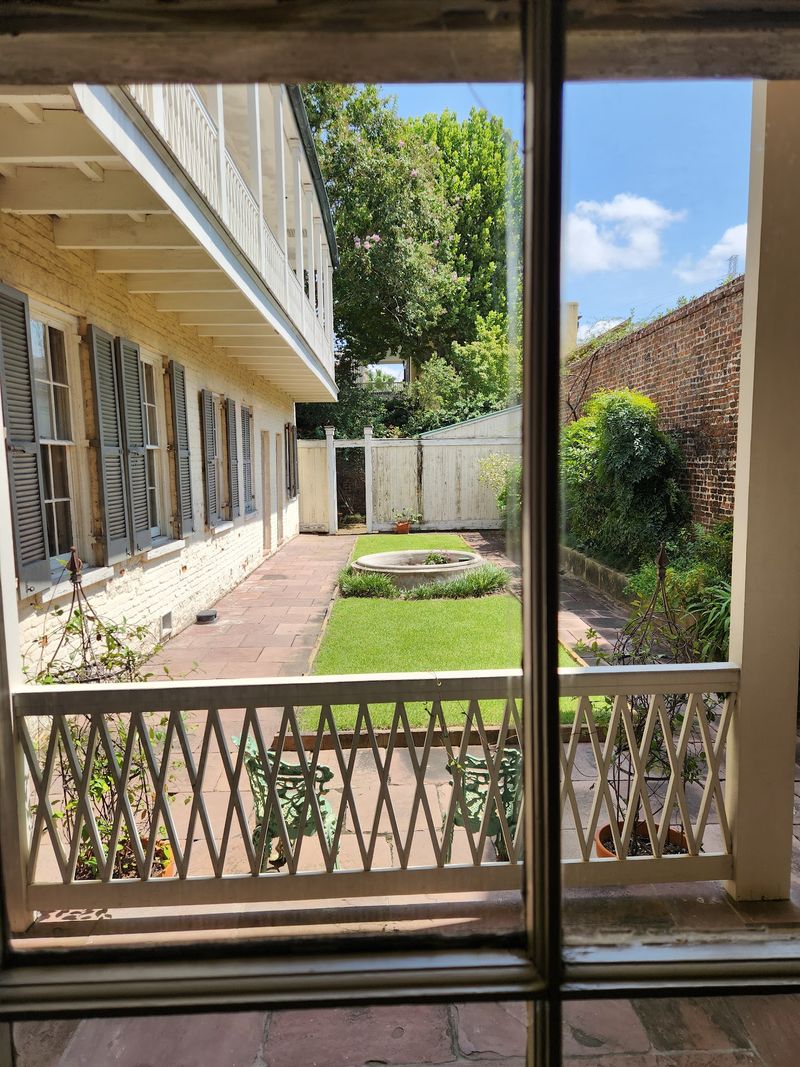
Out behind the house waits a lovely surprise that many visitors adore. The brick courtyard offers a peaceful, pretty spot that feels like a hidden garden tucked away from the busy street.
One guest fondly described a blooming Lady Banks rose trailing gracefully over the courtyard wall. Little touches like that make the outdoor space feel warm and welcoming, a gentle pause during the tour.
Courtyards are a classic feature of French Quarter homes, and this one fits right in. It gives you a chance to imagine the family stepping outside for fresh air on a warm New Orleans day.
The tour typically includes the courtyard along with the main house and the service quarters, so you get to see how all the pieces of the property connected. Travelers say the outdoor area rounds out the visit nicely, adding beauty and calm to the experience.
Whether the roses are in bloom or not, the courtyard is a charming reminder of how these grand old homes blended indoor elegance with outdoor living. It’s a small detail that leaves a lasting impression on many guests.
The Creole Mourning Tour
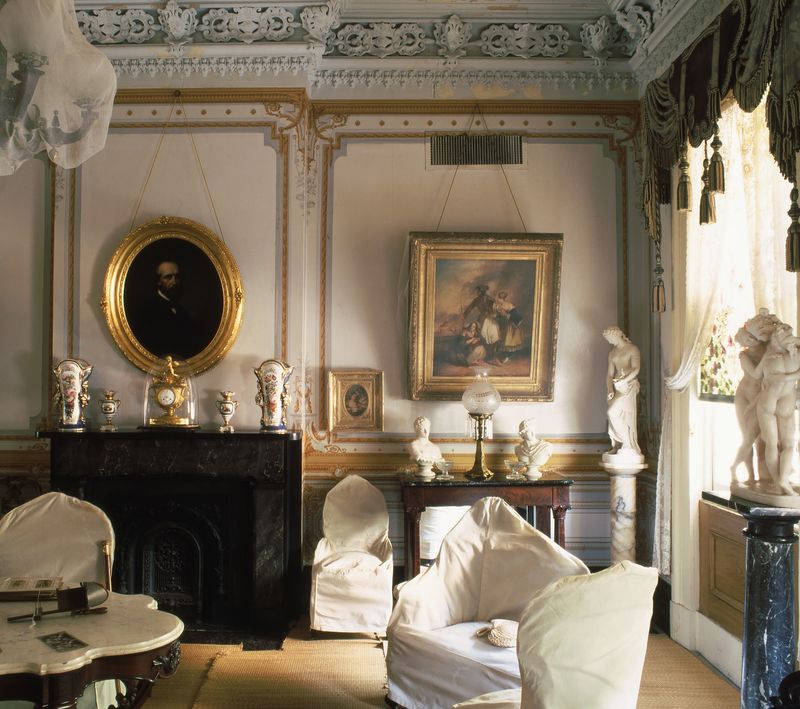
At certain times of year, the house transforms into something especially fascinating. During the Creole Mourning tour, the home is dressed to reflect the customs and rituals families once followed to honor those who had passed.
Visitors who caught this special version of the tour found it neat and memorable to see. The rooms take on a different feel, and the guides explain traditions that many people today have never heard of.
One guest who came during October said the tour centered on the burial and remembrance rituals of the era, and the small group size let them fully enjoy every room. Seeing the house dressed this way adds a whole new layer to its story.
People often mention this exhibit as one of the more unusual and interesting reasons to visit. It shows how deeply these customs shaped family life in old New Orleans.
If you happen to visit when the mourning displays are up, you’ll get a rare and thoughtful glimpse into a part of history that most museums skip. It’s a quietly powerful experience that many guests remember long after.
A Star Of Screen And Story

Fans of movies and television might recognize this house before they even step inside. Gallier House has appeared on screen and inspired famous stories, giving it a fun pop-culture side.
Viewers of AMC’s Interview with the Vampire often spot familiar spots from the show while touring the home. Guests who love the series say recognizing those scenes makes the visit extra exciting.
The house also served as a filming location for American Horror Story: Coven, where its interior and green front door showed up in several shots. One traveler enjoyed spotting these details on the show after seeing them in person.
On top of that, the home is said to have inspired author Anne Rice while she was writing her famous vampire novel. That connection draws in fans of her books who want to see the real-world spark behind the story.
Whether you come for the history or the screen fame, the overlap makes the tour feel special. Guides sometimes toss in fun tidbits for fans, blending real history with the stories that made the house famous.
It’s a delightful bonus that appeals to all kinds of visitors.
Guides Who Bring The Past Alive
If there’s one thing nearly every visitor agrees on, it’s how wonderful the guides are. The docents here are described as incredibly knowledgeable, warm, and genuinely happy to answer any question thrown their way.
Guests share stories of guides who tailored the tour to their interests, whether that meant diving deeper into architecture, history, or even the house’s screen fame. Small groups often get a more personal experience, and some lucky visitors have even enjoyed private tours.
Families appreciate that the guides know how to keep everyone engaged. One parent mentioned that even their teenage son loved the tour, thanks to a guide who quickly picked up on the group’s curiosity.
Travelers frequently name their guides as the highlight of the whole visit. People describe them as engaging, patient, and clearly passionate about the home and the people who once lived there.
The staff at the front desk earn praise too, with visitors noting how kind they are and how they’ll even hold your bags safely while you tour. That friendly, personal touch is a big reason so many guests walk away recommending the experience to everyone they know.
Planning Your Visit
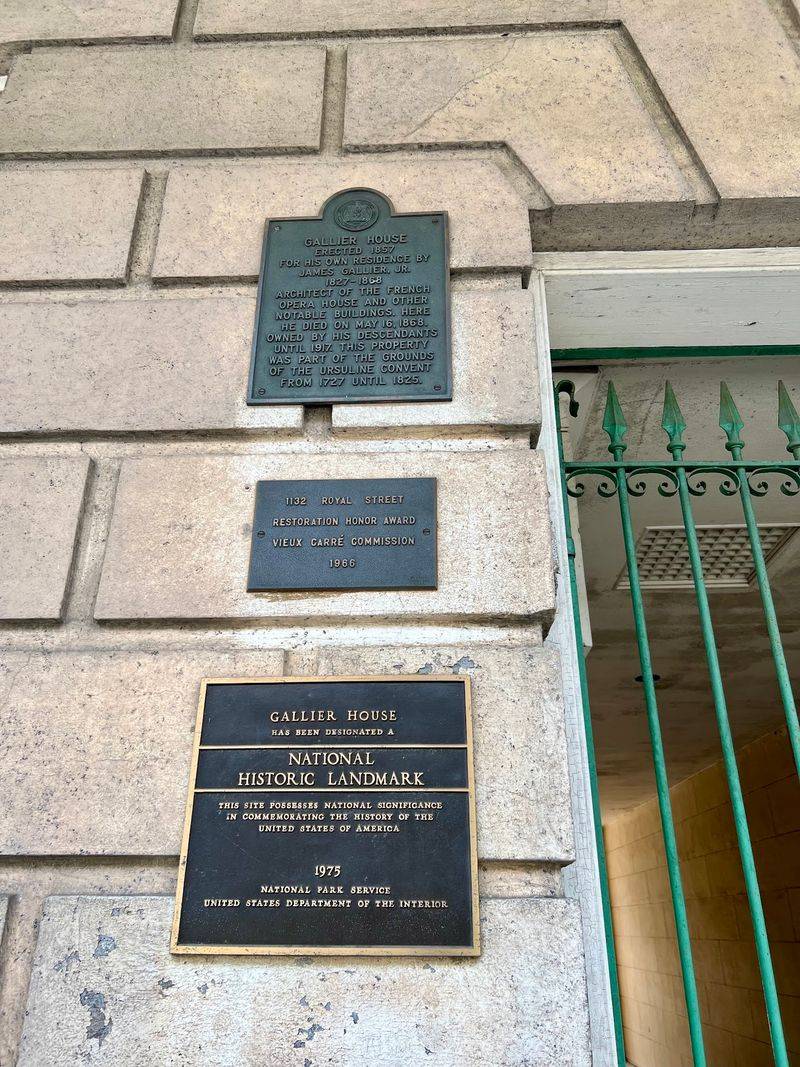
Ready to see it for yourself? Gallier House is open Thursday through Monday from 10:30 AM to 4:30 PM, and Wednesday during the same hours.
It’s closed on Tuesdays, so plan around that.
Tours run as guided experiences, typically starting once an hour at half past the hour and lasting about an hour. Visitors recommend making a reservation in advance, especially on a busy or hot afternoon.
You can reach the museum at +1 504-274-0748 or visit hgghh.org for details.
Guests say the tickets are reasonably priced and well worth it. A handy tip: you can buy combined tickets for both Gallier House and the Hermann-Grima House at a discount on location, and use them anytime within a seven-day period.
Keep in mind there’s a fair amount of standing, plus some stairs and narrow walkways typical of French Quarter homes. Photos are usually welcome, and there’s a small shop featuring local, woman-owned offerings.
Since it sits right on Royal Street in the heart of the Quarter, it’s easy to fold into a day of exploring. A little planning goes a long way toward a smooth, enjoyable visit.