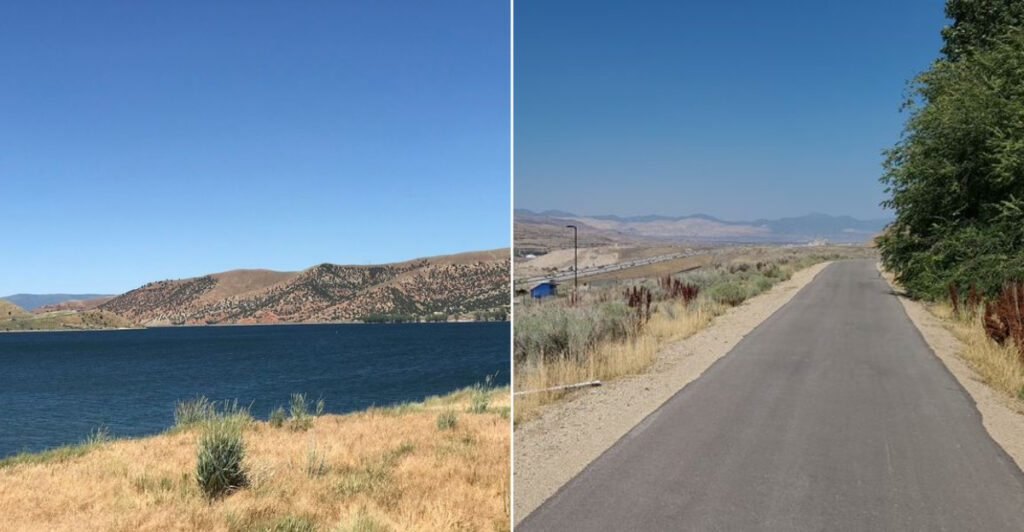
Some trails do not need dramatic cliffs to leave a mark; they win you over by making the world feel quieter with every step. In Utah, this paved former rail corridor offers the kind of walk that feels easy on the body but rich in everything else: mountain air, open meadows, shifting light, and the real possibility of spotting wildlife before your coffee has fully kicked in.
Moose may appear near the willows, elk can move along the distant tree line, and suddenly a simple outing feels like you wandered into a nature documentary with better footwear. The beauty here is not loud or overworked.
It is steady, scenic, and surprisingly generous, with enough room to walk, ride, breathe, and look around without feeling rushed. Utah’s quieter trails can be every bit as memorable as its famous red-rock showpieces.
Bring water, keep your eyes open, and let the landscape set the pace.
The Trail That Time Forgot To Ruin
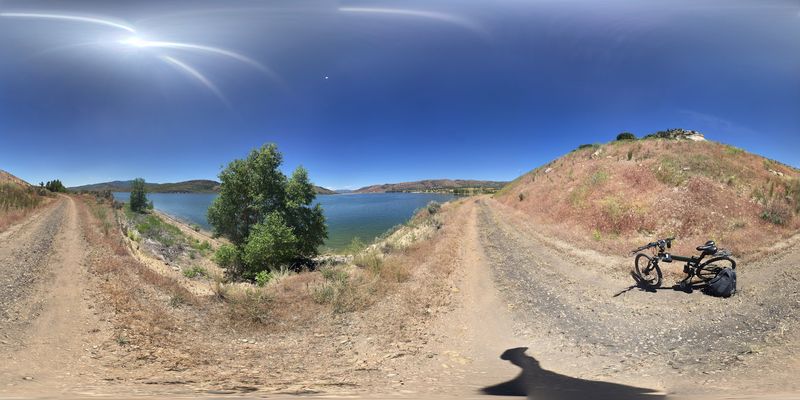
There is something quietly triumphant about a trail that used to carry freight trains and now carries people carrying water bottles and binoculars. The Historic Union Pacific Rail Trail State Park follows a former railroad bed through the Wasatch Back, and the flat, paved surface makes it accessible to hikers, cyclists, joggers, and anyone who simply wants to move through mountain scenery without negotiating a rocky scramble.
The trail runs approximately 28 miles through Summit County, connecting Park City to Echo Reservoir. Because it follows an old rail corridor, the grade stays gentle and consistent, which is a genuine luxury at elevation.
Families with younger kids appreciate that nobody needs to stop every ten minutes for a breather. Couples find the wide path easy for side-by-side conversation.
Solo visitors enjoy the meditative rhythm of steady forward movement through open sky and canyon walls. Quick Tip: Start early on weekday mornings for the quietest experience and the best odds of spotting wildlife before foot traffic increases.
Why Moose Practically Own This Corridor
Moose have an almost theatrical sense of timing. They tend to appear exactly when you have put your camera away and started talking too loudly.
Along the Historic Union Pacific Rail Trail, moose sightings are genuinely common, particularly near the marshy lowlands and willow thickets that border sections of the trail close to the Weber River corridor.
These animals are large enough to stop a conversation mid-sentence, and seeing one standing calmly in a meadow at dawn is the kind of moment that makes the whole drive up from Salt Lake City feel like a bargain. Utah’s moose population is healthy, and the trail’s relatively low human disturbance compared to busier mountain parks makes it a preferred movement corridor for them.
Why It Matters: Keeping a respectful distance of at least 75 feet from moose is not just courtesy; it is safety. Moose are unpredictable and can move faster than most people expect.
Binoculars or a telephoto lens will serve you far better than a close approach ever will. Patience, quiet movement, and early mornings are the three ingredients that make moose encounters memorable rather than stressful.
A Former Railroad That Now Runs On Fresh Air
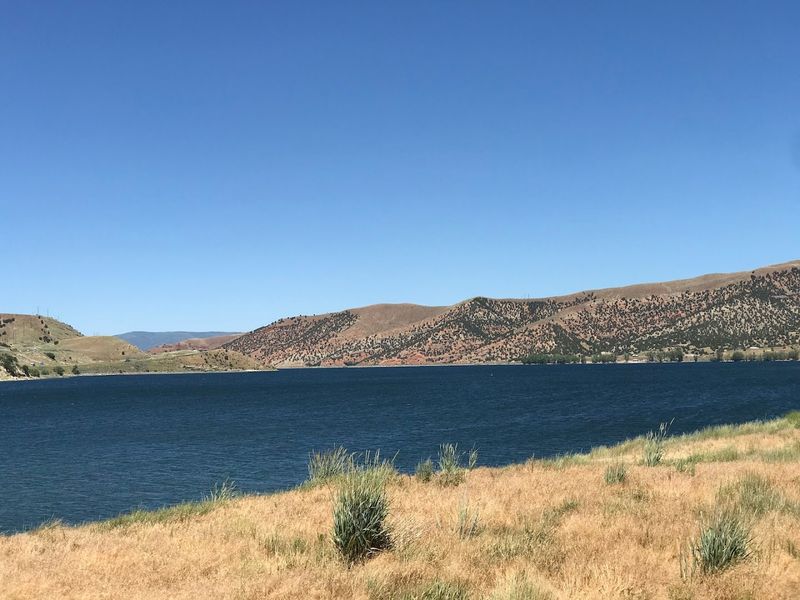
The Union Pacific Railroad once moved goods and passengers through this mountain corridor, and the infrastructure it left behind turned out to be a remarkable gift to outdoor recreation. The trail follows the original rail bed with the kind of steady, manageable grade that railroad engineers designed specifically to keep heavy trains moving efficiently through mountain terrain.
That engineering logic now benefits trail users who get a long, flat path through dramatic scenery without the punishing elevation changes that define most Utah mountain routes. The surface is paved for much of its length, making it accessible to road cyclists, rollerbladers, and families pushing strollers alongside serious trail runners.
Insider Tip: The trail passes through multiple distinct landscape zones as it moves through Summit County, from open sagebrush flats to riparian canyon sections shaded by cottonwoods and willows. Each zone offers a different visual experience and different wildlife possibilities.
If you only have a few hours, focus on the sections nearest to Park City for the densest combination of mountain scenery and accessible trailhead parking. The shift in landscape character as you move along the corridor is one of the trail’s most underappreciated qualities.
How The Trail Fits A Real Weekend Schedule
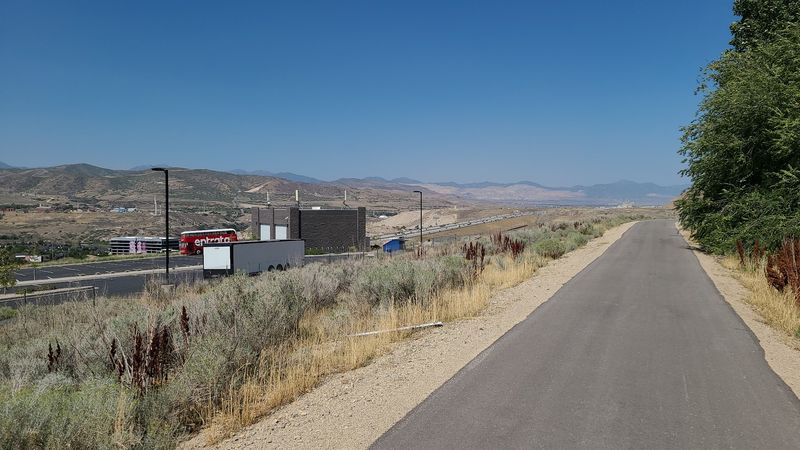
Not every trail demands a full expedition mentality. The Historic Union Pacific Rail Trail is genuinely flexible, which is one of the reasons it works for such a wide range of visitors.
A family with kids can do a two-mile out-and-back from a trailhead near Park City and call it a complete, satisfying outing. A serious cyclist can string together a long-distance ride through the full corridor and feel like they earned their post-ride meal.
Couples looking for a low-key morning away from the resort scene find the trail offers exactly the right amount of nature without demanding technical skill or gear investment. The paved surface means regular sneakers handle the terrain comfortably, removing one common barrier to casual trail use.
Planning Advice: Check trailhead parking availability before you go, especially on summer weekends when Park City draws significant visitor traffic. The Trailside Park area near Park City provides reliable access and some of the better staging areas for longer outings.
Bringing water is non-negotiable at Utah elevations regardless of trip length. Even a short walk in dry mountain air will remind you quickly that hydration is not optional, it is the most basic form of trail preparation available.
What The Locals Know About Quiet Season
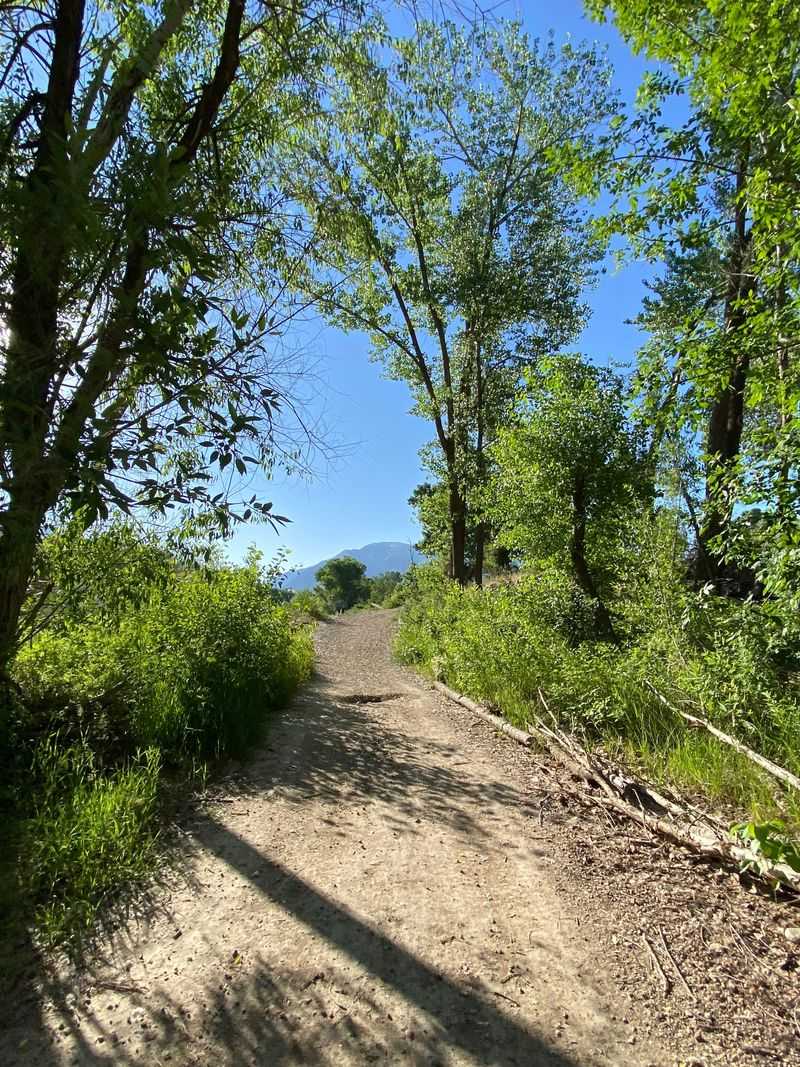
Park City is famous for ski season, and that fame tends to pull visitor attention in one very specific direction from November through March. What that means for the Historic Union Pacific Rail Trail is something locals have quietly appreciated for years: the shoulder seasons belong almost entirely to them.
Spring and fall bring mild temperatures, reduced crowds, and wildlife behavior that peaks precisely when fewer people are around to interrupt it. Early October mornings on the trail can feel almost private, with the aspens throwing gold light across the path and the only sounds being wind, water, and the occasional distant elk.
Common Mistakes to Avoid: Visiting on a peak summer weekend without arriving early is the most reliable way to share your wildlife moment with a crowd. Arriving after 9 a.m. on a July Saturday means more people, more noise, and significantly fewer animal sightings.
Locals tend to use the trail on weekday mornings or in the quieter weeks of September before the ski season marketing machine revs back up. Following that rhythm, even loosely, will dramatically improve the quality of your experience on this trail without requiring any additional planning effort.
The View Situation Deserves Its Own Mention
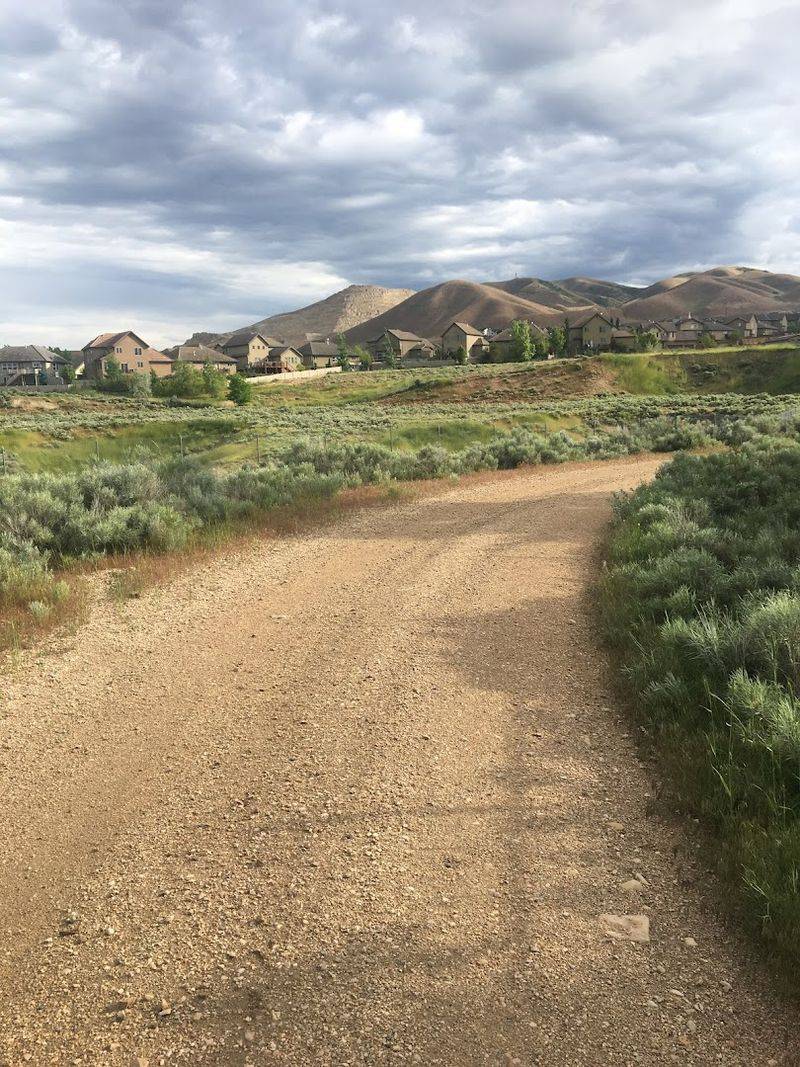
Some trails are primarily about movement, and the scenery is secondary. This trail is not that.
The Historic Union Pacific Rail Trail moves through terrain that earns genuine attention at multiple points along its length. Canyon walls, open ridgelines, river corridors, and high mountain meadows each take a turn presenting themselves in a way that makes stopping feel mandatory rather than optional.
The Wasatch Range backdrop shifts character as you move through the corridor, offering the kind of visual variety that keeps a long walk from feeling repetitive. On clear days, the mountain views extend far enough to make the whole landscape feel improbably large for a paved trail that started as a freight route.
Pro Tip: Photographers will find the morning light particularly rewarding on the sections of trail that face east toward the higher peaks. The low angle of early sun creates depth and shadow on the canyon walls that midday light flattens entirely.
Golden hour in fall, when aspen color peaks and the light turns amber, produces the kind of images that look staged but are simply the natural result of being in the right Utah canyon at the right time of year. Bring a wider lens if you have one.
Wildlife Spotting Strategy That Actually Works
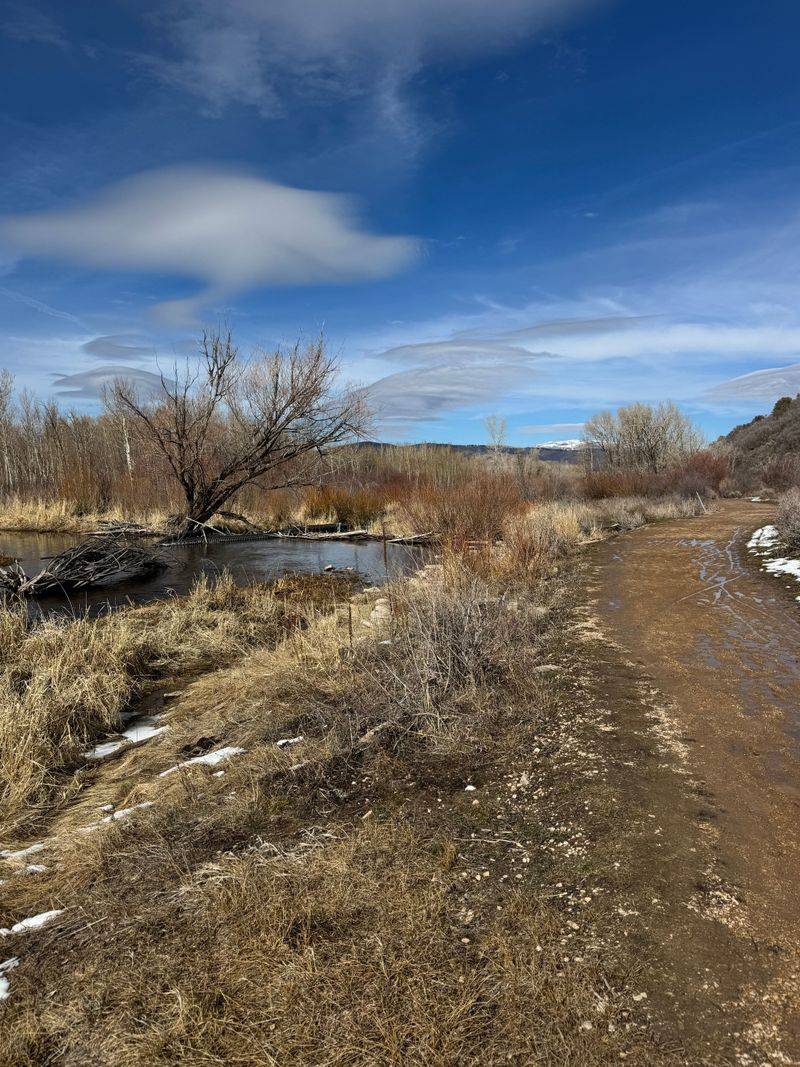
Spotting moose and elk is less about luck than most people assume and more about timing, positioning, and the willingness to move slowly. The Historic Union Pacific Rail Trail rewards visitors who treat wildlife watching as an active skill rather than a passive hope.
Dawn and dusk are the productive windows, full stop. Mid-morning arrivals are more likely to see the place where a moose was standing than the moose itself.
Moving quietly matters more than most trail users realize. Conversations at normal volume carry surprisingly far in open canyon terrain, and animals that might have lingered at the meadow edge will have already retreated by the time a loud group rounds the corner.
Who This Is For: Patient, early-rising visitors who enjoy the process of watching and waiting will find this trail genuinely rewarding. Families with older kids who can move quietly and follow basic wildlife protocols tend to have excellent experiences here.
Who This Is Not For: Visitors expecting guaranteed close-up sightings on a casual stroll will sometimes leave disappointed. Wildlife operates on its own schedule, and the trail’s appeal is that it puts you in the right place; the rest depends on the animals.
Making It A Mini Park City Outing
Park City has a way of making a single activity feel like a complete trip without requiring any elaborate planning. The Historic Union Pacific Rail Trail sits close enough to the town center that pairing a morning walk with a stop in town afterward is a natural and low-effort combination that most visitors find deeply satisfying.
Park City’s Main Street is a short drive from several trailheads, and the town offers the kind of compact, walkable downtown that rewards a post-trail wander without demanding a full afternoon commitment. Coffee shops, local restaurants, and small independent stores line the historic district in a way that makes a quick post-errand stop feel like a genuine small-town moment rather than a tourist obligation.
Best Strategy: Hit the trail first while the light and wildlife activity are at their peak, then head into town as the morning warms and the trail crowds begin to build. This sequence gives you the best of both experiences without either feeling rushed.
A short Main Street stroll after two hours on the trail is the kind of simple plan that families, couples, and solo visitors all find genuinely easy to execute without debate or disappointment.