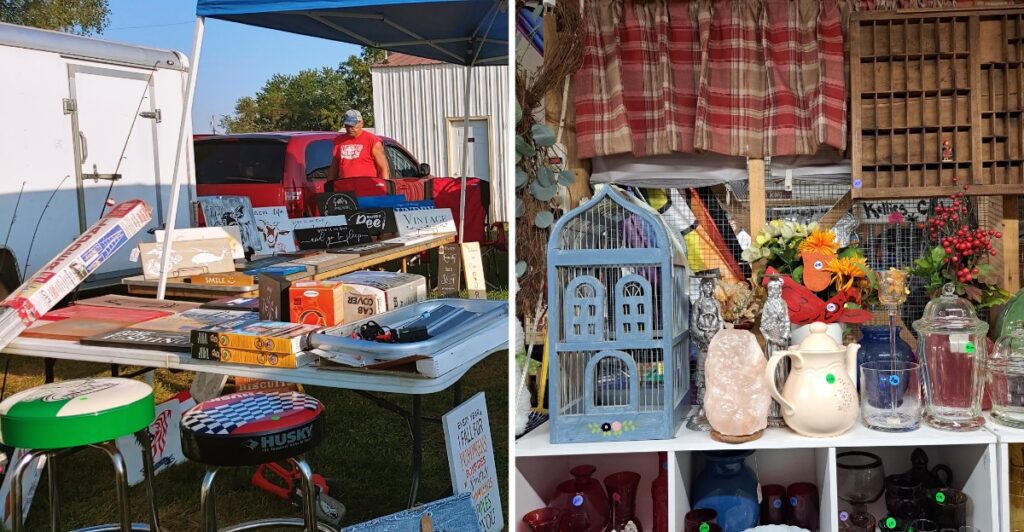
Five in the morning is an unreasonable hour until someone mentions flea-market treasure.
That is when the outdoor sellers start setting up here, long before the indoor barns join the action. By 8 a.m., the place is fully awake and ready to test just how curious you really are.
This Indiana market has been doing that since 1978, with more than 200 vendors spread across a huge weekend setup.
I would not try to inspect every table like you are conducting an audit.
Pick a direction and let the weird stuff find you.
Maybe it is an old sign. Maybe it is something you cannot identify but suddenly feel oddly attached to. That is half the sport.
Admission is free, so wandering costs nothing.
The only real question is whether you are brave enough to meet the vendors before sunrise.
More Than Two Hundred Vendors Keep The Weekend Varied
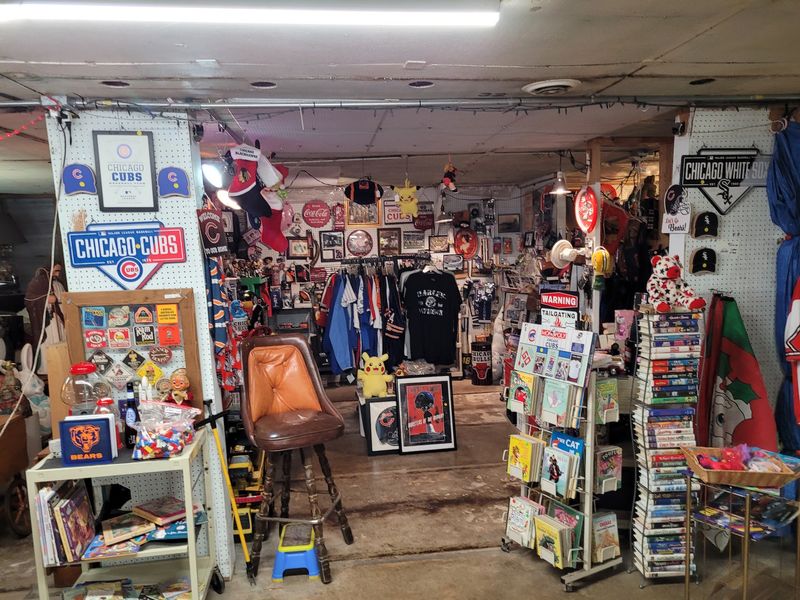
More than 200 vendors make Uncle John’s a large weekend market rather than a handful of tables gathered in one parking lot. The mix includes new items, gently used goods, collector-condition pieces, and plenty that falls somewhere between those categories.
That variety changes how you shop. Looking for something specific? Start with the booths that match the category and resist getting distracted for at least five minutes.
Browsing without a list? Give yourself permission to move slowly and compare what different sellers have brought.
The market is built around buying, selling, and bartering, so prices and conversations can vary from booth to booth. If something catches your eye, asking a polite question can be part of the experience. If the answer does not work for your budget, another aisle is waiting.
There is also no reason to assume every weekend will look identical. Vendors bring their own merchandise, and the outdoor portion changes with weather. That means a return trip can produce a different mix even when the barns and layout feel familiar.
The simplest strategy is to choose a starting point rather than a shopping route. Once you begin wandering, the market will probably take care of the rest.
Cedar Lake Gives The Market A Year-Round Home
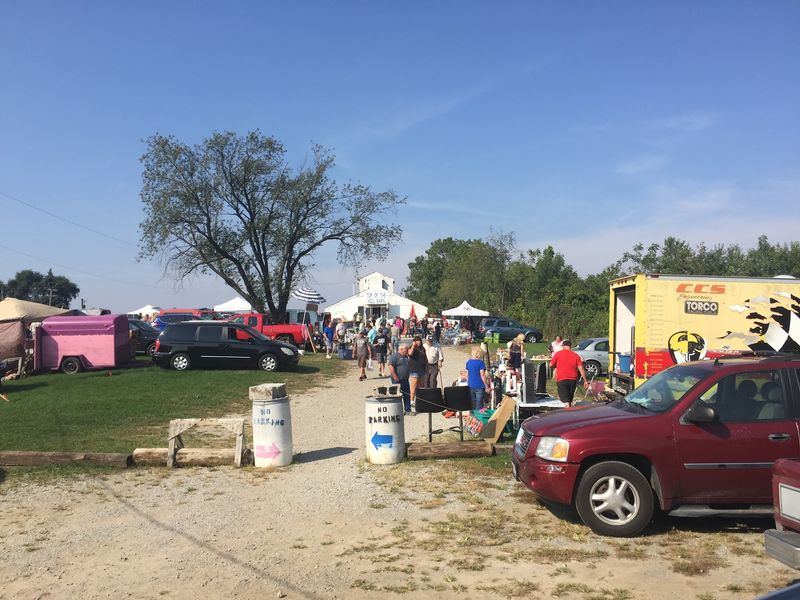
Uncle John’s has operated in Cedar Lake since 1978, making the market a long-running part of weekend shopping in northwest Indiana.
The site combines indoor barns with outdoor vendor areas, which helps the market continue through every season rather than shutting down once colder weather arrives.
The market is at 15205 Wicker Avenue, Cedar Lake, IN 46303, just off US 41. That makes it easy to work into a drive through the area without turning the day into a complicated route.
The indoor and outdoor sections offer two different versions of the same outing. Outdoors, weather has more influence over how many sellers set up. Indoors, several barns keep shopping going throughout the year.
Even December can bring outdoor vendors when conditions cooperate.
That makes the season worth thinking about before choosing when to go. A mild weekend gives the outdoor portion more room to expand. A colder or wetter day may push more of your browsing into the barns.
Either way, the market does not depend on summer alone. The year-round schedule means a free weekend in January can work just as well as one in June, even if the experience looks a little different.
Outdoor Vendors Start Before Breakfast Has Fully Begun
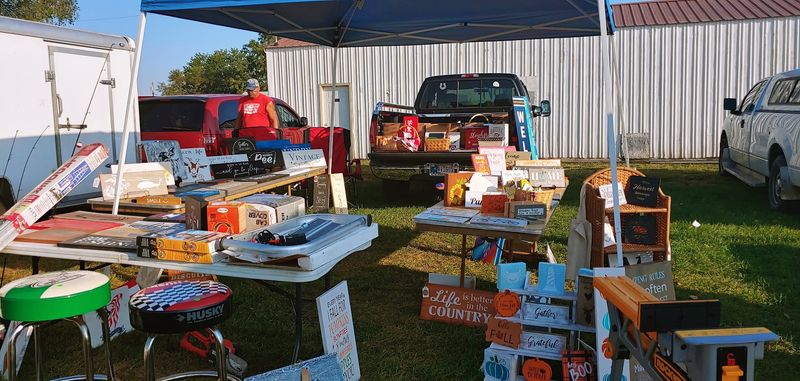
The outdoor section opens early. Vendors can begin selling at 5 a.m. on both Saturday and Sunday, which gives morning people a sizeable head start before the indoor barns open at 8.
That early window can be useful if you genuinely enjoy first-light shopping. It can also be completely ignored if alarms before sunrise are not part of your personality.
The outdoor vendors remain open until 4 p.m., so nobody has to turn flea-market browsing into an endurance sport.
Weather matters here. On good-weather weekends, arriving early can make parking easier. Outdoor participation also depends on conditions, with sellers sometimes setting up even during December when the weather is agreeable.
So let the forecast help choose the plan. Clear morning? Start outside and work toward the barns later.
Colder day? Sleep a little longer and begin indoors at 8.
Comfort matters more than speed. Shoes made for walking are a better idea than shoes chosen for style, especially if you intend to cover both the outdoor rows and the barns. The goal is to have enough patience left for the booth that catches your attention near the end.
Several Indoor Barns Keep Shopping Going Through Winter
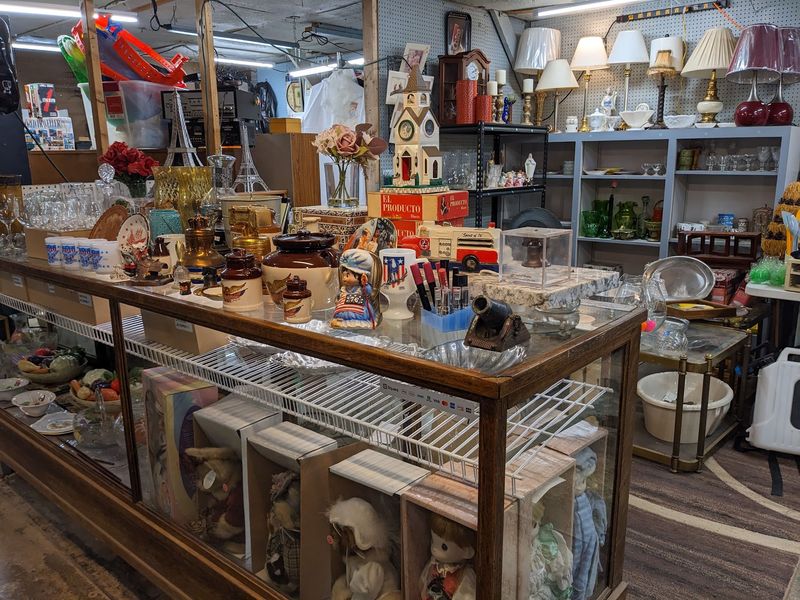
The indoor side solves the biggest problem with an outdoor flea market: Indiana weather does not always cooperate.
Several barns packed with vendors stay open year-round. Indoor hours run from 8 a.m. to 4 p.m. on Saturday and Sunday, providing a later start than the outdoor section while keeping the same afternoon closing time.
That setup gives winter visits a straightforward rhythm. Arrive after breakfast, move from barn to barn, and take breaks outside when the weather allows. During warmer months, the barns can become the second half of the visit after an early sweep through outdoor sellers.
The indoor spaces also make it easier to slow down. Flea-market shopping rewards the second look. A shelf that seems ordinary from several feet away can hold exactly the odd little object you suddenly decide belongs in your kitchen, garage, office, or collection.
You do not need to inspect every item. Pick a category that interests you, then let your attention wander. One person may spend most of the morning around collectibles.
Another may move quickly until something practical appears.
That difference is part of the appeal. A shared trip does not require everyone to hunt for the same thing.
Free Entry Takes The Pressure Off The Search
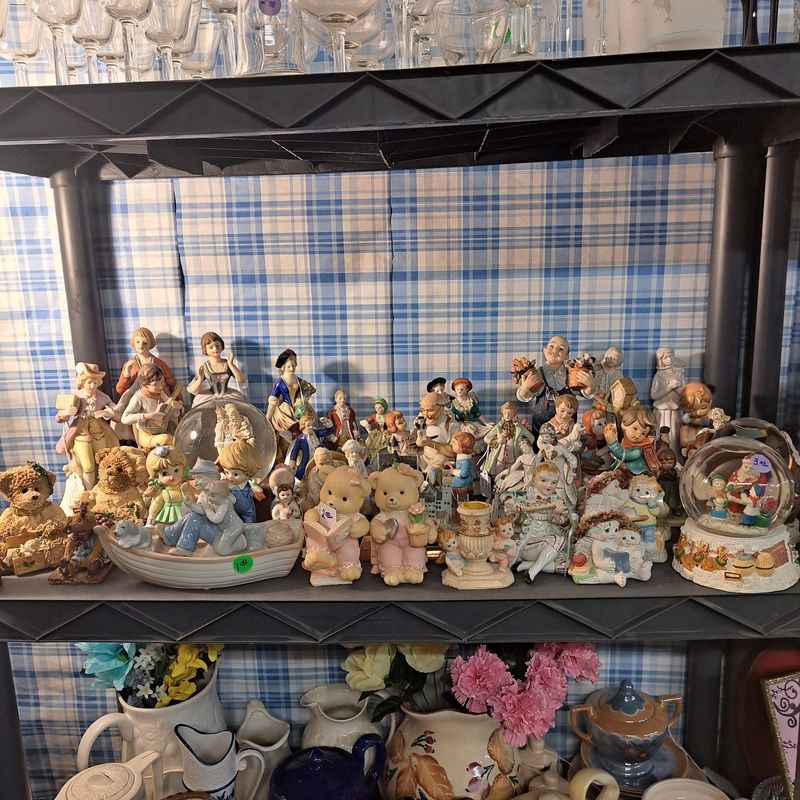
Admission to Uncle John’s is free. That small detail changes the mood of a visit because there is no ticket price to justify once you walk through the market.
You can browse for twenty minutes or spend several hours moving between vendors. You can buy three things, one thing, or nothing at all. The market still works as an outing because looking is part of the activity.
Free entry is especially useful when shopping with someone whose interests do not match yours.
One person can search for collector pieces while another checks newer goods or whatever happens to catch the eye. Nobody needs to calculate whether the entrance fee was “worth it.”
It also makes repeat visits easier. Since vendor merchandise changes and outdoor participation depends partly on weather, another weekend can offer a different mix without requiring a big commitment.
The only useful rule is to decide on a spending limit before something unusual starts negotiating with your common sense. Flea markets are very good at producing objects you did not know you wanted ten minutes earlier.
Browsing can be free. The mysterious item that suddenly seems essential is another matter.
Bartering Is Part Of The Flea Market Routine
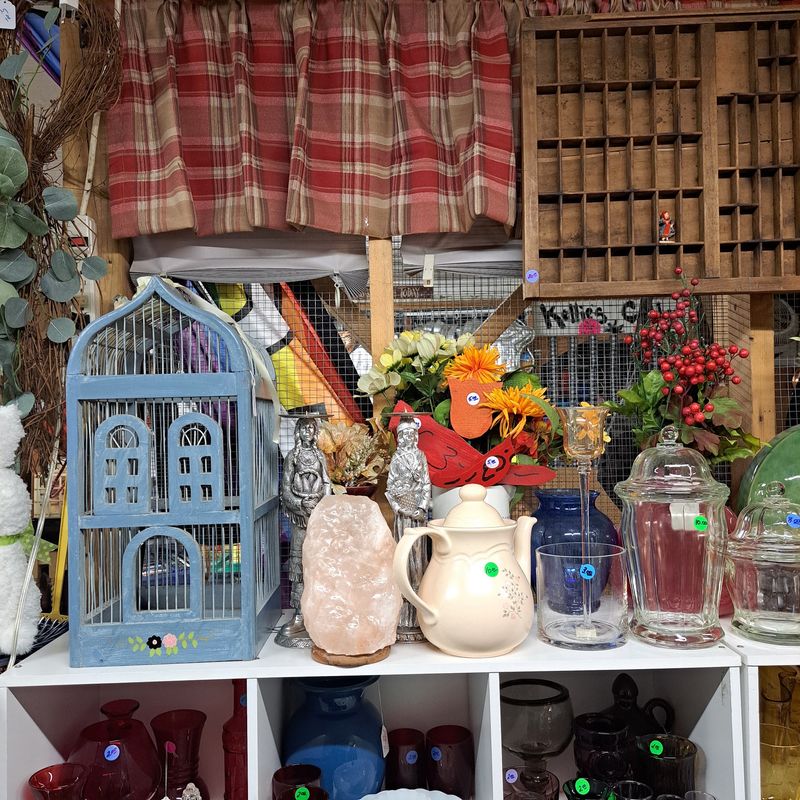
Uncle John’s builds bartering directly into its flea-market identity. That does not mean every price is automatically negotiable, but it does mean a polite conversation can be part of shopping.
The easiest approach is simple. Look at the item, decide what it is worth to you, and ask respectfully if there is flexibility. If the seller says no, you still have a clear answer.
If there is room to move, the purchase becomes a little more interactive than pulling something from a fixed-price shelf.
That works best when you actually want the item. Negotiating just for the sport of it can turn a quick exchange into unnecessary work for everyone involved.
It also helps to compare before committing. More than 200 vendors means similar categories may appear in several parts of the market. A first price gives you information, not an obligation.
Then there is the most important flea-market skill: knowing when to walk away and when to circle back. If an item keeps occupying your thoughts two barns later, that may be your answer.
Just remember where the booth was. “Somewhere near that table with the old signs” becomes much less useful after an hour of wandering.
Let The Weekend Schedule Decide How You Browse
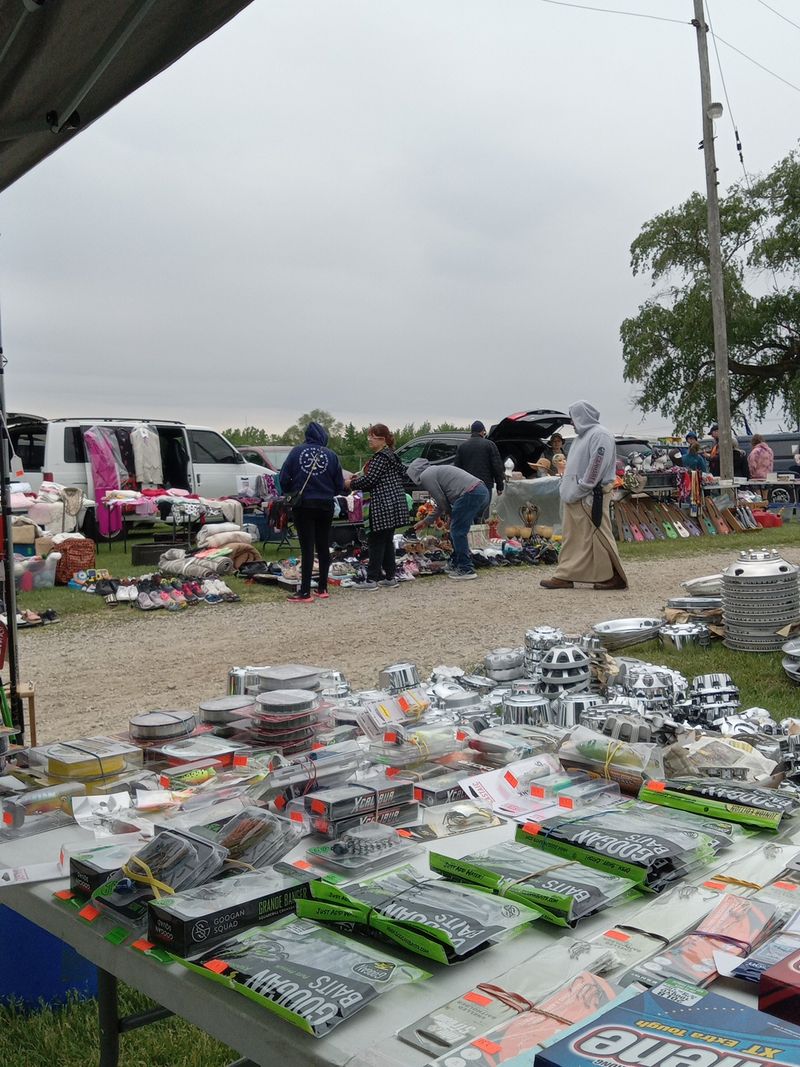
Uncle John’s is open year-round on Saturdays and Sundays. Outdoor vendors run from 5 a.m. to 4 p.m., while indoor vendors operate from 8 a.m. to 4 p.m. Those two schedules give you several ways to build the visit without trying to see everything at once.
For the earliest start, head outside at 5 and move indoors when the barns open. For a more relaxed morning, arrive around 8 and choose whichever section looks more inviting. If the weather turns uncooperative, the indoor barns can carry most of the outing.
Good-weather weekends can make parking slower, so an earlier arrival can simplify the start of the visit. That is practical rather than urgent. An extra few minutes in the morning can make the rest of the visit easier.
The best plan is the one that leaves room to browse. Pick a starting time, wear comfortable shoes, and avoid building a rigid checklist for more than 200 vendors.
A flea market is not a grocery run. The fun begins when the list stops being completely in charge.