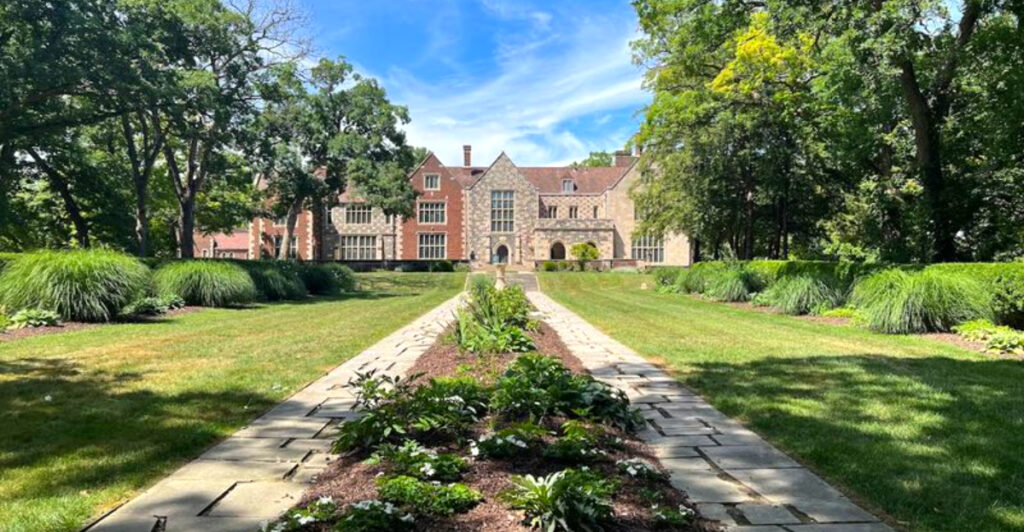
A stone mansion in a quiet Des Moines neighborhood is not exactly what most people expect when they picture an Iowa afternoon.
Then the Gothic arches, Tudor beams, carved details, and garden paths show up, and suddenly the Heartland starts speaking with a very convincing English accent.
This is Iowa with manor-house manners and serious castle energy. One visit feels less like a quick local stop and more like wandering into a PBS period drama, minus the complicated inheritance dispute.
The appeal is in the details: imported materials, art-filled rooms, sculpted gardens, and a 28,000-square-foot design that rewards slow looking.
It is the kind of place that makes you check the map twice, because Des Moines rarely gets confused with the English countryside.
A Mansion That Defies Its Midwest Address
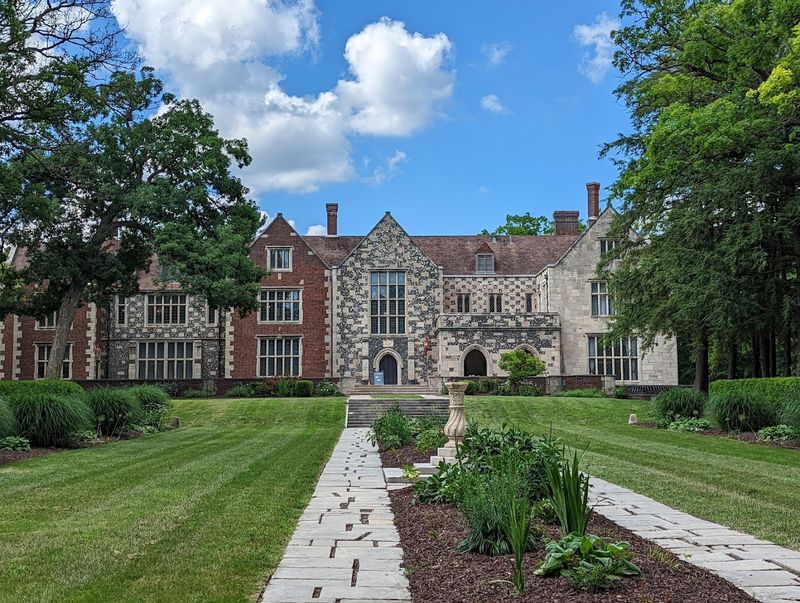
There are buildings that impress you, and then there are buildings that genuinely stop you mid-step. Salisbury House is firmly in the second category.
The mansion was built in the 1920s by Carl and Edith Weeks, a wealthy couple connected to the Armand cosmetics business.
Rather than build something purely American, they drew inspiration from King’s House in Salisbury, England, creating a Gothic, Tudor, and Carolean-style estate that still feels foreign in the best possible way.
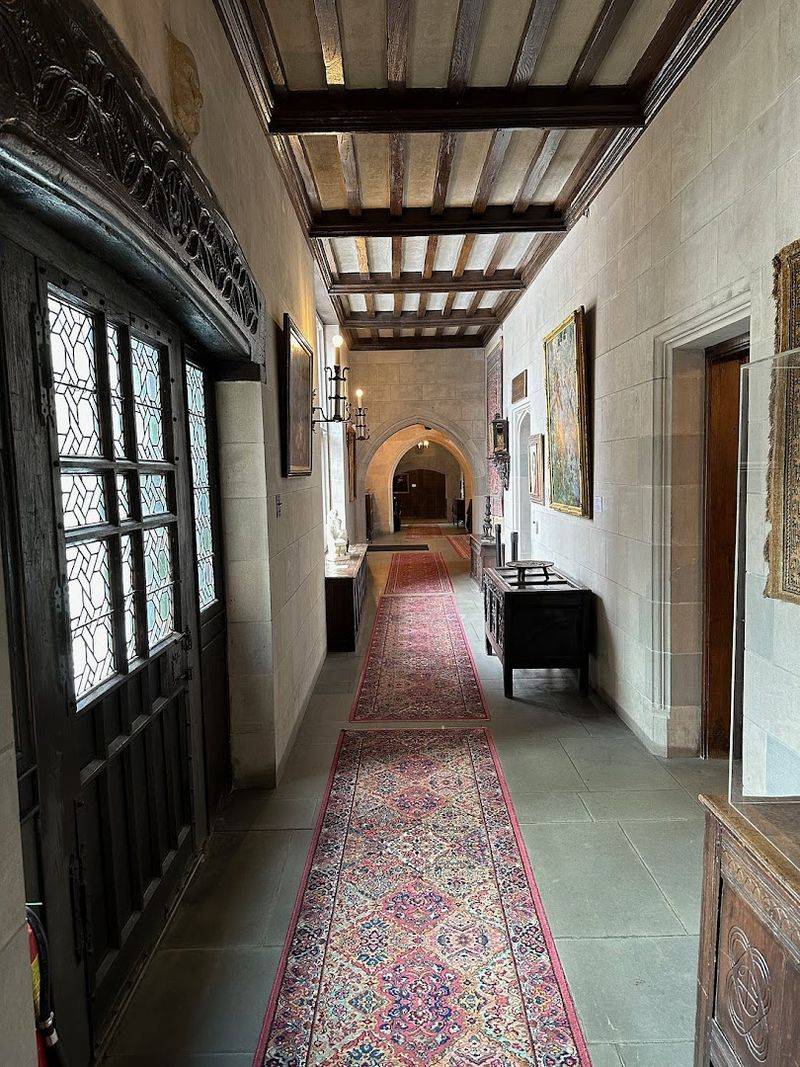
Authentic architectural elements were brought in to make the construction feel as genuine as possible. The home includes 16th-century English oak woodwork, English flintwork, historic rafters, and architectural salvage sourced from the Salisbury and Wiltshire area of England.
The full address is 4025 Tonawanda Dr, Des Moines, IA 50312, and finding it feels a little like discovering a secret that the whole neighborhood has quietly agreed to keep.
The mansion spans an enormous 28,000 square feet, yet it sits in a setting that feels personal and surprisingly intimate rather than cold or museum-stiff.
The Story Behind the Weeks Family Legacy
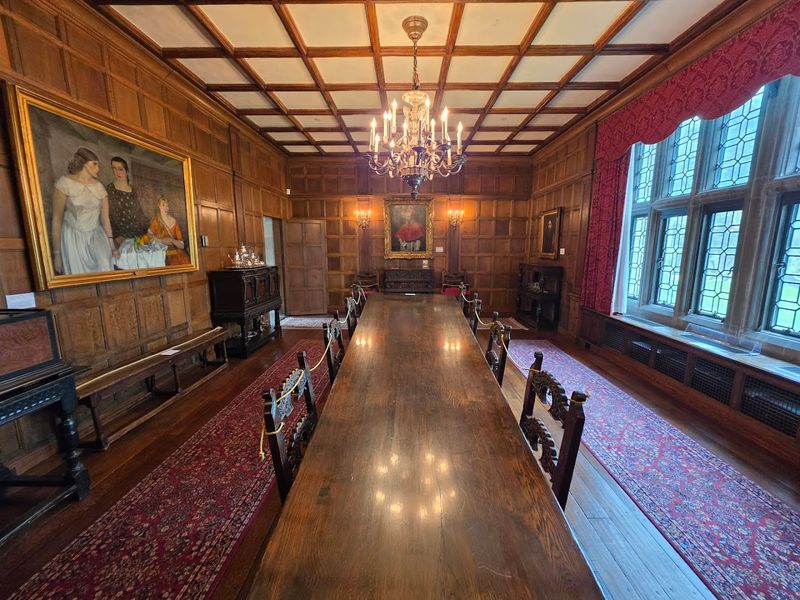
Carl and Edith Weeks were not your average Iowa couple, and their home makes that abundantly clear from the moment you cross the threshold.
Carl built his wealth through the Armand cosmetics company, which became one of the most recognized beauty brands of the early twentieth century.
That financial success gave him and Edith the freedom to travel extensively through Europe and collect art, architecture, and artifacts with genuine passion rather than just casual interest.
Edith, in particular, was a deeply educated woman with a sharp eye for art history. Her knowledge shaped the collection you see throughout the house today, which spans everything from European paintings and religious sculptures to Native American art and ancient artifacts from Cyprus dating back to 1000 BCE.
The couple’s vision was not just to build a house but to create a living environment that reflected centuries of human creativity. That ambition comes through in every room, every ceiling, and every carefully chosen piece on display.
Their story is one of the most compelling parts of any tour here, and the guides tell it with real enthusiasm.
Gothic Architecture That Actually Came From England
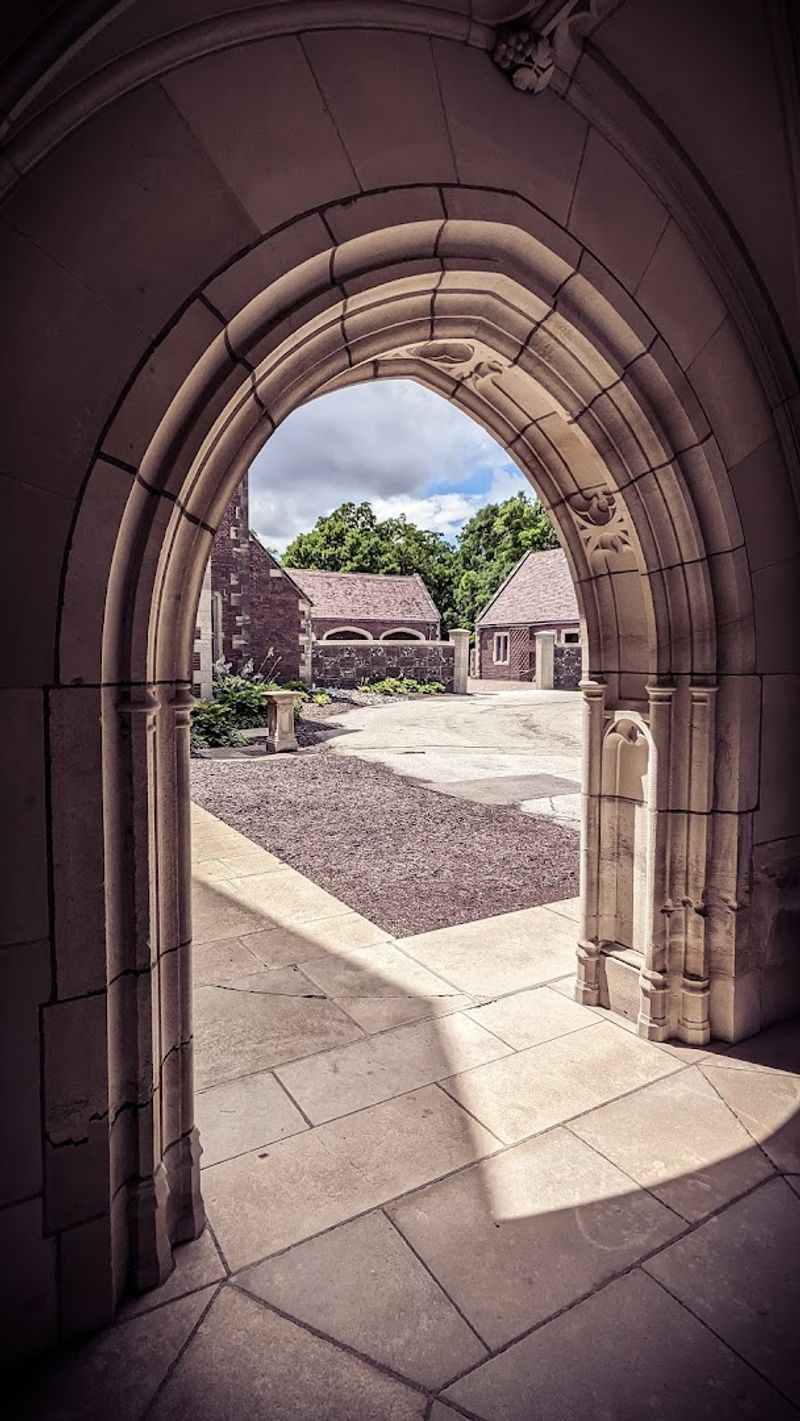
Most buildings inspired by European architecture use reproductions, but Salisbury House went a step further by bringing in historic materials with real age and character.
The heavy wooden ceiling beams overhead are genuine English architectural elements, not decorative fakes installed for atmosphere.
The Great Hall includes a half-beam ceiling from the White Hart Inn in Salisbury, England, while other notable details include antique fireplaces, English flintwork, historic wood carvings, and a staircase dating to the 13th century.
During my visit, I kept studying the walls and doorframes just to absorb the level of detail, because the whole place has a quality that feels almost theatrical in its authenticity. The house does not simply borrow an English look; it incorporates real architectural salvage that gives the rooms their unusual depth.
What makes all of this especially striking is how coherent it feels. Mixing materials from different periods could easily result in a chaotic mess, but the design holds together beautifully.
Every architectural element seems to have been chosen with intention, and the overall effect is a building that genuinely earns the word historic without needing any quotation marks around it.
An Art Collection That Rewards Slow Looking
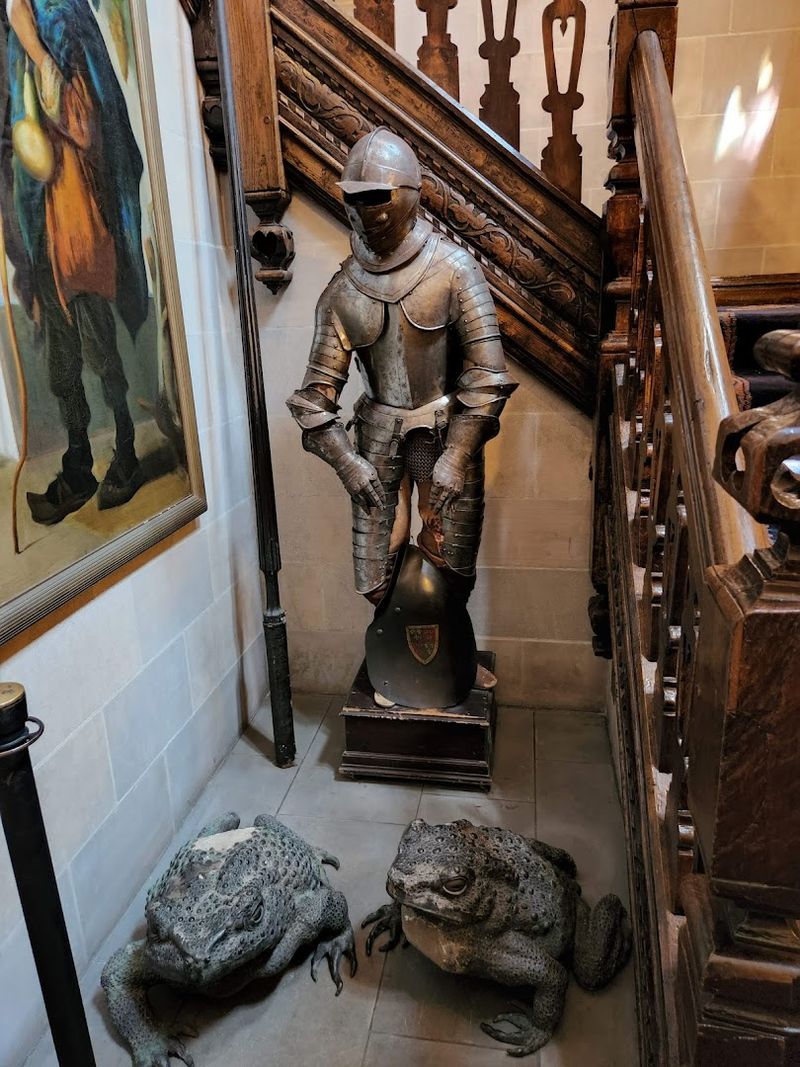
The art inside Salisbury House is not arranged like a typical museum, where pieces sit behind glass in sterile white rooms. Here, everything lives alongside the furniture and architecture in a way that feels organic and genuinely residential.
A three-quarter suit of armor stands among the furnishings, tapestries hang from richly detailed rooms, and the broader collection includes paintings, statues, antique furniture, architectural elements, and objects gathered from across the globe.
The Weeks family’s collection is unusually varied, with European art, decorative objects, historic furnishings, carvings, textiles, and personal curiosities all sharing space inside the house.
Carl and Edith Weeks assembled this collection with real ambition, and their choices reflect a curiosity that crossed cultural and geographic boundaries. The breadth of the collection is genuinely impressive, and you notice new things on a second or third visit that you completely missed the first time around.
I found myself standing in front of certain pieces far longer than I expected to. The art rewards patience, and the setting makes it feel like you are browsing a private collection rather than walking through an exhibit.
The Guided Tour Experience Worth Booking in Advance
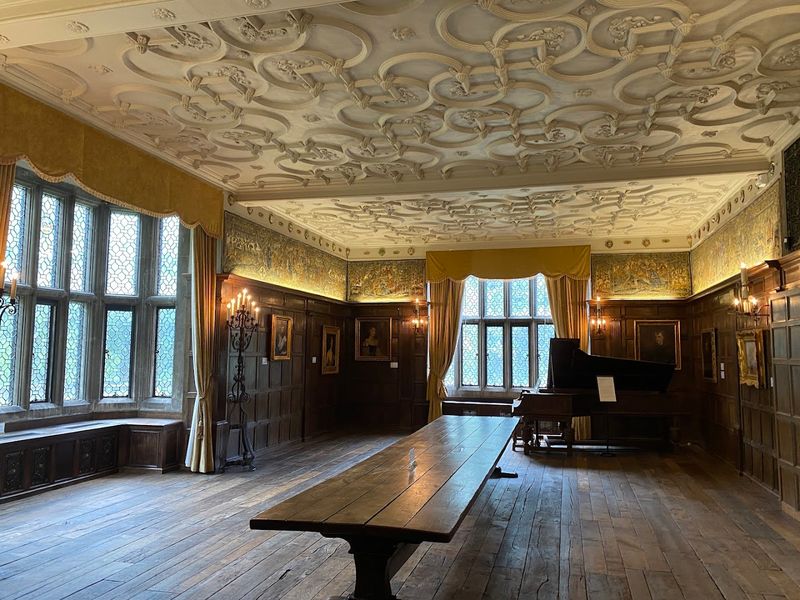
You can do a self-guided tour at Salisbury House, and it is perfectly enjoyable. But the guided tour adds a completely different level of context, and I say that after trying both options on separate visits.
The docents here are not just pointing out rooms. They explain how the house was designed, constructed, furnished, later used as office space, and eventually developed into the cultural destination it is today.
Guided tours focus on the Weeks family, the collection, the architecture, and the many details that are easy to miss when you are wandering at your own pace.
A guided tour delivers layers of context that make the art and architecture click into place. You find out why certain rooms are arranged the way they are, what the family actually used each space for, and how specific pieces ended up traveling from Europe to the American Midwest.
Current self-guided admission is listed at twelve dollars for general admission, while guided tours are listed at seventeen dollars for general admission. Guided tours take about seventy-five minutes, are limited to ten people, and tickets open two weeks out on a rolling basis, so booking ahead is smart.
Plan for at least an hour for a self-guided visit and a little longer if you want to enjoy the house, gardens, and details without rushing.
Gardens That Shift With Every Season
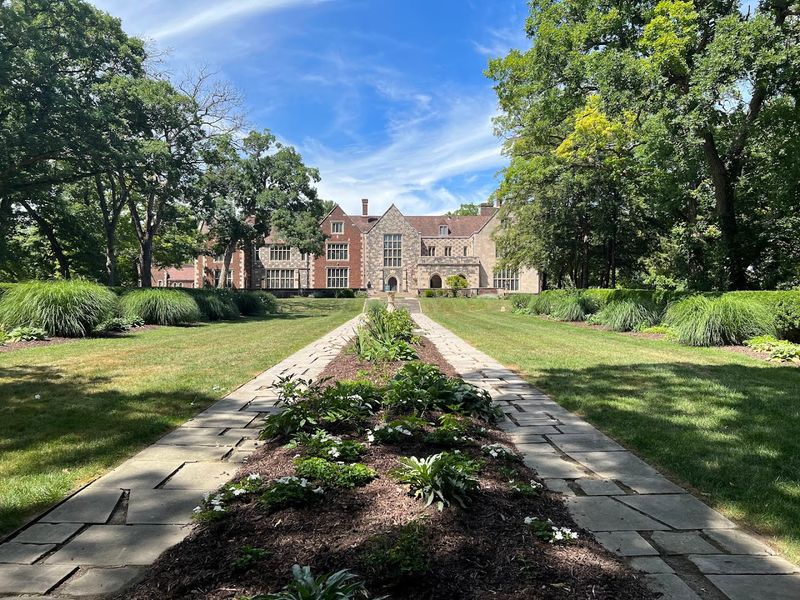
The interior of Salisbury House gets most of the attention, but the gardens surrounding the property are quietly spectacular in their own right.
The formal gardens were designed by Edith Weeks and blend English and French landscape traditions, with structured beds, terraces, open lawn, and woodland edges that complement the stone exterior of the mansion beautifully.
The estate includes more than 9,000 square feet of garden beds cared for by staff and volunteers, giving the outdoor spaces enough structure and seasonal change to reward a slow walk.
The property also maintains roughly six acres of woodland, one of the features that helps the estate feel surprisingly removed from the city around it.
Spring brings fresh growth and color, warmer months make the grounds feel lush and inviting, and cooler seasons give the house a moodier backdrop. No matter when you visit, the outdoor spaces are worth exploring thoroughly before you head back inside.
A Concert Venue Hidden Inside a Tudor Estate
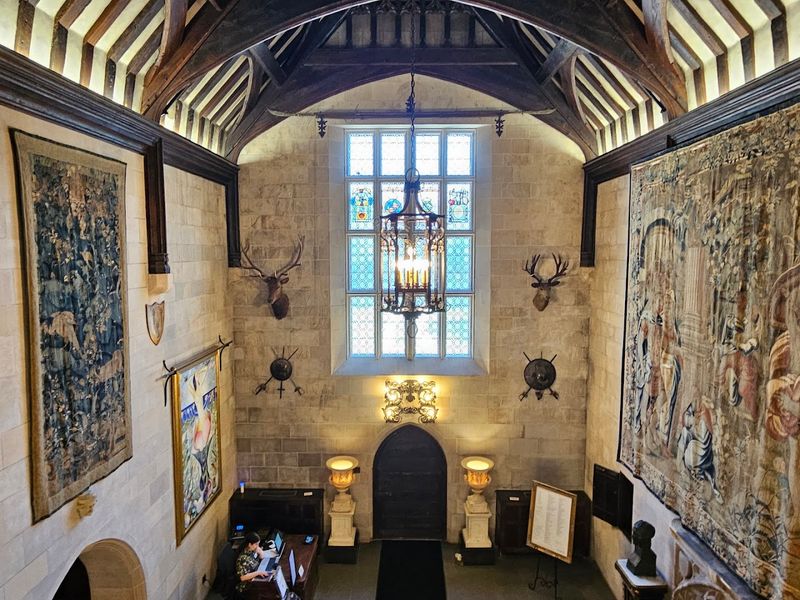
Not many historic house museums also function as active event venues, but Salisbury House manages to pull off both roles without either one suffering.
The Common Room, with its soaring ceilings and English timber beams, creates an atmosphere that feels completely different from a conventional performance space. Depending on the setup, venue listings place its seated event capacity around ninety guests, which keeps gatherings intimate.
The architecture adds a resonance that feels both literal and figurative.
Salisbury House also hosts public events throughout the year, including seasonal programs, special dinners, outdoor performances, and concerts. Events can sell out quickly, so checking the schedule on the website at salisburyhouse.org and grabbing tickets early is genuinely good advice rather than just a polite suggestion.
The combination of live programming and historic surroundings creates an evening that stays with you.
There is a particular pleasure in hearing a performance in a room where the walls themselves have history, and Salisbury House delivers that experience with a consistency that has built a loyal local following over many years of programming.
A Wedding Venue Unlike Any Other in the Midwest
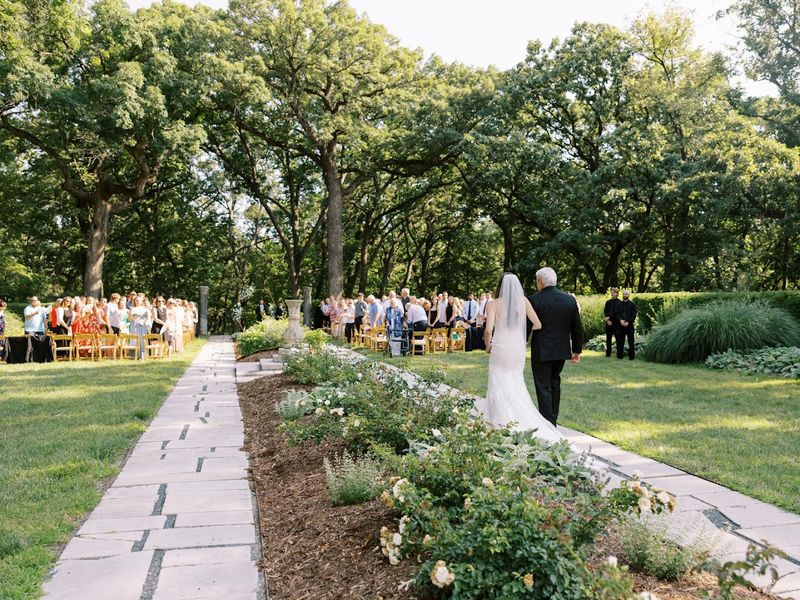
Salisbury House has developed a strong reputation as a wedding venue, and spending even a short time on the grounds makes it obvious why couples keep choosing it.
The property can host celebrations year-round, with peak-season rentals from May through October allowing both indoor and outdoor use for guest counts up to 250. During the off-season, private rentals take place indoors with guest counts of 100 or fewer.
What sets this venue apart from the newer, purpose-built spaces that have opened around the region is character. Every corner of the property has texture, history, and visual interest that no amount of modern renovation can manufacture.
The photographs taken here have a richness that couples notice immediately when they review them afterward.
Salisbury House event staff are available on the day of private events to help with venue-specific needs, setup, teardown, and property-related questions. The venue can flex to suit everything from intimate gatherings to larger celebrations, which makes it genuinely versatile despite its historic nature.
For anyone dreaming of a wedding that feels truly distinctive, this property delivers something that stays in the memory long after the day itself.
Practical Tips for Getting the Most Out of Your Visit
Salisbury House posts museum hours by week, and hours can change for private events, so checking the current schedule before you make the drive is genuinely worth the thirty seconds it takes.
For the week of May 18 through May 24, 2026, the museum lists Wednesday through Friday and Sunday from 10 AM to 5 PM, with Monday and Tuesday closed and Saturday closed for an event.
Parking is available on site, which removes one logistical headache entirely. The house does have stairs and some uneven surfaces, and accessibility is partial rather than complete.
An elevator is available to the second floor, accessible parking and zero-step entry are located on the north side, and staff ask for advance notice when visitors need accommodations.
Budget about one hour for a self-guided visit and about seventy-five minutes for a guided tour, with extra time if you want to enjoy the gardens and grounds afterward.
The QR codes posted throughout the house are a useful supplement if you prefer to move at your own pace but still want some context for what you are looking at.
You can reach the house at 515-274-1777 or browse upcoming events at salisburyhouse.org before your trip.
Admission is reasonable given the scale and quality of what is on offer, and the combination of art, architecture, history, and gardens makes this one of the most rewarding afternoons you can spend anywhere in the state of Iowa.