
I have always thought retirement math should leave room for more than staring suspiciously at the grocery receipt.
You start comparing towns, and suddenly every housing payment, medical bill, and grocery run begins auditioning for a role in your future budget.
Then Iowa offers a quieter possibility where daily life does not demand a financial strategy meeting before breakfast.
You can stretch a fixed income without treating every pleasant afternoon like an unauthorized expense.
The pace gives you room to settle in rather than constantly keep up. Familiar places become part of the routine, and community starts meaning more than recognizing someone in the checkout line.
That kind of simplicity sounds modest until you realize how much freedom it creates.
Iowa makes retirement planning feel less like trimming life down and more like choosing what deserves to stay.
Your savings get room to breathe. Your schedule finally stops taking orders from the calculator.
Charles City Gives A Budget More Room
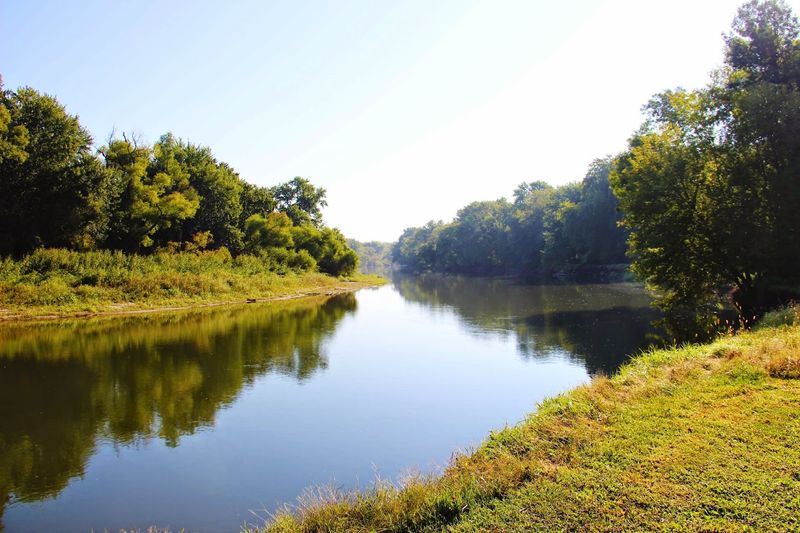
A good look at recent home sales can tell you a lot about what your budget might actually do in Charles City. The median represents the middle price among recorded sales. Half of the homes sold for more, while the other half sold for less.
The asking price starts the conversation, but negotiations and inspections can change what you ultimately pay.
Prices vary across the community based on location, condition, square footage, land, garages, and recent renovations. Larger properties and updated homes may sit well above the local median.
Recent Charles City sales remained substantially below that national figure.
A lower price can look appealing until the house starts revealing its repair list. A professional inspection can reveal concerns involving roofing, plumbing, heating, wiring, moisture, or structural condition.
Homeownership also includes expenses beyond the purchase price. Property taxes, utilities, insurance, repairs, yard care, and winter maintenance can affect the monthly household budget.
Available properties and prices change as homes enter and leave the market. A listing gives you the first look. County records and inspection reports help you find out what the house is really like.
Start With the Current Housing Numbers
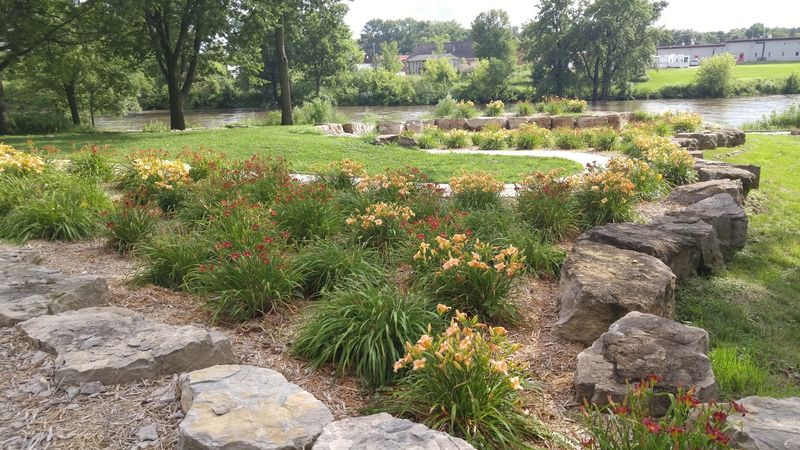
Recent housing figures give you the broad picture, but each property still tells its own financial story. The amount paid for an individual home depends on its size, condition, location, land, and recent improvements.
The asking price is where the deal begins. An inspection, negotiations, or agreed repairs may still change the final amount you pay.
Iowa’s homestead exemption reduces the portion of an eligible primary residence that is subject to property taxes. It lowers the taxable value rather than removing the entire tax bill.
Qualifying homeowners aged 65 or older may receive an additional exemption. Once approved, that exemption can continue in later years while the homeowner remains eligible.
Some homeowners aged 70 or older may qualify for a separate property-tax credit based on household income. This credit requires a new application each year.
Income limits, forms, and filing requirements can change. The county assessor and treasurer can walk you through the current instructions for each exemption or credit.
Before you get attached to a house, Floyd County records can show you its ownership, assessed value, tax information, recent sales, and parcel map.
The purchase price may grab your attention, but it is only one part of the homeownership budget. Insurance, property taxes, utilities, repairs, yard care, and winter maintenance can add to regular household expenses.
A lower price can lose its shine quickly when the house comes with a costly to-do list. An inspection can identify concerns involving the roof, structure, plumbing, wiring, heating system, or moisture.
Healthcare Stays Close to Home
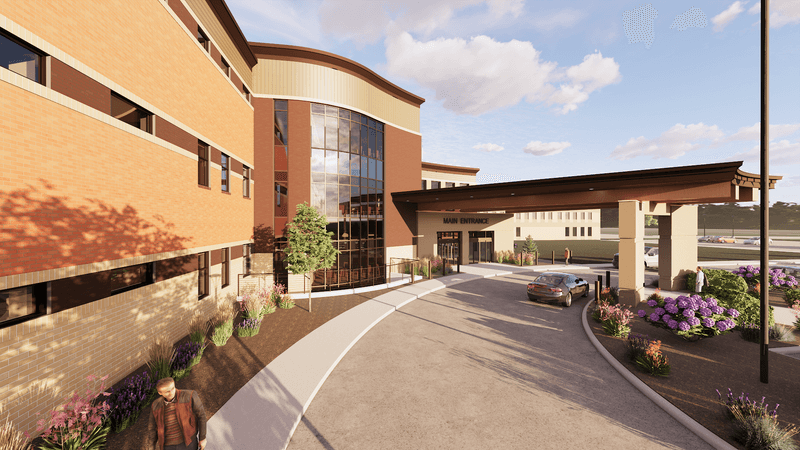
Floyd County Medical Center operates at 800 11th Street in Charles City. The independent hospital has 25 beds and carries the federal Critical Access Hospital designation.
The hospital provides emergency care throughout the day and night. Inpatient care, skilled nursing, laboratory work, imaging, therapy, and outpatient procedures are also available.
Adult and geriatric medicine appear among the current services. Diabetes education, nutrition care, wound treatment, infusions, and pain management are also listed.
Physical, occupational, and speech therapy operate through the medical center. These departments support recovery after illness, injury, surgery, or changes in mobility.
Specialty clinics bring several types of care into the community on scheduled days. Current listings include cardiology, orthopedics, podiatry, nephrology, general surgery, and ear, nose, and throat care.
Visiting specialists may not hold appointments every day, so you will want to check schedules, insurance coverage, and referral requirements before arranging a visit.
The Rural Health Clinic operates at the same medical campus. Regular weekday appointments are available, along with urgent-care hours across the week.
Floyd County Public Health and Home Health Care works from 1003 Gilbert Street. Its staff can help you turn several different needs into one coordinated care plan.
The county offers an initial home assessment without a charge. Ongoing fees may depend on income, insurance coverage, medications, and the services provided.
Medicare, Medicaid, private insurance, veterans’ programs, and private payment may cover different forms of care. Coverage varies, so you should confirm the details before building a care plan around a service that may not be included.
The Community Center Keeps Weekdays Connected
The Charles City Community Center operates at 900 Hulin Avenue. Elderbridge lists it as a weekday site for meals served in a shared dining setting.
This is a sit-down community meal rather than a home-delivery service. A quick call can help you confirm reservations, menus, suggested contributions, and holiday closures.
Elderbridge also connects older adults with regional programs and service information. Available help may include nutrition support, caregiver resources, referrals, and care coordination.
Home-delivered meals operate separately from the regular dining-room schedule. Eligibility and delivery areas depend on the organization handling each request.
Winter weather can change meal service quickly when roads become difficult to navigate. Calling before your first visit can confirm the current schedule and reservation process.
The community center and public-health office operate from different buildings. Each location has its own telephone number, programs, and eligibility requirements.
Fresh Conversations adds occasional nutrition sessions to the calendar, though you will need to check the selected dates because they are not part of every weekday meal.
Thirteen Parks Add Everyday Breathing Room
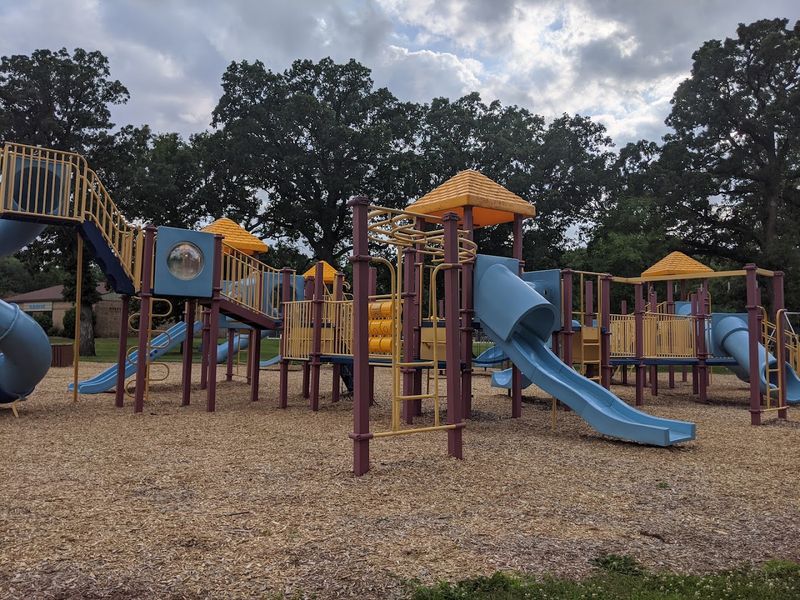
The Charles City Parks and Recreation Department maintains 13 primary parks and several additional public spaces. It also operates Lions Field Pool and Wildwood Golf Course.
Central Park, Riverside Park, Sherman Park, Lions Field Park, and Wildwood Park serve different sections of the community. Facilities vary from lawns and benches to playgrounds, shelters, pools, and sports areas.
Picnic shelters can be reserved at several locations. Electricity, restrooms, nearby parking, playground access, and field space vary from one shelter to another.
Lions Field Park includes a municipal swimming pool, playground equipment, ball fields, sand volleyball, and picnic areas. The swimming facility follows a seasonal summer schedule.
The pool includes a zero-depth entrance, diving boards, and a large water slide. Before packing your swimsuit, check the recreation department for current opening dates, hours, and admission fees.
Wildwood Park contains a nine-hole golf course, clubhouse, playground, pavilion, and ball fields. Green fees, cart rentals, leagues, and season passes follow separate schedules.
The Charley Western Recreational Trail crosses several parts of town. If walking or cycling sounds like your pace, you can follow sections near parks, neighborhoods, and open land.
This northeast Iowa park system also includes spaces for casual walks, family gatherings, sports, and quiet afternoons. Before planning a colder-weather visit, check whether seasonal facilities have shortened their hours or closed for the season.
The Cedar River Keeps Retirement Active
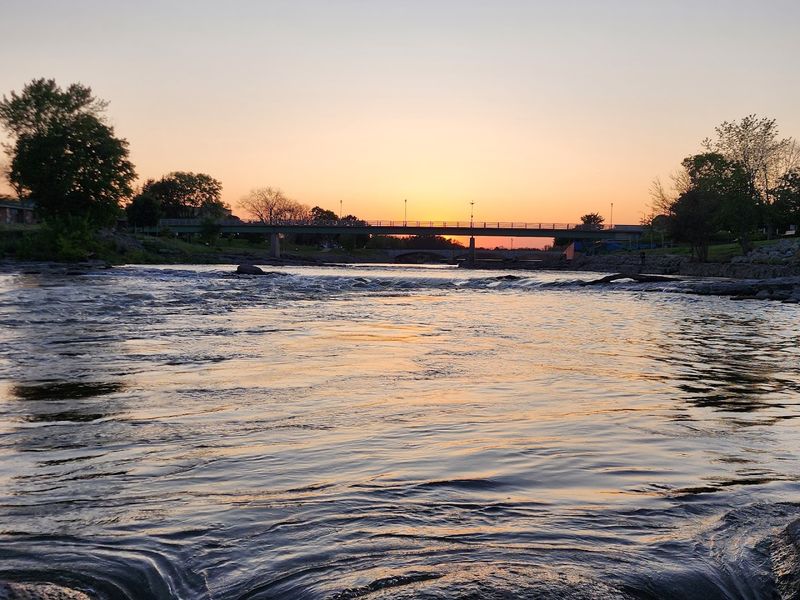
Riverside Park follows the Cedar River from Main Street toward Hawkins Avenue. Downtown streets meet lawns, trails, play areas, and river views within the same park.
A whitewater course stretches for about 1,200 feet through the river corridor. Three engineered features create Class II and Class III water conditions.
Experienced kayakers and paddleboarders can use the course, but suitable equipment and a realistic understanding of your skill level matter. Water levels, debris, weather, and personal ability affect conditions on every visit.
A canoe and boat launch offer another entry point near the river. If you plan to enter moving water, proper flotation equipment and current safety guidance should be part of the plan.
The park also includes a nine-hole disc golf course. Two ball fields, a natural ravine play area, and a stormwater feature occupy other sections.
An amphitheater provides seating for approximately 100 to 150 people. Performances and public gatherings follow the city’s current event calendar.
A meditation labyrinth offers a quieter activity near the river. Benches and open shoreline views provide additional places to pause.
You can enjoy Riverside Park without ever entering the whitewater area. Walking, watching the river, disc golf, and public events keep plenty of the experience on dry land.
Arts and Community Life Fill The Calendar

The Charles City Arts Center occupies a former Carnegie Library at 301 North Jackson Street. The historic building now holds galleries, classrooms, a gift shop, and event space.
Admission to the gallery is free under the center’s current policy. Monthly exhibitions and artist receptions bring changing work into the building.
Local artists sell selected pieces through the gallery and gift shop. Displays change as new artists, materials, and seasonal exhibitions enter the schedule.
Classes are offered for adults and children. The center also provides an after-school art program for students from kindergarten through sixth grade.
Creative Thursdays currently offer free public sessions with materials supplied. The exact activity changes with the monthly schedule and participating instructors.
The event calendar also lists opening receptions, workshops, drumming programs, and seasonal gatherings. Art-a-Fest is scheduled in Central Park as an annual community event.
The regular gallery is free, but you may need to register or pay a fee for certain classes and special events.
The arts center publishes current dates, times, and registration details online. Because exhibitions, instructors, and community plans change, checking the calendar can help you avoid missing something that fits your interests.