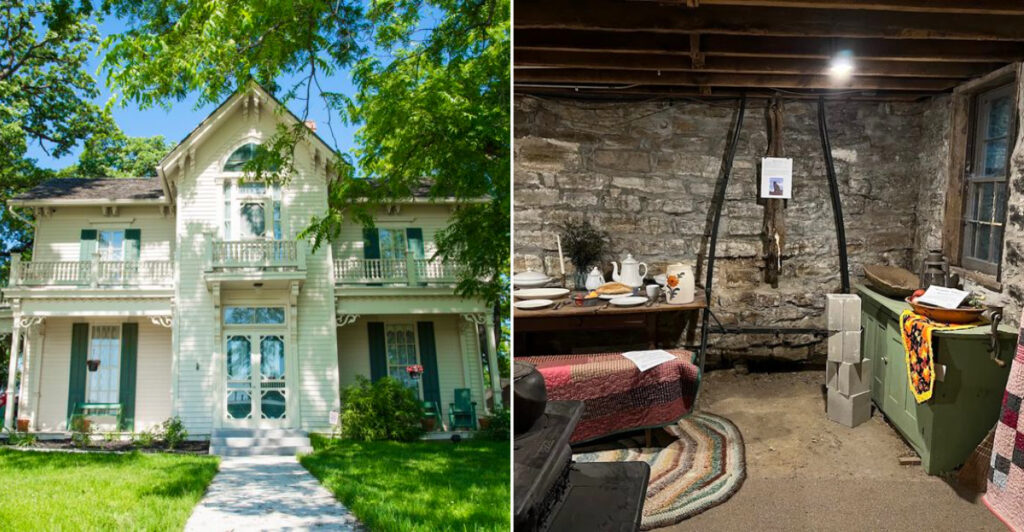
The house looks calm at first, almost too calm for the story it carries.
It sits on Fuller Road in West Des Moines like a graceful Victorian landmark, with the kind of quiet presence that makes you slow down before you even know why.
Then the tour begins, and the pretty old-home feeling changes fast.
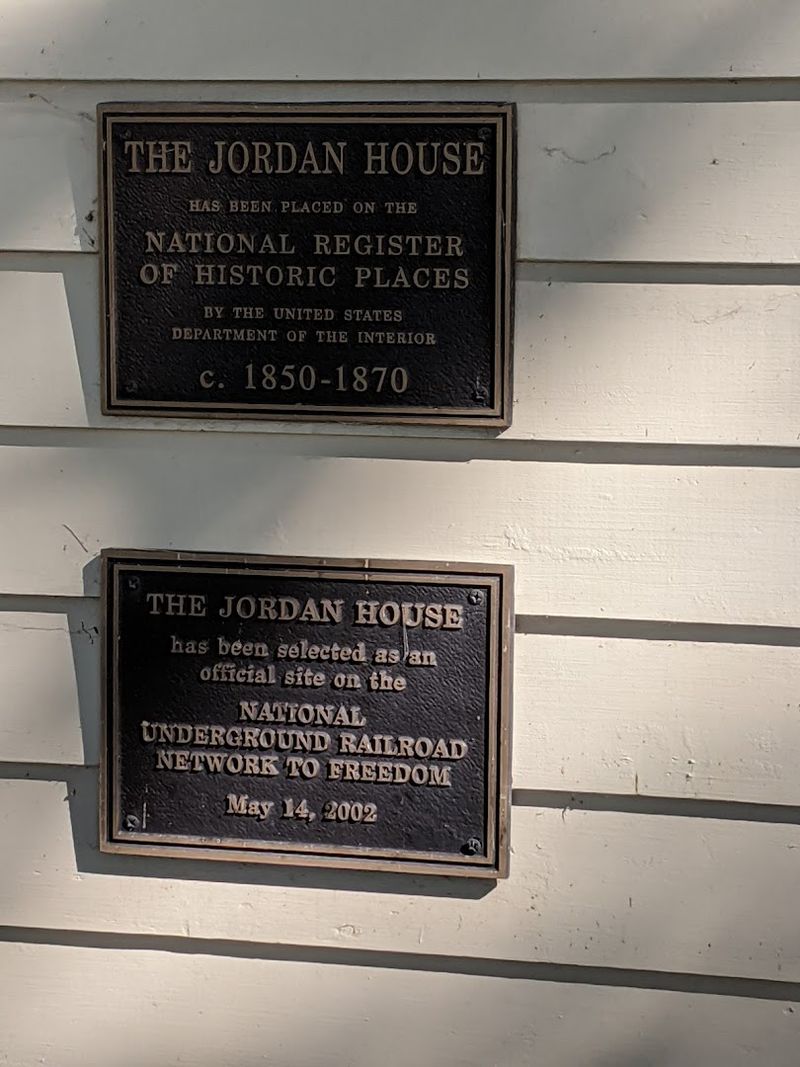
This Iowa historic site was once part of the Underground Railroad, giving freedom seekers a place to rest, hide, and keep moving toward a safer future.
That is the part that stays with you. Not just the architecture.
Not just the rooms. The thought that ordinary walls once held extraordinary courage.
Some museums teach history. This one makes it feel close enough to touch.
A Victorian Home With A Secret Mission
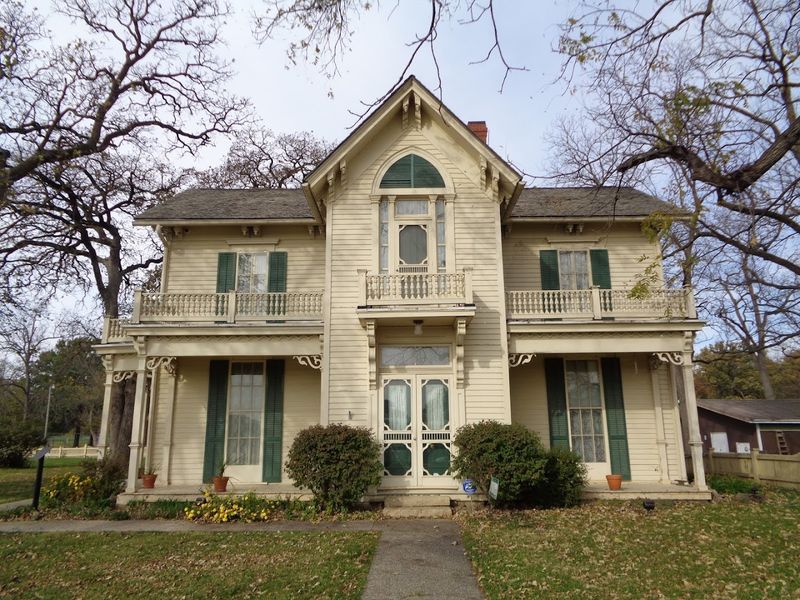
The Jordan House feels quiet at first. This West Des Moines landmark looks graceful from the outside, but its Underground Railroad history gives the home a much deeper weight.
The Victorian mansion sits along Fuller Road with a calm presence that does not immediately reveal everything it carries.
That contrast is what makes the first moments here so powerful.
You notice the historic architecture, the detailed woodwork, and the welcoming entry before the story starts to settle in.
Once inside, the home becomes more than a preserved old house.
It becomes a place where courage, risk, and humanity once shaped real lives, making the history feel close instead of distant.
For an Iowa historic home with Victorian beauty, Underground Railroad significance, and a story that still feels deeply human, this West Des Moines landmark deserves the visit.
You will find the Jordan House at 2001 Fuller Rd, West Des Moines, IA 50265.
The Jordan Family And Their Remarkable Legacy
James C. Jordan was not a man who sat quietly on the sidelines of history.
He settled in the Des Moines River valley in the 1840s and built what became one of the first substantial homes in the region, but his ambitions stretched well beyond real estate.
Jordan and his family were committed abolitionists who used their home as a stop on the Underground Railroad, helping freedom seekers travel safely through Iowa toward Canada and other free territories.
That took real courage at a time when helping enslaved people escape was a federal offense under the Fugitive Slave Act of 1850.
The Jordan family name has echoed through the area in lasting ways. Jordan Creek, a well-known waterway winding through the western Des Moines suburbs, carries the family name to this day.
The family’s influence on the region was so significant that some visitors joke the city itself could have been named after them.
Their story is one of the most compelling threads running through the entire tour experience.
What The Underground Railroad Actually Looked Like Here
Many people learn about the Underground Railroad in school. However, standing inside a home tied to that network makes the history feel entirely different.
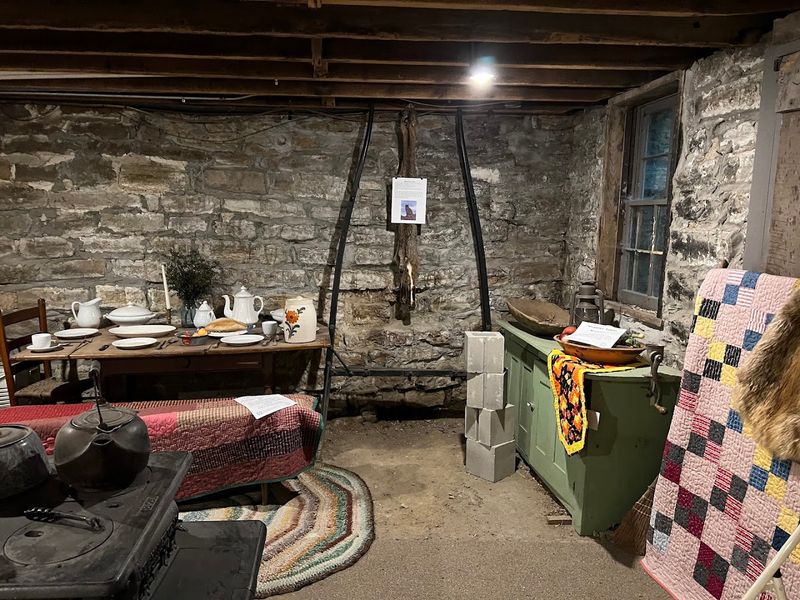
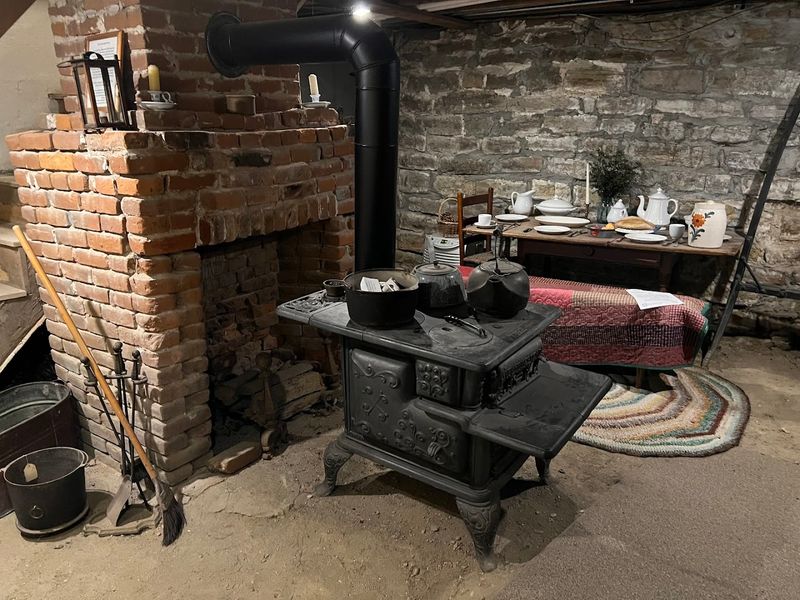
At the Jordan House, the basement is one of the most talked-about parts of the tour, and for good reason.
Originally used as part of the home’s early living space, including the kitchen, the basement is a large, earthy area that immediately sparks the imagination.
Guides explain how the Jordan property functioned as a stop on the Underground Railroad, with freedom seekers finding refuge in fields, barns, and outbuildings before continuing their journey north.
The space is not theatrical or dramatized. It is simply connected to the real story, and that honesty is what makes it so powerful.
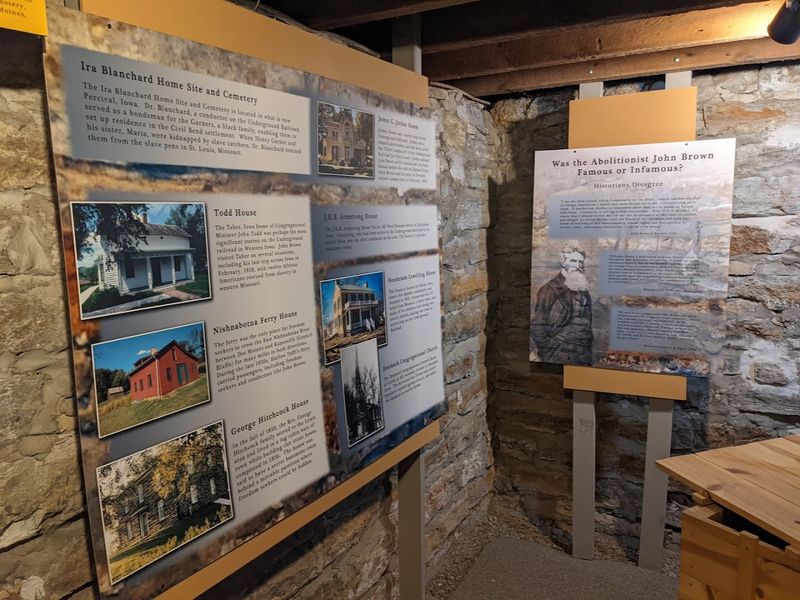
The exhibits throughout the home include artifacts, documents, and displays that explain how this network of safe houses and secret routes operated across the Midwest. Visitors often say the basement is the moment the history truly clicks for them.
There is something about standing in that old foundation space that turns an abstract chapter of American history into something immediate, human, and unforgettable.
Three Floors Of History To Explore
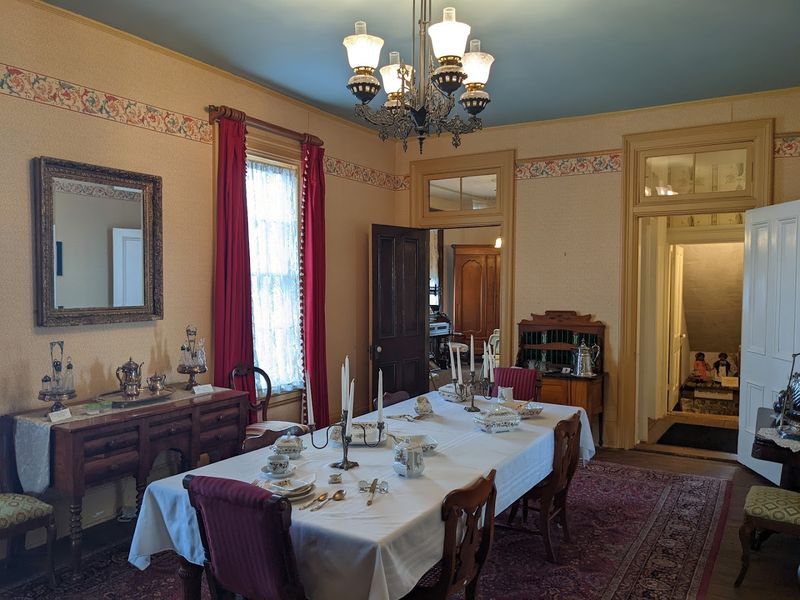
The Jordan House is not a one-room exhibit. The guided tour takes visitors through three full floors, including the cellar, the ground floor, and the second floor, each offering something distinct and worthwhile.
The ground floor showcases the domestic life of the Jordan family, with period furnishings, decorative details, and architectural features that reflect the tastes and practicalities of Victorian-era Iowa.
The rooms feel lived-in rather than staged, which gives the whole experience a grounded, authentic quality that many historic house museums struggle to achieve.
The second floor adds another layer to the story, focusing on the family’s personal history, the architecture of the home, and more detailed Underground Railroad context.
After the formal tour wraps up on the upper level, visitors are encouraged to wander a few extra rooms and browse additional displays at their own pace.
The guides make themselves available for questions during this time, and those extra conversations often turn out to be the most memorable part of the whole visit.
The Guided Tour Experience That Visitors Rave About

A great tour guide can turn a good museum into an unforgettable one, and the Jordan House seems to have that figured out.
Guides here are consistently praised for their depth of knowledge, their warmth, and their ability to connect with visitors of all ages, from curious ten-year-olds to retirees with decades of history reading under their belts.
The tour runs about an hour, though many visitors find themselves lingering well beyond that. Guides encourage questions throughout, and the conversations that spark up often lead to unexpected details and personal stories that are not in any brochure.
The group sizes tend to stay small, which means the experience feels personal rather than like a crowded museum shuffle.
Because the tour is guided and docent-led, the staff recommend booking tickets online in advance to make sure a guide is available when you arrive. Walk-ins sometimes get lucky, but reserving a spot ahead of time is the smarter move.
The entry fee is remarkably low for the quality of the experience, making this one of the best-value history outings in the greater Des Moines area.
Architecture That Reflects Its Era With Genuine Charm
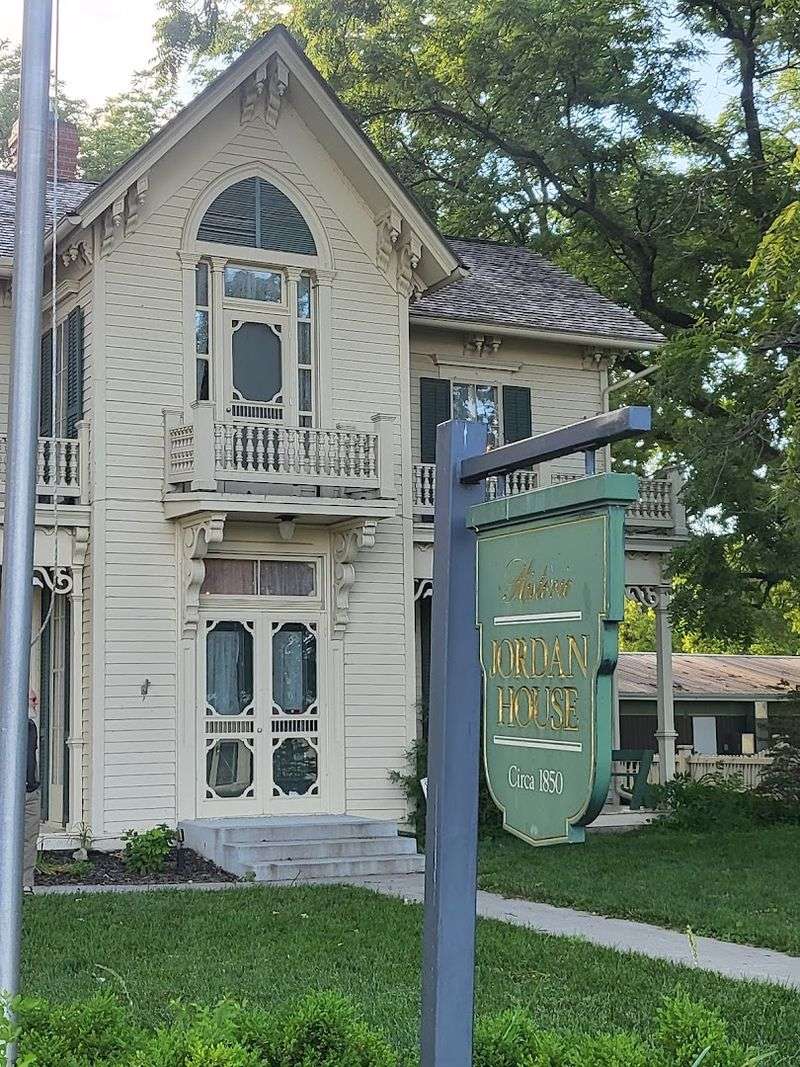
Beyond its role in American civil rights history, the Jordan House is also a genuinely beautiful piece of 19th-century architecture.
The home was considered quite grand for its time and place, and even today it carries an air of dignified elegance that sets it apart from the surrounding suburban landscape.
The Victorian style is evident in the home’s proportions, its decorative trim, and the careful attention to period detail that the West Des Moines Historical Society has maintained over the years.
Rooms are furnished with pieces that reflect the era, giving visitors a tangible sense of how the Jordan family actually lived day to day alongside their more historically significant activities.
The architectural tour woven into the broader history presentation is one of the elements that makes this more than just an Underground Railroad exhibit.
You get a genuine portrait of a family’s home life, their social standing, and the way domestic spaces were designed and used in mid-1800s Iowa.
For anyone with an interest in historic preservation or period design, this aspect of the visit alone is worth the trip out to Fuller Road.
A Museum That Welcomes Families And Young Visitors
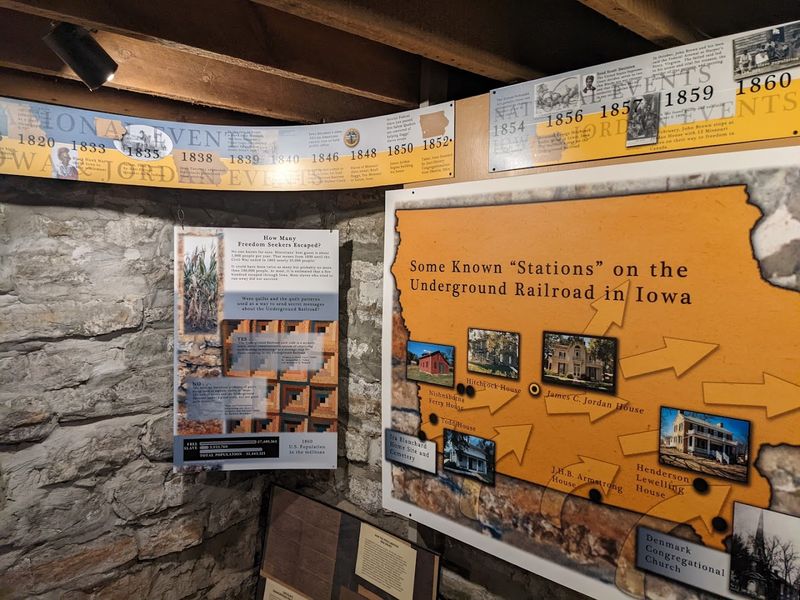
History museums can sometimes feel like they were designed exclusively for adults with advanced degrees and very patient attention spans. The Jordan House is a refreshing exception to that pattern.
Guides here have a clear talent for making the material accessible to younger visitors. Children in tour groups are drawn into the story naturally, and the hands-on quality of the space, real rooms, real objects, real history, keeps their attention in a way that flat textbook descriptions never could.
The Underground Railroad narrative in particular tends to resonate strongly with kids, who often arrive knowing the broad strokes and leave with a much richer understanding of what it actually meant.
Parents and teachers who have brought children to the Jordan House consistently report that the experience sparks conversations that continue long after the tour ends. That is the mark of genuinely effective historical education.
The museum is suitable for school-aged children through adults, and the guides adjust their presentation style naturally depending on who is in the group.
Few history outings manage to work this well across such a wide age range.
Visiting Hours And What You Need To Know Before You Go
Planning a visit to the Jordan House requires a little advance thought, because the operating hours are limited.
Public guided tours are currently offered most Fridays and Sundays at 11 AM and 1:30 PM, except on some holidays and during January.
That limited schedule makes it especially important to book your tickets online ahead of time rather than showing up and hoping for the best.
The tours are guided and docent-led, and advance ticket purchase is required to make sure a guide is available when you arrive.
The museum’s website at wdmhs.org is the best place to check current hours, confirm availability, and purchase tickets before your visit.
The entry fee is very affordable, with general admission listed at five dollars, which is a remarkable value given the quality and depth of the experience. You can also reach the museum by phone at 515-225-1286 if you have specific questions.
The parking situation is straightforward, with free on-site parking right off Fuller Road adjacent to the house. Plan to spend at least an hour, though many visitors find they want to stay longer once they get inside.
The Neighborhood Setting And How To Find It
West Des Moines today is a busy, modern suburb with shopping centers, office parks, and all the features of contemporary Midwestern life.
Finding a 19th-century Victorian mansion tucked into this landscape feels genuinely surprising the first time you come across it.
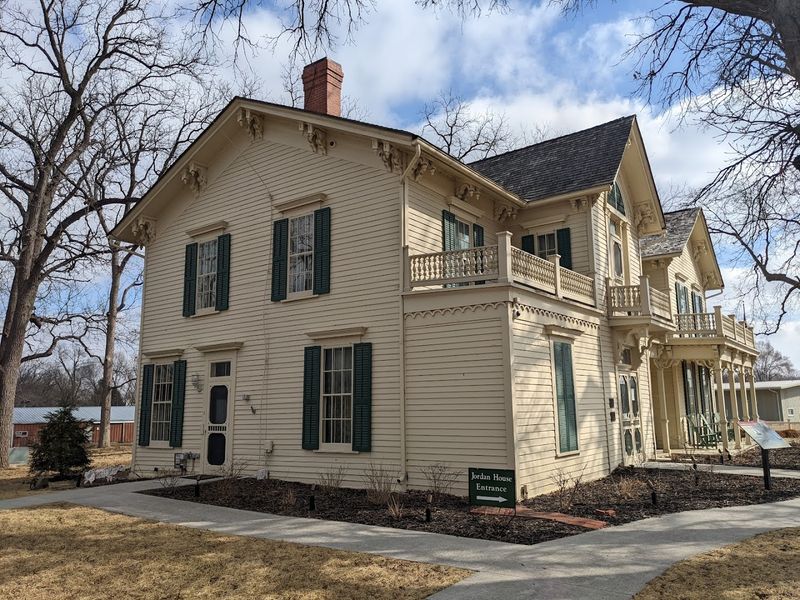
The Jordan House sits on Fuller Road, and the approach is quiet and residential. The small parking lot loops off the road right next to the house, and a sidewalk passes under a trellis before reaching the south-facing entry door.
The setting is peaceful, shaded by mature trees, and the contrast between the historic structure and its modern surroundings actually adds to the experience rather than detracting from it.
The location is easy to reach from central Des Moines, making it a practical addition to a day that might also include other attractions in the metro area. For visitors coming from out of town, the Jordan House is the kind of stop that rewards a small detour.
It sits quietly in its neighborhood, asking nothing of the passerby, but offering a great deal to anyone who decides to come through the gate and stay awhile.
Why This Place Deserves A Spot On Your Iowa Bucket List
There are historic sites that feel obligatory, and then there are the ones that genuinely change how you think about a place or a period of history.
The Jordan House falls firmly into the second category, and the visitor reviews back that up consistently.
People who have toured dozens of historic homes across the country rank this one among their favorites, not because of grand scale or theatrical presentation, but because the story is real, the guides are exceptional, and the space itself still carries the weight of what happened there.
That combination is rare and worth seeking out.
For residents of the Des Moines metro area, this is the kind of local treasure that is easy to overlook simply because it has always been there.
For visitors passing through Iowa, it is a stop that offers something most tourist itineraries miss entirely: a quiet, human-scale encounter with a genuinely important chapter of American history.
The Jordan House does not need dramatic lighting or a Hollywood soundtrack to be compelling. The truth of its story is more than enough to leave a lasting mark on every visitor who walks through its door.