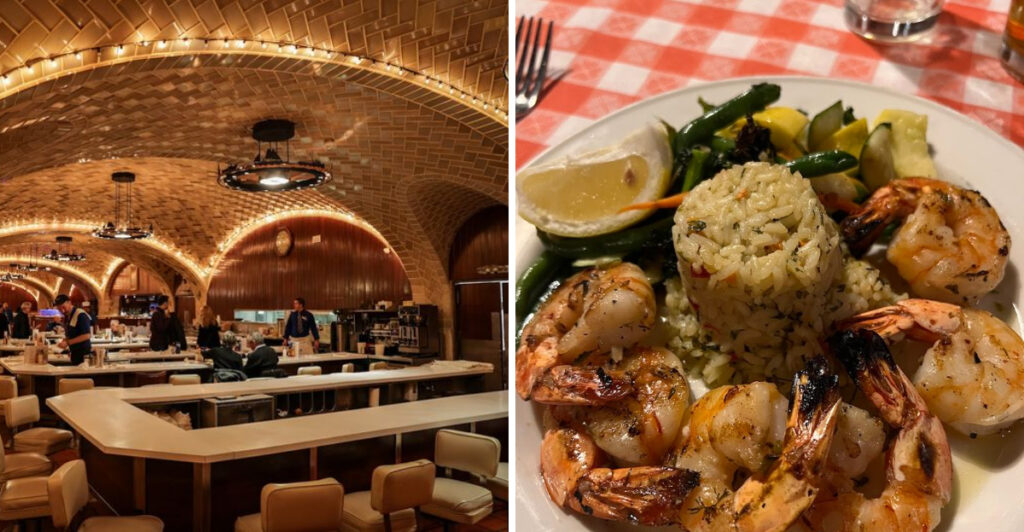
When dinner dates start feeling slightly dull, you know it’s time to try out something a bit unusual.
New York hides one of its most memorable seafood meals below the rush of Grand Central Terminal.
The setting feels unusual right away, because the restaurant sits beneath one of the busiest and most famous train stations on earth.
Yet the appeal goes far beyond novelty, with historic interiors, a long-running raw bar, and classic seafood that still draws locals and visitors.
If dinner needs a switch-up, this is the place to go.
Inside Grand Central Terminal Since 1913
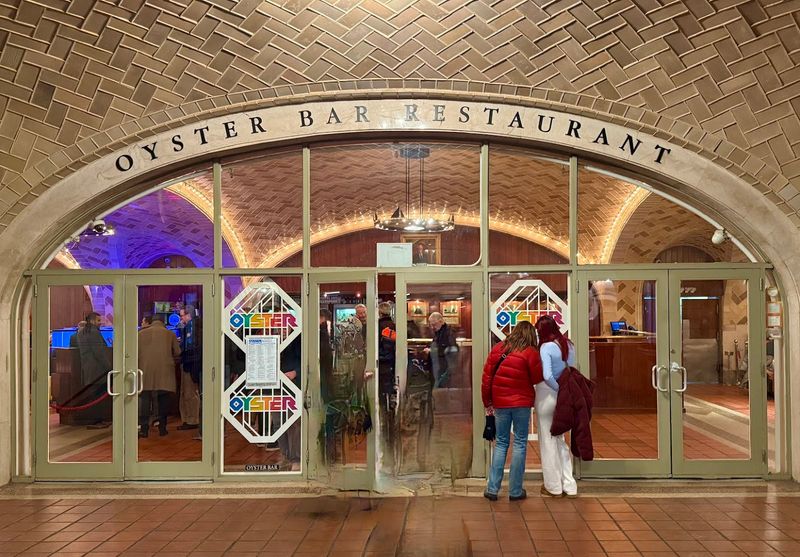
It’s hidden below the main concourse, and feels like a discovery!
That unusual location shapes the whole experience. Trains rumble above, commuters stream nearby, and the dining room still manages to feel separate from the rush.
The restaurant traces its history back to 1913, which gives the room a sense of continuity few dining spots can match.
Instead of chasing reinvention, it leans into habits that regulars and curious visitors still value.
Expect a place that feels lived in rather than polished for show. The pace often reflects the station around it, so quieter moments and busier stretches can vary by time and day.
That rhythm is part of the charm. Seats fill, plates move, orders land quickly, and the room keeps its focus on seafood and tradition.
This is not a tucked-away hideout in the usual sense. It is a landmark meal below a landmark building, and that contrast makes it memorable.
The address, 89 E 42nd St, New York, NY 10017, points to a restaurant woven into daily city life.
The Pan Roast That Keeps People Coming Back
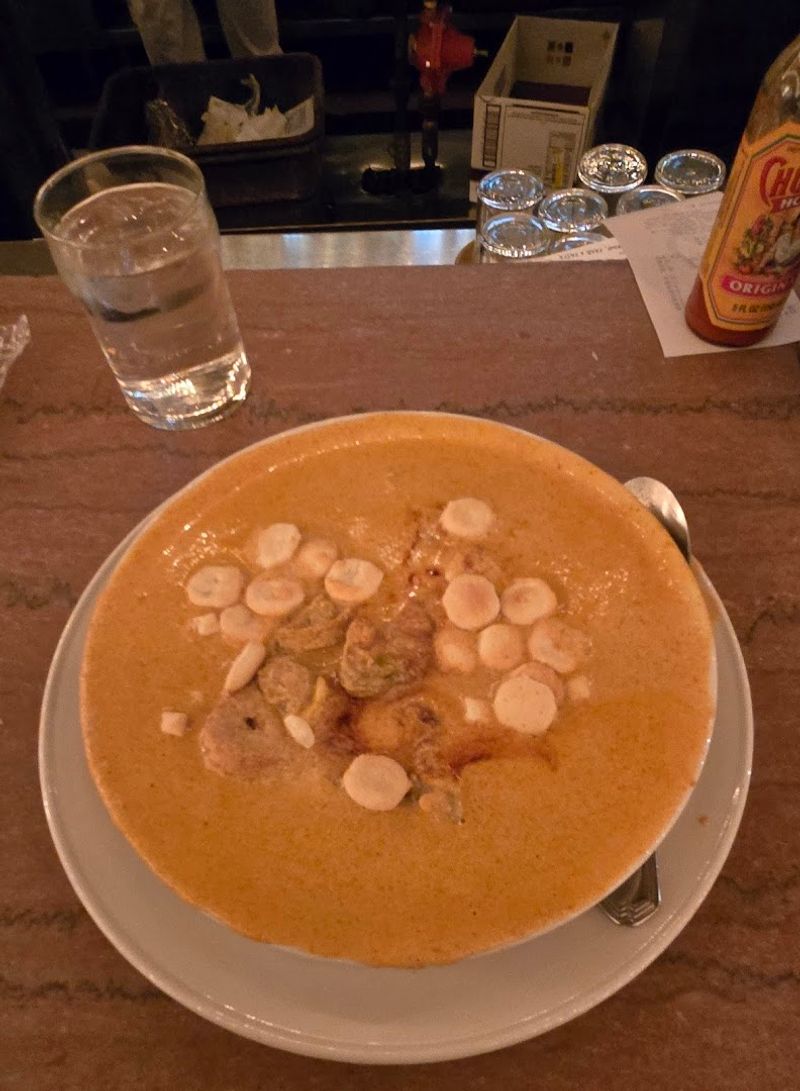
Don’t know where to start because the menu is vast? How about the oyster pan roast?
It stands as one of the restaurant’s most recognized dishes, and it helps explain why this place remains part of New York food culture.
The preparation is known for richness, warmth, and old-school comfort rather than flash. It lands like a practical answer to a cold day, a long commute, or a need for something deeply familiar.
The stew carries a similar reputation. Both dishes connect the restaurant to a style of seafood dining that feels rooted in another era, yet still easy to understand today.
That matters in a room with so much history. Visitors do not need deep oyster knowledge to enjoy the meal, because the appeal is direct and grounded.
Service here often moves with confidence, which suits dishes that regulars clearly know well. If timing matters, visiting outside the busiest commuter periods may allow a calmer first experience.
Keep expectations realistic and simple. Menus can change, availability can shift, and the best approach is to order what sounds steady and signature.
A Raw Bar Built For Oyster Lovers
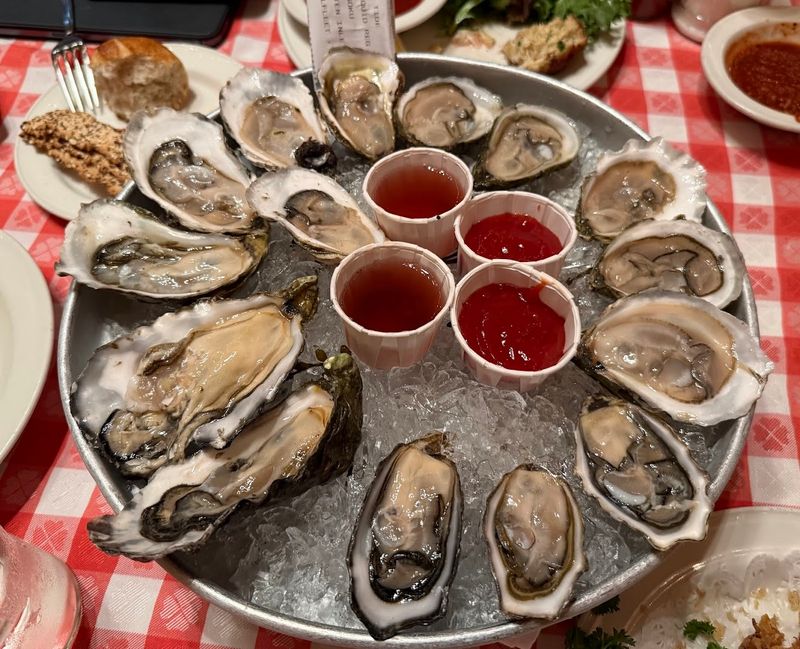
Love variety? The raw bar is one of the clearest reasons to visit, because the restaurant is known for offering a broad selection of oysters when supply allows.
Reports often note up to 30 varieties, though that number can vary with season and sourcing. That makes flexibility useful, especially for diners who like comparing different textures and salinity levels.
The setup feels classic rather than theatrical. Oysters arrive as the focus, not a prop, and the counter energy adds movement without turning the meal into a performance.
This is a good place to slow down and ask questions if needed. Staff may help steer choices, and a mixed order can make more sense than committing to one type.
The raw bar also suits different moods. A quick stop for a few oysters works, but a longer meal works just as well if the dining room pace feels comfortable.
Noise levels can shift with station traffic and meal periods, so quieter conversations are usually easier during less crowded windows. Seating style also changes the feel, with the bar offering a more immediate view of the action.
The Classics Still Matter Beyond Oysters
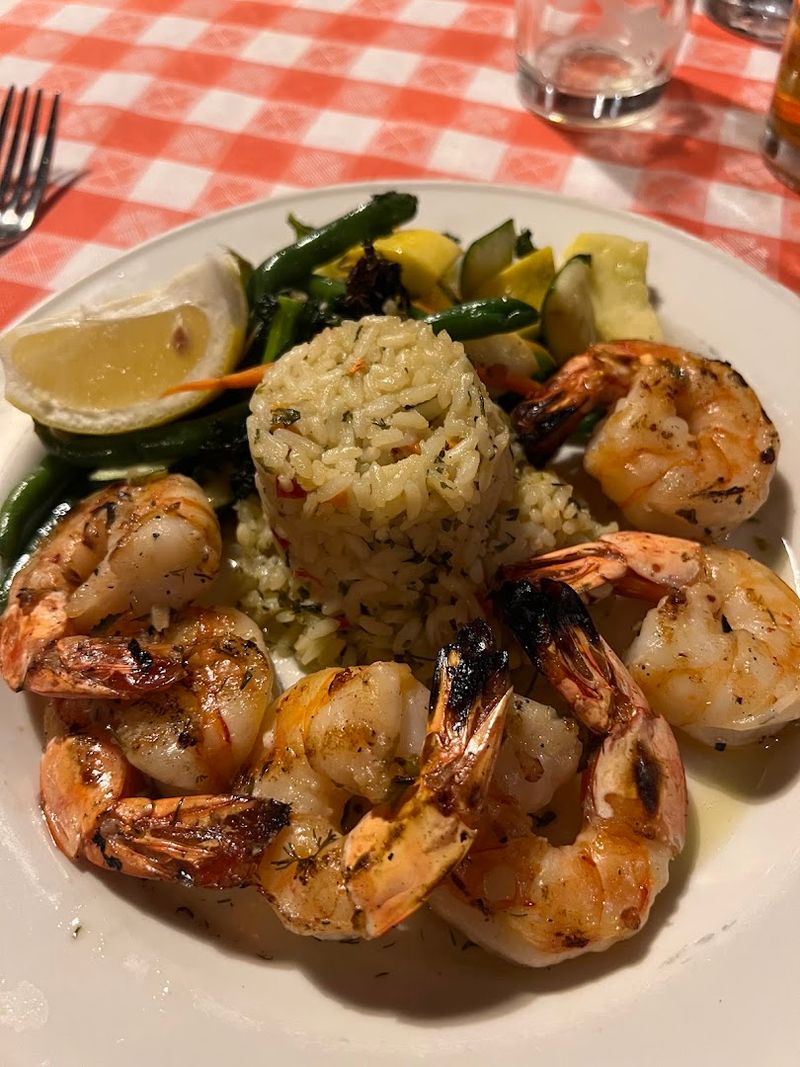
Not everyone comes for oysters. The menu’s broader seafood range helps this restaurant work for mixed groups, especially when one diner wants shellfish and another wants something more familiar.
Crab cakes and swordfish are among the classic dishes often associated with the restaurant. Their presence matters, because a historic seafood house needs options that extend beyond the raw bar.
That range also supports a more relaxed meal. Diners can treat the visit as a full lunch or dinner instead of a narrow tasting stop built around one ingredient.
The style stays traditional. Expect seafood prepared in recognizable ways rather than a menu chasing novelty, and that consistency suits the old-school room.
This can be especially helpful for first-time visitors. A table can mix oysters, cooked seafood, soups, and simpler choices without forcing everyone into the same experience.
Ordering works best with a steady approach. Pick one signature item, add one classic cooked dish, and let the setting carry the rest of the meal.
Seafood Arrivals That Still Feel Old New York
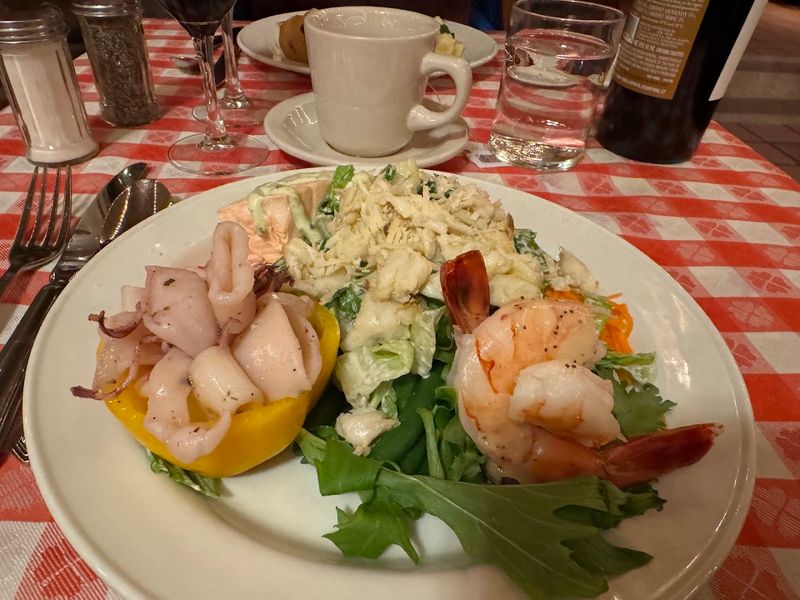
Freshness matters most in a seafood restaurant, and this one ties part of its identity to morning deliveries from the Fulton Fish Market. That detail gives the menu a practical New York backbone.
It also explains the restaurant’s straightforward confidence. Rather than relying only on nostalgia, the kitchen connects to a living supply chain that has long shaped the city’s seafood culture.
That said, availability always depends on what arrives and what meets the standard that day. This is exactly where honest expectations help, because seafood menus naturally shift more than fixed comfort-food lists.
That variation can improve the visit. A changing selection keeps the experience grounded in what is actually coming through the market rather than what simply looks good on paper.
The result is a place that feels historical without feeling stuck. Diners get the sense of continuity, but also a reminder that seafood service depends on timing, sourcing, and daily conditions.
Ask what looks strongest if the choice feels overwhelming. That simple move often makes more sense than chasing the most famous option every single time.
Vaulted Ceilings And A Room That Refuses To Rush
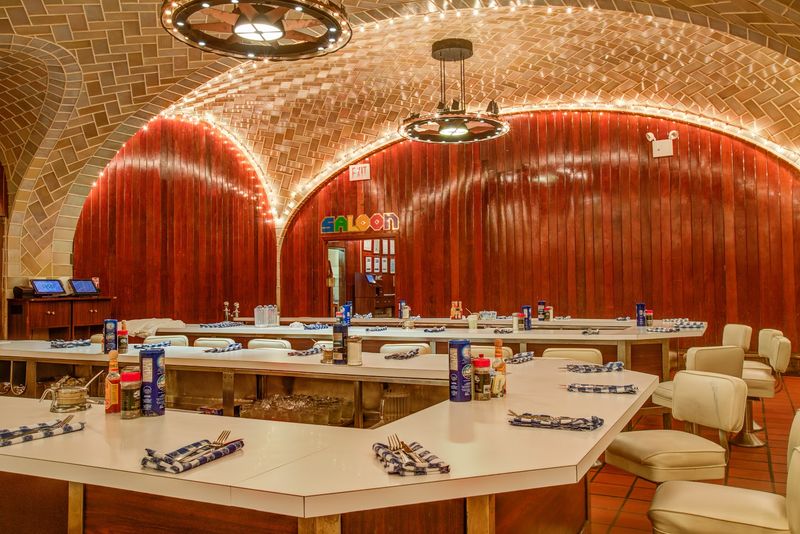
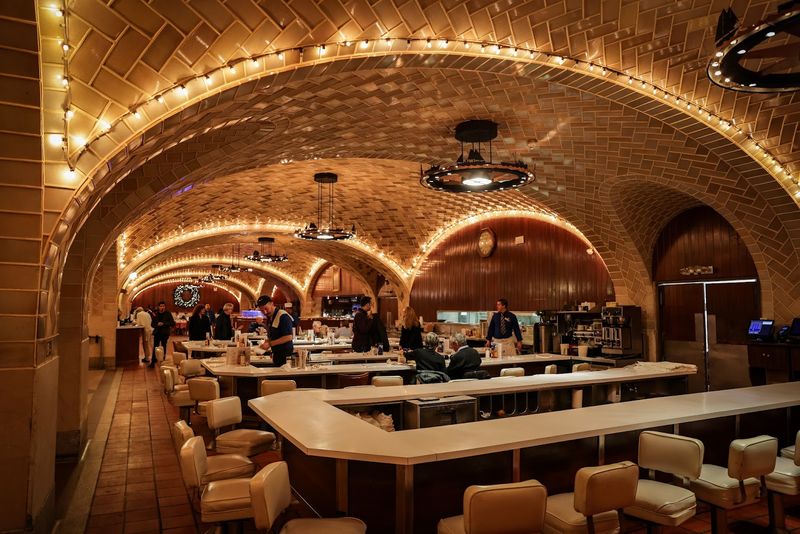
Look up immediately. The vaulted tile ceilings shape the dining room more than any table setting, and they create a visual identity that feels inseparable from the restaurant itself.
The room carries a frozen-in-time quality, though not in a dusty way. It feels active, useful, and deeply connected to the station’s older design language.
That architecture changes the meal’s mood. Curved ceilings soften the space visually, while the long-established layout gives the dining room a steady, practiced rhythm.
Comfort here comes from familiarity rather than luxury. Seating, lighting, and sound all feel part of a place designed to serve real diners, not just stage a dramatic backdrop.
Noise can rise when traffic surges through the terminal above and around the restaurant. Even then, the room usually keeps a sense of order because the architecture creates clear zones and sightlines.
It simply highlights your unusual experience without ruining it.
This is the kind of setting that rewards attention to small details. Tile, arches, counters, and movement all support the feeling that the restaurant belongs exactly where it is.
The Pasta Dish That Holds Its Own
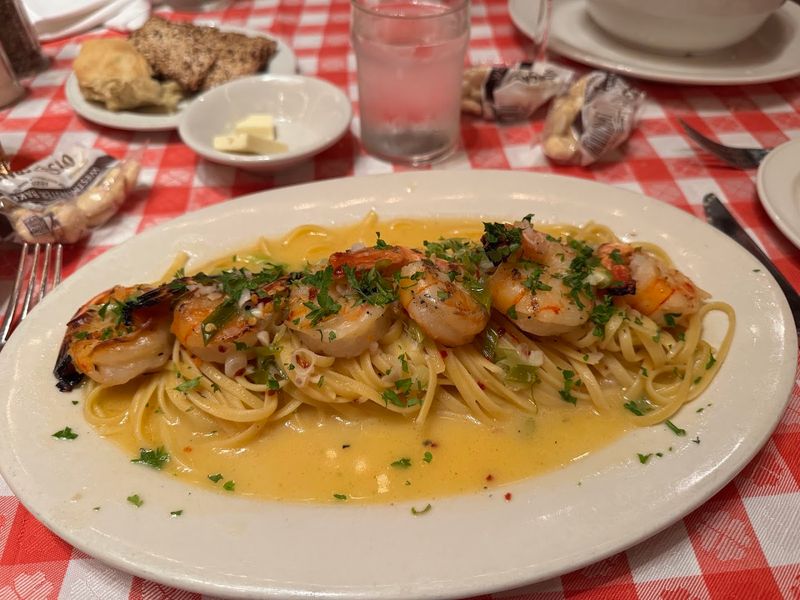
Order anything off the raw bar at Grand Central Oyster Bar and you’re playing it safe.
Order the pasta, and you’re tapping into a quieter part of the menu that regulars know is just as worth the trip.
The linguine and clams arrives with littleneck clams tossed in garlic, olive oil, parsley, and cream. It’s a dish that leans into classic Italian-American technique rather than the steam-kettle theatrics the restaurant is famous for elsewhere on the menu.
It’s not the only pasta worth ordering, either. Linguine and white clam sauce comes with littleneck clams, minced clams, and a side of garlic baguette, while grilled jumbo shrimp scampi is served over linguine in a sauce with just a touch of cream.
For something lighter, a gluten-free penne pasta primavera comes tossed with roasted garlic olive oil and fresh vegetables.
And depending on the day, the kitchen has been known to run specials like grilled jumbo shrimp over penne with puttanesca sauce, since the menu shifts with whatever’s fresh that morning.
What makes the pasta section work is restraint. None of these dishes try to out-shout the oysters.
They sit quietly on the menu, built from simple ingredients and classic technique, and let the seafood inside them do the talking.
A Tradition That Outlasted The Trains Above
Few restaurant stories feel this tied to infrastructure. Here, the identity of the meal is inseparable from the station above it, which gives every visit a distinctly New York context.
That context helps explain the restaurant’s staying power. Generations have passed through Grand Central, yet this seafood institution still functions as more than a novelty stop.
It serves commuters, visitors, and people who deliberately build a meal around the destination. That mix keeps the room dynamic and prevents the atmosphere from feeling staged for tourists alone.
The contrast is the real hook. Outside, movement feels constant and urgent, while downstairs the meal asks for a slower pace, a seated pause, and a little attention.
This is why the restaurant reads as a tradition rather than a relic. It remains connected to everyday city use, not sealed off as a preserved curiosity.
Expect a setting where history feels practical. The room still works, the menu still has purpose, and the location still creates an experience difficult to copy elsewhere.