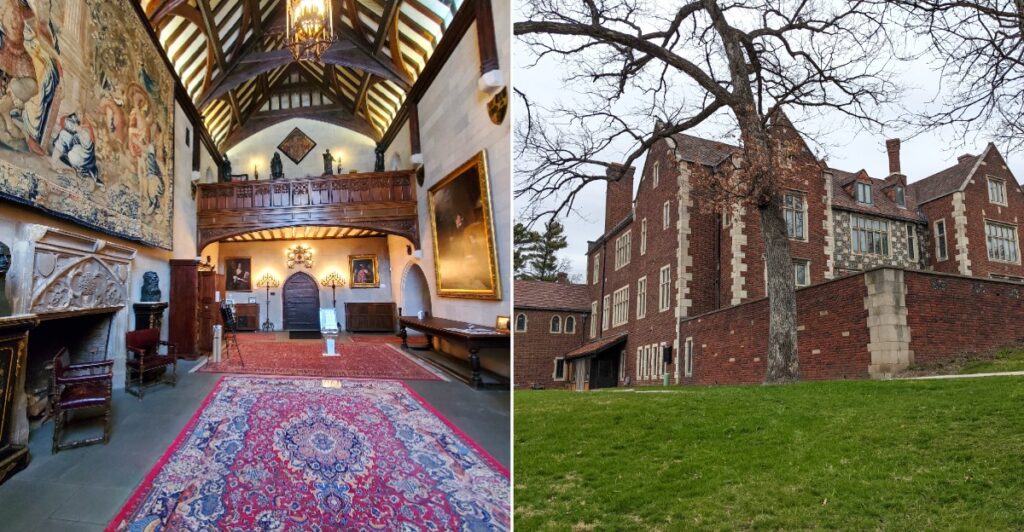
The ceiling beams in one great room once hung over an English inn. They crossed the ocean and ended up in Iowa, of all places.
That’s not a replica or a movie set. It’s the real wood, carried over piece by piece.
The builders didn’t stop at beams. They brought home 16th-century English oak paneling and rafters from the age of Shakespeare.
Old flintwork from England made the trip too. Some pieces are even older than that.
The rooms still hold art and tapestries, while a celebrated collection of rare books and historical documents now lives at Grinnell College. There’s also a mummified rat among the museum’s unusual artifacts, which feels like a bold decorating choice.
I appreciate a house with such unusual treasures in its collection. It tells you the owners had personality.
The grounds add formal gardens and a stretch of native woodland. Deer and foxes sometimes wander through the trees.
So how did an English manor end up in the Midwest?
A Trip to England Changed Everything About This House
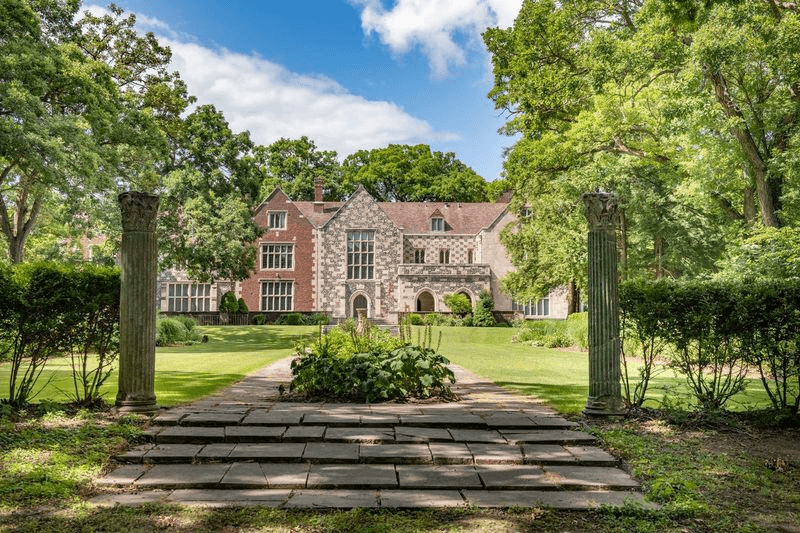
Carl and Edith Weeks almost built a Spanish-style home. Then a 1922 trip to England flipped the whole plan upside down.
The couple saw the King’s House in Salisbury and fell for it hard. They decided their new Iowa home would follow that historic style instead.
The result is Salisbury House & Gardens, an estate many people call an American Castle.
Carl Weeks made his fortune in cosmetics through the Armand company. That money helped turn a vacation crush into a full-scale manor.
Construction ran from 1923 to 1928, which tells you this was no quick project.
The finished house has 42 rooms spread over about 28,000 square feet. That’s a lot of hallway to explore.
The design mixes Tudor stonework, Gothic arches, and Carolean brickwork into one dramatic package.
Its importance was officially recognized in 1977. That year, the property joined the National Register of Historic Places.
Not bad for a house that started as a souvenir idea.
Knowing this backstory makes a visit more fun. You start noticing how each arch and wall connects to that English trip.
It’s like reading a travel diary written in stone, brick, and timber.
Look Up, Because That Ceiling Has Seen Some Things
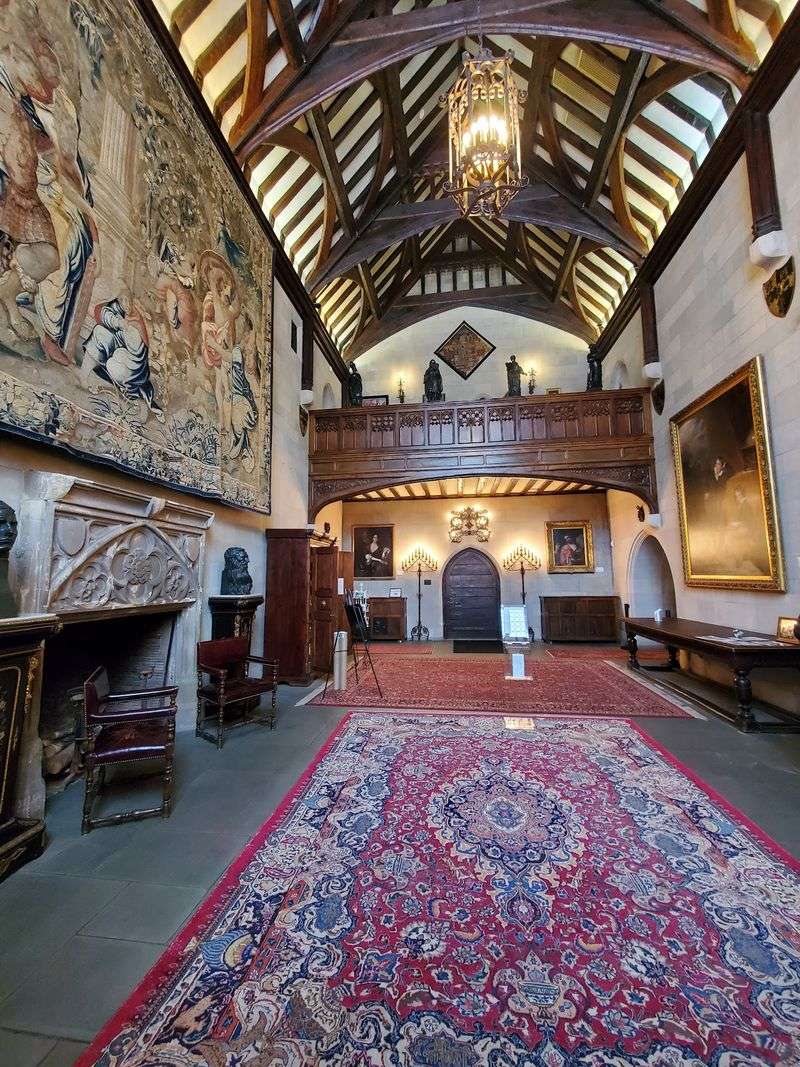
Old wood doesn’t usually travel well. At Salisbury House, it crossed an ocean and settled into a brand-new life in Iowa.
The Weeks family salvaged genuine 16th-century English oak woodwork for the house. They also brought rafters dating back to the time of Shakespeare.
Some architectural pieces reach back even further, to the 14th century.
Most of these materials came from the Salisbury-Wiltshire area of England. Workers fit them into the mansion as it rose.
So the house is new and old at the same time, which is a neat trick.
The Great Hall is the star of this story. Its half-beam ceiling once graced the White Hart Inn in Salisbury, England.
Travelers there had no idea those beams would someday hang over Des Moines.
English flintwork also appears in the build. It’s a traditional building style that adds texture and a real sense of age.
You won’t find that at your average Midwest home show.
Take your time in these spaces. Look at the grain, the joints, and the worn edges.
Real history leaves marks that reproductions just can’t fake.
Famous Paintings Hang Where a Family Once Lived
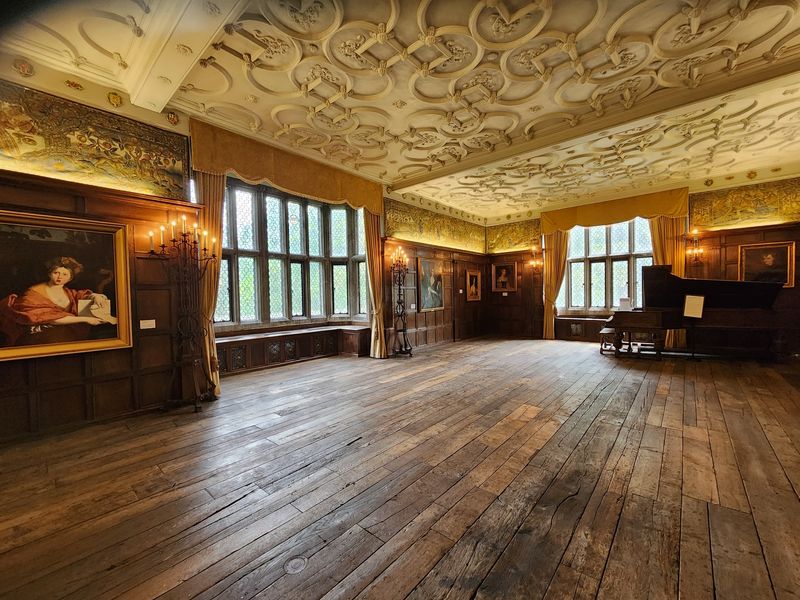
Sir Anthony van Dyck in Des Moines? Yes, really.
His work is part of the art collection at Salisbury House & Gardens.
The Weeks family collected with serious enthusiasm. Paintings by Sir Thomas Lawrence, Leon Kroll, and Joseph Stella also appear on the walls.
The mix spans European masters and American artists.
That variety keeps every room interesting. One space might feel grand and formal.
The next could surprise you with a totally different style or era.
Tapestries and antique furniture fill in the rest of the picture. Much of it is the family’s original collection.
That means you’re seeing the house much the way they arranged it.
The museum covers roughly five centuries of American and European history. It feels less like a sterile gallery and more like a lived-in treasure box.
Art next to a fireplace hits differently than art behind velvet ropes.
A good tip is to slow down in each room. Read the labels and notice the furniture details.
Plenty of the best surprises sit at eye level, waiting for someone curious enough to stop and stare.
Book Lovers, Brace Yourselves for This Library
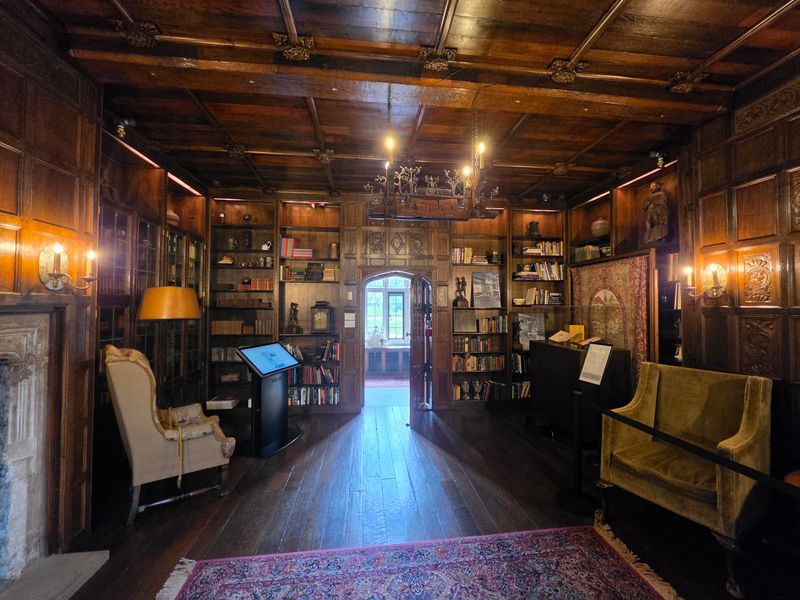
Signatures from Abraham Lincoln and Queen Elizabeth I once shared space here. That’s a pretty wild guest list for one library in Iowa.
The Salisbury House library held an impressive collection of rare books and documents. In 2019, nearly 5,000 items were transferred to Grinnell College, where they are preserved and studied today.
Signed works and handwritten material from figures like James Joyce are part of that collection too.
Although the rare books are no longer permanently housed at Salisbury House, the museum continues to celebrate their history.
The estate partners with Grinnell College to display selected works throughout the year.
The collection reflects the Weeks family’s deep interest in history and ideas. They didn’t just decorate with books.
They gathered pieces with real stories behind them.
Students can still get a lot out of these treasures. Researchers can access the collection through Grinnell College’s Special Collections and Archives.
Names from history class suddenly become real people who once held a pen.
That connection sticks better than any textbook chapter.
If reading is your thing, check which rotating book exhibits are currently on display at Salisbury House. The museum regularly features selected works from the original collection.
You may leave with a new favorite historical figure, or at least a strong urge to visit your local bookstore.
Stroll Through Gardens Edith Designed Herself
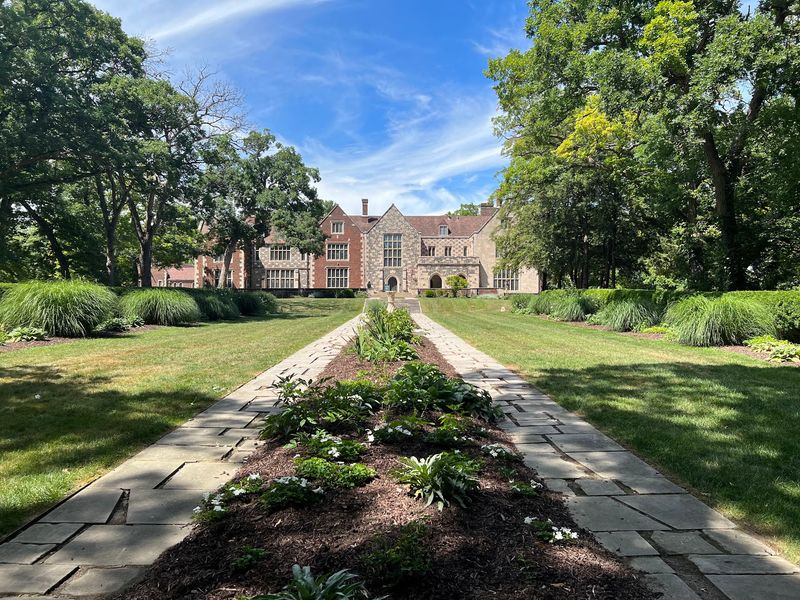
Edith Weeks didn’t just collect art. She also designed the formal gardens that surround the house.
Her plan blends English and French landscape styles. You’ll see structured beds and elegant terraces near the mansion.
Farther out, a rolling lawn and soft woodland edges give things a relaxed English feel.
The garden beds cover more than 9,000 square feet. Staff and volunteers keep them looking sharp.
The display shifts with the seasons, so each visit can look a bit different.
Then there’s the woodland. Salisbury House maintains about six acres of native Iowa woods.
It’s the largest private woodland in the Des Moines metro area.
Wildlife like deer and foxes sometimes appear among the trees. That’s a lovely bonus in the middle of a city.
Keep your voice low and your eyes open.
Here’s a friendly tip for budget planners. The gardens and grounds are free to enjoy during operating hours.
So even a quick stroll after work or school can feel like a small escape to the English countryside, minus the plane ticket.
Pick Your Tour Style Before You Arrive
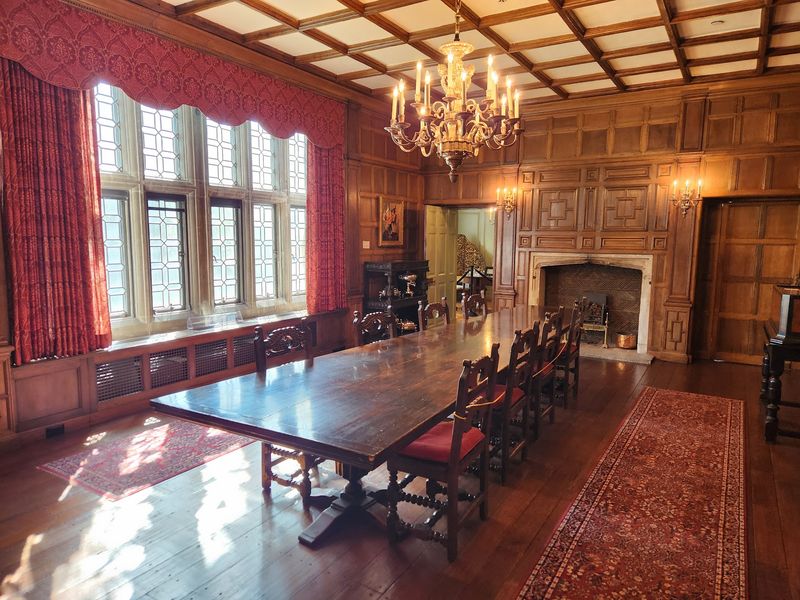
Two kinds of visitors exist: wanderers and question-askers. Salisbury House has a tour for both.
The self-guided option lets you explore the first and second floors at your own pace. It usually takes about an hour.
That works well if you like to linger in favorite rooms and skip others.
Guided tours run around 75 minutes. They dig into how the house was designed, built, and furnished in the 1920s.
You’ll also hear how it changed from a family home into a cultural destination.
Guides share stories that are easy to miss on your own. The Weeks family history comes alive when someone explains the little details.
Booking ahead is a smart move, especially during busy times.
Plan on some stairs, since this is a historic building. Comfortable shoes are your friend here.
Leave room in your schedule to walk the grounds afterward too.
Can’t decide? Try the self-guided visit first.
If you find yourself full of questions, come back for the guided version. Many historic homes reveal new layers the second time around, and this one has plenty to give.
Holidays, Weddings, and Shakespeare on the Lawn
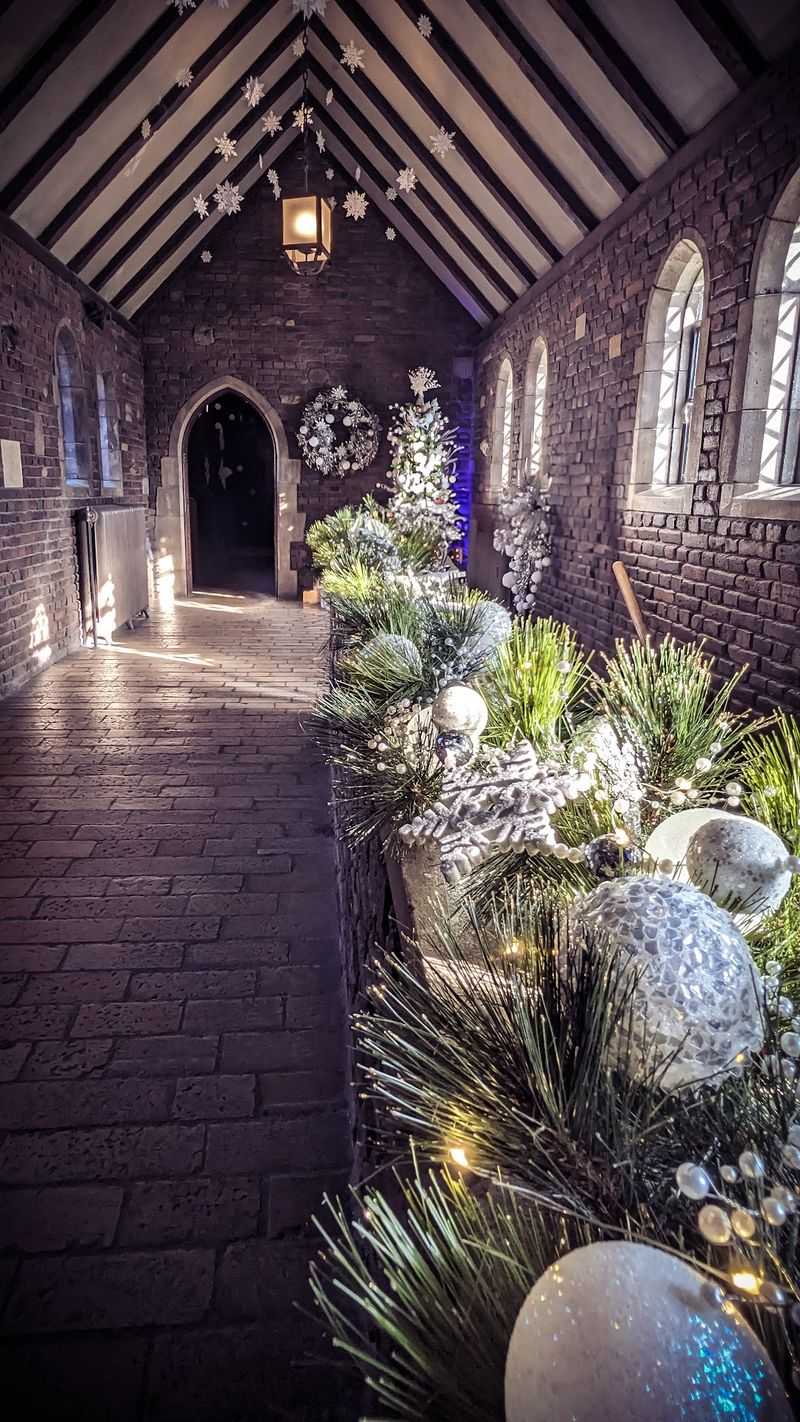
December turns this English manor into a holiday showpiece. The house is often decorated for the season, and it suits the old-world look perfectly.
Special events include Holly & Ivy on December 5 and 6, featuring decorated rooms and a holiday design contest. Holiday Tea at the Castle follows on December 12.
Each one gives a fresh way to enjoy the rooms.
Summer brings a different kind of fun. Shakespeare on the Lawn is closely tied to the estate.
Watching Shakespeare near rafters from his own era feels almost too fitting.
The property also hosts weddings, social gatherings, and business rentals. Its romantic rooms and gardens make a striking backdrop.
Couples looking for a European feel without leaving Iowa have a strong option here.
Events can sell out, so keep an eye on the calendar. Grabbing tickets early is the safest plan.
Popular dates tend to fill up fast.
These events keep the mansion lively instead of frozen in time. A historic house works best when people use it.
Laughter, music, and great stories fit right in under those very old beams.
Your Easy Game Plan for a Visit to Des Moines
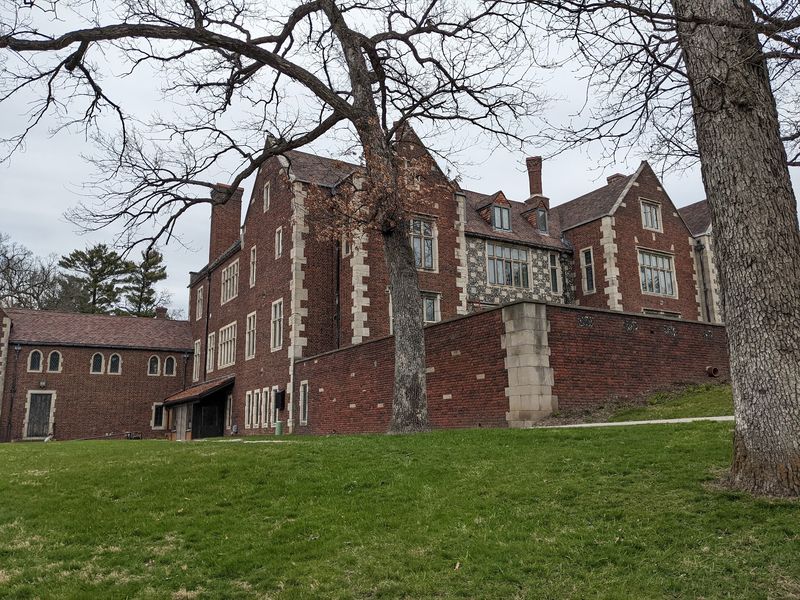
Finding this castle is easier than finding parking at a ballgame. Salisbury House & Gardens sits at 4025 Tonawanda Dr, Des Moines, IA 50312.
It’s in the historic South of Grand neighborhood. The area is known for grand older homes and leafy streets.
Even so, this English manor stands out as a true landmark.
The house is open Wednesday through Sunday from noon to 5 PM. It’s closed on Mondays and Tuesdays.
Hours can shift with the season, so check before you go.
Museum entry requires admission, while the grounds are free during open hours. A main lot offers accessible parking.
The first floor has zero-step entry and fully accessible restrooms.
A small elevator reaches the second floor. Some spots, like certain bedrooms and the Common Room, still have steps.
That’s part of life in a house from the 1920s.
Give yourself about 90 minutes to see the house and gardens without rushing. Pair it with a day exploring Des Moines.
You’ll leave Iowa with a funny new fact: some of its finest wood is older than the United States.