Some museums make history feel distant. This Iowa spot puts it right in front of you, polished in chrome, shaped like a steering wheel, and lined up across the floor like a parade of American road trips from another era.
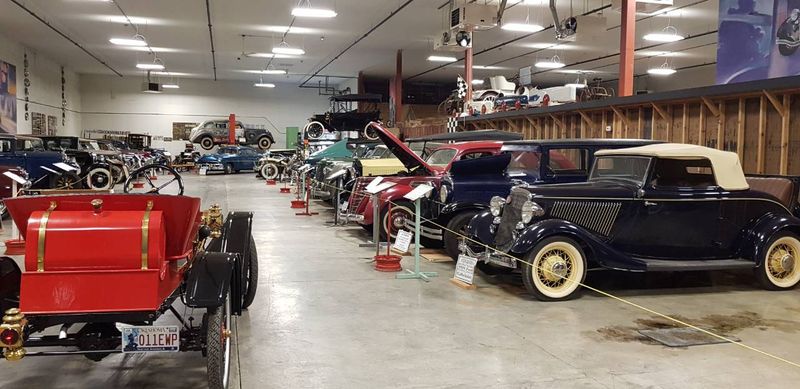
Inside, more than 80 antique vehicles tell the story of how cars changed from strange early inventions into the icons people still admire today. You will find everything from horseless carriages to mid-century classics, with each one adding a little more character to the ride.
I did not expect to be pulled in so quickly, but this collection has a way of making even casual visitors slow down and look closer.
It is part museum, part memory lane, and part reminder that car history has always been about more than getting from one place to another.
A Museum Born From Passion, Not Just Preservation
Not every museum starts with a grand plan. The Antique Car Museum of Iowa grew out of a deep regional passion for preserving the earliest chapters of American automotive history, and that passion shows in every corner of the building.
The collection focuses on vehicles from 1899 through 1965, with a strong emphasis on the early automobile era that many casual visitors may not know well. That means you are looking at machines from a time when automobiles were still new, experimental, and far from standardized.
What makes this place feel different from a typical car show is the curatorial intent behind it. Every vehicle here was chosen to tell a specific part of the story, not just to impress visitors with shiny paint jobs.
You can find the museum at 200 E 9th St Suite 100, Coralville, Iowa 52241, tucked into a building that feels modest from the outside but opens up into something far more impressive once you are inside.
Over 80 Vehicles and Every One Has a Story
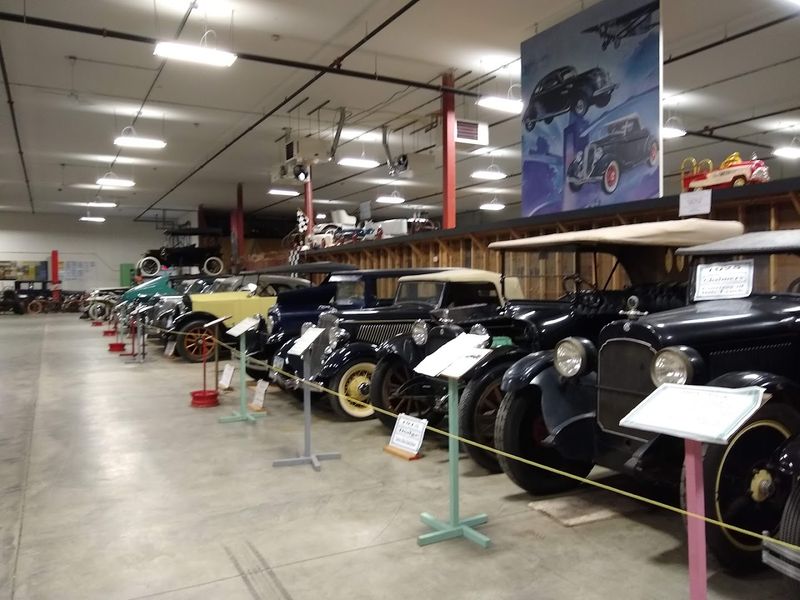
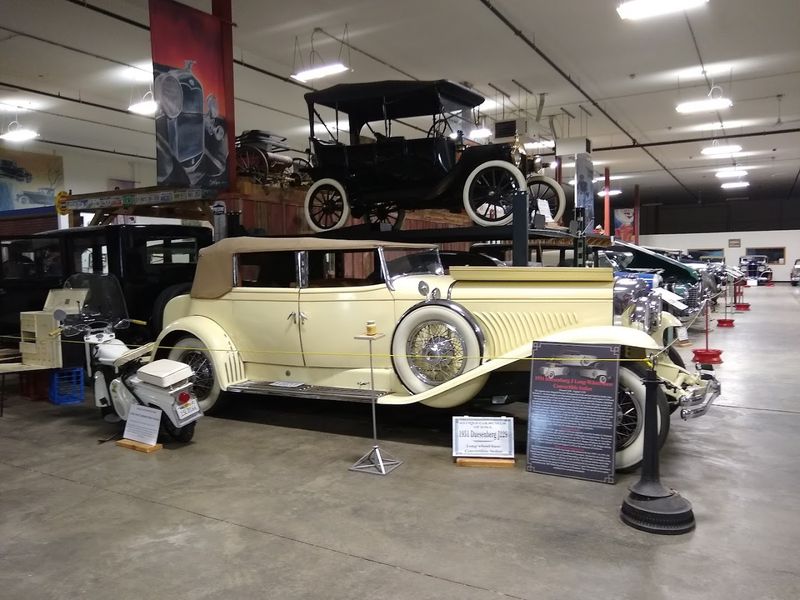
The sheer number of cars here catches most visitors off guard. With more than 80 vehicles packed into the showroom, the collection is dense in the best possible way, and there is genuinely something new to notice every few steps.
What I found most interesting is that the lineup can change over time. The museum notes that some private collection cars may come and go, so a return visit might reward you with a different set of surprises.
That changing inventory gives the museum a living quality, which fits a collection built around machines that were always meant to move.
Some of the vehicles date back to 1899, putting them squarely in the era when automobiles were still a novelty that most people had never seen in person.
Others come from the 1950s and 1960s, bridging the gap between pioneer engineering and the more familiar classics many visitors recognize from family stories or old photos.
The variety keeps the experience fresh no matter how long you spend walking the floor, and trust me, you will want to take your time with this one.
Unrestored Cars That Tell the Truth
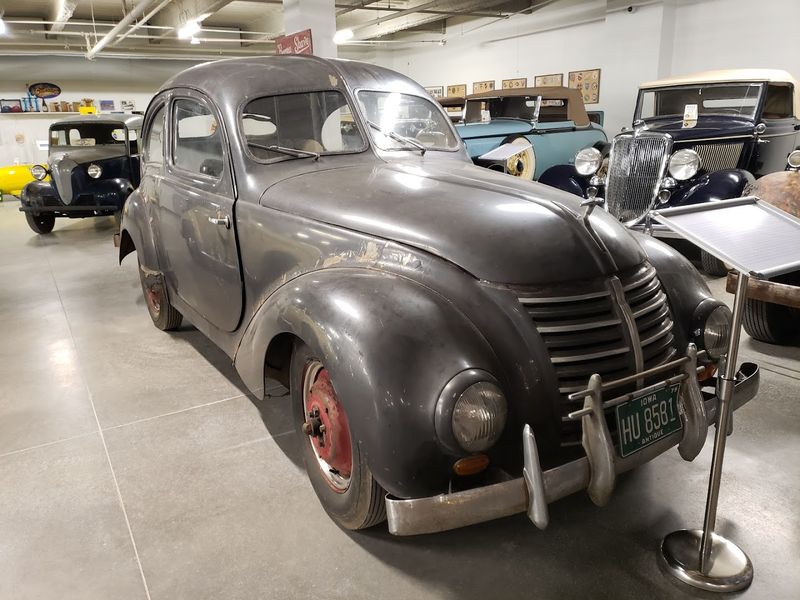
One of the most refreshing things about this collection is the number of unrestored vehicles on display.
Many museums show only gleaming, factory-fresh restorations, but here you will find cars that look exactly as they did when someone pulled them out of a barn after decades of sitting untouched.
That patina is not a flaw. It is evidence.
The scratches, faded paint, and worn upholstery tell you that these machines actually lived out in the world, driven by real people on real roads before anyone thought to preserve them.
I spent a good chunk of time just studying the surface details of some of these vehicles. The way a leather seat cracks after 80 years, or the way old chrome develops a particular kind of haze, gives you a tactile sense of time that a polished restoration simply cannot replicate.
For anyone who finds beauty in authenticity rather than perfection, this aspect of the museum alone makes the visit worthwhile and memorable in a way that lingers long after you leave.
The Vintage Gas Station Recreation That Stops You in Your Tracks
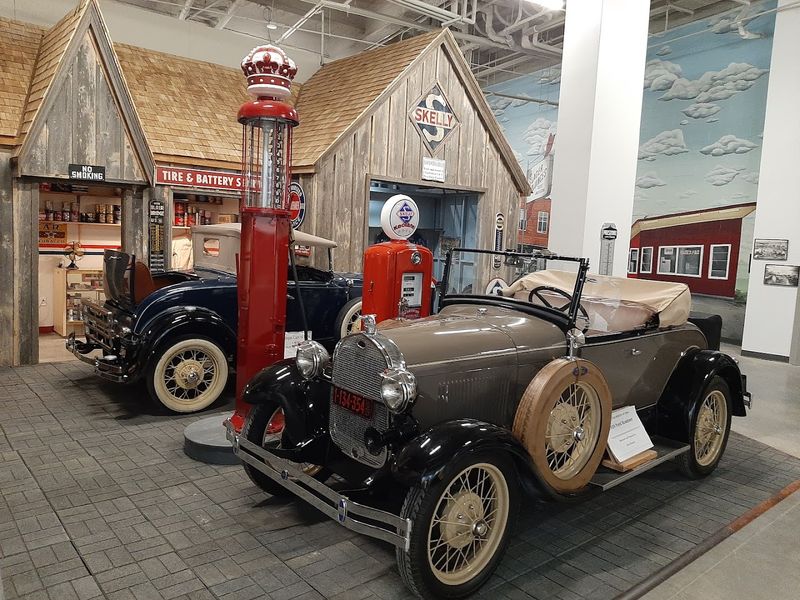
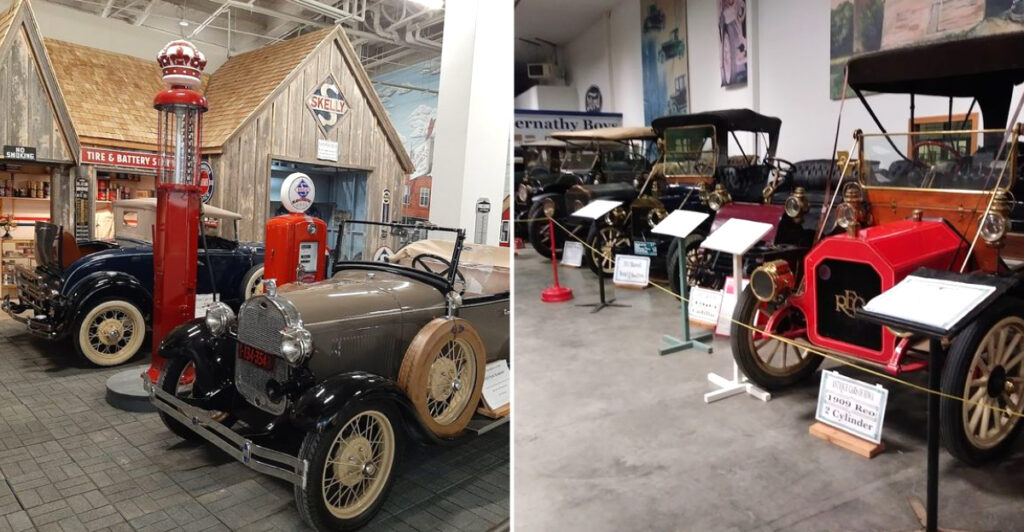
Tucked into the museum floor is an original Skelly gas station display that several visitors have called their favorite part of the entire experience, and I completely understand why. The attention to detail in that display is remarkable.
Period pumps, vintage signage, and carefully chosen memorabilia come together to create a scene that feels genuinely transportive. You do not just see a gas station from the past; you get a sense of what the whole roadside culture surrounding early automobiles looked like.
Gas stations were not always the utilitarian boxes we know today. In the early and mid-twentieth century, they were community gathering points, architectural landmarks, and symbols of modernity all rolled into one.
The display captures that spirit with a level of care that goes well beyond simple decoration.
I stood in front of that display longer than I expected to, just taking in the small details that someone clearly spent a lot of time getting right. It is the kind of exhibit that rewards slow, attentive visitors rather than those rushing through.
Detailed Placards and Numbered Fact Sheets That Add Real Depth
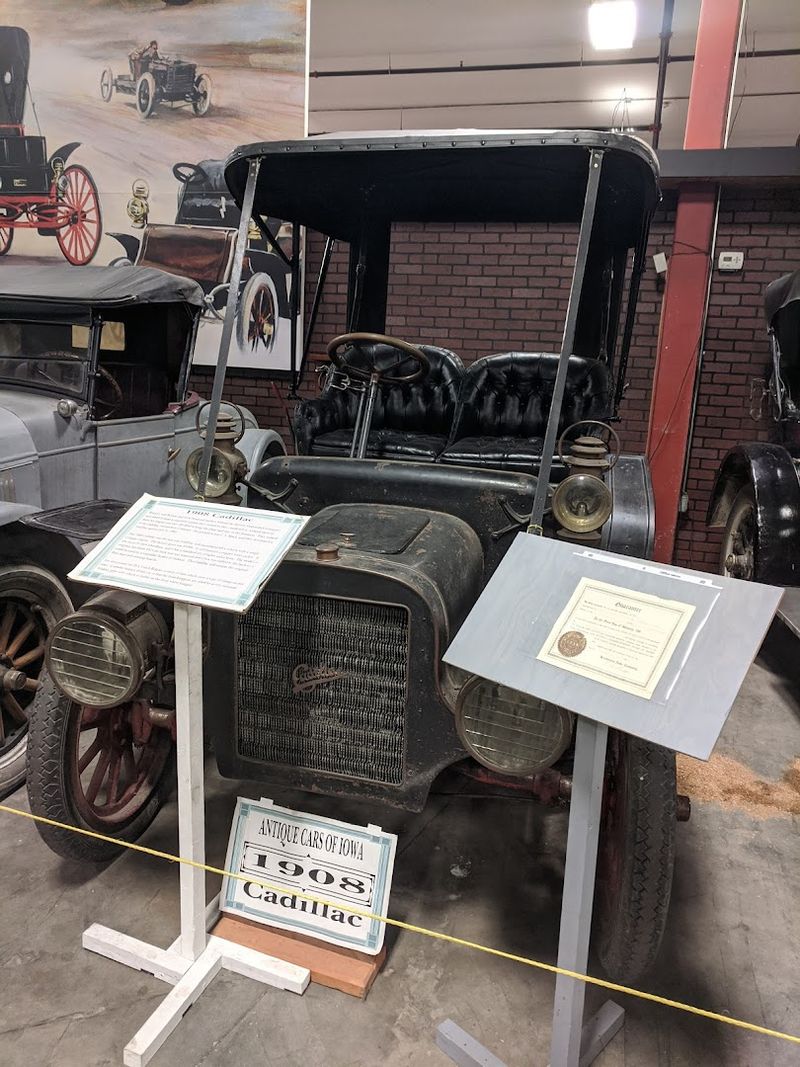
The written materials throughout the museum deserve special mention because they go far beyond what most similar institutions bother to provide.
Each vehicle has a placard with background information, and many cars also have numbered fact sheets on stands nearby that go into even greater detail.
For visitors who want to understand the engineering, the social context, or the manufacturing history behind each car, those fact sheets are genuinely rewarding reading. They are written in plain language without dumbing things down, which is a harder balance to strike than it sounds.
I found myself reading almost every single one, which is not something I usually do at museums. The information felt curated rather than just compiled, as if someone had thought carefully about what a curious person would actually want to know rather than just listing specifications.
There is also a video presentation available near the entrance that gives you a solid overview before you head into the main exhibit floor. Watching it first makes everything you see afterward click into place with much more context and clarity.
A Timeline That Covers Nearly a Century of American Roads
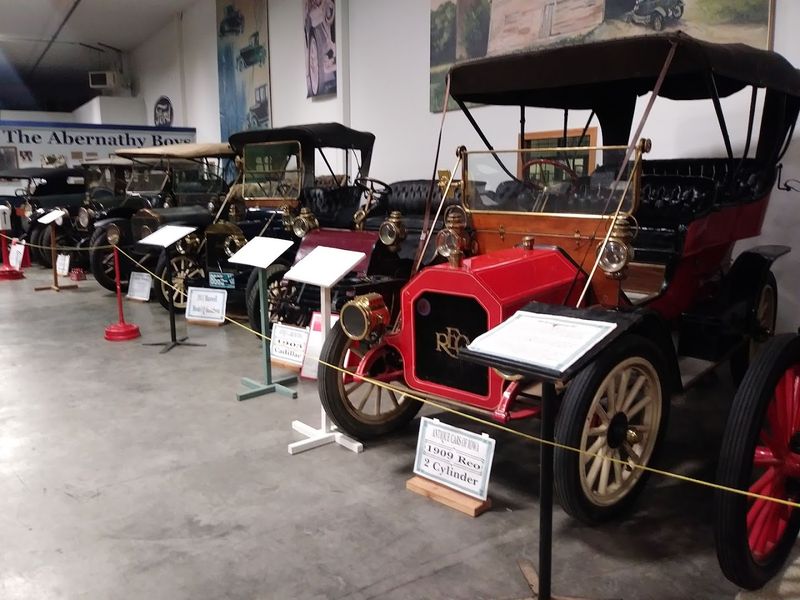
The way the collection is organized gives the visit a satisfying narrative arc that you do not always find in smaller museums.
Moving through the space, you can trace the evolution of the American automobile from its early forms through the confident designs of the mid-twentieth century.
Seeing that progression laid out physically, with actual vehicles rather than just photographs, makes the pace of change feel real in a way that is hard to describe. The jump from an 1899 automobile to a 1940s sedan is enormous, and standing between the two makes that gap feel both short and vast at the same time.
The museum’s official collection range runs from 1899 to 1965, which means you get more than six decades of automotive development in a single walk-through. That is an impressive span for any collection, let alone one housed in a relatively compact space.
By the time you reach the later decades of the exhibit, you start to recognize cars that might have sat in your grandparents’ driveway, and that personal connection makes the history feel immediate rather than distant.
Great for Families, Even the Kids Who Think They Are Not Interested
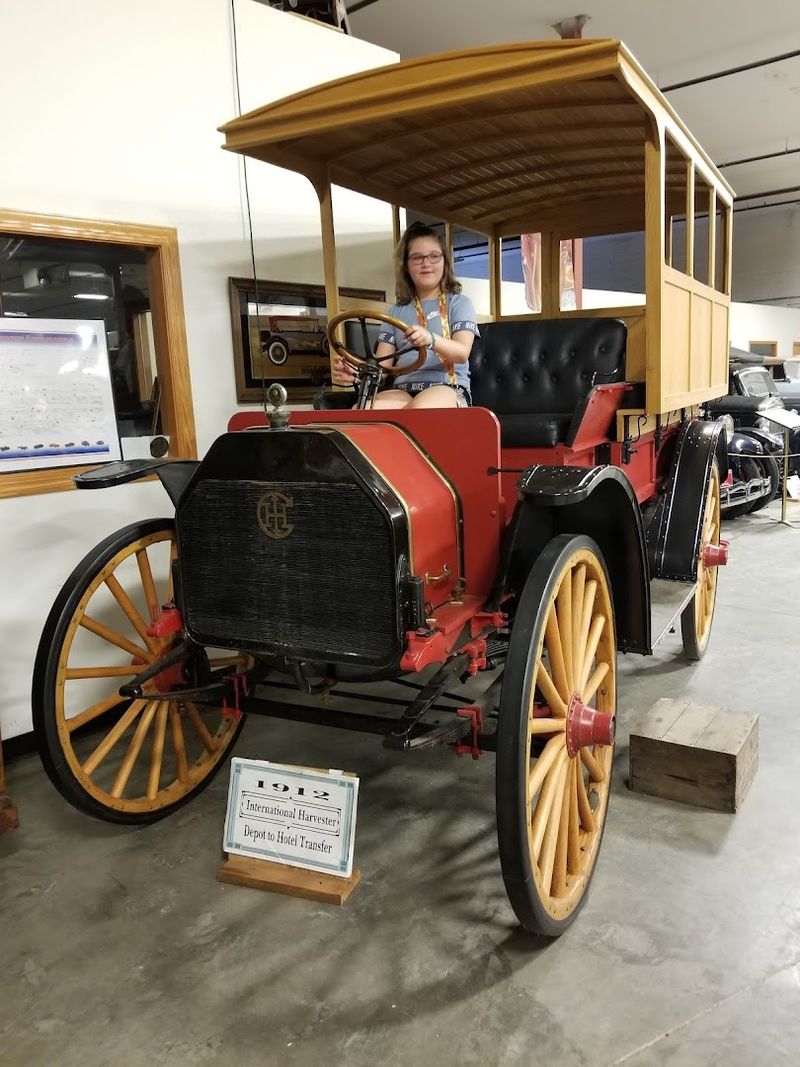
Bringing kids to a car museum might sound like a tough sell, but the Antique Car Museum of Iowa handles young visitors better than you might expect.
The combination of visual variety, interactive staff, and genuinely unusual vehicles tends to capture attention across age groups.
Families have reported that children as young as three years old found things to engage with here, while teenagers who arrived skeptical left with a new appreciation for just how different the world looked a century ago. That range is no small achievement.
The jukebox in the museum is a particular hit with younger visitors. The staff has been known to hand out nickels so guests can play a song, which adds a sensory layer to the experience that goes beyond just looking at old cars.
There is something about hearing period music while surrounded by century-old vehicles that makes the whole atmosphere feel more complete.
It is a small touch, but it shows the kind of thoughtfulness that runs through every part of this Iowa museum and sets it apart from more conventional displays.
Practical Tips Before You Plan Your Visit
The museum is open Tuesday through Saturday from 10 AM to 5 PM, and on Sundays from noon to 5 PM. Monday is the one day the doors stay closed, so plan accordingly if you are building a weekend itinerary around Coralville.
Admission is very reasonably priced, making it an accessible outing for budget-conscious families or travelers passing through the area. The museum also has a strong visitor reputation, which tells you pretty clearly that the experience consistently delivers.
Plan to spend at least an hour on the floor, though car enthusiasts and detail-oriented visitors often stretch that to two hours or more. The space is compact but dense, and rushing through it means missing the small details that make individual vehicles memorable.
You can reach the museum by phone at 319-569-4504 or visit the website at antiquecarmuseumofiowa.org for current admission prices and any updates to hours.
A stop here fits naturally into any visit to the Iowa City and Coralville area, and it is the kind of place that earns its reputation one genuinely satisfied visitor at a time.