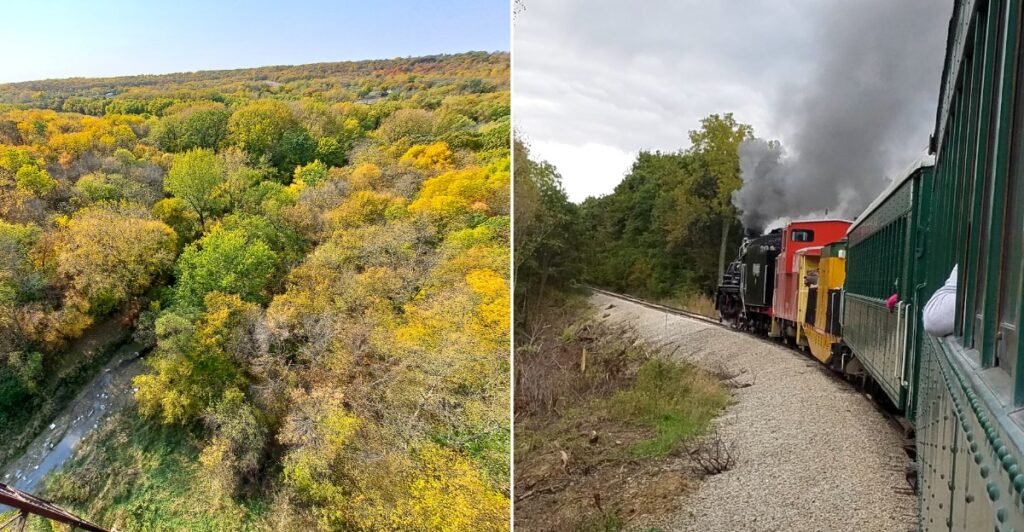
There is something about seeing fall from a train that makes you forget how slowly you are moving.
I found that out pretty quickly in Boone, where the tracks slip away from town and into the wooded Des Moines River Valley.
Soon, the view outside the window starts doing most of the talking. Trees crowd the tracks while autumn color spreads across the hills.
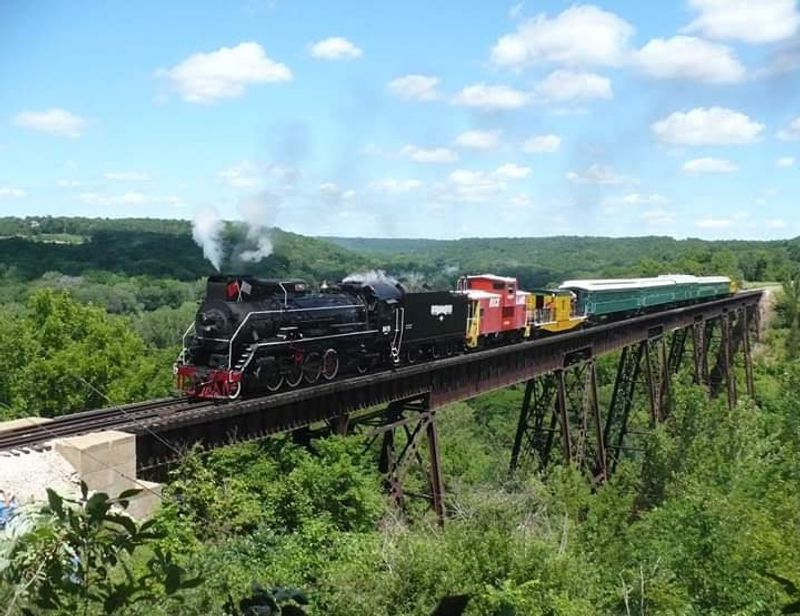
Then the train reaches the high trestle over Bass Point Creek, and suddenly the valley is far below.
That was the moment I really settled into the ride. I stopped thinking about where we were headed and simply enjoyed watching Iowa roll past at a slower pace.
And the train is only part of the experience. Here is why this Boone outing turned into one of my favorite ways to spend a fall day in Iowa.
The Depot Where The Whole Day Starts
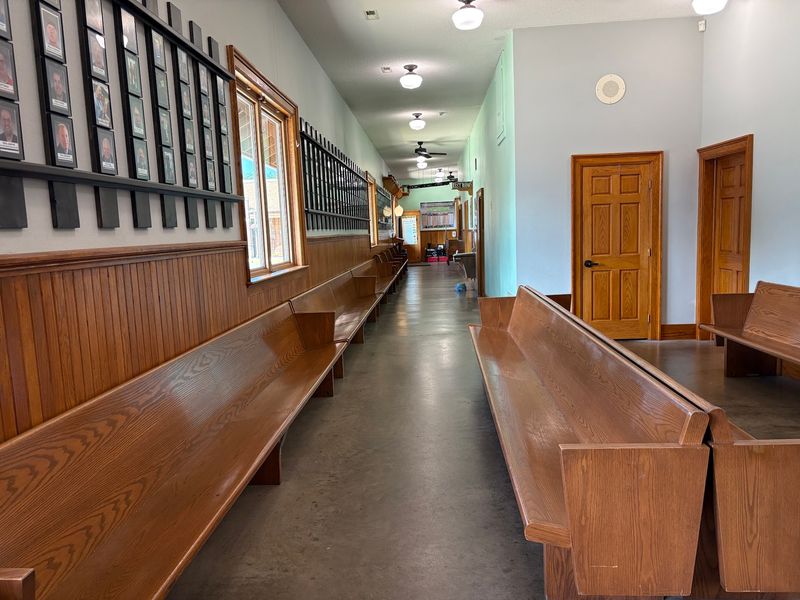
My first surprise was the parking lot. It is right there, free, and steps from the platform, which is not something you expect from a working tourist railroad.
The depot itself does double duty. Half of it is a ticket window and gift shop stocked with train whistles, candy, bottled water, and enough conductor hats to outfit a small army of six-year-olds.
The other half opens into the museum, and your excursion ticket gets you in. Staff told me to arrive an hour early, though twenty to thirty minutes was honestly plenty to grab tickets, use the restrooms, and find the boarding line.
Outside, a small signal garden sits off to one side with real signal masts and a bench, which makes a quiet spot to wait while the engine gets coupled up.
You will find the whole operation, the Boone & Scenic Valley Railroad & James H. Andrew Railroad Museum, at 225 10th St, Boone, IA 50036, an easy drive off Highway 30 in central Iowa.
Getting oriented before the whistle blows makes the rest of the afternoon far smoother.
Fall Color Along The Des Moines River Valley
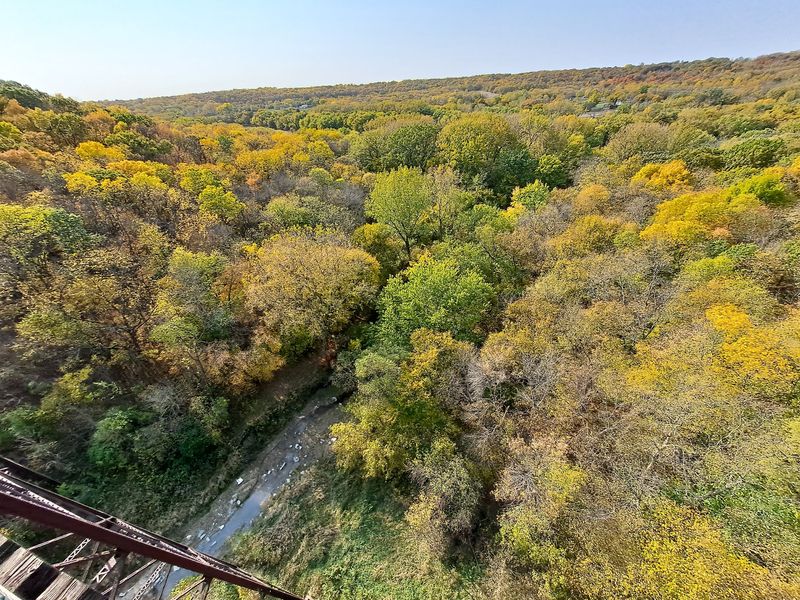
Riders who visit in July say the same thing over and over: come back in October. After doing it once, I understand why.
Summer brings thick green walls of trees and tall corn that block long stretches of the route. Autumn thins the leaves out, drops the corn, and suddenly the valley opens up in layers of rust, gold, and deep red.
The star of the run is the 156-foot-tall Bass Point Creek High Bridge. The route also crosses a separate bridge over the Des Moines River.
Wildlife shows up more often once the brush clears. I spotted deer at the edge of the woods, and other riders have watched bald eagles and a heron working the river below.
Bring a real camera if you own one. Phone photos through an open window are fine, but the drop from the bridge deserves better.
Iowa does not advertise its river valleys much, and this ride quietly fixes that oversight.
Picking The Right Train Car
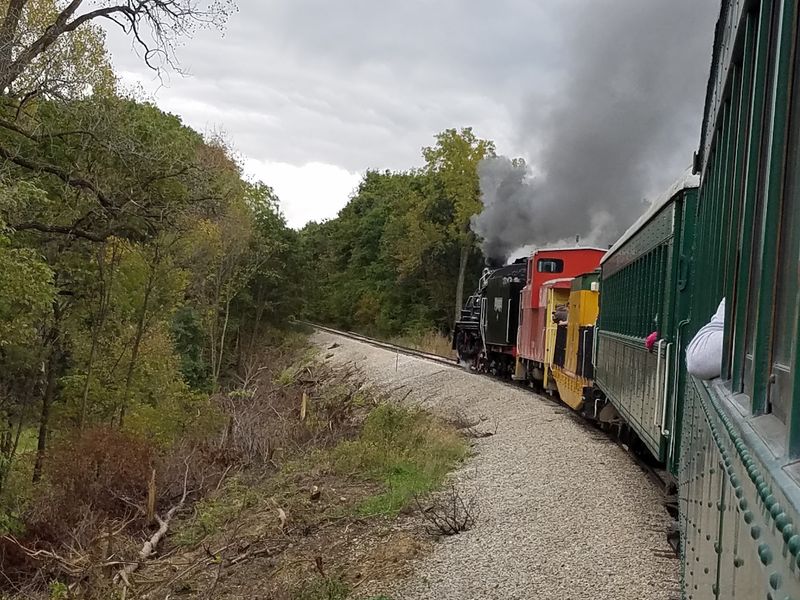
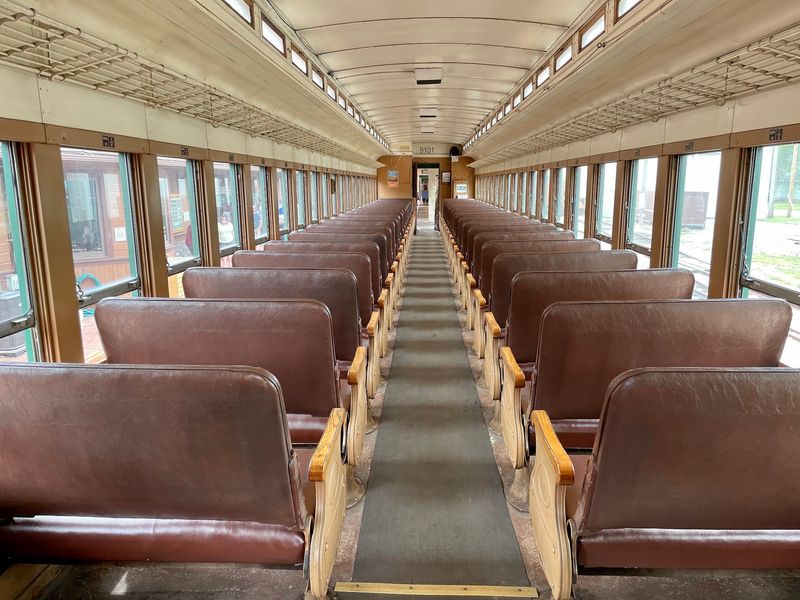
Seat selection matters more here than on almost any ride I have taken. Four different classes roll out on the Fraser Train.
Climate-controlled cars keep things steady and comfortable, which matters on a chilly, drizzly October morning. Classic Coach cars have windows that open, and the breeze through them is better than it sounds.
Then comes the Open-Air Valley View car, a former transfer caboose with outward-facing bench seats and an open design. For fall color, nothing else compares, since you have a nearly unobstructed view of the scenery around you.
There is also Caboose Class for anyone who wants a different kind of railroad experience.
Wind chill is real in the open-air car once the temperature drops, so a jacket, hat, and maybe gloves belong in your bag.
The good news is you are not locked in place. Walking between cars during the ride is allowed, and a veteran rider gave me the best tip of the day: switch sides at the halfway point so you see both views.
Choose your car by weather, not by habit, and the trip improves immediately.
Why The Museum Deserves Real Time
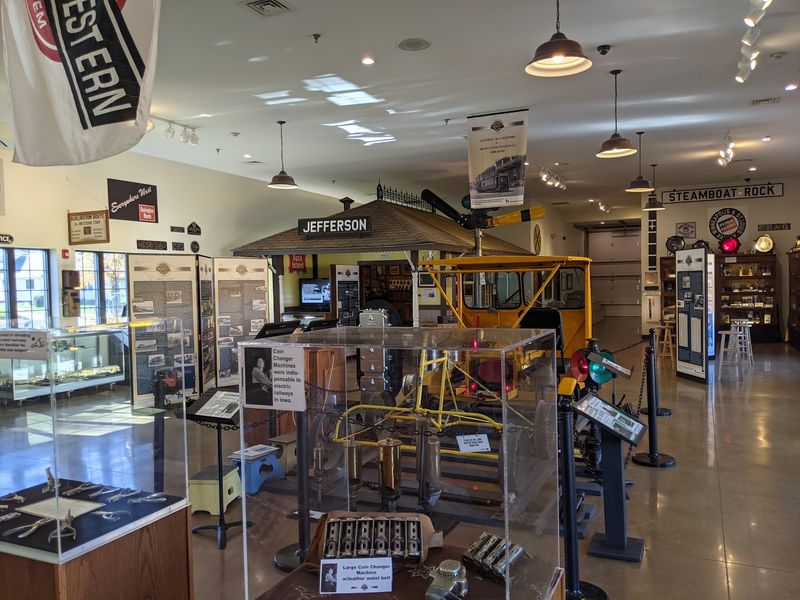
Plenty of people treat the James H. Andrew Railroad Museum as a waiting room.
That is a mistake, though how much time you spend depends on your curiosity.
Exhibits cover regional railroading with lanterns, signals, tools, uniforms, and photographs, plus a small theater that runs a video.
One family breezed through in fifteen minutes; a serious train fan I chatted with had been reading placards for over an hour.
The museum focuses heavily on Iowa railroad history rather than telling a generic national story.
Hours run Thursday through Sunday during the regular season. The museum is open from 10 a.m. to 4 p.m.
Thursday, 10 a.m. to 5 p.m. Friday and Saturday, and 11 a.m. to 4 p.m.
Sunday. Monday through Wednesday the doors stay shut, so plan accordingly.
Seeing the museum before your train, rather than after, works best. The exhibits explain what you are about to ride on.
Dinner And Lunch Trains Worth Booking
Eating a pulled pork sandwich while crossing a river valley at seven miles per hour ranks high on my list of good afternoons.
The railroad runs several meal excursions, including Wolf Dinner Trains, Wolf Lunch Trains, and Wolf Picnic Trains during the regular season.
Sunset BBQ Dinner Trains run separately in March and April. Recent menus have included pulled pork, smash burgers, pork chop plates, mushroom and spinach lasagna, and brownies.
Meal trains typically use the climate-controlled cars, so they double as the warmest option when the weather turns.
Two hours sounds long until you are seated at a table, eating slowly, and talking with the strangers across from you about where they drove in from.
Crews may pause at scenic points during some of these runs, and the rear viewing platform can become popular when the scenery opens up.
Book meal trains well ahead, because these sell out faster than the standard excursions do.
Pumpkin Trains And Seasonal Runs
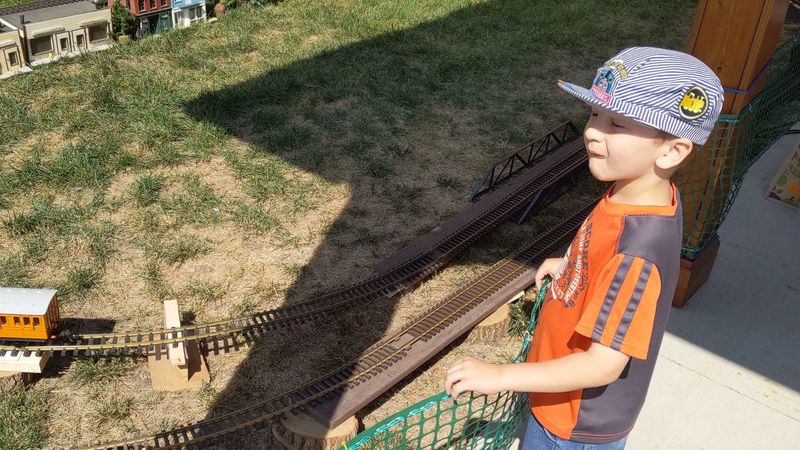
October brings the pumpkin train, and the depot picks up a distinctly festive mood when it runs.
Seasonal excursions like this one shift the crowd younger. Families dominate, kids wave at every car waiting at a crossing, and the whole thing moves slowly enough that nobody gets overwhelmed.
Day Out With Thomas shows up on the calendar too, usually with games, crafts, and play areas set up around the grounds alongside a shorter ride. Parents I spoke with said the shorter length was exactly right for toddlers.
Specialty runs sell out earlier than regular excursions, so checking the schedule on the railroad’s website weeks in advance saves disappointment.
Costumes, wagons, and small pumpkins all make appearances, and the staff seem to genuinely enjoy the chaos rather than merely tolerating it.
Iowa fall weather swings wildly in October, from seventy-five degrees to frost in the same week, so dress in layers you can peel off or pile on.
Checking the events calendar first, then building your weekend around it, is the move here.
The Volunteers Who Run The Whole Thing
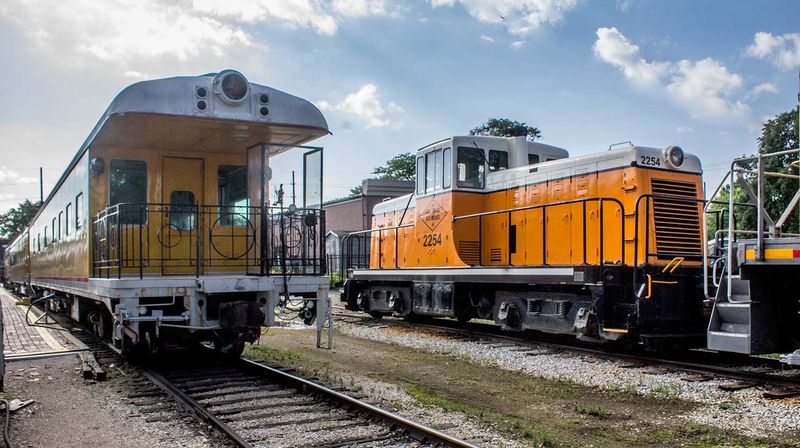
My ticket was punched by a man who had volunteered here for years and knew every landmark on the route by heart.
Crew members double as informal tour guides. They point out the river crossings, explain what the old signals meant, and answer questions about locomotives with the enthusiasm of people who chose to be there.
One conductor stopped the train so anyone who wanted could step onto the rear platform above the trestle. Nobody asked him to; he just knew that is the part people remember.
At the end of a two-hour run, riders sometimes get the chance to tour the engine itself, which delights kids and quietly delights adults too.
Audio equipment occasionally gives them trouble. Sitting closer to a speaker, or closer to the conductor, helps if you want to catch the commentary.
Asking questions pays off more than eavesdropping. These folks have stories about the old Milwaukee Road that never made it onto any museum placard in Iowa.
Tipping is not expected, but a sincere thank you clearly lands.
Practical Tips Before You Board
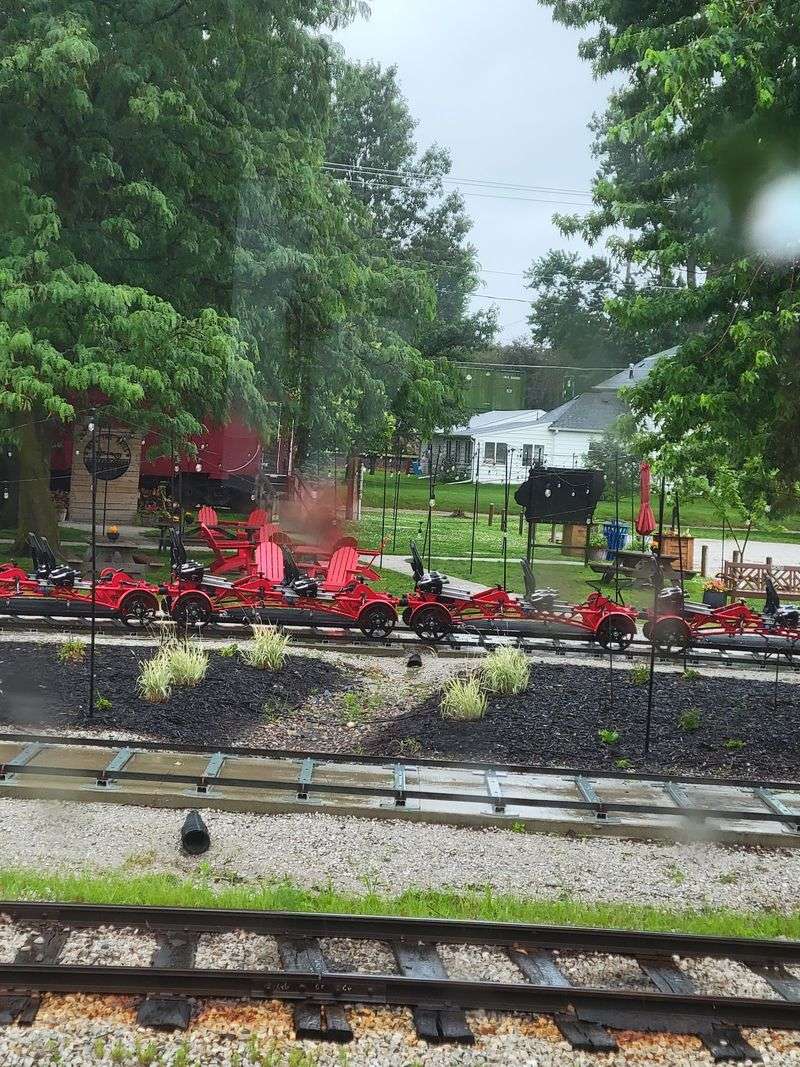
Reservations come first. Standard excursions, meal trains, and rail bikes all run on advance tickets, and the phone line at 800-626-0319 handles questions the website does not.
Arrive twenty to thirty minutes early for a regular ride, or earlier if you want real museum time and first pick of seats.
Pack water and snacks, or buy them at the depot. Two hours on a slow train makes people thirsty in ways they do not anticipate.
Wear comfortable shoes with decent grip, since boarding involves steps and the cars sway gently while moving.
Restrooms are available at the depot, and using them before departure is the smart play.
Weather can cut a trip short. Wet track conditions occasionally shorten the route, and the crew handles refunds fairly when that happens.
Expect the pace to be slow, around seven miles per hour, because that is the whole point rather than a flaw.
Departure times shift by season, so confirm yours the day before instead of trusting a screenshot from last month.
Making A Full Day Out Of Boone
Here is a detail that saves people from an awkward hour of standing around: the depot sits in a quiet residential pocket, not a strip of restaurants.
Plan your meals accordingly. Downtown Boone has places to eat a short drive away, and nearby towns fill the gap too, but you will not stumble onto lunch by walking out of the parking lot.
Timing works best when you pair the museum with the ride on the same visit, then head into town afterward rather than arriving two hours early with nothing to do.
Fall weekends are busiest, especially Saturdays when the museum stays open until 5 p.m.
Groups do well here. A party of ten can split between rail bikes and the train without anyone feeling left out.
My lasting picture of the day is simple: standing on the back platform, wind pushing my collar around, watching the river slide by underneath a valley full of orange.
Central Iowa does not get enough credit for views like that, and seven miles per hour is the right speed to collect them.