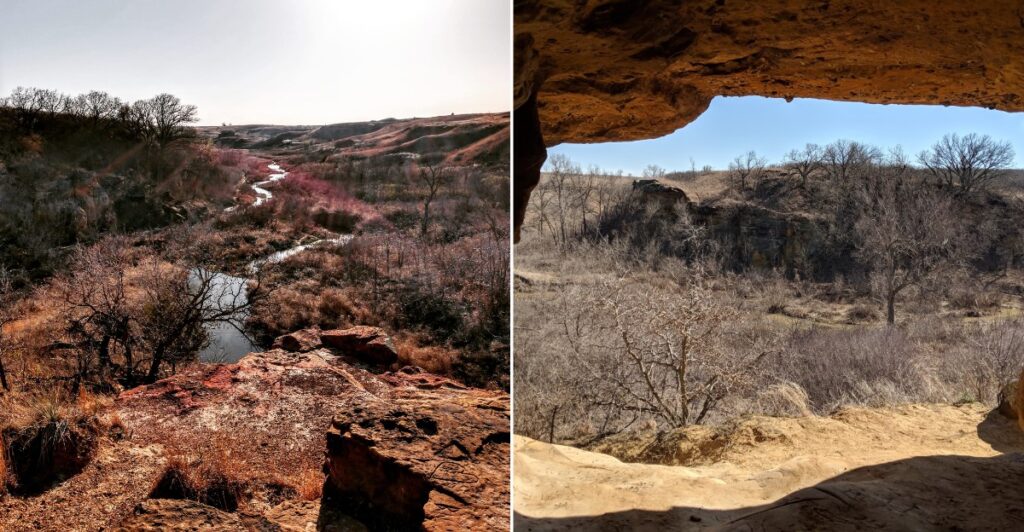
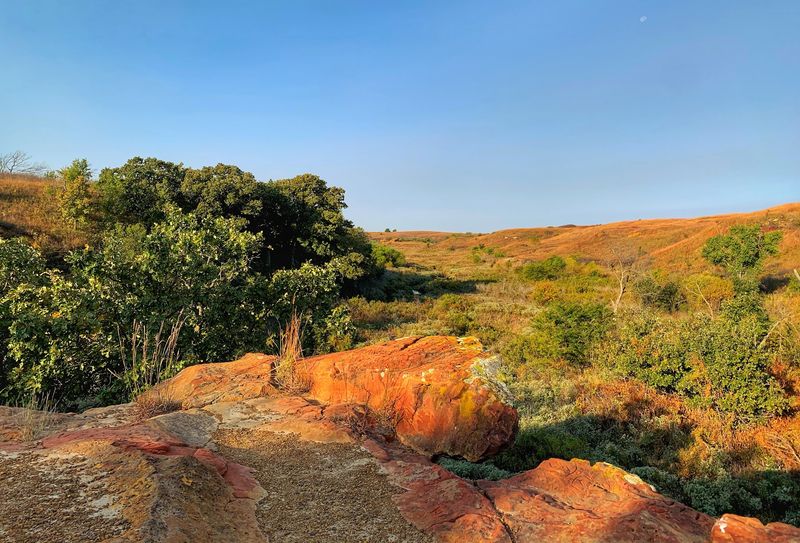
Sandstone bluffs up to 50 feet tall rise from a canyon floor, and a horse trail runs right past them.
The place is named after horse thieves, which feels like a bold choice for a riding destination.
The rock walls hold caves and crevices carved by wind and water over a very long time.
Creeks cut across the path, so your horse gets a few splashy moments along the way. I like how the whole ride feels far wilder than most people expect.
This corner of Kansas surprises people who think the state is only flat fields. Rolling hills, woods, and cliffs fill the view instead.
I believe a two-hour ride is the sweet spot here. You see the best scenery without wearing out your horse or yourself.
So which do you want first, the creeks or the bluffs?
Saddle Up Where Kansas Started Its Whole State Park Story
Bragging rights come built in at Kanopolis State Park.
It became Kansas’s first state park in 1958 and was formally dedicated on May 30, 1959. It still feels like a fine place to start.
The park sits in the Smoky Hills region, right in the middle of the state. That location matters, because the land here rolls, dips, and breaks into rocky canyons.
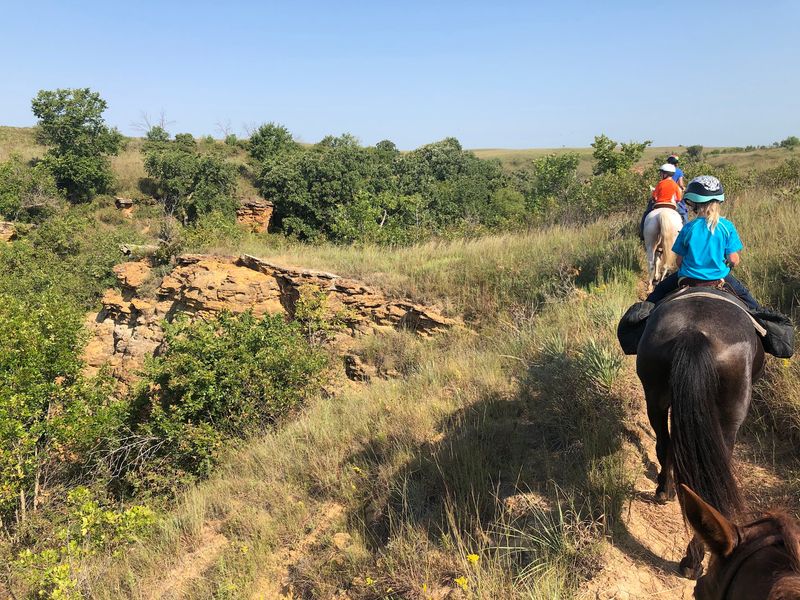
The Horsethief Canyon Trail is the star for riders. It’s a multi-use trail, so hikers and bikers share it with horses.
Everyone gets the same views, but riders get the best seat.
Trail lengths vary depending on which loops you pick. The Horsethief Canyon Multi-Use Trails cover about 5.5 miles, and connecting routes offer opportunities for longer rides.
That variety makes a two-hour ride realistic for a portion of the system. You can choose a shorter loop or push a little farther if your horse is feeling frisky.
Horsethief Canyon and Rockin’ K trails are open year-round, weather permitting.
However, the Prairie and Alum Creek trails close from November 1 through January 31, and additional closures can occur during high water.
You’ll need the appropriate Kansas state park vehicle and trail permits, so check the requirements before hitching the trailer.
Nobody wants paperwork drama at the gate.
Those Towering Sandstone Walls Will Make You Forget You Are In Kansas
Fifty feet of rock is a lot to look up at from a saddle.
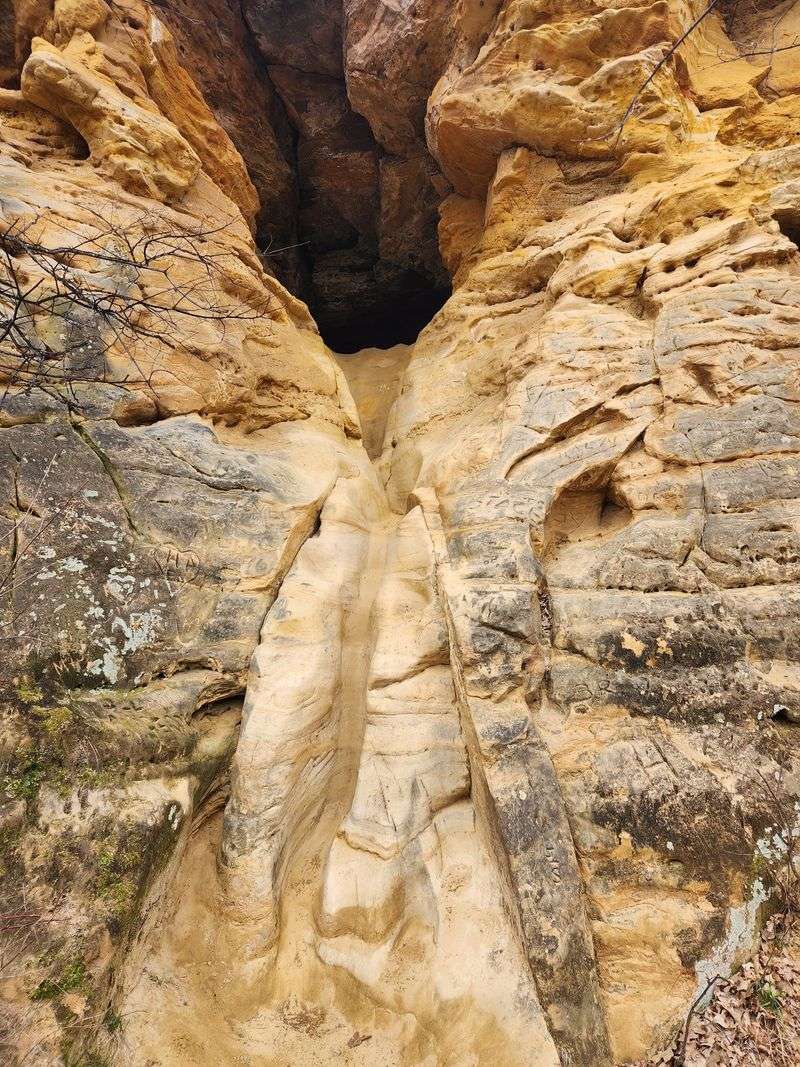
Horsethief Canyon features Dakota sandstone formations that reach that height, and they steal the show.
Dakota sandstone gives the bluffs their warm, earthy look. The walls rise above the trail in layers, with ledges and cracks shaped by weather over ages.
Riding beside them changes how you see the state. Many folks picture Kansas as endless flat farmland.
Then a canyon shows up and quietly proves them wrong.
The bluffs also frame the ride in a way open prairie can’t. You get shade at certain angles, interesting shadows, and a real sense of being inside the land instead of just crossing it.
Bring a phone or camera that’s easy to reach. You’ll want a photo of your horse’s ears with those cliffs in the background.
It’s practically a requirement.
Keep your eyes forward on tricky stretches, though. Rocky ground near the canyon calls for a steady pace.
The scenery isn’t going anywhere, and it looks just as good at a walk.
Creek Crossings Turn A Simple Ride Into A Small Adventure
Splash. That’s the sound of a good trail ride getting more interesting.
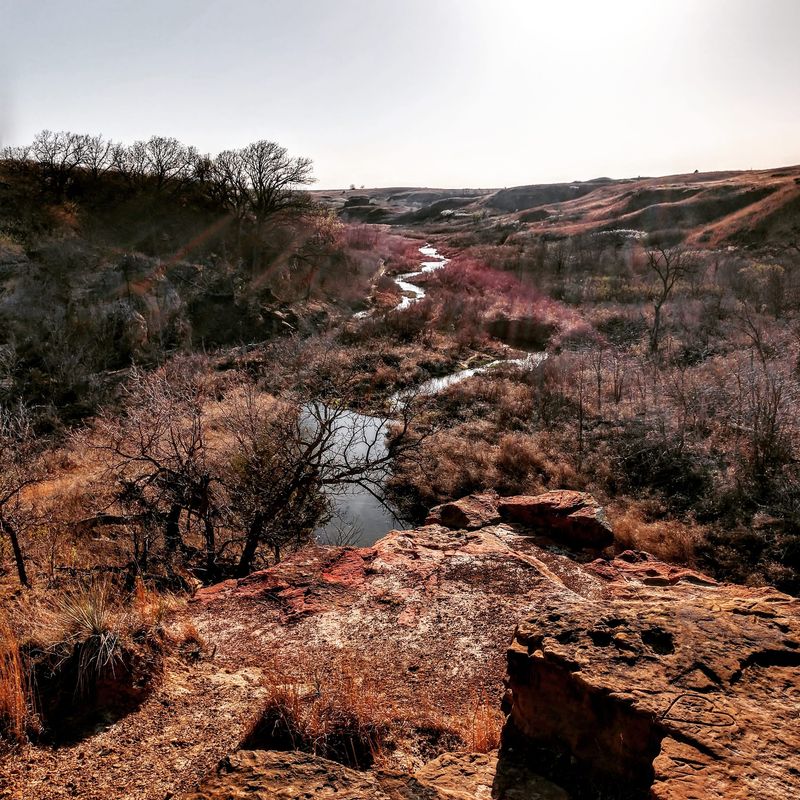
Creeks wind through the Horsethief Canyon area, and the trail crosses them in spots. Over time, that water helped carve the terrain into the canyon you ride through today.
Quiet creeks bring a calm feeling to the route. Trees along the banks soften the rugged rock nearby, although crossing conditions can change dramatically with the weather.
For riders, crossings are worth planning around. Some horses step right in, while others give the water a long, suspicious stare.
If your horse is new to creeks, practice at home first.
The orange Horsethief Canyon Trail has three relatively easy water crossings, according to Kansas wildlife officials.
The shorter blue trail also has three crossings, but those can be very deep and challenging.
Water levels can change with the weather, too. After heavy rain, parts of the trail may get muddy, flooded, or temporarily closed.
Checking conditions before you leave can save you a soggy surprise. Never attempt a crossing when the water is too deep or moving too quickly for you and your horse.
These crossings also give you natural moments to slow down when conditions are safe.
Let your horse take a careful step, listen to the trickle, and enjoy the break from the trail’s hills and bluffs.
Caves And Crevices Hide In The Canyon Walls
Curious kids and grown-ups alike will love this part.
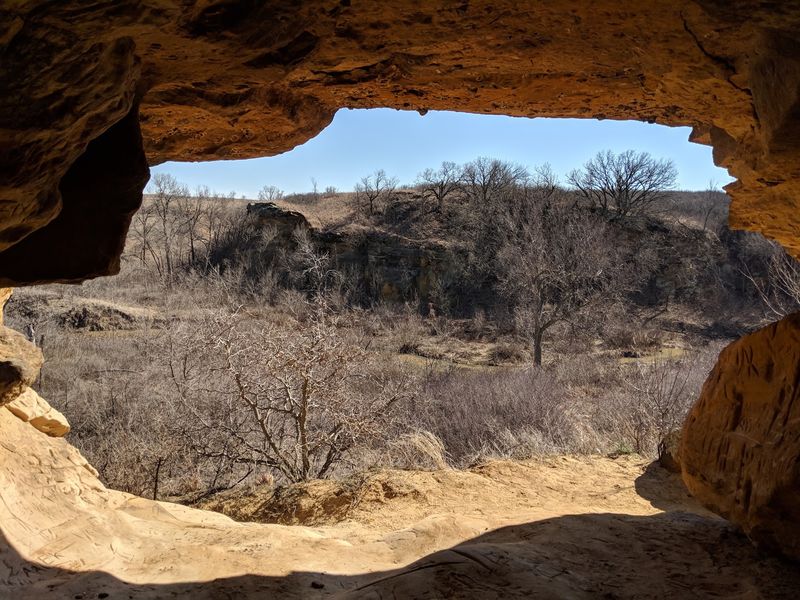
Horsethief Canyon holds caves and crevices tucked within its sandstone walls, adding mystery to every bend.
These natural openings formed as wind and water wore away softer spots in the rock. The result looks like the canyon has its own secret rooms.
Such rock hollows have offered shelter for a long time. Spaces like these have drawn people and animals seeking shade or cover from wind on the open plains.
Exploring near the caves takes some care. Rocky ground can be uneven, so tie your horse safely before poking around on foot.
Watch where you step and where you put your hands.
Snakes and poison ivy can show up in wild areas like this. Long pants and sturdy boots are smart choices.
They also make climbing a little easier.
Treat the caves gently, too. Leave rocks and markings untouched so the next rider gets the same sense of discovery.
A quick look and a good photo are enough to make the stop memorable.
Pioneer History Is Carved Right Into The Rock Nearby
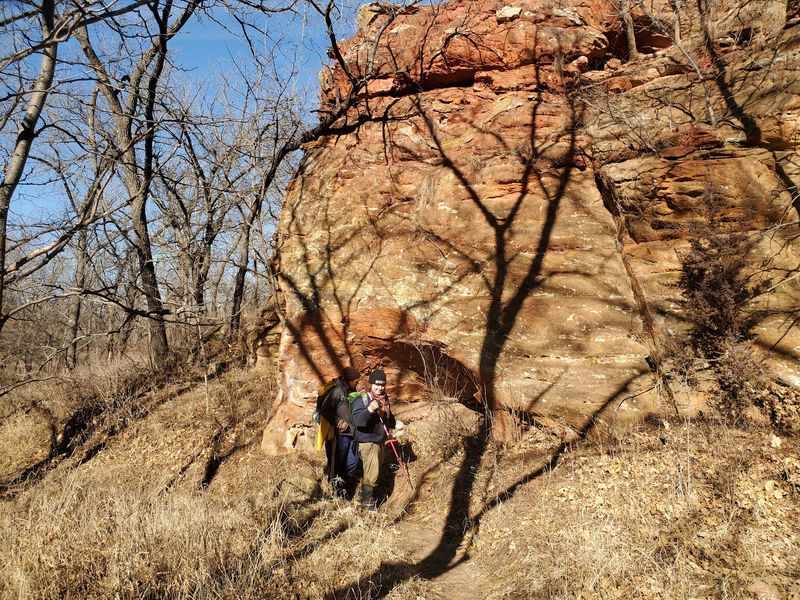
Early settlers didn’t just pass through this area. They carved into it.
The Faris Caves sit nearby within the wildlife area around Kanopolis State Park.
Pioneers carved these spaces into the soft sandstone, turning the rock into useful shelter.
That detail adds real depth to the ride. The bluffs aren’t only pretty scenery.
They show a long history of people working with the land instead of against it.
Visiting the caves makes a fine side trip after your ride. It pairs well with the natural caves in Horsethief Canyon, so you see both nature’s work and human effort.
Plan for some walking if you go. Rocky paths and wild plants mean sturdy shoes are a good idea.
Bring water, since amenities can be limited out on the trails.
I can’t imagine a better history lesson for a family outing.
Kids get to see how people once lived in Kansas, and nobody has to sit in a classroom. Fresh air and old stone do the teaching here.
More Than 30 Miles Of Trails Means You Will Not Run Out Of Options
Thirty-plus miles of trails give riders plenty of room to roam.
Kanopolis State Park and the adjoining Smoky Hill Wildlife Area offer a substantial trail network across hills, woods, and bluffs.
The Horsethief Canyon Trail connects with other routes, including the Prairie Trails that lead toward Red Rock Canyon.
Depending on which trails you combine, you can plan a ride that extends well beyond the 5.5-mile Horsethief Canyon system.
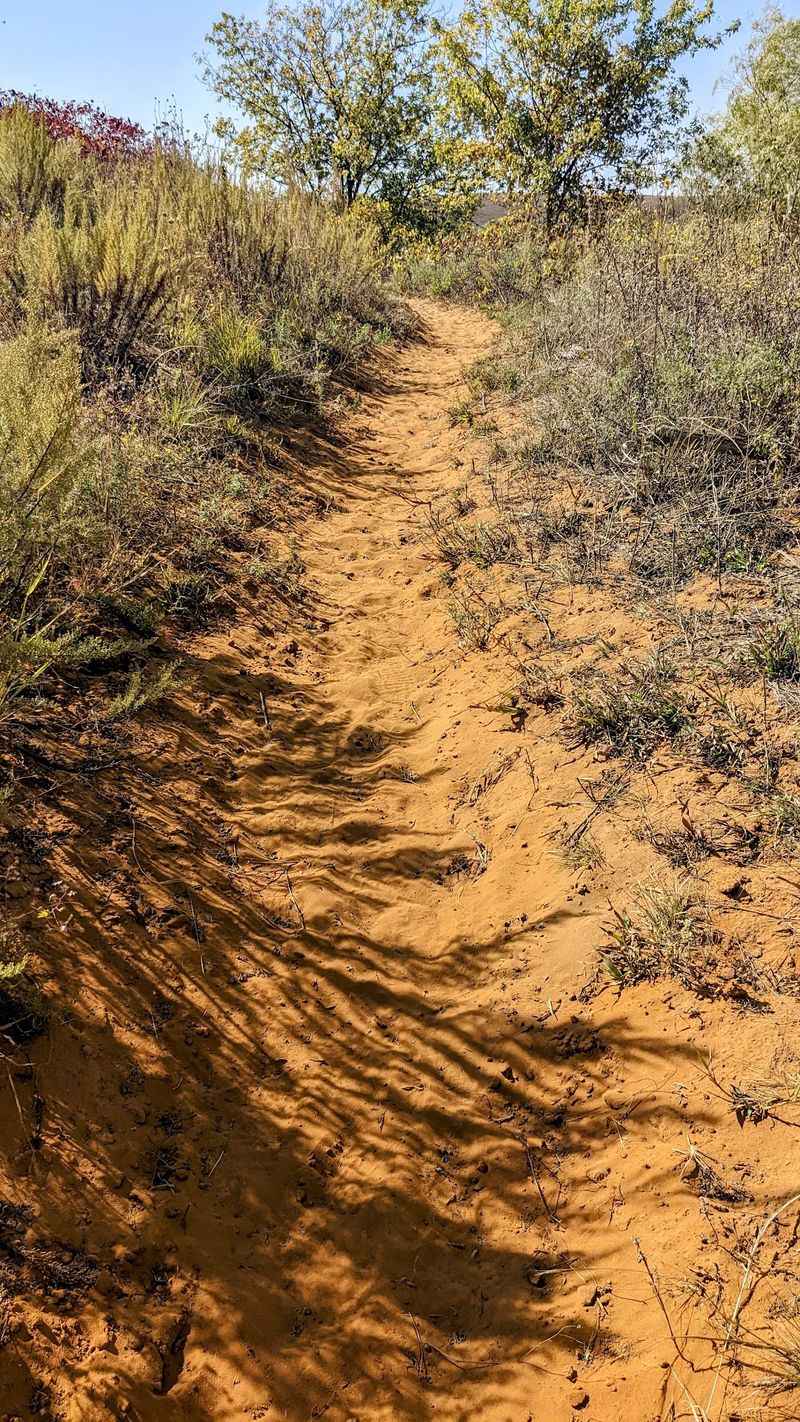
Variety keeps things fresh. One loop may follow sandy stretches, while another climbs through rolling ground.
Some sections feel open and breezy, and others feel tucked under trees.
Sand is a real factor on parts of the system. Horses may handle certain sandy stretches better than bikes, but deep sand can tire a horse faster than you’d expect.
Not all those miles are available year-round. About 15 miles of the network lie within the Smoky Hill Wildlife Area, where trail access is restricted seasonally.
The Prairie and Alum Creek trails close from November 1 through January 31. Portions of the trail network may also close during periods of high water.
Picking a loop ahead of time helps you stay near that two-hour goal. Carry a trail map, because cell service can be spotty in canyons.
Got extra time? Come back for another loop the next day.
With this many miles, a weekend visit barely scratches the surface.
Horse Camping Lets You Wake Up Right Next To The Trail
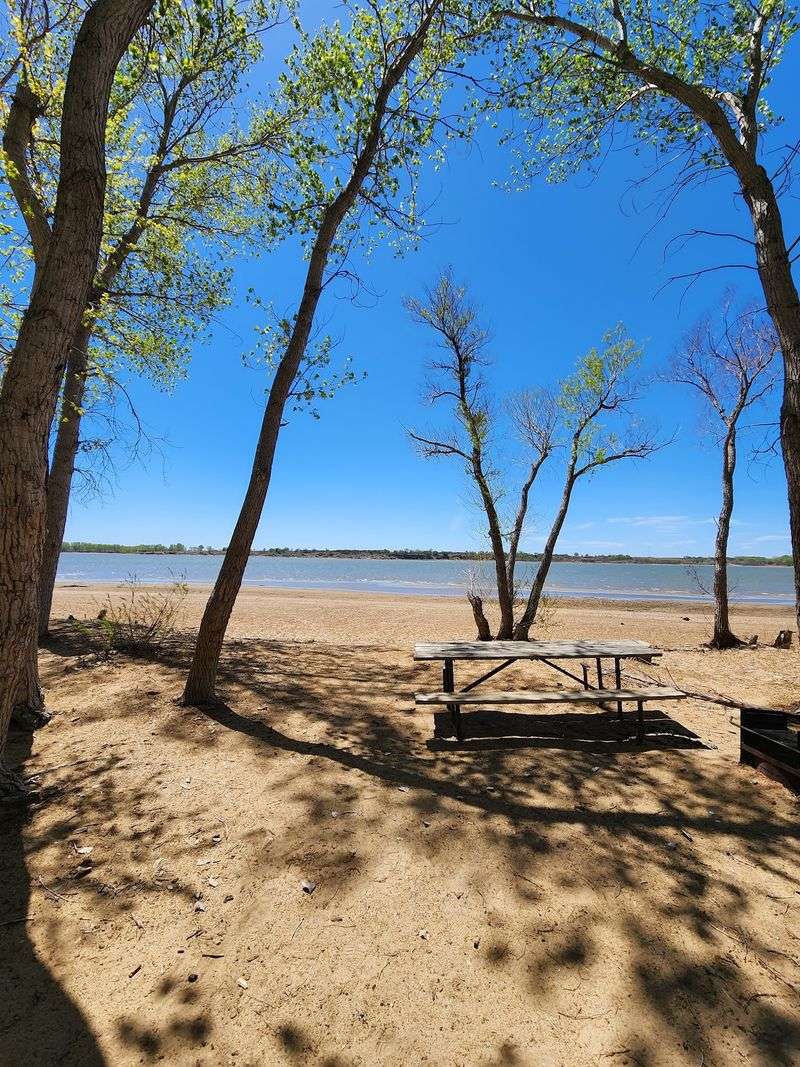
Morning coffee with your horse nearby sounds like a pretty good plan.
The Horsethief Area offers camping, and Rockin’ K Campground is specifically designed for equestrian visitors.
Staying overnight takes the rush out of the trip. You can ride early, rest at camp, and head out again later when the light hits the bluffs.
Rockin’ K provides designated horse corrals and tie-ups, along with electric, water-and-electric, and primitive campsites.
The park requires horses to remain in designated areas when they’re not on the trail.
Horses must be secured at approved tie-ups or corrals, and riders must follow the campground’s specific horse-care rules.
Early rides make sense in summer. Kansas heat builds fast, and the canyon can feel warm by afternoon.
Cooler hours are easier on horses and people.
Pack with wildlife in mind. Critters may come looking for snacks at night, so store food securely.
Wind can also pick up quickly, so stake gear down well.
Ticks are another thing to plan for in warm months. Bug spray and a quick check after each ride are smart habits.
Your horse will appreciate a once-over, too.
The park also offers cabins if tent life isn’t your thing, although they are separate from the designated equestrian camping facilities.
Either way, sleeping near the trail means more riding and less driving. That’s a trade anyone with a horse trailer can respect.
Here Is How To Find The Trailhead Without Getting Lost
Directions matter when your truck is pulling a horse trailer.
The park’s official address is 200 Horsethief Road, Marquette, Kansas 67464.
However, that’s the park’s mailing and office address, not a specific equestrian trailhead.
Horseback riders should use designated equestrian access points. Trailhead A is located at Rockin’ K Campground, while Trailhead B is at the Horsethief Canyon day-use parking area.
Trailhead B has a gravel parking area for horseback riders and an accessible horse-mounting ramp. Checking the official trail map before leaving home will help you find the right entrance.
Marquette is a small town in central Kansas, and the park sits nearby along Kanopolis Lake. The setting puts you in the heart of the Smoky Hills.
The park’s current official listing gives office hours as Sunday through Friday from 8 a.m. to 4 p.m. The office is closed Saturday.
Trails within the park are generally accessible year-round, but some connecting routes have seasonal restrictions. High water can also force temporary closures.
Plan for gas, snacks, and water before the last stretch of road. Services can be spread out in rural areas.
Bringing your own water for you and your horse is wise.
Once you arrive, take a minute to study the trail signs and map. Marked routes help, but canyons can twist in surprising ways.
After The Ride, The Lake Has Plenty More Waiting
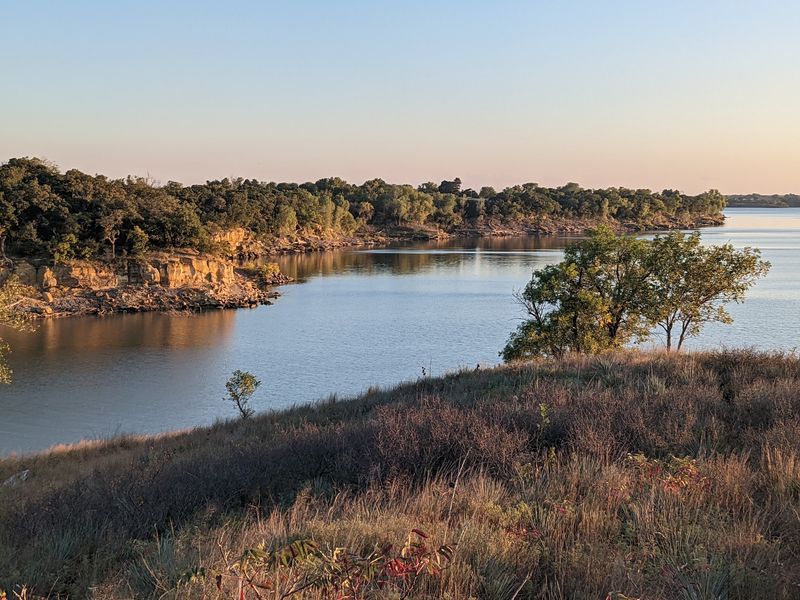
Sore legs deserve a reward. Luckily, Kanopolis State Park has a whole lake ready for the second half of your day.
Kanopolis Lake sits right beside the trail system, and the park includes a marina. Boats, docks, and open water make a fun change from dusty trails.
Fishing is a popular pastime here. Grab a rod, find a quiet spot along the shore, and let the afternoon slow down a bit.
The area also attracts wildlife. Deer, turkeys, and migrating waterfowl can show up around the park, so keep an eye out between casts.
Lake levels can rise and fall over time. That means the shoreline may look different from one visit to the next.
It’s worth checking conditions if water plans are a priority.
Pairing a canyon ride with lake time makes this a full Kansas getaway.
Bluffs in the morning, water in the afternoon, and maybe a campfire story about horse thieves at night. Not a bad lineup for one park.