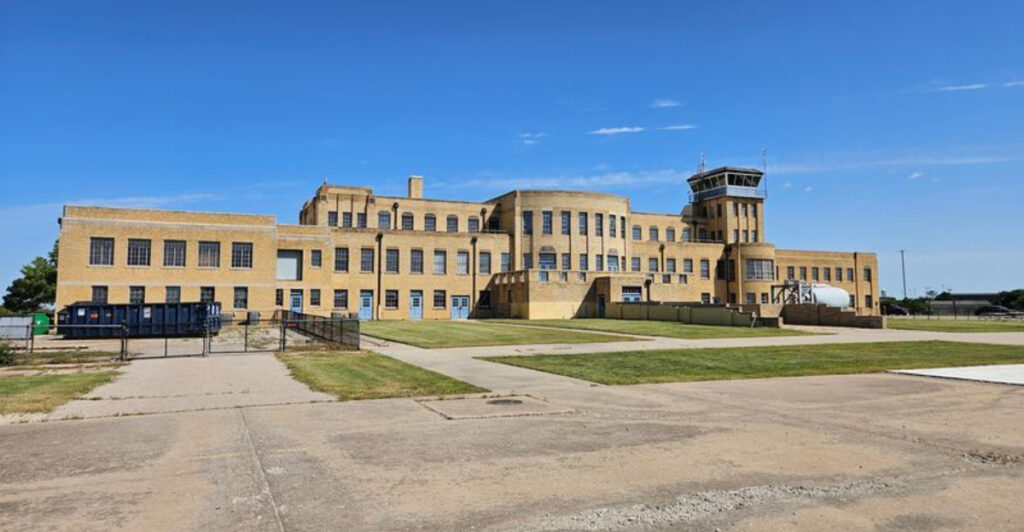
Before the exhibits even begin, the building has already started telling the story.
Kansas is home to an aviation museum housed inside an original airport terminal, where history feels built into the walls, windows, stairways, and old travel spaces. This is not just a place for plane lovers.
It is a reminder of the city’s sky-high legacy, where aircraft design, aviation ambition, and the golden age of flight all helped shape a nickname that still carries serious pride.
Inside, the past feels close: polished aircraft, vintage details, airport echoes, and the sense that departures once felt like grand events.
Give me a museum like this, and I would spend just as much time admiring the terminal as the planes, because Kansas aviation history sounds even better when the setting has lived it.
The Art Deco Terminal Building That Started It All
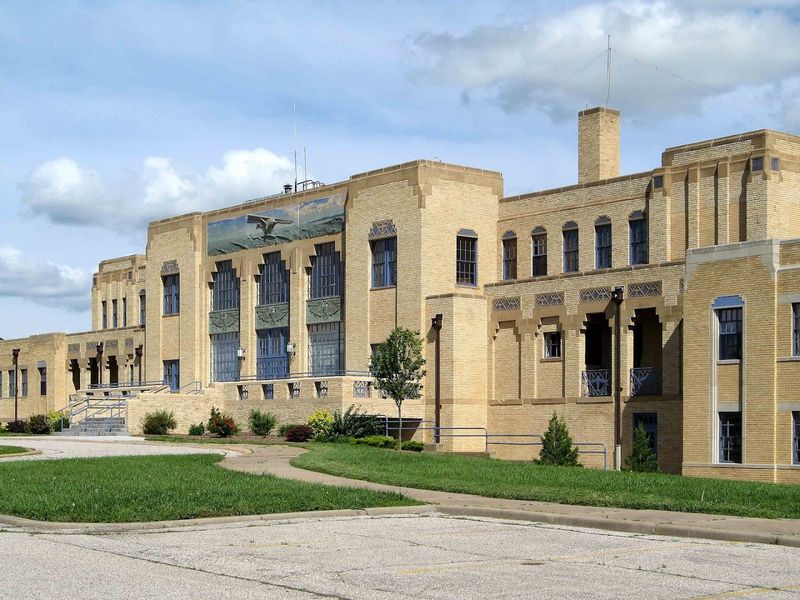
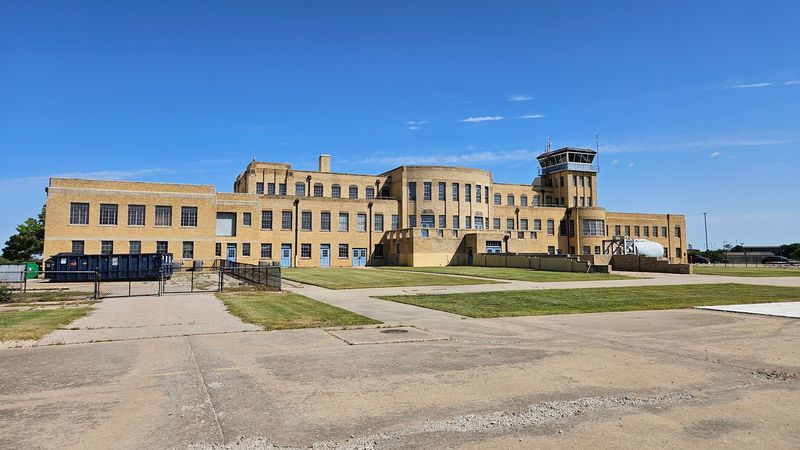
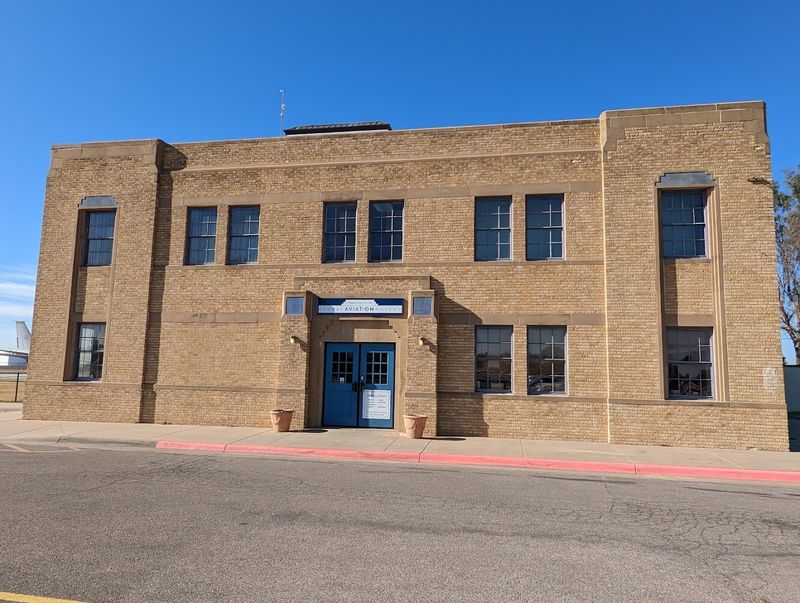
Few buildings in Kansas carry as much history per square foot as the original 1935 Wichita Municipal Airport terminal, now home to the Kansas Aviation Museum.
Built during the golden age of commercial flight, the structure was designed in the Art Deco style that defined the era’s optimism about air travel.
The exterior features the clean lines and geometric patterns typical of the period, while the interior dazzles with painted ceilings that visitors consistently describe as jaw-dropping.
The building itself, many say, steals the show even before you look at a single airplane.
Preserved with care and purpose, this terminal connects the present to a time when flying was brand new and thrillingly bold.
Walking through its doors feels like stepping into a chapter of American history that most textbooks barely scratch the surface of.
The Remarkable Collection Of Historic Aircraft
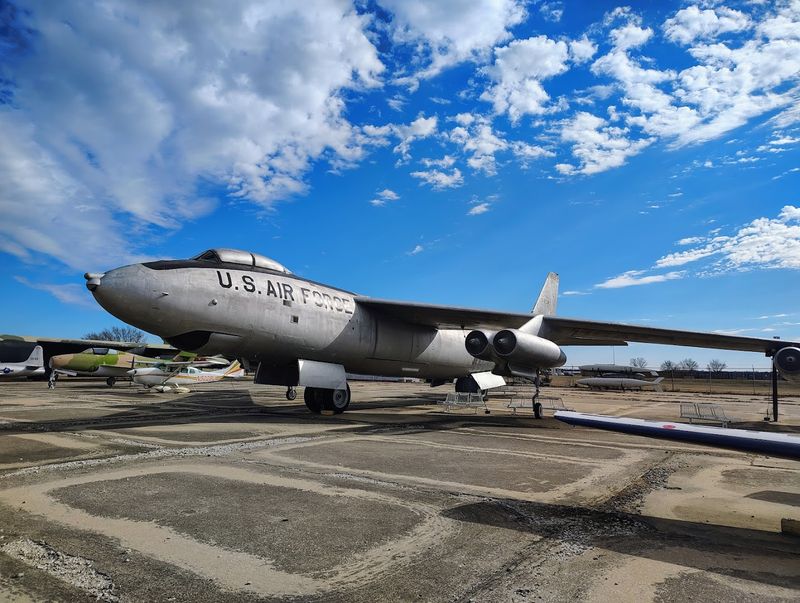
One of the first things that grabs your attention at the Kansas Aviation Museum is the sheer variety of aircraft packed into and around the building.
Inside, you will find rare gems like the Beechcraft Starship, a futuristic-looking composite aircraft that pushed the boundaries of design when it was introduced.
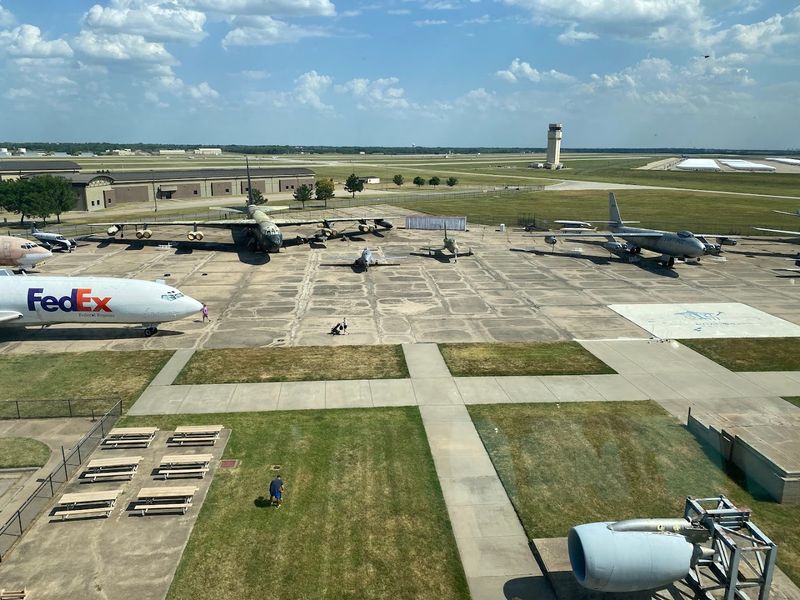
Outside on the tarmac, larger aircraft are accessible up close, and visitors are often surprised to learn they can actually board some of them.
Walking through the cabin of a vintage commercial airliner is the kind of hands-on experience that no screen can replicate.
The collection spans multiple eras of aviation, from early propeller-driven machines to jet-age workhorses.
Each aircraft comes with context that helps visitors understand not just what the plane is, but why it mattered. History here is not behind glass; it is right in front of you, engines and all.
The Control Tower Experience You Will Not Forget
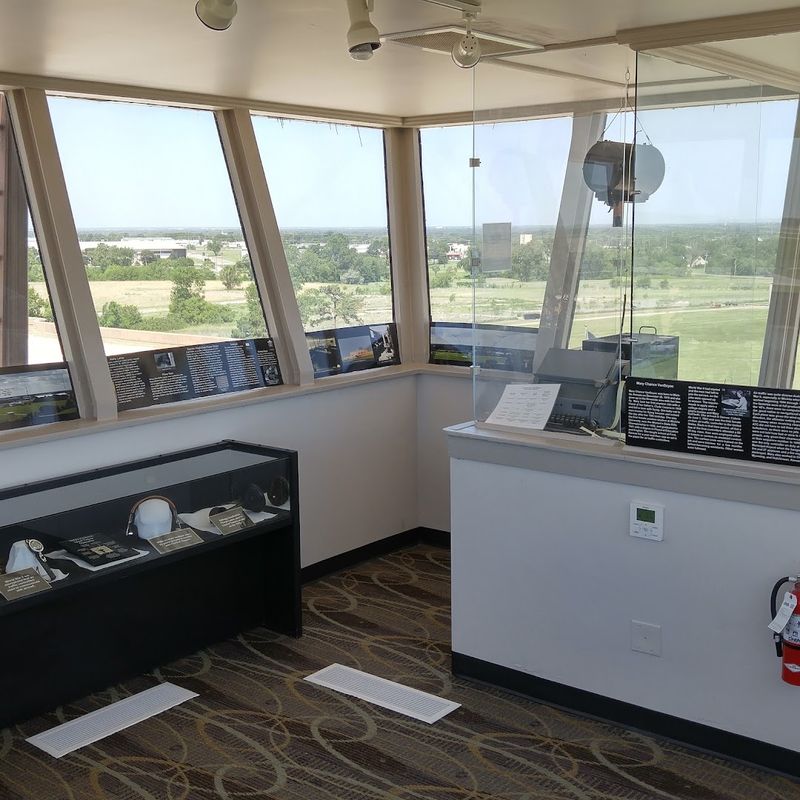
Climbing up to the original control tower at the Kansas Aviation Museum is one of those experiences that quietly becomes a highlight of the entire visit.
The upper control tower was added in 1941, and today it gives visitors a rare look across Wichita aviation history from above.
The view from the top is genuinely impressive. On a clear day, you can see the Wichita skyline, McConnell Air Force Base, Spirit AeroSystems, and the museum’s own aircraft ramp.
Listening to air traffic control from that vantage point adds another layer to the experience, making the tower feel less like a static exhibit and more like a living connection to the skies around Wichita.
The tower also sits near major aviation activity, so the view is lively and varied. It is the kind of living, breathing exhibit that reminds you this is not just a museum frozen in the past.
Wichita’s Claim As The Air Capital Of The World
Not every city can claim to have shaped the global aviation industry, but Wichita, Kansas absolutely can.
During the early twentieth century, the city became the production hub for some of the most recognizable aircraft manufacturers in American history, including Cessna, Beechcraft, and Learjet.
At its peak, Wichita produced more general aviation aircraft than anywhere else on the planet, which is exactly how it earned the title “Air Capital of the World.”
That legacy is not just a marketing slogan; it is backed by decades of manufacturing muscle and engineering innovation.
The Kansas Aviation Museum exists specifically to honor and explain that legacy.
Every exhibit, every restored aircraft, and every photograph on those walls connects back to Wichita’s outsized role in putting the world in the air.
Ohio may have given us the Wright Brothers, but Kansas gave the world an industry.
A Family-Friendly Space Built For All Ages
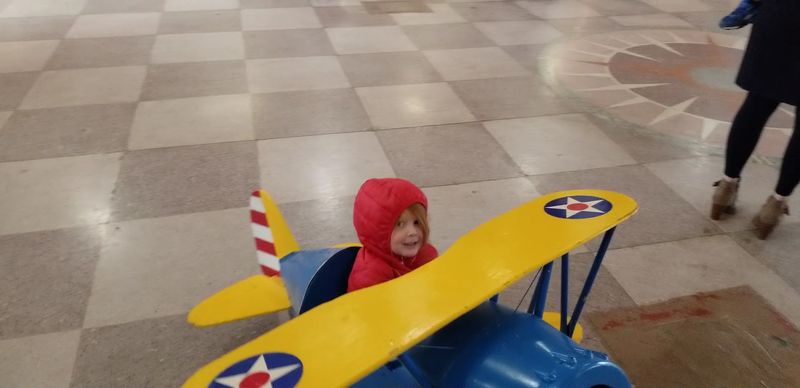
Aviation museums can sometimes feel like they were designed exclusively for retired engineers, but the Kansas Aviation Museum clearly had families in mind.
Younger visitors can enjoy hands-on features, including the First Flight Hangar early-learning space designed to introduce little kids to aviation through imaginative play.
Flight-focused activities and interactive exhibits give older kids and teenagers a better sense of what aviation actually feels like beyond simply looking at aircraft.
These elements transform the visit from a passive viewing experience into something genuinely engaging for families.
Birthday parties have been held here, and the feedback from families is consistently warm.
The staff is known for being approachable and knowledgeable, which makes a real difference when curious kids start firing off questions. This place understands that learning sticks better when it is fun.
The Painted Ceilings That Stop Visitors In Their Tracks
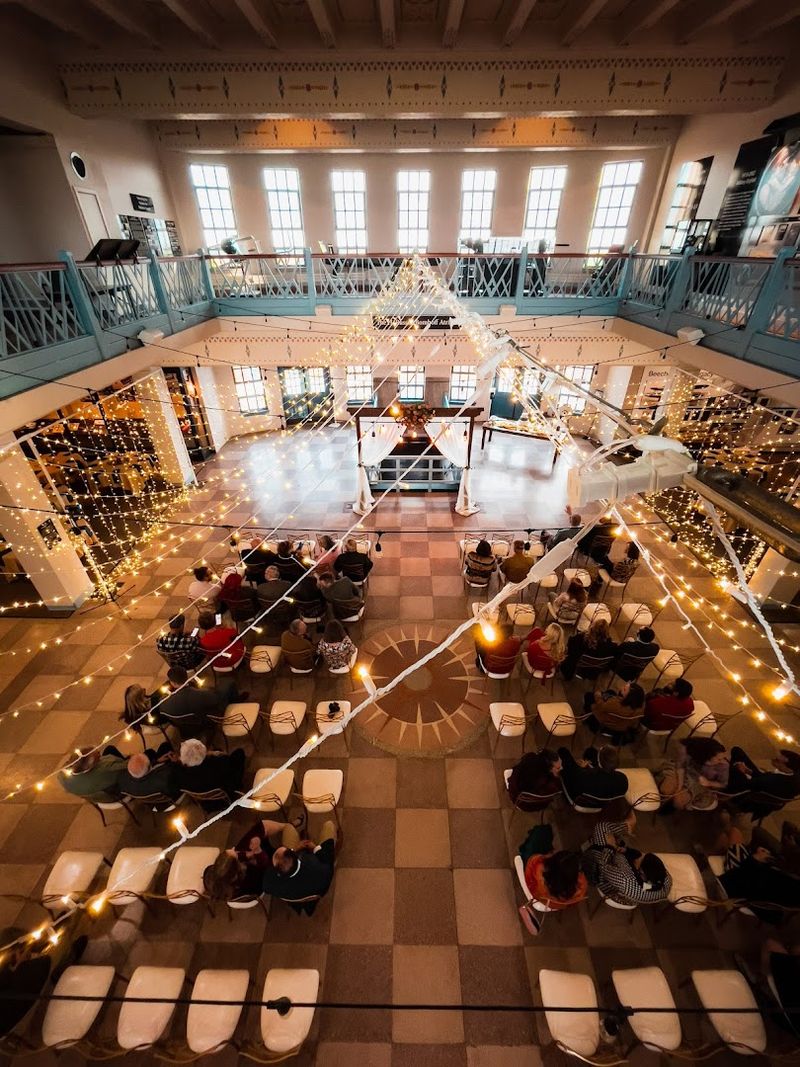
Ask almost anyone who has been to the Kansas Aviation Museum what surprised them most, and a surprising number will mention the ceilings.
The original Art Deco painted ceilings inside the terminal are a work of art in their own right, featuring bold geometric patterns and rich colors that have been carefully maintained over the decades.
These were not accidental design choices. In the 1930s, public buildings were often constructed with the intention of inspiring awe, and the terminal’s designers clearly succeeded.
The craftsmanship on display overhead is the kind of detail that architecture enthusiasts and casual visitors alike stop to appreciate.
Interestingly, the building’s visual drama has made it a popular event venue.
Concerts featuring string quartets and candlelit performances have been held here, and the acoustics reportedly complement the atmosphere beautifully.
The space proves that a great building never really goes out of style, no matter what century you are standing in.
How The Museum Connects To The Wright Brothers’ Legacy
The Wright Brothers, Orville and Wilbur, changed aviation history with their 1903 flight at Kitty Hawk.
But the story of American aviation did not stop there; it traveled westward and found fertile ground in Kansas, where an entire industry grew up around the dream those two brothers launched.
The Kansas Aviation Museum traces that broader aviation arc thoughtfully, helping visitors understand how early flight eventually led to Wichita becoming the manufacturing capital of general aviation.
Exhibits connect historical dots in a way that feels satisfying rather than overwhelming.
The focus here is on what happened next. Wichita’s manufacturers took the concept of flight and helped scale it into something the world could actually use.
That progression from early experimentation to Kansas factory floors is one of aviation history’s most compelling storylines.
Rare Engines And Aviation Equipment Up Close
For anyone who has ever wondered what actually makes an airplane fly, the Kansas Aviation Museum offers a front-row seat to the mechanical side of aviation history.
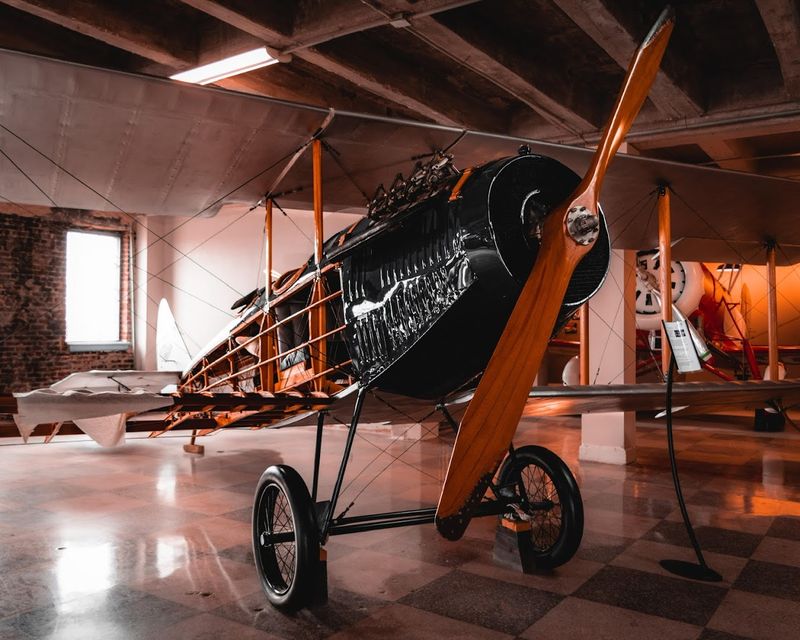
The collection includes rare engines, antique instruments, and equipment that spans nearly a century of engineering development.
Radial engines, turbojet components, and vintage cockpit panels are displayed in ways that invite close inspection.
The staff and volunteers who help run the museum are often former aviation professionals or dedicated enthusiasts, and they are happy to explain what you are looking at in plain, accessible language.
Seeing a radial engine up close for the first time has a way of making you appreciate just how much human ingenuity went into early aviation.
These machines were built by hand, maintained by mechanics with extraordinary skill, and trusted with human lives. The museum treats that legacy with exactly the respect it deserves.
The Museum As A Unique Event Venue
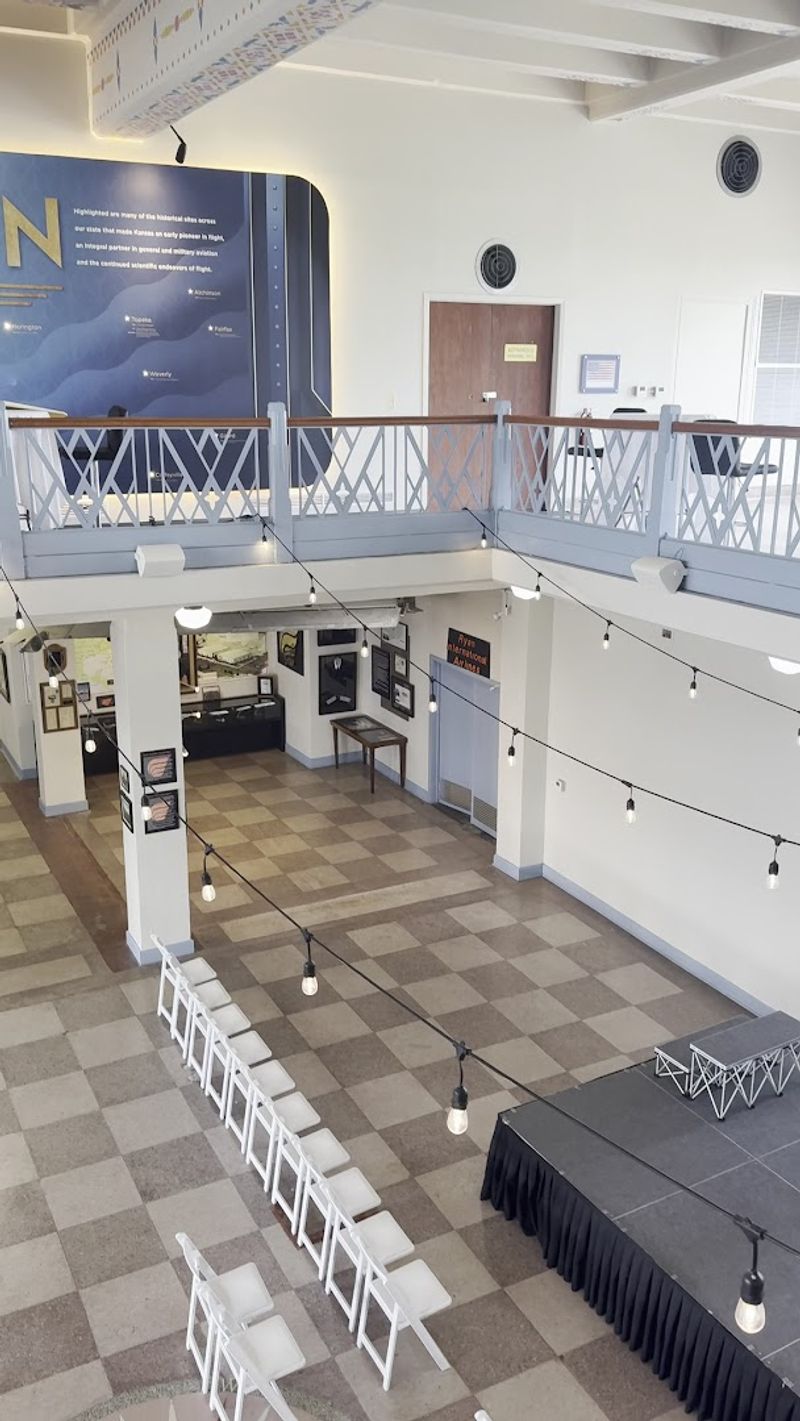
Not many museums can double as a wedding venue and pull it off with style, but the Kansas Aviation Museum manages it with surprising grace.
Couples can celebrate here surrounded by vintage aircraft, Art Deco architecture, and those spectacular painted ceilings, and the setting gives every event an unmistakable sense of place.
The space also hosts private parties, children’s birthday parties, graduations, showers, corporate events, education fairs, and private meetings.
The combination of dramatic architecture and aviation history creates a backdrop that is genuinely unlike anything you would find at a standard event hall.
Even guests who arrive knowing nothing about aviation can leave impressed by the setting.
The museum’s venue team helps coordinate events in a building that already has personality built into every wall. That personal touch matters.
A venue is only as good as the people running it, and the team here understands how to make a special occasion feel exactly that way.
Visiting Hours, Tips, And What To Know Before You Go
Planning a visit to the Kansas Aviation Museum is straightforward, but a few practical details are worth knowing in advance.
The museum is open Monday through Wednesday from 10 AM to 5 PM, Friday and Saturday from 10 AM to 5 PM, and Sunday from noon to 5 PM.
Thursday is the one day it stays closed, and last admission is currently at 4 PM, so plan accordingly.
The gift shop has drawn consistent praise for its selection, making it a solid stop before you head out. The museum is located at 3350 South George Washington Boulevard in Wichita, and parking is easy, which is always a welcome detail on a family outing.
The Kansas Aviation Museum rewards visitors who take their time. The staff is genuinely enthusiastic, the exhibits reward curiosity, and the building itself is worth savoring.
Its strong reputation says plenty about the experience waiting inside.