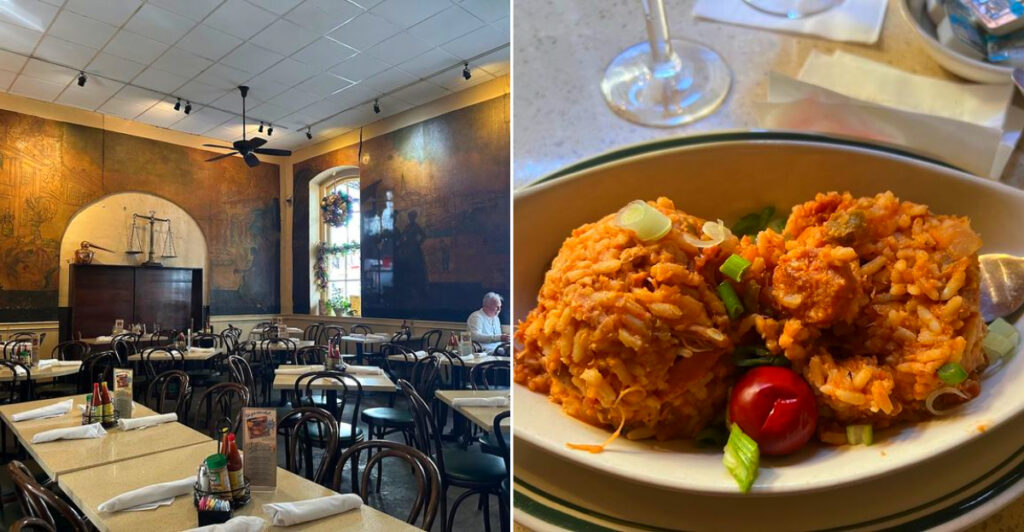
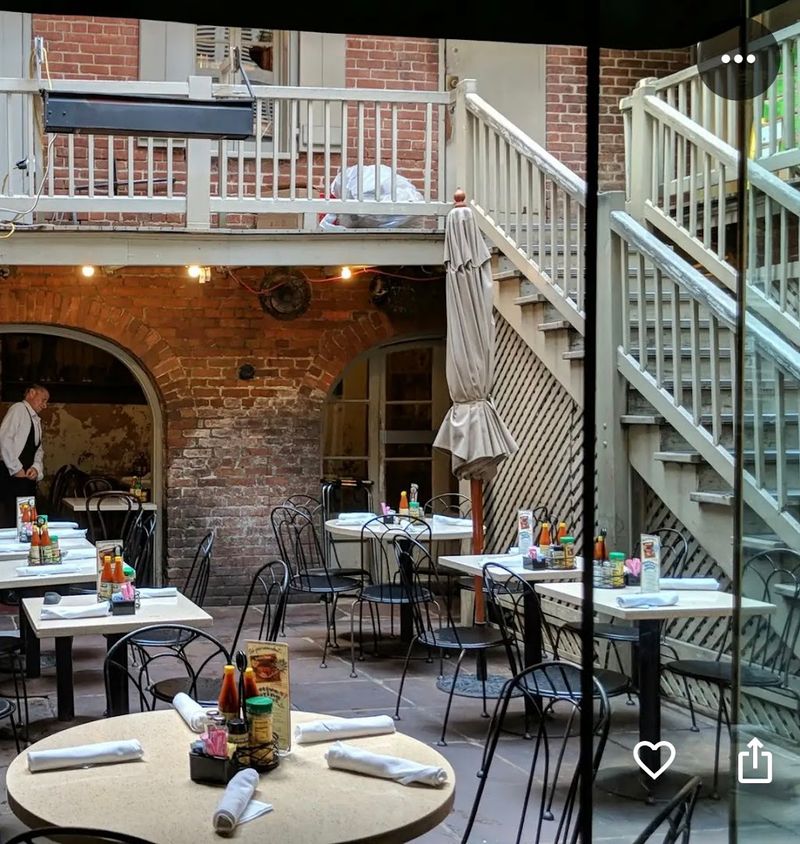
A narrow French Quarter carriageway is already a strong opening argument for lunch, especially when it leads to a leafy courtyard that feels tucked just far enough from the sidewalk chaos.
The mood shifts quickly here: brick, greenery, old walls, and that wonderful New Orleans feeling that history has pulled up a chair before you even see the menu. The food fits the setting without turning stiff.
Creole classics arrive with comfort and confidence, and the jambalaya has the kind of seasoned, deeply satisfying character that makes you understand why people keep returning instead of chasing whatever is newer and louder around the corner.
Louisiana Creole dining feels especially memorable here, with French Quarter history, courtyard charm, jambalaya, gumbo, and classic New Orleans comfort food in one atmospheric stop.
Come hungry, come curious, and leave time to enjoy the room as much as the plate. In this city, atmosphere is part of the recipe.
Order The Jambalaya First
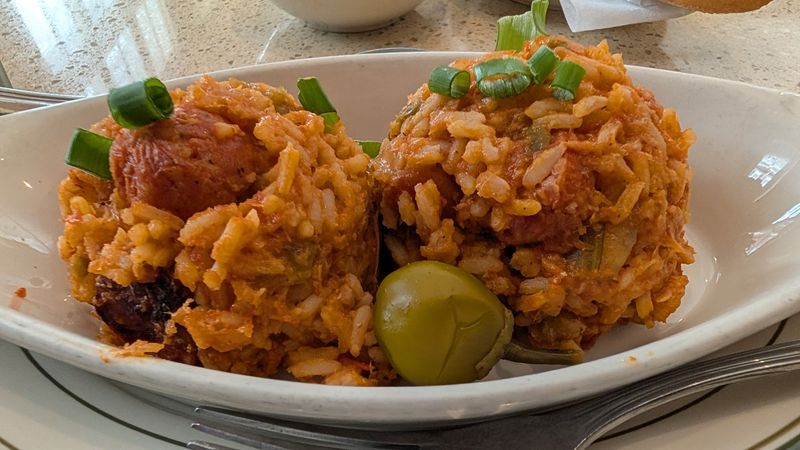
The jambalaya at Gumbo Shop arrives as a tidy, fragrant mound of rice studded with smoked sausage, plump shrimp, and tender chicken. The first spoonful reveals a seasoned tomato-accented sauce that binds everything together without overwhelming the individual proteins.
The salt and pepper levels are balanced to let the smokiness of the sausage and the sweetness of the shrimp sing against the rice.
I usually pace the bowl with bites of the crusty French bread for texture contrast, and the dish rewards that kind of patient tasting. If you want a classic Creole hit, this is the order to make first, it’s straightforward, reliably made, and deeply comforting in a way only New Orleans rice dishes can be.
A French Quarter Walk With A Bowl At The End
Gumbo Shop, 630 Saint Peter Street, New Orleans, Louisiana 70116, is best reached on foot if you are already moving through the French Quarter.
Saint Peter Street gives the arrival that classic New Orleans rhythm: old buildings, slow crowds, street music nearby, and the feeling that lunch might interrupt your plans in the best way.
Once you get there, keep it easy. Step inside, settle in, and let the walk turn into something warm, local, and properly comforting.
Try The Creole Combination Platter
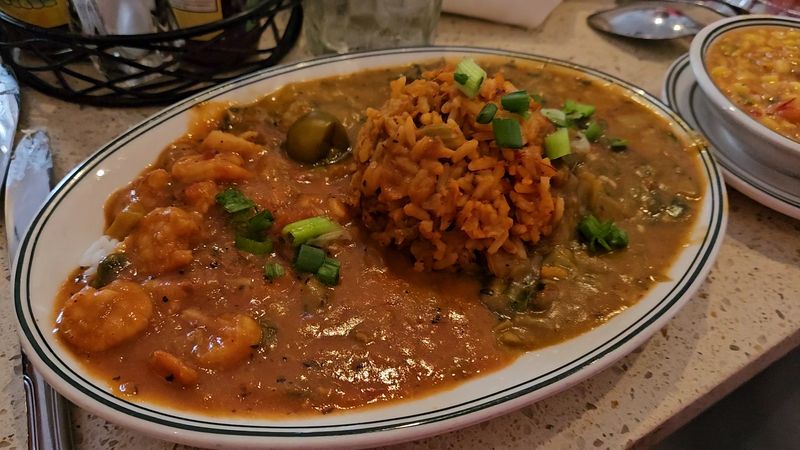
The Creole Combination Platter is a practical way to sample the Gumbo Shop’s range without overcommitting to a single plate. Portions are modest but varied, designed for tasting rather than gluttony.
The platter typically pairs jambalaya with a second preparation such as shrimp creole or red beans and rice, and it makes for a tidy introduction to the kitchen’s style.
If you’re visiting for the first time, ordering the combination helps you compare textures and seasoning across dishes. The contrast between a tomato-driven jambalaya and a slow-simmered red beans portion tells you a lot about how the cooks balance spice and patience.
Share it if you want variety without waste.
Appreciate The Historic Setting
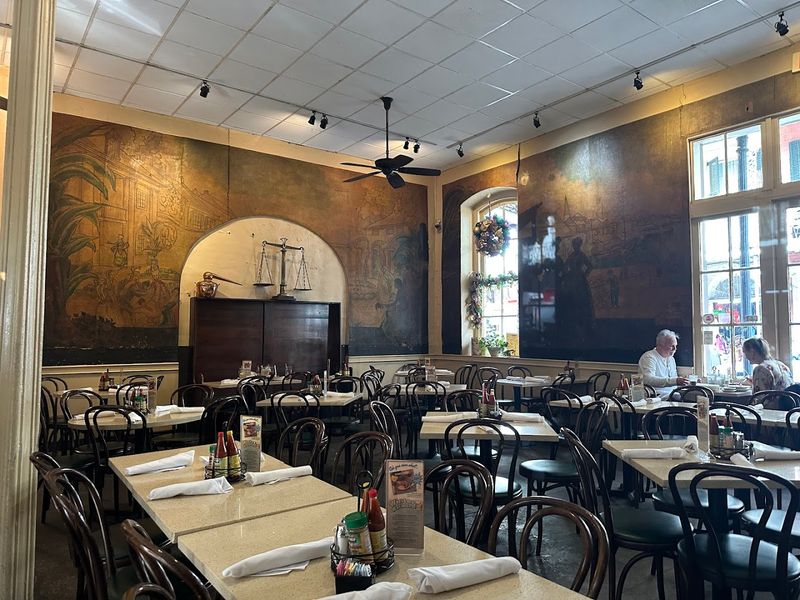
The building that houses the Gumbo Shop dates back to the 1790s, and that history is part of every visit. The narrow carriageway entrance opens into a layered space where old beams and plaster meet restaurant practicality.
That sense of longevity informs the menu; you can taste continuity in dishes that have been made the same way for years. Even before the first bowl arrives, the setting teaches you to expect patience, not flash.
Dining here feels like joining a long-running conversation about food and place. Respect the space by slowing down between bites and looking up at the architectural details, because the rooms and courtyard are as much a draw as the gumbo itself.
Notice the worn textures, shaded corners, and easy French Quarter rhythm that make the meal feel anchored rather than staged. Bring a camera for the courtyard vignette.
Order The Gumbo, It’s A Legacy
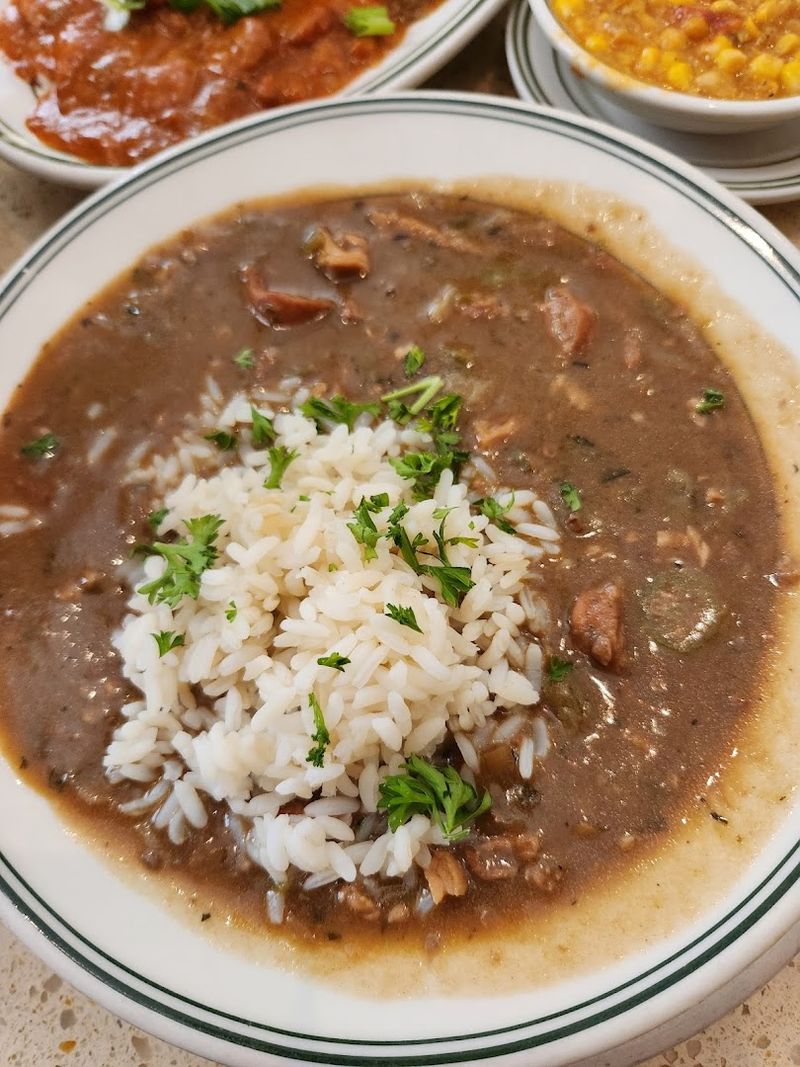
The Gumbo Shop has long been associated with award-winning gumbo, and ordering it feels like participating in that tradition. Their gumbo often features a deeply developed roux and layered seasoning, plus okra or a mix of proteins depending on the style you choose.
The bowl sits on rice and invites dipping with the provided French bread.
Expect a textured, savory experience rather than a thin broth, the gumbo’s body is what gives it staying power. If gumbo matters to your trip, this is a place where time-tested technique quietly asserts itself.
Keep your spoon working and savor how each element builds the whole bowl.
Use The Bread Strategically
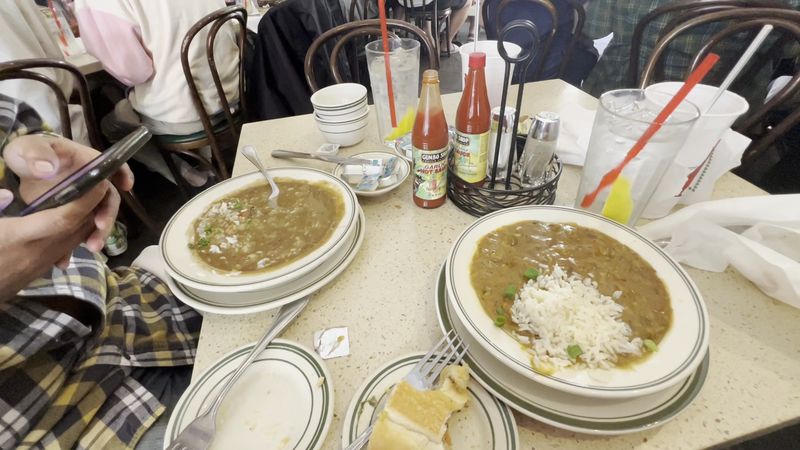
The warm French bread that arrives with meals is more than a side, it’s a tool for texture and temperature. Tearing and dipping the crusty exterior into a hot bowl softens it just enough to make each mouthful pleasantly messy.
The bread also moderates heat, giving you a way to manage spice and reheating sensations between spoonfuls.
I recommend alternating bites of bread and gumbo to appreciate the contrast in textures. Don’t expect butter or a basket with much ceremony; the bread’s utility is straightforward and honest here.
Use it to mop up sauce and prolong the last savory moments of your bowl.
Consider Ordering The Jambalaya As Part Of A Meal
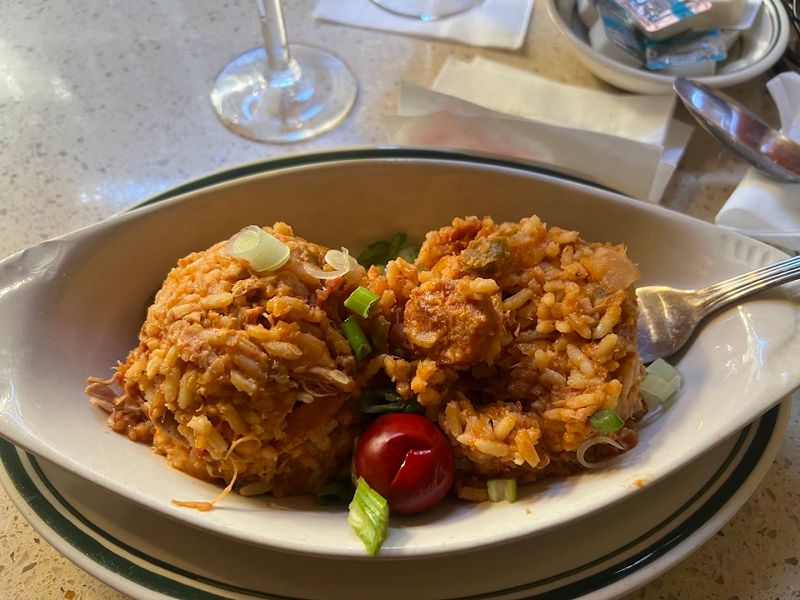
Jambalaya works well as a main or as part of a composed meal at the Gumbo Shop; pairing it with a lighter starter or a small dessert makes for satisfying pacing. The rice dish is flavorful and filling, so a simple salad or a modest appetizer balances the table without making the meal feel overloaded.
If you’re sharing, the jambalaya’s compact presentation makes portioning easy, especially when everyone wants a taste without committing to a full plate.
Think about timing. Jambalaya is best enjoyed hot and steady, so avoid ordering too many slow-to-arrive sides.
The kitchen moves efficiently, but keeping orders focused means everything reaches the table at its peak. Take a moment to notice how the seasoning settles into the rice rather than sitting on top of it.
It’s a classic central player on a Creole-centric meal.
Watch For Seasonal Menu Notes
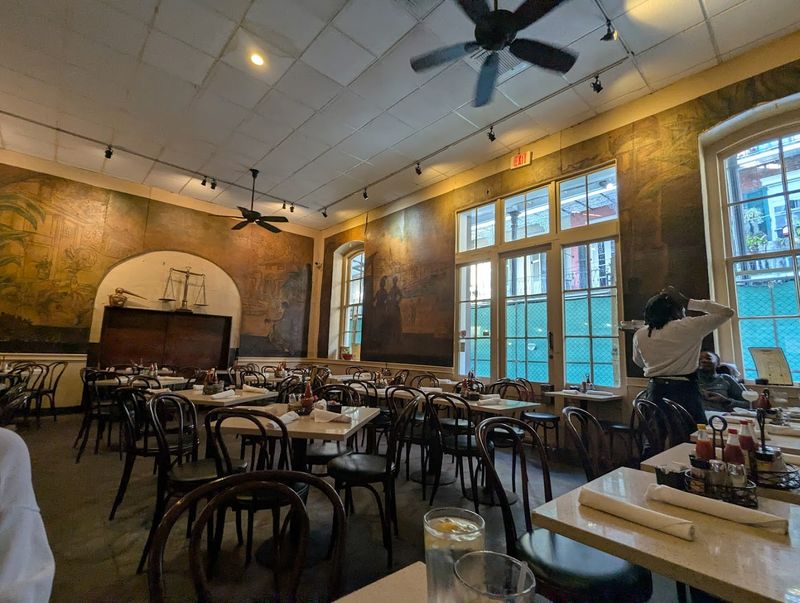
The Gumbo Shop’s menu can include seasonal or rotating items, especially with seafood availability in the region. Specials may reflect market catches or seasonal produce, so glance at any handwritten or verbal specials when you sit.
These additions are a practical way for the kitchen to showcase fresh ingredients without changing the core menu.
Asking your server about seasonal touches often yields a recommendation that complements a steady favorite like jambalaya. Servers are usually knowledgeable about what’s new, so use them as a resource.
This flexible approach keeps the menu feeling alive without sacrificing the classics the restaurant is known for.
Try The Gumbo Trio If You Can
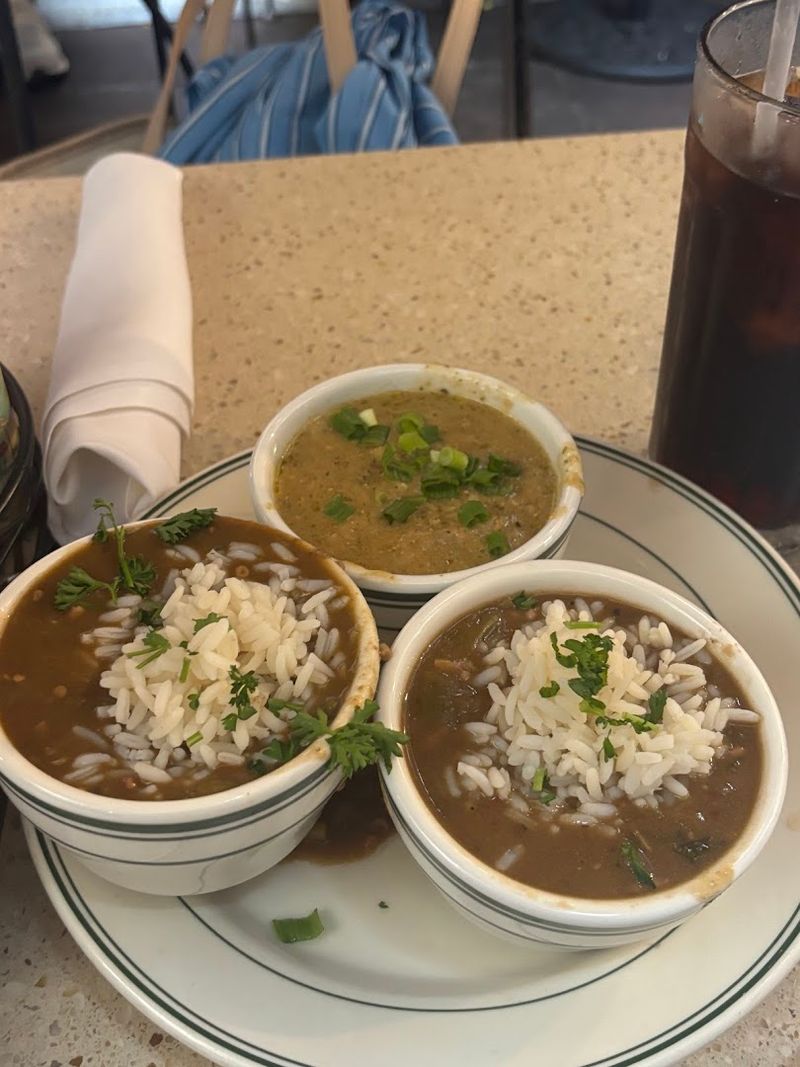
Sampling multiple gumbos in one sitting is a delightful way to understand regional variation and the Gumbo Shop’s range. If the kitchen accommodates a sampler or a trio, you can compare roux darkness, protein choices, and seasoning across bowls.
That contrast sharpens appreciation of each recipe’s intent and technique.
The experience rewards slow tasting and mental note-taking: note the roux, the spice profile, and how the rice integrates. It’s also a practical strategy when you’re with companions who prefer to share rather than commit to a single bowl.
Asking politely about off-menu samplers can open doors to this sort of comparative tasting.
Save Room For Bread Pudding
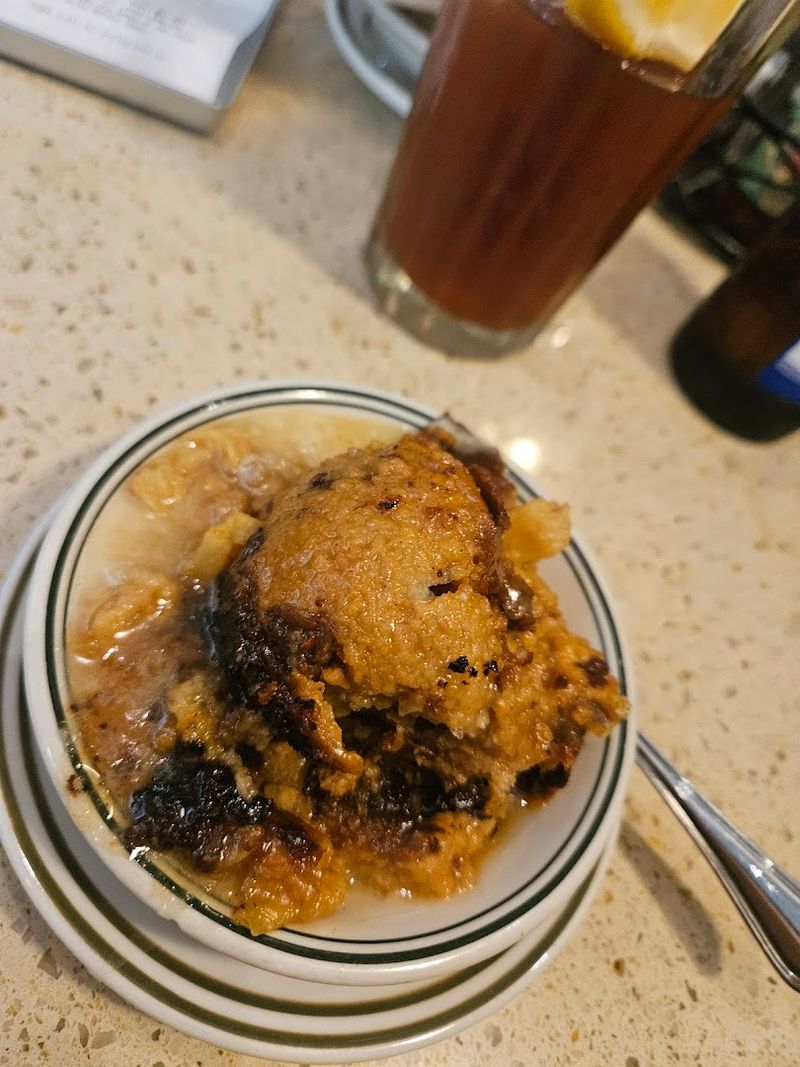
The Gumbo Shop’s bread pudding is a wise end to a robust Creole meal, warm, custardy, and just sweet enough to soothe the palate. It offers a tactile contrast to bowls of stew and rice, delivering a comforting finish that feels properly Southern without being cloying.
The sauce on top is restrained and complements rather than overwhelms.
Saving room for dessert is a smart move here; the portion size is satisfying but not excessive. If you’re indecisive, share a single serving so everyone gets a taste without spoiling the main course momentum.
It’s an elegant, unshowy finale to a flavorful dinner.
Mind The Service Rhythms
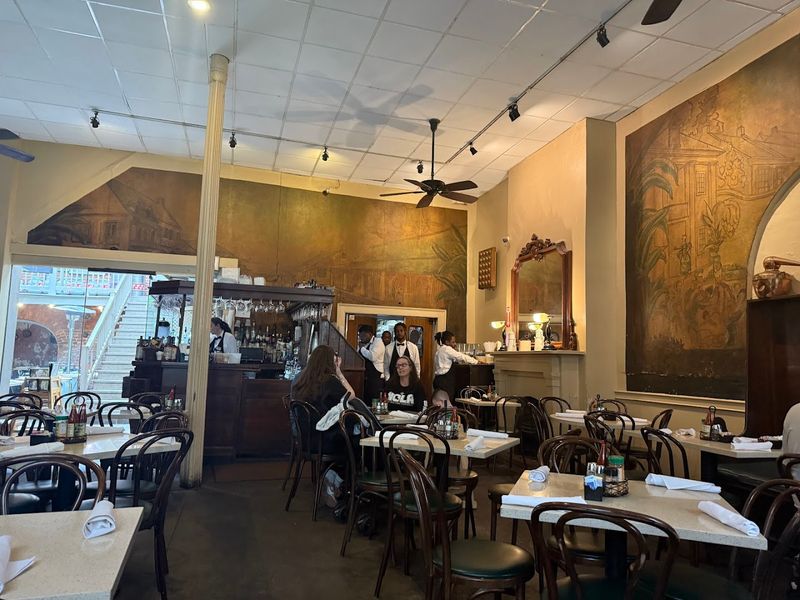
Service at the Gumbo Shop tends to be straightforward and efficient, with staff focused on clear recommendations and steady table turns. Busy shifts in the French Quarter can make the dining room energetic and slightly cramped, but servers usually keep things moving so food lands hot.
Polite directness gets you the best recs and timing on busy nights.
If you need time, say so upfront and the team will usually accommodate your pace. On crowded evenings, expect brisker rhythms; during calmer hours you can linger and ask more about preparations.
Matching your tempo to the room makes the meal more enjoyable for everyone.
Plan Timing Around Peak Hours

The Gumbo Shop fills steadily around traditional lunch and dinner times, and the French Quarter’s foot traffic can create waits during tourist peaks. Arriving slightly before typical meal windows improves your odds of a courtyard table and reduces wait time.
If you prefer a more relaxed pace, aim for the mid-afternoon lull when the kitchen often has more breathing room.
Phone reservations are limited, so be realistic about flexibility if you have a schedule to keep. Timing your visit with local rhythms, earlier or later than peak dining rushes, gives you a quieter experience while still enjoying the restaurant’s core offerings.