Past the front gate, the first thing you notice is the giraffe leaning over the railing with the casual curiosity of someone who has been watching cars pull in all morning. That giraffe sets the tone for the entire park, where the line between petting zoo and adrenaline pit is delightfully thin.
One minute you are hand-feeding a camel from the bed of a safari truck, the next you are clipping into a harness, stepping off a platform into a zipline that carries you over the animal enclosures at a speed that makes your stomach forget which way is down.
The go-kart track runs alongside the property, fast enough to require a helmet lecture, slow enough that a ten-year-old can hold the wheel.
The gift shop sells stuffed giraffes next to the same sunglasses you lost on the zipline. Between wild encounters and fast turns, this Louisiana park has the afternoon covered.
Baby Gator Encounters
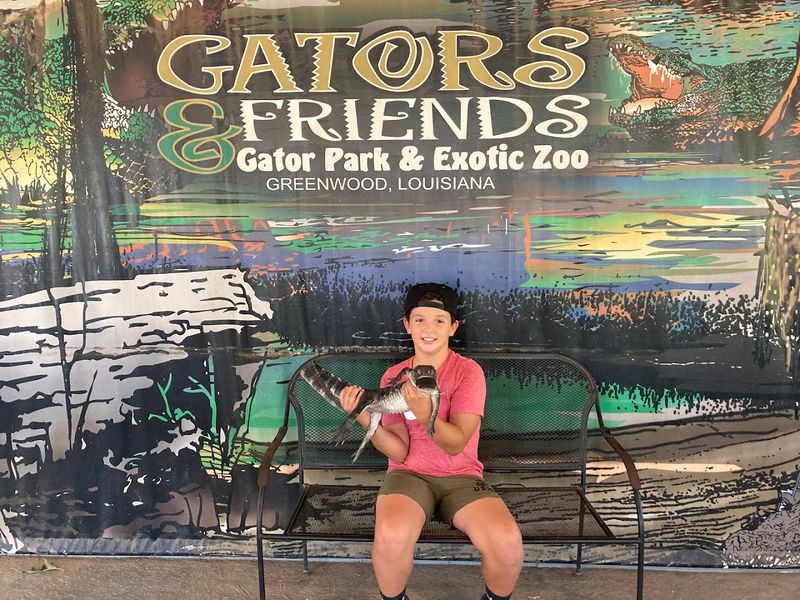
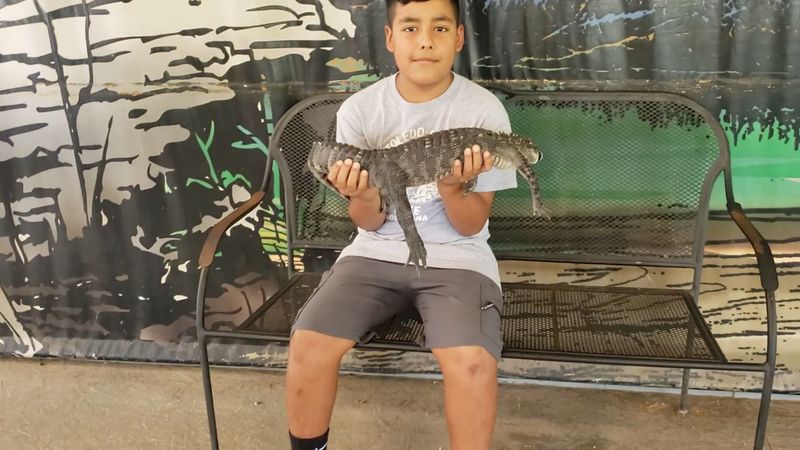
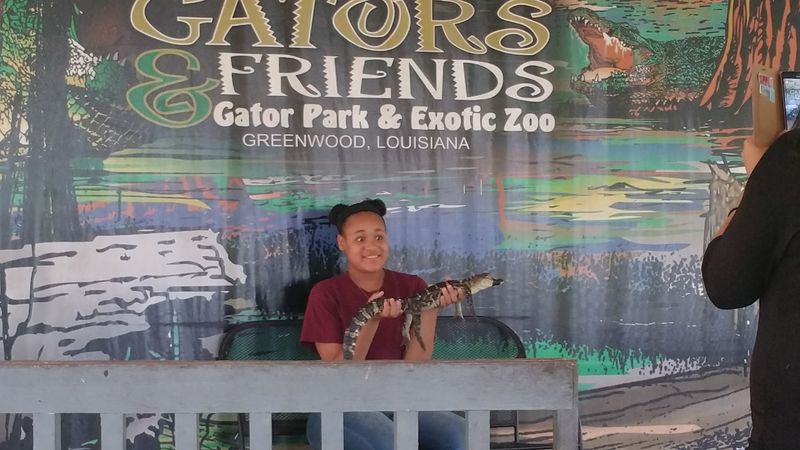
Holding a baby alligator is a highlight for many visitors and the staff make safety a clear priority; mouths are taped and handlers remain close to control the moment. When the baby-gator session is offered you can expect a short briefing and a chance for a framed photo or two, so have your camera ready and your hands clean.
The animals feel surprisingly light, and the experience moves quickly, but it still offers a memorable close look at their textured skin, tiny claws, and calm behavior while handlers share a few facts about how young alligators grow and survive.
Because these encounters are included in admission but happen at set times, check the schedule on arrival and plan other stops accordingly. If you want a quieter close-up, ask staff when the next session will be and return early rather than joining at the very start of a crowd.
Alligators, Go-Karts, And A Turn Off Highway 80
Gators & Friends Adventure Park is at 11441 US Highway 80 in Greenwood, Louisiana, about 10 miles west of Shreveport. From I-20, take the Greenwood exit and continue along Highway 80 toward the quieter western edge of the community.
The final approach leaves the interstate businesses behind for a rural stretch of open land and trees. Slow down near the 11400 block and look for the signed park entrance, where the turn leads toward the animal exhibits, go-karts, and zipline course.
Follow the entrance drive to the visitor parking area near the main building, then walk to the admission and check-in point. Zipline visitors should reserve ahead and confirm availability before arriving, since walk-in spaces are not guaranteed.
How The Petting Zoo Works
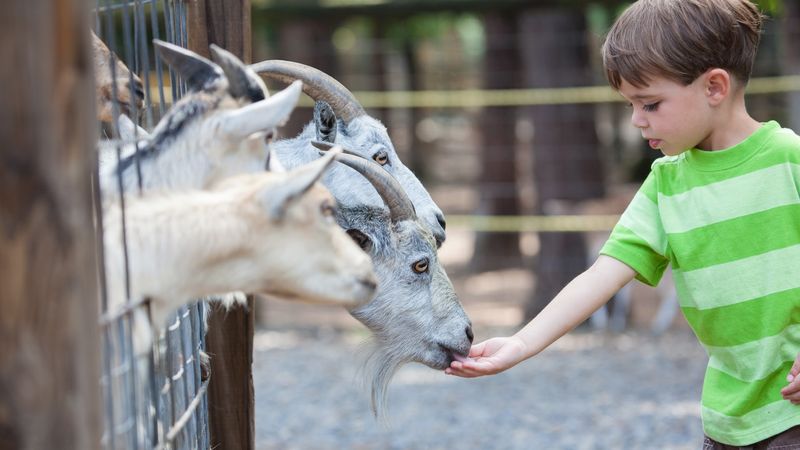
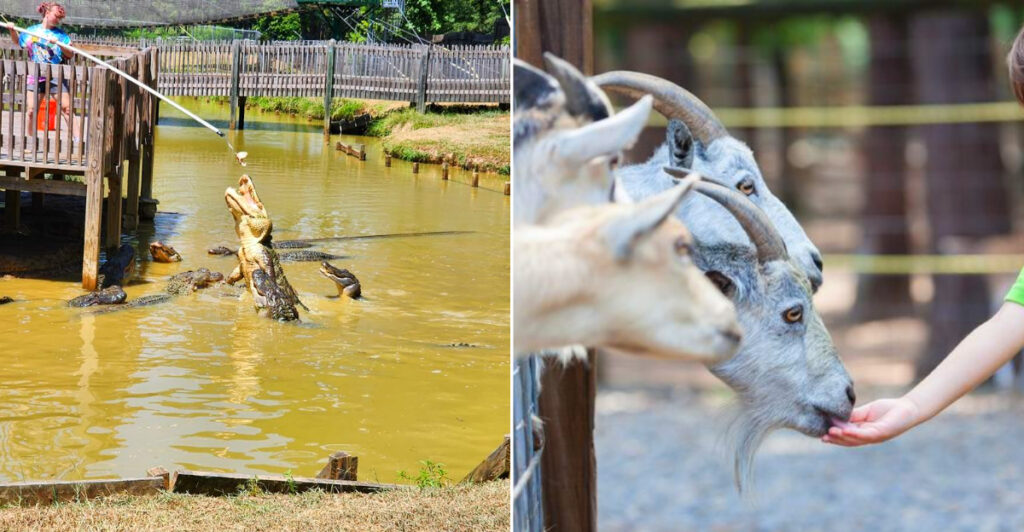
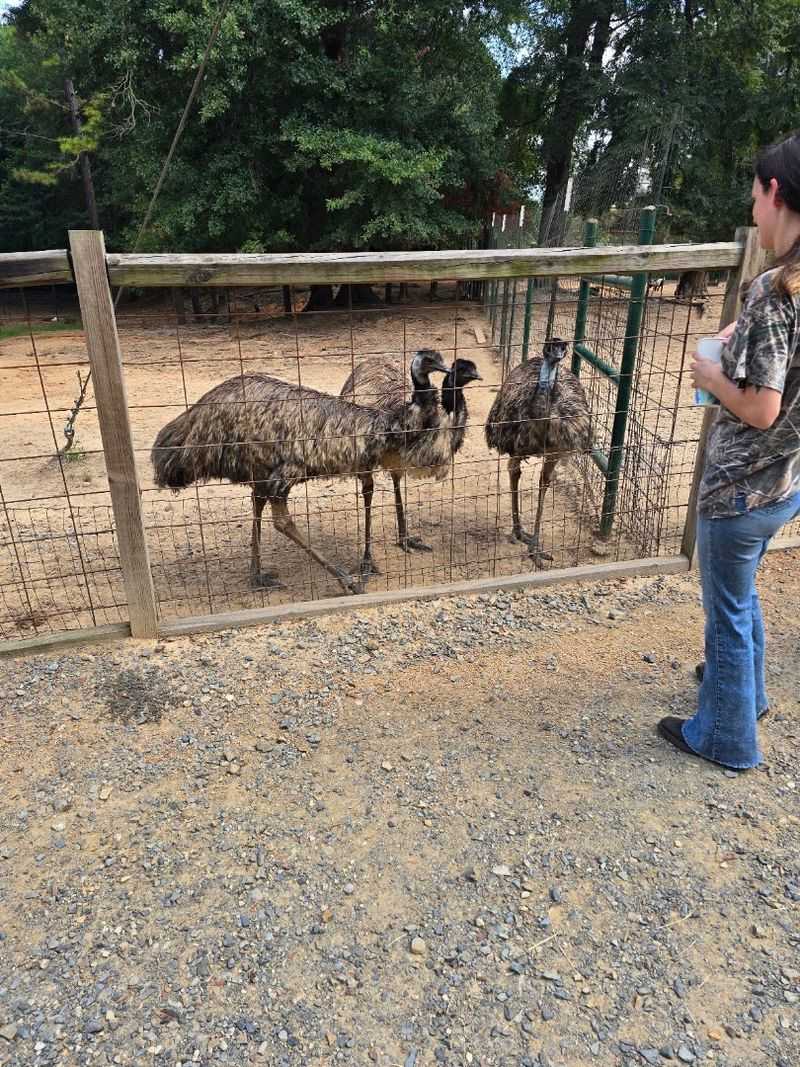
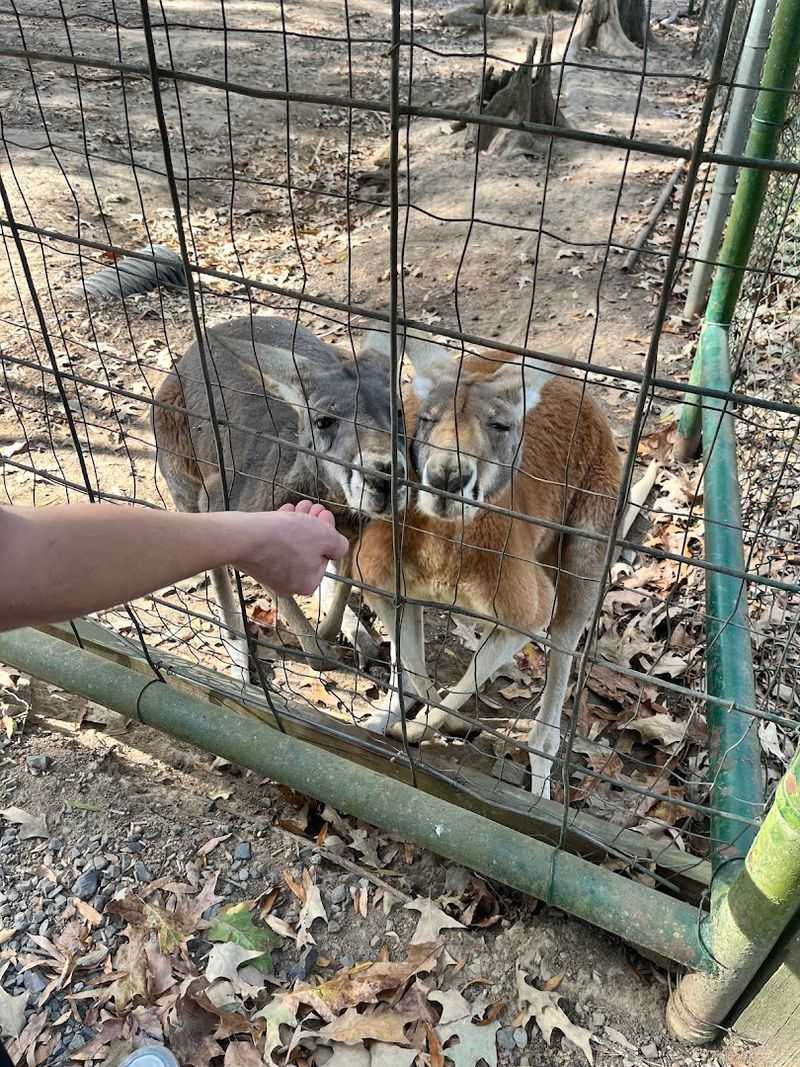
The exotic petting zoo at Gators & Friends presents more than a dozen species arranged in approachable enclosures where guests buy small cups of feed to hand deliver snacks.
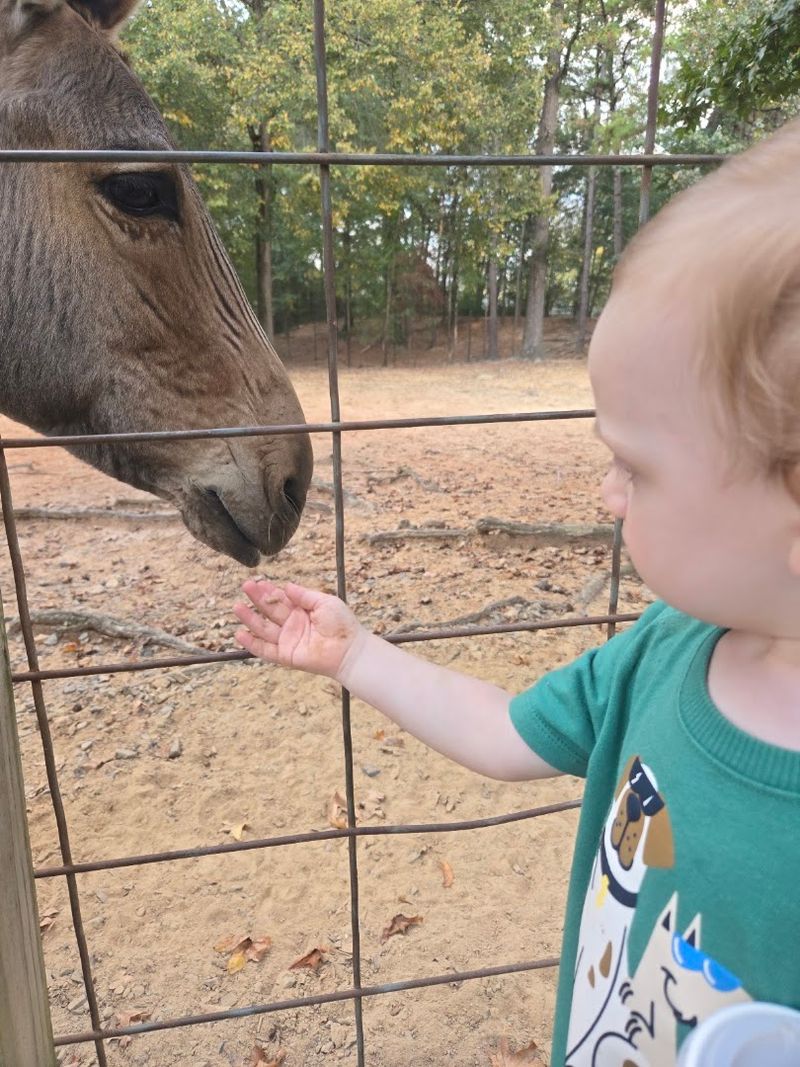
Animals range from capybaras and pygmy goats to ring-tailed lemurs, most are comfortable with human interaction and eager for a treat when offered correctly.
Observe staff guidance on which animals accept hand feeding and where to stand. Keep small children supervised as some animals will press forward enthusiastically; a calm approach and letting the animal come to you makes for safer, sweeter interactions and better photos.
Zipline Options And Preparation

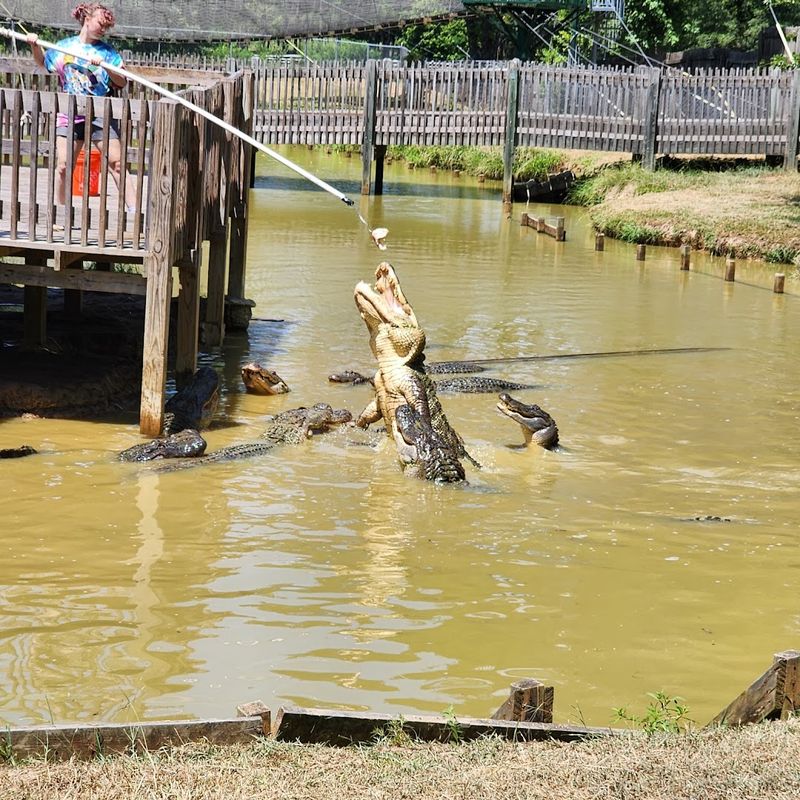
The park offers two zipline courses: a shorter four-line run and a longer seven-line journey that culminates in a 750-foot line over the gator habitat, which delivers a unique vantage point. Guides lead each group, provide an instructional video, and emphasize harness checks and helmet use before departure.
I recommend closed-toe shoes and light layers because the platforms can be breezy; weight limits are enforced between 50 and 250 pounds. Booking ahead is wise on busy weekends, and if you want the long course, reserve early in the day since it can take up to two hours and fills fast.
Gator Raceway Practicalities
The Gator Raceway is a 1,600-foot go-kart track with gas-powered Sodi karts capable of reaching over 35 mph and a two-seater option for shared rides; races can be bought singly or in packages.
Helmets and brief safety instructions are provided, and staff supervise track flow to keep racing orderly and fun for a range of ages.
Note that signage or seasonal updates sometimes affect kart availability, so check before you plan your day around it. For families, the two-seater is ideal for nervous younger riders who want a taste of speed with a confident adult behind them.
Best Time Of Day To Visit
Mornings are my preferred window at Gators & Friends because animals tend to be more active and temperatures are milder, especially in summer; arriving close to opening gives you first dibs on popular encounters and a cooler zipline run.
If you want fewer crowds for photos, the first hour after opening is reliably quieter than midday.
That said, afternoon feedings and the baby-gator sessions can be lively so balance your wish for solitude against catching specific shows. Pack sun protection and bring snacks if you plan a long visit, since picnic tables are available and the shaded walkways make for pleasant pauses.
What To Wear And Bring
Comfort and safety matter more than fashion here, closed-toe shoes are required for ziplining and sensible for wandering the paths; breathable clothing and a hat help during warm months.
Bring a refillable water bottle because walking from exhibit to exhibit adds up, and hand sanitizer is handy after petting sessions where feed is used.
Leave balloons and small plastic toys at home as they are not permitted for animal safety. A small binocular or zoom lens helps with observing distant wildlife and capturing candid shots without crowding enclosures.
Eating Options And Break Spots
The park has a small concession area selling drinks, Italian ice, and snacks, but many visitors bring lunches to enjoy at picnic tables scattered around shaded areas. Bringing food gives you flexibility and can keep kids energized between activities; be mindful to eat only in designated areas to respect animal safety rules.
If you need a break from the sun, the arcade and gift shop offer brief indoor relief and a change of pace. Carry small bills or change for arcade machines and the penny press, which is a popular keepsake.
Staff And Guide Interactions
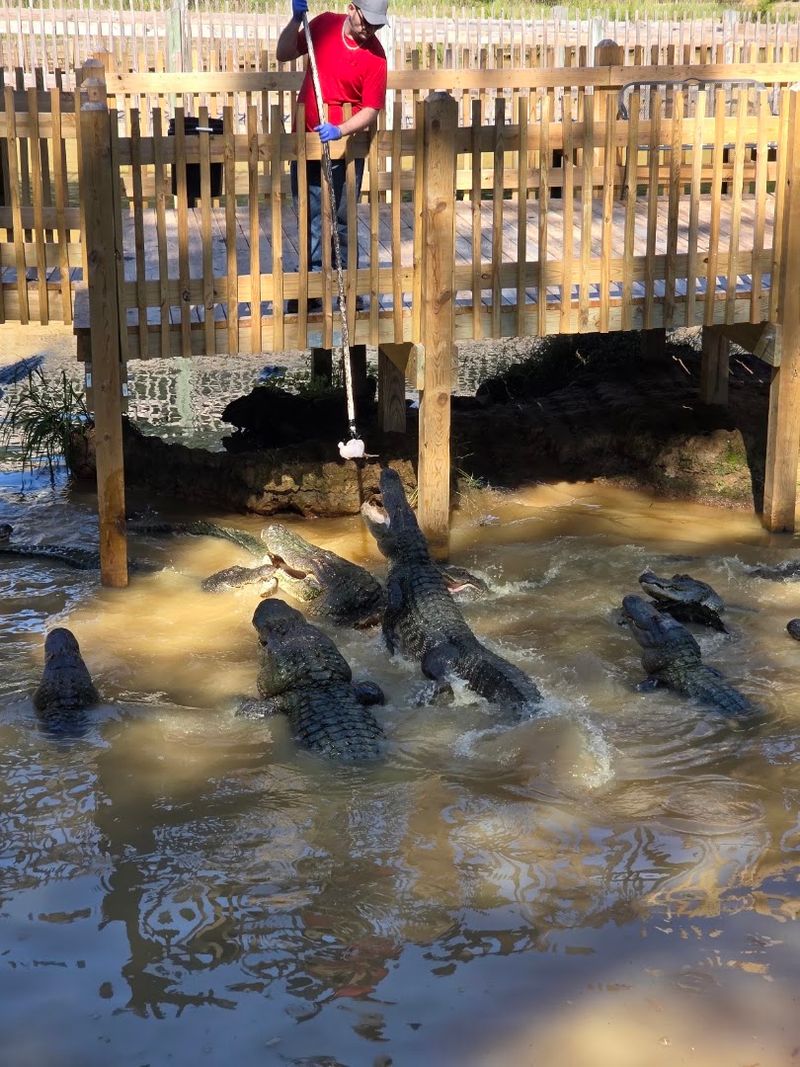
Staff can make the difference between a busy attraction and a day that actually feels manageable. Handlers explain animal encounters, monitor feeding behavior, answer questions, and keep guests from making common mistakes around enclosures.
Zipline guides add another layer, turning nervous first rides into structured steps instead of pure panic.
The best interactions happen when visitors ask specific questions. Instead of just snapping photos, ask what an animal eats, how old it is, whether it is social, or what behavior to notice.
Those small details make the exhibits feel less like a checklist and more like a collection of individual animals with habits.
For groups, it helps to communicate early. Mention mobility concerns, nervous zipliners, young children, or timing issues at check-in so staff can point you in the right direction.
The park has a lot going on, and the team’s guidance keeps the moving parts from colliding. Good questions usually lead to a better visit.
Accessibility And Family Considerations
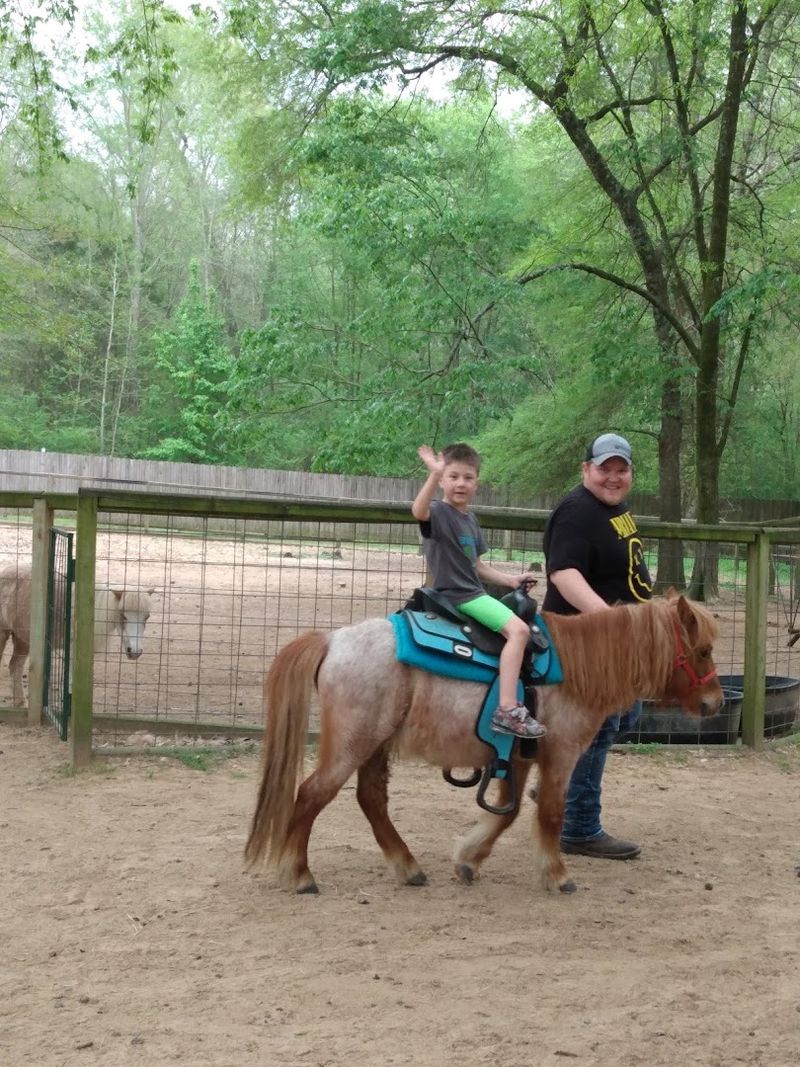
The park’s layout is compact and mostly stroller friendly, with shaded paths and benches offering frequent rest stops for families and older guests. Pony rides have an 80-pound limit and zipline weight rules apply, so plan activities around the ages and sizes of your party to avoid disappointment.
For very young children, supervising near feeding enclosures is essential since some animals approach fencing eagerly. If mobility is a concern, call ahead to confirm current accessibility features and any temporary closures that might affect routing through exhibits.
Seasonal Patterns And Animal Behavior
Seasons change both animal behavior and visitor stamina. Spring can feel especially lively, with milder temperatures and more comfortable walking conditions.
Summer brings the classic Louisiana challenge: heat, humidity, bright sun, and the need to plan activities before everyone gets worn down. Early arrivals become much more valuable when the forecast climbs.
Animals respond to weather too. Cooler parts of the day may bring more movement, while midday heat can make some creatures slower or less interested in interaction.
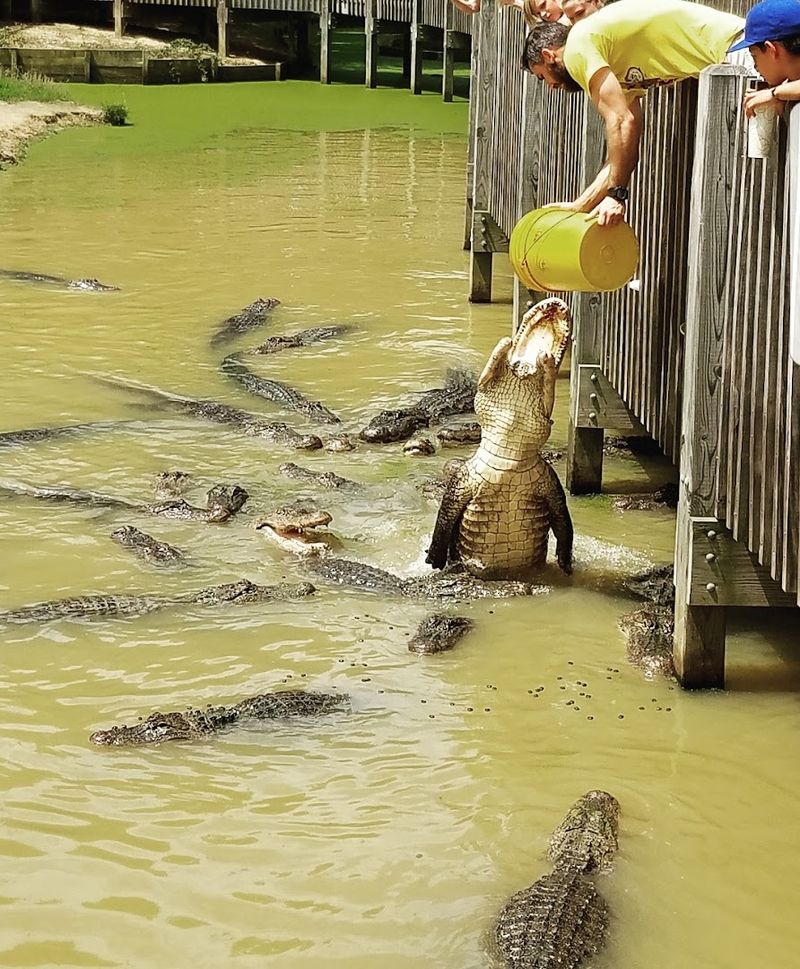
Alligators, in particular, are easier to appreciate when you remember that temperature affects reptile behavior. A quiet gator is not a boring gator; it is often just being a gator.
Rain can also alter the rhythm of the park, especially for outdoor activities such as go-karts or ziplines. Check the forecast, confirm schedules, and stay flexible. The best seasonal strategy is not chasing perfection.
Ticketing And Cost Saving Tips
Budgeting is easier when you separate admission from add-on activities. General entry covers the animal park experience, while ziplines, go-karts, pony rides, feed, arcade play, and special options may cost extra or depend on availability.
The official site lists separate zipline options and recommends calling ahead, which is especially important if that is your main reason for visiting.
Families can save frustration by choosing priorities before arrival. Decide whether the day is mainly about animals, racing, ziplining, or a little of everything.
That helps prevent impulse spending and keeps the schedule realistic. Feed cups are usually worth budgeting for because they create many of the closest animal moments.
Check the current website or call before leaving home, since prices, hours, packages, and activity status can change. Booking ahead may secure preferred zipline times and reduce waiting. The smartest visit is not necessarily the cheapest one.