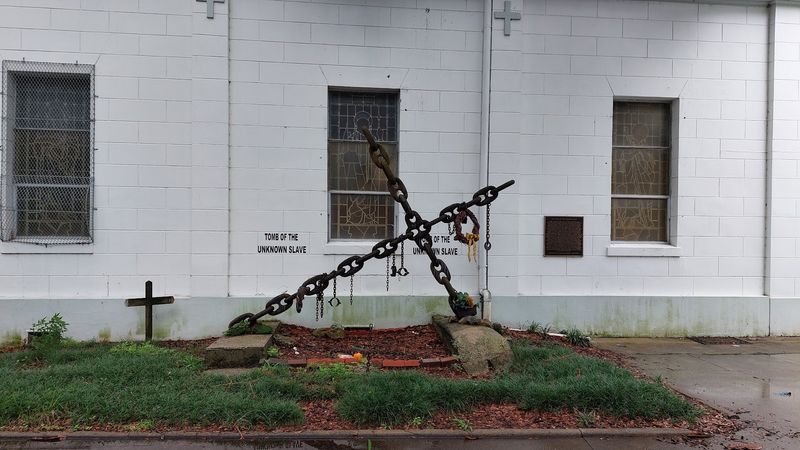
On the side of a church in Treme, a simple monument asks people to stop and remember those whose names were never written down. The Tomb of the Unknown Slave stands at St. Augustine Catholic Church on Governor Nicholls Street in New Orleans.
It honors enslaved people buried in unmarked graves, and it does so without fuss or crowds. Many visitors walk away still thinking about what they saw there.
A Shrine Beside St. Augustine On Governor Nicholls Street
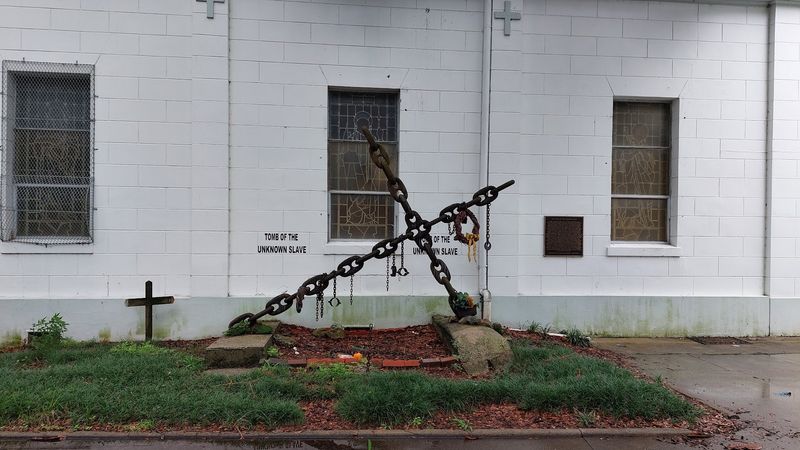
Look for the address first: 1206 Governor Nicholls St, New Orleans, LA 70116. That puts you in Treme, a short walk from the edge of the French Quarter, in a neighborhood where people live, work, and pass by on their daily errands.
The Tomb of the Unknown Slave sits on the side of St. Augustine Catholic Church rather than inside a gated cemetery. It is listed as a shrine, and that label fits.
There are no ticket windows, no gift shop, and no big signs pulling you in from blocks away.
Instead, the memorial rests quietly against the church grounds, close enough to the sidewalk that neighbors can walk past it every day. Visitors often describe finding it almost by accident, then realizing it deserves more than a glance.
Its location matters to the story, because the church it belongs to has its own long history with the people the monument honors.
For anyone arriving from the busier corners of the city, the change in pace is noticeable. The street feels like part of a community, and the shrine feels like part of that community too.
It asks for attention without demanding it, which is exactly why so many people stop.
The Church Built In 1842 That Opened Its Doors
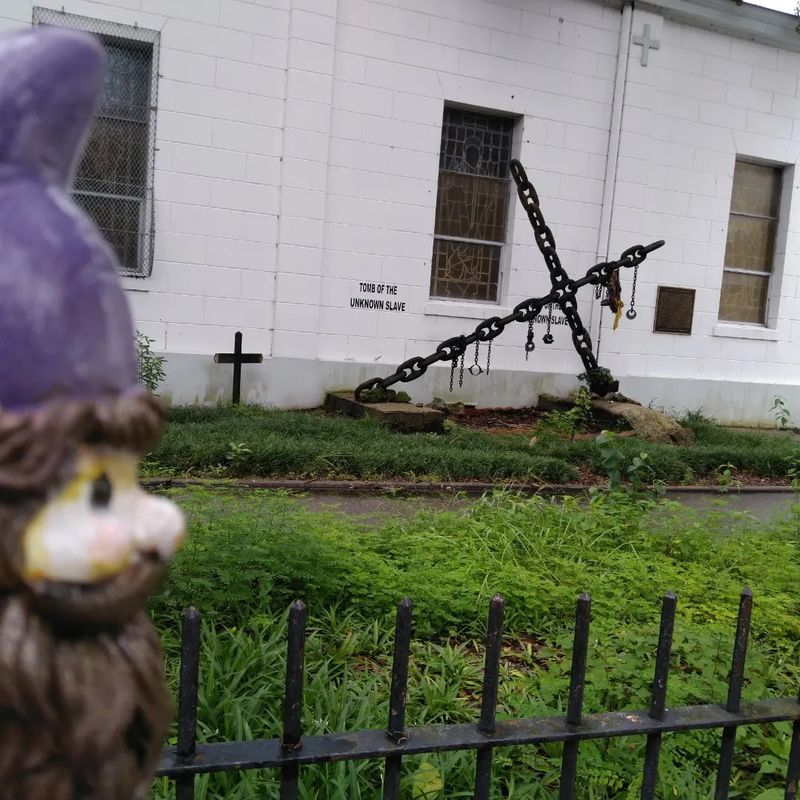
Back in 1842, St. Augustine Catholic Church rose in Treme, and visitor accounts describe it as a rare kind of parish for its time. According to what people share about the site, it may have been the first church in the area to welcome white parishioners, free people of color, and enslaved people under one roof.
That detail changes how the monument outside reads. A memorial to enslaved people placed beside a church that counted enslaved people among its worshippers feels rooted rather than symbolic.
The connection is physical, standing right there on the same grounds.
One visitor noted that St. Augustine was the first church in the area to allow people of color, free or not, to attend. Whether you arrive knowing that history or learn it on the spot, it adds weight to every step along the churchyard.
Plenty of historic churches in New Orleans draw visitors for their architecture alone. Here, the building’s story about who was allowed through the doors is just as important as how it looks.
The tomb outside carries that story forward, reminding people that the parish was shaped by those whose lives were often left out of official records.
What The Monument Commemorates
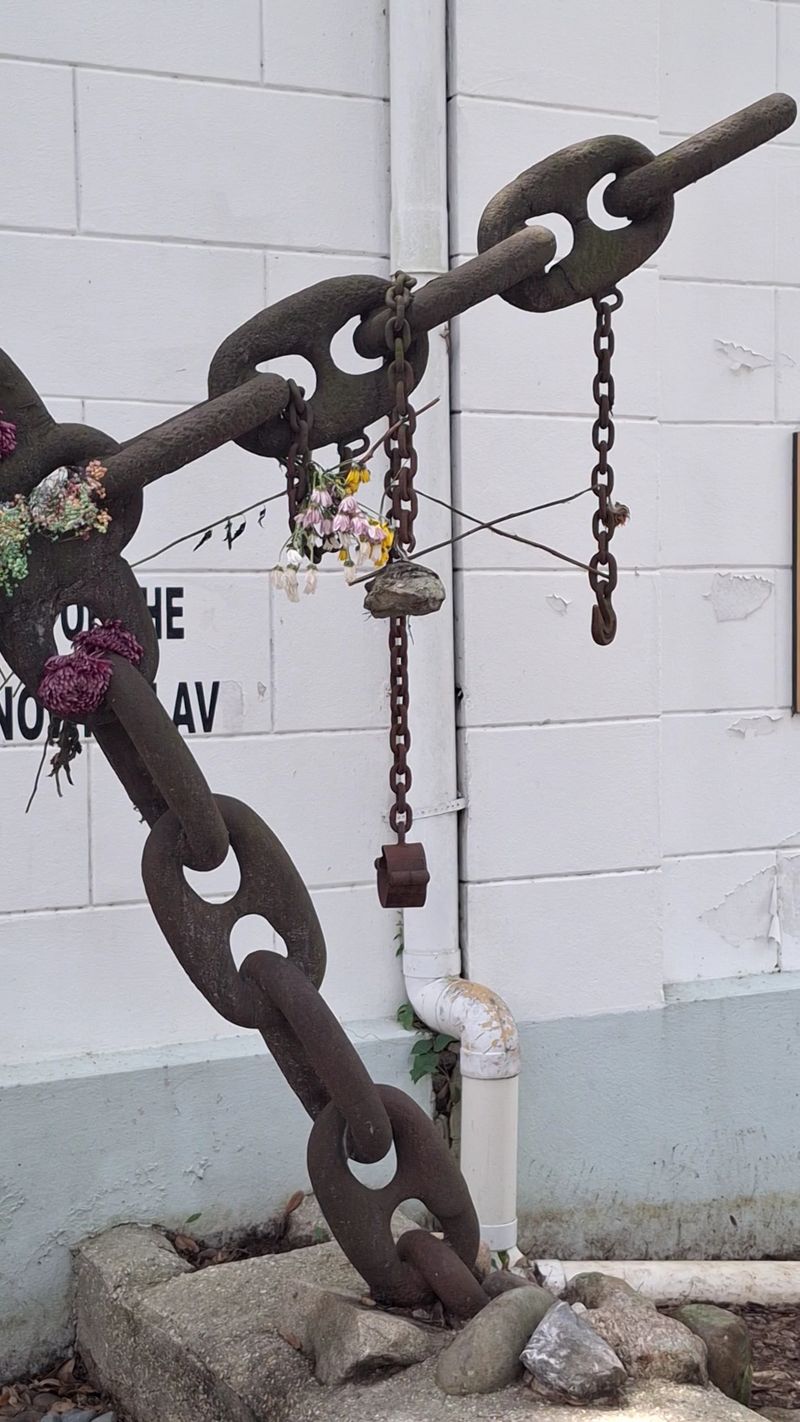
Unmarked graves hold no names, no dates, and no family records. The Tomb of the Unknown Slave exists to answer that silence, at least in part.
Visitors describe the memorial as honoring all enslaved people buried in unmarked graves, not just in New Orleans but throughout the world. That wide reach is part of what makes it hit so hard.
It does not tell the story of a single person. It holds space for countless people whose lives were never properly recorded.
Several people who have stopped here describe it as a reminder of those who were treated as property and denied recognition as full human beings. Others mention that the suffering endured by enslaved people still does not receive the acknowledgment it deserves.
Those reflections show how the monument works on people: it points backward in history while raising questions about the present.
There is no long text panel needed to make the point. The purpose of the shrine becomes clear as soon as you understand who it honors.
From there, visitors tend to fill in the rest with their own thoughts, which may explain why the experience stays with them well after they leave Treme behind.
Simple Design With A Heavy Message
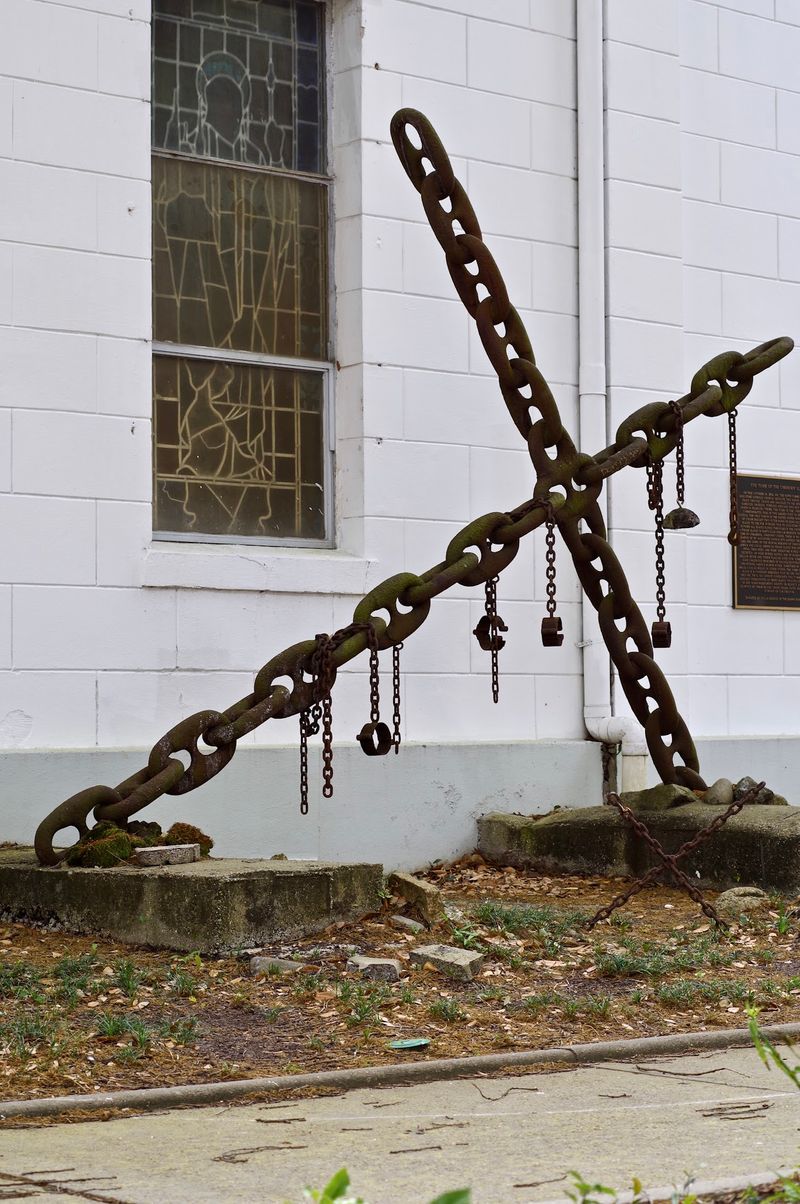
Grand statues and towering columns have their place, but this memorial takes another route. Visitors repeatedly call it simple, and they mean it as praise.
One account describes the monument as simple yet very poignant, and that pairing captures its effect. Without ornate decoration competing for attention, the meaning comes through clearly.
Your eyes land on the memorial and stay there, and your mind starts working on what it represents.
New Orleans is full of elaborate burial architecture, from the above-ground tombs of St. Louis Cemetery No. 1 to family vaults stacked with carved details. Compared with those, the shrine at St. Augustine feels stripped down on purpose.
It is not trying to impress with craftsmanship. It is trying to make sure nobody forgets.
That restraint suits the subject. People whose names were never recorded are honored here by a memorial that avoids spectacle and keeps the focus on remembrance.
Some visitors say the plainness is what makes it haunting, since there is nothing to distract from the weight of the history.
Photographs rarely do it full justice. Standing in front of it, on an ordinary street beside an active church, gives the design its full force.
A Pause That Visitors Say Is Needed
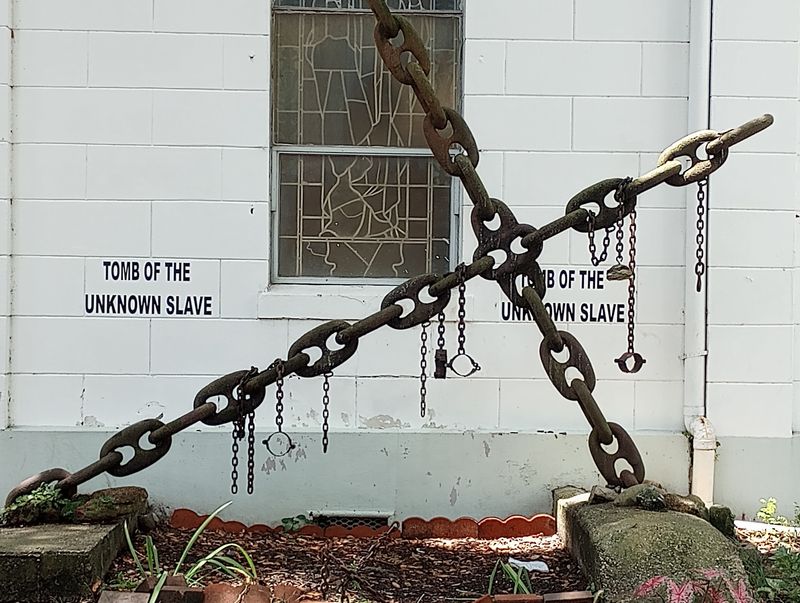
Silence is the most common response people describe here. One visitor put it plainly: a moment, or a few, of quiet is definitely needed.
Nobody hands out instructions for how to behave at the shrine, yet the mood seems to settle over people naturally. Words like solemn and touching come up again and again in visitor accounts.
Some mention thinking about enslaved people and their history. Others say it prompted them to consider the freedoms they have today and the ones still worth working toward.
That reflective quality is the heart of the visit. You will not spend hours here, and you do not need to.
A few focused minutes can leave a stronger impression than a long afternoon at a busier attraction, because the shrine invites personal thought rather than passive sightseeing.
It helps to arrive without rushing. If you are walking from the French Quarter or planning other stops in Treme, leave a little room in your schedule so you are not glancing at your phone while standing at the memorial.
Treat it the way you would treat any sacred space, with a lowered voice and a bit of patience. The quiet is part of what the place offers.
A Neighborhood Landmark For Families
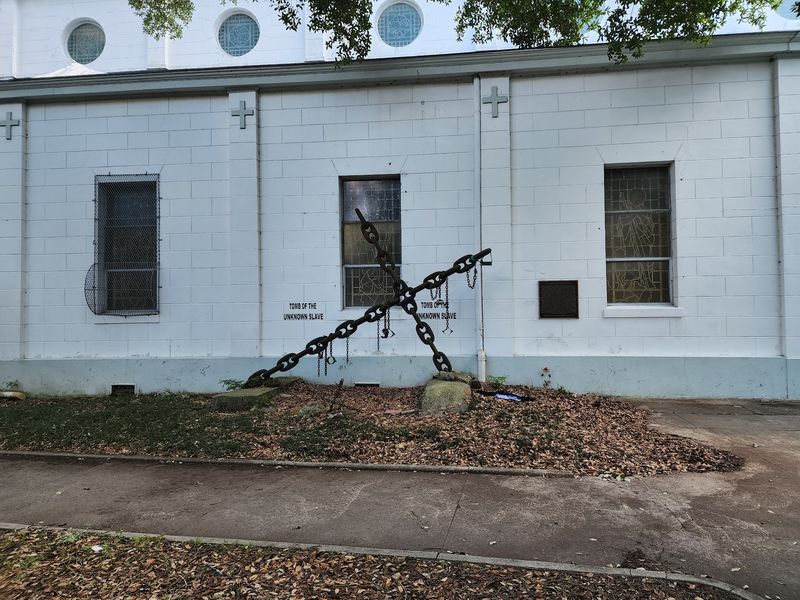
Some landmarks exist mostly for tourists. This one clearly belongs to the people who live around it too.
One visitor shared that they walk by the shrine every day with a grandson and great-grandson, using those walks to explain the history behind it. The children, they said, are amazed at what they learn about the lives of enslaved people.
They also called it a very sacred place and expressed gratitude that it still exists to be seen.
That kind of everyday connection says a lot. A memorial on a regular walking route becomes a teaching tool, a family tradition, and a piece of neighborhood identity all at once.
It does not wait for school field trips or special anniversaries to matter.
For families visiting from elsewhere, the shrine can open a meaningful conversation with older kids. Its simple form is easy for young people to take in, and the history it points to can lead to thoughtful questions on the walk back.
Parents may want to talk through the subject beforehand so children arrive with some understanding.
The takeaway is that this site is lived with, not just visited. That gives it a steadiness that no brochure could manufacture.
Who Will Get The Most From A Stop
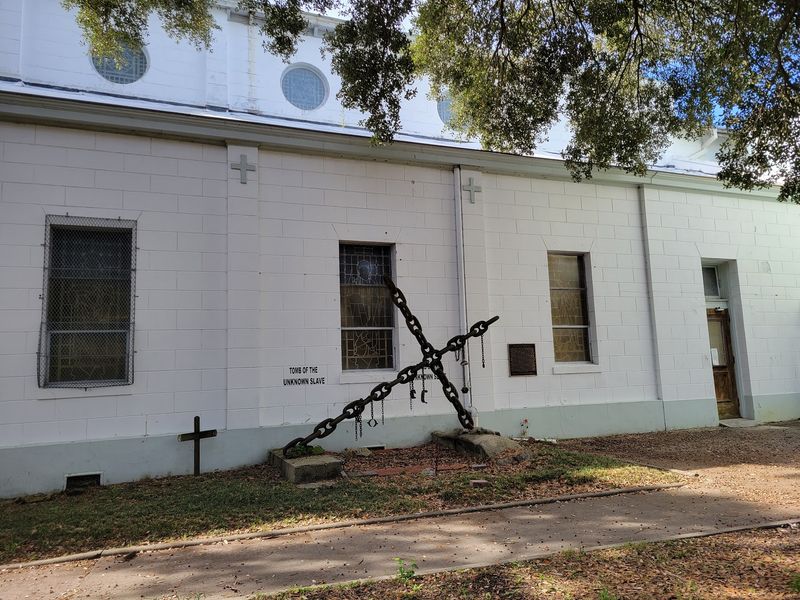
History-minded travelers are the obvious fit, but the audience is wider than that. Anyone willing to slow down for a few minutes can take something away from this stop.
People interested in African American history, Catholic heritage in New Orleans, or the story of Treme will find the shrine ties those threads together in one spot. Visitors who have already toured St. Louis Cemetery No. 1 may appreciate the contrast, since that cemetery focuses on elaborate tombs and famous figures like Marie Laveau and Homer Plessy, while this memorial honors people history left unnamed.
Travelers looking for entertainment or photo backdrops may find less here. The shrine is small and quiet, and it asks for respect rather than excitement.
That is not a flaw. It simply means the experience rewards the right mindset.
Visitors who have come consistently describe it as something anyone may like to see, and several call it a must-see while in New Orleans. That enthusiasm comes from its meaning, not its size.
If your trip leans toward music, food, and nightlife, adding this stop can bring balance. A short visit to a place of remembrance can shape how the rest of the city feels.
Practical Notes For Finding The Shrine
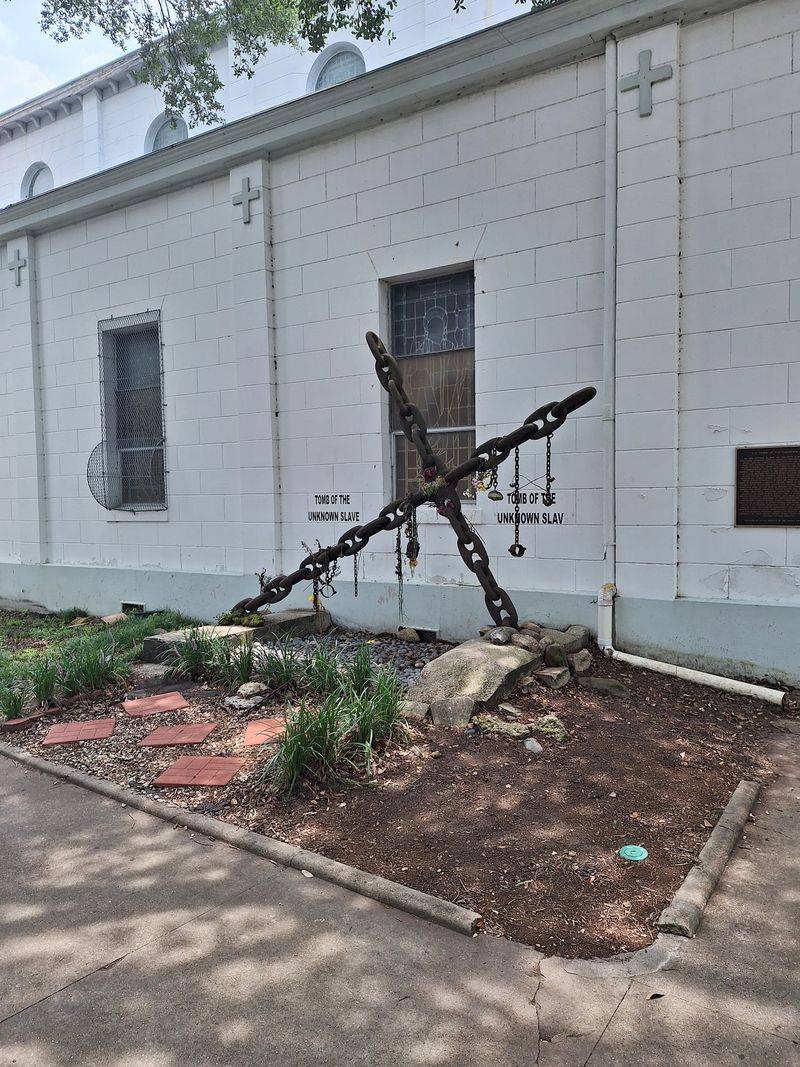
Getting there is straightforward once you have the address: 1206 Governor Nicholls St, New Orleans, LA 70116. The shrine sits on the side of St. Augustine Catholic Church, so look along the church grounds rather than for a separate cemetery entrance.
The available information does not list set hours or admission prices for the memorial, so it is wise not to assume a fee or schedule. Because it stands on active church property, check with the parish directly if you are planning a visit around services or special events.
Keep in mind that the church is a working place of worship, not just a historic stop.
New Orleans heat and humidity can be intense, especially in summer. Bring water, wear sun protection, and pick cooler hours if you are walking over from the French Quarter or nearby parts of Treme.
Plan on a short visit. Most people spend a few quiet minutes at the monument, though you may want extra time to take in the church exterior and the surrounding streets.
Photography guidelines are not specified, so use good judgment. Keep voices low, avoid blocking the sidewalk, and remember that neighbors pass by every day.
Why The Unnamed Stay With You
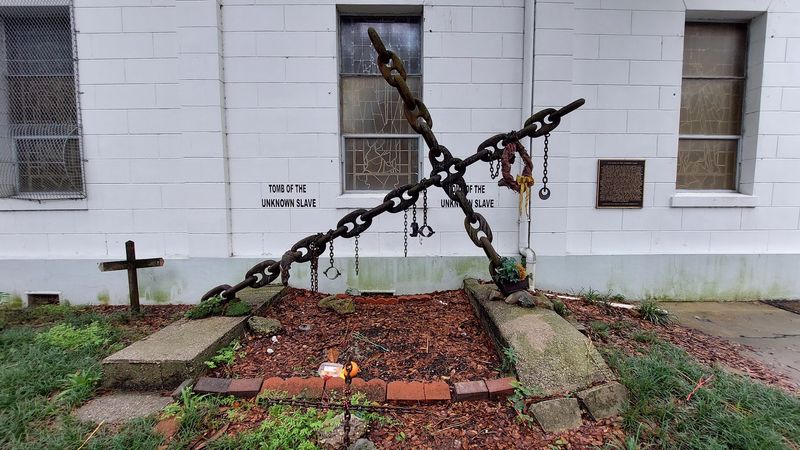
Names usually anchor memory. At this shrine, the absence of names does the remembering instead.
That reversal is what makes the Tomb of the Unknown Slave linger in people’s minds. Most monuments tell you exactly who they celebrate.
This one reminds you how many lives were never given that courtesy, and it does so beside a church that, by visitor accounts, opened its doors to enslaved worshippers back in the 1840s.
Every visitor account for the site speaks with the same level of respect. People call it solemn, haunting, touching, and sacred.
Some leave thinking about history, others about freedom today, and some about the grandchildren they bring along to learn. The feelings vary, but nobody seems to walk away unaffected.
There is no grand finale here, no tour group ending with applause. There is only a simple monument on Governor Nicholls Street, a church wall, and the steady traffic of a neighborhood going about its day.
For a city known for celebration, this small corner of Treme offers something different. It asks you to stand still for a moment and remember people whose stories were never written down.
That request tends to follow visitors home, which may be the truest measure of its power.