Walking past the storefront, the sound hits before the lights do: pings, chimes, plus the low rumble of a room full of machines running simultaneously.
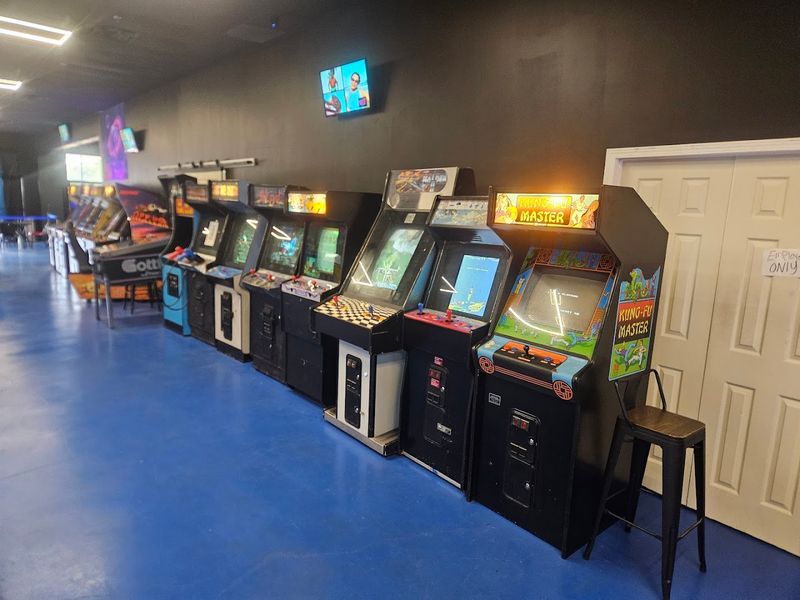
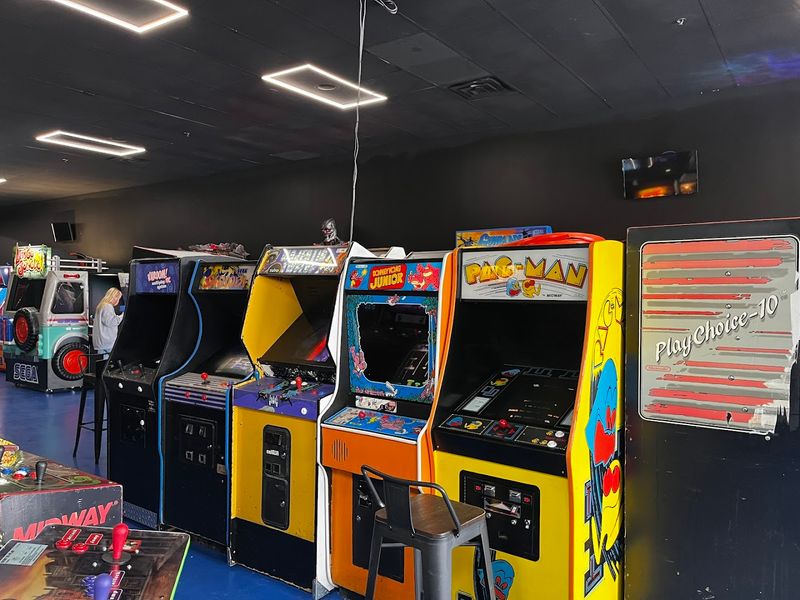
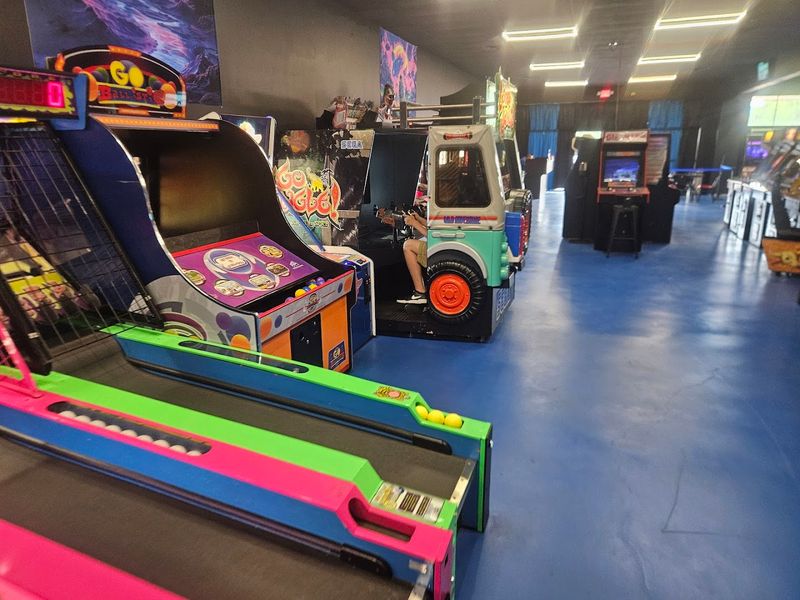
The entry fee covers unlimited play for the entire visit, which changes the math from careful token budgeting to carefree wandering between cabinets. Classic titles line the walls in rows organized by era, plus a handful of modern rhythm games keep the floor from feeling entirely retro.
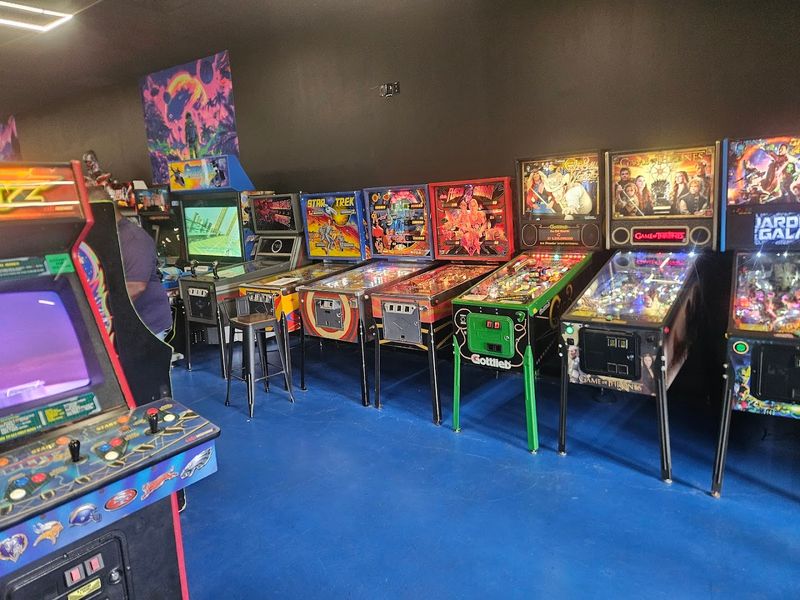
The space is small enough that every machine gets attention but large enough that two hours disappear before you check the time. Pinball machines line the back wall, each with a glass top polished to a shine that reflects the neon overhead.
The surrounding area does not typically make lists of gaming destinations, which is exactly what makes this arcade feel like a discovery. Unlimited play at this Louisiana arcade turns careful token budgeting into carefree wandering where the cabinets never stop glowing.
A Warm Welcome To Analog Fun
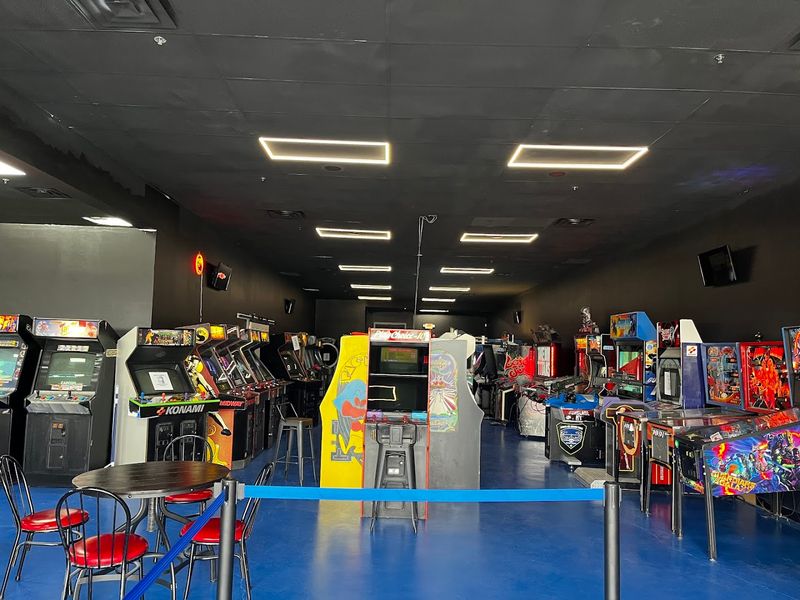
Before you even choose a cabinet, the room sets the tone with a steady blend of glowing screens, button clicks, and familiar game sounds. The welcome matters because the setup is simple: pay for the wristband, learn the basic rules, and then roam freely without thinking about tokens or credit cards again.
That unlimited-play model makes the arcade feel relaxed from the start, especially for people who grew up measuring arcade time by how many quarters were left in their pocket.
The staff’s role is part of that comfort. A quick explanation of where to rest, how re-entry works, and what to avoid around the machines helps newcomers settle in fast.
The layout also encourages wandering rather than crowding, with enough space to move between cabinets and find something that matches your mood. Families, friend groups, solo players, and nostalgia seekers can all fit into the same rhythm.
It feels cared for rather than chaotic, which is important in a room built almost entirely from noise, color, and temptation.
Chateau Boulevard Is Hiding A Portal Full Of Joysticks
Finding the arcade is part of its charm because it does not announce itself like a giant entertainment complex. Otherworlds’ Arcade is located at 3501 Chateau Boulevard, Suite 102, in Kenner, Louisiana, tucked into a commercial strip where the storefront matters more than a huge roadside spectacle.
From Interstate 10, drivers can approach through Williams Boulevard or Loyola Drive, then connect toward West Esplanade Avenue and Chateau Boulevard.
Once you are close, slow down and watch the suite numbers instead of expecting a massive arcade facade. That slight hidden-in-plain-sight quality makes the arrival feel like a small discovery, especially when the outside gives little hint of the glowing room waiting behind the door.
The shared parking area makes the stop practical, and the suburban surroundings only sharpen the contrast once you step inside. One moment you are in a Kenner plaza; the next, you are surrounded by joysticks, pinball glass, cabinet art, and the kind of digital noise that instantly resets your sense of time.
The Play Is The Thing
Unlimited play changes how people behave around arcade machines. When every run costs a token, players become cautious, choosing only the games they already know or the ones they think they are good at.
With a wristband, that pressure drops away. You can try a cabinet for thirty seconds, fail spectacularly, laugh, and move on without feeling like you wasted money.
That freedom is one of the strongest reasons this place works.
The setup encourages curiosity. Classic cabinets become less intimidating, multiplayer games become easier to share, and high-score chasing feels more like play than pressure.
People drift naturally between genres: fighting games, shooters, racers, pinball, rhythm games, and oddball titles that might have gone ignored in a pay-per-play arcade. The room starts to feel like a playable museum, but without the stiffness that phrase can imply.
You are not just looking at preserved machines. You are using them, hearing them, testing their buttons, and remembering how physical gaming used to feel.
That is the real appeal: hands on controls, eyes on the screen, no countdown running in your wallet.
Music To Your Ears
A good arcade soundtrack is never just background noise. Here, the soundscape becomes part of the visit, mixing cabinet effects, pinball clatter, conversation, and music into one layered atmosphere.
The Juke Vision feature adds a clever communal touch by letting visitors queue retro songs and music videos, so the room’s mood can shift with the people inside it. That keeps the arcade from feeling like it is trapped in one fixed version of nostalgia.
The effect is subtle but useful. A familiar song can pull someone back toward a specific decade, while another guest’s choice might send the room in a completely different direction.
It makes the space feel alive rather than pre-programmed. Bottled drinks and tables for breaks help too, because unlimited play can be surprisingly tiring once you realize how long you have been standing.
Being able to pause, hydrate, talk about a score, then jump back into another cabinet keeps the visit comfortable. The best part is that the music supports the games without swallowing them.
The machines still remain the main event.
Anticipating Future Adventures
Expansion plans give the arcade a sense that it is still becoming itself. The current room already has enough to justify a visit, but the idea of growing into an adjacent unit suggests a broader future for the space.
Talk of VR, party rooms, and a modest kitchen points toward a venue that could serve more than casual drop-in players. It could become a gathering place for birthdays, group events, competitive nights, and longer sessions built around both play and hanging out.
That matters because arcades survive on more than machines. They need community, repeat visits, maintenance, and reasons for people to return after they have tried their favorite titles.
A careful expansion could give Otherworlds’ Arcade more flexibility without losing the charm of its current format. The key is that the growth feels connected to what already works: accessible play, a friendly atmosphere, and a love of analog gaming culture.
Checking the arcade’s website or social pages before going is a smart move, especially if you want updates on new machines, events, or added features. The place feels like a project with momentum, not just a nostalgia room.
Your Guide To Galactic Fun
Planning a visit is fairly straightforward, which suits the arcade’s low-stress appeal. The location in Kenner makes it reachable for visitors coming from New Orleans, nearby suburbs, or anyone building a casual day around food, shopping, and indoor entertainment.
Because the arcade uses a wristband system with same-day re-entry, you do not have to treat the visit as one uninterrupted block. You can play for a while, leave for food, then come back without feeling like you wasted your admission.
That flexibility makes the experience more relaxed, especially for families or groups with different energy levels. Some people may want two hours of nonstop cabinets, while others need breaks between pinball rounds and rhythm games.
Comfortable shoes help, because the fun sneaks up on your feet. A charged phone is useful for photos, music features, checking hours, or coordinating with friends, but the best visits usually happen when the phone stays mostly in your pocket.
The whole point is to get pulled into the room. Check current hours and event details before heading over, then give yourself enough time to wander without rushing.
Care And Preservation Of Machines
A retro arcade only works if the machines feel playable, not merely decorative. The care behind the cabinets is one of the quiet details that separates a good arcade from a room full of tired equipment.
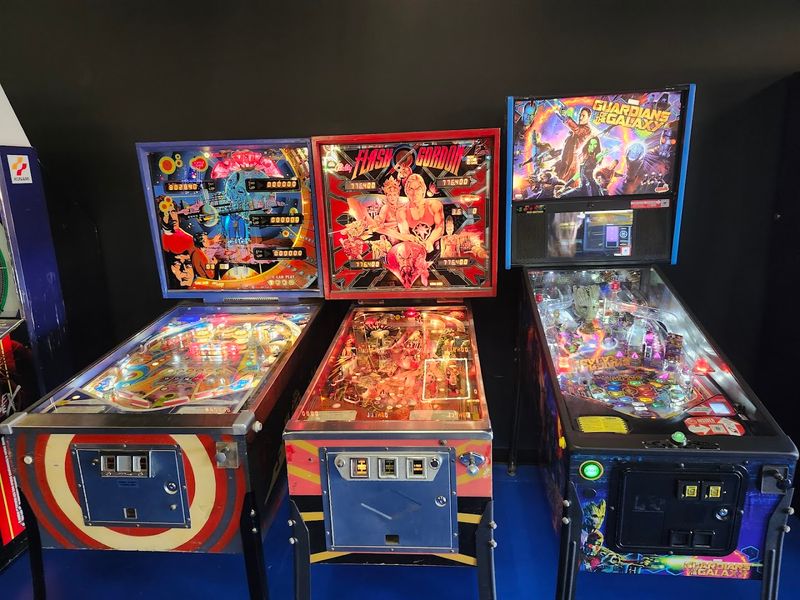
Buttons need to respond, joysticks need to feel right, pinball tables need clean glass and fair action, and screens need enough clarity to make older games enjoyable rather than frustrating. When staff pay attention to maintenance, visitors can feel it immediately.
That kind of preservation also changes the mood of the room. Players tend to treat machines with more respect when they can tell someone is actively caring for them.
Small repair notes, staff explanations, or visible upkeep all signal that these games are part of a living collection. For visitors who care about original hardware, CRT displays, cabinet restoration, or control layouts, a conversation with staff can add another layer to the experience.
Even casual players benefit from that attention because fewer broken controls means fewer interrupted moments. The machines are not just nostalgic props.
They are the reason people came, and keeping them functional keeps the whole room honest.
Finding The Rhythm Games
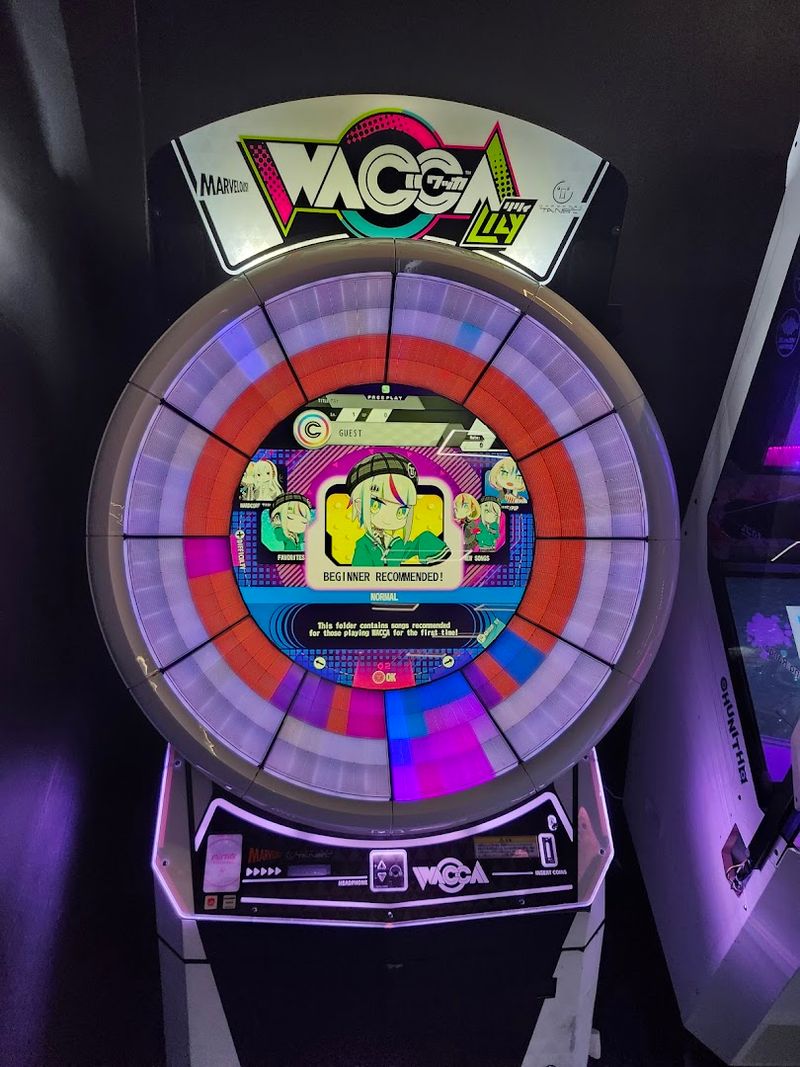
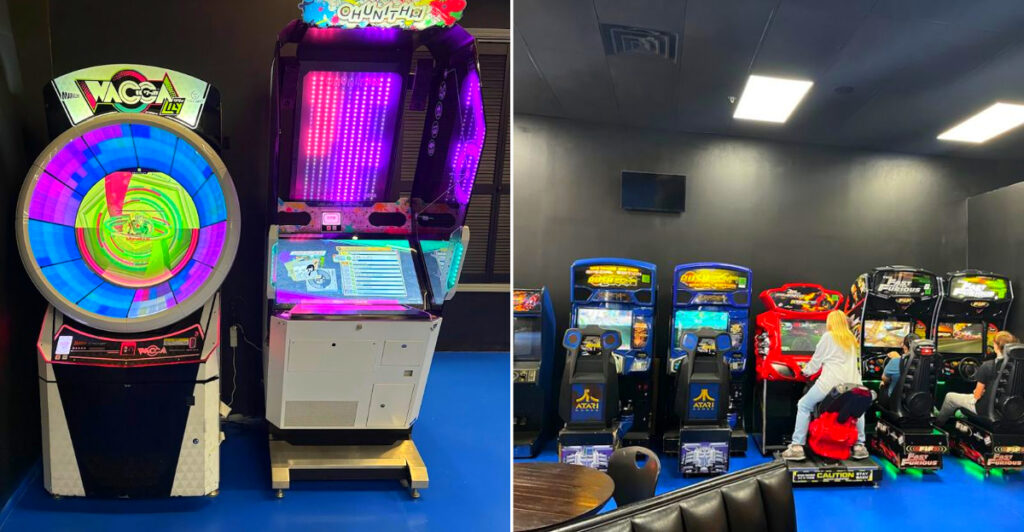
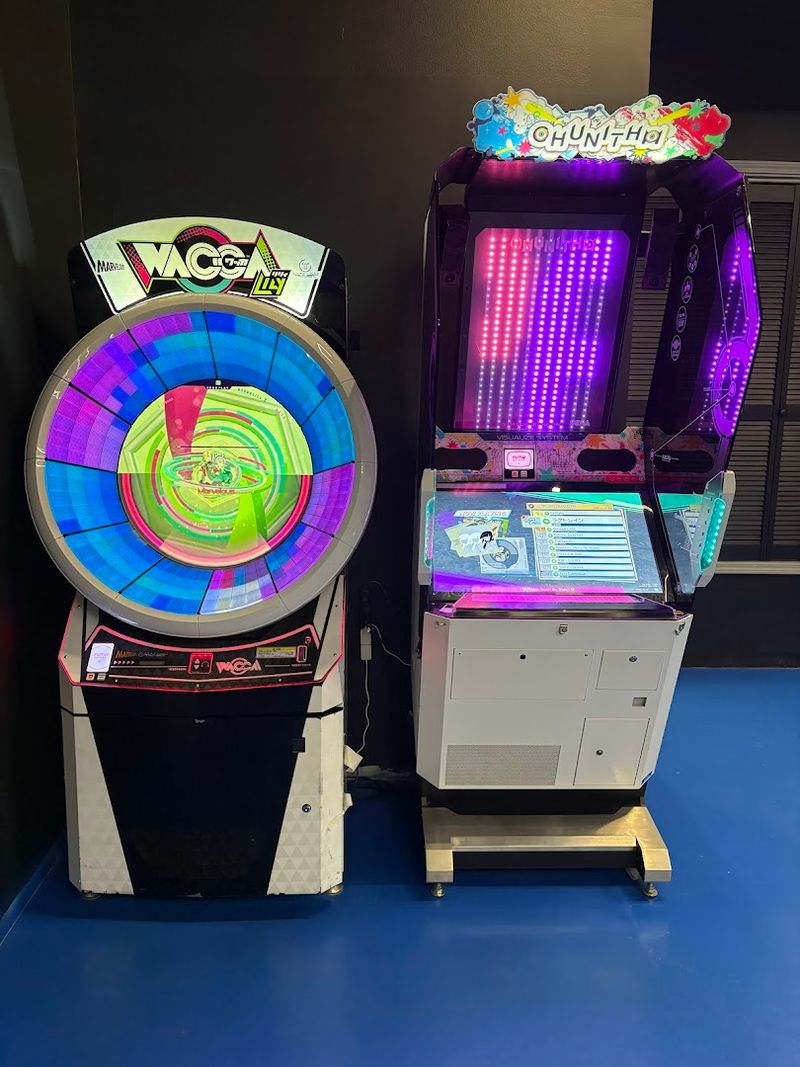
A few modern rhythm cabinets keep the arcade from feeling like it belongs only to one generation. Games like WACCA and Chunithm bring a different kind of energy to the floor, built around timing, precision, music, and physical movement rather than only joystick reflexes.
Their presence is especially interesting because rhythm games can be harder to find in smaller regional arcades, and they often attract dedicated players who know exactly what they are looking for.
That dedication can be fun to watch even if you are not ready to jump in immediately. Rhythm cabinets have a visible performance quality, with hands moving fast, bodies leaning into timing, and songs creating a different pulse from the older machines around them.
Newcomers should not be intimidated, though. Unlimited play makes practice easier, and quieter weekday windows are a good time to experiment without feeling watched by a crowd.
Staff can usually help explain basics or point out settings. These machines add variety to the room and keep the arcade from becoming purely retro.
They connect old-school arcade culture with a more contemporary, skill-based scene.
Seating And Social Spaces
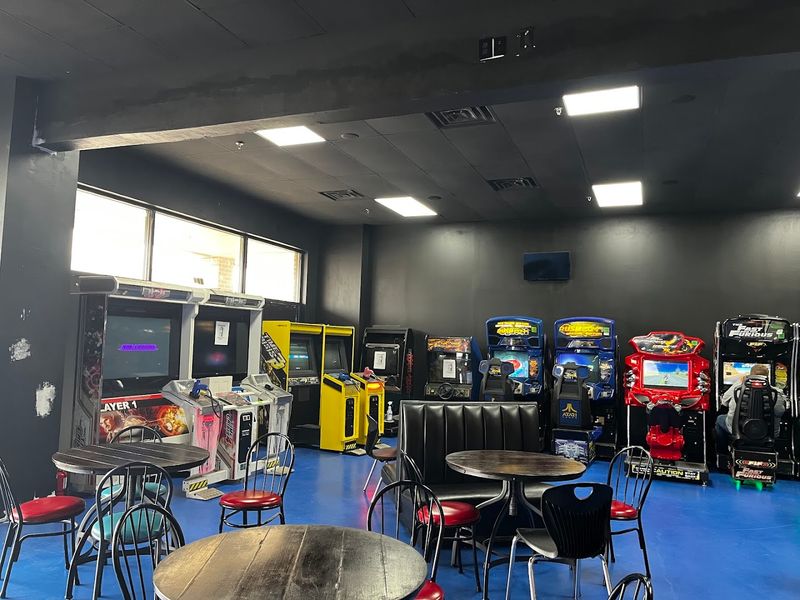
Breaks matter more than people expect in an unlimited-play arcade. The first hour can feel effortless, but eventually your feet, wrists, eyes, or attention span start asking for a pause.
Seating areas and tables give visitors somewhere to reset without leaving the atmosphere completely. That small design choice makes the arcade better for groups, because not everyone wants to play at the same intensity for the same length of time.
The social spaces also help keep the game aisles clear. Instead of people crowding around machines just to talk, they can step aside, compare scores, plan the next cabinet, or wait while someone finishes a run.
Food restrictions near machines make sense because old cabinets and drinks are not a good combination, but having a place to sit keeps that rule from feeling harsh. The wristband system supports the same rhythm.
You can play, rest, step out, return, and keep the day loose. For longer visits, rotating between active play and short breaks is the best strategy.
It keeps the fun from turning into arcade fatigue.
Practical Tips For First-Time Visitors
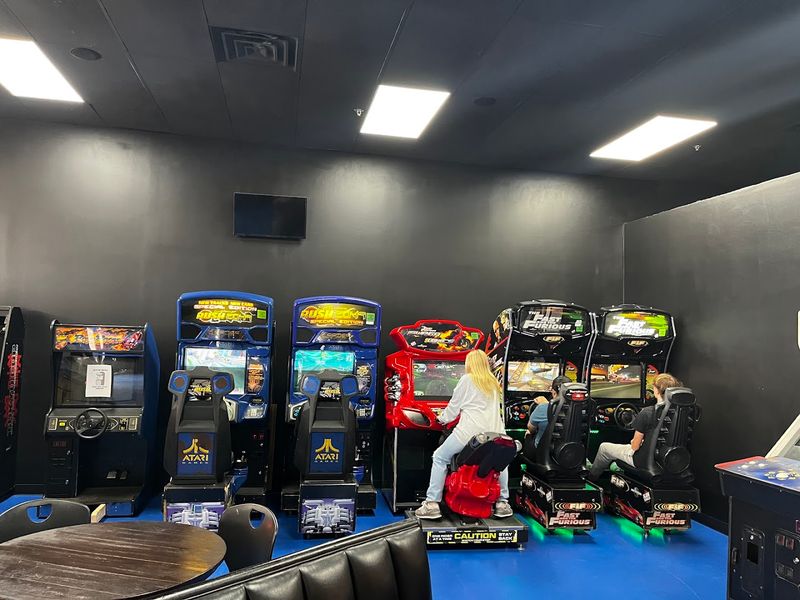
The easiest way to enjoy a first visit is to arrive with a loose plan but not a strict one. Weekday afternoons are usually better for lower crowds and easier access to popular cabinets, while weekends bring more energy, more groups, and a livelier atmosphere.
Both versions can be fun, but they suit different moods. Players who want to practice rhythm games or chase scores may prefer quieter hours.
Visitors who want the full social buzz may enjoy a busier night.
Comfort matters. Wear shoes you can stand in, bring a charged phone, and plan small breaks instead of trying to play nonstop until you burn out.
Machine etiquette also helps everyone have a better time. Do not monopolize a popular cabinet during peak hours, give multiplayer setups room to breathe, and ask staff if you are unsure whether a game has a special rule or issue.
The wristband makes the day flexible, so use that advantage. Try games outside your comfort zone, revisit old favorites, and let the arcade surprise you. The best moments often come from cabinets you almost skipped.