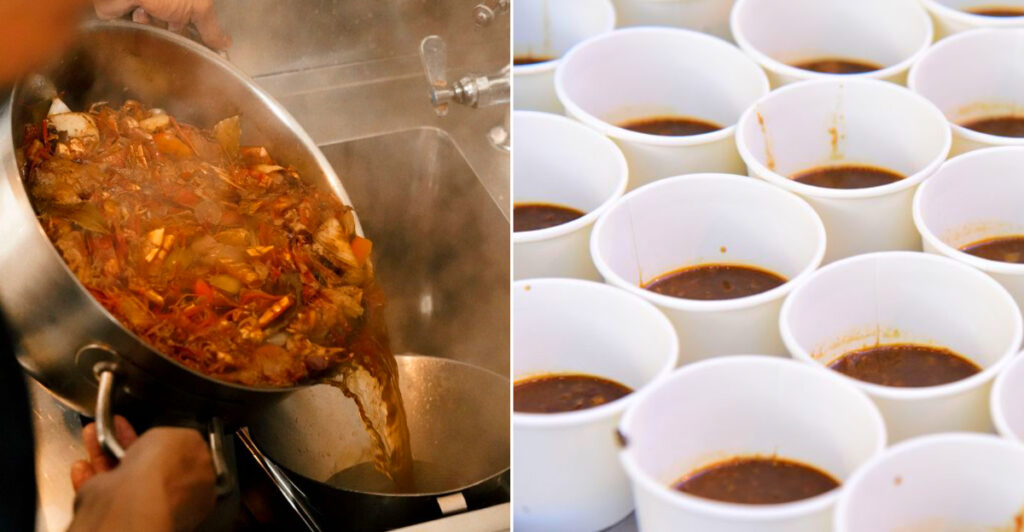
July in Louisiana does not ask permission before it turns the air into soup, which makes an air-conditioned coliseum the smartest place to hold a festival.
Inside, over two hundred musicians fill three stages with zydeco, blues, and fiddle tunes while craftspeople demonstrate techniques that predate the building by generations.
The gumbo line moves fast, the sweet tea disappears faster, and the Louisiana State Fiddle Championship turns a Saturday afternoon into a competition that has the whole crowd clapping in unison.
Informances give visitors a chance to learn a craft they never knew existed, the food vendors serve plates that would hold their own at any church supper across the state, and the whole thing stays cool enough that you forget the heat waiting outside.
Folk festivals usually ask you to sweat for your culture, but Louisiana serves this one cold inside an air-conditioned coliseum.
Time Your Gumbo Sampling Strategically
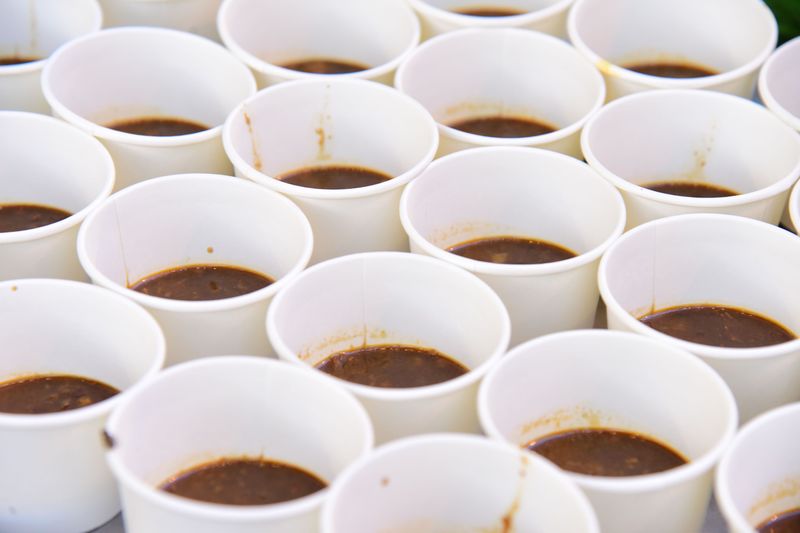
If gumbo is your mission, arrive with a plan: People’s Choice gumbo cups go on sale at 1 p.m., and samples are often limited by popularity. The Buck A Cup pattern means you can taste multiple entries without overspending, but top pots can disappear fast so be ready when sales begin.
The cook-off rules require on-site outdoor cooking and forbid commercial roux, which influences flavor profiles toward fresher, handcrafted textures you can detect in aroma and consistency. Judges evaluate appearance, aroma, texture, and flavor, so expect variety across seafood, poultry plus, and other categories.
I suggest pacing yourself between cups, alternating gumbo with lighter bites like meat pies to reset your palate and cast an informed vote in the People’s Choice contest.
Jefferson Street Turns The Coliseum Into Folk Country
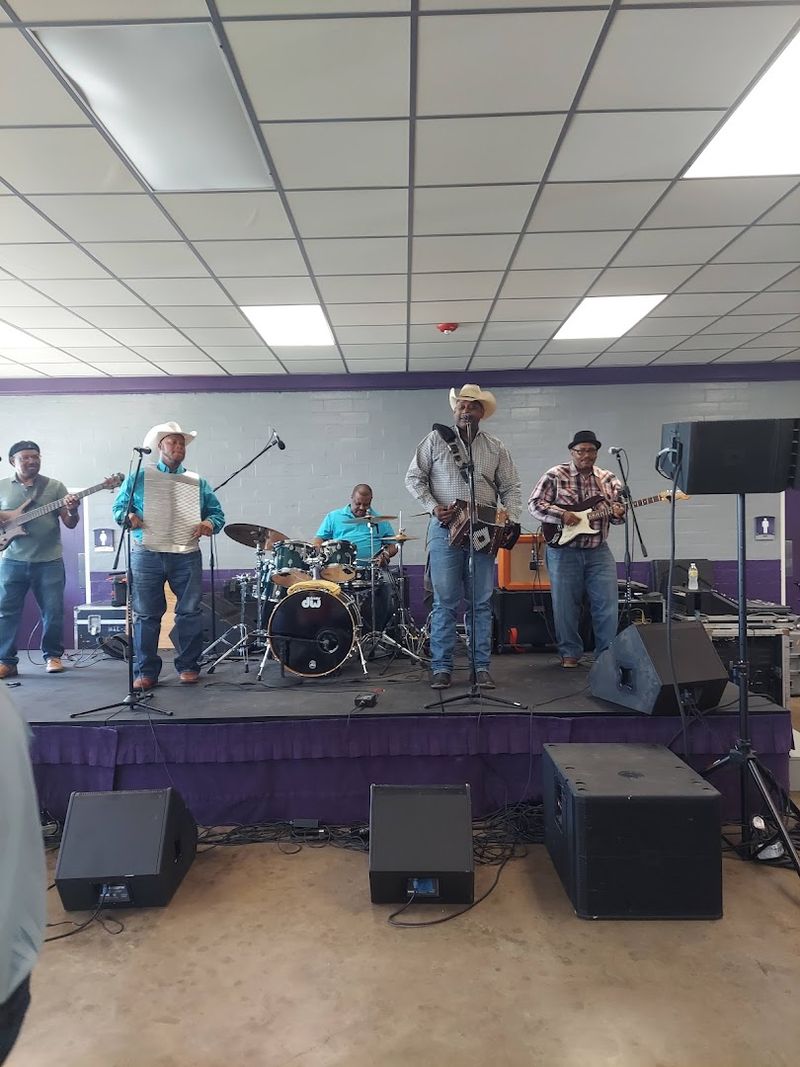
The Natchitoches-NSU Folk Festival takes place inside Prather Coliseum at 220 South Jefferson Street in Natchitoches, Louisiana, on the Northwestern State University campus. From downtown Natchitoches, head south toward Jefferson Street and follow the campus-side route rather than looking for an outdoor festival field.
The 2026 festival takes place Saturday, July 18, inside the air-conditioned coliseum, so the arrival feels more like finding an arena than walking into a street fair. Once you reach the NSU campus area, watch for Prather Coliseum signs and festival traffic around the venue.
Park in the campus-area lots being used for the event, then walk toward the coliseum entrance. Once the crafts, food vendors, music stages, and Louisiana folk sounds start replacing the parking-lot quiet, you are exactly where Natchitoches wanted you to end up.
Seek Out Natchitoches Meat Pies
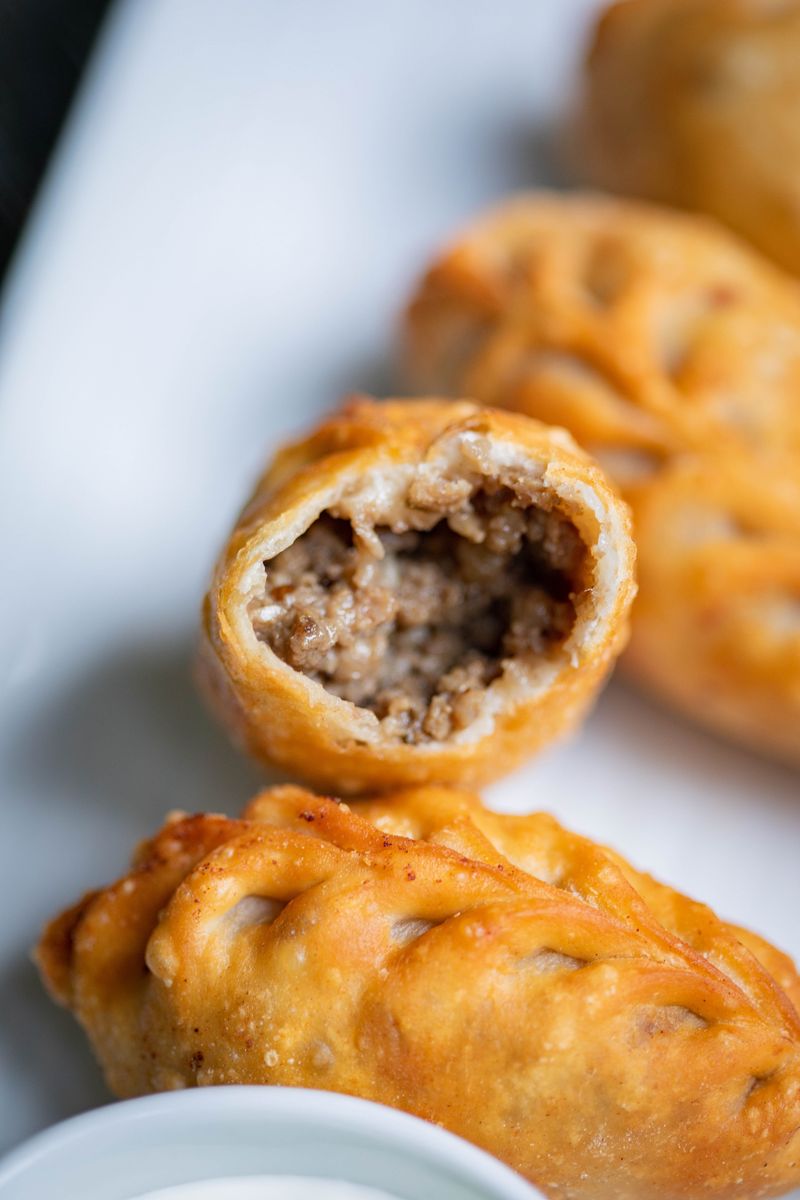
Natchitoches meat pies are a festival staple that provide a savory, portable contrast to saucy gumbo cups. The flaky crust and seasoned meat filling hold up well through a day of sampling, so they’re perfect when you need something substantial between smaller tastings.
These pies reflect regional techniques and are often prepared by vendors rooted in local tradition, so look for vendors who explain family recipes or cooking methods. They also travel well back to your car if you want a post-festival snack on the drive home.
When choosing, note whether the pie is steamed or baked and ask briefly about warming; a gently reheated meat pie reveals layers of spice and texture that show the maker’s skill.
Watch The Gumbo Cook-Off Techniques
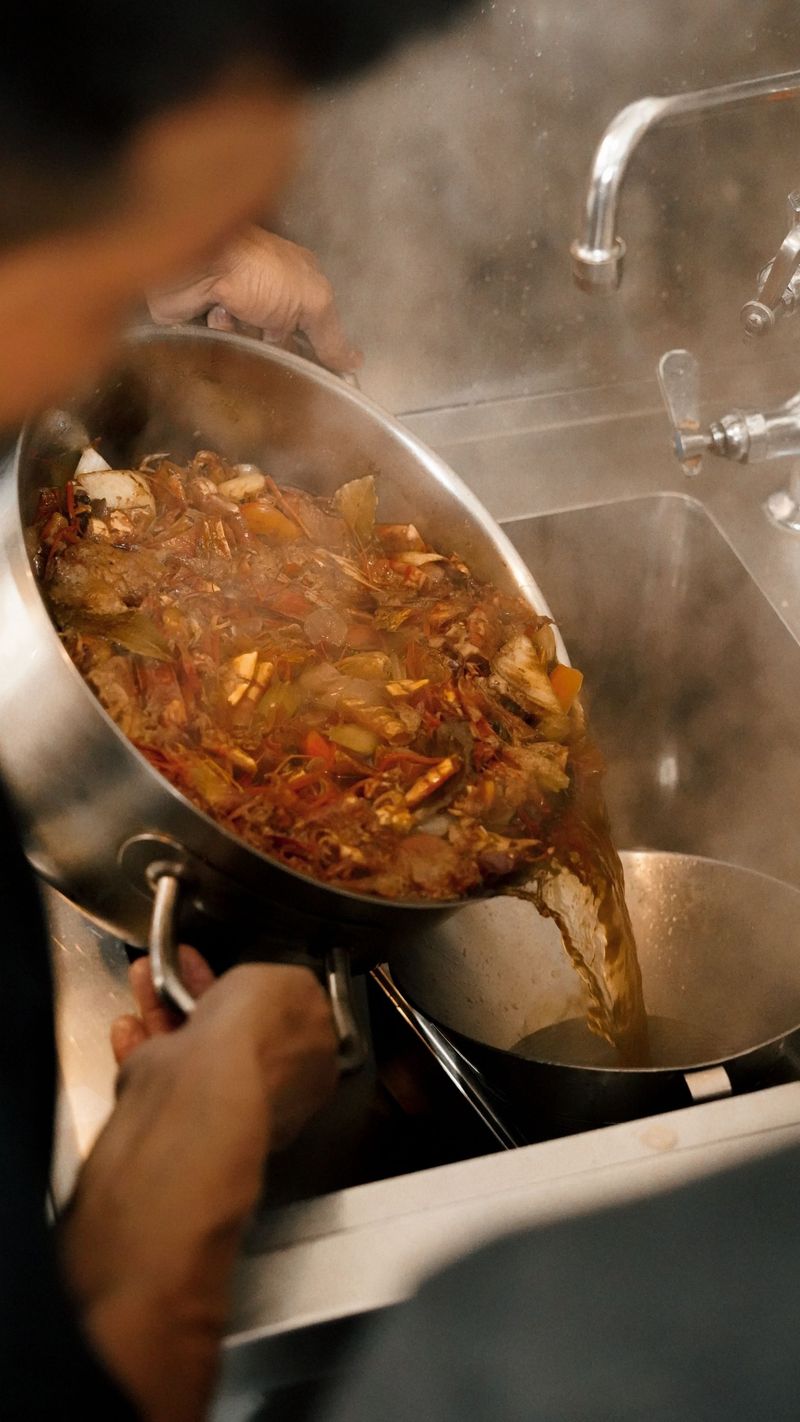
The Gumbo Cook-Off is not only about tasting but also about technique: competitors cook on-site outdoors using propane or open cookfire, and observation reveals differences in roux color, ingredient timing, and pot management. Since commercial or pre-made roux is forbidden, you’ll see cooks making roux from scratch, which impacts depth and texture dramatically.
Watching cook teams reveals how teams balance seafood, poultry, or mixed proteins in their categories and how they adjust seasoning for large-batch production. Pay attention to ladle strokes and liquid reduction; those small movements explain a lot about consistency and mouthfeel.
If you can, arrive early to watch setup and catch a demonstration of Dutch oven or open-fire methods, which are informative for home cooks inspired by festival techniques.
Buy Filé From A Master Maker
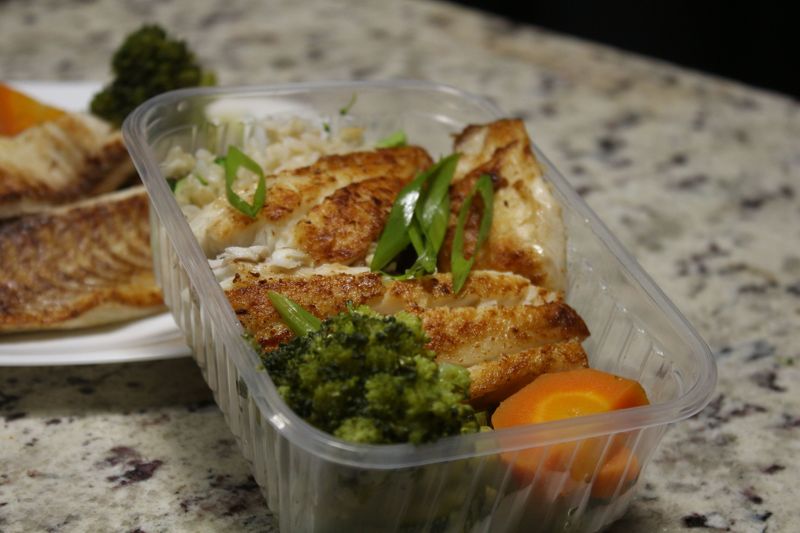
John Oswald Colson, a Master Filé Maker, sells fresh-ground filé made from locally foraged herbs, and his product is worth seeking out for its aroma and authentic flavor. Filé can transform soups and dressings with a nutty herbal note and is often recommended to be refrigerated to preserve its vibrancy for up to three years.
When buying, ask about foraging practices and grinding dates; fresher filé has a brighter scent and more pronounced finish. Using filé at home requires gentle heating and careful timing to avoid stringy texture, so get a quick tip from the maker if possible.
Filé is also a thoughtful souvenir, lightweight and potent, letting you bring a taste of Louisiana foodways back to your kitchen with a story attached.
Try Indian Fry Bread From A Master Folk Artist
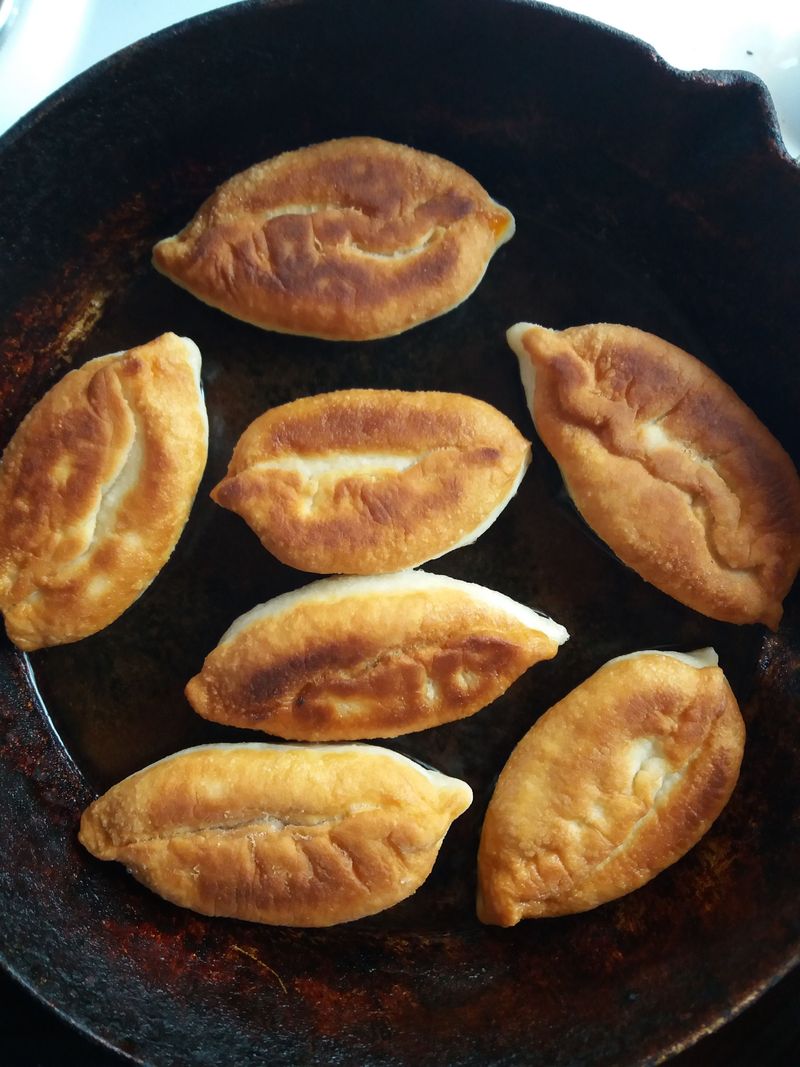
Marjorie Battise, a Master Folk Artist, is known for selling traditional Indian fry bread and Indian tacos that combine crisp edges with tender interior bubbles. The fry bread’s texture pairs well with savory toppings and showcases cross-cultural traditions present in regional foodways, making it a memorable festival bite.
Seek her booth for a demonstration or a short conversation about recipe lineage; artists like Battise usually share context that deepens the tasting experience and explains ingredient choices. Fry bread will feel indulgent after sampling lighter soups and sides, so plan it as a centerpiece bite.
If you want to pace your day, split a fry bread with a companion and pair it with a simple side so both texture and topping stay balanced and enjoyable on the move.
Sample Washtub Hog Cracklings
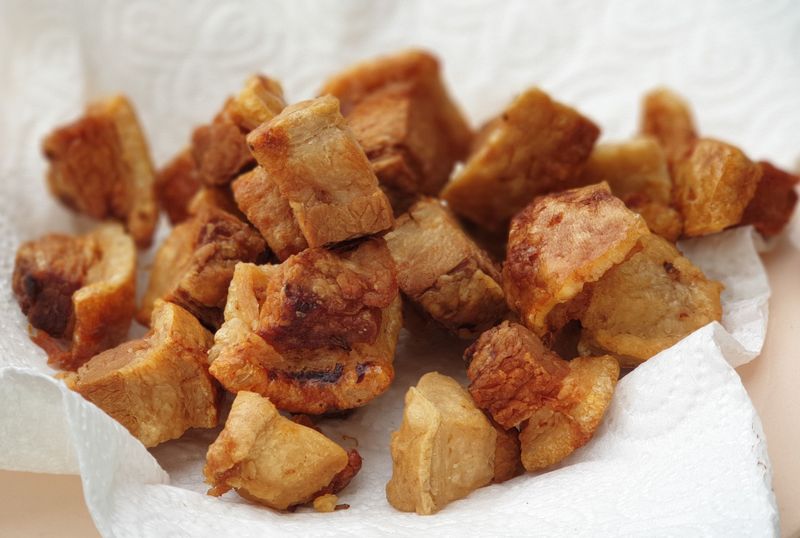
Roosevelt Sykes prepares traditional washtub hog cracklings using methods passed down from his father, producing crunchy, intensely porky snacks that are smoky and satisfying. These cracklings offer an unmistakable textural contrast to saucy gumbo and soft rice dressing, and they travel well if you want a crunchy souvenir.
Because the method is traditional, vendors often cook in small batches, so availability can vary; ask about restocking times if the tub looks low. Cracklings make an excellent palate cleanser between spoonfuls of roux-heavy gumbo.
Respect local customs by sampling modestly and pairing with something mild, like plain rice, so the crackling’s flavor has a chance to shine without overwhelming other festival tastings.
Look For Rice Dressing And Red Beans Tradition
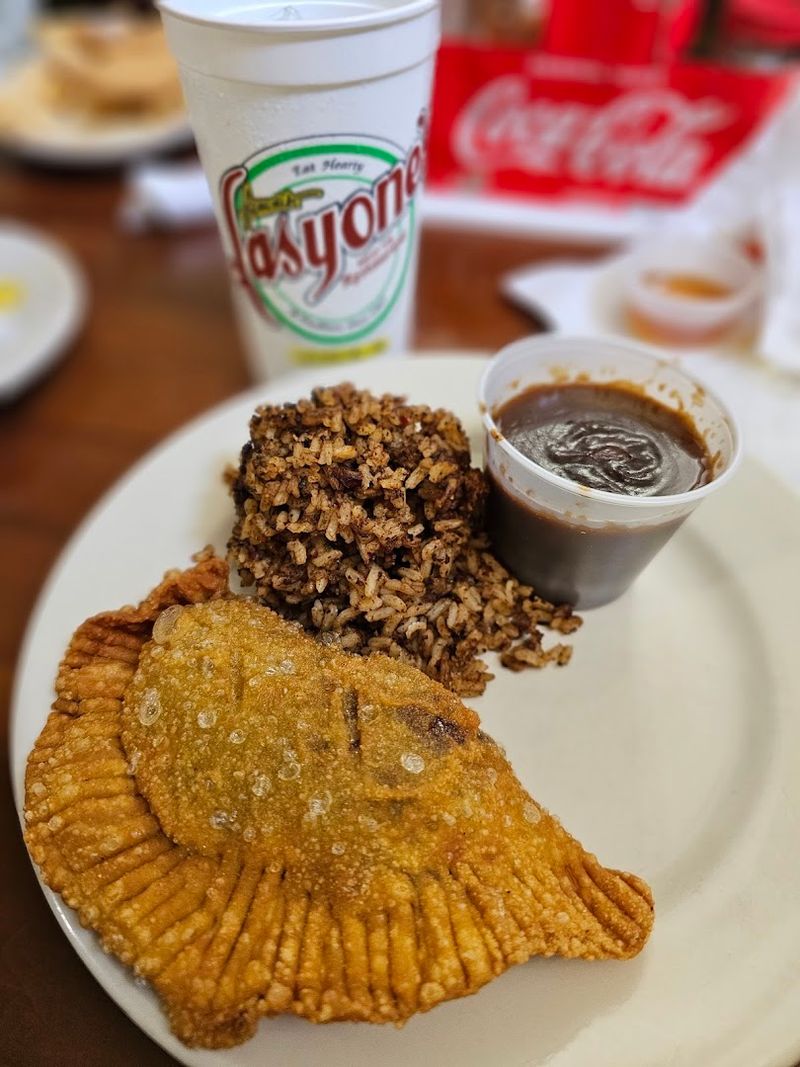
Rice dressing and red beans often appear among the festival offerings and reflect communal meals common to Louisiana gatherings. Rice dressing, served by vendors like Bayou Soul in past years, highlights slow-cooked builds and a balance of aromatics, while red beans and rice has been showcased through dedicated cook-offs that emphasize regional variations.
These dishes are excellent for testing depth of seasoning and simmer time, as their quality shows in texture and integration of flavors more than flashy presentation. Try both to compare how different cooks use aromatics, stock, and protein.
If you enjoy leftovers, these dishes usually reheat very well, so consider bringing a container for a late-night taste that reminds you of the festival’s homestyle comforts.
Observe Dutch Oven Demonstrations
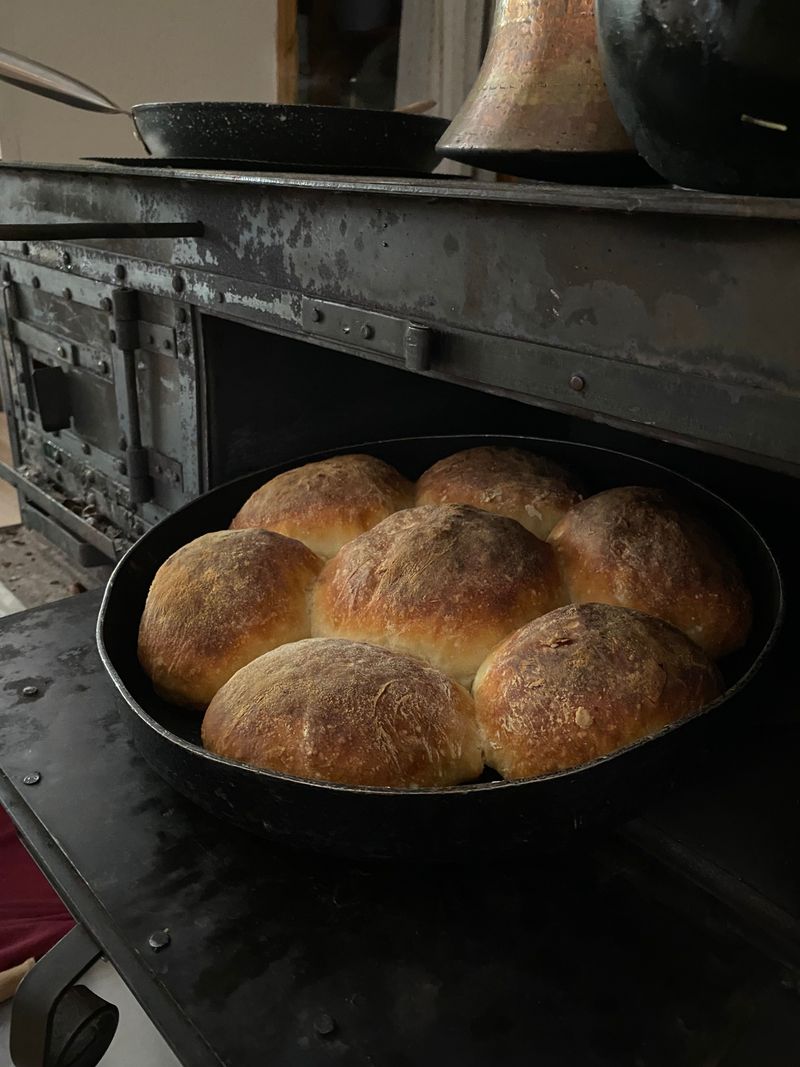
Outdoor Dutch oven demonstrations are practical, tactile lessons in slow-cooking techniques that many festival vendors still use for stews, dressings, and desserts. Watching these demos shows how heat management, layering ingredients, and cast-iron seasoning affect final texture and flavor in ways you won’t notice from tasting alone.
Demonstrators often explain fuel choices and timing, which is useful if you want to replicate heritage dishes at home. These sessions also illuminate safety practices for large outdoor cooking, an important detail given the Gumbo Cook-Off’s outdoor rules.
Bring a small notebook to capture tips on coals-to-pot timing or lid placement; these details translate directly into better results when you try traditional recipes in your own kitchen.
Respect Vendor Rules And Accessibility
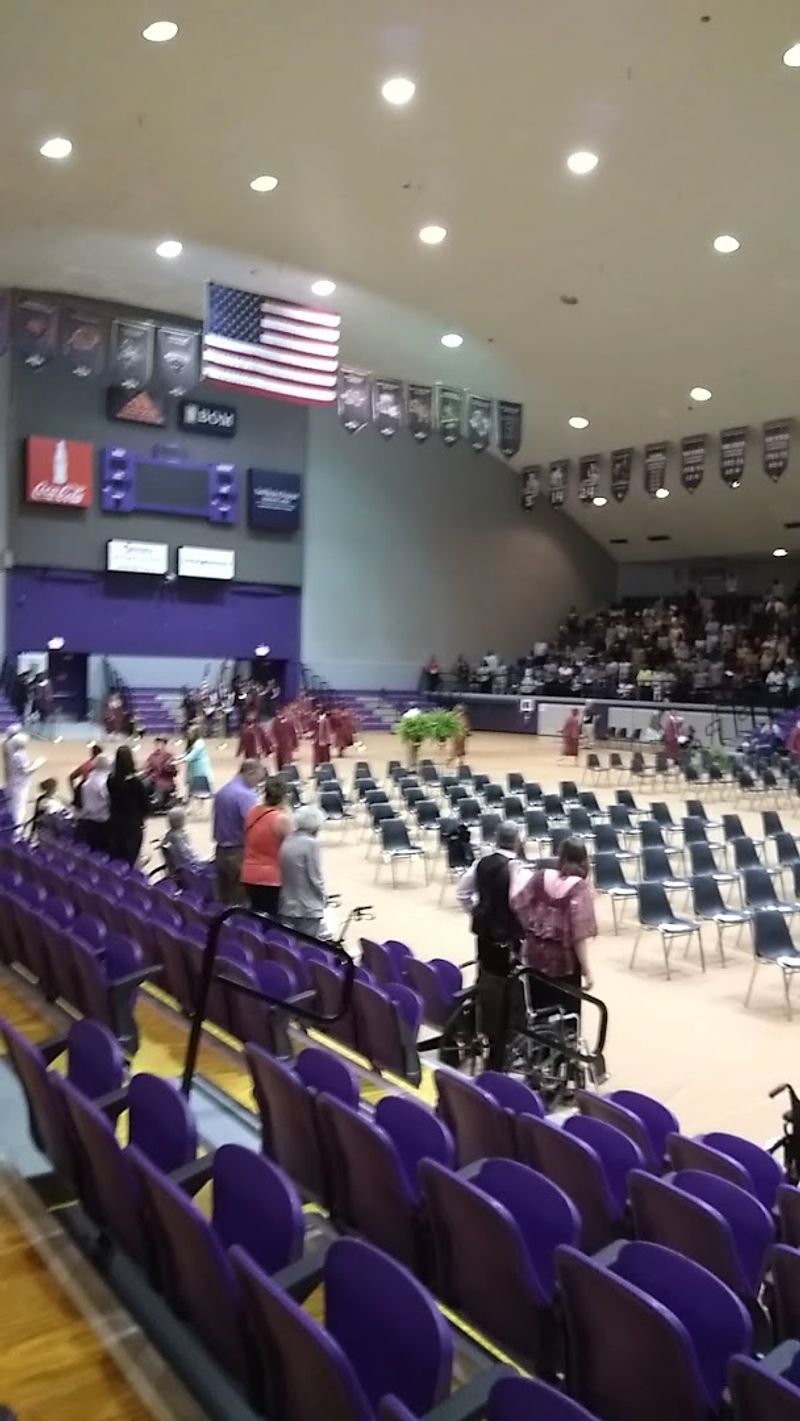
Prather Coliseum prohibits outside food and drinks to support vendors, so plan to buy meals on site and respect vendor livelihoods by budgeting accordingly. The venue is wheelchair accessible, and staff often assist visitors with mobility needs, making the festival inclusive for attendees of varying abilities.
If you need seating or quieter spaces, scope out accessible seating areas early and use festival maps or staff guidance to find rest zones away from the busiest vendor aisles. Vendor lines can form quickly, so having a small strategy helps, like alternating samples and timing breaks.
Carrying cash and small bills can speed transactions, though many vendors accept cards; check ahead for payment options to avoid missing a popular offering while you search for an ATM.
Bring Kids To KidFest Activities
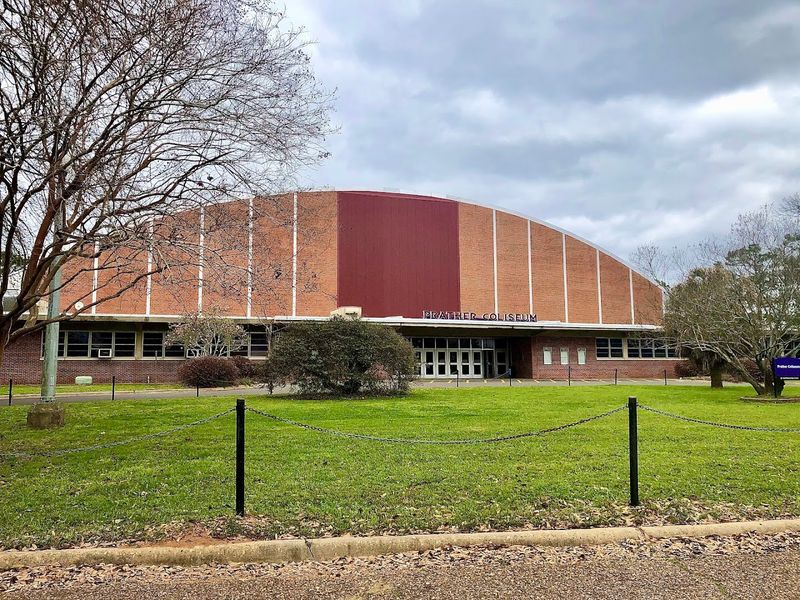
KidFest runs from 9 a.m. to 4 p.m. and offers activities that help children explore cultural and family food traditions, making the festival a genuine family outing. The programming often includes hands-on projects and demonstrations designed to engage younger visitors while adults sample food and attend sessions.
Bringing kids means balancing cultural learning with food sampling; consider staggered vendor trips so someone can watch activities while others taste. Prather Coliseum’s climate control makes it easier to keep children comfortable during July heat.
Pack a small kit with wipes, a spare shirt, and a light snack for between vendor purchases, since outside food is restricted inside the venue and lines can sometimes be long during peak hours.