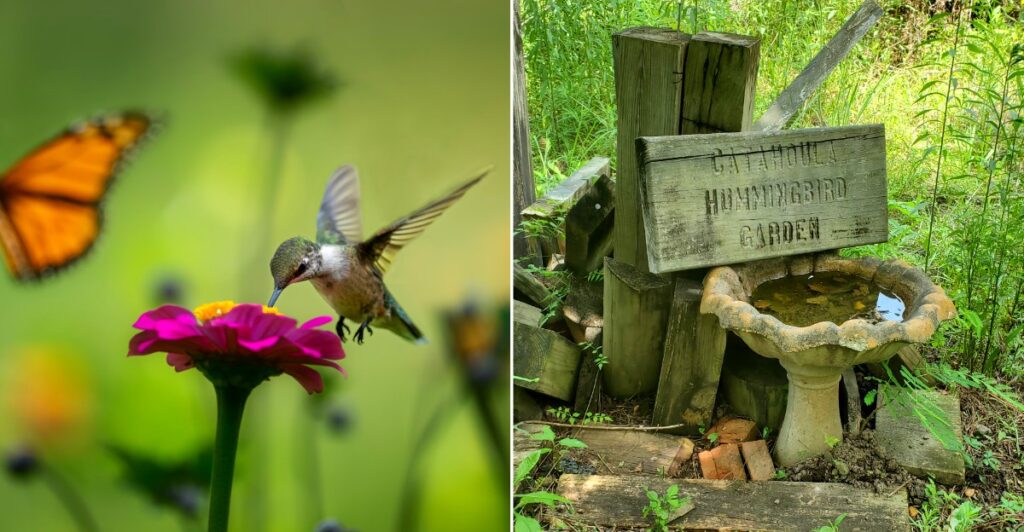
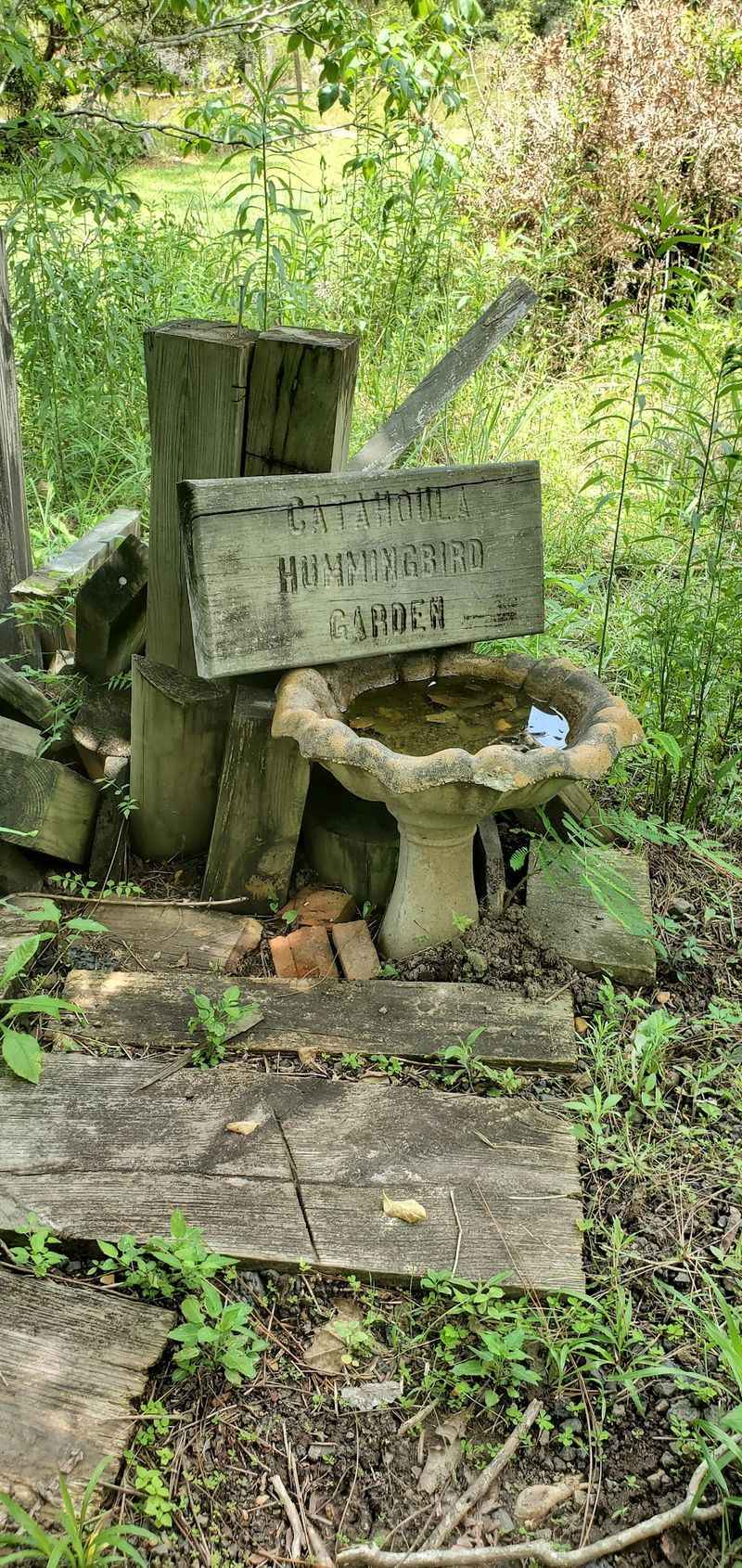
Deep inside the Catahoula Ranger District of Kisatchie National Forest, seven planting beds attract hummingbirds and butterflies that most Louisiana residents never realize live in the state.
The volunteer-maintained garden sits near Bentley along Louisiana Highway Eight. No admission fee. No gate. No parking charge. Just a quiet stretch of curated wildflowers bordered by pine forest on every side.
Ruby-throated hummingbirds pass through in large numbers during autumn migration. Carolina satyr butterflies drift between the beds.
Northern bobwhite call from the tree line. The garden opened in nineteen ninety-five through a partnership between the Forest Service and Gardeners for Wildlife. Hurricane Laura knocked down trees all around it but left the beds largely intact.
Benches sit along shaded paths for anyone who wants to wait and watch. Photographers set up tripods in the early morning light.
Louisiana birders looking for a quiet place to watch migration unfold without fighting crowds found it here decades ago.
Follow The Fall Migration Clock
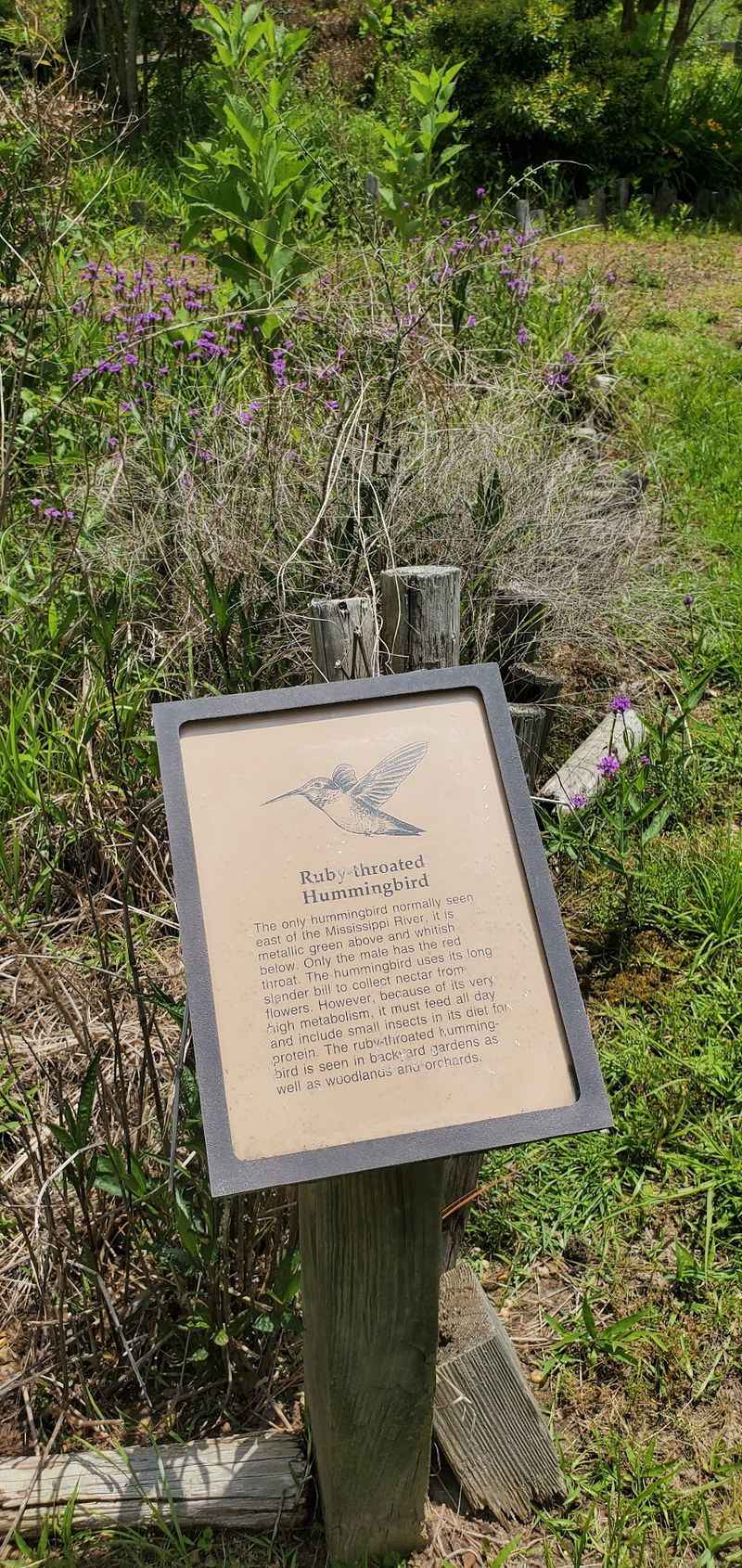
A tiny green blur can carry an entire season on its wings. Adult male Ruby-throated Hummingbirds may begin moving south in late July, while females and young birds become more noticeable across Louisiana during September.
Migration can continue into October, so one quiet visit may look completely different from another made several days later. Scan flower beds, woodland edges, and sheltered openings where birds can feed briefly before continuing their long journey.
Bring patience instead of expecting a constant show. Hummingbirds may appear for seconds, vanish behind leaves, and return when the area feels calm.
A small notebook helps record time, weather, flower choice, and behavior, turning quick sightings into useful observations without disturbing birds or blocking paths for other garden visitors nearby.
The Ranger Station Is The Last Big Clue
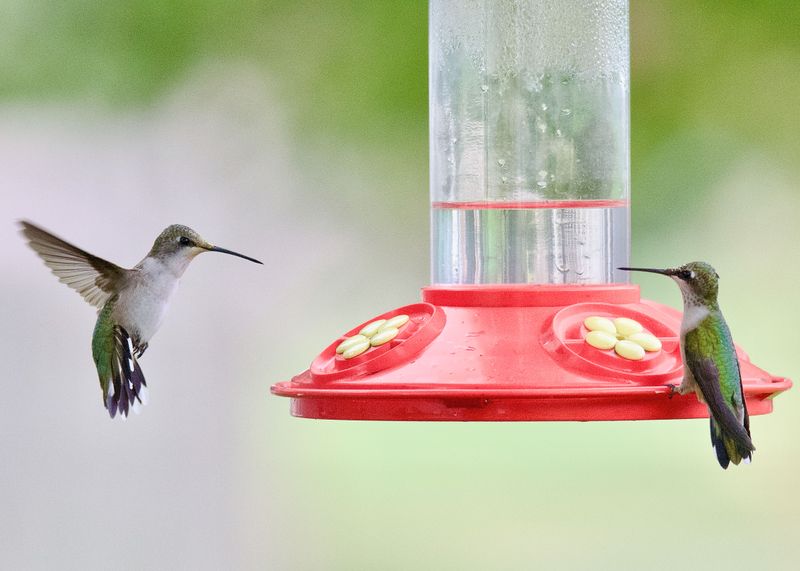
Catahoula Hummingbird and Butterfly Garden sits in Kisatchie National Forest near Bentley, Louisiana, just off Louisiana Highway 8. From U.S. 167, turn east onto Highway 8 and follow it for about three miles toward the Catahoula Ranger District office.
The final approach gets quieter as the highway gives way to forest roads and pine woods. Turn at the ranger district area onto Forest Road 145, and the garden comes up on the right not far from the office.
Park at the garden area if space is available, or leave the car at the Catahoula Ranger District office and walk across to the garden. From there, the visit begins on foot among the plantings and forest edge.
Watch Flowers Instead Of Empty Sky
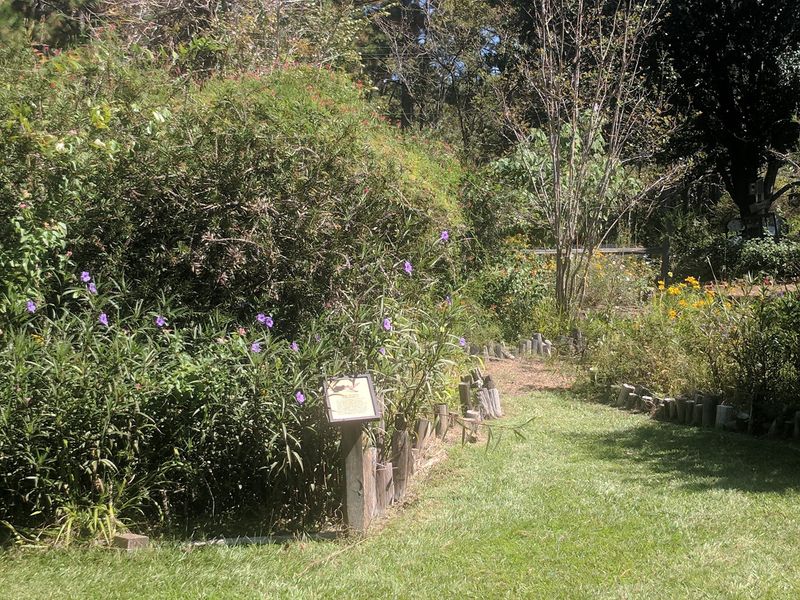
Bright flowers are better viewing screens than a wide patch of sky. Cardinal flower and coral honeysuckle offer the red tubular shapes hummingbirds can use, while firebush, Turk’s cap, and salvias may provide additional nectar when blooming.
Choose one productive cluster and wait several feet away. Look for swaying stems, sudden movement beneath leaves, or a bird hovering briefly before settling into a quick feeding route.
Plant labels, when present and readable, can help connect each visitor with its food source. Avoid touching blooms or stepping into beds for a closer photograph, since damaged plants serve fewer travelers.
I find a stationary watch more revealing than a hurried lap because repeated visits to the same flowers soon expose patterns that first seemed completely random.
Pause Beside The Pond
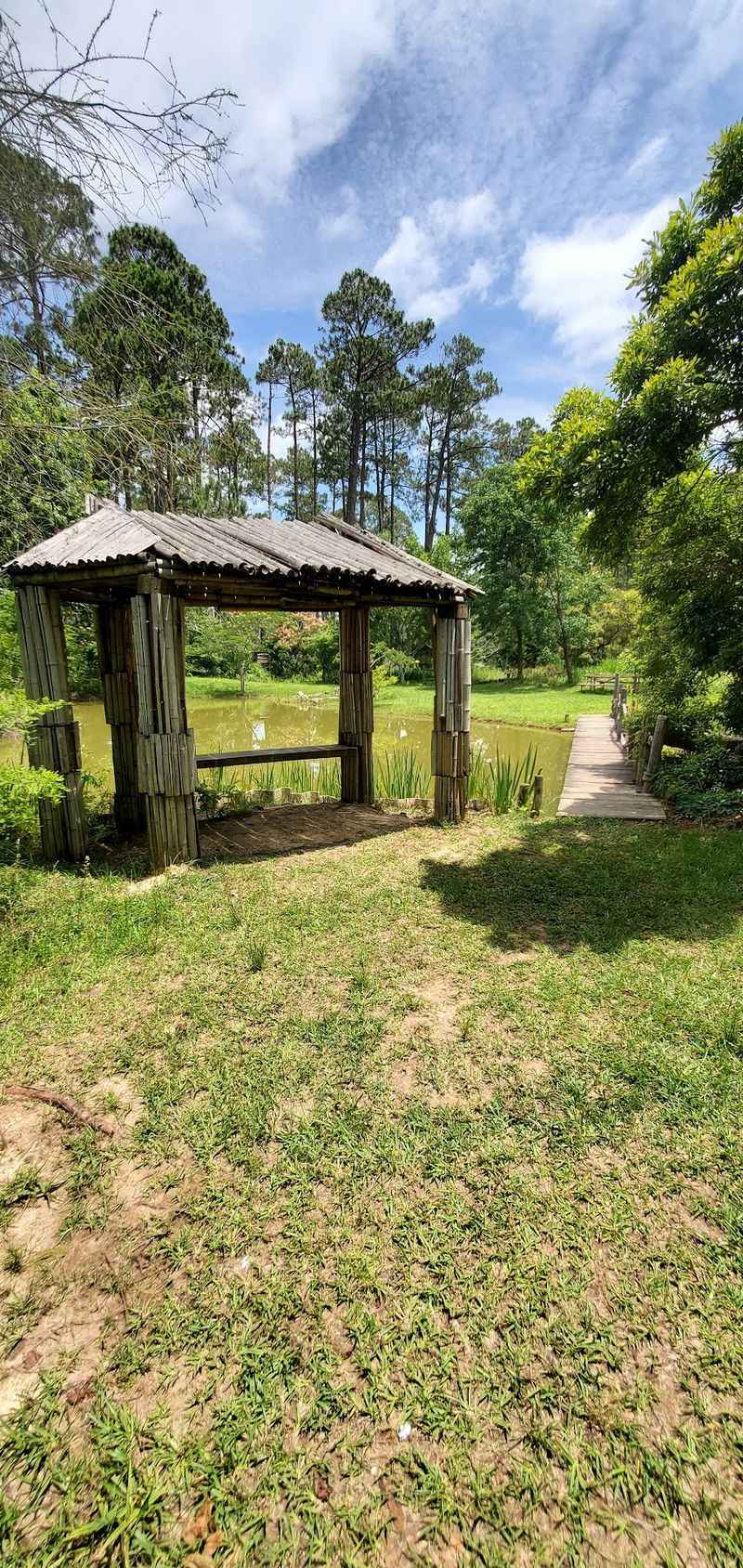
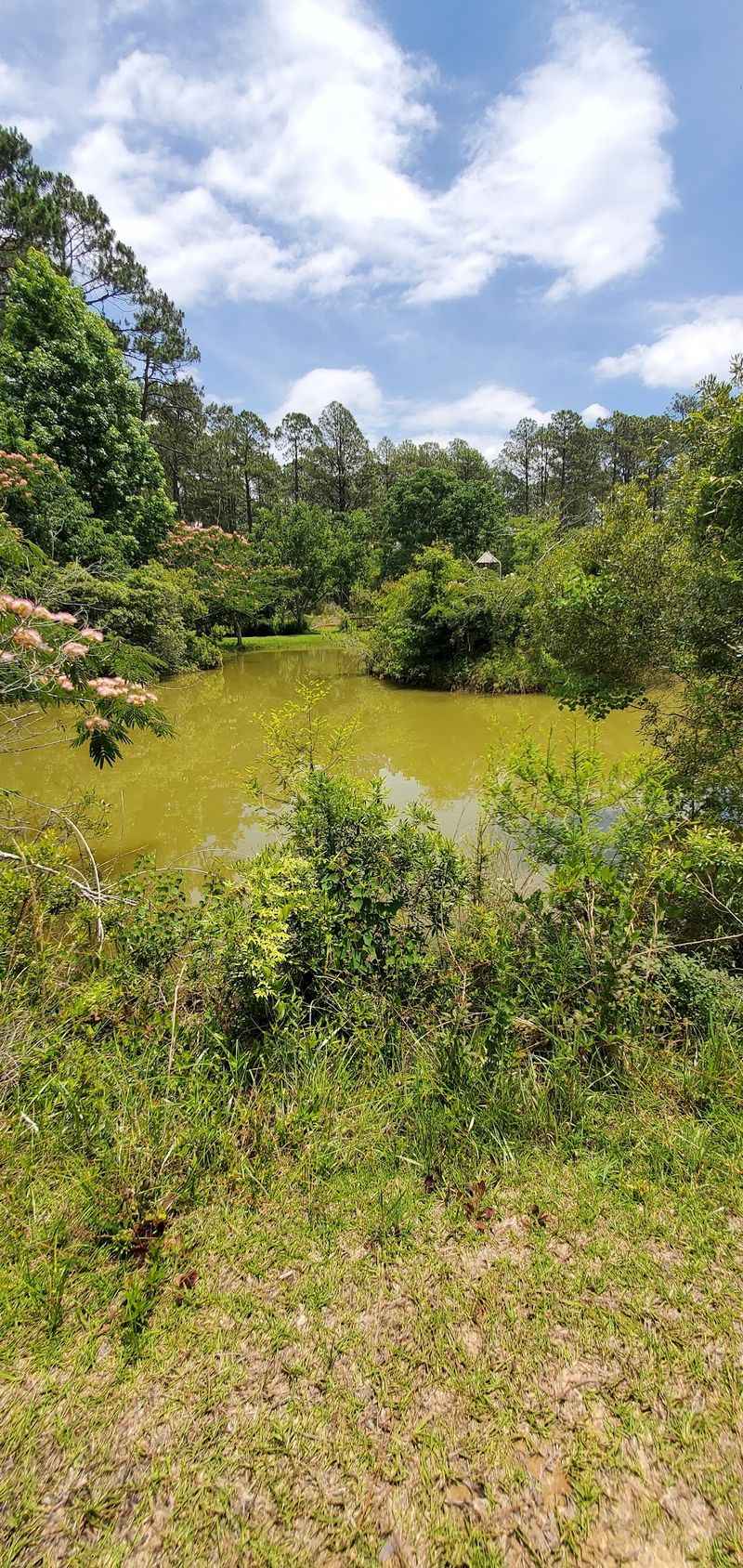
Water changes the rhythm here, replacing wing chatter with small splashes and a calmer pace. The garden’s pond, waterfall, nearby seating, and shaded gazebo create a natural pause between walks through flower beds.
Turtles may surface in the pond, while birds use surrounding cover and open water edges. Sit quietly, keep food to yourself, and let wildlife follow its normal routine rather than drawing animals closer.
Pond margins deserve careful footing because wet ground, roots, insects, and snakes are normal parts of Louisiana habitat. Keep children close, remain on established walking areas, and never reach into thick vegetation.
Binoculars provide a safer, clearer view, and a few still minutes often reveal more life than leaning over the bank or rustling through plants ever could.
Give Butterflies Equal Billing
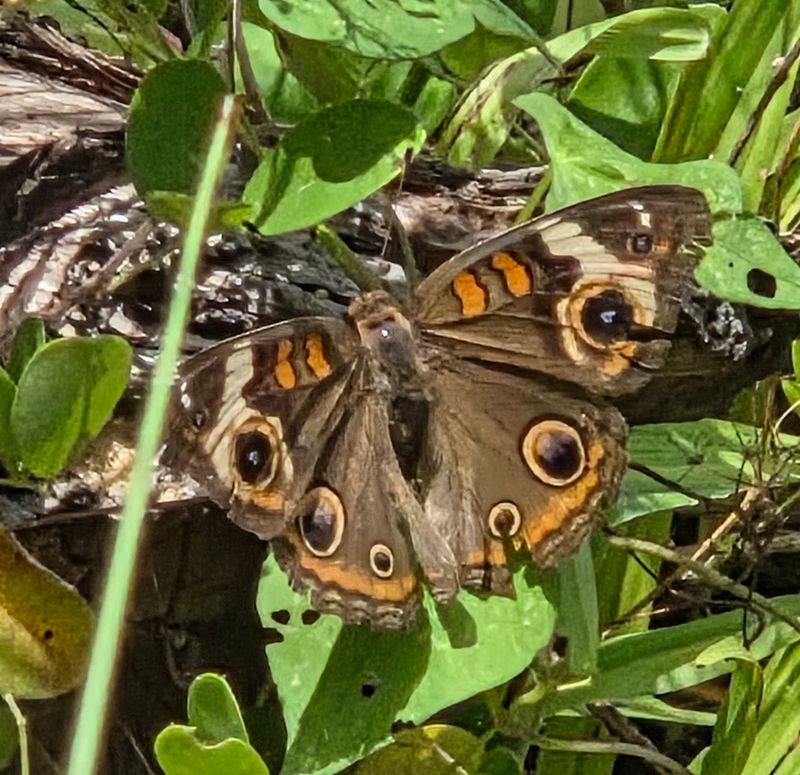
Hummingbirds may headline the visit, but butterflies perform the longer, easier-to-follow scenes. Cloudless Sulphurs, Spicebush Swallowtails, and Palamedes Swallowtails are among the species associated with gardens and habitats in this part of Louisiana.
Watch sunny flower patches where butterflies can warm themselves and feed. Approach from the side, avoid casting a shadow across them, and use binoculars with close-focus ability if you want wing details without crowding.
Identification becomes easier when you photograph both upper and lower wing surfaces, though patience matters more than perfect pictures. Note the insect’s size, colors, flight style, and chosen plant.
Butterflies can also suggest which blooms are producing nectar, pointing you toward lively corners that hummingbirds may inspect later, once your own footsteps and camera movements have settled.
Walk The Pine Framed Paths
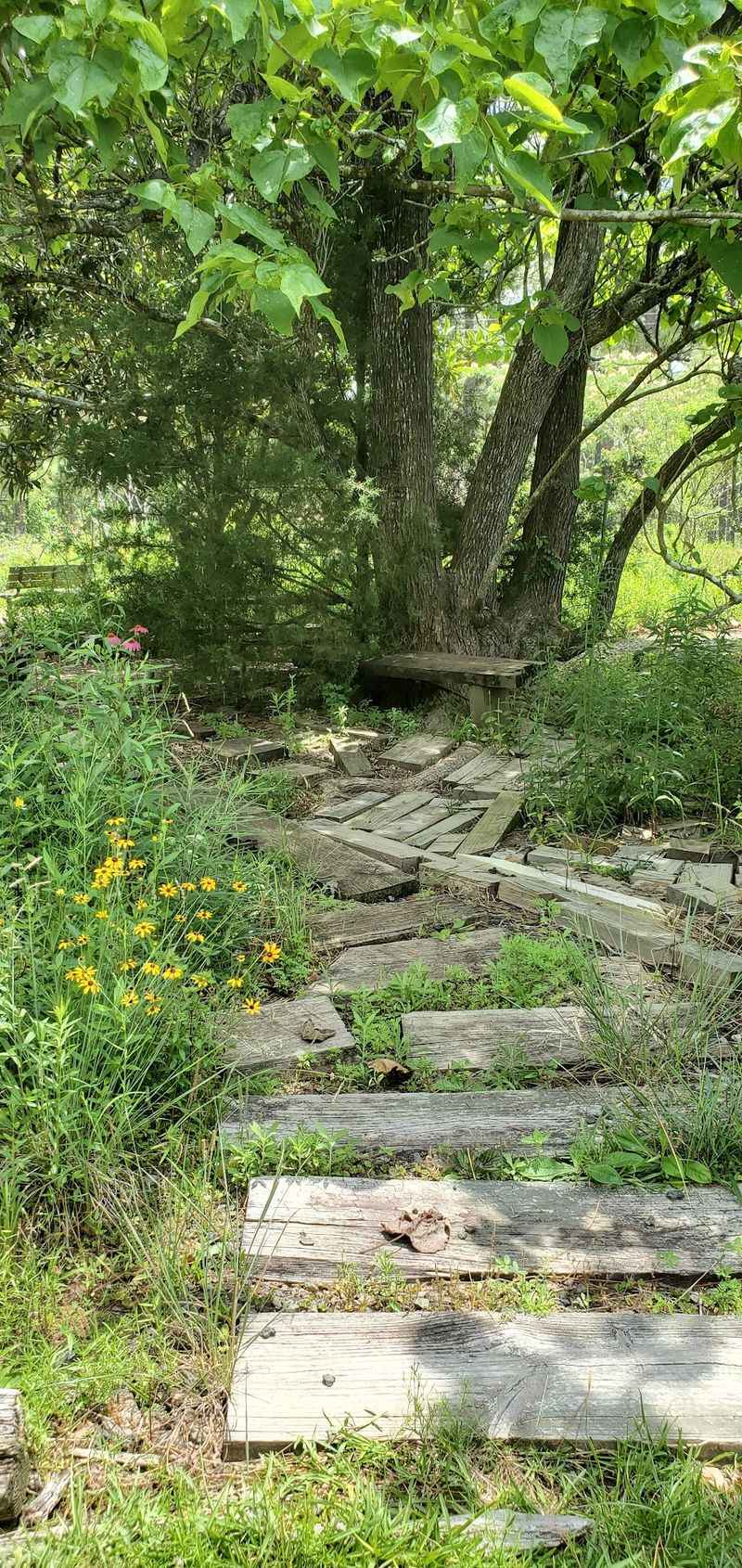
Tall pines give the cultivated beds a wonderfully untidy frame, part classroom and part woodland retreat. The garden sits within Kisatchie National Forest, where managed plantings meet broader forest, field, and edge habitats.
Follow established paths and pay attention to transitions between flowers, shrubs, pines, and open ground. Different layers provide feeding, hiding, and resting places, so a forest edge may produce birds that never enter the brightest beds.
Comfortable closed-toe shoes are sensible even for a short walk. Roots, damp leaves, uneven surfaces, and seasonal growth can make footing less predictable than a formal city garden.
Long pants and insect protection add comfort, while a slower pace protects plants and gives your eyes time to adjust to movement among branches.
Look Beyond The Main Beds
The busiest corner is not always the one planted with the brightest flowers. A meadow of tall grasses borders the garden’s southern side, while shrub patches and forest edges broaden the range of shelter available to wildlife.
Scan wax myrtle, honeysuckle, and tangled cover for movement from birds such as White-eyed Vireos or Brown Thrashers. During winter, nearby grassland habitat may also hold sparrows, making fall a useful time to learn the area’s shapes and boundaries.
Stay within public, established areas and avoid pushing into dense growth. Listening often works better than searching every branch.
Learn one or two calls before arriving, then stop whenever chatter, scratching leaves, or repeated notes reveal a bird hidden where bright plumage cannot help you.
Pack For A Small Wild Place
A compact garden can still behave like the forest around it. Pack water, binoculars, sun protection, insect repellent, and a charged phone, even when you expect only a quick loop around the paths.
Closed-toe shoes and long pants help around tall vegetation, damp edges, and ordinary woodland residents such as ticks or snakes. Watch where you place hands and feet, especially beside the pond, beneath benches, and near thick ground cover.
Carry out every wrapper and avoid leaving seed, bread, or other food for wildlife. A basic field guide or identification app can settle questions after an observation, but keep phone sounds muted.
The garden’s best moments depend on quiet, and loud recordings can stress birds or change the behavior you came to witness.
Respect A Volunteer Built Legacy
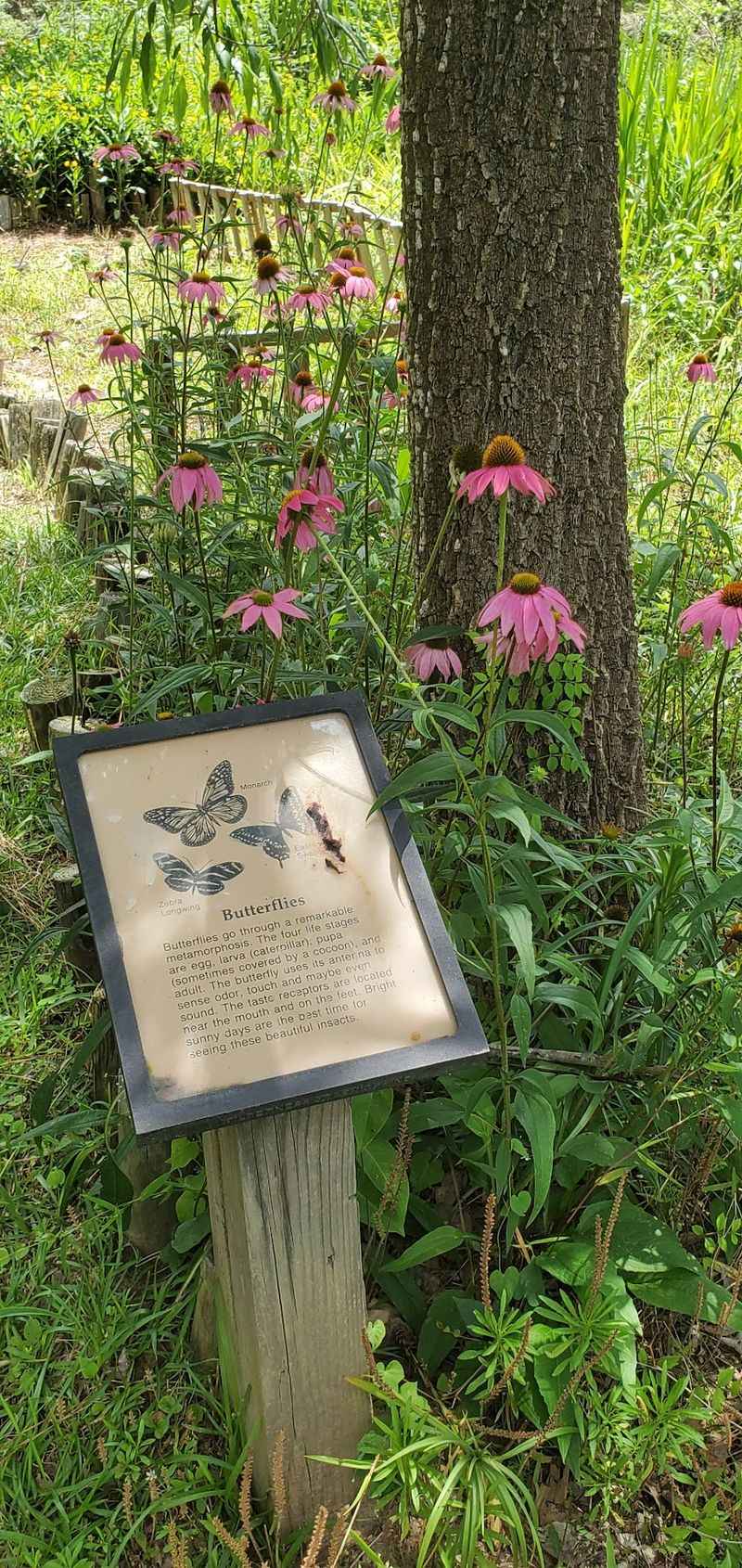
Every flower bed carries a community story beneath its roots. Established in 1995, the Catahoula Hummingbird and Butterfly Garden grew from cooperation between the U.S.
Forest Service and Gardeners for Wildlife, a local nonprofit group.
That partnership shaped a place meant to serve pollinators, educate visitors, and offer room for quiet outdoor discovery. Conditions in volunteer-supported gardens can vary with weather, funding, labor, and the demanding speed of Louisiana plant growth.
Meet the landscape with realistic expectations and a light footprint. Read posted information, follow current Forest Service rules, and leave beds undisturbed.
Anyone interested in helping should contact the managing office through official channels rather than beginning work independently, since safe maintenance requires permission, planning, tools, and knowledge of intended plantings.
Photograph Without Chasing Wings
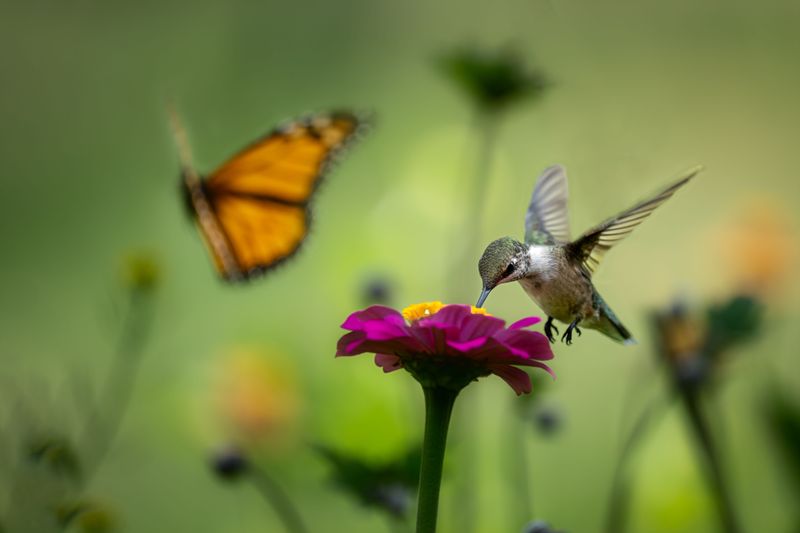
A hummingbird rarely waits for anyone to fix camera settings. Prepare before approaching the beds by choosing a fast shutter speed, raising sensitivity when needed, and testing focus on a flower near the expected feeding route.
Remain in one legal viewing spot rather than following birds between plants. Telephoto lenses or binoculars reduce disturbance, while burst mode can capture changing wing positions without requiring you to creep closer.
Soft morning and late-day light usually creates gentler color than harsh noon sun. Keep flashes off near wildlife, silence electronic sounds, and never trim stems for a cleaner frame.
The pond, gazebo, pines, and layered beds also make appealing wider scenes, so the visit need not depend on one perfectly frozen bird.
Check Conditions Before The Drive
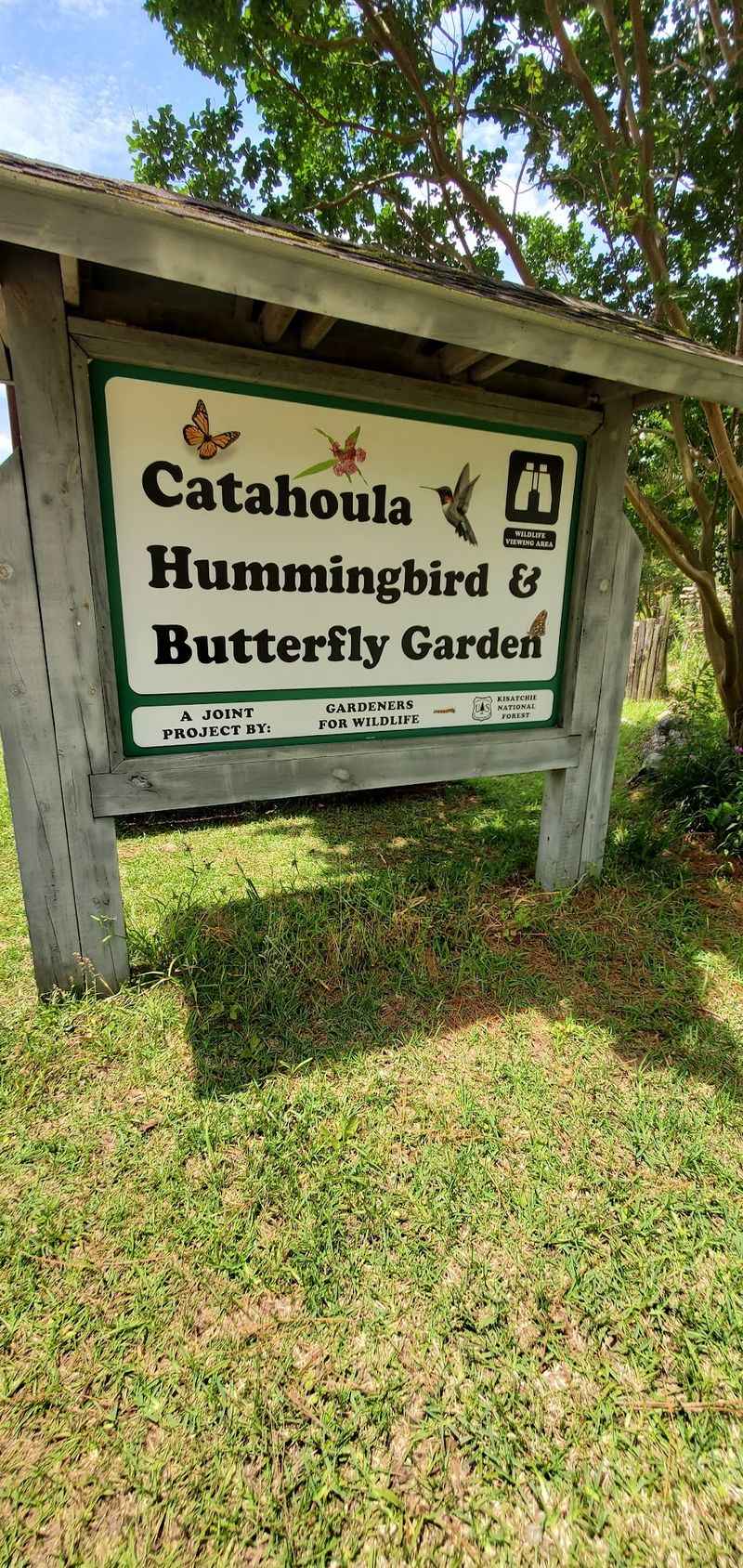
Remote-feeling places reward a little homework before the car leaves home. The garden is located at 5315 Work Center Road in Bentley and is listed by the U.S.
Forest Service as open daily from 7:00 AM to 7:00 PM.
Confirm hours, alerts, road conditions, and temporary closures on the official recreation page because storms, fire concerns, or maintenance can affect forest sites. Download directions in advance since mobile service may be uneven around rural public lands.
Tell someone your plan, bring enough fuel, and allow daylight for the return trip. Autumn weather can shift quickly, so check the forecast and postpone during dangerous conditions.
Careful planning keeps attention where it belongs: on migration, changing leaves, small wings, and an unusually thoughtful Louisiana garden.