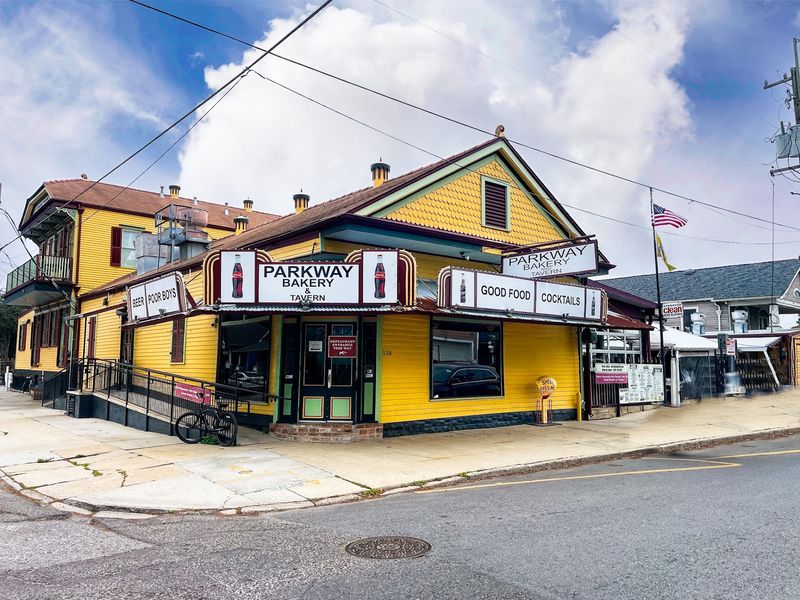
Some sandwiches are good for lunch, and some become part of a trip you remember long after you get home. Parkway Bakery & Tavern in New Orleans belongs in that second group.
It has been serving po’ boys for generations, and people still make time to go out of their way for one. If you want to understand why this Louisiana classic matters, this is a very good place to start.
A Mid-City sandwich landmark
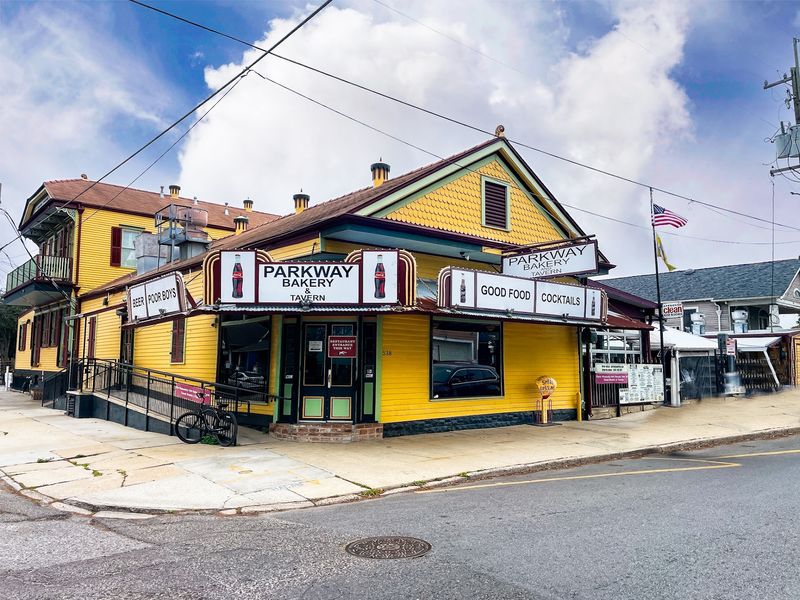
Tucked into Mid-City at 538 Hagan Ave, Parkway Bakery & Tavern is the kind of New Orleans food stop that feels rooted in daily life rather than built for show. It is a sandwich shop first, famous for po’ boys that draw locals, travelers, and first-time visitors who want to taste a true Louisiana staple.
Getting there is part of the appeal. Some visitors make the trip from busier parts of town by streetcar or rideshare, and many come away saying the extra effort pays off once the food arrives.
Even before the first bite, the place gives off the feeling of a neighborhood institution that has earned its name over time.
What makes Parkway stand out is not one flashy trick. Regulars mention the bread, the generous fillings, and the way classic combinations are handled with confidence.
Hours are simple and easy to remember: open Wednesday through Sunday from 10 AM to 6 PM, closed Monday and Tuesday. For anyone building a New Orleans food list, Parkway makes a strong case right away.
It is not just another stop for lunch. It is a destination built around one of the city’s best-known sandwiches.
A century-deep neighborhood story
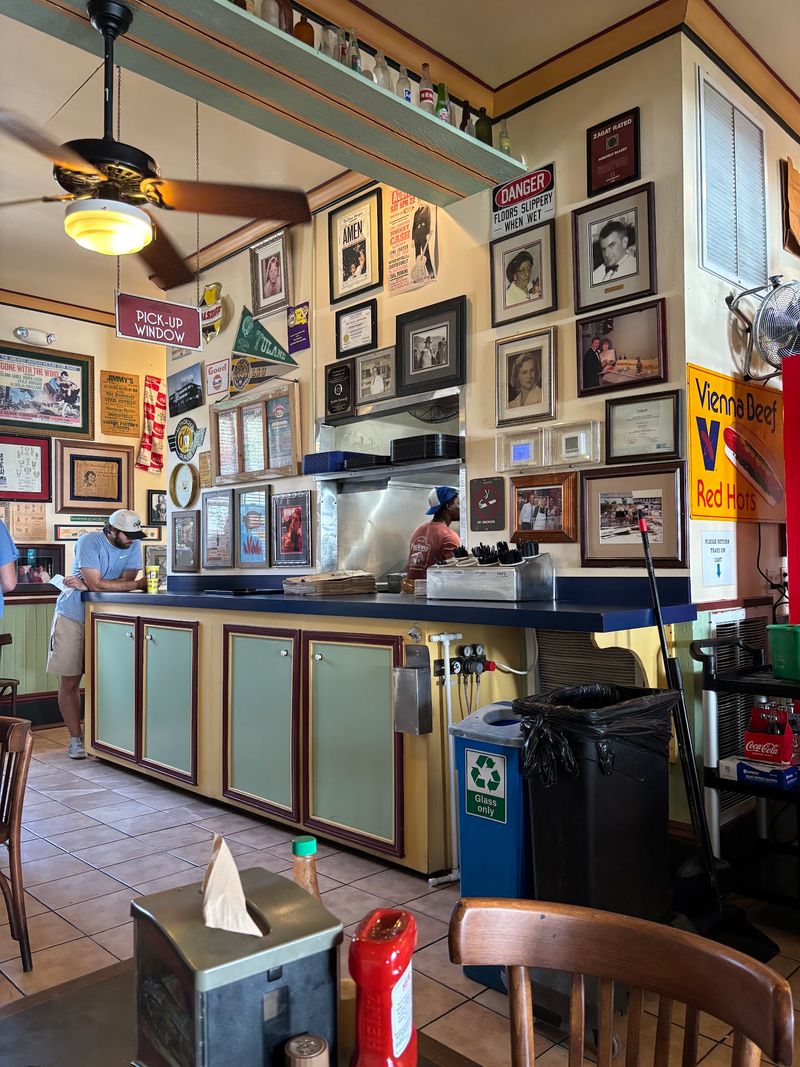
Long before po’ boys became a must-try New Orleans food for visitors, Parkway Bakery & Tavern was already part of the local picture. The business has been serving sandwiches since 1911, which gives it more than a menu to lean on.
It carries the kind of history that can only come from staying useful to a neighborhood for generations.
That long timeline matters because the po’ boy itself is tied to New Orleans history. The sandwich began in 1929 during a streetcar workers’ strike, and Parkway was connected to that working-class food culture of the era.
It also helped feed workers from the nearby American Can Company, linking the shop to the everyday labor story of the city.
Instead of feeling trapped in the past, the place seems to wear its age comfortably. Visitors often describe it as casual and unpretentious, which fits a restaurant that became important by doing a simple thing well over many decades.
A classic po’ boy already carries a sense of place, but at Parkway that connection feels stronger because the shop has stood alongside the city through changing times. Eating here is not a history lesson, yet the background gives each sandwich a little more meaning.
French bread as the foundation
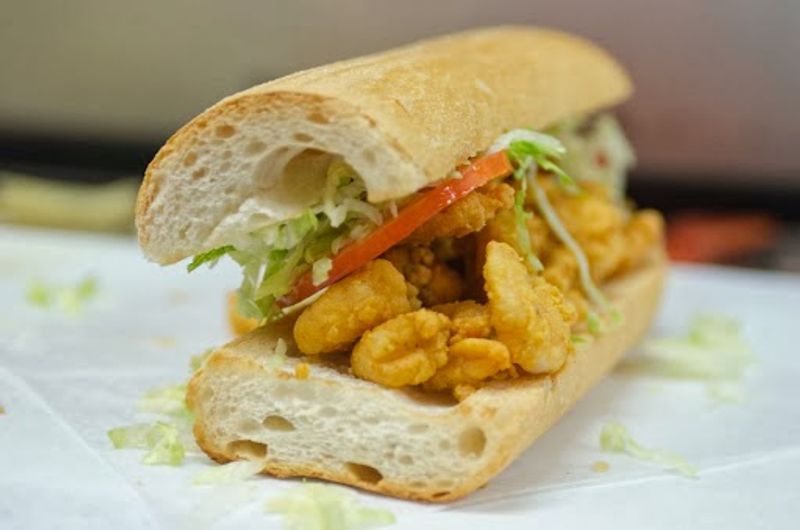
Ask enough people what separates an average po’ boy from a memorable one, and the conversation usually lands on the bread. At Parkway, that foundation gets a lot of attention for good reason.
Traditional Louisiana po’ boys are built on French bread with a crisp crust and a soft inside, and visitors regularly point to that balance as one of the shop’s biggest strengths.
Some describe the loaf as fluffy, others call it light and crusty, and a few mention that it tastes like a real French loaf rather than an afterthought built to hold fillings. That detail matters because a po’ boy has to do two jobs at once.
The bread needs enough structure to carry a heavy load, but it also has to give way easily when you bite in.
At Parkway, the loaf seems to frame the sandwich instead of fighting it. It supports fried seafood, roast beef, gravy, and all the extras without losing the soft, satisfying feel people want from the style.
Not every visitor agrees on every menu item, but bread is one area that comes up again and again. When the base is right, everything stacked inside has a better chance to shine.
Parkway clearly understands that part of the craft.
The dressed po’ boy tradition
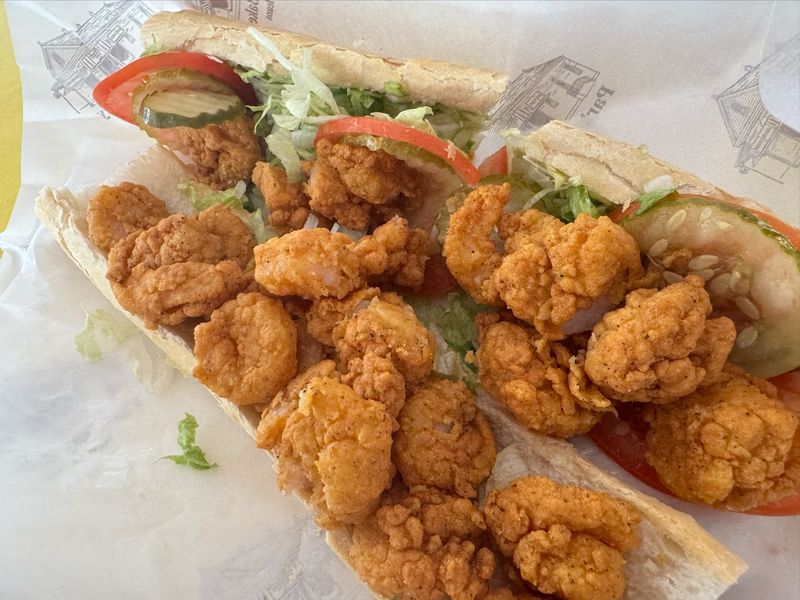
For anyone new to po’ boys, one small word unlocks a big part of the experience: dressed. Around Louisiana, a dressed po’ boy usually comes with shredded lettuce, sliced tomato, pickles, and mayonnaise.
Parkway follows that familiar pattern, and the result is more than decoration. Those toppings bring crunch, coolness, and just enough tang to balance the rich fillings inside.
Visitors often mention ordering their sandwiches fully dressed, especially on shrimp and roast beef selections. The combination turns a hearty sandwich into something layered and lively, where every bite feels a little different.
You get the warm filling, the chew of the bread, and then a fresh edge from the vegetables and pickles.
That balance helps explain why the po’ boy has lasted as a New Orleans favorite for so long. It is filling, yes, but it is not only about size.
A dressed sandwich carries contrast, which keeps it from feeling too heavy from start to finish. At Parkway, the toppings appear to be part of the identity rather than a box to check.
Even people who arrive unsure about po’ boys sometimes leave with a new opinion after trying one built the traditional way. That simple dressed style still does a lot of work.
Fried shrimp as the crowd favorite
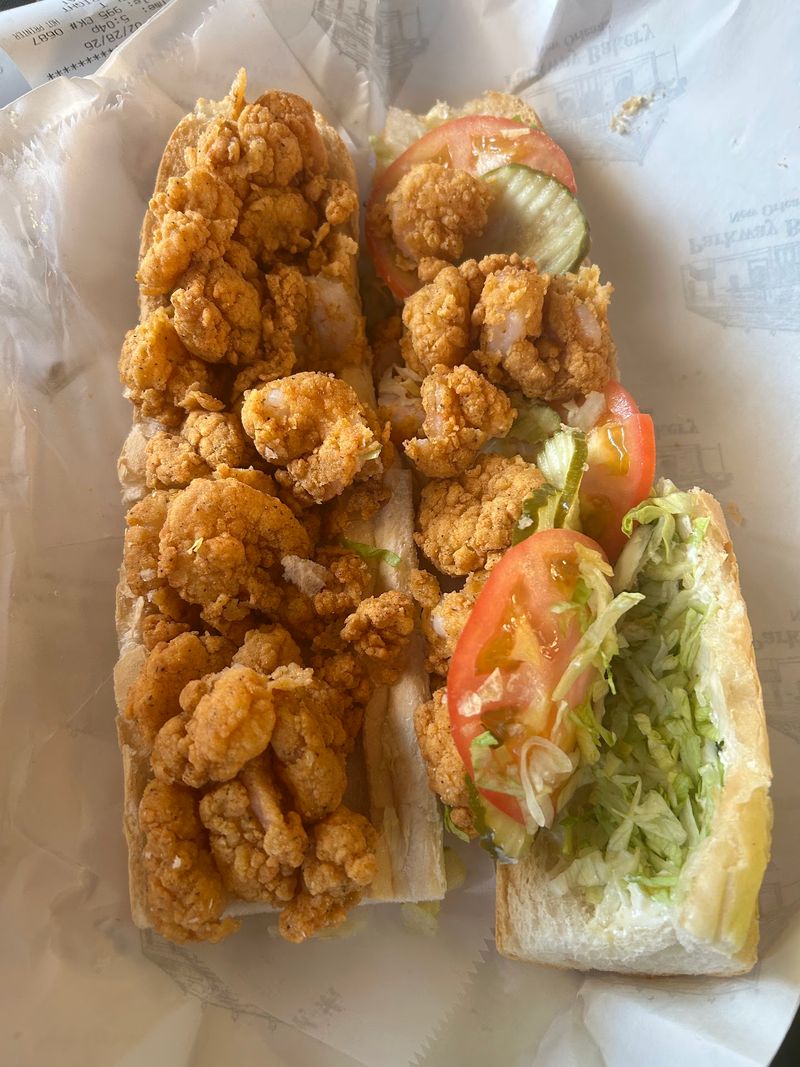
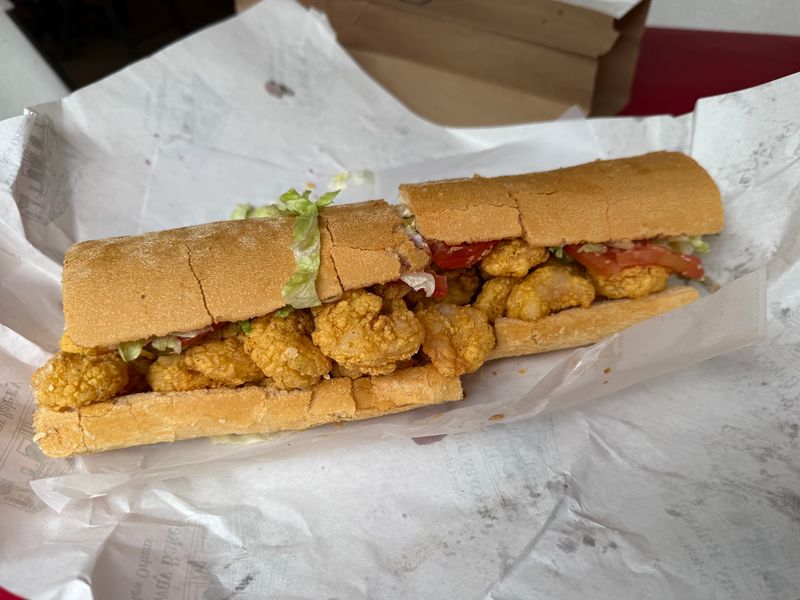
Nothing on the menu seems to win people over faster than the fried shrimp po’ boy. Time and again, visitors describe it as the standout order, especially for first-timers trying to decide where to begin.
The appeal sounds simple enough: plenty of shrimp, a crisp coating, and bread that holds everything together without getting in the way.
More than one guest points out how generously the shrimp are packed in, with some sandwiches practically overflowing. The shrimp are often described as fresh, tender, and lightly crisp rather than overly greasy, which helps the whole sandwich feel rich but not weighed down.
When ordered dressed, the lettuce, tomato, pickles, and mayonnaise round out the warm crunch with a cool, bright finish.
There is also a local ingredient angle that adds to the draw. Reviews note that Parkway uses Gulf shrimp, and regulars mention the portion size helps explain the price.
People who do not eat seafood often still seem impressed by how clean and fresh the shrimp taste here. If someone asked for the one sandwich most likely to explain the place’s reputation in a single bite, the fried shrimp po’ boy would be the safest answer.
It is classic, satisfying, and widely treated as a must-order.
Roast beef richness and gravy-soaked appeal
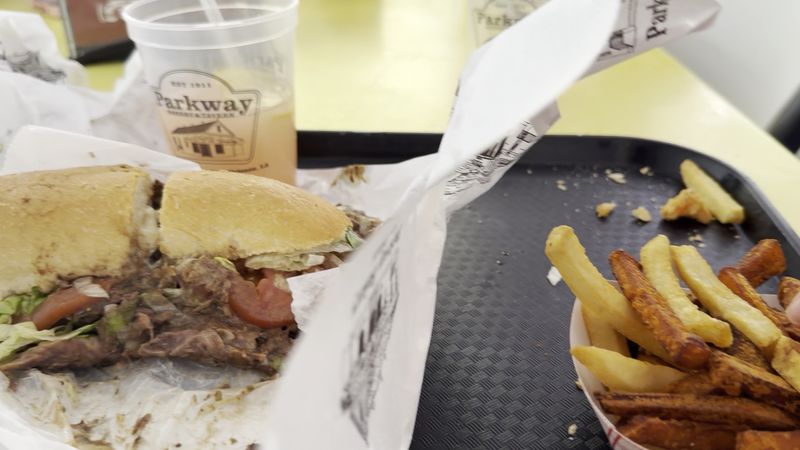
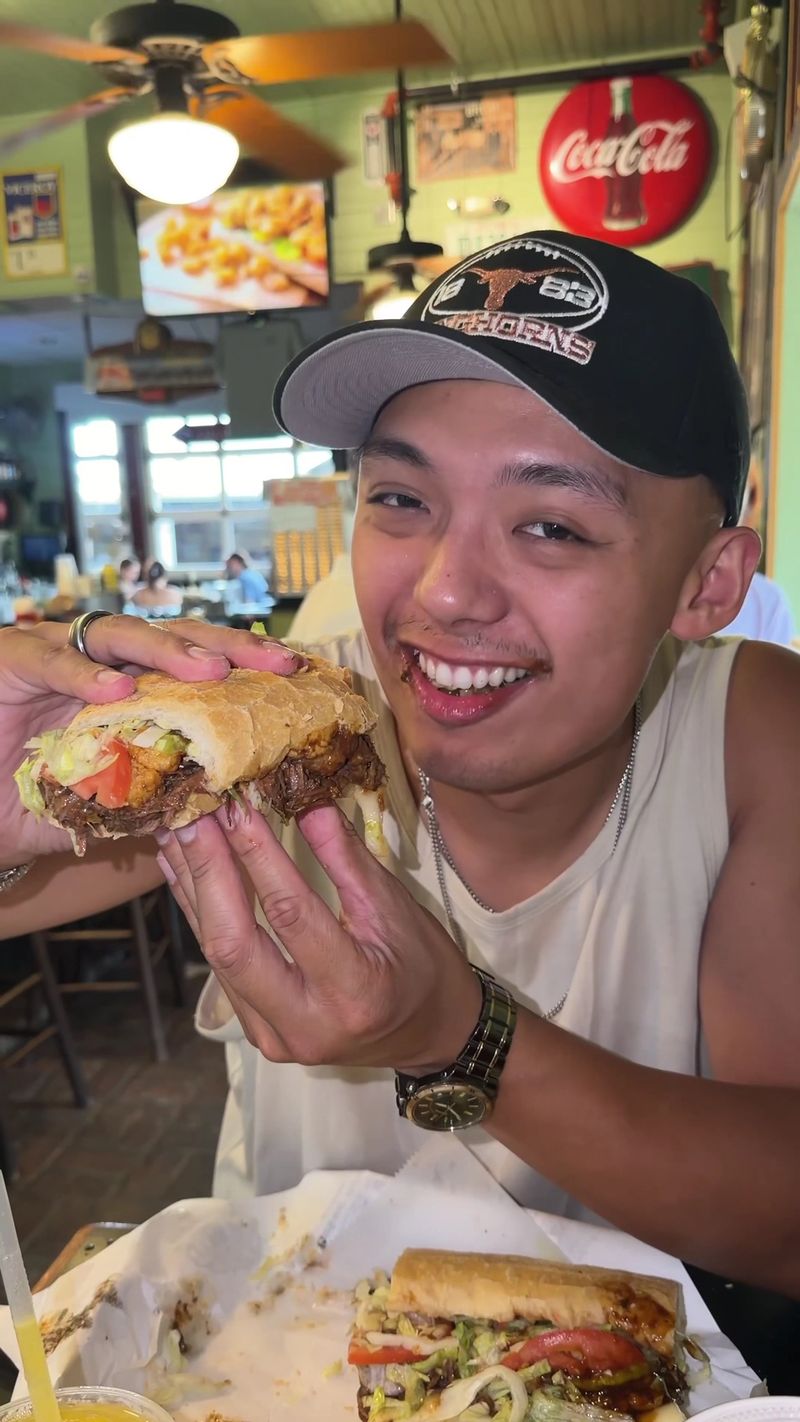
Some sandwiches ask you to stay neat, and a roast beef po’ boy is not one of them. Parkway’s roast beef version comes up often as a hearty, gravy-rich option that leans into comfort.
Visitors describe the beef as tender and flavorful, with the kind of soft, messy texture that makes extra napkins part of the meal.
On its own, the roast beef already fits the classic New Orleans idea of a filling lunch. Dressed toppings can cut through the richness a bit, while the bread keeps the sandwich from turning into a complete free-for-all.
Even so, this is clearly one of the menu choices people remember for its abundance and its willingness to spill over the edges.
Not every guest ranks it above the fried shrimp version, but plenty still call it solid, satisfying, and worth trying. Some who order a large say it is more than they can finish in one sitting, which tells you something about both the portion and the weight of the filling.
If the shrimp po’ boy shows Parkway at its crispest, the roast beef po’ boy shows the shop’s softer, more comfort-driven side. It is a sandwich for people who want a classic that feels warm, familiar, and a little gloriously unruly.
Big combinations and menu range
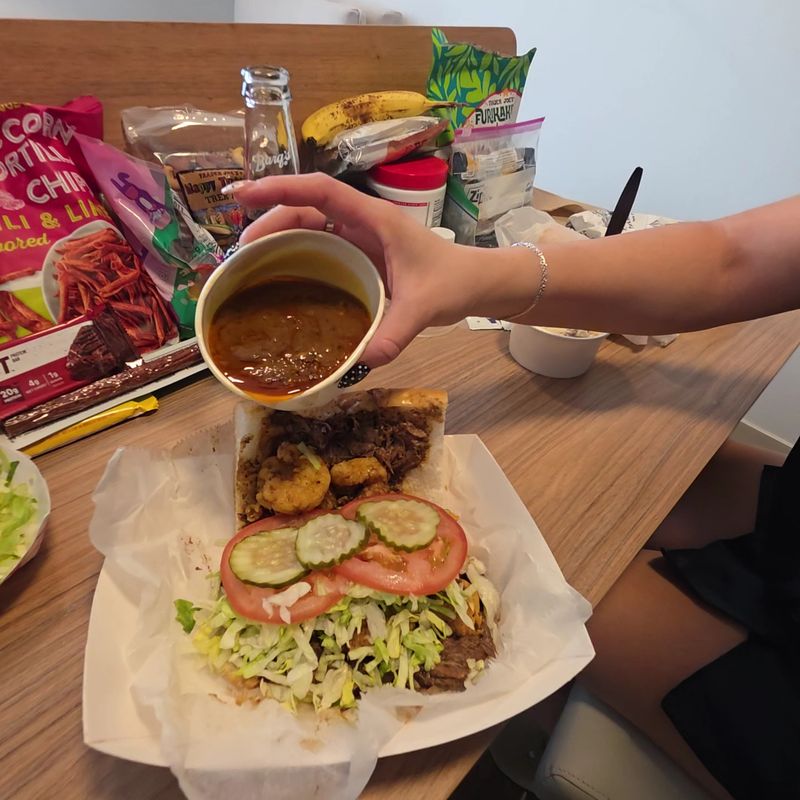
One reason Parkway stays interesting beyond a first visit is the range of po’ boys on offer. The shop serves about 25 variations, which means the menu reaches well past the basic decision between shrimp and roast beef.
That variety lets diners keep one foot in tradition while trying combinations that feel bigger, richer, or more playful.
Several specialty sandwiches show up again and again in visitor comments. The Parkway Surf & Turf mixes slow-cooked roast beef with Gulf shrimp and gravy for a loaded, extra-hearty meal.
The James Brown and James Dean also get enthusiastic mentions from people who wanted something memorable and came away impressed by just how full and messy the sandwiches were.
Other options like catfish, oyster po’ boys on certain days, smoked sausage, and Creole BBQ shrimp add even more room to explore. Not every item lands the same way for every person, which is normal on a wide menu, but the overall impression is that Parkway gives repeat visitors reasons to come back with a different plan each time.
That range matters because it keeps the restaurant from being locked into a single signature order. You can visit for the classic experience, then return later for a bigger swing and still feel like you are eating within the po’ boy tradition.
The 1929 potato po’ boy link
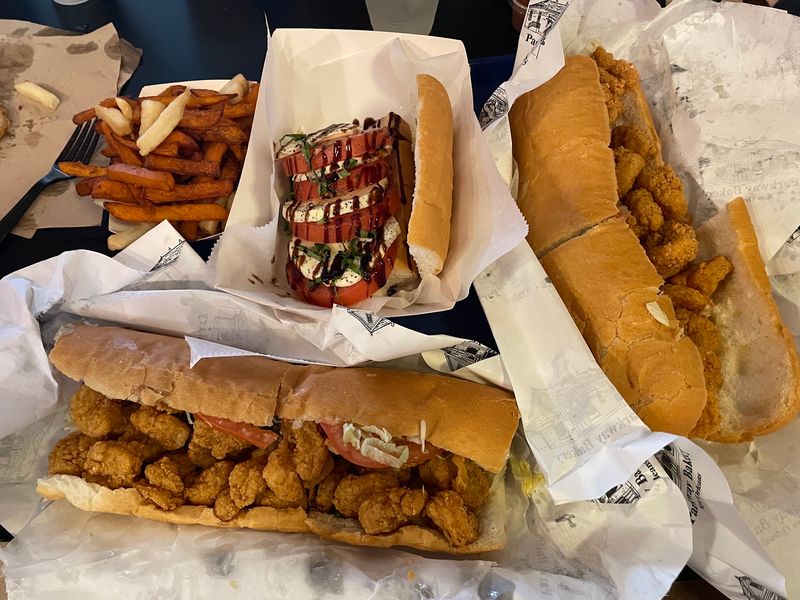
History shows up on Parkway’s menu in a way that is easy to taste. The 1929 Potato Po-Boy nods to the sandwich’s origins, recalling the Martin Brothers style of using French fries smothered in gravy on bread.
It is not just an unusual order for curious eaters. It is a reminder that the po’ boy began as practical, filling food meant to feed working people.
That idea gives the sandwich a different kind of charm. Instead of focusing on seafood or roast beef, the potato version highlights the humble roots of the form itself.
A simple starch-on-starch combination might sound plain on paper, yet it carries the spirit of thrift, comfort, and ingenuity that shaped New Orleans food traditions.
Even for diners who end up choosing shrimp or roast beef, the presence of the 1929 sandwich says something important about Parkway. The restaurant does not just sell a famous local item.
It also keeps one eye on where that item came from and why it mattered in the first place. In a city where food stories and family stories often overlap, that kind of menu choice feels especially fitting.
The potato po’ boy may not be the most famous order in the house, but it gives Parkway extra depth and personality.
Sides, sweets, and the fuller meal
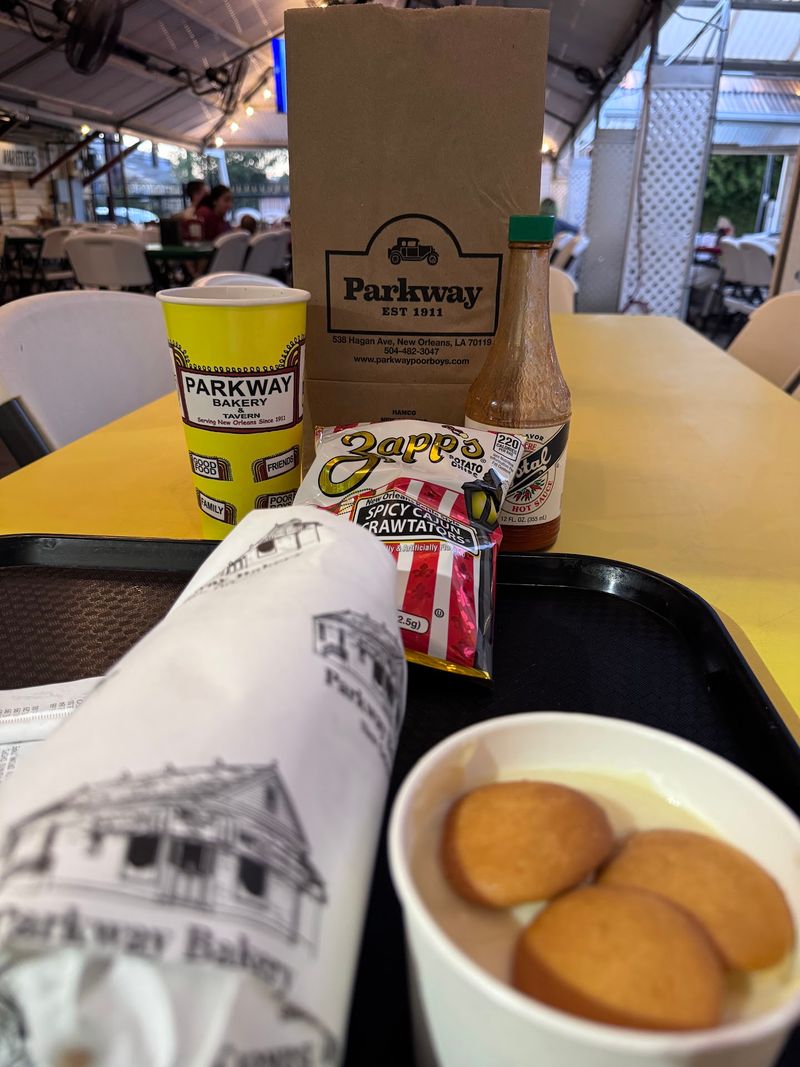
A strong po’ boy may be the headliner, but Parkway gives people a few good reasons to look around the rest of the menu too. Fried pickles get a lot of notice, with some visitors calling them a standout side.
Fries, sweet potato fries, potato salad, jambalaya, bread pudding, and banana pudding also show up often enough to suggest that many meals here grow beyond a sandwich alone.
The comments on sides are a little more mixed than the near-consensus around the shrimp po’ boy, which actually helps paint a realistic picture. Some people love the fried pickles and desserts, while others are more selective about fries or sauces.
Still, the larger point holds: Parkway can turn lunch into something fuller, especially if you are sharing with someone or arriving very hungry.
Desserts seem to offer a lighter finish after all that bread and filling. Banana pudding and bread pudding are both mentioned by visitors who wanted something sweet at the end.
On the savory side, a bowl or scoop of jambalaya adds another Louisiana note, even if not everyone places it among the top reasons to visit. The best strategy may be to center the meal on the po’ boy, then add one or two extras for the fun of it.
A relaxed hangout with room to settle in
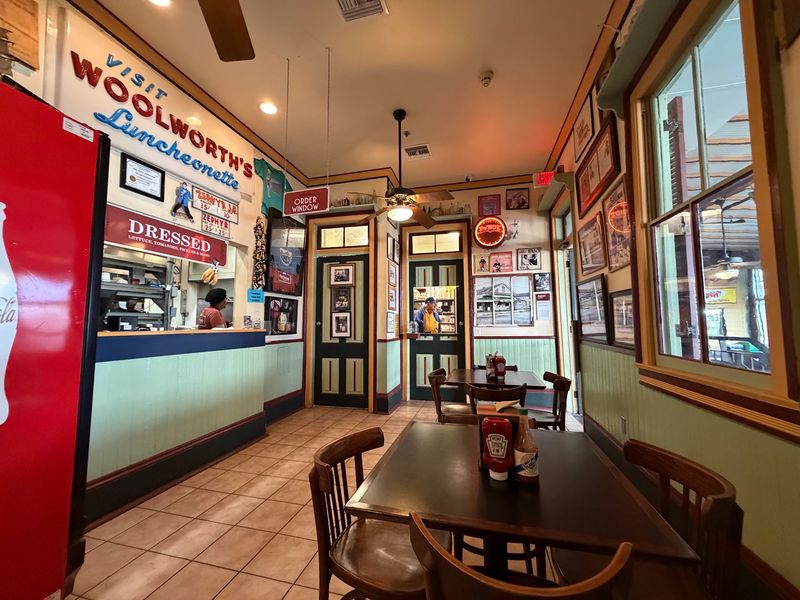
Atmosphere can be hard to measure, but Parkway seems to make a clear impression on people who eat there. Visitors often describe the place as casual, welcoming, and unpretentious, which fits a longtime neighborhood spot more than a polished showpiece.
The setting seems to encourage people to relax, eat with both hands, and not worry too much about looking tidy.
Seating options help with that mood. Reports mention indoor dining, a covered overhang, an outdoor patio, and upstairs seating known as Jay’s Place.
Outdoor seating is popular enough to be one of the more frequently discussed topics, and some guests note there is plenty of room depending on the timing of your visit.
Parkway suits a wide range of diners because it can work as a first po’ boy stop, a return favorite for locals, or a laid-back meal during a sightseeing day. Families, solo travelers, and groups all seem able to make it work.
A few practical details come through as well: summer heat can make outside seating feel intense, while cooler weather may be easier to enjoy. Overall, the vibe sounds like part of the appeal, not just a background feature.
People come for the sandwiches, but the neighborhood feel helps explain why the experience lingers after lunch ends.
Lines, service, and the rhythm of a busy stop
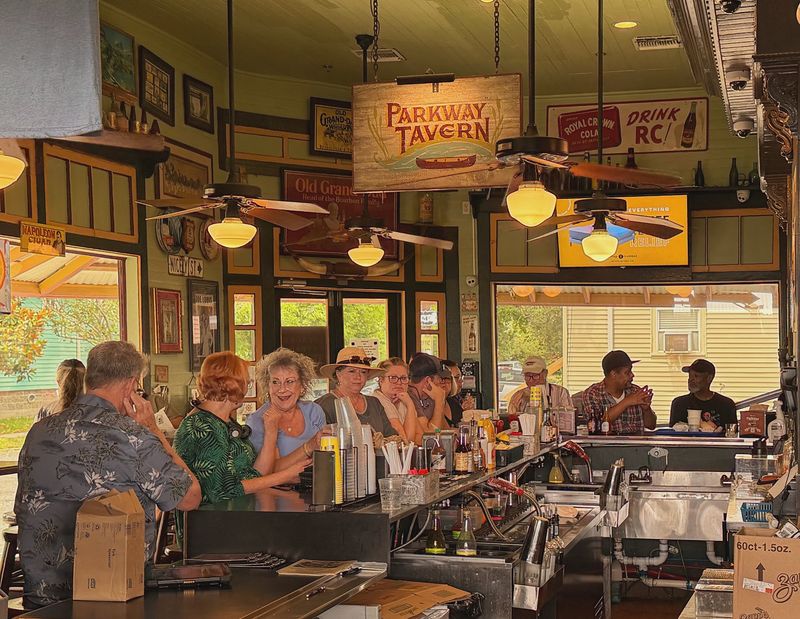
Popularity has a tradeoff, and at Parkway that often means a line. Many visitors mention waiting, sometimes outside and sometimes for quite a while, especially on weekends or around the middle of the day.
Yet just as often, people add that the line moved faster than expected or that the food justified the delay once they finally sat down.
Service seems to help smooth the busy rhythm. Guests regularly describe the staff as friendly, efficient, and helpful, whether they were ordering at the counter, asking for pickup help, or simply needing a little patience during a rush.
A few practical quirks come up too, like crowded pickup space or the occasional missed side item, but the stronger pattern is that the team keeps things moving under pressure.
Timing clearly changes the experience. Some diners report almost no wait when arriving before 11 AM, while others ran into long lines even in midafternoon.
Ordering online or calling ahead is mentioned as a smart move for people who want to cut down on standing around. In other words, Parkway is busy because many people want the same lunch you do.
If you plan for that reality instead of fighting it, the visit sounds a lot easier and more enjoyable.
Practical timing, portions, and getting there
Planning ahead goes a long way at Parkway, mostly because the sandwiches are bigger and the crowds are busier than some first-time visitors expect. The shop is open Wednesday through Sunday from 10 AM to 6 PM and closed Monday and Tuesday.
That schedule makes it more of a daytime destination than a late meal stop, so lunch planning matters.
Portion size is one of the most consistent themes in visitor feedback. Regulars and newcomers alike say the po’ boys are generous, filling, and sometimes large enough to share, especially if you add fries or dessert.
Some people choose smaller sizes because they want room to try more than one place in a day, while others happily commit to the full, napkin-heavy experience.
Getting there seems manageable even without a car. Visitors mention using the streetcar from the French Quarter, riding the bus, taking rideshare, and using pickup options when needed.
Separate food and pickup rhythms can make things easier if the line is long. As for prices, the only specific cost mentioned in the available information is a three-dollar charge for sauce on the side, so it is safest not to assume too much beyond that.
What is clear is that Parkway rewards people who arrive with time, appetite, and a little flexibility.
A po’ boy stop that earns the detour
After sorting through the history, the bread, the shrimp, the gravy, the lines, and the patio seating, one idea rises to the top. Parkway Bakery & Tavern feels like the kind of place people picture when they imagine making a small detour for one memorable meal.
It does not sound flawless in every tiny detail, but it consistently delivers what matters most in a classic po’ boy stop.
The strongest reasons are easy to trace. There is the long New Orleans story behind the business, the dependable popularity of the fried shrimp po’ boy, the comfort of the roast beef, and the sense that portions are generous rather than stingy.
Add the traditional dressed format and the well-liked bread, and the sandwich starts to feel less like a quick lunch and more like a local food marker.
Parkway seems especially well suited to travelers who want one place that explains a larger food tradition without feeling staged. It also works for repeat visitors who already know what they are chasing and do not mind a wait to get it.
If your trip includes room for a single po’ boy destination, this one makes a convincing case. A sandwich worth traveling for sounds like a bold claim, but here it appears to be a fair one.