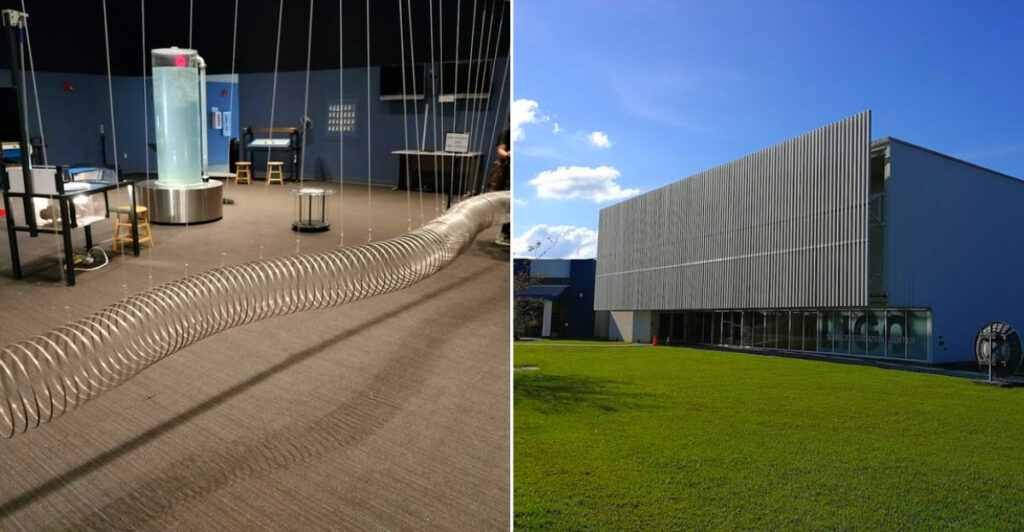
Buried in a loblolly pine forest an hour northwest of Baton Rouge sits a building that looks unremarkable from the outside yet holds one of the most astonishing scientific instruments on the planet.
LIGO detected something in 2015 that humanity had never experienced: the sound of two black holes colliding a billion light-years away.
At the on-site Science Education Center, visitors can hear that collision for themselves, a low, resonant chirp that rises and fades in a quarter second, representing a cosmic cataclysm so violent it bent the fabric of spacetime itself.
Interactive exhibits break down gravitational waves into concepts a curious ten-year-old can grasp, while leaving adults staring at the ceiling in quiet awe. Science Saturdays bring the facility to life with hands-on demonstrations and tours of the detector’s two-and-a-half-mile arms.
A Louisiana science center like LIGO proves the universe’s wildest secrets are not hiding in some distant galaxy, they are echoing right here at home.
Arrive For Science Saturday
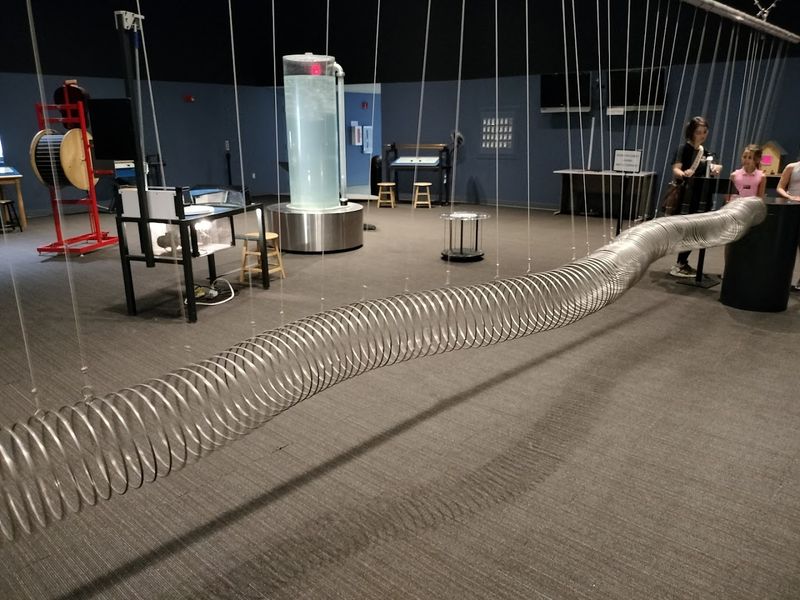
The first sensory impression inside the center is a quiet hum of curiosity rather than noise. People gather around hands-on exhibits, leaning in to touch models that make abstract physics feel approachable and oddly intimate.
Science Saturday mornings are structured but relaxed, with guided tours every 30 to 60 minutes and volunteer hosts who explain how detectors convert tiny spacetime ripples into audible chirps. I recommend arriving early to catch the tour that best fits your pace and to secure a spot for demonstrations that fill quickly.
Comfortable shoes matter because the space encourages exploration and moving between displays, and plan for about ninety minutes to experience the highlights without rushing.
Space Science At The End Of A Pine Road
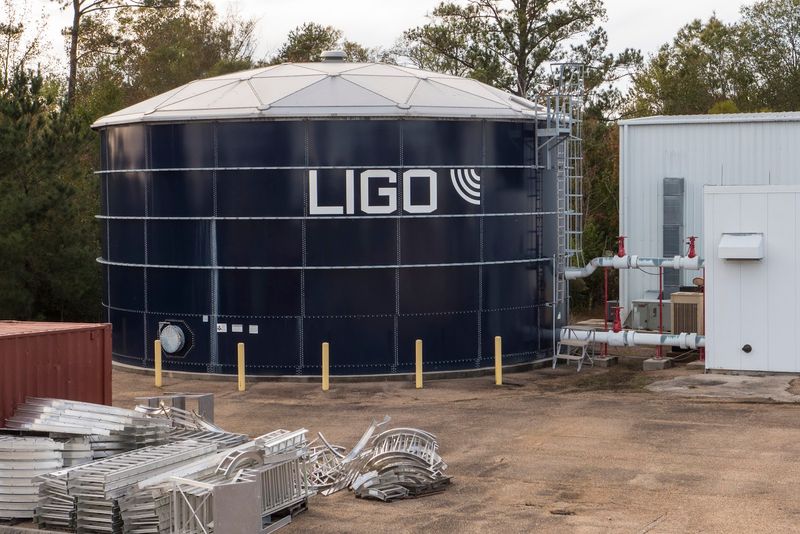
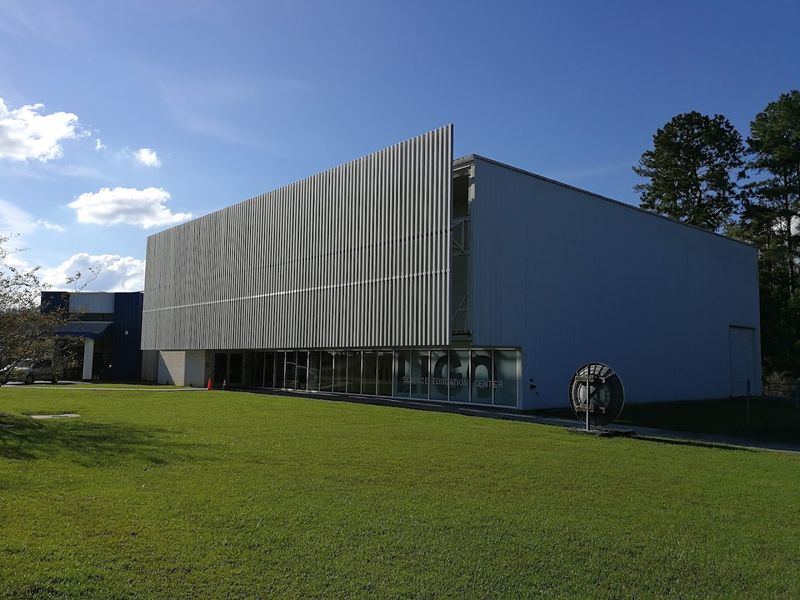
LIGO Science Education Center makes the drive into Livingston feel less like a school-field-trip stop and more like you accidentally found one of the universe’s listening posts in the Louisiana woods. The site is home to one of LIGO’s two gravitational wave detectors.
You’ll find it at 19100 Ligo Ln, Livingston, LA 70754, the physical address listed for LIGO Livingston.
Arrive with your curiosity awake.
Once you reach the facility, the quiet forest setting makes the science feel even stranger: somewhere out here, machines are listening for ripples from black holes, neutron stars, and deep cosmic trouble.
Explore The Wave Wall
The Wave Wall is the facility’s flagship interactive, a tactile display that lets you manipulate wave patterns and see interference in action. Visitors of all ages cluster here, experimenting with ripple generators and watching how simple inputs create complex patterns that mirror the real science behind LIGO.
Exhibits break down interference, phase shifts, and amplitude visually, often using water or light analogies to frame gravitational waves in familiar terms. A docent-guided demo I watched connected the hands-on activity directly to the interferometer’s working principle with clarity and patience.
Spending time at this exhibit is essential because it builds a mental model that makes later explanations about detectors and signals much easier to grasp during the tour or control-room overview.
Join A Guided Tour
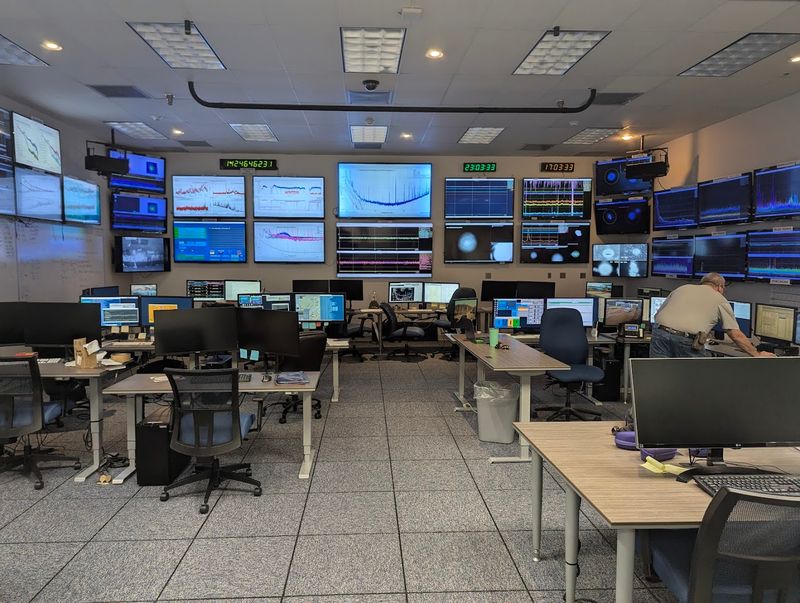
A guided tour changes the visit from self-directed exploration to an orchestrated narrative that links exhibits and real research. Guides, often scientists or trained interpreters, thread historical context with current discoveries, including clear explanations of how interferometers detect spacetime ripples.
The tour may include a peek into a control room and, when conditions allow, a vantage point toward one of the long arms outdoors. I found that these stops knit the abstract to the concrete, and the chance to ask questions in real time deepened appreciation for both the engineering and the subtlety of the measurements.
Reserve time during Science Saturday to join the next tour and match it to your preferred depth of detail; tours fill by midmorning.
Wear Comfortable Shoes
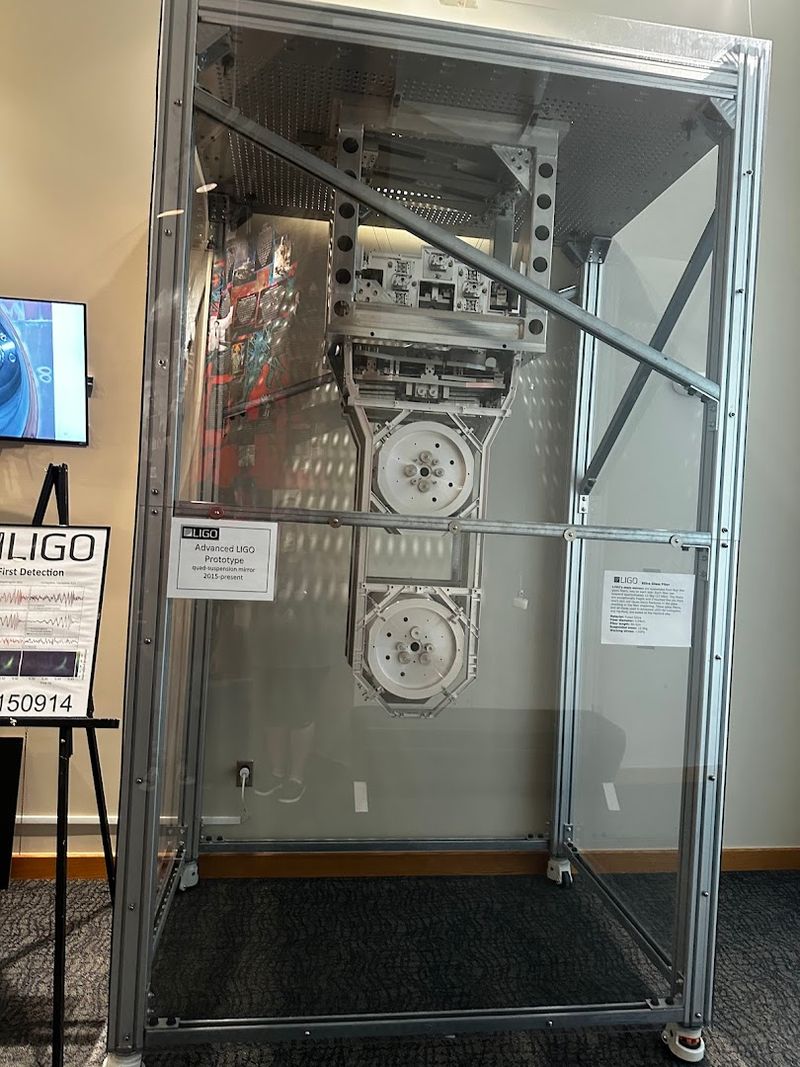
The center’s layout invites movement: exhibits stretch across rooms and stations require walking, leaning, and standing to engage with hands-on displays. Practical footwear means you keep your focus on learning rather than sore feet, and comfortable walking shoes let you follow a tour without checking the time constantly.
People typically spend around ninety minutes exploring, so shoes also matter if you plan to step outside briefly to view an interferometer arm or to inspect exterior installations up close. My advice is to treat this like a light museum walk rather than a brief pit stop.
Small comforts, like breathable fabrics and a light jacket for temperature changes between indoor and outdoor spots, make the visit smoother and more enjoyable.
Plan For No On-Site Food
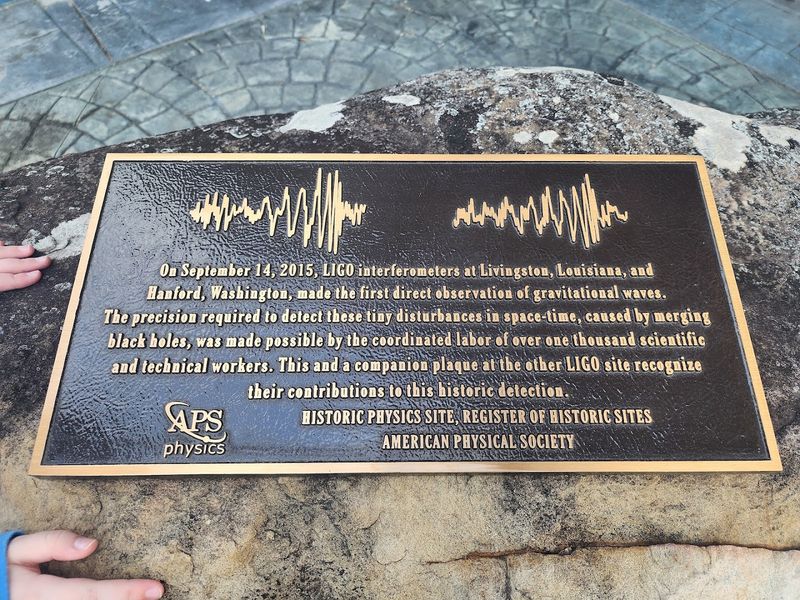
There are no food facilities on site, so plan accordingly if you expect to wander through exhibits with children or a group. The nearest dining options are a ten to fifteen minute drive away, which makes it easy to schedule a meal before or after your visit rather than during a tight Science Saturday window.
Bringing sealed water bottles is sensible, but be mindful of exhibit rules about open containers near sensitive displays. When I visited, a quick post-visit drive to a nearby cafe felt like the natural way to decompress and swap impressions of the chirps and demonstrations.
Scheduling a break after your ninety-minute visit gives you time to reflect without rushing toward the next obligation in your day.
Ask About School And Teacher Programs
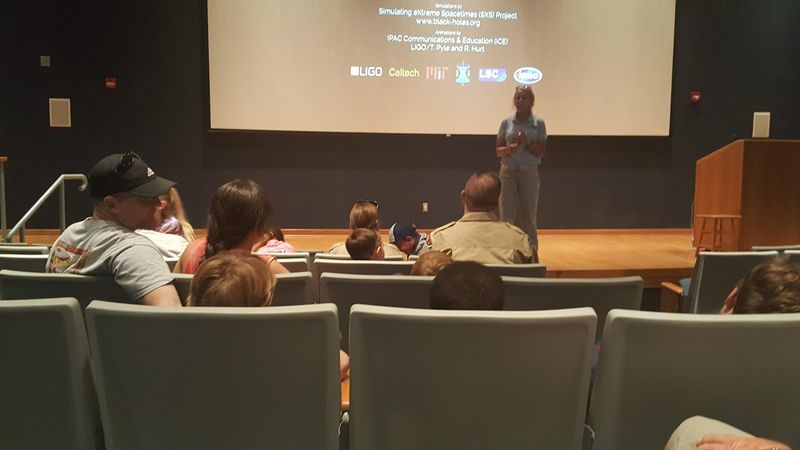
The LIGO-SEC prioritizes education with free field trips, homeschool tours, and teacher workshops that align with STEM curricula. These programs are designed to translate complex physics into classroom-ready lessons, and local educators often use center resources to enrich units on waves, light, and gravity.
When I spoke with staff, they emphasized the center’s outreach mission and willingness to tailor visits for school groups, including hands-on activities and structured lesson plans. Booking ahead ensures that your group gets guided experiences rather than self-guided browsing.
If you are an educator, reach out to schedule a workshop or ask for materials that can extend the center’s demonstrations back into your classroom practice.
View The Interferometer Arms When Possible
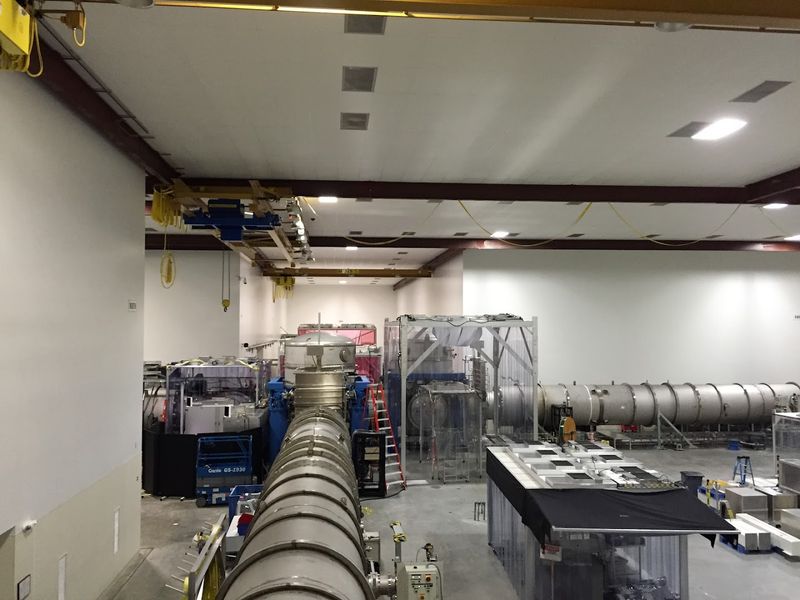
When weather and operations permit, seeing the interferometer arm is an arresting reminder of scale: four kilometers of precision measurement stretched across the landscape. The arm itself is less a spectacle than a testament to patient engineering, with fences, access paths, and technical enclosures marking a scientific footprint on the terrain.
Guides explain why the arms must be isolated from noise and how environmental monitoring supports measurements. I found stepping outdoors to view the structure brought a new appreciation for the quiet care required to detect minuscule spacetime distortions.
Check with staff the day of your visit about arm visibility and any access constraints before expecting an outdoor component to your tour.
Talk To The Docents
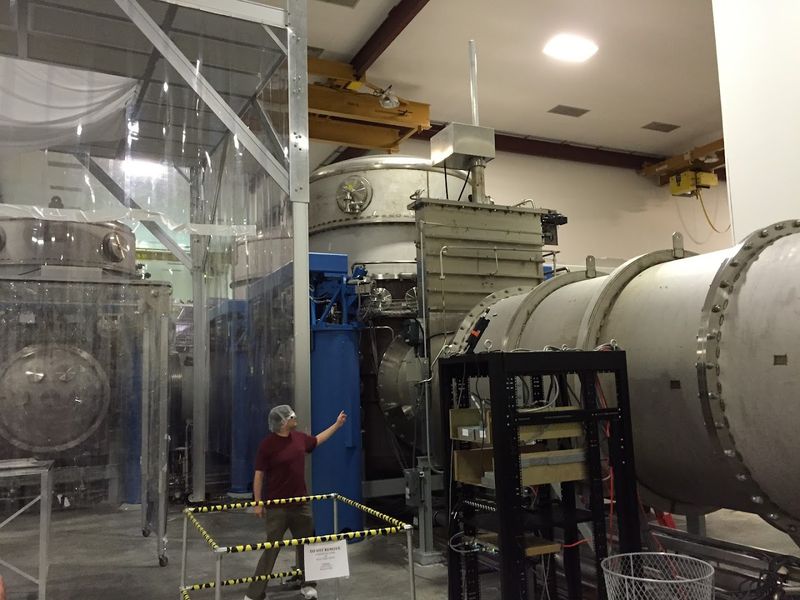
Docents and volunteer guides are often the best source of nuanced, up-to-date information about exhibits and current science at LIGO. Their explanations translate technical jargon into digestible stories about detection techniques, signal processing, and the human effort behind discoveries.
When curiosity struck, I asked about noise mitigation and was rewarded with concrete examples of how small vibrations are monitored and compensated for during observations. These conversations reveal the labor and ingenuity behind the displays in ways that signage alone cannot convey.
Make space to ask questions during a tour or after a demo; these personal interactions often leave the clearest impressions of how the center connects people to active research.
Time Your Visit For Demonstrations
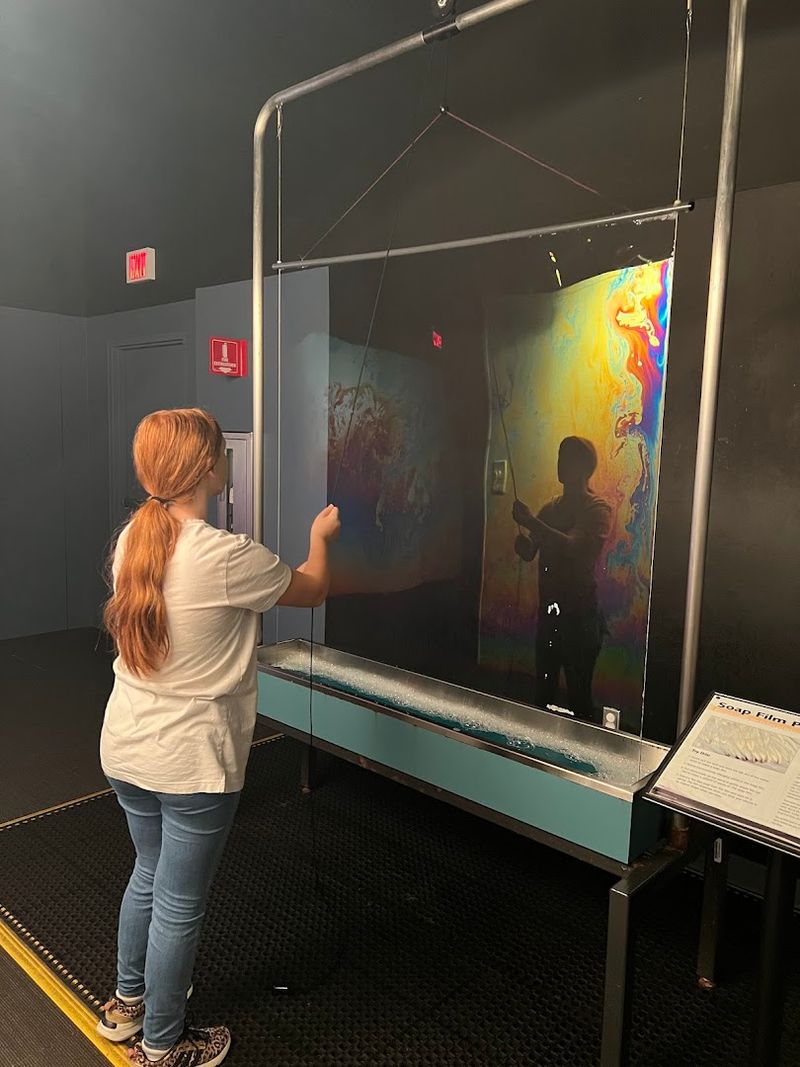
Some exhibits come alive with scheduled demonstrations that clarify concepts like interference, resonance, and signal filtering, so planning your visit around demo times enhances understanding. Demonstrations condense tricky ideas into visual or auditory moments that anchor later reading or discussion around the exhibit panels.
On my visit, a mid-morning interference demo unlocked the logic behind the Wave Wall and later made the chirp playback emotionally coherent. Try to align your arrival with a guided demo and allow time afterward to revisit exhibits with that new insight.
Check the center’s schedule online before you go and ask staff upon arrival for the day’s demonstration calendar so you can match your tour route to live presentations.
Bring Young Curious Minds
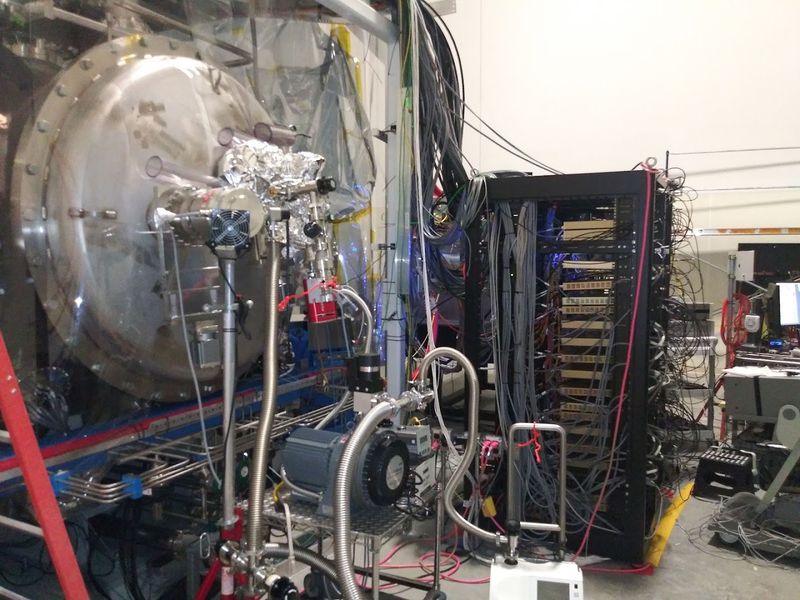
The center is expressly family-friendly with interactive stations that invite tactile learning, making it an ideal stop for inquisitive kids and teens. Exhibits break down complex topics into manipulable activities, allowing younger visitors to experiment with waves, light, and simple interferometry analogies without losing scientific accuracy.
During family visits, I noticed that children often lead exploration, asking sharp questions that prompt deeper explanations from guides and parents alike. That energy creates a productive learning loop, where simple experiments spark curiosity about larger cosmic phenomena.
Plan for hands-on engagement rather than passive observation, and encourage children to try exhibits themselves to build intuitive understanding of the science on display.
Respect Operational Constraints
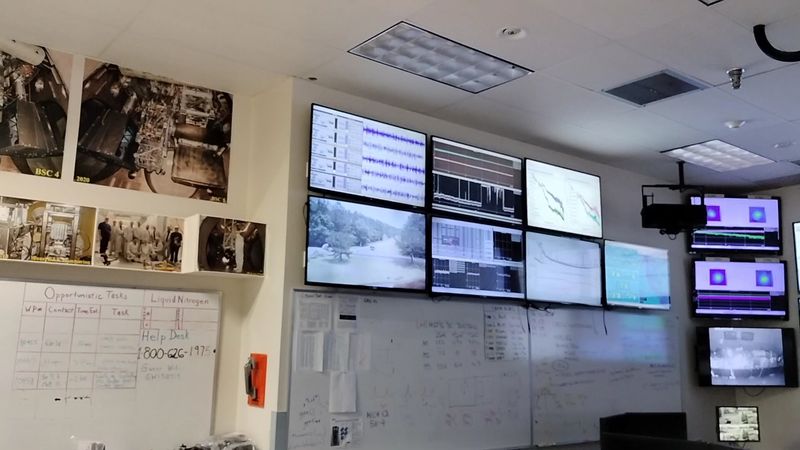
LIGO operates with strict protocols to protect sensitive instruments, so visitor access is curated and sometimes limited by operational needs or weather. Certain areas, especially near the interferometer and control infrastructure, require restricted access, and tours are designed to balance public outreach with the imperative to minimize disturbances.
During my visit, staff explained how environmental monitoring and scheduling prevent unnecessary noise and interference during experiments. Observing these constraints felt reassuring; it underscores the seriousness of the measurements and the careful stewardship required for successful detection.
Be prepared to follow posted rules, accept guided access limitations, and appreciate that these measures preserve the integrity of research you are there to learn about.