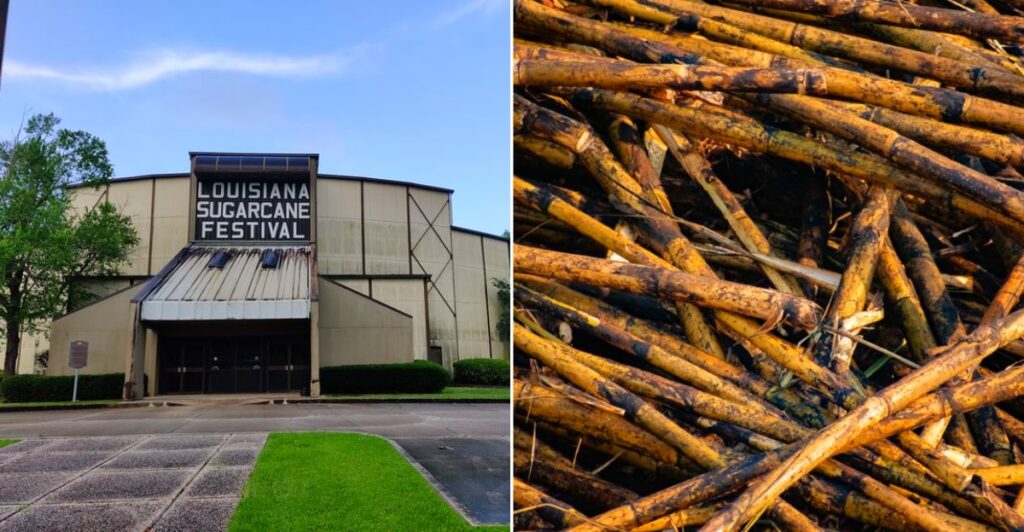
September in south Louisiana has its own kind of sweetness, and this four-day celebration turns downtown streets into a lively mix of parades, music, rides, food, and cane-country pride.
The atmosphere is cheerful enough for families, but the story behind it reaches far beyond funnel cakes and carnival lights.
Since 1937, the festival has honored the sugar industry that helped shape local farms, businesses, and generations of community life.
Parades, Louisiana food, live music, carnival rides, and sugar cane traditions make this one of the state’s most colorful September festivals.
What I like most is how easily history and fun share the same block. One moment you are watching a parade roll past; the next, you are surrounded by the smells of festival food and the hum of rides.
Beneath all that noise sits a genuine agricultural tradition, which gives the weekend more flavor than the average street fair.
Arrive Early For The Parades
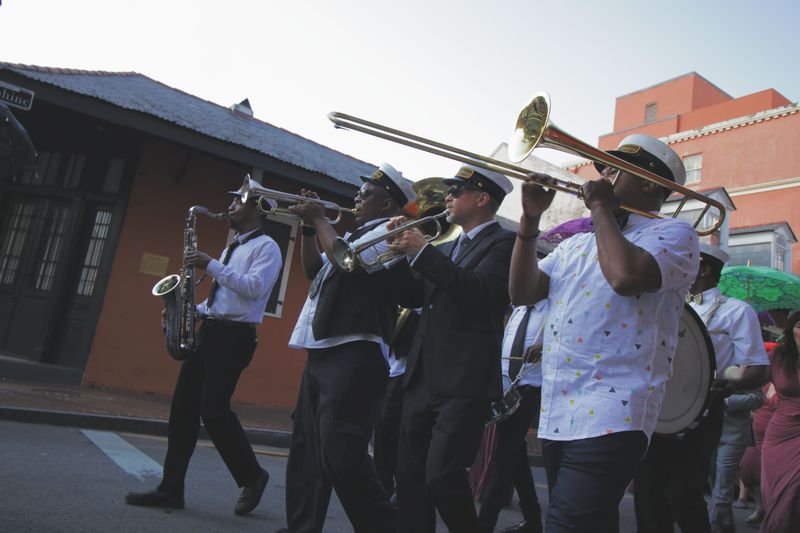
Parade days reward people who show up early, and not just for a better view. Streets around Bouligny Plaza fill steadily, and once chairs, strollers, and excited kids settle in, moving through the crowd can feel like swimming upstream in boots.
The festival is known for several parades, including the Children’s Parade, the Tractor Parade, and the Royalty Parade. Each one carries a different mood, from playful energy to farm pride to full pageantry, so choosing your spot ahead of time gives you room to enjoy the details.
Bring water, wear comfortable shoes, and claim a place with a little shade if you can. Early arrival also lets you notice downtown’s older buildings and local storefronts before the route turns into a cheerful blur of wheels, music, waving hands, and noise.
Downtown New Iberia Turns Into Sugar Country
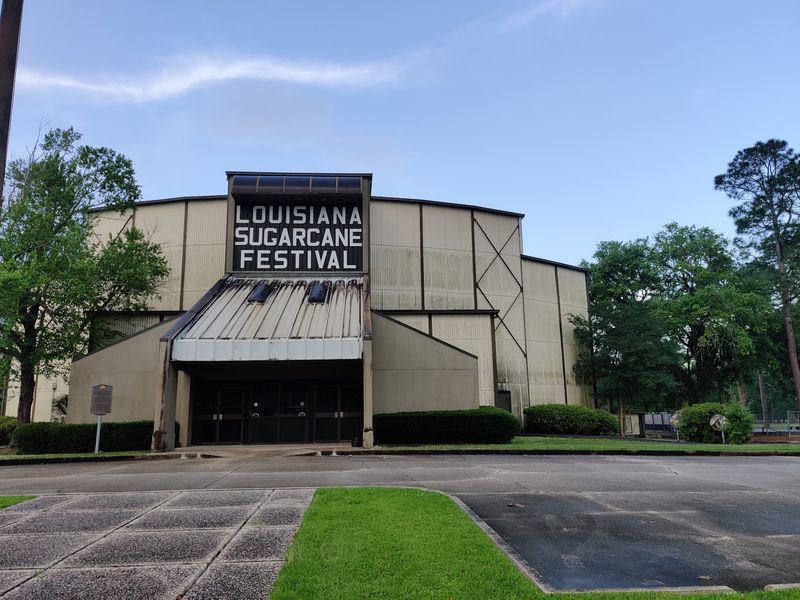
Louisiana Sugar Cane Festival & Fair centers on Bouligny Plaza at 102 W Main Street in downtown New Iberia, Louisiana. Main Street puts you directly beside the festival core, with additional events and entertainment spreading through the surrounding downtown blocks.
The 2026 festival runs September 24 through 27, and parts of Main Street and the Bouligny Plaza area close for festivities and parades. Expect heavier traffic as you approach downtown and follow festival signs or police directions rather than counting on your usual route through Main Street.
Parking is free along available streets and side streets in historic downtown New Iberia, but spaces closest to Bouligny Plaza disappear as crowds build. Park outside the closed festival blocks, then finish the approach on foot toward Main Street and the plaza.
Watch For The Tractor Parade
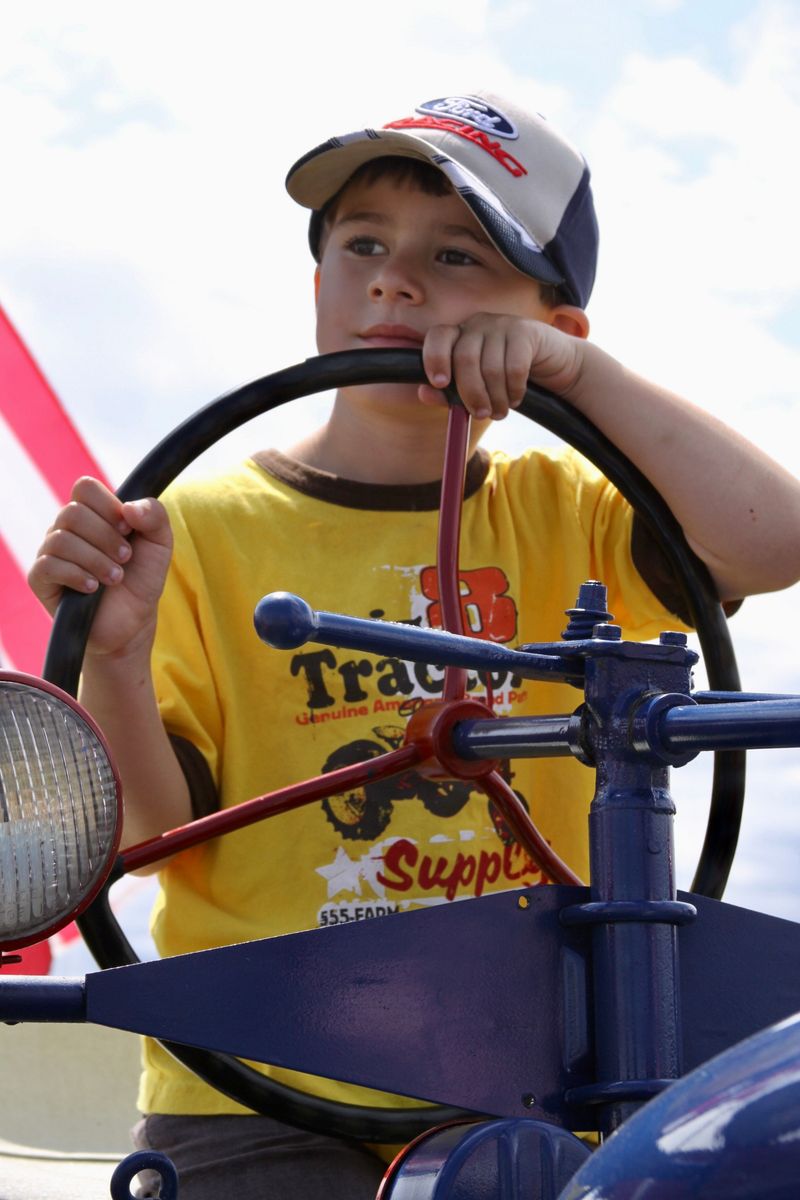
Nothing says sugar country quite like a line of tractors rumbling through town. The Tractor Parade is one of the festival’s most distinctive sights, and it tells the story of cane farming in a way that feels direct, noisy, and wonderfully unpolished.
Older equipment and newer machines can appear side by side, turning the street into a moving lesson on how agriculture shapes everyday life here. Kids usually notice the size first, but adults tend to catch the deeper point: this celebration is tied to real work, real fields, and a long harvest tradition.
Stand where you can see the full width of the road, because some of the appeal is scale. You are not just watching machines pass by.
You are seeing the tools behind an industry that still supports many Louisiana communities today during harvest season.
Make Time For The Blessing Of The Crop
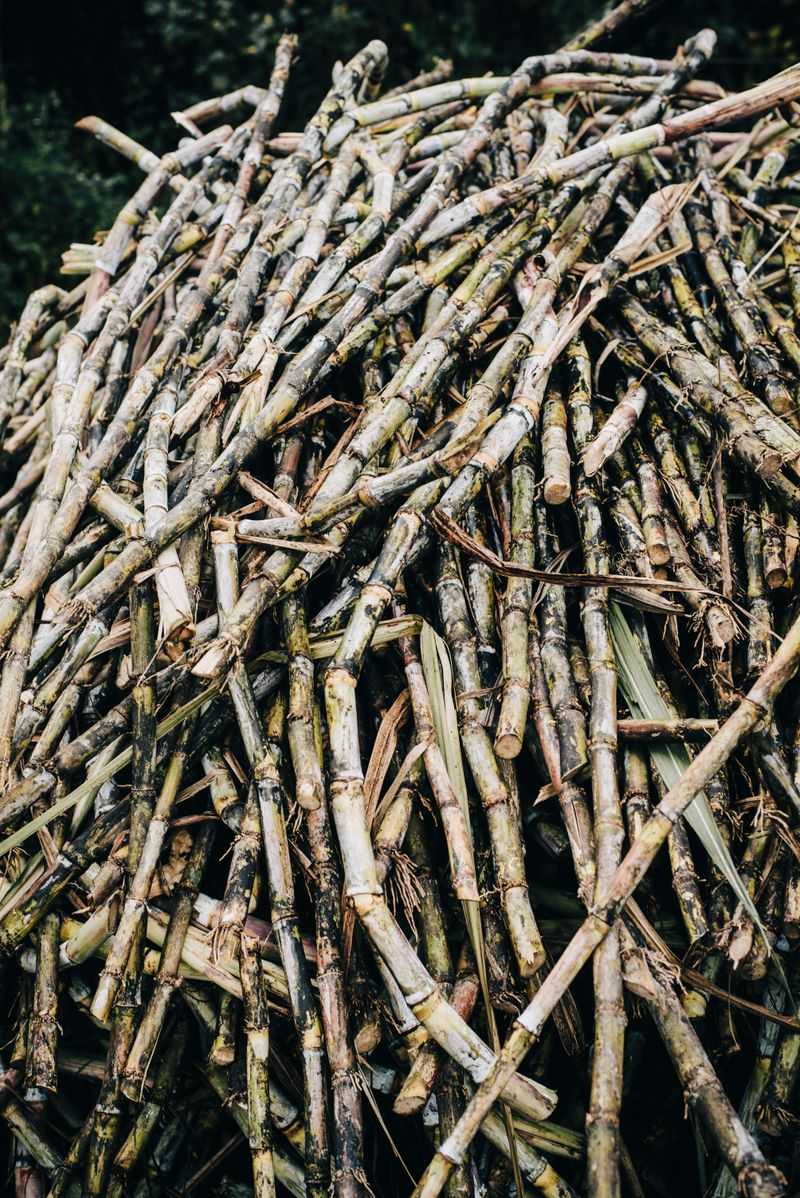
Festival weekend is not all motion and noise. One of the most meaningful traditions is the Blessing of the Crop, a ceremony usually held on Friday morning in a sugar cane field, where the coming harvest is honored with prayer and gratitude.
That shift in atmosphere matters. After hearing music and watching crowds surge through downtown, the blessing offers a calmer view of what the festival is really about: respect for farmers, hope for a good season, and thanks for a crop tied closely to local life.
If you can fit it into your schedule, go with patience rather than hurry. The experience is not flashy, and that is exactly why it stays with people.
It adds depth to the whole weekend and makes the louder parts of the festival feel grounded in something real and shared.
Stay Late For The Music

By evening, the festival changes personality. Daytime energy leans family friendly and practical, but after sunset the sound takes over, especially around live performances and the traditional Fais-do-do, where Cajun hospitality feels less like a slogan and more like a working system.
Bands often mix Cajun and Zydeco with other crowd-pleasing styles, so even visitors who do not know every rhythm can settle in quickly. The music is not background decoration.
It shapes how people move, gather, linger, and decide that one more song is probably worth staying for.
I liked the nighttime shift because downtown seemed to loosen up without losing its local character. Plan for a later finish, wear shoes you can stand in, and expect the plaza area to feel lively, packed, and happily hard to leave before the final set ends.
Notice The Festival Royalty
Pageantry can seem old-fashioned until you see how seriously New Iberia carries it. The crowning of Queen Sugar and King Sucrose is not a random costume exercise.
It reflects the deep respect the festival gives to the sugar industry and the people connected to it.
Queens from Louisiana’s sugar-producing parishes come as part of a long-running tradition, while King Sucrose is chosen for contributions to the industry. That turns royalty into something more meaningful than decoration.
The titles point back to labor, history, and community pride rather than pure spectacle.
Even if formal ceremonies are not usually your thing, watch for these moments in parades and festival programming. They help explain why the celebration has lasted for generations.
Under the crowns and smiles, you can feel a town honoring the crop that helped build its identity over time.
Follow The Sweet Smell Of Harvest
Some places announce themselves with a skyline. New Iberia, during festival time, often does it with a smell.
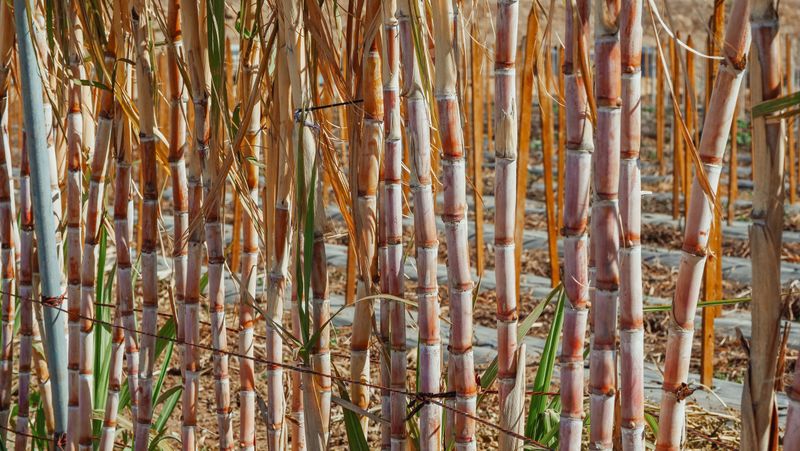
Late September can bring the unmistakable scent of boiling sugar from nearby mills, and it drifts through the air like a reminder that the celebration begins with the harvest itself.
The aroma is part nostalgia, part industry, and entirely local. It links downtown festivities to the wider landscape beyond the plaza, where cane fields and mill work shape the season.
Even if you cannot name what you are smelling right away, the sweetness feels tied to the moment.
Pay attention when the breeze shifts. Sensory details like this give the festival its texture and keep it from feeling generic.
Long after a parade route fades from memory, that warm sugar scent may be the thing you remember most clearly from New Iberia in early fall.
Look Beyond The Main Stage
Big rides and louder music pull most eyes first, but smaller cultural displays often reveal the town’s personality more clearly. During festival time, art, photography, flower shows, and sugar cookery competitions add texture that keeps the weekend from feeling like a standard fair dropped into downtown.
These pieces matter because they show how deeply the sugar theme spreads through community life. Creativity appears in table displays, baked entries, handmade work, and local presentations that reward people willing to slow down for ten minutes and actually look around.
I always think of these corners as the festival’s side notes, and side notes are where character hides. If crowds near the rides feel overwhelming, step toward the exhibits for a reset.
You may leave with fewer flashy photos, but a much better sense of what New Iberia values and celebrates together.
Prepare For Entry Rules And Cash Needs
A little preparation can spare you an annoying start. Festival logistics may include daily admission, children ten and under admitted free, an on-site ATM, and security steps such as clear bag rules and metal detector screening at entry points.
None of that is dramatic, but it can slow down a visit if you arrive unprepared and already running late for a parade or performance. Cash still helps because some vendors and attractions may not move at the same digital speed visitors expect elsewhere.
Before leaving your hotel or parking spot, do a fast pocket check: tickets if needed, small bills, phone charge, and the right bag. Practical habits are not glamorous, yet they protect your mood.
The festival is much easier to enjoy when your first memory is music or a float, not fumbling at the gate line.
Remember What The Celebration Honors
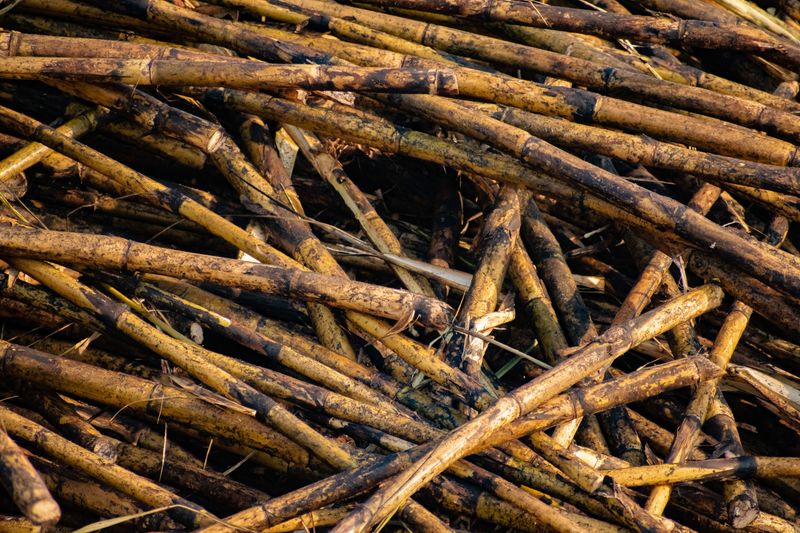
Under all the motion, the festival is honoring an industry that still matters across Louisiana. Sugar cane covers more than 400,000 harvested acres in the state and supports thousands of jobs, from field crews and truck drivers to mill workers, engineers, and chemists.
Knowing that changes how the weekend reads. The parades are still fun, the music still lively, and the plaza still full of family energy, but the celebration also becomes a public thank-you to the people whose work sustains the region’s sugar economy.
Keep that in mind when you watch a tractor pass or hear someone talk shop near downtown. The festival began in 1937 to mark the Iberia Sugar Cooperative, and that history still echoes through it.
What looks like pure entertainment at first glance carries a serious local heartbeat underneath all the color.