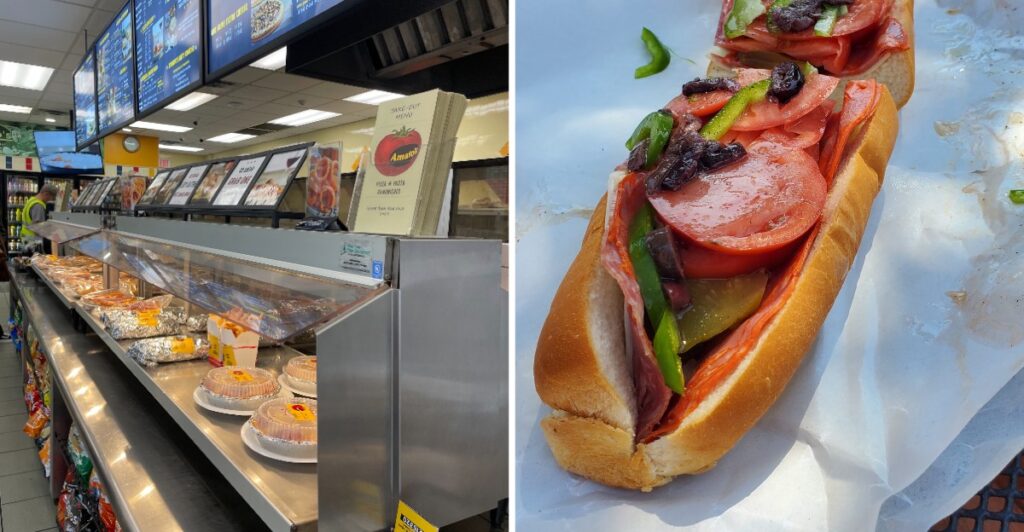
Here is a useful bit of Maine vocabulary:
Italian can mean sandwich. And not just any sandwich.
This local version has been feeding people for more than a century, starting with filled rolls sold to waterfront workers around 1900. The idea stuck, and so did the name.
That history matters, but lunch is still lunch.
The real curiosity is seeing what makes this one different from the sub you already have in your head. The bread plays its part. The toppings do too.
Together, they make something that feels completely familiar to locals and slightly confusing to everyone else.
A sandwich does not need to reinvent lunch to become part of a place.
Sometimes it just needs to stick around long enough that everyone knows exactly what you mean when you order one.
A Portland Waterfront Sandwich Cart Started The Amato’s Story Around 1900
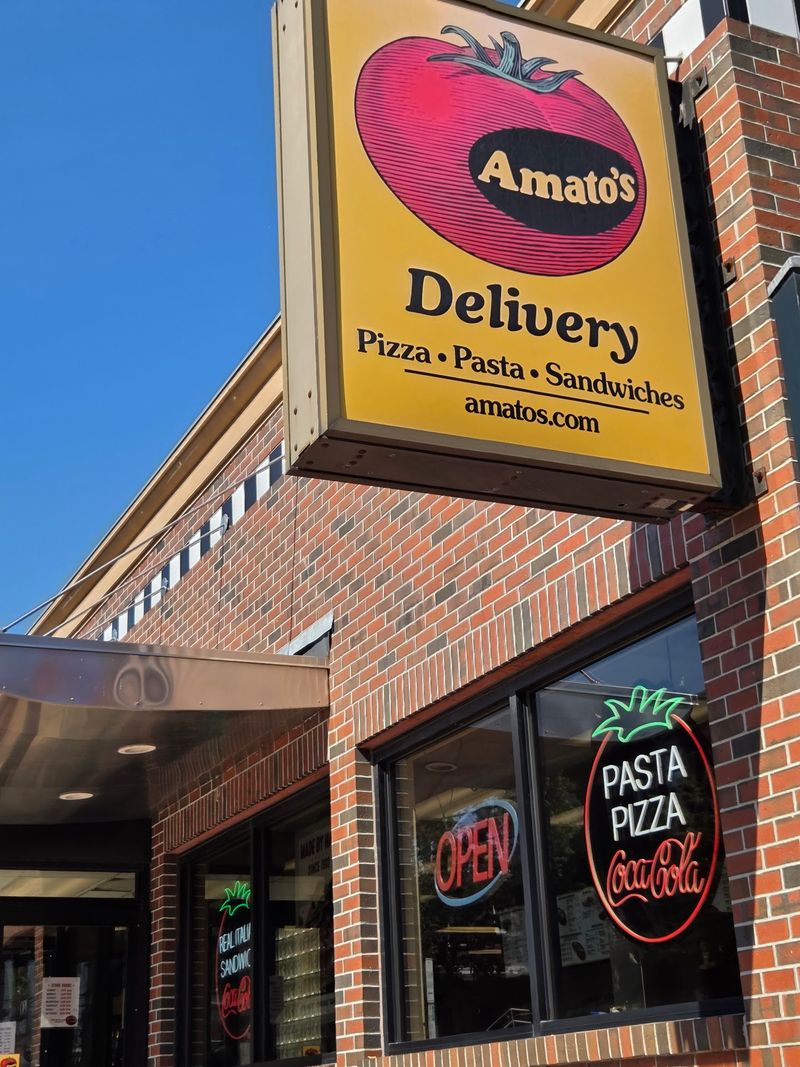
Portland’s waterfront was the setting for the first chapter of the Amato’s story. Giovanni Amato began selling rolls filled with meat, cheese, and vegetables from a cart near the fishing docks around 1900.
His portable lunch required no plates or elaborate setup, just bread wrapped around a filling.
In 1902, Giovanni and his wife established their first sandwich shop on India Street. The neighborhood sits near the eastern waterfront, where streets run between older commercial buildings and the harbor. You can still walk the area before or after stopping for a sandwich.
The India Street neighborhood remains a convenient place to explore on foot. Nearby blocks connect the eastern waterfront with Portland’s downtown streets, and the shop can be part of a short walk before or after lunch.
Wear comfortable shoes if you plan to explore farther along the harbor.
If you’re exploring downtown on foot, check the street layout before you arrive. India Street lies east of the Old Port’s central blocks, and nearby waterfront streets make an easy addition to your route.
Pick up your sandwich before continuing through the neighborhood, or stop after your walk.
Giovanni Amato’s Original Italian Sandwich Became A Maine Food Legend
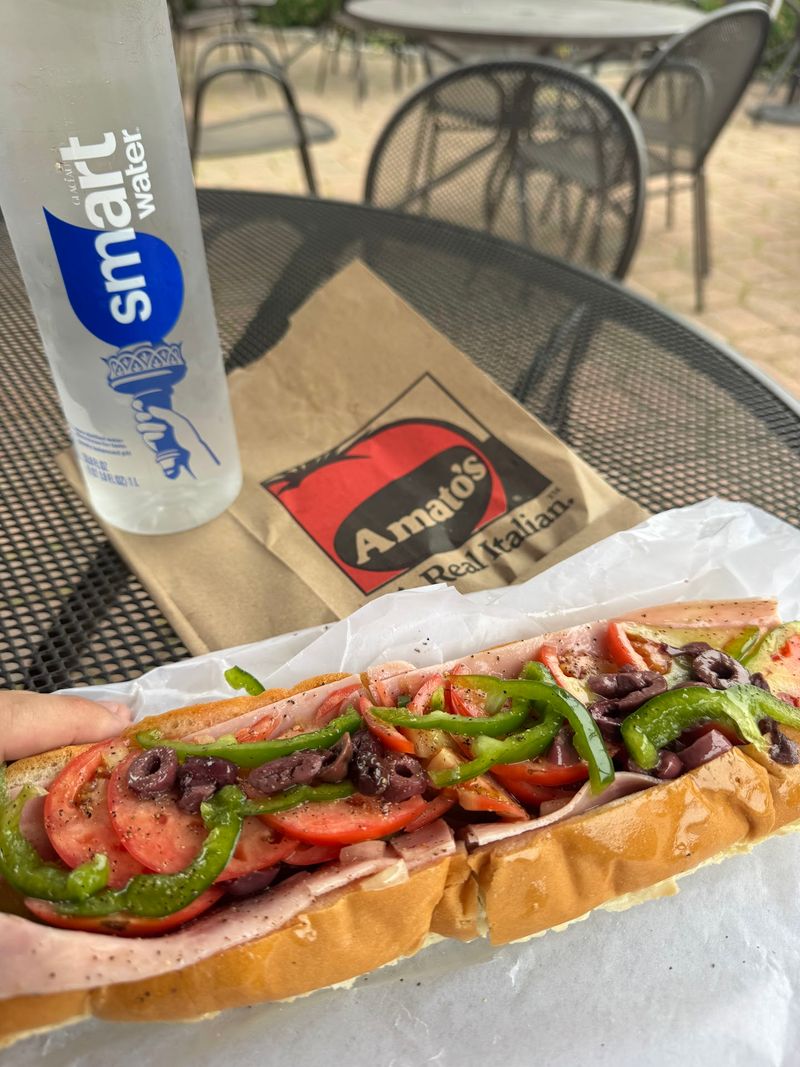
In Maine, ordering an Italian doesn’t necessarily mean asking for a sandwich packed with assorted Italian cured meats. The local version is its own preparation, traditionally built around ham, cheese, vegetables, and a soft roll.
Amato’s Original Italian remains a direct way to try that combination. You can order the standard version, then decide on additions or changes if a particular ingredient isn’t for you.
The filling is cold, and the bread has a soft texture rather than the thick, crisp crust found on some other submarine sandwiches.
The name has traveled well beyond the original Portland shop. Amato’s expanded into other communities and eventually across state lines, so the Original Italian can be found at more than one location.
For a trip focused on the sandwich’s Portland history, India Street is the place to begin.
Take a look at the menu before stepping up to order. There are other Italian sandwich variations, and the differences aren’t always obvious from the names alone. Choosing between the original ham version and another filling is an easy first decision.
The Century-Old Claim Behind America’s Famous Maine Italian Sandwich
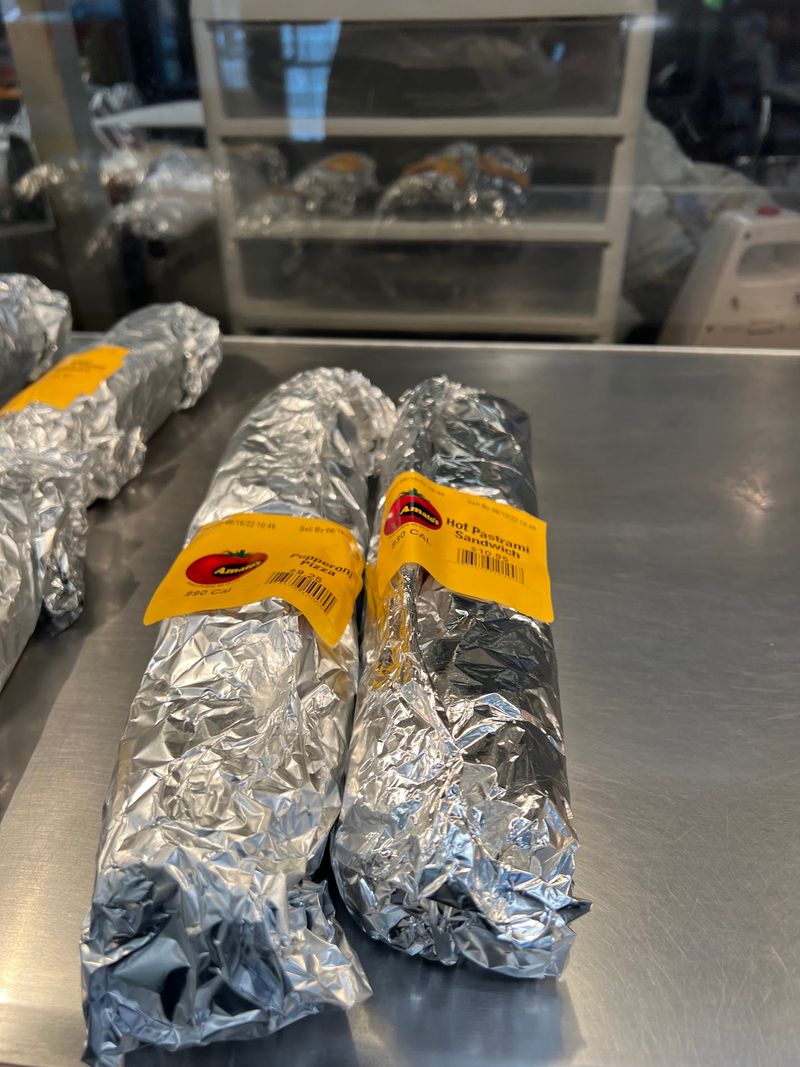
The first question is what counts as an Italian sandwich. Amato’s connects its Original Real Italian to the filled rolls Giovanni sold near Portland’s docks at the beginning of the twentieth century. The first permanent India Street sandwich shop opened in 1902.
Portland’s version belongs to a wider family of long-roll sandwiches found around the Northeast. Other cities have their own combinations of meats, cheese, vegetables, and seasonings.
On a Maine Italian, the ham, fresh vegetables, pickles, and soft roll give you a particular set of flavors to explore.
A Maine Italian has a recognizable ingredient pattern. It is not identical to the combinations commonly sold as Italian subs in other parts of New England or the Northeast.
Try reading the ingredients rather than deciding from the name alone; the filling will tell you more than the label.
The sandwich associated with Amato’s has also changed over time. Later owner Dominic Reali added Greek olives, a more assertive pickle, and a revised oil blend to the company’s familiar preparation. Those components are part of the present-day Original Italian.
The current sandwich includes ingredients added after the earliest waterfront-cart years. Order the Original Italian to try that combination, or compare the toppings with another variation if you prefer a different mix of vegetables, pickles, or cold cuts.
Ham, Fresh Vegetables, And Greek Olives Give The Original Italian Its Signature Flavor
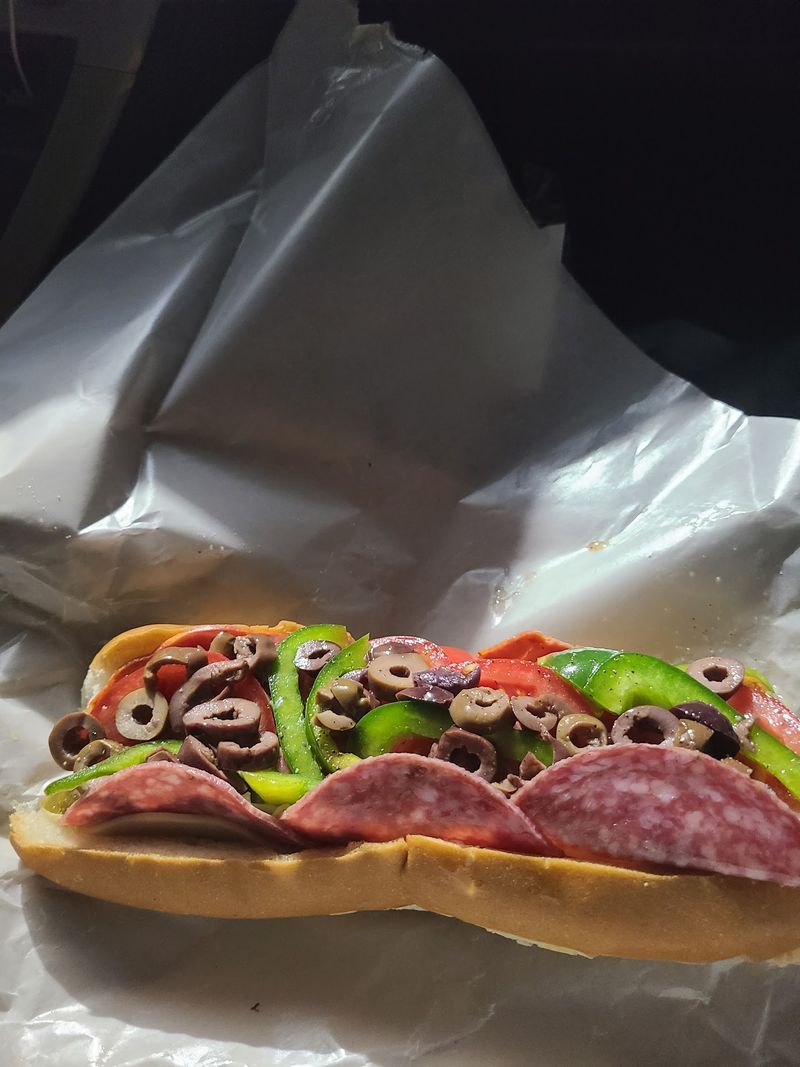
The Original Italian brings together ham, cheese, tomatoes, green peppers, onions, Greek olives, pickles, salt, pepper, and oil on a fresh-baked roll. It’s a combination of mild deli meat, crisp vegetables, and sharper, brinier toppings.
Start with the tomatoes and green peppers if you want to notice the fresh crunch. The onions add bite, while the pickles introduce acidity. Greek olives bring a salty note that stands out against the ham and cheese.
A little oil and seasoning complete the assembled sandwich.
One distinguishing feature is what’s absent from the standard Original Italian. It isn’t the layered salami, capicola, and prosciutto sandwich you might encounter under the same general name elsewhere.
Amato’s offers other cold-cut combinations if that is the kind of Italian you have in mind.
There is no need to make the first order complicated. Ask for the Original Italian as prepared, or use the available customization choices if you want to skip a topping. Check the ordering screen or speak with the counter staff about changes and any extra charges.
If you’re carrying the sandwich on a walk, keep napkins handy. Chopped vegetables and oil are part of the filling, and opening the wrapper on a level surface makes lunch easier to manage.
Amato’s Soft-Baked Sandwich Rolls Set Maine’s Italian Apart From Traditional Subs
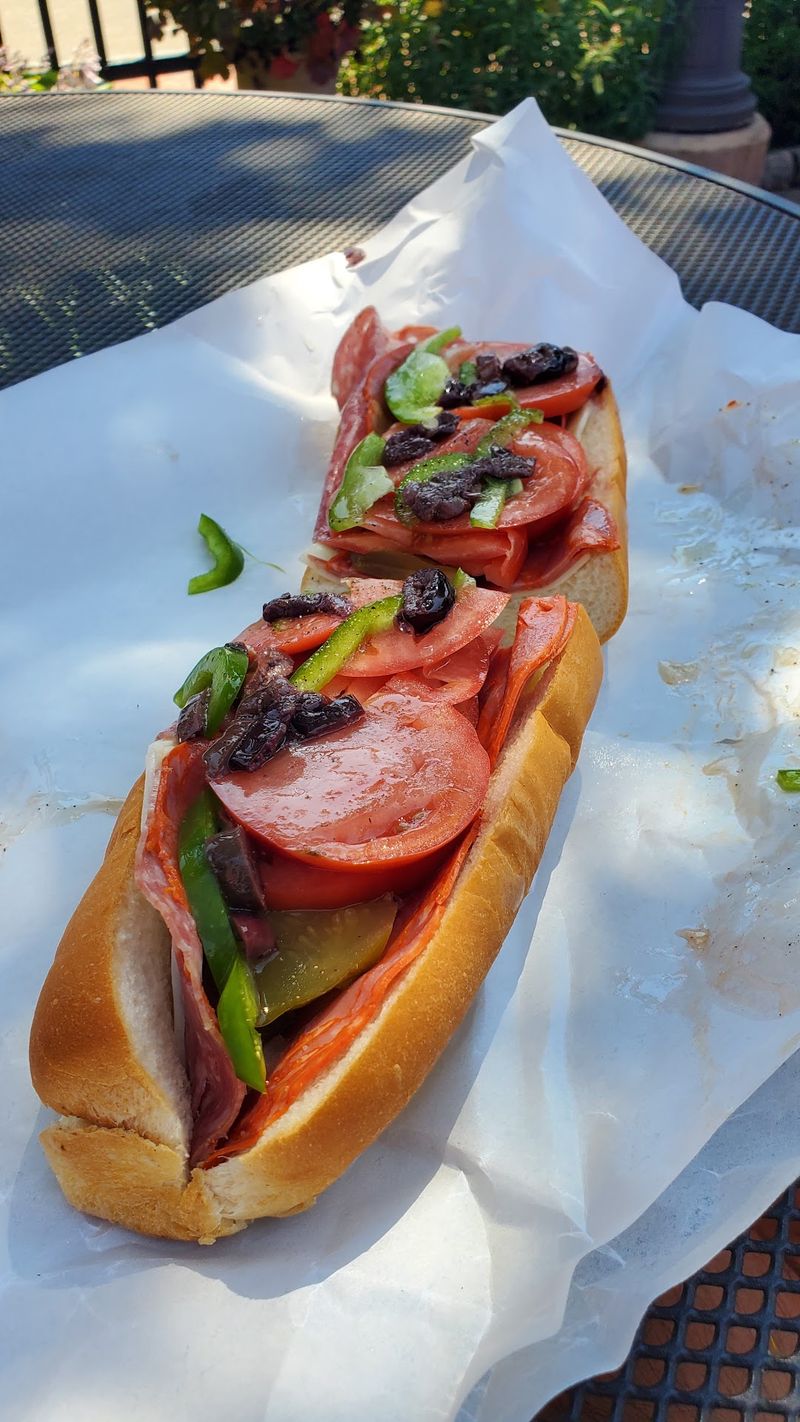
The bread deserves attention before the first bite. Amato’s uses a soft, chewy roll for the Original Italian rather than a thick, crackling baguette-style loaf. The long shape gives the fillings room to spread from end to end.
Amato’s Bakery continues to produce Italian sandwich rolls connected to the company’s early recipe tradition. The bakery operates in Westbrook and is run by Giovanni Amato’s great-grandsons. Its other baked goods include a variety of loaves and breads.
The bakery uses King Arthur Special Patent flour for its baking. The roll’s soft interior and flexible crust work with a cold filling of ham, cheese, chopped vegetables, and oil.
It’s worth unwrapping the sandwich just enough to see how the ingredients sit in the bread before taking a bite.
Amato’s isn’t the only place to find a soft-roll sandwich in Maine, and not every regional sub uses the same bread. Comparing the crust and texture is a straightforward way to notice the distinction without making sweeping claims about which style is better.
If you’re ordering food for later, consider how you’ll carry it. Keep chilled sandwiches appropriately cold, and check packaging if you’ll be on the road for a while. For a same-day lunch, the sandwich is easy to take along to your next planned stop.
The Original India Street Shop Keeps Portland’s Sandwich Heritage Alive
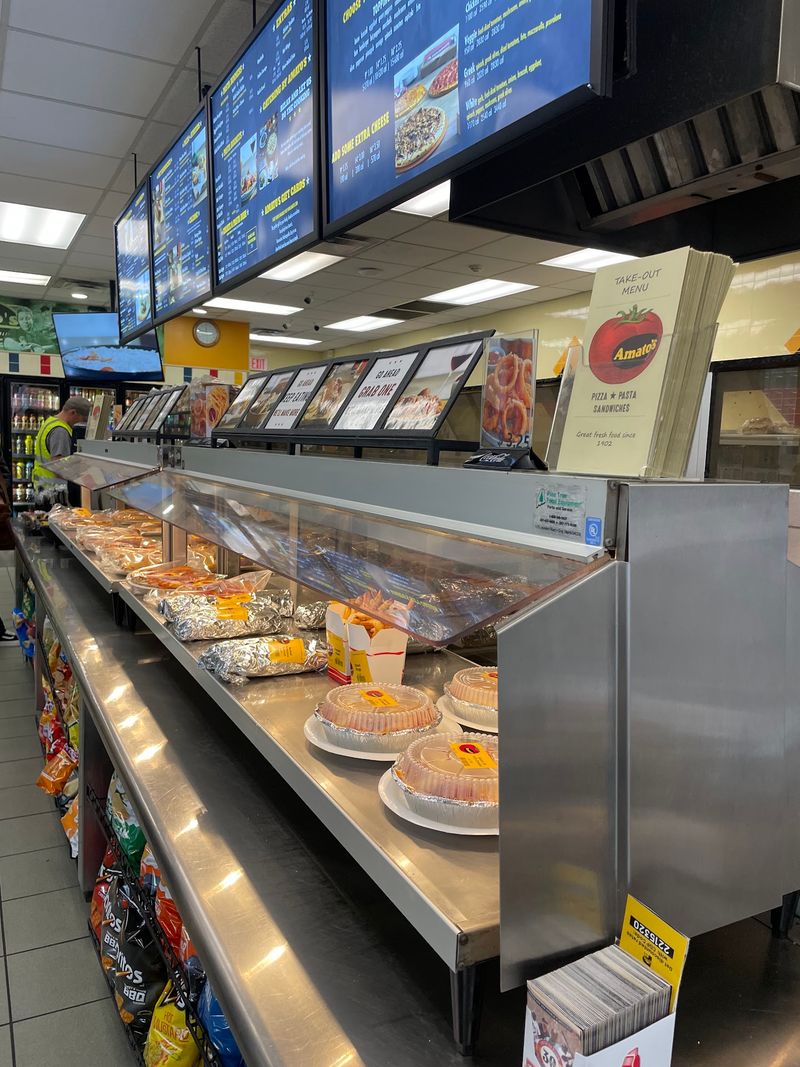
A stop on India Street puts you near the location associated with Amato’s first permanent shop. The present-day restaurant serves the Original Italian alongside a broader menu of sandwiches and other casual meals.
You can choose from cold sandwiches, hot options, pizza, pasta, calzones, wraps, and salads. If the Original Italian is the reason for your visit, decide on your sandwich size first and build the rest of the order around it.
A side or another item can be added without turning a quick lunch into a complicated meal.
The shop supports takeout ordering. If you prefer to plan before reaching the counter, review the location’s current ordering options and menu. Food choices and prices can change, especially when you’re comparing a printed menu with the current ordering screen.
The Portland location is at 71 India Street, Portland, ME 04101. Its posted regular hours extend into the evening, with an earlier Sunday closing time. Check the day’s hours around holidays or before making a special trip.
You can work the shop into a walk around Portland’s eastern downtown streets, or use it as a pickup stop before continuing your drive. Either way, give yourself time to choose the sandwich you actually want rather than rushing through the topping choices.
From A Humble Portland Sandwich Cart To A New England Restaurant Chain
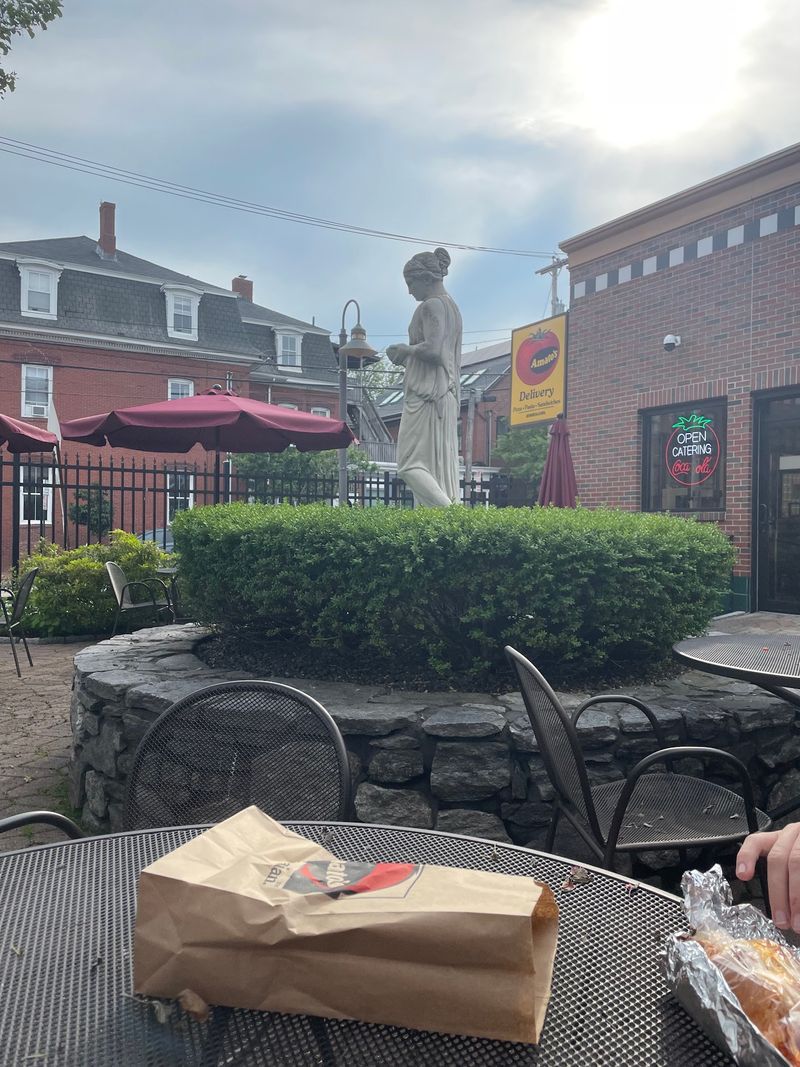
The change from cart to storefront was only the beginning. The original sandwich business remained on India Street for decades, and a new owner took over in 1972. Dominic Reali had already worked at the Portland shop for seven years when he purchased the company.
Reali introduced changes to the Original Italian, including Greek olives, a different pickle, and a new oil mixture.
Those additions became familiar parts of Amato’s modern sandwich. The company continued growing under his ownership and began expanding beyond Maine in 1988.
Amato’s now operates as a regional restaurant brand, with locations in Maine and other New England states. Menus can vary between shops, so check the individual location if you’re looking for a particular sandwich or side dish.
The bakery has its own link to the founding family. Giovanni Amato’s great-grandsons continue to run the bakery business that makes the rolls associated with the Original Italian.
That is a different operation from the broader sandwich-shop chain, though the bread connects the two.
If your route includes another Amato’s location, you can order the familiar combination there too.
The India Street shop offers the added context of the Portland waterfront neighborhood where the business took shape.
More than a century after the first storefront opened, the classic order is still ham, cheese, vegetables, olives, pickles, oil, and a soft roll.