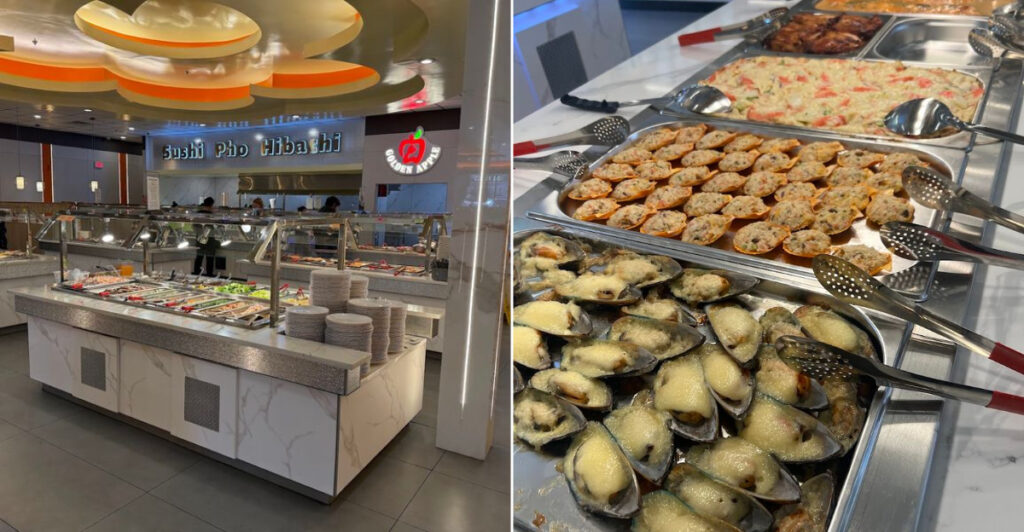
Biddeford sits a short drive from southern Maine beaches, so a seafood-heavy buffet here has a practical job to do.
This buffet answers that demand with crab, crawfish, clams, sushi, pho, and hibachi gathered under one roof.
It is a newer stop in a city better known for mills, breweries, and quick access to the coast.
If your plate usually turns into a negotiation between shellfish, noodles, and fried shrimp, this is the kind of place worth studying before you grab the tongs.
A New Buffet With A Clear Starting Point
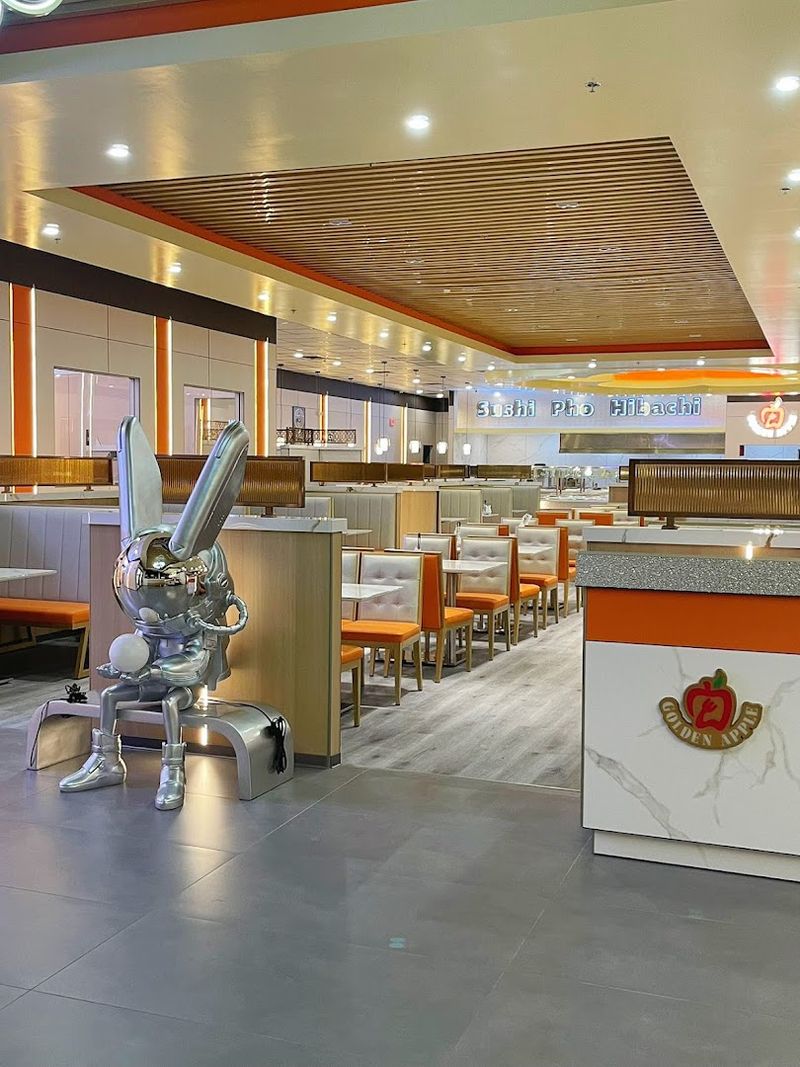
April 2024. That’s when it all started.
This buffet did not drift in from some earlier dining era and then coast on memory.
It opened recently enough that you can read the menu as a fresh decision about what Biddeford diners actually order when they want seafood, sushi, noodles, and familiar buffet staples in one stop.
That starting date also explains the structure of the spread, which combines Asian and American dishes instead of limiting itself to a single regional lane.
For most of us, eating out is a real treat, so the question becomes simple. What does a newly opened buffet choose to put front and center?
Is it worth it?
Here, the answer includes fresh sushi, sashimi, pho, hibachi-cooked proteins, ribs, fried shrimp, and seafood items that play directly to Maine appetites.
You can trace the logic without guessing, because the lineup points to diners who want a broad plate, not a narrow tasting menu.
That matters when buffets sometimes rely on filler, yet this one highlights seafood, Vietnamese noodles, Chinese entrees, and customizable hibachi as defining features from the start.
And what a blend it is!
Instead of asking you to choose between shellfish and stir-fry, the format lets both sit side by side.
It gives the meal a new language altogether through hibachi grilling, steaming, sushi prep, and broth-based bowls in the same service model.
If you like reading a restaurant through its opening move, start with your first plate and see what story the crab tells.
Where Asian And American Menus Meet In Biddeford
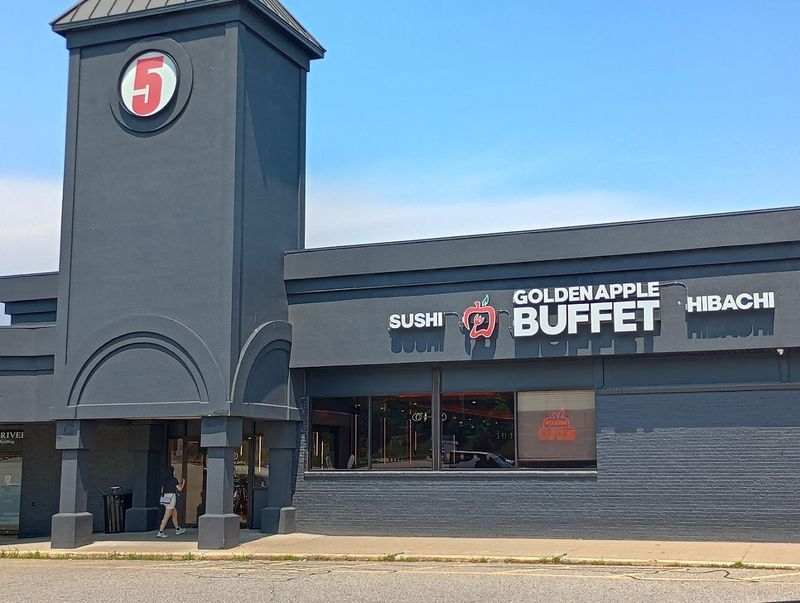
Golden Apple Buffet stands at 420 Alfred St Ste 130, Biddeford, Maine, and that location is ideal because Alfred Street puts it in a practical commercial stretch instead of a waterfront postcard setting.
The menu makes an equally practical argument by bringing Asian and American cuisines together, which means the meal does not depend on one tradition carrying the full load.
You can test that claim quickly by looking at the categories named for the buffet. Chinese entrees, sushi, sashimi, pho, hibachi proteins, ribs, fried shrimp, and seafood specials.
Sure, we love a bit of fine dining here and there but for those days when nothing other than a mouthwatering buffet range will do, a menu like this solves a real dinner-table argument.
One person can lean toward Mongolian beef or salt and pepper chicken while another heads straight for shellfish or noodles without forcing a compromise.
That mix also says something specific about Biddeford dining, where local traffic includes families, beachgoers, commuters, and day-trippers moving through southern Maine.
Paying homage to buffet traditions in the United States, the place keeps ribs and fried shrimp beside Asian staples, treating the all-you-can-eat format as an American icon with broader culinary reach.
The result is not a random variety for its own sake.
It is a menu built on recognizable categories, and that structure helps you map your plate with intent instead of wandering from pan to pan, hoping lunch will explain itself.
If you want to study the whole concept, put one rib next to one sushi roll and let the comparison do the talking.
Seafood Takes The Lead On The Buffet Line
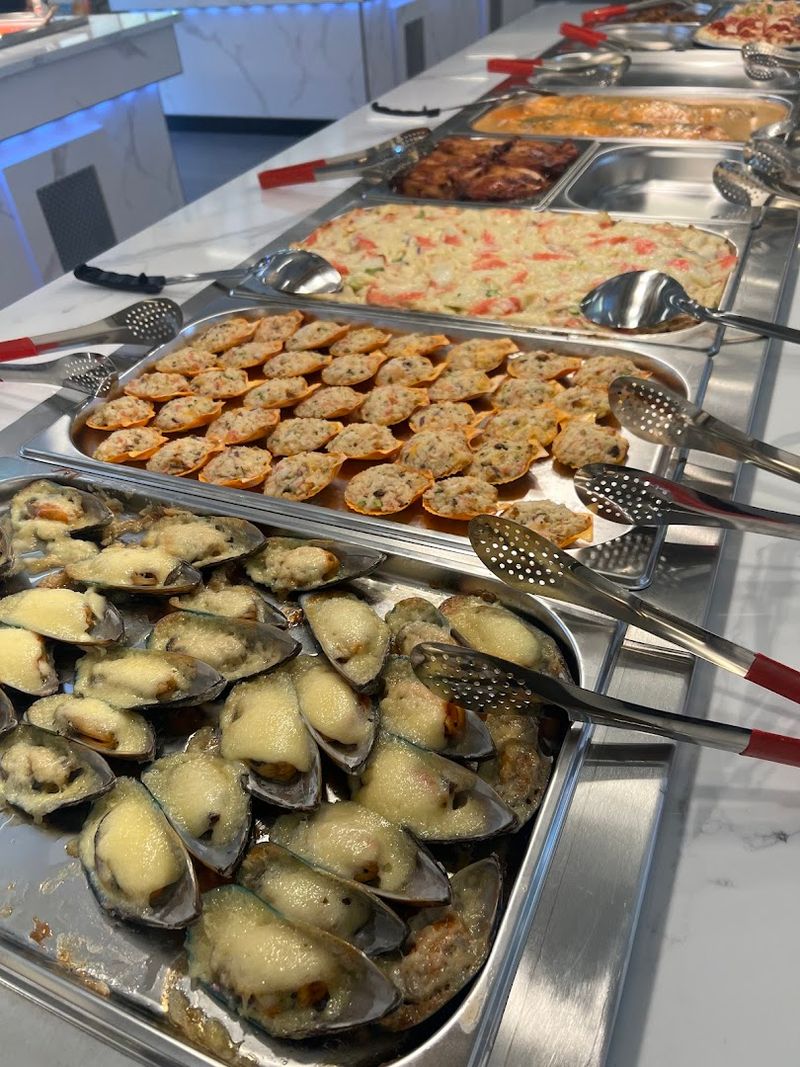
The central fact here is seafood, because the buffet identifies its array of fresh seafood as one of the main highlights instead of treating shellfish as a side note.
That emphasis shows up in the signature dishes, especially panko shrimp and baked mussels, two items that signal texture and preparation rather than generic fried sameness.
The seafood selection can also include fresh crab, crawfish, and clams, so your plate can move from breaded bites to shell-on picks without leaving the buffet line.
In coastal Maine, that factor is crucial.
A restaurant near the shore cannot toss a few shrimp into a steam pan and expect diners to stop asking questions, and this spread answers with multiple seafood formats.
Steaming plays a clear role alongside frying, which means the buffet does not force every seafood item through one technique or one texture.
A sense of place comes through in that choice, because shellfish and coastal cravings make more sense here than they would in a buffet far from the Atlantic.
Honestly, ordering their seafood spread is a form of self-love.
The restaurant offers dishes that are every bit as comforting as home cooking but never something you could actually recreate yourself.
That becomes clear when crab, mussels, crawfish, and clams all appear in one service format built for second comparisons.
Trust me, I’ve tried.
If you usually stop after one pass, this is the moment to ask whether the baked mussels deserve a rematch with the panko shrimp.
Live Stations Keep The Seafood And Hibachi Personal
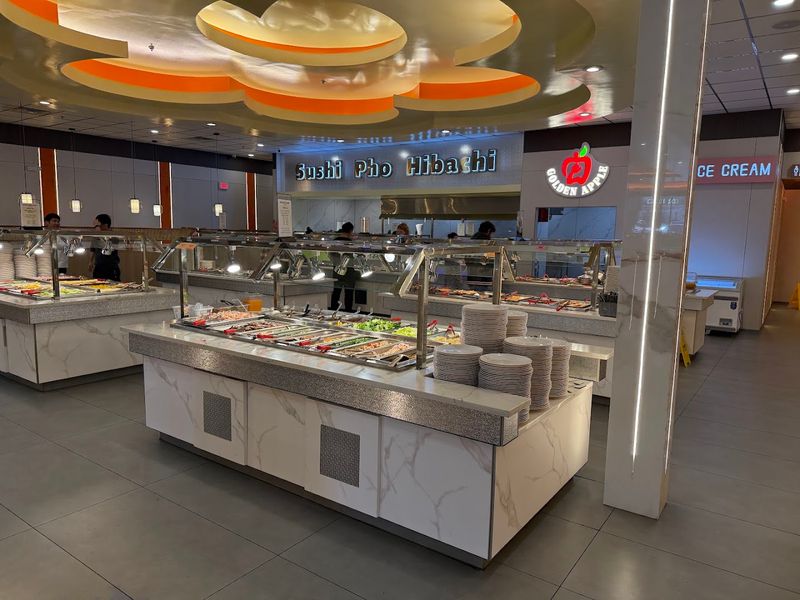
One of the strongest factual details at this buffet is the presence of live cooking stations that prepare seafood items to order.
That detail changes the meal, because it shifts part of the experience away from static trays and toward direct cooking built around what you choose.
Live preparation also pairs naturally with the hibachi options, where guests customize meals by selecting proteins and other ingredients before the grill takes over.
Why does that matter at a buffet?
Because customization gives you control over balance, portion, and combination, which means your plate can lean heavily toward seafood or split time with vegetables and noodles.
Hibachi grilling and steaming are the signature techniques for this joint, and both methods support quick cooking without burying ingredients under a one-note sauce strategy.
If you want shrimp with a different mix than the standard buffet tray offers, the live station answers that problem on the spot.
Giving it a new language altogether, the setup treats buffet dining less like a finished display and more like an editable draft.
You still have the convenience of an all-you-can-eat format, but now part of the meal arrives through decision-making, which keeps the experience anchored in choice instead of repetition.
That makes the seafood section more than a parade of pans, since fresh crab, crawfish, clams, or other items gain another dimension when direct cooking enters the equation.
If you like meals that ask for a little strategy, start building a hibachi bowl and see where the grill takes your seafood first.
Sushi, Sashimi, And Pho Expand The Range
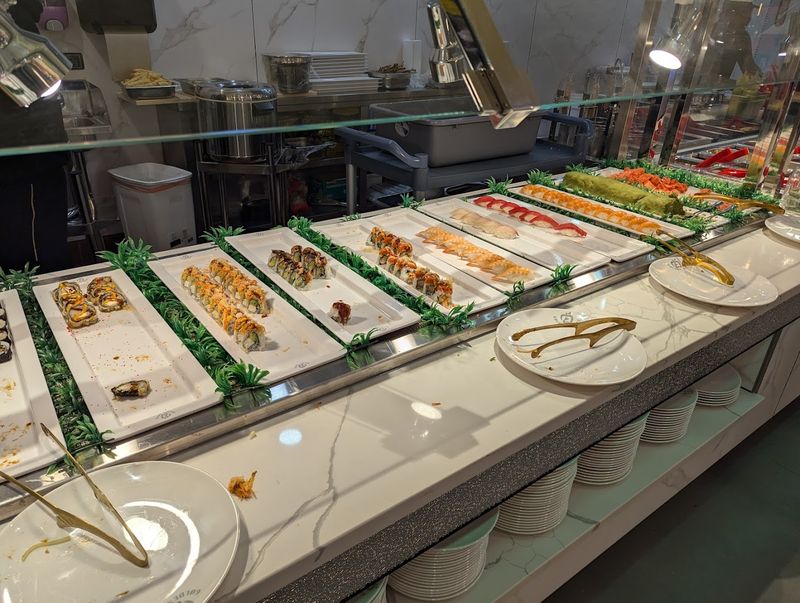
The buffet does not stop at cooked entrees. Na-a.
It also features fresh sushi, sashimi, and a dedicated pho bar.
That trio comes into play since each one points to a different style of eating: bite-sized rolls, sliced raw fish, and broth-based bowls assembled around noodles and garnishes.
You can see the range most clearly when sushi and sashimi sit alongside pho, because the meal moves from cold preparation to hot soup without changing restaurants.
That is a serious spread, right?
Multiple sushi options give the buffet a structured raw and rolled section, while the pho bar adds a format built on customization and sequencing.
The menu also includes Vietnamese noodles, which strengthens the pho story and shows that noodle choices extend past a single station.
For diners who want more than fried items, this part of the buffet carries real weight.
Fresh sushi and sashimi ask for attention to handling, while pho depends on broth, noodles, and add-ins working together in a bowl that you build step by step.
Paying homage to several Asian food traditions at once, the restaurant uses breadth as a factual feature, not just a sales pitch, and the result lets you compare rolls, sashimi, and soup in one sitting.
If your usual buffet routine starts with dumplings and ends with soft serve, try interrupting it with pho first and sushi second, then argue with your own habits.
Chinese Standards And American Classics Share The Same Run
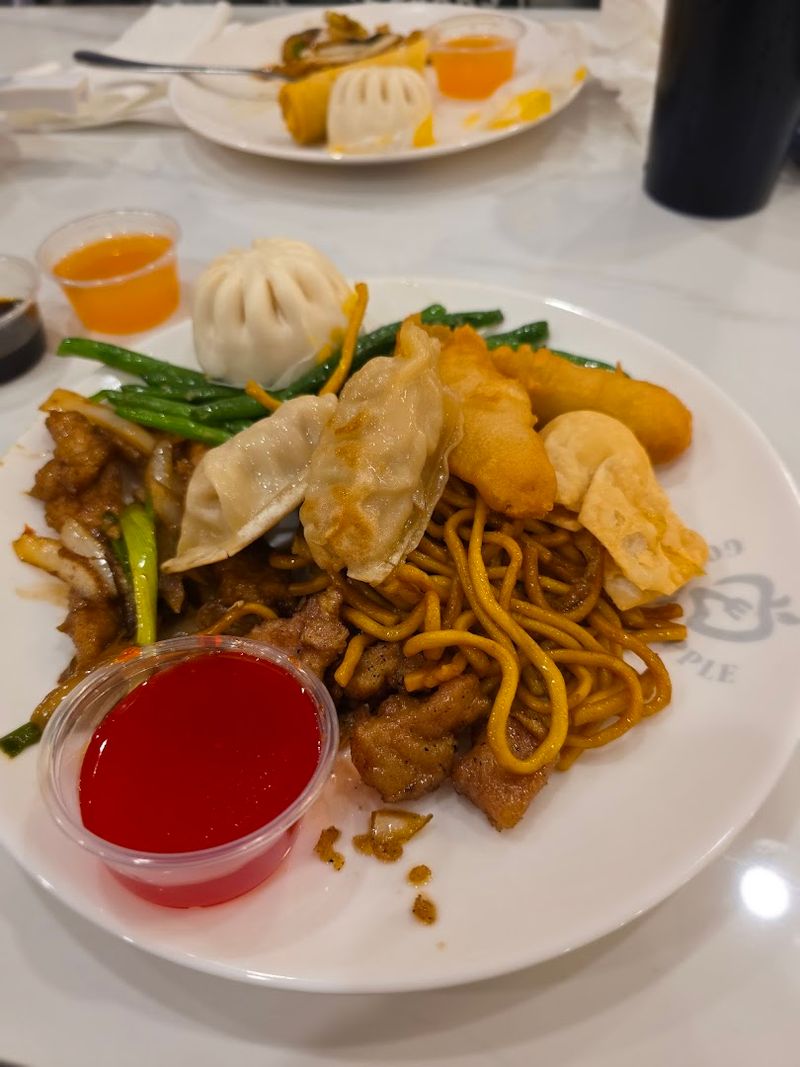
A defining fact of this buffet is how openly it pairs Chinese standards with American classics on the same run of food. A love story we all anticipate.
Popular dishes include Mongolian beef and salt and pepper chicken, both of which give the Chinese side of the menu clear anchors instead of vague category labels.
On the American side, I know you’ve been wondering, ribs and fried shrimp keep the spread tied to familiar buffet expectations while still fitting the larger seafood idea.
That contrast works because the categories stay recognizable.
You do not need a decoder ring to understand what belongs on your plate, yet the lineup still gives you room to compare stir-fried meat, crisp chicken, pork ribs, and breaded shellfish in one circuit.
Seasonally sourced ingredients also appear in the restaurant’s approach, which suggests the menu can shift with supply instead of freezing every pan into a fixed year-round script.
For a buffet, that detail matters more than people admit.
It can shape vegetables, seafood availability, and side dishes in ways that influence what you actually eat, even when the headline items stay consistent.
If you want one central truth about this section, it is that the place treats variety as a structured system.
Chinese entrees for depth, American staples for recognition, and seafood as the thread connecting both sides of the line.
Try building a plate that puts Mongolian beef beside fried shrimp and see if your usual loyalty to one section survives contact with the other.
Diet Flexibility Extends Past The Main Line
The last fact worth tracking is practical.
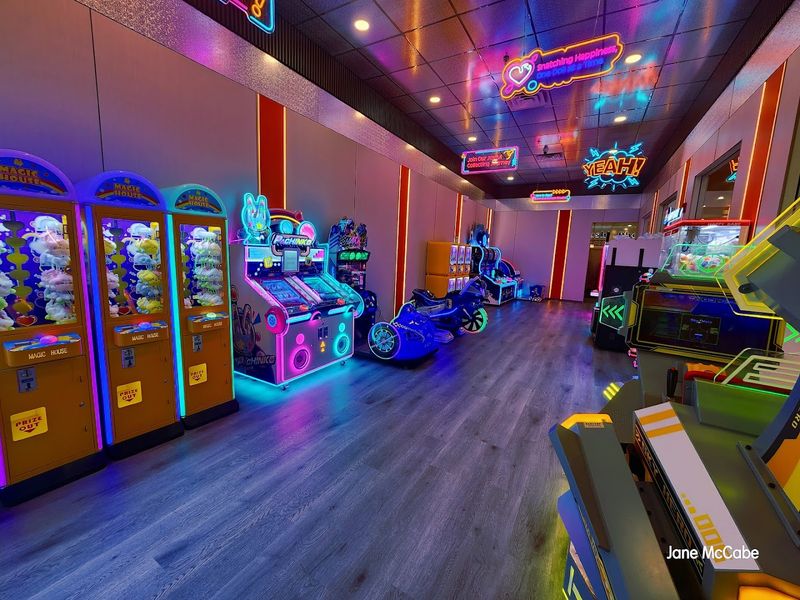
The buffet offers vegetarian, vegan, and gluten-free selections alongside a dedicated kids’ play area and a dessert bar.
Don’t see that very often, do you?
I know these details might be important to you because they widen the restaurant’s usefulness without changing its core identity as a seafood-forward, mixed-cuisine buffet.
If one diner wants shellfish and another needs plant-based or gluten-aware choices, the meal does not collapse before the first plate.
This turns the buffet into a place where different eaters can work from the same room while still building separate, sensible meals.
The kids’ play area serves a similarly concrete purpose. It gives younger diners something specific to do between bites.
The dessert bar creates a distinct final stop instead of an afterthought near the register.
Here, dessert is part of the route.
For families and mixed groups, those extras shape pacing, because a buffet often works best when the meal unfolds in stages: savory first, maybe noodles or seafood next, then sweets at the end.