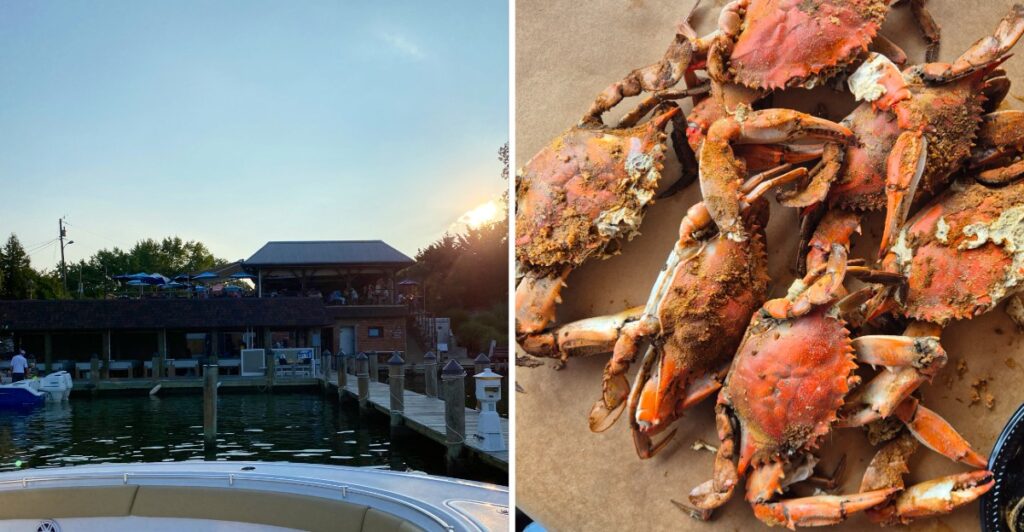
Brown paper on the table is usually a clue that dinner is about to get hands-on.
Here, blue crabs arrive hot, heavily seasoned, and very much expecting you to do some work for your supper.
That is half the point.
Crack, pick, pass, repeat.
The Chesapeake connection runs through the place, with local watermen still part of the story during crab season.
That is where Maryland enters the picture naturally.
I would not rush this meal.
Crab picking rewards patience, conversation, and accepting that your napkin count may get slightly ridiculous.
There are other seafood options if somebody at the table wants less cracking and more eating.
But if you came for the full crab-feast experience, the paper-covered table is where things really get started.
A Chesapeake Waterman Opened The Place In 1974
Cantler’s history begins with Jimmy and Linda Cantler, both Maryland natives and the founders of the restaurant.
Jimmy worked as a waterman on the Chesapeake Bay before the business opened in 1974, giving the restaurant a direct connection to the work behind the seafood it serves.
The Cantler family’s seafood ties stretch across five generations. That background gives the restaurant a history rooted in harvesting and handling seafood rather than a later decision to adopt a Chesapeake theme.
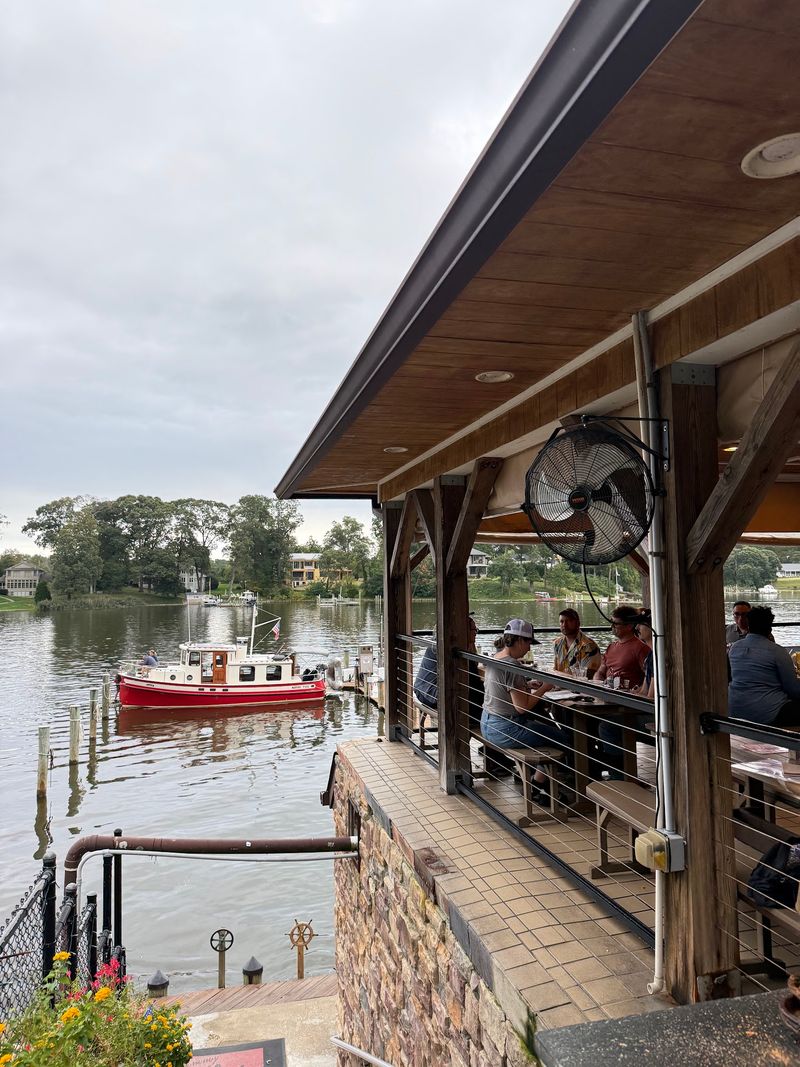
The waterfront location keeps that connection visible. Cantler’s sits on Mill Creek, only a short distance from Annapolis City Dock, with boats able to approach from Whitehall Bay.
Diners can arrive by road or by water, and docking for restaurant patrons is available on a first-come, first-served basis.
For anyone driving in, use 458 Forest Beach Road, Annapolis, MD 21409. Parking is limited, and the restaurant encourages carpooling when possible. RV and trailer parking is not available.
That makes the arrival worth planning before hunger takes over. Once the car is parked or the boat is tied up, the rest of the visit can stay focused on choosing the seafood and finding a comfortable pace for the meal.
Brown Butcher Paper Turns The Table Into The Crab Tray
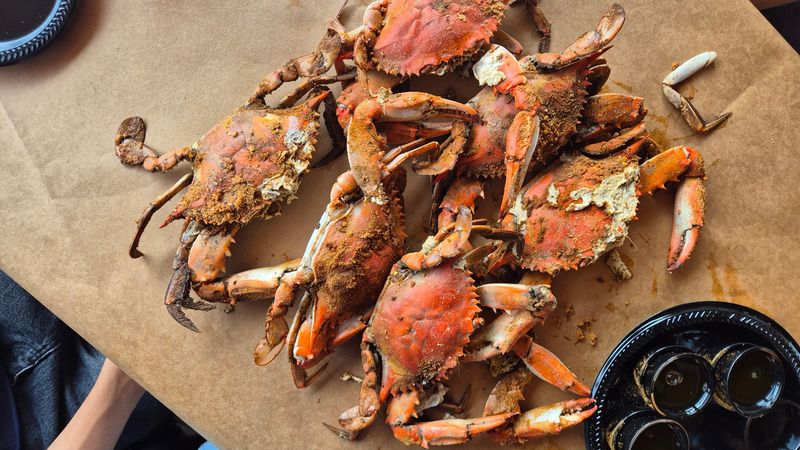
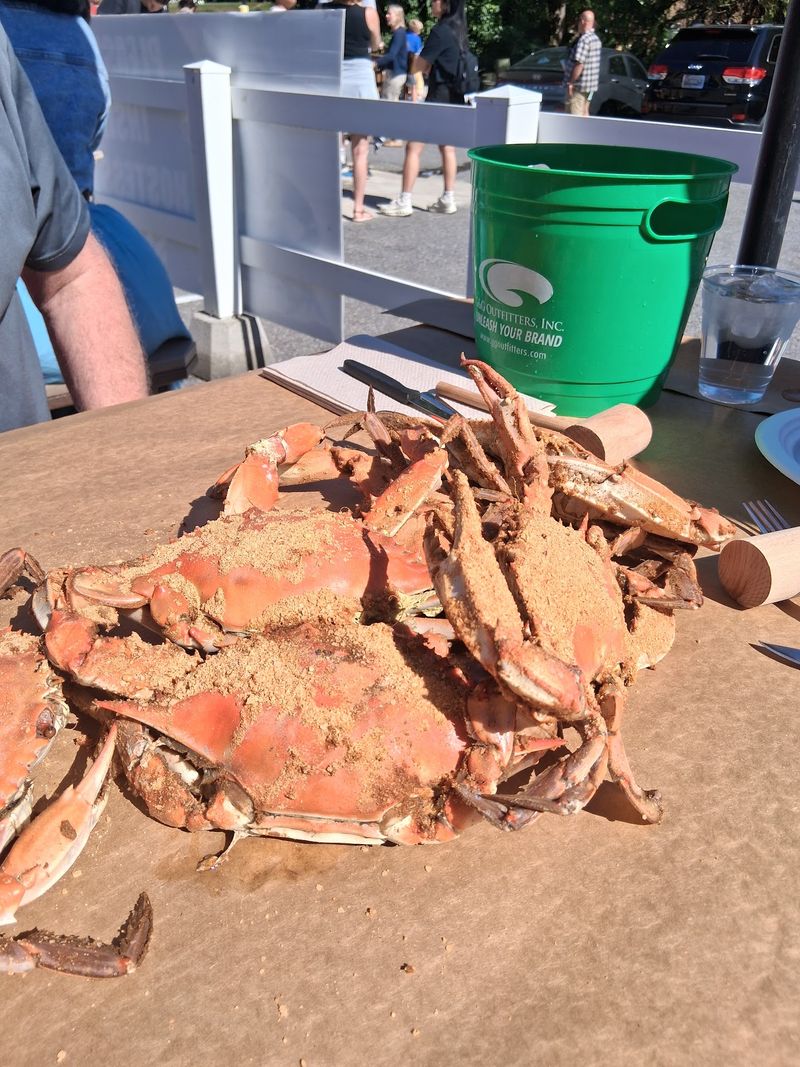
The central ritual is simple. Steamed hard-shell crabs are brought to the table on brown butcher paper, topped with J.O. crab seasoning. Butter and vinegar are available on request, so the basic setup stays flexible rather than loaded with extras you did not ask for.
That paper matters once the shells start opening. Claws, shell pieces, seasoning, and picked-clean bodies need somewhere to go, and a paper-covered table gives the meal room to spread out without forcing everything onto individual plates.
Cantler’s steams its crabs to order. They can be ordered as a single crab, a half-dozen, or a dozen, which makes it easier to match the quantity to the table instead of committing everyone to the same meal.
The harder choice is size. Crabs are measured and sorted after delivery, and availability can change with the catch. Daily crab prices are posted on chalkboards in the indoor and outdoor dining areas rather than fixed permanently on the menu.
For a first visit, start with the amount the table can realistically handle. Picking takes time, and a slower pace is part of the meal. There is always a difference between being hungry when the crabs arrive and realizing how much work is waiting inside a full dozen.
Local Watermen Supply Crabs During Maryland Crab Season
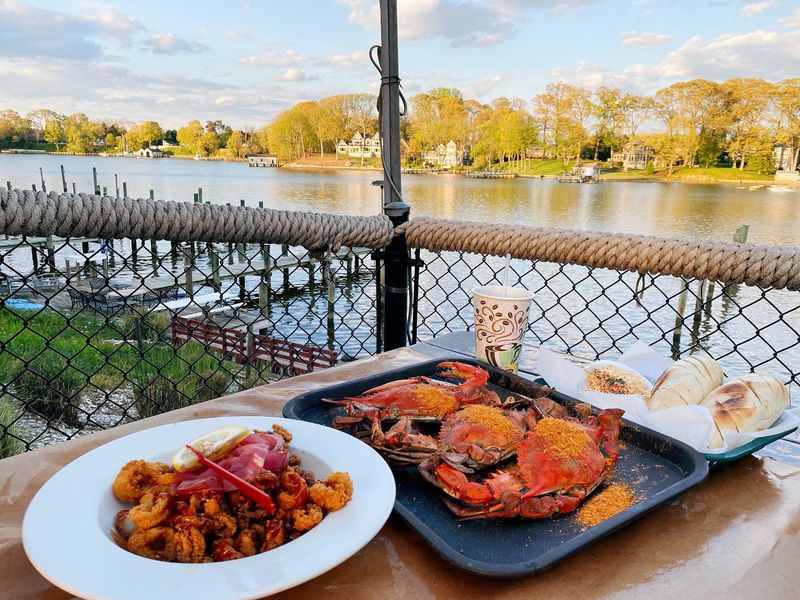
The route from water to table gets especially short during Maryland crab season. From roughly April through December, local watermen bring crabs directly to Cantler’s docks and unload their catch there.
Winter changes the sourcing. During the colder months, the restaurant brings in crabs from Gulf waters in Louisiana and Texas rather than presenting every crab served year-round as locally harvested from Maryland.
After delivery, staff go through the crabs, measure their size, and check their condition before they head upstairs for service. The batches are then steamed to order rather than prepared as one large supply for the entire day.
That seasonal difference is useful when deciding when to go. Anyone specifically interested in the local-waterman connection will find the Maryland season the clearest match. A winter visit can still include steamed crabs, but their origin changes with the season.
Supply can also shape what sizes are available at a given moment. There is little value in deciding on one exact size before arriving. Check the chalkboard, see what came in, and make the call from there.
Crab Cakes, Rockfish And Shrimp Give The Table Other Options
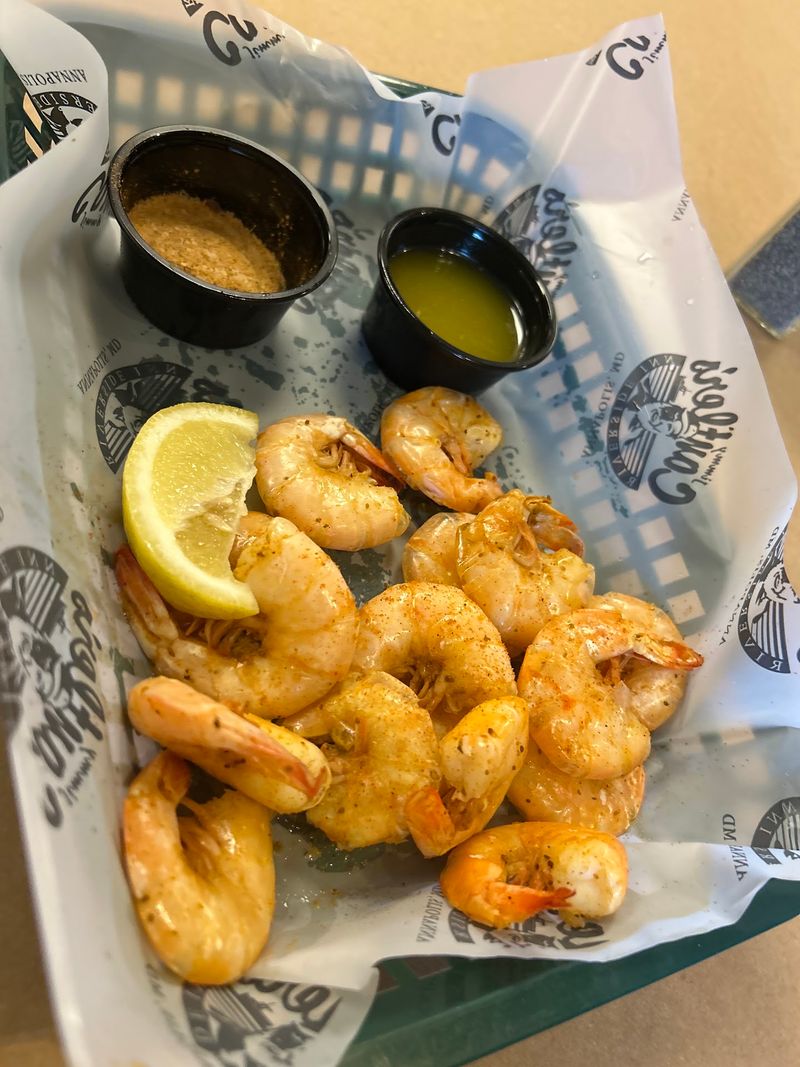
A table does not have to agree on steamed crabs. Cantler’s current menu reaches well beyond hard-shell crabs, which makes the restaurant easier to navigate when one person wants to pick shells and someone else would rather use a fork.
Crab cakes remain one of the obvious alternatives. The menu includes both lump crab cake and fried crab cake preparations, along with crab imperial for anyone who wants crab meat without the cracking.
Rockfish is another recurring Chesapeake option. It appears in platter and sandwich formats, with several cooking methods available depending on the dish.
Shrimp also shows up in multiple forms, including fried and steamed preparations, while littleneck clams and scallops broaden the shellfish choices.
The easier decision is to let appetite set the format. A crab feast works when the table has time to linger. A sandwich or platter makes more sense when lunch needs to move at a quicker pace.
Sides such as fries, coleslaw, potato salad, onion rings, hush puppies, and vegetables can round things out depending on the order. The useful part is flexibility: nobody has to learn crab picking just because somebody else arrived determined to crack a dozen.
Sorting And Steaming Happen After The Crabs Reach The Dock
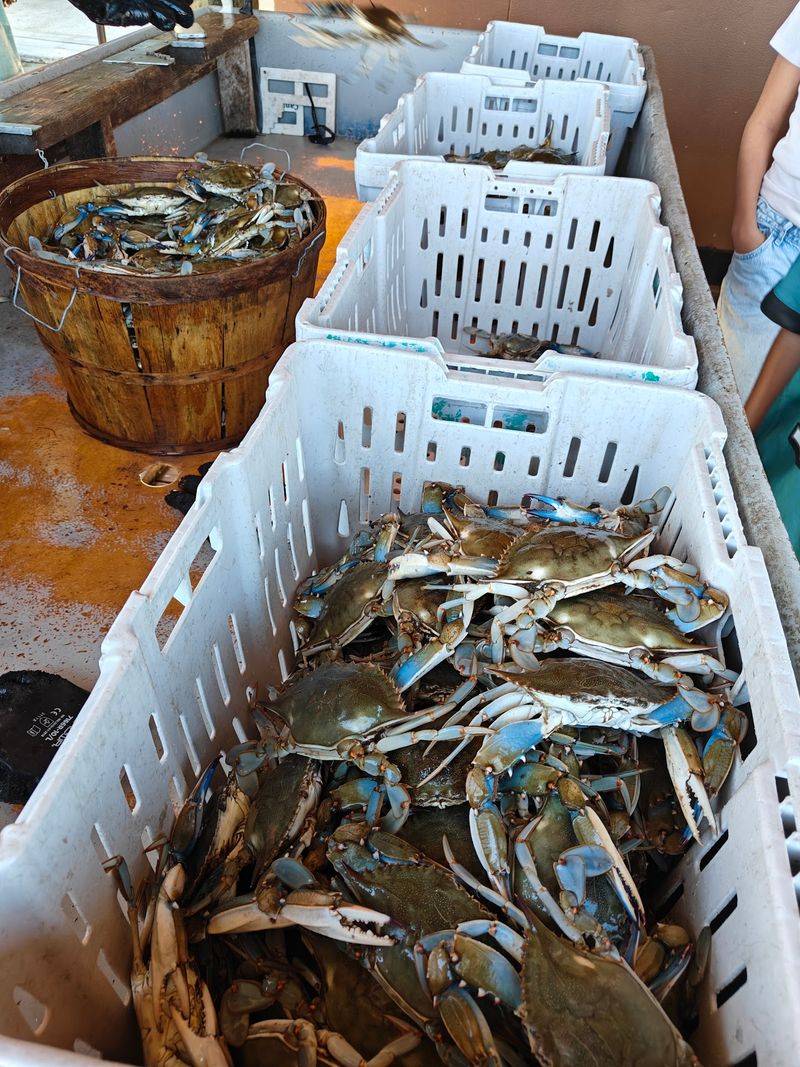
Before a crab reaches the paper-covered table, there is a quieter step that shapes the order. Staff measure and sort the crabs after delivery, checking size and quality before they move on to the kitchen.
Blue crabs do not arrive in identical dimensions, so the sorted sizes can vary with each delivery.
Once an order is placed, the crabs are steamed to order. J.O. crab seasoning goes on top before they are served on brown butcher paper, while butter and vinegar remain optional.
This is a good point to keep the order simple. Ask what sizes are available, choose the quantity, and decide whether those optional accompaniments belong on the table. The crabs themselves provide enough work without turning the order into a complicated project.
The process also explains why market conditions matter. Crab supply shifts with season and availability, so both selection and daily pricing can move.
A chalkboard glance on arrival is more useful than relying on an old menu photo or remembering what was available during a previous visit.
Mill Creek Makes Arriving By Boat Possible
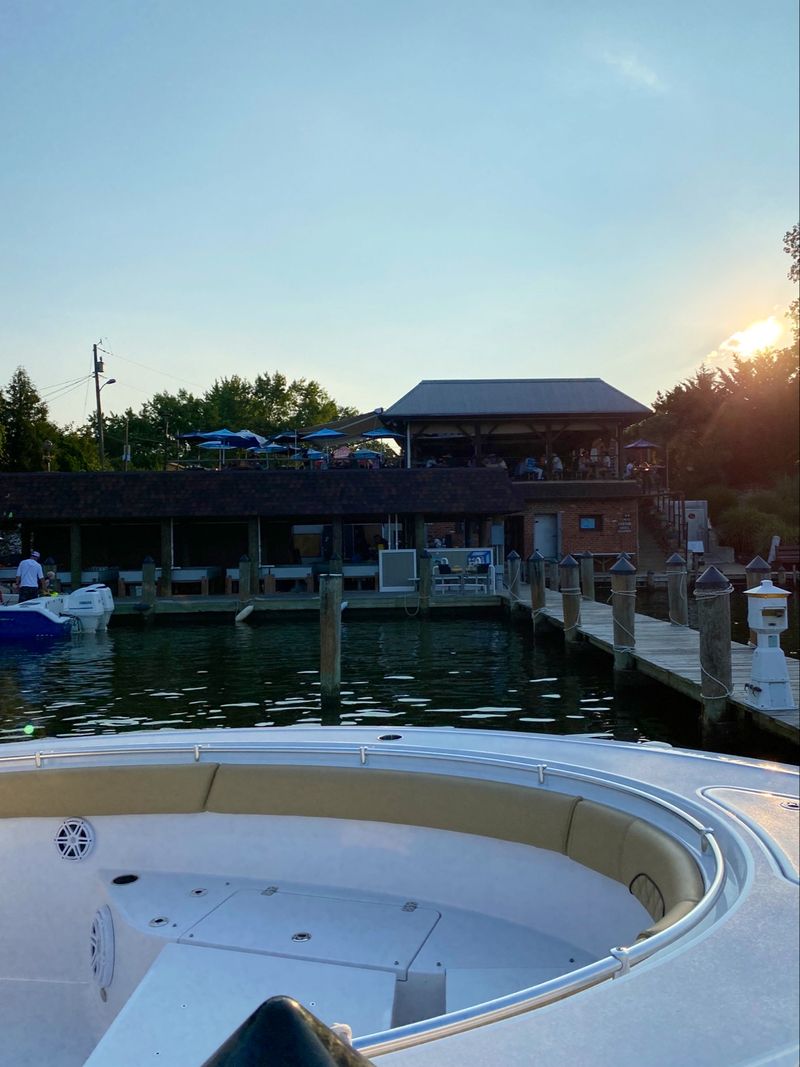
Mill Creek is more than scenery outside the dining room. It gives boaters a direct way to reach Cantler’s, with complimentary docking available to restaurant patrons on a first-come, first-served basis.
Boaters approach through Whitehall Bay before following the marked route toward the restaurant. Dock space is not something to assume will always be open, so the same flexibility that helps with crab sizes also helps on the water.
For land arrivals, the setting feels quieter than a downtown Annapolis restaurant. Cantler’s is only minutes from Annapolis City Dock, yet the final approach follows local roads toward the creek rather than placing the restaurant in the middle of the city’s busiest blocks.
Indoor and outdoor dining areas give the meal two different settings. Weather can make the choice for you, but the outdoor area keeps the creek close while the indoor space removes one variable from a long crab-picking session.
If arriving by boat is part of the plan, keep the meal schedule loose enough for dock availability. If arriving by car, remember the limited parking. Either way, the destination is the same waterfront crab house, and the crabs do not care how you got there.
Hours And Seating Rules Are Worth Knowing Before You Go
Cantler’s opens every day at 11 a.m. for lunch and dinner. The full menu is available until 10 p.m. Sunday through Thursday and until 11 p.m. on Friday and Saturday.
Smaller parties are seated on a first-come, first-served basis. Reservations are available for groups of 25 or more Monday through Thursday, and crabs themselves cannot be reserved.
That makes timing one of the more useful choices before leaving home. A smaller party cannot solve a busy period by booking a standard table, so arriving with some flexibility is better than building the entire day around an exact seating minute.
Crab availability deserves the same approach. Since supply and sizes can shift, decide whether the goal is specifically steamed hard-shell crabs or simply a seafood meal. The second option gives the table plenty of backups if one crab size is unavailable.
Wear something comfortable enough for a meal that involves hands, shells, seasoning, and paper spread across the table. Then let the pace slow down once the crabs arrive. The practical details matter at the beginning, but the point of the meal is not efficiency.
It is working through the pile one shell at a time with Mill Creek just outside.