Someone found a painting in the trash and thought, “This belongs in a museum.” Not because it was good. Because it was spectacularly bad.
And somehow, that one decision in 1993 led to a collection of nearly 900 artworks.
Welcome to a Massachusetts museum where bad art gets the VIP treatment. The rules? It has to be sincere, seriously flawed, and interesting.
Even paint-by-numbers gets rejected. Who knew being bad at art could require actual talent?
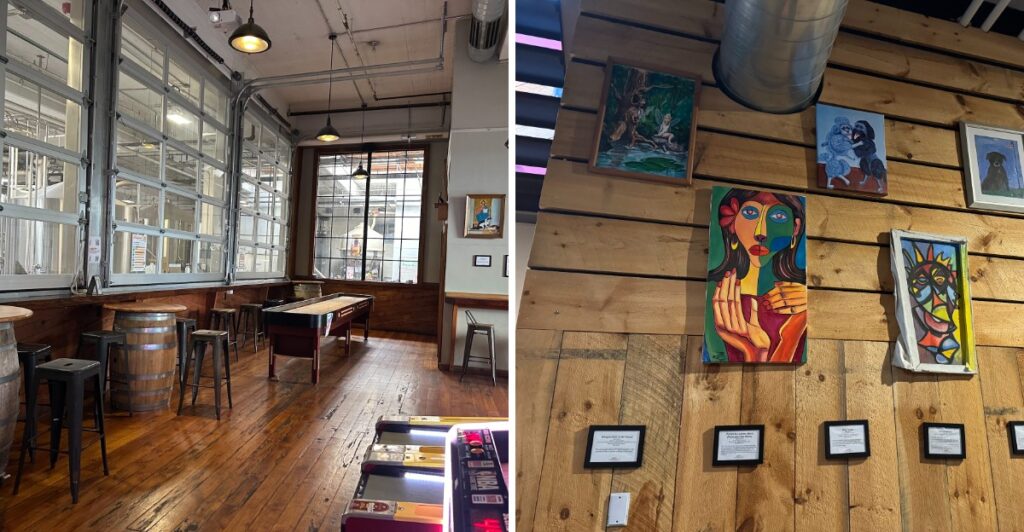
The museum now lives inside a working brewery, admission is free, and every painting comes with its own written interpretation. I’d read those labels before looking at the art.
Imagine tossing out your worst painting, only for someone to put it in a museum. Your art teacher might have to reconsider a few things.
A Museum That Started With One Lucky Curbside Rescue
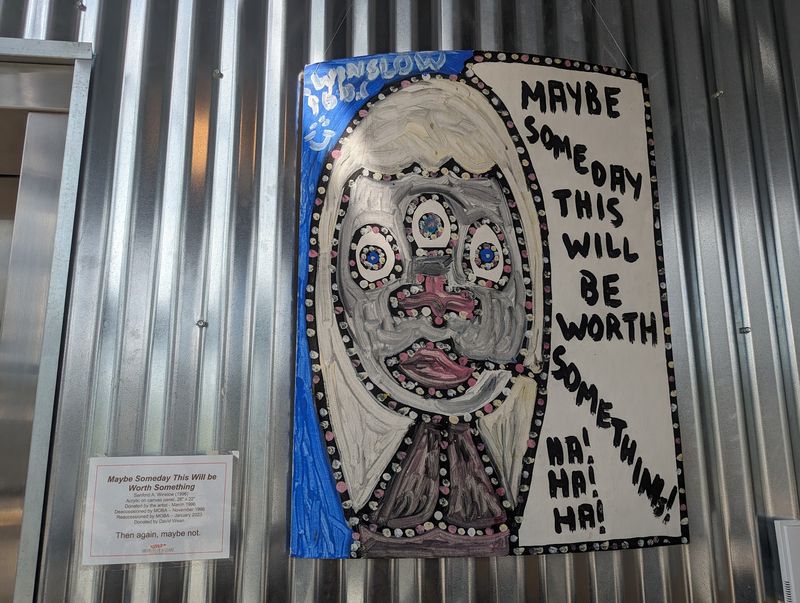
Most museums begin with wealthy donors and marble lobbies. The Museum Of Bad Art began with antique dealer Scott Wilson spotting a painting in the trash in the fall of 1993.
Wilson and his friends liked that discarded canvas so much they started hunting for more. Their goal was simple. They wanted art that went wrong in a way that grabbed your attention.
The first official exhibition opened in March 1994. Back then, the whole operation lived inside a private home in Boston. That’s a lot of questionable paintings for one living room.
A year later, the collection moved to the basement of the Dedham Community Theatre. Over time, galleries also popped up at the Somerville Theatre and the New England Wildlife Center.
Those older spots are no longer active. The museum closed its doors during the COVID-19 pandemic, like so many places across Massachusetts.
The comeback arrived in September 2022 with a brand-new home in Dorchester. Not bad for a collection that started as somebody’s garbage. That origin story is a good reminder to look twice before you toss anything.
Your next yard sale reject might be someone else’s masterpiece.
The Rules For Being Bad Are Surprisingly Strict
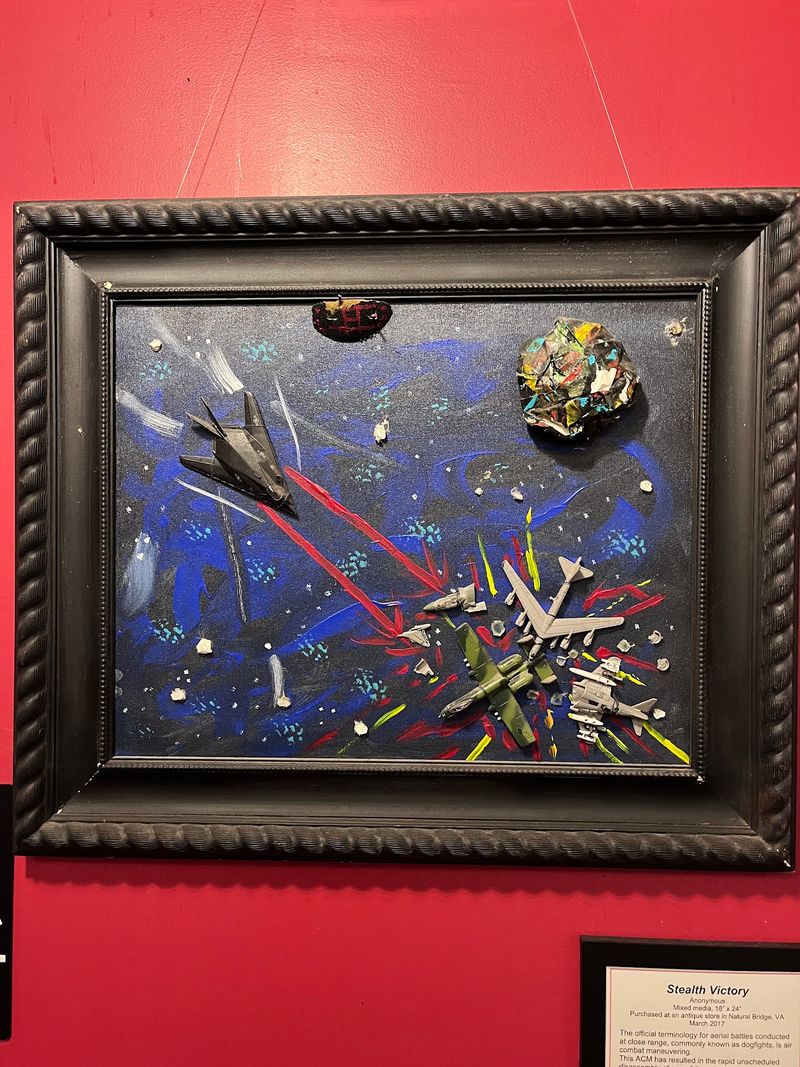
Getting into this collection is harder than you’d guess. The museum only accepts sincere art in which something has gone wrong, resulting in a compelling, interesting image.
That one sentence does a lot of heavy lifting. The artist had to be trying. The result had to miss the mark, but in a way you can’t stop staring at.
Plenty of things don’t make the cut. Deliberate kitsch gets turned away, since joke art doesn’t count as sincere.
Children’s art is also off the list. That feels kind, honestly, because no kid needs that kind of museum label.
Paint-by-numbers kits are rejected too. Following the numbers apparently removes the beautiful chaos the curators want.
Boring art faces the toughest judgment of all. A painting can be flawed, but if it’s dull, it stays out.
Knowing these rules makes your visit more fun. Instead of just laughing, you can start asking real questions. What was the artist going for?
Where did things take a wild turn? You’ll walk away thinking like a curator, which is a pretty fancy outcome for a museum of bad art.
Read The Labels Or You’ll Miss Half The Joke
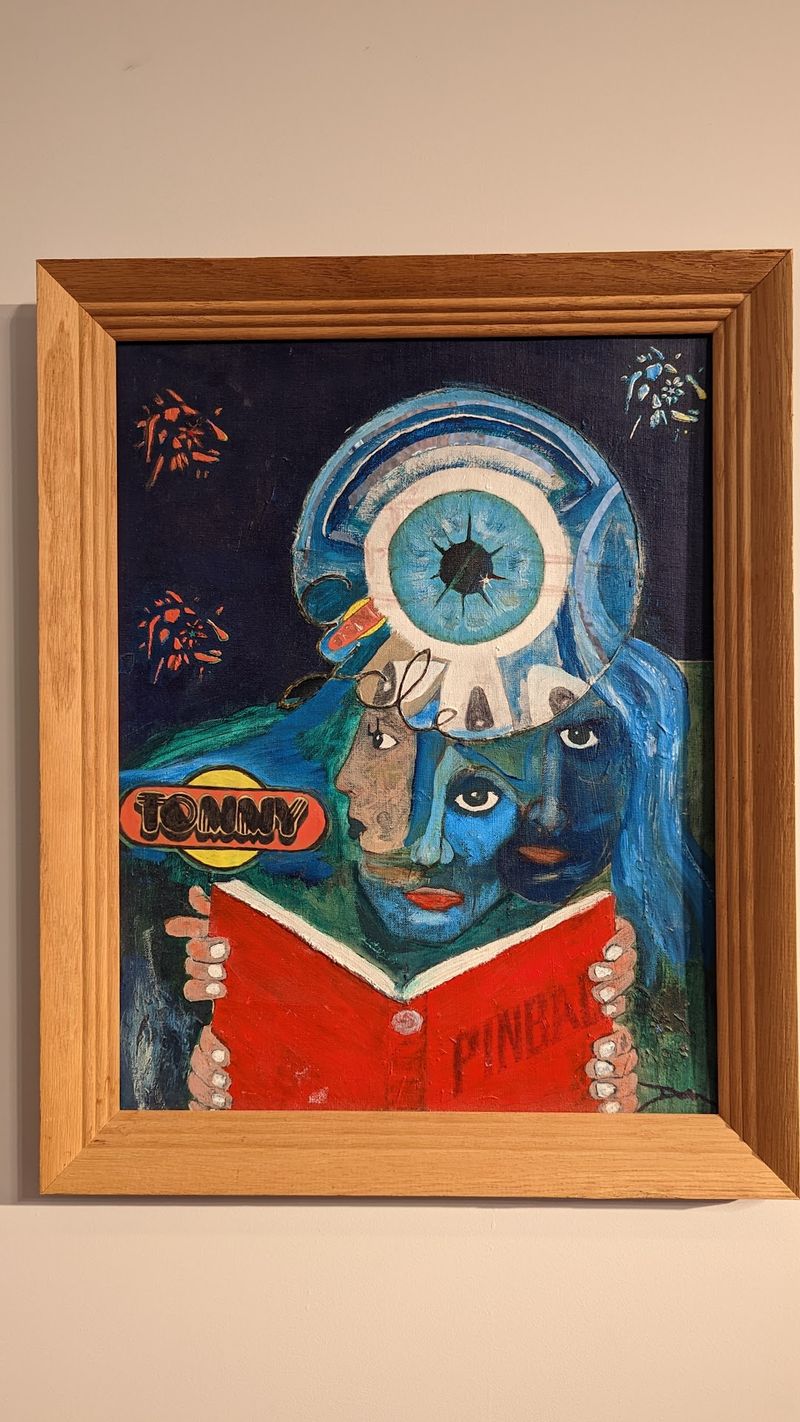
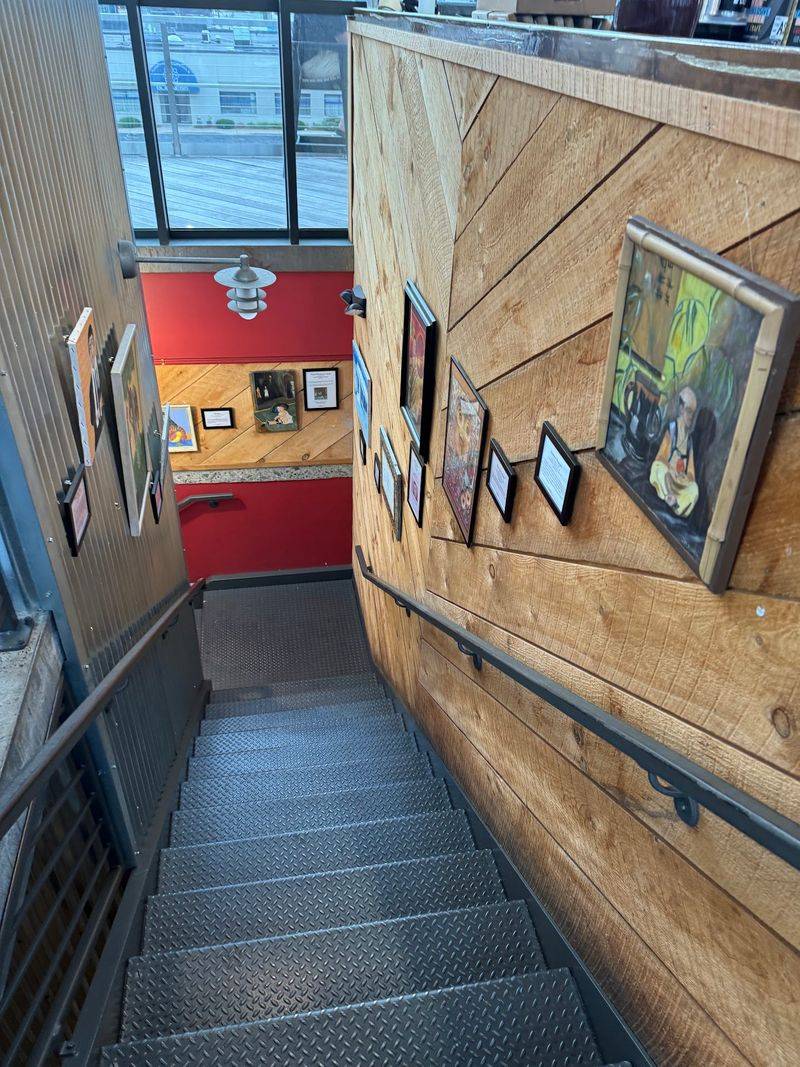
Every displayed piece comes with a written interpretation. Those little cards turn a strange painting into a full comedy routine.
The labels act like a museum tour guide with a sharp sense of humor. They describe what you’re seeing, guess at what the artist meant, and point out the delightful mistakes.
Skipping them would be like watching a movie with the sound off. You’d still see the pictures, but you’d miss the best lines.
Give yourself time to read slowly. Some of the funniest moments happen when the label takes a painting completely seriously.
Here’s a smart move for groups. Have one person read a label out loud while everyone else studies the art. It turns the visit into a shared game.
The writing also teaches you something real about art. You’ll pick up ideas about color, perspective, and composition without feeling like you’re in class.
Bring your phone if you like saving favorites. Snapping a photo of the painting and its label together helps you remember the joke later. Trust me, you’ll want to share a few of these with friends who need a laugh.
Your Wallet Gets The Day Off At The Door
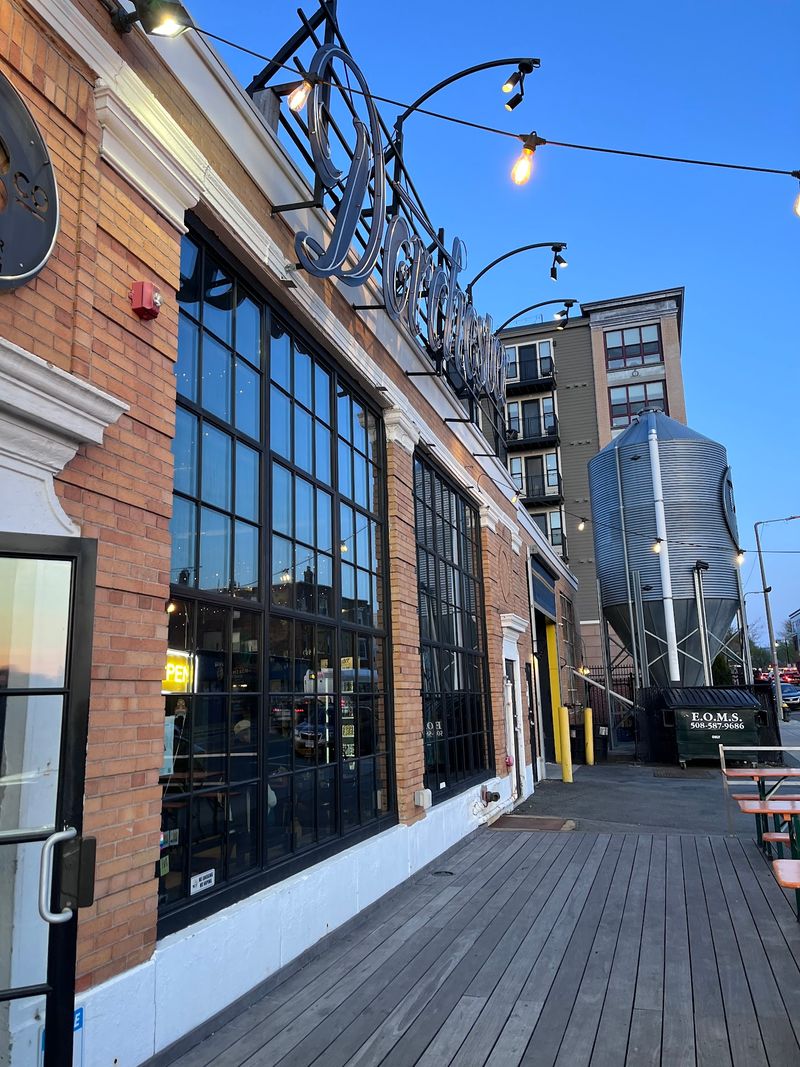
Free admission might be the best price tag in all of Boston. The Museum Of Bad Art doesn’t charge a single cent to look around.
That makes it an easy add-on to almost any city day. You can pop in for a quick look or linger for a while without worrying about getting your money’s worth.
The address is 1250 Massachusetts Ave Ste 1, Boston, MA 02125. It sits in the Dorchester neighborhood, inside Dorchester Brewing Co.
Driving is simple because free parking is available. In a city famous for tricky parking, that feels like its own small miracle.
The museum opens every day at 11:30 AM. Closing time shifts depending on the day, so plan around that.
On Sundays and Mondays, it closes at 9 PM. Tuesday through Thursday, you can explore until 10 PM, and Friday and Saturday evenings give you an extra hour to enjoy the wonderfully weird artwork.
That schedule gives you lots of options. A lunch break visit works. So does a relaxed evening outing.
Few museums in Massachusetts keep hours this generous, which makes this one easy to squeeze into a busy week.
Only A Slice Of The Bad Art Collection Makes It Onto The Walls
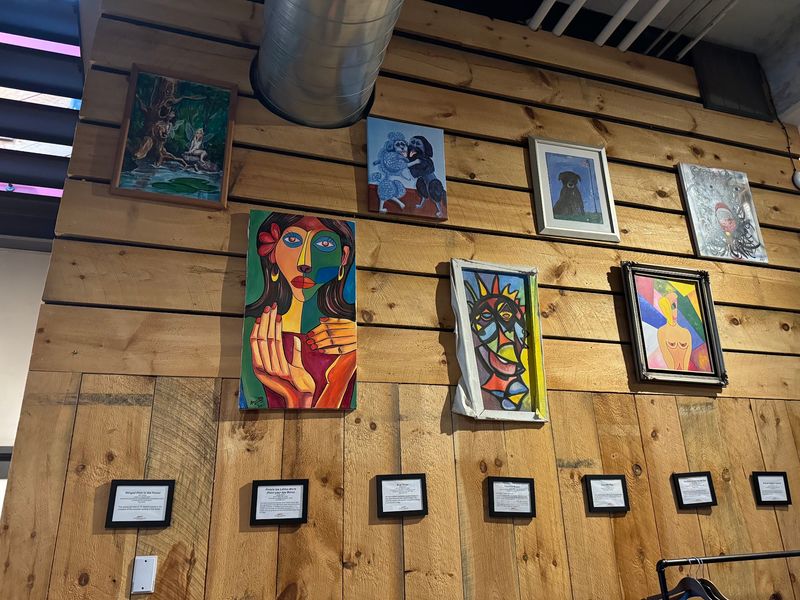
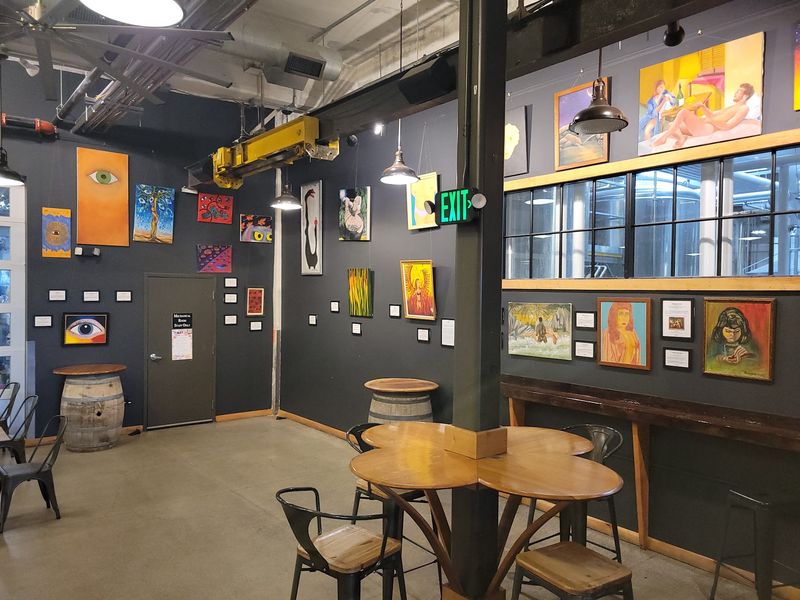
Almost 900 pieces live in the permanent collection. Only a portion of the collection is displayed at Dorchester Brewing Co. at any given time.
That means you’re seeing a carefully picked slice of the weirdness. Think of it as a greatest hits album for paintings that tried really hard.
The smaller selection on display makes the collection manageable for a visit. You can take in every piece without feeling rushed or worn out.
It also leaves room to really study each one. Faces, landscapes, animals, and puzzling scenes all compete for your attention.
Because the walls hold only part of the collection, the art can change over time. A return trip may introduce you to brand-new oddities.
Here’s a fun challenge to try. Pick one personal favorite before you leave and defend your choice to your group.
You might find that your favorite isn’t the silliest piece. Sometimes the most memorable painting is the one that almost works, then takes a sudden left turn. That small gap between effort and result is exactly what the curators hunt for.
Spotting it yourself feels oddly satisfying.
Know The Age Rule Before You Bring The Kids
Planning a Friday or Saturday evening visit with the kids? The age rules have changed over time, so check the latest policy before heading out.
Weekday visits and weekend afternoons give younger visitors more flexibility. Checking the clock before you head out can save you a disappointing trip.
Older kids and teens often get the humor best. A teen with a sharp, sarcastic streak may find this place surprisingly entertaining.
The labels make it easy to start conversations. Ask your kids what they think the artist was trying to paint.
You can also turn it into a mini art lesson. Talk about why a face looks strange or why a sky feels off.
Very young children may not catch the jokes. They might also wonder why everyone is laughing at pictures.
For the right age group, though, it’s a memorable outing. It shows kids that art doesn’t have to be perfect to matter. Effort counts, and so does a sense of humor about our mistakes.
Curators Sometimes Step Out To Spill The Details
Curator Talks are part of the museum’s lineup. These sessions give you a chance to hear the stories behind the collection from the people who run it.
Behind every bad painting is a little mystery. Where did it come from? Why did it earn a spot on the wall?
A talk helps fill in those gaps. You get context that a quick walk-through simply can’t offer.
The museum has also drawn international media attention for its concept. Not many places in Massachusetts can say their misfit paintings made headlines worldwide.
That attention makes sense once you see it in person. The idea is funny, but it’s also clever and kind.
Events aren’t happening every day, so keep an eye on the museum’s announcements. Planning ahead helps you catch one.
If you can’t make a talk, don’t worry. The written labels still carry plenty of the curators’ personality. Still, hearing the stories out loud adds a fresh layer.
It’s a bit like getting the director’s commentary on a movie you already love.
Dorchester Makes A Fitting Home For Boston’s Quirkiest Collection
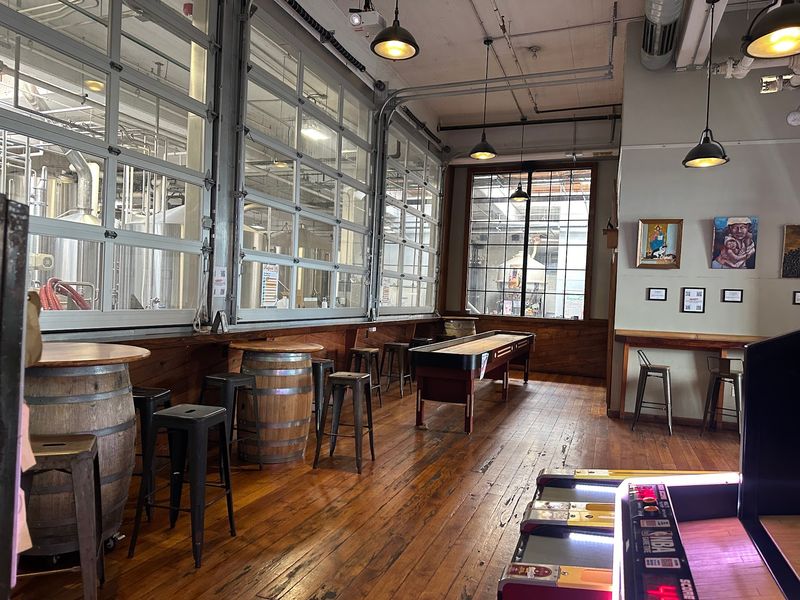
Dorchester gives this collection a neighborhood feel. The Museum Of Bad Art has called this part of Boston home since September 2022.
Massachusetts Avenue runs right past the front door. That makes the location easy to find, even for first-time visitors to the city.
The free parking helps a lot. Boston drivers know how rare that can be.
A visit here pairs nicely with a broader Boston day. You can mix serious museums with this playful one for a fun contrast.
Spend your morning admiring famous masterpieces somewhere else. Then end the day here and compare notes.
That contrast makes the bad art even more enjoyable. Your eyes will be fresh from seeing paintings that got everything right.
Give yourself at least an hour if you can. Reading the labels takes time, and rushing ruins the jokes.
Massachusetts has no shortage of historic landmarks and grand galleries. Yet few spots celebrate creative effort with this much heart. The museum proves something simple.
Trying counts, even when the result looks like a dog painted by someone who has only heard dogs described.