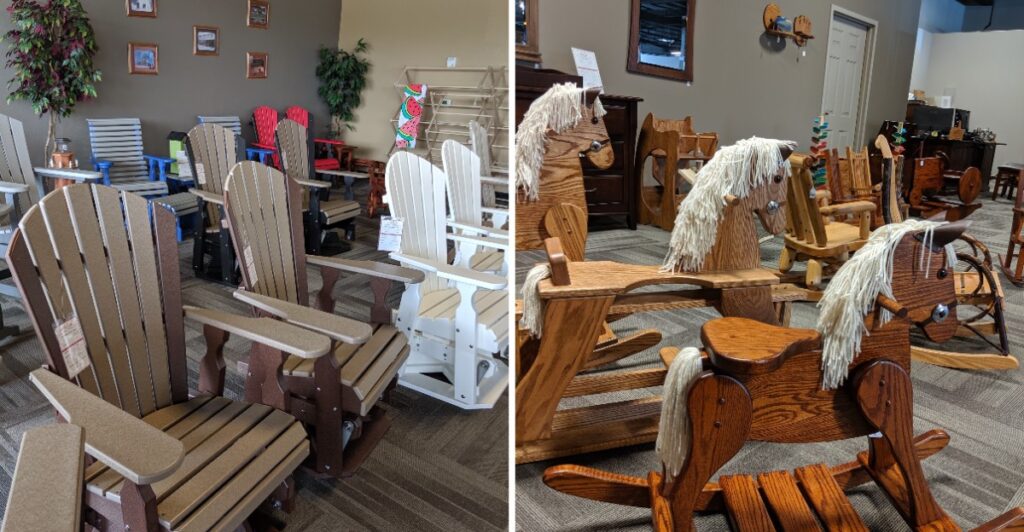
Apparently, choosing a table can turn you into someone with very strong feelings about maple.
Inside this Michigan showroom, the pieces on the floor are only the beginning. You can sit at a table, picture it at home, then start changing the details until it feels less like showroom furniture and more like yours.
That kind of control is easy to get carried away with.
The company has worked with Amish builders since 1999, so customization is part of the process rather than an afterthought.
I would bring room measurements and at least one strong opinion.
Otherwise, you may spend twenty minutes discovering that apparently you care deeply about wood stain.
Who knew a dining table could start this many negotiations?
More Than 10,000 Square Feet Gives You Room To Compare
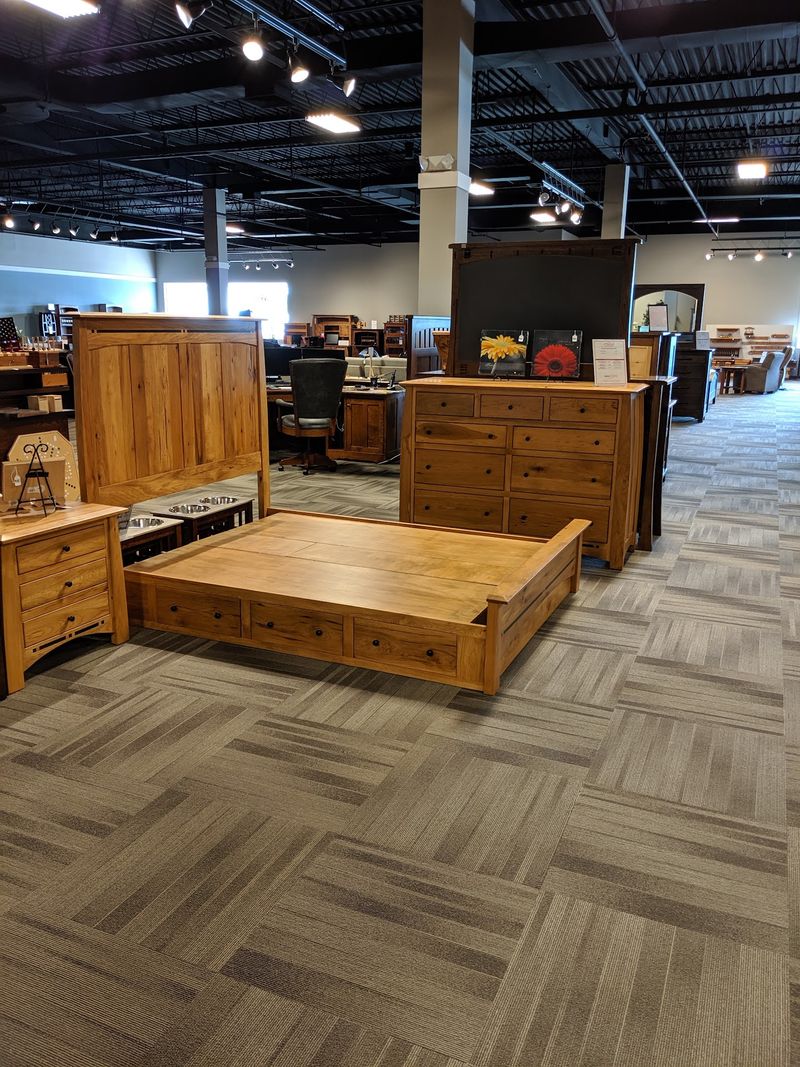
The Sterling Heights showroom holds more than 10,000 square feet of Amish-made furniture.
Bedroom suites, dining sets, bookcases, desks, occasional tables, seating, and other pieces share the floor, giving you enough variety to compare scale, shape, and finish in person.
That matters because furniture can look very different on a screen than it does when you stand beside it. A dining table that seems modest online may feel much larger once chairs surround it. A dresser can look compact in a photo and then dominate a bedroom wall.
Start with the dimensions of your own room before you visit. Measure the wall, doorway, table space, or corner that needs furniture. Then use the showroom to compare those numbers with actual pieces.
You do not have to decide on the first design that works. The store also offers additional options beyond what fits on the floor, so the showroom can function as a reference point for wood tones, proportions, and construction details.
If one piece catches your attention, ask yourself why. Is it the wood, the leg shape, the hardware, the size, or the finish? Knowing that makes the next decision much easier.
Solid American Hardwoods Shape The Look
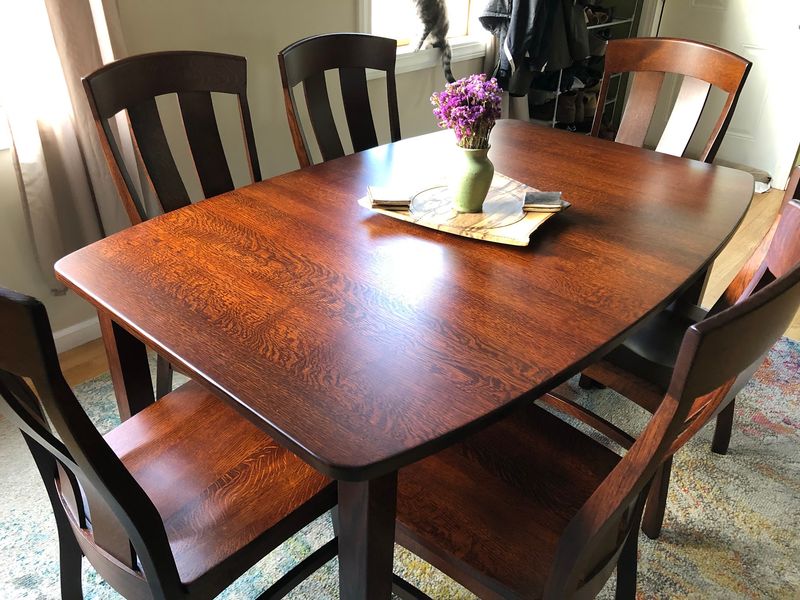
Solid hardwood is central to the furniture selection. Current pieces use American hardwoods such as oak, brown maple, cherry, rustic cherry, hickory, rustic hickory, quarter-sawn white oak, hard maple, walnut, and other species depending on the design.
Each wood changes the character of a piece before stain even enters the conversation. Oak shows a more visible grain. Brown maple can create a smoother look.
Quarter-sawn white oak brings a distinctive grain pattern. Cherry can deepen in color with age, while rustic species may include natural knots and variation.
The practical move is to choose the wood before getting lost in stain samples. Start with the grain you want to see every day, then decide how light or dark the finish should be.
A dining table and a bedroom set do not have to use the same species, either. If one room needs something visually quiet and another can handle stronger grain, treat them as separate decisions.
Solid wood also requires care. Current care guidance recommends keeping furniture away from heating sources and prolonged direct sunlight, controlling indoor humidity, using padding under hot or sharp objects, and avoiding harsh solvents.
That is not complicated maintenance. It is mostly about giving the wood a stable environment once it comes home.
Around 200 Amish Builders Handle The Made-To-Order Work

Amish Direct Furniture works with roughly 200 Amish builders who make and customize furniture. That network is what allows the selection to stretch far beyond one workshop or one visual style.
Many pieces are built to order, and customization can range from straightforward changes to more detailed specifications. Depending on the item, shoppers may be able to choose wood species, dimensions, stain, finish, hardware, upholstery, and other features.
That means the showroom piece does not always have to be the final answer. Think of it as the sample that helps you decide which parts to keep and which parts to change.
Measure first. That advice matters even more with custom furniture because a beautiful table still has to leave enough room for chairs and walking space. A dresser still has to clear the door.
A desk still has to fit where the outlets and windows already are.
It also helps to rank your priorities before adding options. Size may matter more than stain. Storage may matter more than hardware.
Upholstery may matter more than a decorative detail.
When several choices are available at once, the order matters. Solve the room problem first, then make it pretty.
The Sterling Heights Showroom Is Open Seven Days A Week
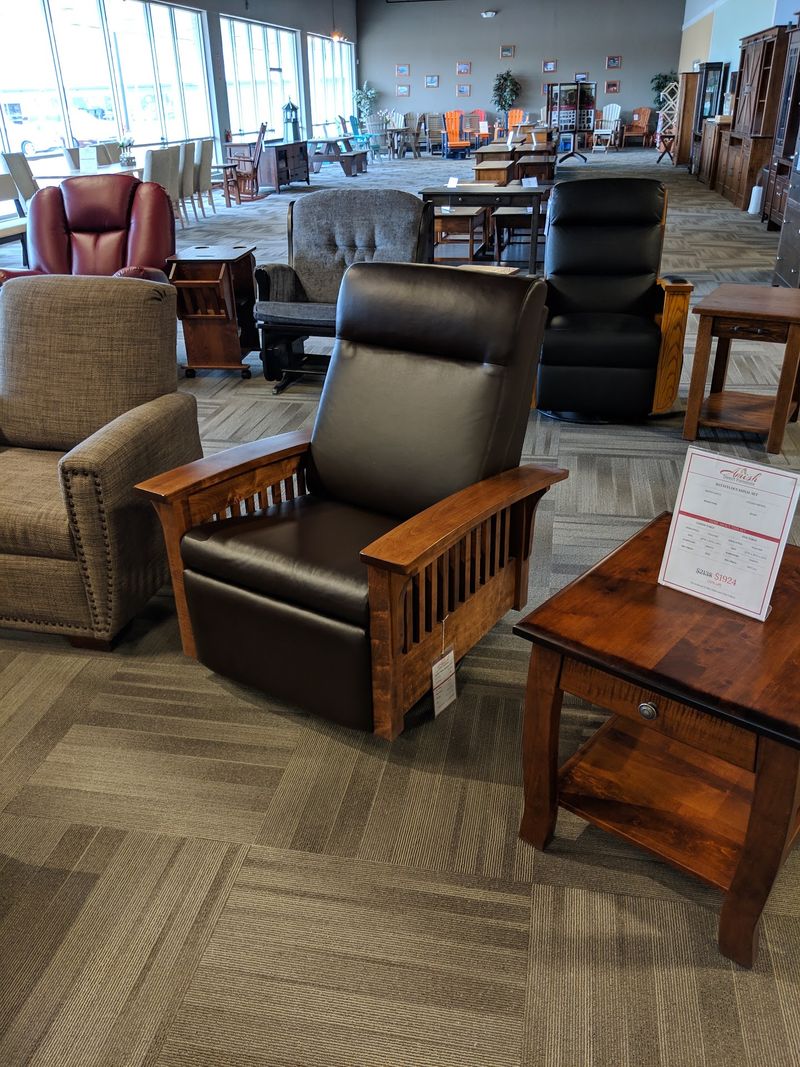
Monday runs from 10 a.m. to 4 p.m. Tuesday stays open later, from 10 a.m. to 7 p.m. Wednesday through Saturday hours are 10 a.m. to 6 p.m., while Sunday returns to 10 a.m. to 4 p.m.
That schedule makes a longer comparison visit easier to plan. If you want time to test chair heights, look at wood samples, and compare several tables without rushing, Tuesday gives you the latest closing time.
Bring room measurements with you. A quick sketch on paper or your phone can be enough. Mark the wall length, doorway width, existing furniture, and any spot that cannot be blocked.
If you are comparing dining tables, remember to include chair clearance rather than measuring only the tabletop. For bedroom furniture, think about drawer swing and walking space. For office pieces, consider cables and outlets before choosing the final size.
A showroom visit becomes much more productive when the room at home has already supplied the boundaries.
The showroom is at 11970 Hall Road, Sterling Heights, MI 48313, and current hours give you at least one opening every day of the week.
Customization Extends Beyond Wood And Stain
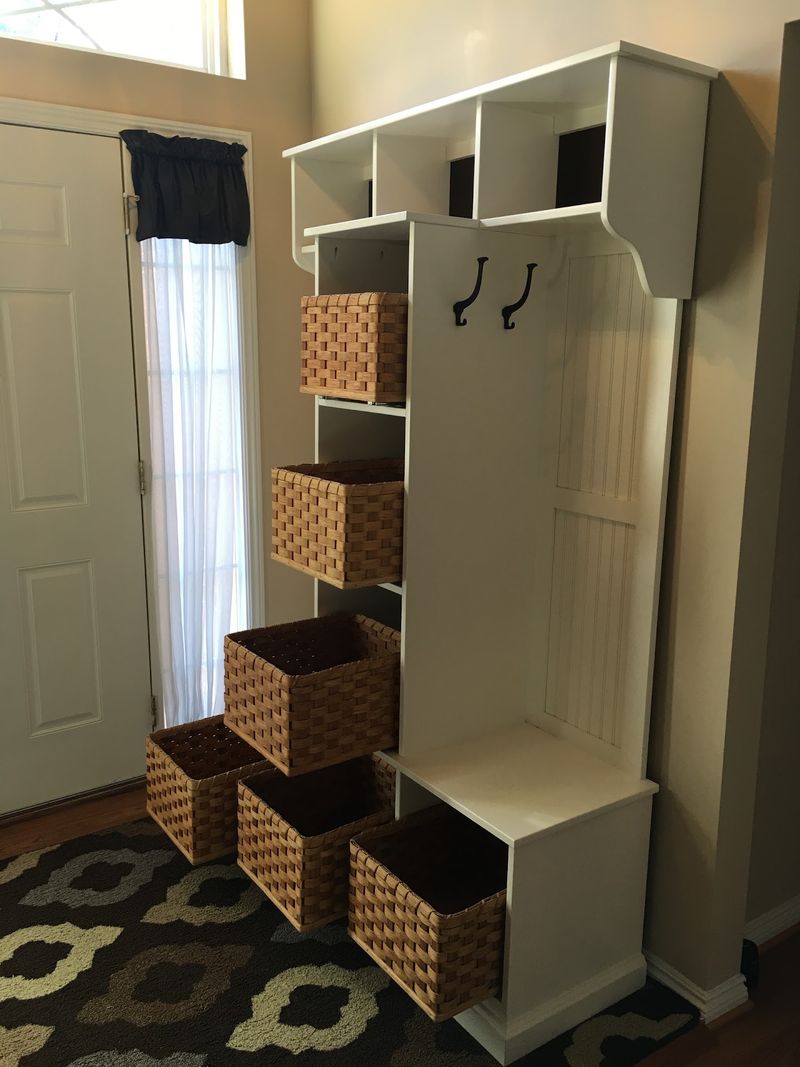
Wood choice gets much of the attention, but customization goes further. Depending on the furniture, current options can include stain, finish, hardware, size changes, upholstery, leather, fabric, soft-close components, and two-tone treatments.
That does not mean every option appears on every piece. A dining chair presents different decisions from a buffet or TV stand. The useful approach is to look at the configuration for the exact item rather than assuming one feature applies across the entire store.
Upholstered seating adds another layer. Fabric and leather choices affect both appearance and how the piece feels in the room. Hardware can change the personality of a dresser or cabinet without changing the overall structure.
Finish samples are especially useful because screen colors can be misleading. A stain that looks warm on a laptop may read differently under the lighting in your house. Seeing physical samples helps narrow that gap.
If you are considering a two-tone finish, decide which part of the piece should carry the stronger color. A contrasting base and top can make a table feel more modern without changing its basic shape.
Customization works best when it solves a specific problem. Use it to fit the room, not simply to add decisions.
Specific Pieces Use Traditional Joinery And Modern Hardware
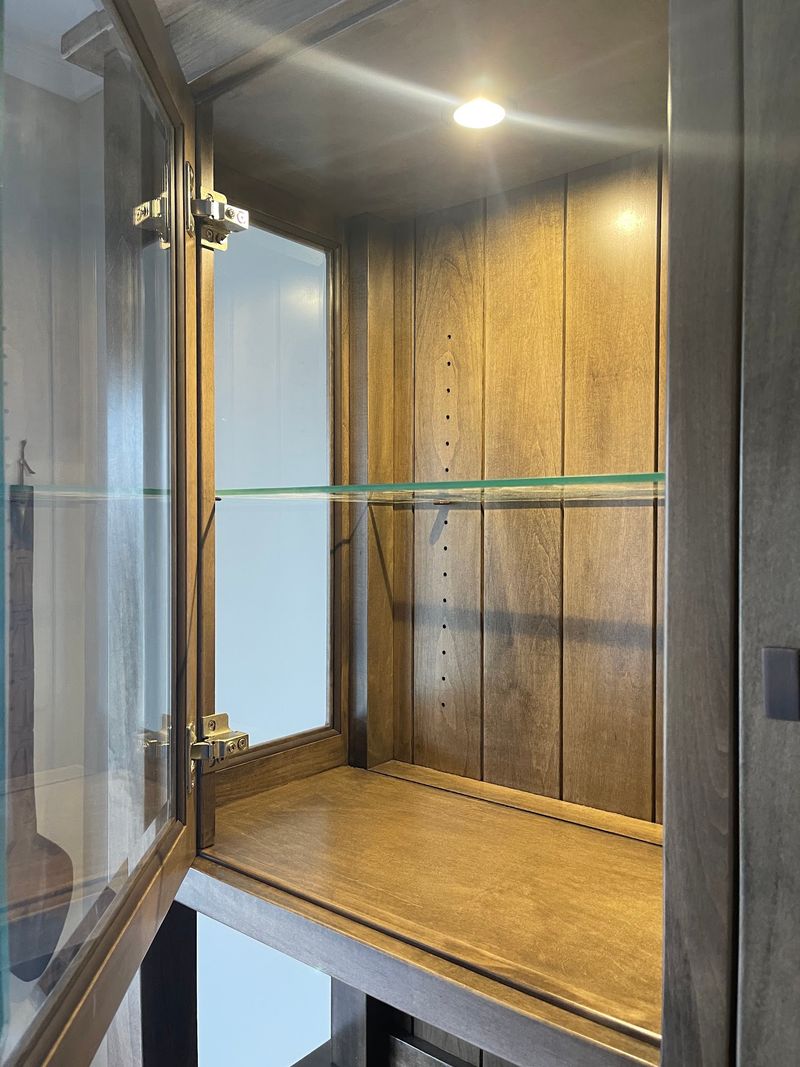
Construction details vary by collection and product, so it is worth looking at the exact piece rather than applying one method to the entire showroom.
Some current furniture uses precision-cut mortise-and-tenon joints. Certain pieces also combine that joinery with hidden pocket screws, dovetailed drawer boxes, thick solid tops, and soft-close undermount slides or hinges.
Those details are easier to understand when you see where they appear. Mortise-and-tenon joinery connects fitted pieces of wood. Dovetailed drawers use interlocking joints at the corners.
Soft-close hardware changes how drawers and doors finish their movement.
None of that requires turning the shopping trip into a woodworking lesson. Use the details to compare two pieces that otherwise seem similar.
Open the drawers. Look at the underside of a tabletop if it is visible. Check how cabinet doors move.
Ask what features belong to the specific model you are considering.
Then decide which construction details actually matter in your room. A dining table and a nightstand do different jobs. A buffet with frequent-use drawers may make soft-close hardware more useful than it would be on a piece opened once a week.
The smartest comparison is always piece by piece.
The Selection Reaches Well Beyond Dining Tables
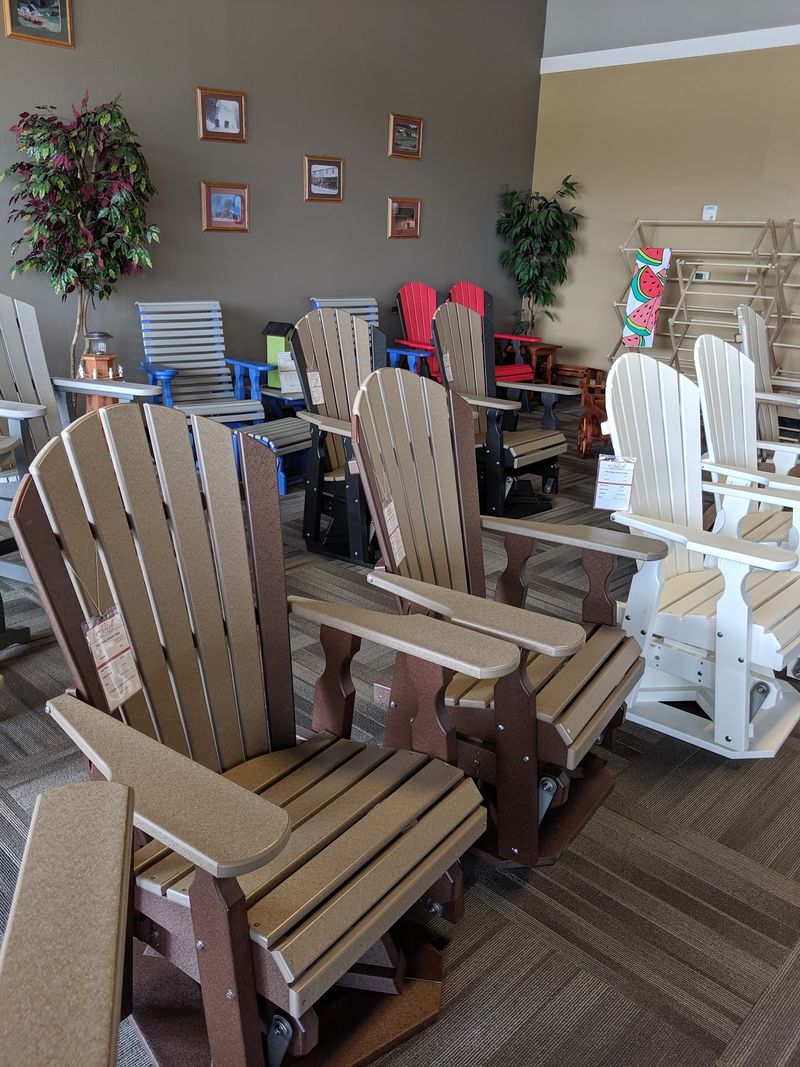
Dining furniture may be an obvious starting point, but the current catalog reaches into bedrooms, living rooms, offices, youth furniture, storage, entertainment pieces, and outdoor poly furniture.
That range makes it possible to shop for more than one room without forcing every space into the same style. A dining room can lean traditional while an office stays cleaner and more modern. A bedroom can use warmer wood while a living area goes lighter.
Amish Direct Furniture has been in business since 1999, continuing to focus on Amish-made furniture built from American hardwoods and customized to order.
If you are furnishing several rooms, resist the urge to solve everything in one afternoon. Start with the piece that has the biggest impact on daily life. That might be a dining table, a bed, a desk, or storage.
Once that decision is settled, later choices get easier because you have a reference point for wood, finish, scale, and style.
The best visit is not the one that ends with the longest receipt. It is the one that leaves you knowing exactly what fits, what needs customization, and what can wait until the next room is ready.