History feels louder when the road is empty, the cliffs are glowing, and the next stop looks like it has been waiting centuries for someone curious enough to pull over.
Across Utah, this nearly 950-mile route turns a simple drive into a sweeping journey through red rock canyons, sunburned plateaus, old frontier settlements, and ancient dwellings that still hold a powerful sense of mystery.
It is the kind of trip where every mile seems to change the mood, from wide-open desert silence to narrow canyon drama and weathered structures that make the past feel startlingly close. One moment you are chasing views that look almost unreal, and the next you are standing near places shaped by survival, skill, and imagination.
Utah’s backroads are built for travelers who want more than pretty scenery, they want stories with dust, depth, and a little wonder. Charge the camera, pack real snacks, and let the road do what it does best.
Grafton Ghost Town
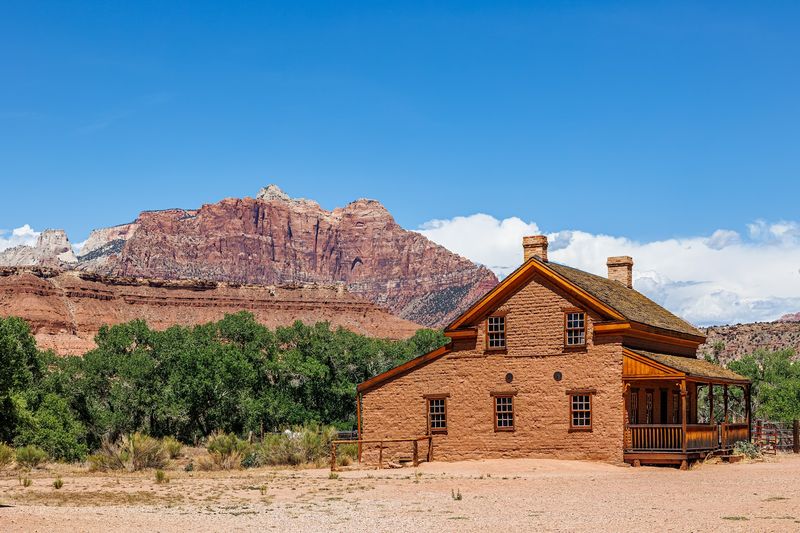
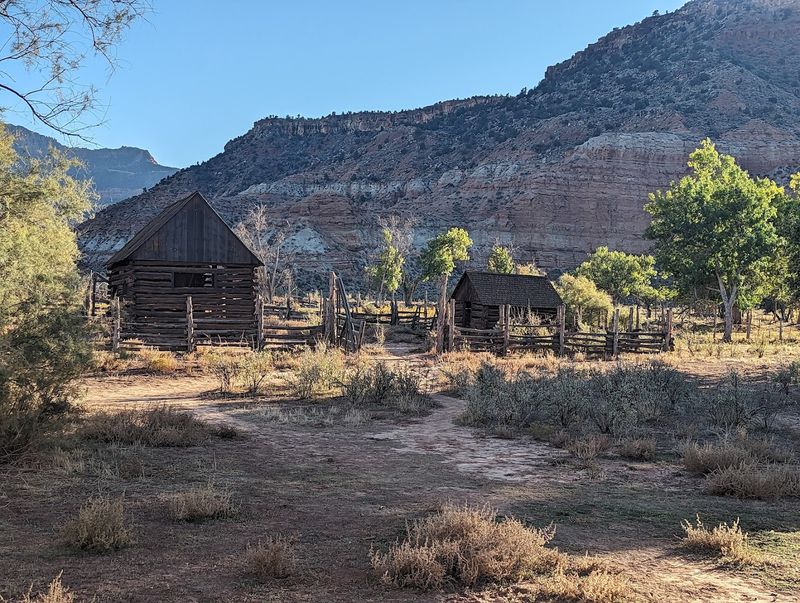
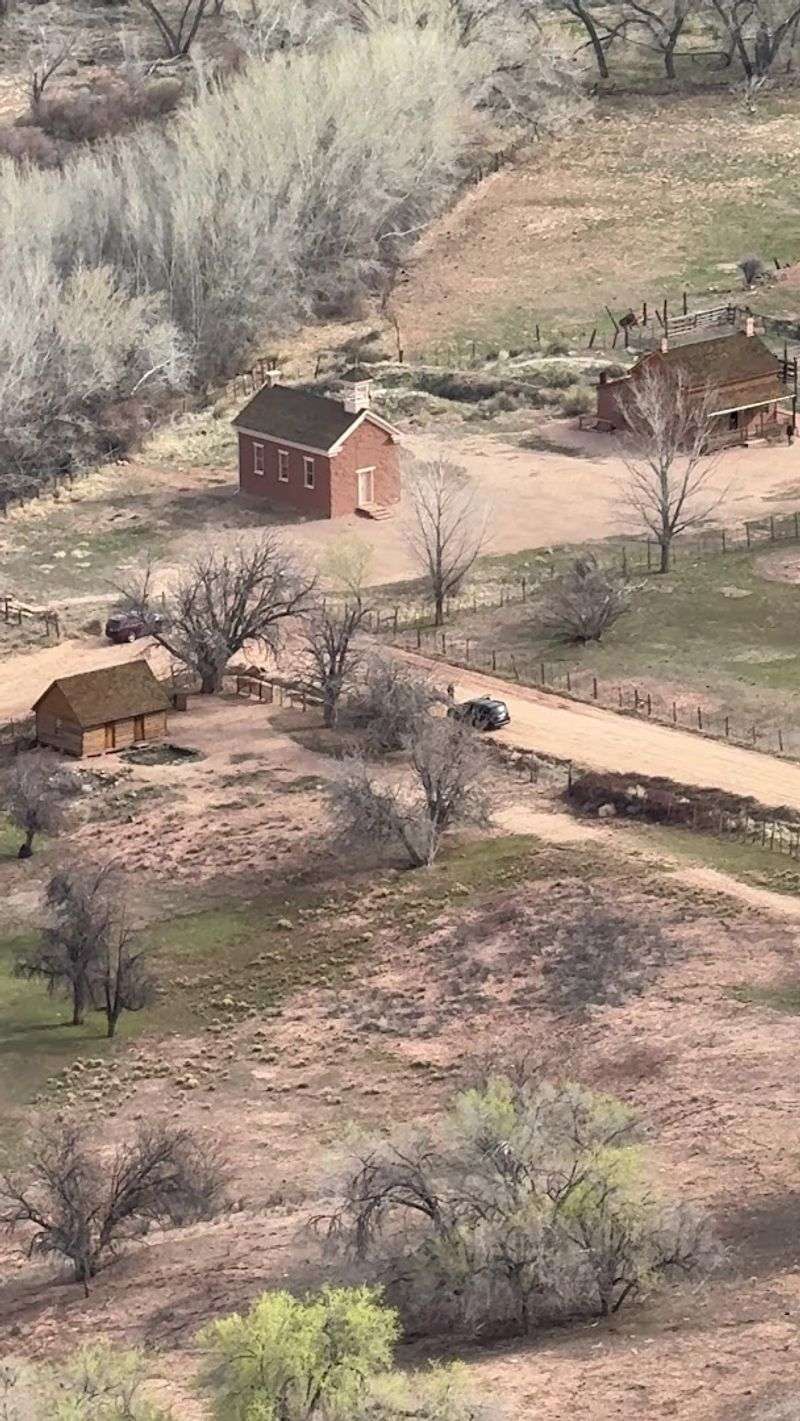
Some places earn their reputation quietly, and Grafton Ghost Town near Springdale, Utah, is exactly that kind of place. Tucked behind a bumpy dirt road that winds through some of the most dramatic canyon scenery in the Southwest, this restored pioneer settlement sits at 37.1674065, -113.0818303 and is free to visit, open around the clock, every single day of the year.
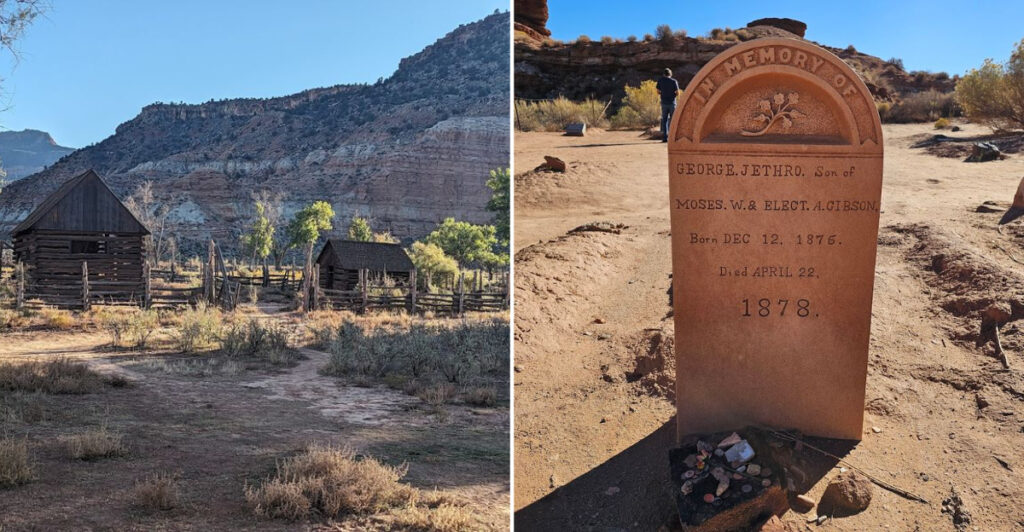
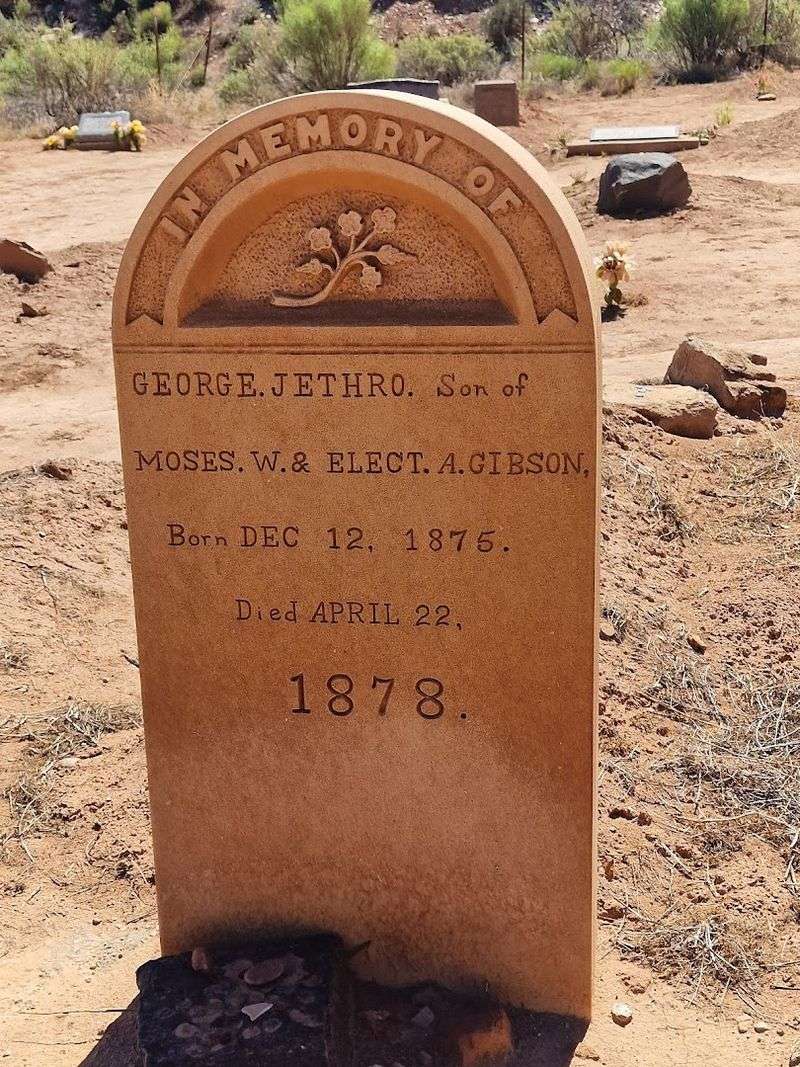
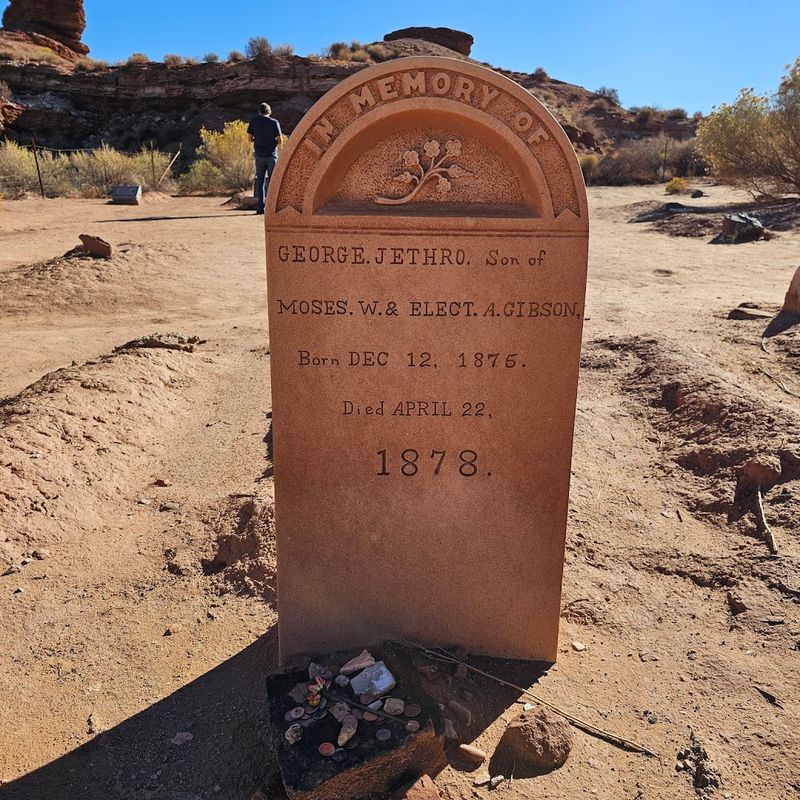
Grafton was a Mormon settlement from the 1860s, and the buildings still standing today have been carefully maintained by descendants of the original families. You can walk inside several restored homes, read detailed informational signs, and wander through the old cemetery, where headstones tell quiet, sobering stories about frontier hardship.
Film fans will recognize the setting from Butch Cassidy and the Sundance Kid, which used Grafton as a backdrop for one of its most memorable scenes. No guided tours run here, which honestly makes the experience feel more genuine.
Just you, the history, and the sound of wind moving through overgrown grapevines that have been growing here longer than most towns in Utah have existed.
Quick Tip: Use the bathroom before you leave the highway. There are no facilities on site, and the dirt road can get muddy after rain.
A standard vehicle handles the route fine in dry conditions.
Cisco Ghost Town
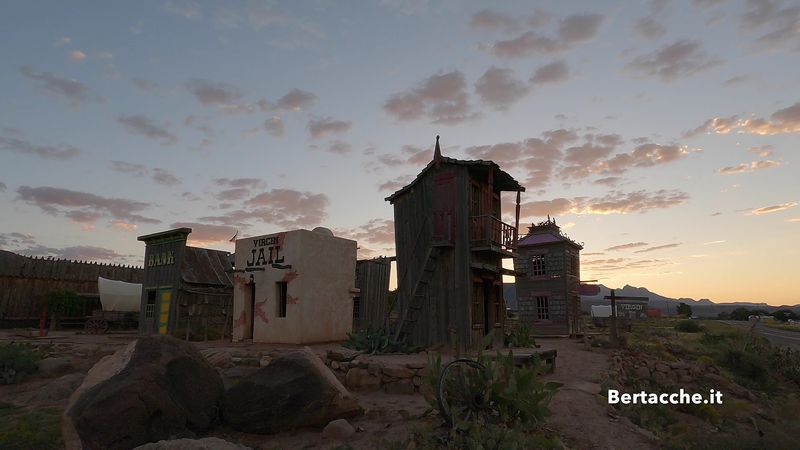
Cisco is the kind of place that looks like a film set someone forgot to tear down. Sitting just off Interstate 70 in Grand County, this former railroad and oil town began emptying out in the mid-twentieth century when the highway bypassed it entirely, and time has not been kind in the most photogenic way possible.
Rusted trucks, collapsed storefronts, and weathered wooden structures stretch across a flat, windswept landscape that feels genuinely otherworldly. Unlike more curated ghost towns, Cisco has no restoration crew and no informational signs.
What you see is exactly what decades of abandonment produce when left completely alone.
Photographers and urban explorers have quietly made this a bucket-list stop along Utah’s back roads. The drive along Highway 128 toward Cisco follows the Colorado River through red canyon walls, which makes the approach almost as worthwhile as the destination itself.
Best For: Road trippers who appreciate raw, unpolished history without velvet ropes or gift shops. Cisco rewards curiosity and punishes anyone who forgot their wide-angle lens.
Planning Advice: Visit during morning light for the best photographs. The structures are unstable, so stay aware of your surroundings and stick to exterior exploration where possible.
Hovenweep National Monument
Before Utah had settlers or statehood, it had the Ancestral Puebloans, and Hovenweep National Monument is one of the most striking places to understand what that civilization actually built. Located near the Colorado border in southeastern Utah, Hovenweep preserves six groups of towers, kivas, and multi-room structures constructed roughly 700 to 1,300 years ago.
What makes Hovenweep genuinely different from other ancient sites is the architecture. The builders positioned stone towers directly on canyon rims and large boulders, using the natural landscape as both foundation and defense.
Standing next to these structures, you get the immediate, humbling sense that the people who built them were solving complex engineering problems without modern tools.
The Square Tower Group trail is the main loop, running about two miles along canyon rims with consistent views of the ruins. The monument sees far fewer visitors than nearby Mesa Verde, which means you can often have stretches of the trail entirely to yourself.
Insider Tip: Hovenweep is a designated International Dark Sky Park. If your road trip schedule allows an overnight stay at the campground, the night sky here is legitimately one of the best in the country.
Bring a blanket and no expectations of sleep.
Sego Canyon Rock Art And Ghost Town
Sego Canyon packs two completely different chapters of abandoned history into one short drive off Interstate 70, and it does so without charging a single dollar or requiring a reservation. The canyon walls display rock art from three distinct cultures spanning thousands of years, including Barrier Canyon Style pictographs that predate European contact by millennia.
A short walk from the rock art panels sits the ghost town of Sego itself, a coal mining settlement that boomed in the early twentieth century and collapsed just as quickly when the railroad stopped buying local coal. Crumbling stone buildings and rusted equipment remain scattered across the canyon floor, creating a striking visual contrast against the ancient imagery just up the road.
The combination of prehistoric art and industrial-era ruins on the same short loop is genuinely rare and makes Sego Canyon one of the most layered stops on any Utah road trip. Interpretive signs explain both the rock art and the mining history clearly enough for kids to follow along.
Who This Is For: Families, history enthusiasts, and anyone who appreciates places where multiple timelines exist in the same view. Sego Canyon rewards a slow walk and a willingness to look up at canyon walls rather than straight ahead.
Frisco Ghost Town And Beehive Kilns
Frisco was once a booming silver mining town in Beaver County with thousands of residents, multiple saloons, and a reputation for being one of the roughest settlements in the Utah Territory. Today it is a quiet collection of ruins anchored by five remarkably intact beehive-shaped charcoal kilns that stand roughly thirty feet tall and look like something out of a science fiction novel.
The kilns were used to produce charcoal for the nearby smelter, and their preservation is almost accidental, a product of isolation more than intentional conservation. The main mine collapsed in 1885, the population scattered almost overnight, and Frisco has been slowly returning to the desert ever since.
What remains is spread across a wide, flat basin with the San Francisco Mountains as a backdrop.
Visitors can walk freely around the kilns and explore the surrounding ruins without a fee or permit. The site is remote enough that you will likely have it entirely to yourself on a weekday, which adds a particular kind of quiet that busier attractions simply cannot replicate.
Common Mistakes to Avoid: Do not skip the kilns in favor of just photographing the town ruins. The kilns are the architectural highlight of the stop and worth spending significant time examining up close before moving on.
Nine Mile Canyon Petroglyphs
Nine Mile Canyon stretches about 40 miles through a remote part of Carbon County, and despite its misleading name, it holds the largest concentration of ancient rock art in the world. Thousands of petroglyphs and pictographs cover the sandstone walls along the canyon road, created primarily by the Fremont people between roughly 400 and 1,200 years ago.
The canyon road itself is paved for most of its length, making it accessible to standard vehicles, though the remoteness means you should arrive with a full tank of gas and your own food and water. Interpretive pullouts are spaced along the route with signs identifying key panels, though the sheer volume of art means attentive travelers will spot figures and animals that the signs do not even mention.
Hunting scenes, human figures, and geometric patterns repeat and evolve across miles of canyon wall, creating what amounts to an open-air museum with no admission fee and no closing time. The Great Hunt Panel near the canyon’s midpoint is considered one of the finest examples of Fremont rock art anywhere in North America.
Best Strategy: Drive the canyon in one direction first without stopping, then turn around and take your time at each pullout on the return. The light changes significantly throughout the day and transforms how the art reads against the stone.
Thistle Ghost Town And Landslide Site
Thistle does not fit the romantic image of a weathered frontier town, and that is precisely what makes it one of the most compelling stops on a Utah abandoned-places road trip. In 1983, a massive landslide blocked Spanish Fork Canyon and created a lake that swallowed the town entirely.
When the water was eventually drained, Thistle emerged as a muddy, collapsed version of its former self.
The town was a railroad and highway junction community that once served travelers moving through the Wasatch Mountains. After the flood, rebuilding was deemed impractical, and the site was essentially left as a permanent record of what a natural disaster does to a small American town over decades.
Remnants of structures, foundations, and infrastructure are still visible from the highway and from a few accessible viewpoints in Spanish Fork Canyon. The story of the landslide itself is well documented at interpretive stops along the route, giving visitors a clear picture of the engineering effort required to drain the lake and restore the highway.
Why It Matters: Thistle represents a different kind of abandonment than most ghost towns. Rather than economic decline or population drift, it was erased by geology in a matter of weeks.
That distinction gives the site a weight that lingers well after you have driven past it.