
The Honeycrisp apple was born in a Minnesota public garden. Researchers bred it right where people now stroll past spring tulips and sculptures.
It all started in 1907 with funding for a fruit breeding farm. The mission? Plants tough enough to handle bone-chilling northern winters.
That sweet-tart apple went on to become a grocery store superstar. Its very first fans, though, were scientists with clipboards.
The garden came later and eventually grew to more than 1,100 acres. Call it homework that accidentally became art.
Miles of trails wind through the grounds, and there’s even a hedge maze. Turns out your favorite apple had a pretty fancy childhood.
Your Snack Bowl Owes This Place A Thank-You Note

Plenty of gardens grow pretty flowers, but very few can claim a supermarket superstar.
The University of Minnesota Landscape Arboretum sits beside the research center that helped develop the Honeycrisp apple.
That research center was established in 1908.
Its mission was practical: find fruits and plants that could survive harsh Minnesota winters without giving up.
The work took decades of patient testing. Honeycrisp finally reached the public in 1991, and it quickly became a lunchbox legend.
The arboretum itself arrived later, in 1958. Leon C. Snyder founded it, and the two missions eventually grew together into one big living laboratory.
Research still happens here today. Programs focus on fruit breeding, woody landscape plant breeding, and protecting rare native plant species.
Why should a casual visitor care? Many shrubs and trees you see on the grounds are chosen to thrive in cold climates, so they make excellent ideas for your own yard.
Bring a notebook or snap photos of plant labels as you go. You might leave with a shopping list for your garden center.
Not bad for a place that started with a simple question about frostbite. The answer turned out to be delicious.
Evergreen Fans Will Find Plenty Of Needles To Admire
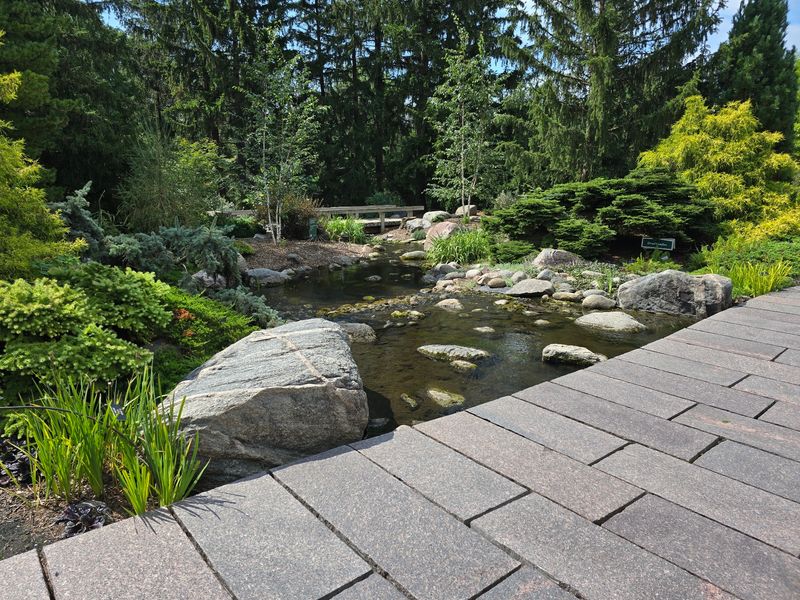
Winter in Minnesota can turn landscapes gray and bare. Conifers refuse to play along, and that’s why the evergreen plantings here feel so cheerful.
The University of Minnesota Landscape Arboretum grows a wide range of trees and shrubs tested for cold climates. Pines, spruces, firs, and other evergreens stand out when everything else goes quiet.
These collections are more than pretty backdrops. They help gardeners see how different trees look, grow, and hold up against tough northern weather.
Planning a windbreak or a privacy screen at home? Studying mature trees here beats guessing from a tiny nursery pot.
Notice the shapes and textures as you wander. Some evergreens grow tall and narrow, while others spread wide and low.
Colors vary more than you might expect too. Greens can lean blue, silver, or golden depending on the tree.
Snowy days make this part of the grounds especially striking. Dark branches dusted in white look like a holiday card come to life.
Bring a camera and warm gloves. The conifers will happily pose all year long without complaint.
Lace Up For A Paved Loop That Shows Off Almost Everything
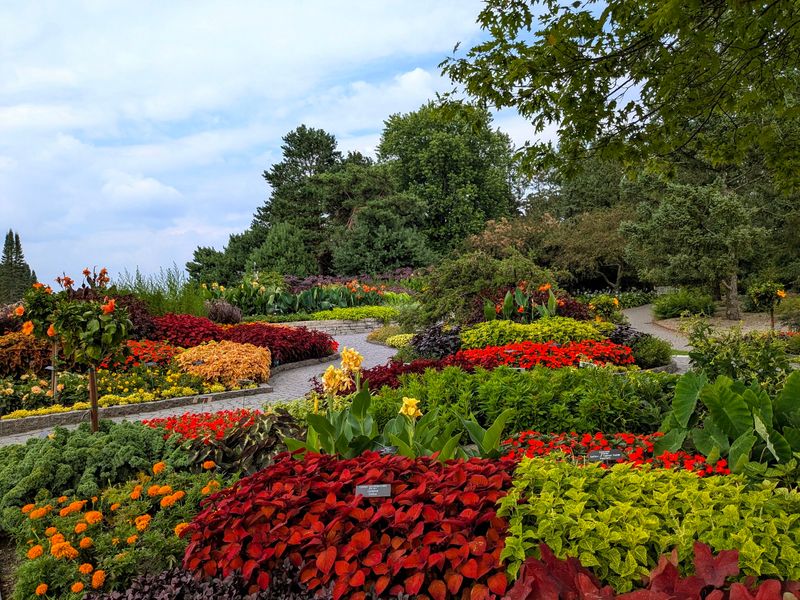
Three miles sounds easy until you realize how often you’ll stop to stare.
The Three-Mile Walk is a pedestrian-only route of approximately 2.25 miles, featuring mostly paved and brick pathways with some short gravel sections.
It works like a greatest hits tour. You pass through woodlands, wetlands, and prairie, plus many of the gardens and plant collections along the way.
Pavement makes the route friendly for strollers and comfortable shoes. Still, three miles in summer heat is real exercise, so pack water and pace yourself.
Shade helps in the wooded stretches. Open prairie sections feel brighter and breezier, which is lovely in spring and early fall.
Want a smart strategy? Grab a map at the start and mark the gardens you care about most before you set out.
That way you won’t rush past the spot you came to see. You can also linger longer where something happens to be blooming that week.
Each season changes the scenery along the same path. A walk in May looks nothing like one in October.
Many people come back again and again for exactly that reason. The loop stays the same, but the show keeps changing.
Kids Get A Hedge Maze, A Play Yard And Binoculars
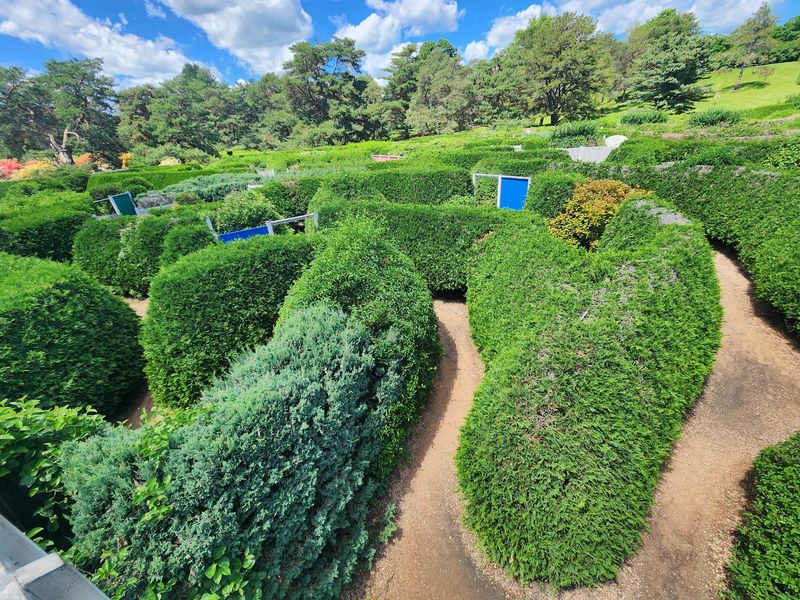
Getting lost is usually a bad thing. In the Maze Garden, it’s the whole fun, and kids get to boss adults around while finding the exit.
The maze is built from sheared shrubs. Its twists and dead ends make it a favorite stop for families at the University of Minnesota Landscape Arboretum.
Younger children can burn energy at the Green Play Yard near the Learning Center. Its features mix nature with imaginative play.
Families can also borrow an Explorer Pack. It includes books, binoculars, and activities like outdoor bingo, which turns a walk into a game.
Need a calmer break? StoryTime sessions in the Andersen Horticultural Library offer nature-themed tales for little listeners.
A smart plan helps with small kids. Pick two or three stops, add a snack break, and save the maze for the end as a reward.
That keeps meltdowns low and smiles high. You can always return for the rest another day.
Kids leave tired, curious, and full of plant facts. Parents leave wondering how a hedge outsmarted them.
Tulips, Irises And A Peaceful Japanese Garden Steal The Spotlight
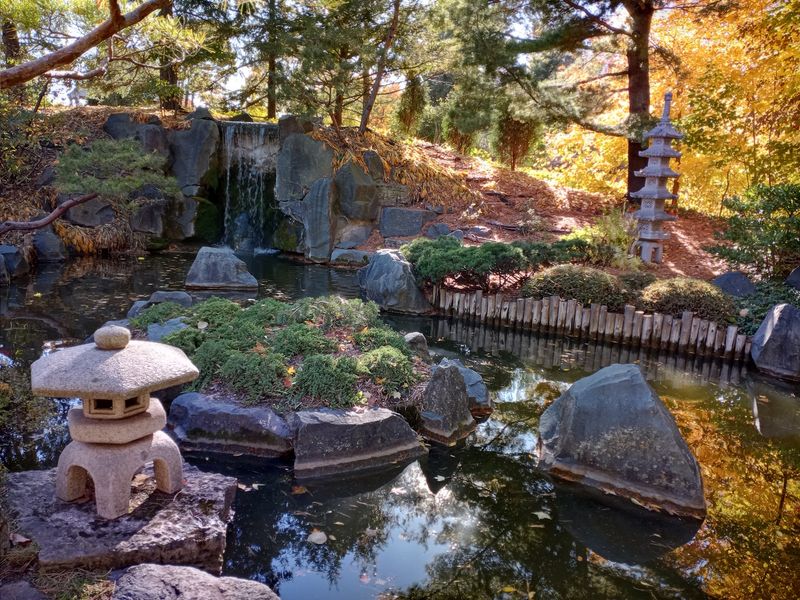
Timing is everything with flowers. Show up in early May, and the tulips here can look like someone spilled a giant box of crayons.
Spring tulips are among the most famous sights at the University of Minnesota Landscape Arboretum. Irises follow later, bringing rich purples and soft blues to the grounds.
A rose garden adds summer color. Dahlias and ornamental grasses help carry the display into late summer and fall.
Then there’s the Japanese Garden, a calm spot that feels worlds away from busy highways. It’s a lovely place to slow your breathing and simply look around.
A sculpture garden adds artistic surprises among the plants. Large pieces pop up in the landscape, making the walk feel a bit like a treasure hunt.
Here’s the practical part. Check bloom updates before visiting so you don’t miss your favorite flower by a week.
Every month brings a different headliner. That’s a sneaky good reason to come back more than once.
Honestly, it’s hard to choose a favorite garden. Luckily, nobody makes you pick.
Warm Up Indoors With Orchids, Books And Lunch
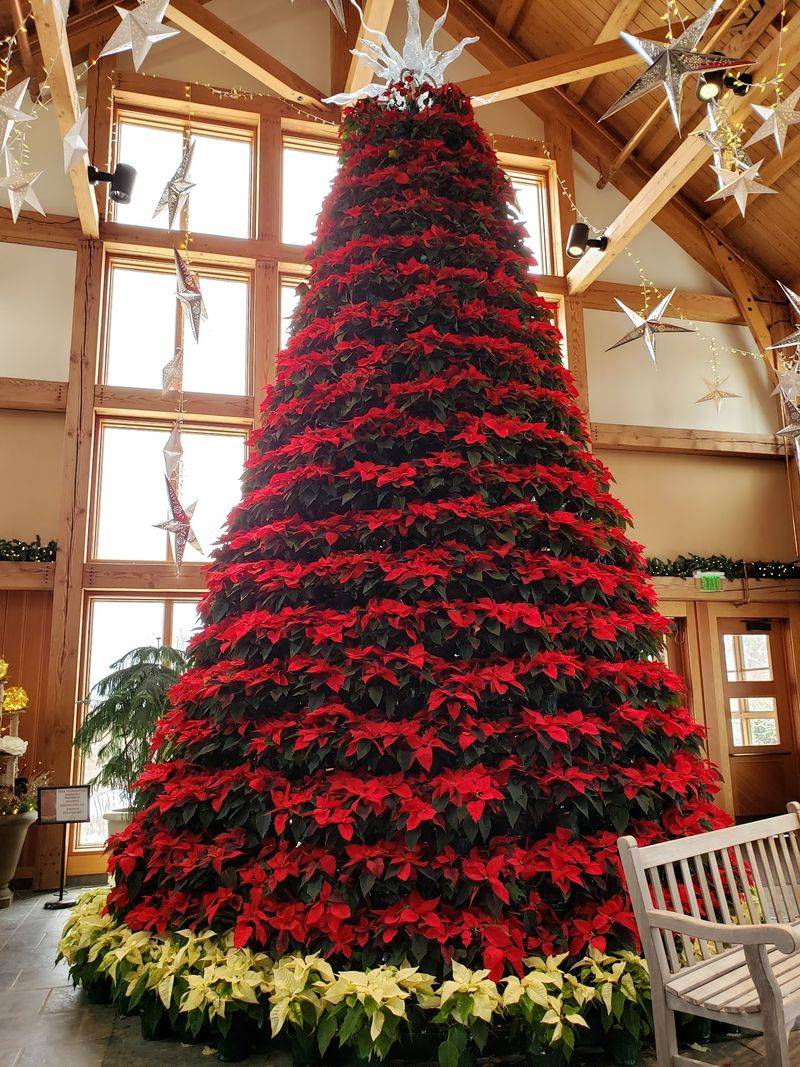
Cold weather doesn’t shut down the fun. The indoor spaces at this Minnesota arboretum give you plenty to explore when the wind bites.
Start at the Oswald Visitor Center, which opened in 2005. It holds art galleries with rotating exhibits and the Gift and Garden Store.
Hungry? Rootstock, the cafe inside, opened in July 2024 with a plant-forward and meat-supported menu built around seasonal ingredients.
Options include daily-made soups, Roman-style pizza, ancient grain salads, and specialty sandwiches. It’s a handy refuel stop between gardens.
A skyway links the visitor center to the Snyder Building. There you’ll find the Andersen Horticultural Library, packed with botanical books.
The Meyer-Deats Conservatory sits nearby too. Orchids and cacti fill the space, offering a tropical mood in the middle of winter.
The buildings offer wheelchair-accessible entrances, elevators, and restrooms. Manual wheelchairs are available free of charge at the Oswald Visitor Center on a first-come, first-served basis.
Plan a little indoor time even on nice days. Art, books, and orchids make a great pause from the trails.
Fall Brings Apples, Pumpkins And A Very Busy Scarecrow Crowd
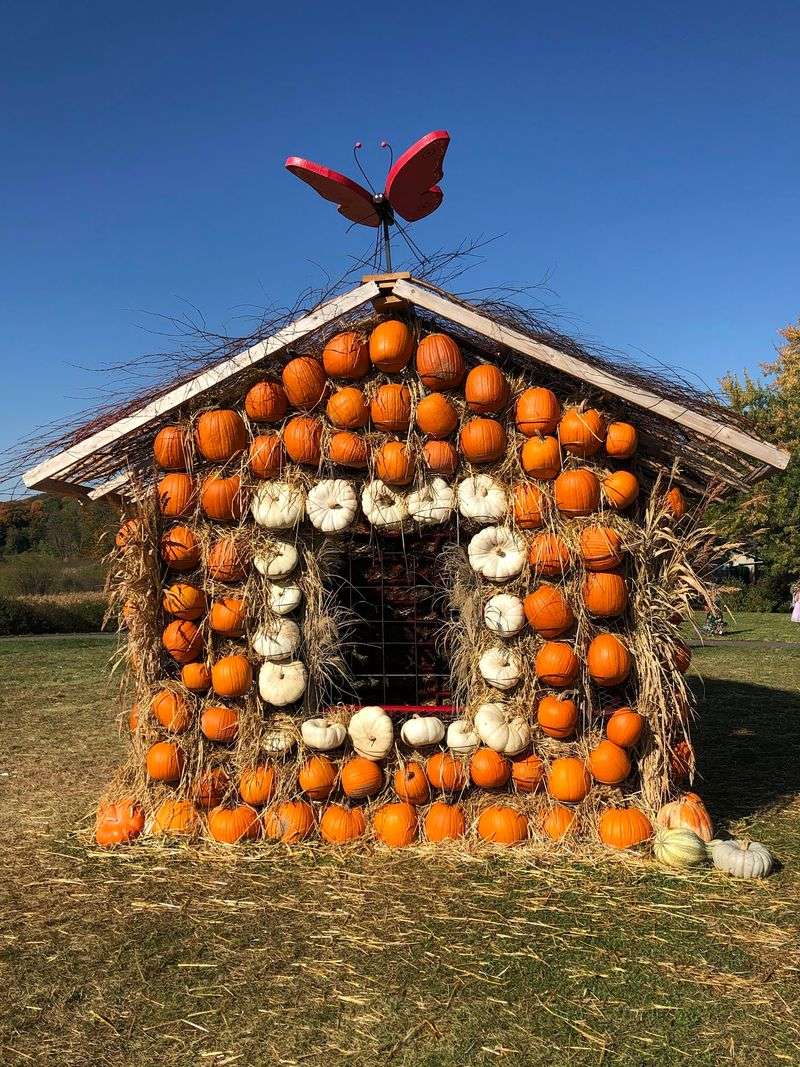
Autumn might be the sweetest season here, literally. The AppleHouse opens from mid-August through mid-December, selling Minnesota-grown apples.
Some varieties were developed by University of Minnesota researchers. Buying them here feels a bit like meeting a celebrity in its hometown.
The shop also carries gourmet packaged foods and frozen apple pies. Mini donuts make an appearance too, which is dangerous news for willpower.
Meanwhile, the grounds fill with Scarecrows, Pumpkins and Harvest Fun. This family-friendly display celebrates the season with plenty of photo-worthy characters.
Fall leaves add the finishing touch. The drive and walking loop glow with reds, oranges, and golds during peak color.
A quick tip helps here. Apple supplies and favorite varieties can change through the season, so go early if you have a specific pick in mind.
Bring a sturdy bag for your haul. Apples get heavy fast, especially after a pie or two joins the pile.
Fall at the Arb tastes as good as it looks. That’s a rare combination.
Winter Lights And Snowshoe Trails Keep The Calendar Glowing

Snow doesn’t send this place into hibernation. Once winter settles, more than eight miles of trails open for snowshoeing.
You can also walk them in boots if snowshoes aren’t your thing. Either way, the quiet woods feel brand new under fresh snow.
Short days bring Northern Lights, an event that lights up the landscape with glowing trees. It turns an evening stroll into something magical.
Special outings add even more variety. Past calendars have featured Full Wolf Moon Snowshoe Hikes and a Winter Music Series indoors.
Planning a visit is simple. The University of Minnesota Landscape Arboretum sits at 3675 Arboretum Dr, Chaska, MN 55318, about a short drive southwest of the Twin Cities.
Opening hours vary seasonally. In early November, the buildings are open from 9 AM to 4 PM and the grounds from 8 AM to 5 PM, with different hours during the Northern Lights event beginning November 20, 2026.
Buying tickets online can save a little money compared to paying at the gate.
Memberships make sense if you plan repeat trips. Each season offers a completely different reason to return.
Bundle up and bring a thermos of cocoa. Minnesota winter looks pretty friendly from a glowing trail.