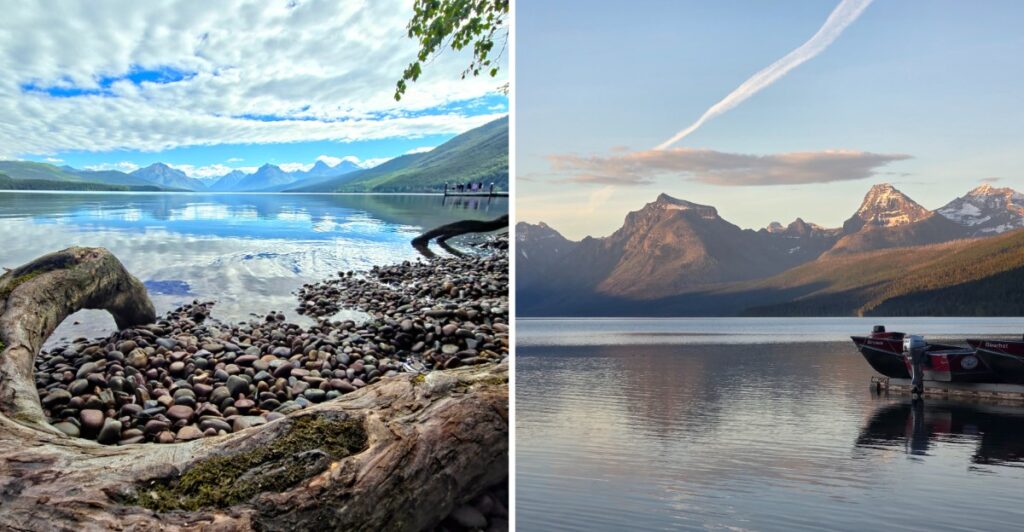
Red, green, blue, and plum-colored pebbles shine under water so clear it looks like glass.
You can stand at the shoreline and count stones several feet down without even getting your toes wet. Wet stones glow brightest, so the very edge of the water is prime viewing.
Those colors come from ancient mudstone rocks formed well over a billion years ago.
Glaciers and streams tumbled them smooth, then piled them along a long, deep mountain lake in Montana.
The water stays bright and chilly all summer, which keeps everything looking freshly polished.
For my money, the magic is the scale shift. Huge peaks fill the skyline, yet the best show might be right by your sandals, and I’d happily spend an hour just staring down.
Cold water, warm sun, and a rainbow underfoot make for a very easy afternoon.
The Rainbow Rocks Steal The Show Before You Even Unpack The Car
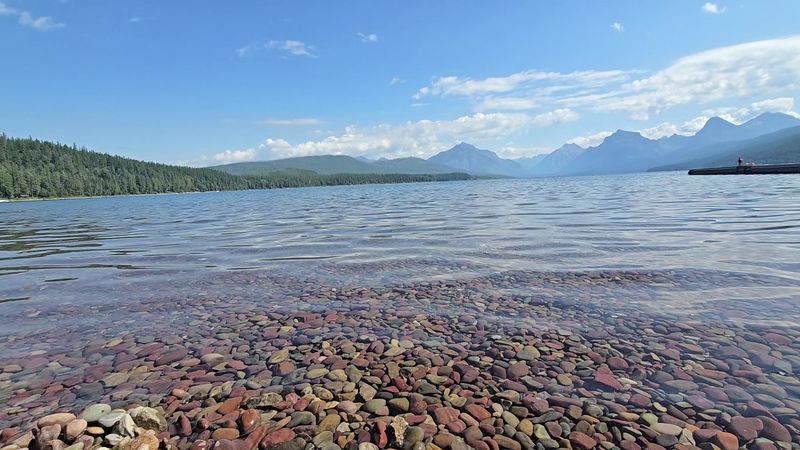
Most beaches make you work for the good stuff. At Apgar Beach on Lake McDonald, the payoff starts a few steps from the parking area.
The shoreline is covered in smooth, rounded stones in shades of brick red, sage green, slate blue, and soft purple. Some look like candy, and some look like they belong in a jewelry case.
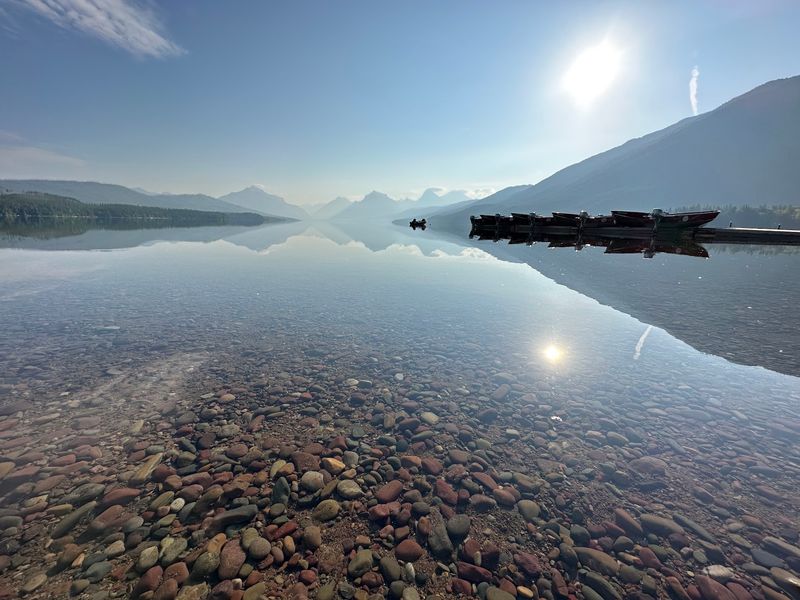
The real trick is looking into the water. Lake McDonald is famously clear, so the colorful pebbles keep going well past the shoreline. On a calm morning, the surface can look almost invisible.
Water makes the colors pop. Dry rocks on the beach can look a little dusty, while wet ones glow like they just got a fresh coat of paint.
Here’s a simple move worth making. Crouch near the waterline, let small waves roll over the stones, and watch the colors brighten each time.
Calm days are the sweet spot for this view. Wind ruffles the surface and hides the pebbles, so morning visits often give you the clearest look. Your camera roll will fill up fast, so maybe clear some space first.
Those Colors Have A Billion-Year Backstory Worth Knowing
Long before dinosaurs, before trees, and before almost anything you could name, these stones began as mud. Fine sediment settled in an ancient sea basin, layer after layer, well over a billion years ago.
Over time, that mud hardened into rocks called argillite and siltite. Geologists group them into a huge rock collection known as the Belt Supergroup, which shows up all across Glacier National Park.
So why the different colors? Iron is the secret ingredient. When the mud formed with plenty of oxygen around, the iron turned rusty red or maroon.
When oxygen was scarce, the iron stayed in a different form and gave the rock a green tint. Blues, grays, and purples come from other mineral mixes and tiny changes in the layers.
Glaciers later carved out the valley that holds the lake. Moving ice and rushing streams broke the rocks apart and rolled them smooth, like a giant rock tumbler running for thousands of years.
That means every pebble here is basically a tiny history book. Kids who think rocks are boring might change their minds after hearing that one.
Your Toes Will Want Water Shoes On These Pretty Pebbles
Gorgeous and comfortable are two different things. The stones at Apgar Beach on Lake McDonald are smooth, but walking barefoot over thousands of them still feels like a surprise foot massage.
Water shoes or sturdy sandals make a big difference. They let you wade, explore, and chase the best colors without tiptoeing around like the ground is lava.
Swimming is allowed, but brace yourself. Lake McDonald is fed by mountain snowmelt and stays cold, even during the warmest weeks of a Montana summer.
Many visitors simply wade up to their knees and call it a win. Braver swimmers dash in, gasp loudly, and dash right back out to warm stones.
No lifeguards are on duty here, so keep a close eye on kids. The shallow edge is friendly, but the lake drops off and gets deep farther out.
A towel, a warm layer, and a snack will make the stay much happier. Afternoons can feel hot on shore while the water stays brisk, so pack for both moods.
A Kayak Puts You Right On Top Of The Rainbow
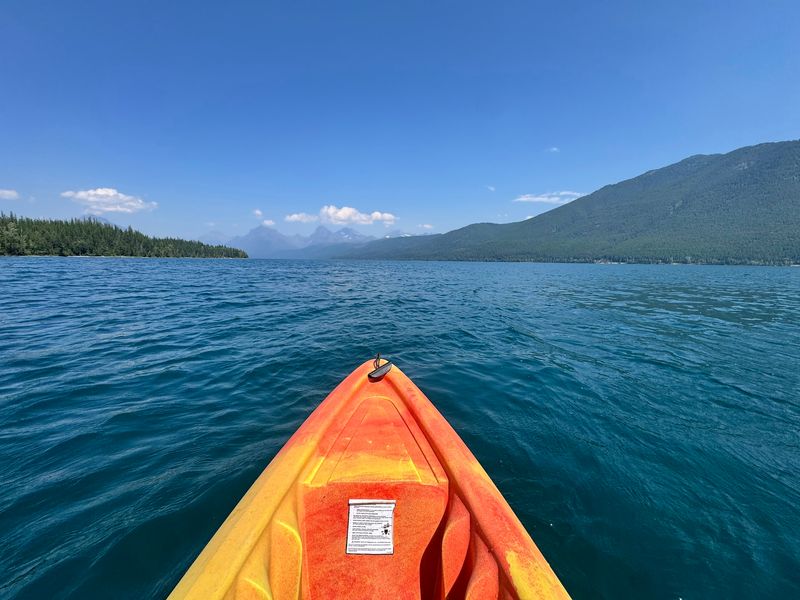
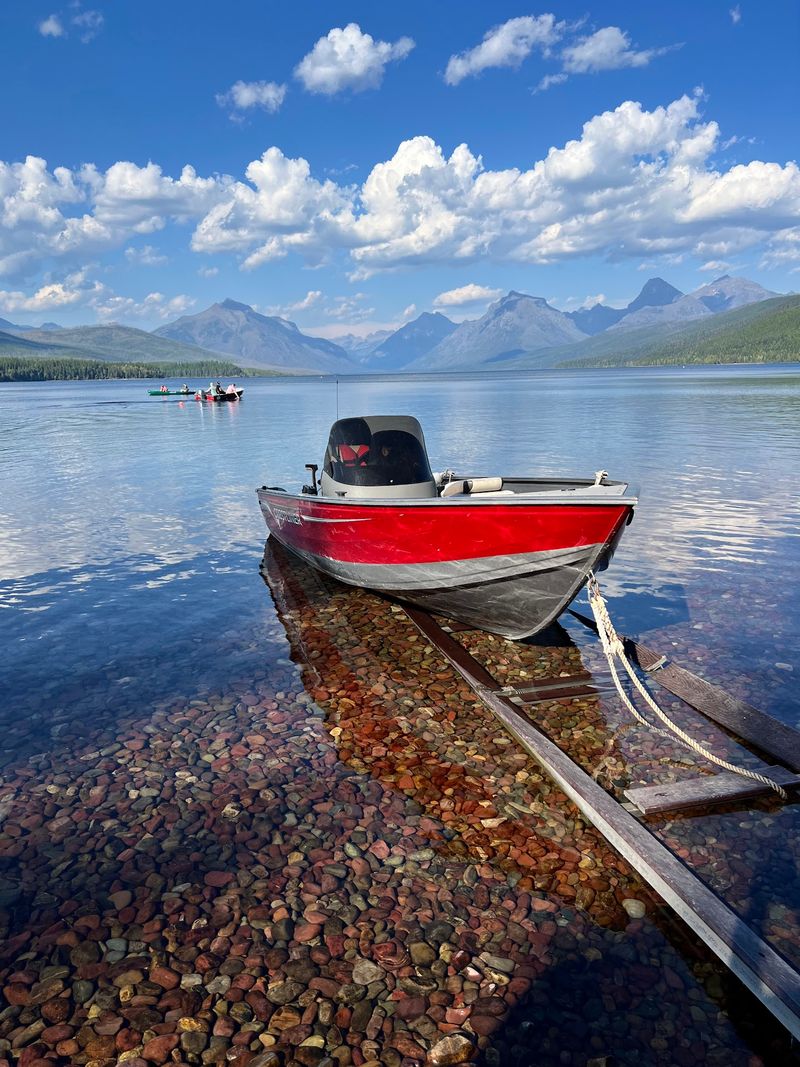
Paddling here feels a bit like flying over a mosaic. From a kayak, you can look straight down and watch colorful stones slide by beneath the boat.
Apgar has a seasonal boat rental operation right by the lake. Kayaks, canoes, paddleboards, and small motorboats are typically available during the summer season, so you don’t need to haul your own gear.
Bringing your own boat? Glacier National Park requires watercraft inspections to help keep invasive mussels out of its lakes. Plan for that step before launching, because rules apply to kayaks and paddleboards too.
Mornings tend to be calmer. Wind often picks up later in the day, and choppy water can turn a relaxing paddle into a surprise workout.
Stay fairly close to shore if you’re new to paddling. The lake is big and cold, so a life jacket is a must, not a fashion choice.
Watch the sky too. Mountain weather changes quickly, and thunderstorms mean everyone should head back to land fast.
Stick Around For Sunset And Watch The Peaks Turn Pink
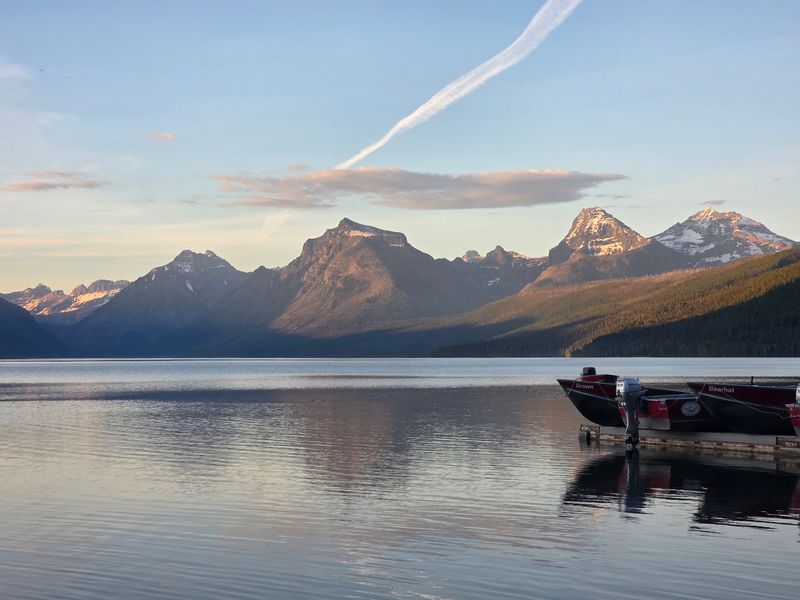
Golden hour here is basically free entertainment. Apgar sits at the southern tip of Lake McDonald, so the view stretches up the length of the lake toward a wall of mountains.
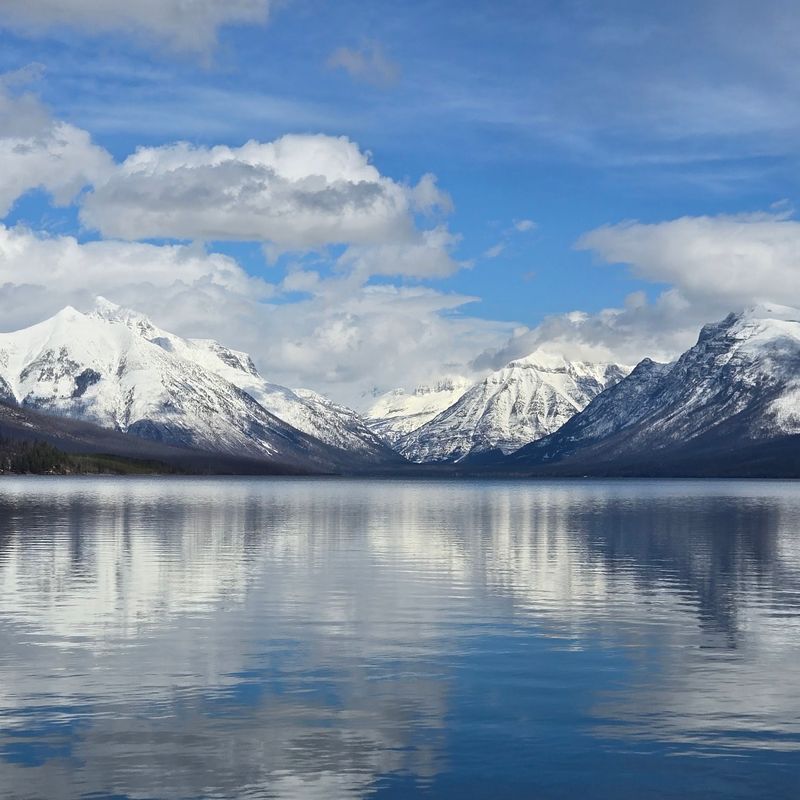
As the sun drops, light often paints those distant peaks in warm pinks and oranges. On still evenings, the lake can mirror the whole scene like a giant window.
Lake McDonald is the largest lake in Glacier National Park. It runs about 10 miles long, which explains why the mountains at the far end can look soft and hazy.
The evening crowd is part of the charm. People spread out on the stones with picnic dinners, cameras, and folding chairs, all facing the same direction like a theater audience.
Bring a jacket, even in July. Temperatures near the water can dip quickly once the sun disappears behind the ridges.
Bug spray is a smart extra. Then grab a spot, get comfortable on the pebbles, and let the sky do the rest.
Snacks, Souvenirs, And Ice Cream Are Just Steps Away
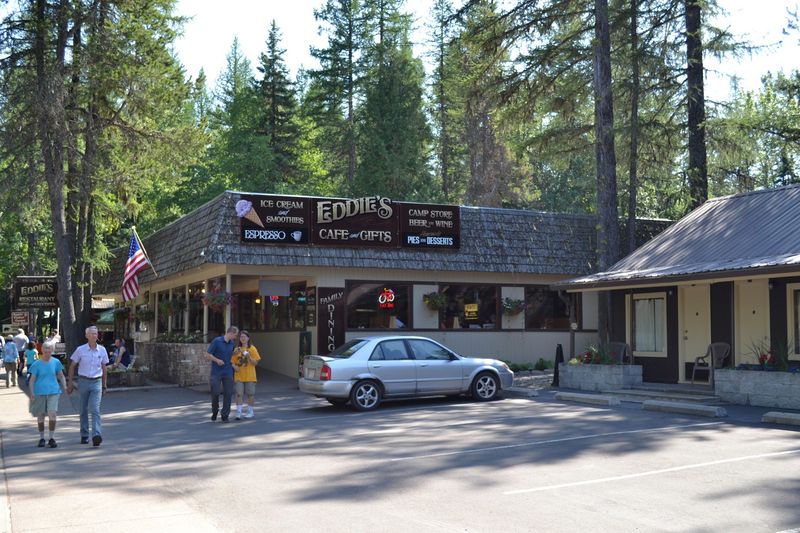
Forgot your sunscreen? Lucky for you, this lakeside spot sits right next to Apgar Village.
The beach is found at Apgar Lp Rd, West Glacier, MT 59936, inside Glacier National Park. That puts you close to shops, a cafe, lodging, and other handy stops.
Eddie’s Cafe and Mercantile is a popular village stop for meals, snacks, and supplies. It’s also known for its huckleberry treats, which feel like a required Montana experience.
Gift shops sell postcards, shirts, and souvenirs. The Village Inn at Apgar offers rooms near the water, and the Apgar Campground is close by for anyone who prefers a tent.
The Apgar Visitor Center is another useful stop nearby. Rangers there can share updates on trails, road conditions, and park programs.
Restrooms and picnic areas make longer visits easier, especially with kids. Most village businesses run seasonally, though, so expect some to be closed in early spring and late fall.
Every Pebble Has To Stay Right Where You Found It
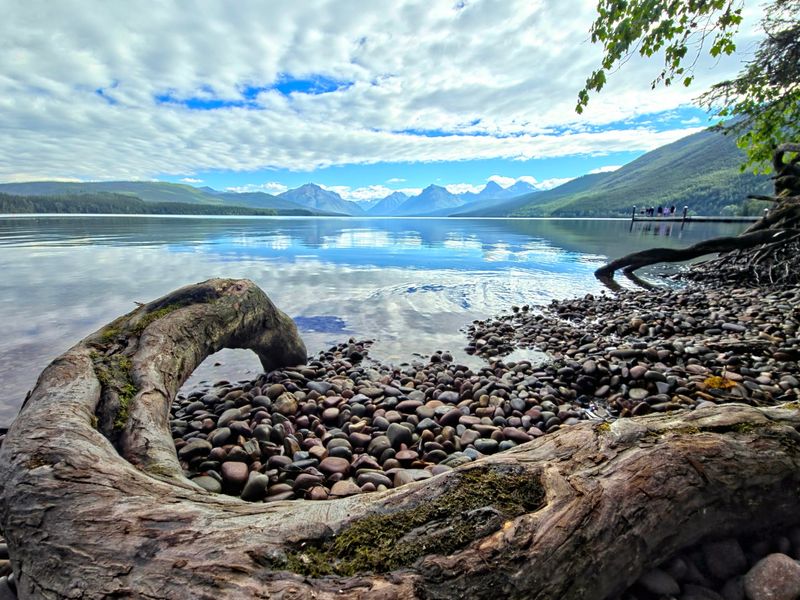
Pocketing just one tiny stone seems harmless. Multiply that by millions of park visitors, though, and the famous rainbow shoreline would slowly vanish.
Removing rocks from a national park is against federal rules. That includes the colorful pebbles at Apgar Beach on Lake McDonald, no matter how small or perfect they look.
The good news is that photos are free and unlimited. Snap close-ups of the colorful stones where they lie, leaving the shoreline undisturbed for other visitors to enjoy.
Stacking rocks into towers is also discouraged in national parks. Those piles disturb natural spaces, and they can confuse hikers who use official rock markers on trails.
Skipping stones counts as a gray area for some families, so keep it simple. Admire, photograph, and leave the shoreline looking the way you found it.
Pack out all trash, including tiny wrappers and fruit peels. Squirrels and birds love easy snacks, but feeding wildlife is not allowed and isn’t healthy for them either.
Smart Timing Makes 2027 Your Easiest Glacier Trip Yet
Early birds get the best parking spots. Glacier National Park gets very busy in summer, and the lots near Apgar fill up quickly on peak days.
Arriving before mid-morning usually means calmer water and a more peaceful beach. Late evening can be lovely too, once the day-trip rush starts heading out.
Glacier National Park’s shuttle system changed in 2026 to a ticketed service.
So, you should check the current routes, fares, and reservation requirements before your 2027 trip.
In 2026, the shuttle provided express service from the Apgar area to Logan Pass rather than stopping at every major attraction along Going-to-the-Sun Road.
Confirm the 2027 route before relying on it.
Glacier has used vehicle reservation systems in recent summers. Rules can change from year to year, so check the official park updates well before your 2027 trip.
July and August bring the warmest weather and the most open roads. June and September can be quieter, though some services may run on shorter hours.
The beach area itself stays open around the clock. That makes sunrise visits and stargazing nights possible, as long as you follow park rules.