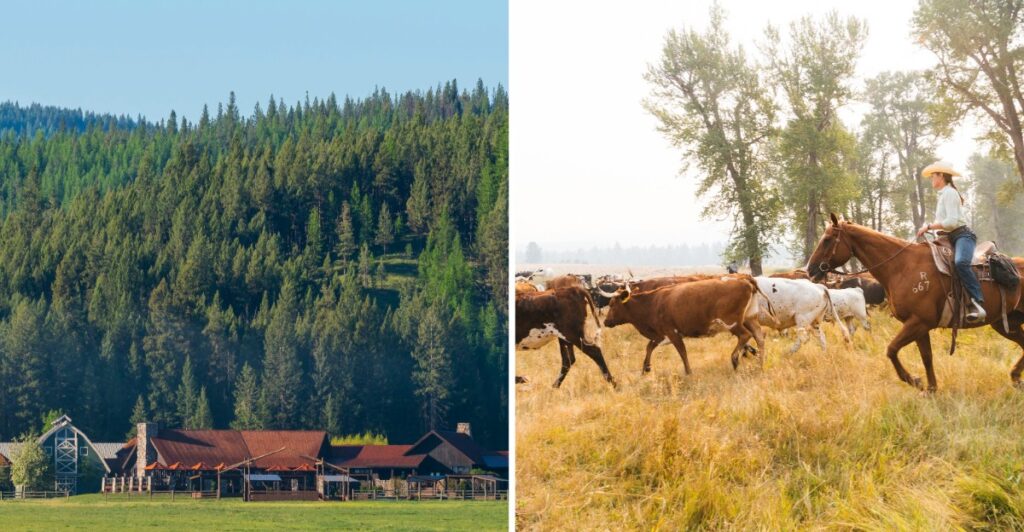
Turns out, “yeehaw” is not a complete cattle-moving strategy.
On this western Montana ranch, you actually get to help move a herd from horseback, with seasoned wranglers showing you how the job works along the way.
That is where things get interesting.
The cows are not following a script, so positioning your horse matters more than looking convincing in the saddle. Beginners can join too, which means cowboy credentials are definitely not required.
I would bring curiosity and listen closely when the wranglers start giving directions. They know the herd. The herd, meanwhile, may still have its own ideas.
The experience runs for roughly three and a half hours across a massive working ranch, so this is much more than a scenic trail ride.
Consider it your temporary promotion from passenger to ranch hand.
The Cattle Drive Starts Before The Herd Moves
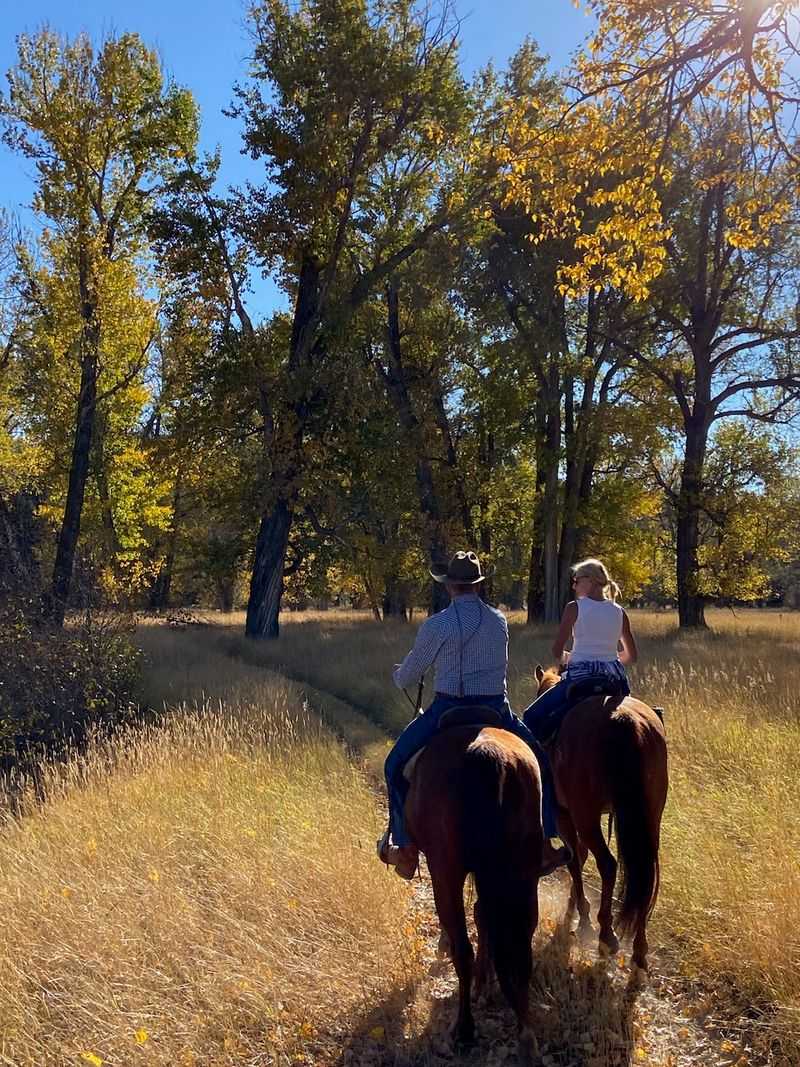
Before anybody starts gathering cattle, riders need to get comfortable with the horse and the basic instructions that will matter once the group reaches the herd. The cattle drive welcomes novice and advanced riders, so previous horseback experience is not required.
That makes the first part especially useful for beginners. A few simple cues can make the difference between merely sitting on a horse and understanding how to steer, slow down, and position yourself with purpose.
The wranglers stay with the group as the ride develops. They explain where riders should be, how cattle respond to movement, and when a horse needs to shift position. Guests are not handed reins and expected to figure out ranch work alone.
Experienced riders have something new to learn too. Moving cattle creates a different kind of ride from following a marked trail. The horse, herd, terrain, and instructions all matter at once.
Once the group heads onto the ranch, those opening instructions stop feeling theoretical. A cow drifts left, another hangs back, and the reason for all that talk about position becomes very clear.
Thirty-Seven Thousand Acres Give The Ride Room To Spread Out
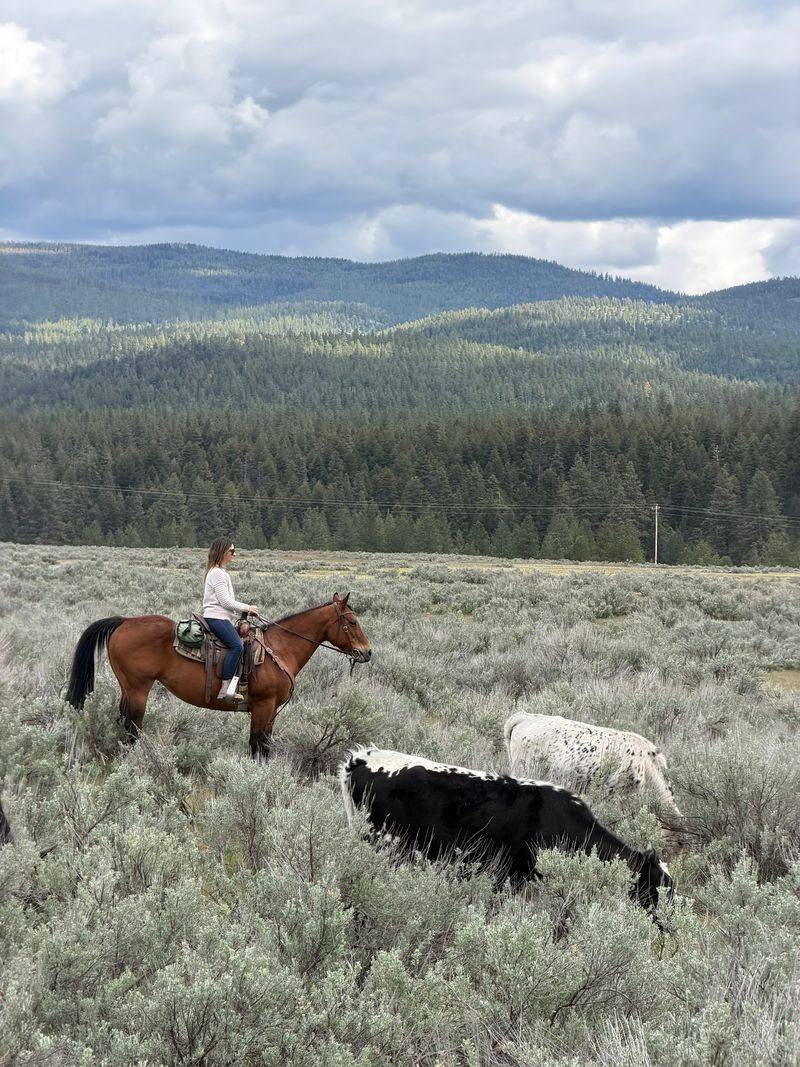
Paws Up sits on 37,000 acres in Montana’s Blackfoot Valley. The property includes more than 100 miles of trails, ten miles of the Blackfoot River, meadows, forested ground, and mountain terrain. It also operates as a working cattle and bison ranch.
That scale changes the feel of the cattle drive. The outing is not confined to a small demonstration area beside the resort. Riders travel through ranch country where livestock and horses are part of the property’s regular operation.
The outing moves through working ranch country as riders locate the cattle and help gather and push the herd toward pasture.
Once the group is out with the cattle, resort buildings stop being the focus. Horses, open ground, and the next job take over.
It is a useful reset if your normal day contains more screens than saddles. Cattle are not particularly interested in unread messages, and the horse beneath you has a stronger claim on your attention anyway.
Riders Actually Help Gather And Move The Cattle
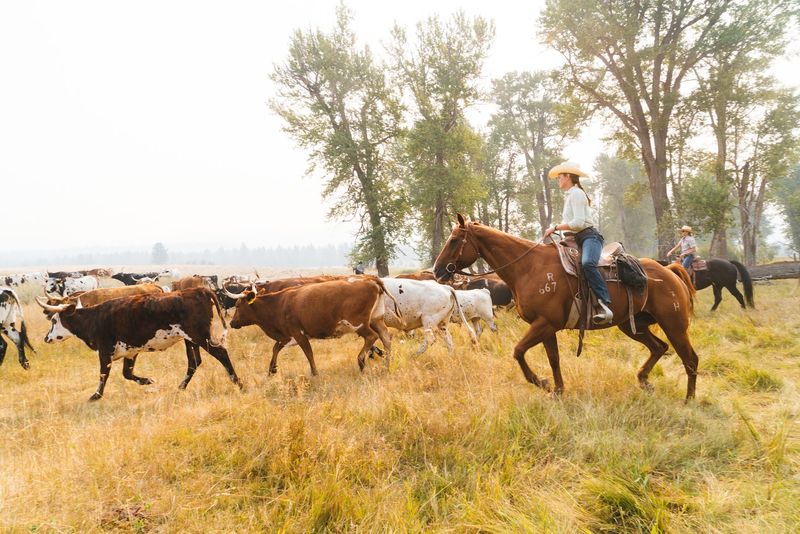
The central job sounds straightforward: find the cattle, collect them into a manageable group, and help push them toward another pasture. Doing it from horseback adds the interesting part.
Riders use their position to influence how the herd moves. A horse coming closer can apply pressure that encourages cattle to change direction, while leaving too much open space can give one an easy route away from the group.
Wranglers guide guests through those decisions. You learn where to close space, when to hold back, and how the cattle react to the riders around them.
There may also be an opportunity to try cutting an individual animal from the herd. Cutting means separating one cow from the rest, which makes timing and position even more important.
The experience also introduces some history behind cattle driving and basic rodeo skills connected with Western ranch traditions.
Once several riders begin working together, the herd develops a rhythm. One person keeps cattle from drifting out, another helps close a side, and the group gradually moves where it needs to go.
That teamwork makes the activity more involved than a scenic horseback loop. You are still getting the views, but you have a job while you look at them.
Corriente Cattle Keep Everyone Paying Attention
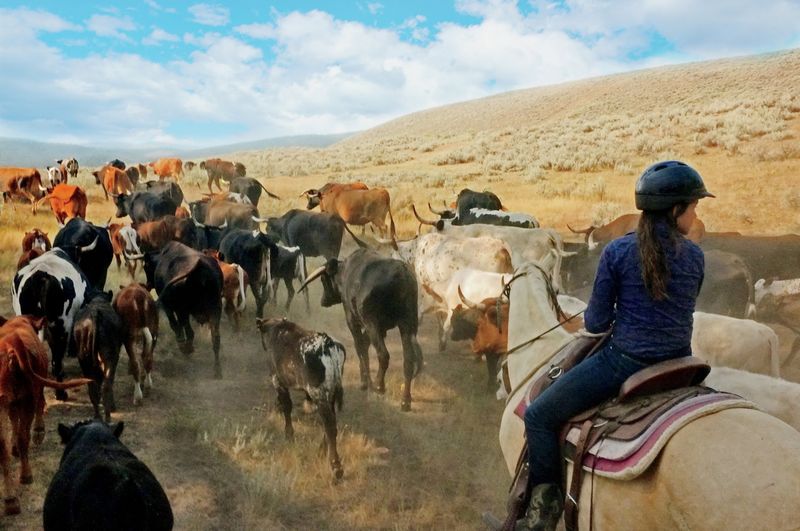
The cattle used for the drive include Corriente cows weighing around 800 pounds. Their size is a good reason to take the wranglers’ instructions seriously and think about guiding movement rather than trying to force it.
Guests are not expected to chase the herd around the pasture. The work depends on controlled positioning, steady movement, and understanding how livestock respond to pressure.
That can make tiny adjustments surprisingly important. Move the horse a few steps and you may close a route a cow was considering. Stay too far away and the same cow may decide the edge of the herd is merely a suggestion.
The horses have an active role too. They carry riders across changing terrain while responding to cues from the saddle and working around moving livestock.
For somebody used to ordinary trail rides, this adds another layer of concentration. You can still notice the mountains, grasslands, and open Montana sky, but the scenery occasionally has to wait while a cow tests the plan.
The activity is designed for riders with different experience levels, but it still involves large animals and several hours outdoors. Listening closely at the beginning makes the rest easier to follow.
Greenough Puts The Ranch In The Blackfoot Valley
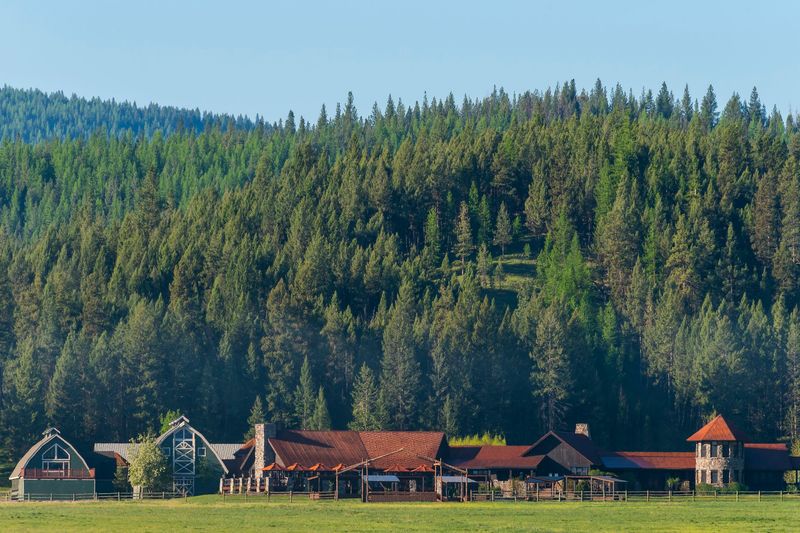
Paws Up Montana is at 40060 Paws Up Road, Greenough, MT 59823, in the Blackfoot Valley northeast of Missoula. The ranch is about a 45-minute drive from Missoula International Airport, keeping the transfer manageable after landing.
Round-trip transportation from the airport is included with a stay. Once guests arrive, on-demand shuttles help connect different areas of the large property, while guests staying in homes have access to a vehicle for on-property use.
Those logistics matter on 37,000 acres. Moving between accommodations, activity areas, dining spaces, and equestrian facilities is different from walking around a compact hotel.
Ten miles of the Blackfoot River cross the property, and more than 100 miles of trails spread through the ranch.
If the cattle drive is high on your list, avoid stacking the rest of the day too tightly. Three and a half hours in the saddle is enough to make a slow meal or an easy evening look like a sensible follow-up.
You can always save another big activity for tomorrow. The cattle will not be offended.
Three And A Half Hours Make It A Real Half-Day Plan
The cattle drive lasts approximately three and a half hours and is offered in spring, summer, and fall. Riders must be at least twelve years old. Rates can change, so check the current amount when arranging the activity.
That time gives the experience room to develop. Guests start with guidance, ride onto the ranch, locate and gather cattle, and then spend time working with the herd rather than turning around just as the job begins to make sense.
Do not treat the drive as a quick activity squeezed between fixed appointments. Leave enough time to get ready beforehand and enough room afterward to avoid rushing straight into the next plan.
Clothing should follow the forecast and riding requirements. Jeans, light layers, and closed-toe shoes are sensible ranch basics, especially when conditions can change over several hours outdoors.
The cattle drive can also appear inside larger stay packages. For 2026, the Wild West Dreaming package includes a cattle drive, a private trail ride, and other activities, with availability from May through October.
Package rates and inclusions can change, so confirm the current details when planning the stay.
Either way, block off half a day. Your calendar will look much better with breathing room around several hours of horses and cattle.
The Working Ranch Continues After The Drive Ends
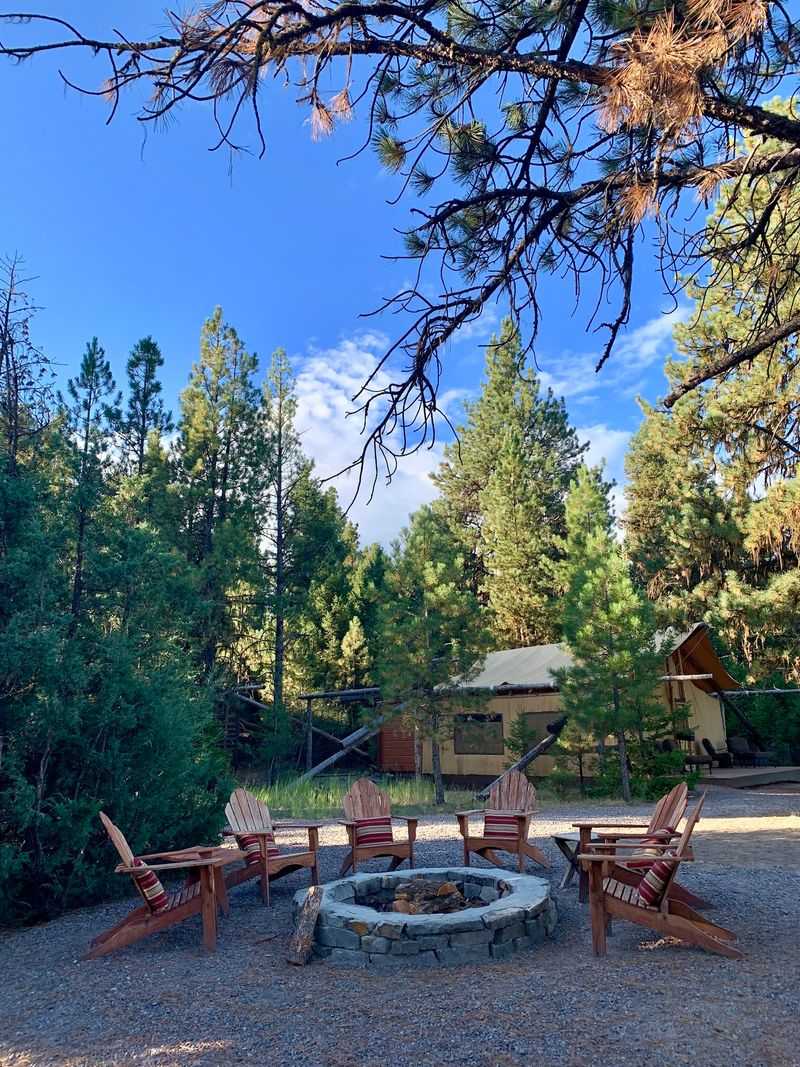
The cattle drive is one part of a broader equestrian and ranch program. Paws Up also has other horseback experiences, extensive trails, river activities, and seasonal outdoor adventures across the property.
That does not mean the schedule needs to become a contest. After several hours helping move cattle, sitting down can feel like a perfectly legitimate Montana activity.
If you want more horse time, trail rides provide a different pace without the same cattle-moving job. Other activities vary by season, age requirement, and availability, so it helps to build the stay around the experiences you care about most.
The working-ranch setting continues after the cattle drive. Cattle and bison are part of the property, horses remain central to the activity program, and the Blackfoot Valley shapes much of what happens outdoors.
During the ride, though, the ranch becomes pleasantly specific. You are watching cattle, following a wrangler, adjusting your horse, and figuring out where the herd needs you next.
For a few hours, that is plenty. The pasture becomes the workspace, the saddle becomes your seat for the afternoon, and the cows make sure nobody gets too comfortable with the idea that the route will unfold exactly as planned.